Korean Cast Iron Charcoal Grill Suppliers and Manufacturers
Explore 31 verified suppliers offering Korean Cast Iron Charcoal Grill options with varying lead times, certifications, and response speeds. Compare dimensions, MOQs, and factory locations in Hebei, China to source the right equipment for your needs today; review the available evidence before requesting comparable quotations from suitable candidates.
Updated
Suppliers List

Hebei Cookwin Kitchen Products Co., Ltd.
- Verified by BV
- Trading Company,Manufacturer/Factory
- China Hebei
- Lead time30 days
- Avg. response≤ 3h
Main productsCast Iron Cookware, Cast Iron Casserole, Cast Iron Frypan, Cast Iron Skillet, Cast Iron Dutch Oven, Cast Iron Griddle, Cast Iron Fondue, Cast Iron Wok, Cast Iron Teapot, Cast Iron Pipe and Fitting
Main marketsSouth America,Eastern Europe,Mid East,North America,Southeast Asia,Eastern Asia,Oceania,Western Europe,Africa

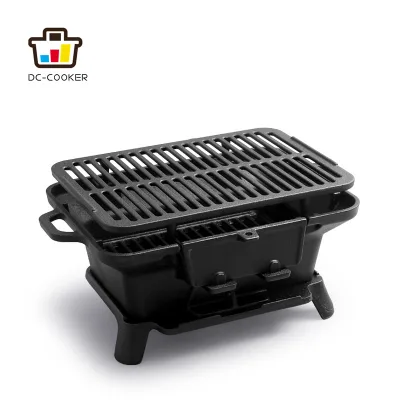
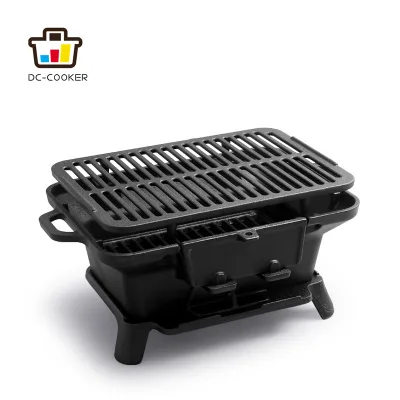
Cast Iron Charcoal Grill Pre-Seasoned Cast Iron Portable Charcoal Grill
$15.00 - $25.00
MOQ: 100 Pieces

Outdoor Cast Iron Hibachi Barbecue Charcoal Grill Cast Iron Grill Stove
$15.00 - $25.00
MOQ: 100 Pieces
Zhengding Geovein Import & Export Trading Co., Ltd.
- Verified by SGS Group
- Trading Company
- Lead time30 days
- Avg. response≤ 4h
Main productsCast Iron Kitchenware, Enamel Kitchenware, Stone Mortar, Outdoor Stove, Vegetable Oil Preseasoned Cast Iron
Main marketsNorth America(40%), Western Europe(22%), Northern Europe(13%)
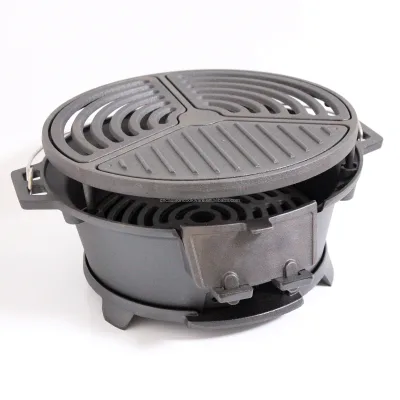
Cast Iron Portable Charcoal Grill Outdoor Cooking BBQ Grill Cast Iron Hibachi Grill
$11.75 - $13.87
MOQ: 300
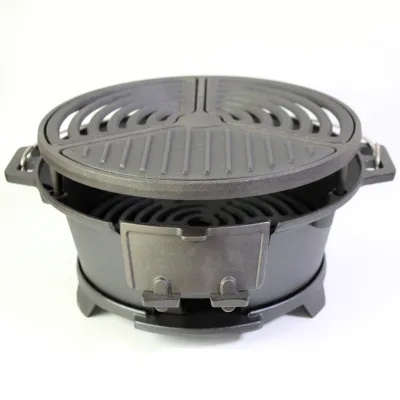
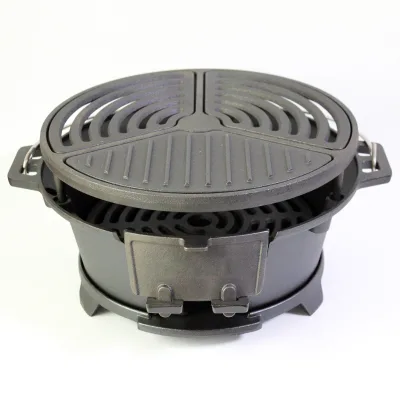
Zhejiang Huachun Electric Appliances Co., Ltd.
- Manufacturer, Trading Company
- Zhejiang, China
- Lead time30 days
- Avg. response≤ 3h
Main productsElectric Grill, Electric Skillet, Electric Pizza Pan, Charcoal Grill, Cookware
Main marketsSouth America(40.00%), Southeast Asia(40.00%), North America(10.00%), Western Europe(10.00%)

Qingdao Vold Machinery Manufacturer Co., Ltd.
- Combined
- China Shandong
- Lead time30 days
- Avg. response≤ 5h
Main productsPedal Go Kart, Kids Balance Bike, Kids Tricycle, Kids Mini Digger, Fire Ring, BBQ
Main marketsEurope,North America
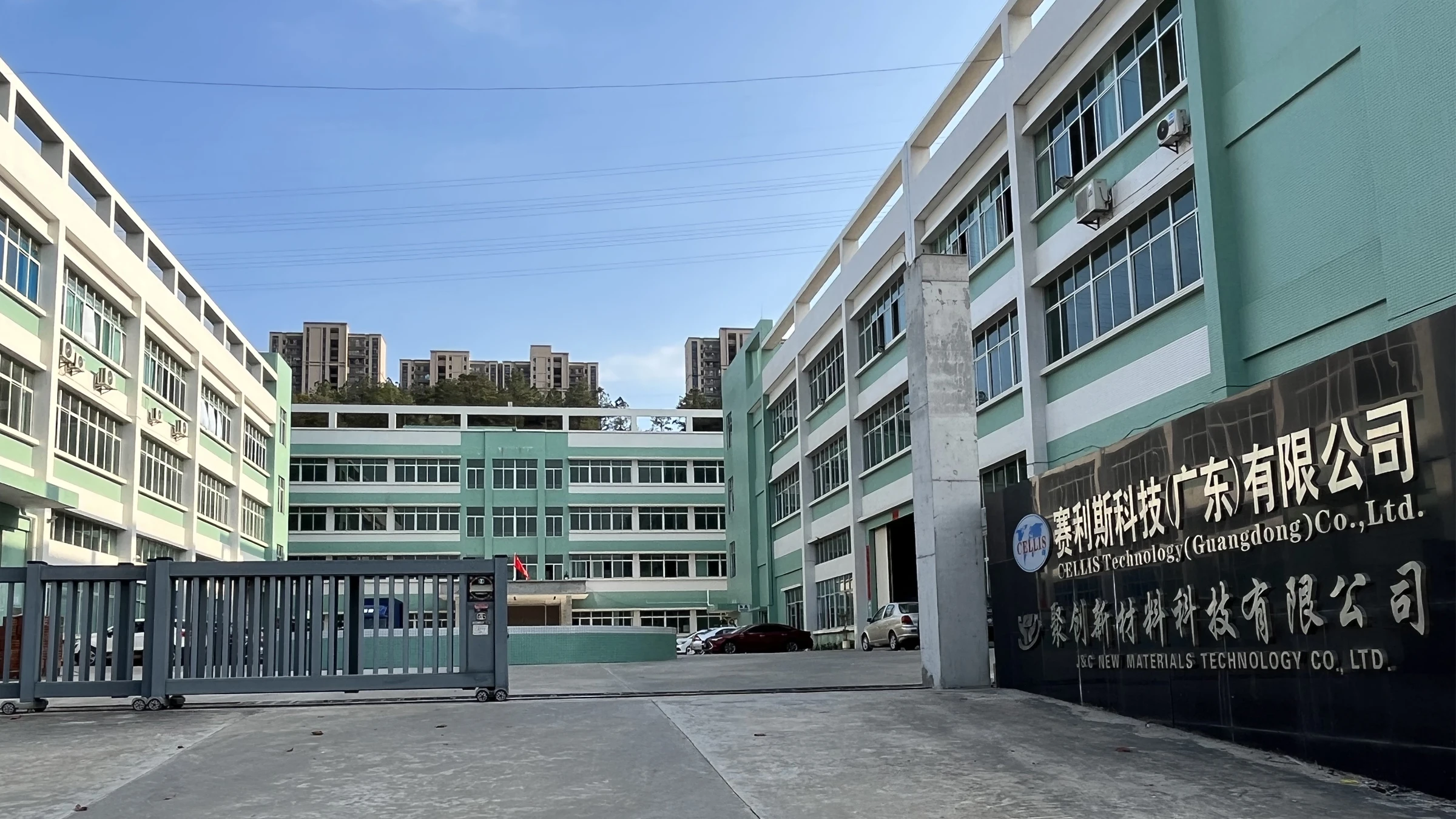
Cellis Technology(guangdong)co., Ltd.
- Manufacturer, Trading Company
- Guangdong, China
- Lead time0 days
- Avg. response≤ 3h
Main productsbarbecue tray,baking pan,frying pan,wok,cookware component
Main marketsDomestic Market(60.00%), Northern Europe(15.00%), North America(12.00%), South America(8.00%), Oceania(5.00%)
Hebei Dongchu Import And Export Trade Co., Ltd.
- Trading Company
- Hebei, China
- Lead time25 days
- Avg. response≤ 1h
Main productscast iron skillet & Pan,Cast iron Dutch oven,cast iron teapot,cast iron wok,Cast Iron Casserole
Main marketsNorth America(40.00%), Domestic Market(20.00%), Southern Europe(20.00%)

Hebei Debien Technology Co., Ltd.
- Verified by TUVRHEINLAND
- Trading Company
- China Hebei
- Lead time30 days
- Avg. response≤ 5h
Main productsCast Iron Pulley, Taper Lock Bush, Transmission Pulley, Casting Part, Cast Iron Cookware, Dutch Oven
Main marketsSouth America,Africa,Southeast Asia/ Mideast,East Asia(Japan/ South Korea),Europe,Australia,North America

Cast Iron Indoor Outdoor Chinese BBQ Grill Restaurant Table Top Barbecue Charcoal Grill
$22.00 - $24.00
MOQ: 100 Sets

2023 Popular Useful Japanese BBQ Grill Cast Iron Hibachi Charcoal Outdoor Grill
$22.00 - $24.00
MOQ: 100 Sets


Household China BBQ Utensils Portable Folding Outdoor Charcoal Barbecue Grill
$22.00 - $24.00
MOQ: 100 Sets


Chongqing Deso Lifting Co., Ltd.
- Manufacturer/Factory
- China Chongqing
- Lead time45 days
- Avg. response≤ 13h
Main productsChain, Chain Block, Lever Block, Shackle, Manul Hoist, Lifting Equipment, Steel Wire Rope, Rigging Hardware, Nylon Rope, Webbing Sling
Main marketsSouth America,Eastern Europe,Mid East,North America,Southeast Asia,Eastern Asia,Oceania,Western Europe,Africa

Suzhou Ruilun Metal Products Co., Ltd.
- Combined
- China Jiangsu
- Lead time15 days
- Avg. response≤ 10h
Main productsStove Chimney, Fireplace Chimney, Pellet Stove Chimney, Rain Cap/Cowl, Terminal Top, Stainless Steel Tee, Stainless Steel Bend/Elbow, Stainless Steel Flue Kits, Fireplace/Stove Accessories, BBQ Grid
Main marketsDomestic,Europe,Australia,North America

- Verified by TUVRHEINLAND
- Trading Company
- China Zhejiang
- Lead time15 days
- Avg. response≤ 11h
Main productsDaily Use, Light Industry, Textile, Plastic Raw Material, Outdoor Supplies, Kitchenware, Toys, Home Decor, Pet Products, Holiday Supplies
Main marketsSouth America,Europe,North America

High Quality BBQ Cooking Black Height-Adjustable Cast Iron Charcoal Barrel Grill
$9.00 - $11.00
MOQ: 10 Pieces


High Quality Smokeless Camping Tabletop Barbecue Grill with Active Ventilation
$19.00 - $21.00
MOQ: 10 Pieces

Yixing Yuejie Ceramic Technology Co., Ltd.
- Verified by SGS
- Combined
- China Jiangsu
- Lead time30 days
- Avg. response≤ 9h
Main productsCeramic Grill, Kamado Grill, Ceramic Kamado
Main marketsDomestic,Europe
Hangzhou Jy Development Co., Ltd.
- Verified by SGS Group
- Trading Company
- Lead time35 days
- Avg. response≤ 5h
Main productsBBQ Grills, BBQ Accessories, Charcoal Grill, Gas Grills, Portable Grills
Main marketsNorth America(40%), Western Europe(20%), Northern Europe(15%)
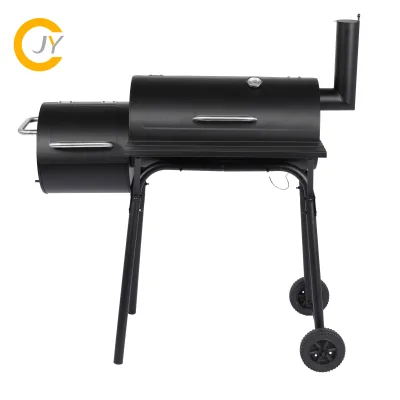
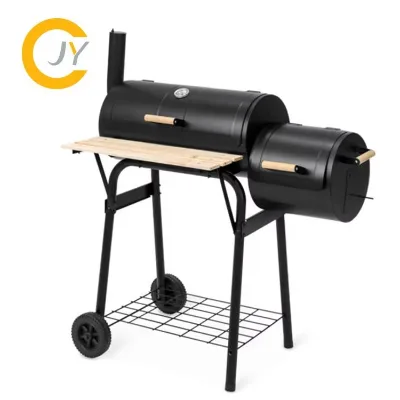
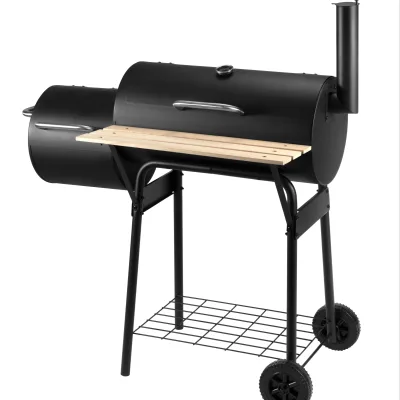
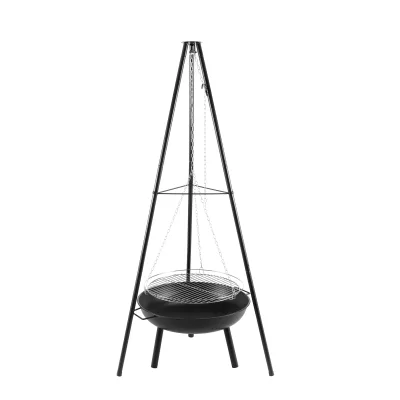
New Design Bbq Charcoal Grill with Stainless Steel Handles and Wood Front / Side Plate
$35.00 - $37.50
MOQ: 690

Foshan yizhong hardware and plastic co., ltd.
- Combined
- China Guangdong
- Lead time30 days
- Avg. response≤ 22h
Main productsBBQ Grill, Charcoal Grill, Charcoal Starter
Main marketsSouth America,Africa,Southeast Asia/ Mideast,East Asia(Japan/ South Korea),Europe

Anping Ying Hang Yuan Metal Wire Mesh Co., Ltd.
- Verified by SGS
- Combined
- China Hebei
- Lead time15 days
- Avg. response≤ 4h
Main productsScreen Mesh, Wire Mesh, Welded Wire Mesh, Wire Mesh Fence, Fiberglass Mesh, Chain Link Fence, Razor Wire Fence, Steel Mesh, Crimped Wire Mesh, Galvanized Wire Mesh
Main marketsSouth America,Southeast Asia/ Mideast,North America


Au Portable Folding Thickened Grill BBQ Small Black Steel Charcoal Grill Outdoor
$2.20 - $2.50
MOQ: 1000 Pieces

Galvanized Iron Small Partable BBQ Grill Outdoor Travel Grill with Wooden Handle
$2.20 - $2.50
MOQ: 1000 Pieces

Zhejiang Haoda Electrical Appliance Co., Ltd.
- Combined
- China Zhejiang
- Lead time30 days
- Avg. response≤ 3h
Main productsFloor Cleaner, Deep Fryer, Infrared Ceramic Cooker, Electric Hotplate, Electric Buffet Warmer, Electric BBQ, Electric Chopper, Vacuum Cleaner, Air Fryer
Main marketsSoutheast Asia/ Mideast,Europe,North America


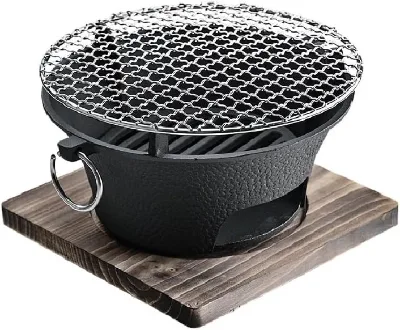
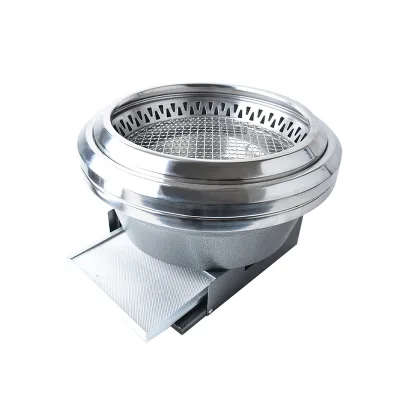
Korean Smokeless Charcoal Grill Indoor and Outdoor Portable Field Smokeless Barbecue
$8.00 - $9.20
MOQ: 500 Pieces


Zhenjiang Trumy Industrial Co., Ltd.
- Trading Company,Manufacturer/Factory
- China Jiangsu
- Lead time30 days
- Avg. response≤ 23h
Main productsFurniture Hardware, Door Hardware, Fastener, Building Material, Bathroom Accessory, Kitchen Accessory, BBQ Grills&Outdoor Cooking, Fire Pit&Fire Place, Outdoor Furniture, Toilet Partitions Accessories
Main marketsSouth America,Eastern Europe,Mid East,North America,Southeast Asia,Eastern Asia,Oceania,Western Europe,Africa
Dongguan Comfort Home Catering Equipment Co., Ltd.
- Manufacturer, Trading Company
- Guangdong, China
- Lead time25 days
- Avg. response≤ 16h
Main productshot pot table,bbq table,Commercial induction cooker,Commercial electric oven,Soup base
Main marketsNorth America(40.00%), Eastern Europe(20.00%), Western Europe(11.00%), Northern Europe(9.00%), Southeast Asia(8.00%), Eastern Asia(7.00%), South America(5.00%)
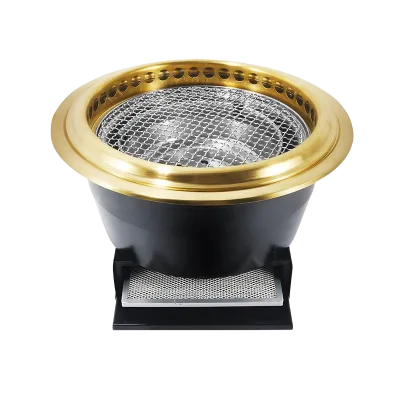
Japanese Smokeless Charcoal Bbq Grill
$65.00 - $75.00
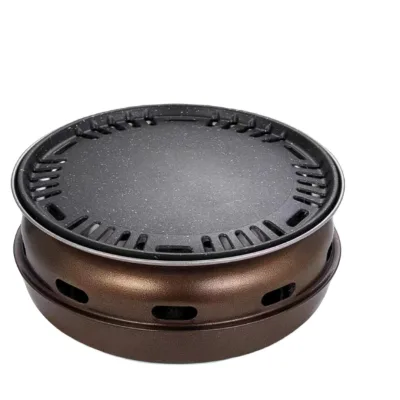
Luxurious Style Charcoal BBQ Grill for BBQ Restaurant
$155.00 - $164.00

FOSHAN TOP GLORY FURNITURE TECHNOLOGY CO., LTD.
- Verified by TUVRHEINLAND
- Manufacturer/Factory
- China Guangdong
- Lead time45 days
- Avg. response≤ 4h
Main productsOutdoor Furniture, Garden Furniture, Rattan Furniture, Patio Furniture, Furniture, Fabric Sofa, Outdoor Sofa, Wicker Furniture, Rattan Chair
Main marketsSouth America,Eastern Europe,Mid East,North America,Southeast Asia,Eastern Asia,Oceania,Western Europe,Africa
- Manufacturer, Trading Company
- Shandong, China
- Lead time10 days
- Avg. response≤ 1h
Main productskorean bbq grill,gas grill barbecue,korean bbq grill table,korean bbq table grill,korean bbq grill
Main marketsNorth America(26.00%), Western Europe(10.00%), Eastern Asia(10.00%), South Asia(10.00%), Southeast Asia(10.00%), Eastern Europe(10.00%), Southern Europe(10.00%), Northern Europe(4.00%), Africa(4.00%), Central America(3.00%), South America(3.00%)
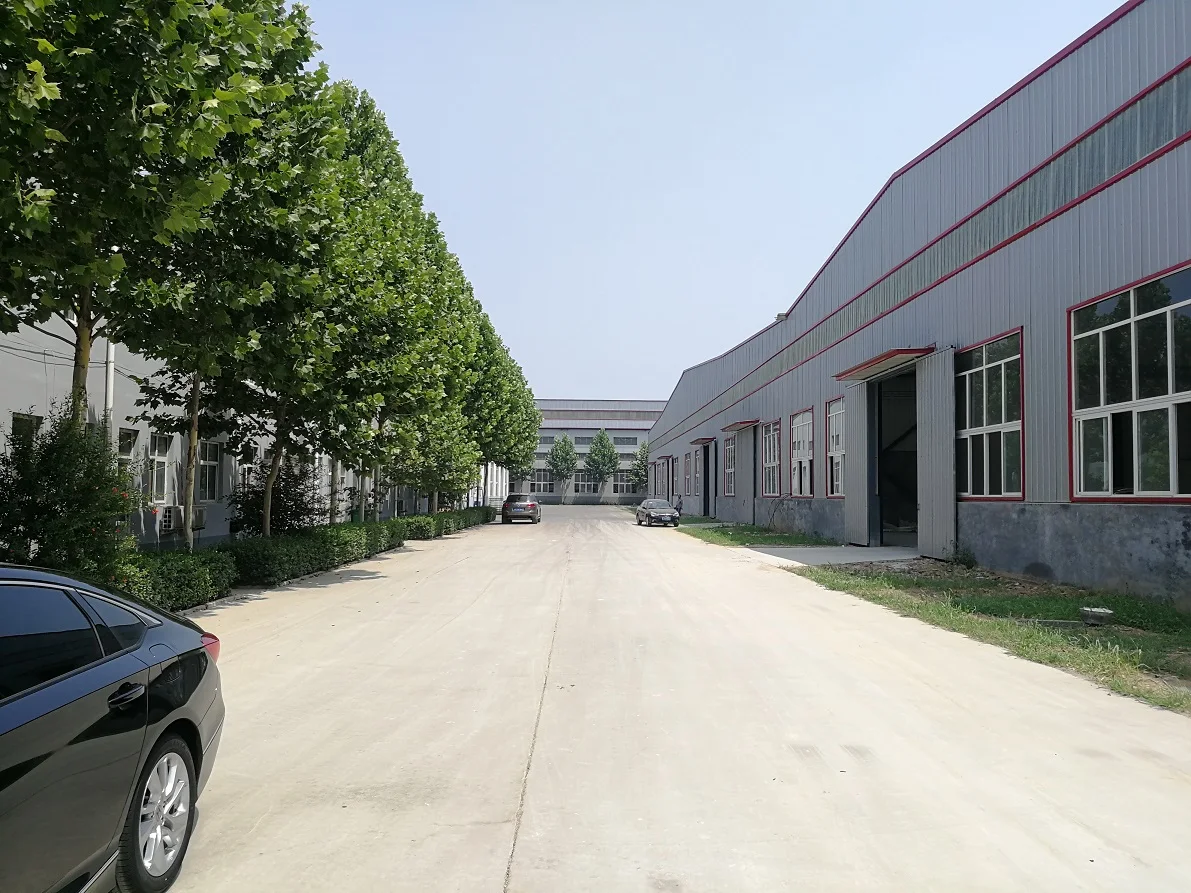
Shijiazhuang Everfine Co., Ltd.
- Trading Company
- Hebei, China
- Lead time30 days
- Avg. response≤ 5h
Main productsCast iron cookware,cast iron dutch oven,cast iron skillet,Cast iron burner,three legs cast iron pot
Main marketsNorth America(30.00%), Africa(20.00%), Oceania(20.00%), South America(20.00%), Southeast Asia(10.00%)

Shanghai Sirf Industrial Co., Ltd.
- Trading Company
- Shanghai, China
- Lead time15 days
- Avg. response≤ 11h
Main productsWhetstone,Kitchen Supplies,Tools
Main marketsEastern Europe(50.00%), Western Europe(20.00%), North America(10.00%), Southern Europe(5.00%), Southeast Asia(5.00%), Eastern Asia(5.00%), Oceania(5.00%)
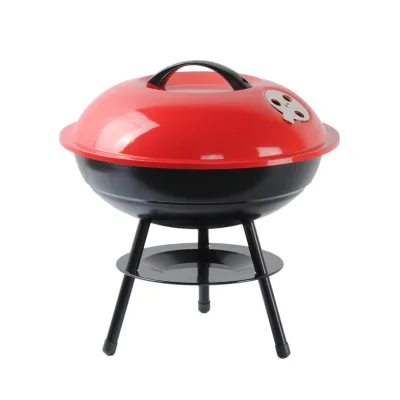
14 Inch Korean Portable Ceramic Outdoor Camping Smoker Burner Oven Charcoal Barbecue BBQ Grills
$6.684 - $7.5774
MOQ: 4 pieces
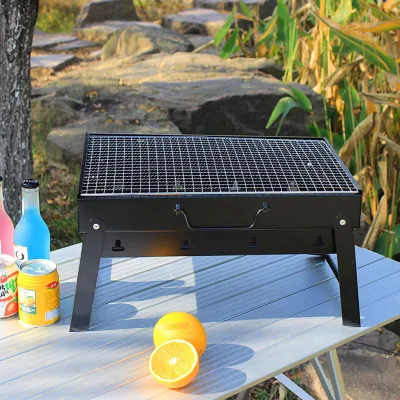
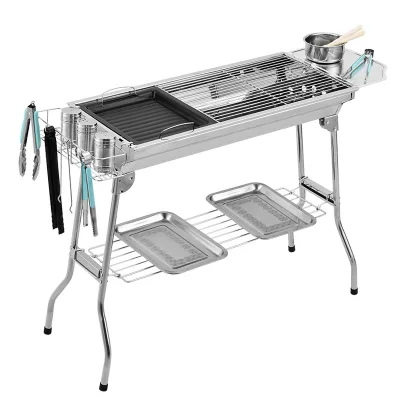
Standard Stainless Steel Outdoor Charcoal BBQ Barbecue Grill Easy to Install and Clean
$11.6442 - $20.9455
MOQ: 1 pieces
JIANGMEN FUNGHO HOUSEWARE CO., LTD.
- Verified by TüVRheinland
- Trading Company
- Guangdong, China
- Lead time60 days
- Avg. response≤ 2h
Main productsStainless Steel Cookware Set, Stainless Steel Kettle, Aluminum Stock Pot, Outdoor Cookware, Outdoor Burner
Main marketsNorth America(50%), Western Europe(30%), South America(10%)

Guangdong Hongxuan Industrial (group) Co., Ltd.
- Manufacturer, Trading Company
- Guangdong, China
- Lead time35 days
- Avg. response≤ 3h
Main productsBBQ Tool Set, Pizza Tool, BBQ Grid, BBQ Pan, BBQ Grill
Main marketsNorth America(55.00%), Western Europe(20.00%), Northern Europe(14.00%), South America(5.00%), Southeast Asia(5.00%), Domestic Market(1.00%)
Chengdu Kingoda Advanced Materials Co.,Ltd
- Trading Company
- Sichuan, China
- Lead time10 days
- Avg. response≤ 2h
Main productsOutdoor kitchen,Gas grill,Outdoor BBQ Station,Outdoor Fire Pit,Barbecue grill
Main marketsWestern Europe(22.00%), South America(13.00%), Mid East(12.00%), Domestic Market(10.00%), North America(9.00%), Eastern Europe(7.00%), Southern Europe(7.00%), Northern Europe(5.00%), Eastern Asia(4.00%), Southeast Asia(4.00%), South Asia(3.00%), Africa(2.00%), Central America(2.00%)
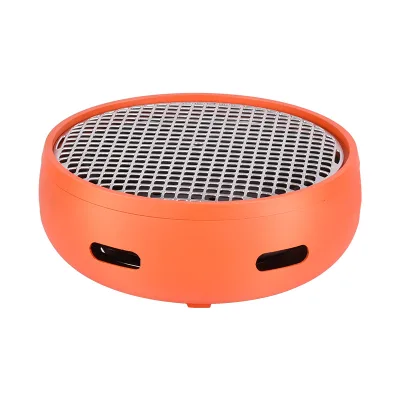
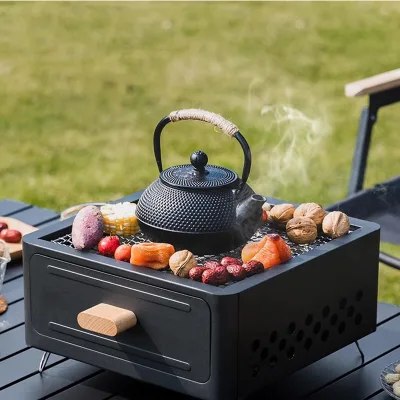
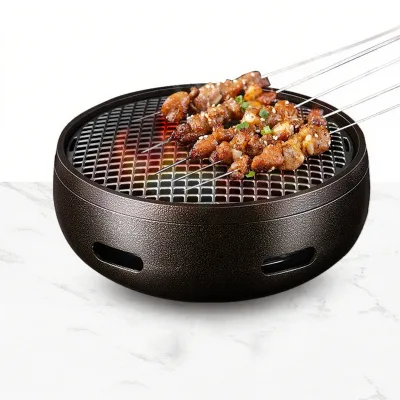
Japanese-style Commercial Cast Iron Charcoal Grill - Factory Direct Supply for Professional BBQ
$66.23 - $77.46
MOQ: 3 pieces

Zhong Xing Da (Hangzhou) Import & Export Co., Ltd.
- Verified by SGS
- Manufacturer/Factory
- China Zhejiang
- Lead time45 days
- Avg. response≤ 6h
Main productsCooking, Cookware, Waterfun, Fishing, Camping, RV
Main marketsSouth America,Eastern Europe,North America,Western Europe
Hefei Yuexianglai Commodity Co., Ltd.
- Trading Company
- Anhui, China
- Lead time15 days
- Avg. response≤ 2h
Main productsraincoats,comfortable insoles,small appliances,roller skate shoes and accessories,PU wheels
Main marketsSouth Asia(10.00%), Central America(10.00%), Southeast Asia(10.00%), Mid East(10.00%), South America(10.00%), North America(10.00%), Domestic Market(5.00%), Oceania(5.00%), Southern Europe(5.00%), Northern Europe(5.00%), Africa(5.00%), Western Europe(5.00%), Eastern Asia(5.00%), Eastern Europe(5.00%)

Ningbo Eto Outdoor Supplies Co., Ltd.
- Trading Company,Manufacturer/Factory
- China Zhejiang
- Lead time23 days
- Avg. response≤ 7h
Main productsTent, Hammock, Sleeping Bag, BBQ Grill, Camping Furniture, Garden Furniture, Camping Lantern, Beach Furniture, Travelling Accessories, Mattress
Main marketsSouth America,Eastern Europe,Mid East,North America,Southeast Asia,Eastern Asia,Oceania,Western Europe,Africa


Tabletop BBQ Grill Portable Barbecue Charcoal Grill Cast Iron Easy Assemble Folding BBQ Grill
$5.00 - $10.00
MOQ: 1000 Pieces

HENAN JINBAILAI INDUSTRIAL CO., LTD.
- Verified by BV
- Trading Company
- China Henan
- Lead time23 days
- Avg. response≤ 3h
Main productsBBQ, Gas Fire Pit, Wood Fireplace, Stove, Steel Planter, Metal Decors, Garden Furniture, Garden Landscape
Main marketsEurope,North America
Shandong Chenxiang Machinery Equipment Co., Ltd.
- Manufacturer, Trading Company
- Shandong, China
- Lead time7 days
- Avg. response≤ 2h
Main productsFood Trucks,Commercial Equipment and Machinery,Packaging Supplies,Cargo Bundling Services,Transportation Services
Main marketsNorth America(36.00%), Central America(16.00%), South America(15.00%), Northern Europe(13.00%), Western Europe(10.00%), Oceania(10.00%)
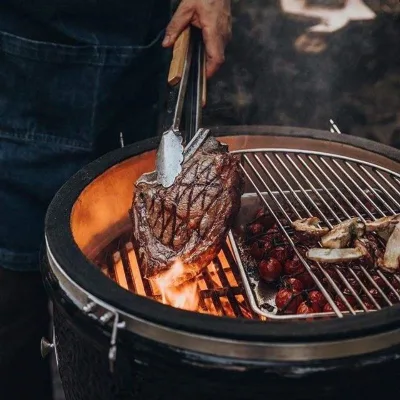
Charcoal Grill with Lid - Lock in Flavor & Control Temperature
$178.00 - $309.00
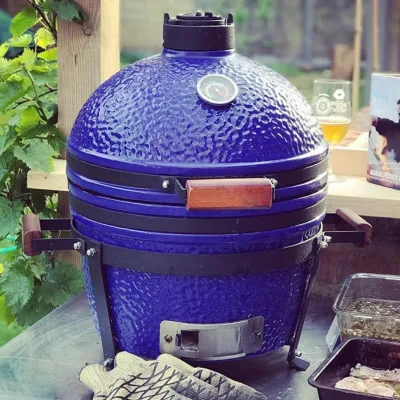
Stainless Steel Charcoal BBQ Grill - Rustproof & Easy to Clean
$178.00 - $309.00
Beijing Magicland Technology Co.,Ltd.
- Trading Company
- Beijing, China
- Lead time15 days
- Avg. response≤ 4h
Main productsRoof Tent, Awning Tent, Offroad Accessories, Camping Gear
Main marketsNorth America(45.00%), Western Europe(20.00%), Oceania(15.00%), South America(10.00%), Northern Europe(10.00%)
Hangzhou Cofar Import & Export Co., Ltd.
- Manufacturer, Trading Company
- Zhejiang, China
- Lead time45 days
- Avg. response≤ 8h
Main productsBBQ grill,Turkey Fryer,Fire Pit,Smoker,BBQ accessories
Main marketsNorth America(50.00%), Eastern Europe(25.00%), Western Europe(20.00%), South America(5.00%)




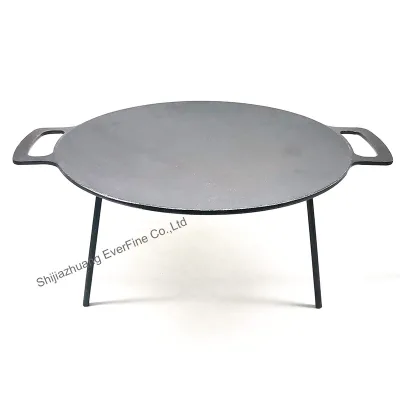
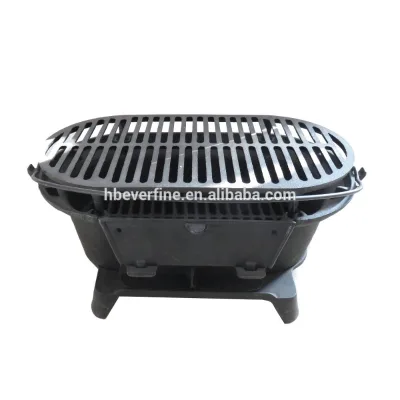
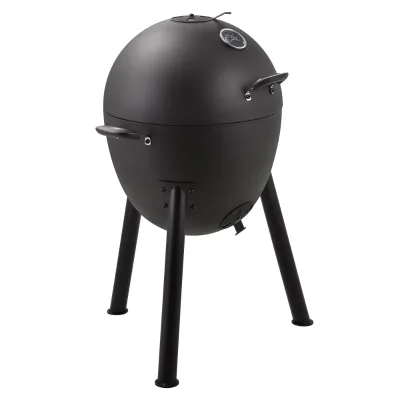
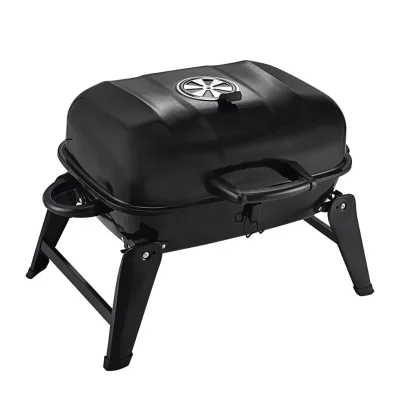
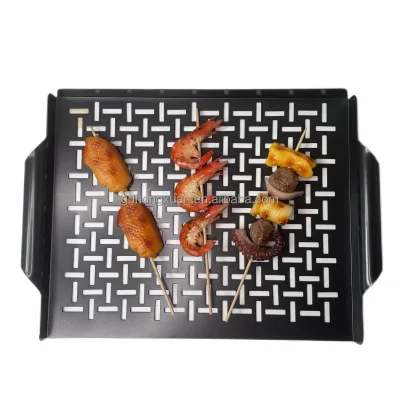
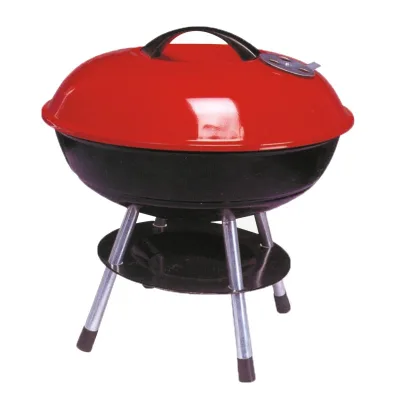


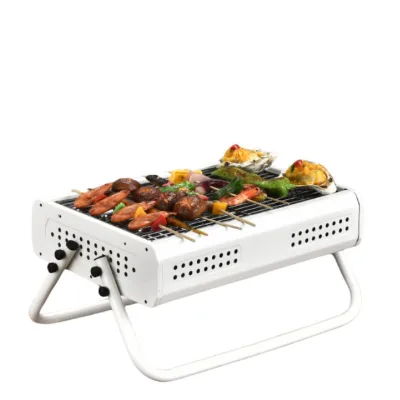
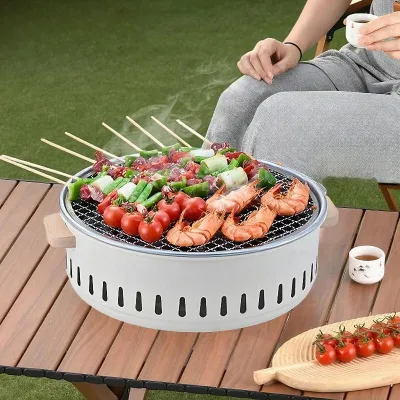


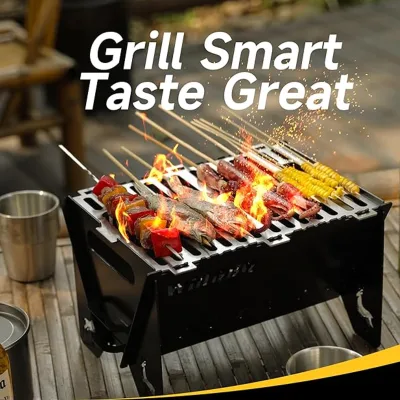
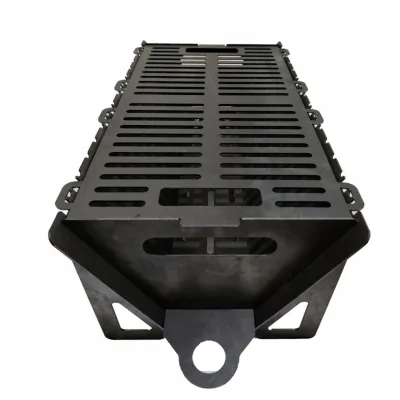
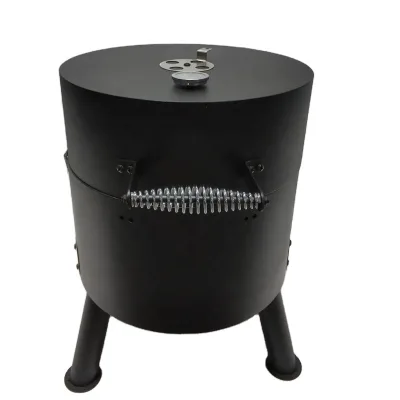
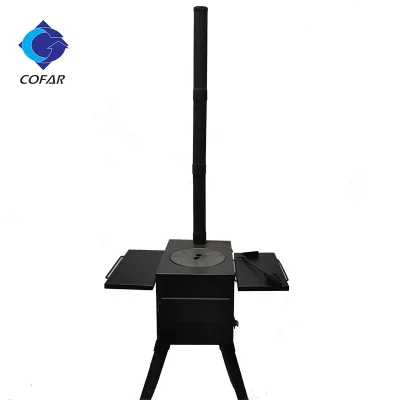
Comprehensive Sourcing Guide
Korean Cast Iron Charcoal Grill Supplier Concentration and Factory Types
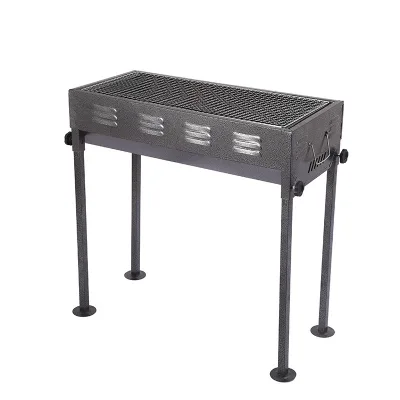
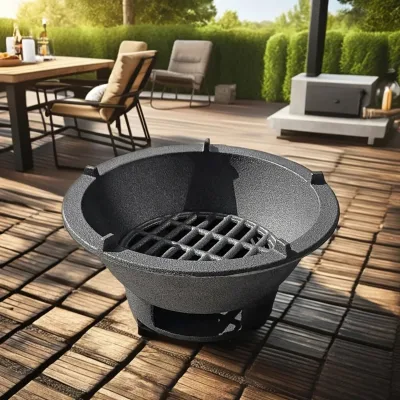
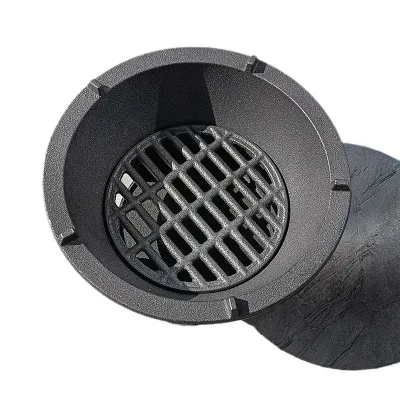
The sourcing landscape for cast iron charcoal grills is heavily concentrated in specific manufacturing hubs, with China Hebei emerging as a primary production base for these durable outdoor cooking appliances. Suppliers operating in this region typically offer a diverse range of products, including cast iron cookware, casseroles, fry pans, skillets, dutch ovens, griddles, fondue sets, woks, teapots, and pipe fittings. This concentration allows buyers to access a wide variety of related items, facilitating consolidated shipping and simplified supply chain management. The presence of both trading companies and manufacturer/factory entities in this cluster provides flexibility for different procurement strategies. Trading companies often offer broader product catalogs and streamlined communication, while factories provide direct access to production capabilities and potential cost advantages for large-volume orders. Understanding this dynamic helps buyers navigate the market more effectively, ensuring they select partners that align with their specific operational needs and volume requirements.
Within this concentrated region, suppliers exhibit distinct operational models that cater to varying market demands. Many entities function as trading companies, leveraging their logistical expertise and market knowledge to connect buyers with manufacturing resources. Others operate as manufacturer/factories, controlling the entire production process from raw material sourcing to final product assembly. This duality in supplier types offers buyers the opportunity to choose between the convenience of a single-point contact and the potential benefits of direct factory engagement. The focus on cast iron products, particularly portable charcoal grills and hibachi grills, indicates a specialized expertise in metalworking and heat-resistant material handling. Buyers should consider how these different supplier types impact their procurement process, weighing factors such as communication efficiency, product customization options, and direct control over production quality. The geographic clustering in Hebei also suggests established infrastructure for metal casting and finishing, which is critical for producing high-quality cast iron goods.
How to Verify Korean Cast Iron Charcoal Grill Suppliers
Verifying supplier credentials is a critical step in ensuring product quality and operational reliability. Buyers should prioritize suppliers who hold recognized system certifications such as BSCI and SEDEX, which demonstrate adherence to social compliance and ethical labor practices. Additionally, verification badges from reputable third-party inspection agencies like BV or SGS Group provide an extra layer of confidence in the supplier’s business legitimacy and operational stability. These verifications are not merely decorative; they serve as tangible evidence that the supplier has undergone rigorous audits and meets international standards for business conduct. For cast iron products, it is also essential to check for product-specific certifications such as FDA, LFGB, CE/EU, and ISO, which confirm that the materials and manufacturing processes comply with food safety and quality management standards. These certifications are particularly important for cookware that comes into direct contact with food, ensuring that the cast iron is safe for culinary use and free from harmful contaminants.
Beyond certifications, buyers should assess the supplier’s responsiveness and customization capabilities as indicators of their operational maturity. A quick response time, such as the observed 2.30-hour average, suggests a well-staffed and efficient communication team that can address inquiries and resolve issues promptly. This responsiveness is crucial for maintaining smooth project timelines and preventing misunderstandings that could lead to production delays. Furthermore, suppliers offering OEM and ODM services demonstrate their ability to customize products according to specific buyer requirements, whether it involves modifying designs, adjusting sizes, or applying unique branding. The availability of sample processing and graphic processing services further enhances this customization potential, allowing buyers to test product quality and visual appeal before committing to large orders. By combining verification of formal credentials with an assessment of operational agility, buyers can build a more comprehensive profile of each supplier’s reliability and suitability for their specific sourcing needs.
What to Compare Across Korean Cast Iron Charcoal Grill Suppliers
When evaluating multiple suppliers, buyers must carefully compare key operational metrics to identify the most suitable partner for their business. Lead time is a critical factor, with some suppliers offering a standard 30-day production window, which allows for predictable inventory planning and timely delivery to end markets. Minimum Order Quantity (MOQ) requirements also vary significantly, ranging from 100 units for certain models to 300 or even 500 units for others, depending on the product complexity and customization level. Buyers should align these MOQs with their sales forecasts and storage capacity to avoid overstocking or underutilizing production capacity. Price ranges are another essential comparison point, with costs fluctuating based on material specifications, finishing treatments, and order volume. For instance, prices may range from approximately $11.75 to $25.80 per unit, reflecting differences in product features such as pre-seasoning, coating types, and included accessories.
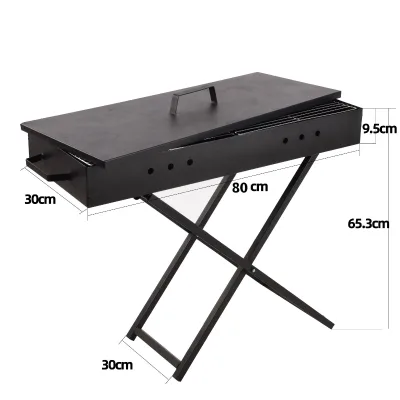
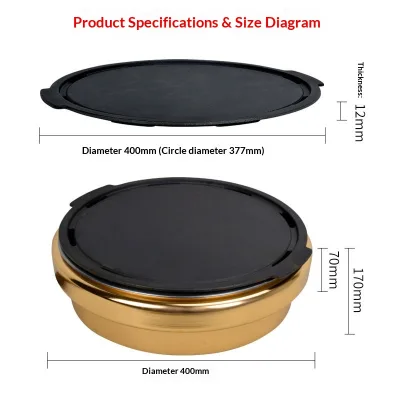
In addition to quantitative metrics, buyers should compare the specific product attributes and customization options offered by each supplier. Features such as non-stick surfaces, pre-seasoned finishes, and specific dimensions (e.g., diameter 36cm or 50x20x27cm) can significantly impact the end-user experience and product positioning. Some suppliers offer customizable molds and branding options, which are valuable for buyers seeking to establish a unique brand identity in the market. The availability of different cover options, such as "without cover" or included lids, also affects the product’s versatility and appeal. Buyers should also consider the packaging details, such as carton box specifications, which influence shipping costs and product protection during transit. By systematically comparing these diverse factors, buyers can make informed decisions that balance cost, quality, and customization needs, ensuring they select suppliers who can deliver products that meet their specific market demands and customer expectations.
Common Korean Cast Iron Charcoal Grill Sourcing Risks
One significant risk in sourcing cast iron charcoal grills is the potential inconsistency in product quality and material composition. While many suppliers claim to use high-quality cast iron, variations in the casting process and finishing treatments can lead to differences in durability, heat distribution, and surface finish. Buyers must be vigilant about verifying material specifications, such as whether the product is made from pure cast iron or a blend with other metals, as this affects the grill’s performance and longevity. Additionally, the presence of coatings, such as vegetable oil pre-seasoning or non-stick treatments, requires careful evaluation to ensure they are food-safe and durable under high-heat conditions. Inconsistent quality can lead to customer complaints, returns, and damage to brand reputation, making it essential for buyers to request detailed product specifications and, if possible, conduct pre-shipment inspections to verify material integrity and finish quality.
Another risk involves the reliability of supply chain logistics and communication, particularly when dealing with suppliers in distant manufacturing hubs. Delays in production or shipping can disrupt inventory planning and lead to missed sales opportunities, especially during peak seasons. Buyers should assess the supplier’s track record for meeting lead times and their ability to handle unexpected disruptions. Communication barriers, including language differences and time zone variations, can also lead to misunderstandings regarding product specifications, packaging requirements, and delivery instructions. To mitigate these risks, buyers should establish clear communication protocols, request regular production updates, and consider using escrow services or other payment protections to safeguard their financial interests. Additionally, understanding the supplier’s capacity to handle rush orders or adjust production schedules can provide a buffer against potential supply chain disruptions, ensuring a more resilient sourcing strategy.
Korean Cast Iron Charcoal Grill Regional Sourcing and Logistics
Sourcing from regions like China Hebei offers logistical advantages due to established manufacturing clusters and efficient export infrastructure. Suppliers in this area are well-equipped to handle large-volume orders and provide streamlined logistics solutions, including standardized packaging such as carton boxes that optimize shipping space and protect products during transit. The single package sizes, such as 55x25x20 cm or 189x50x60 cm, vary based on the product type and quantity, allowing buyers to calculate shipping costs and container utilization accurately. Understanding these packaging dimensions is crucial for planning freight arrangements and minimizing transportation expenses. Additionally, the proximity to major ports and logistics hubs in the region facilitates faster export processes, reducing the overall time from order placement to delivery. Buyers should work closely with their suppliers to determine the most cost-effective shipping methods, whether by sea or air, based on their urgency and budget constraints.
Logistics planning also involves considering the weight and dimensions of the products, which impact handling and storage requirements. For example, a single cast iron hibachi grill may weigh around 4.0 kg to 8.0 kg, depending on the model and size, which affects the total gross weight of the shipment. Buyers need to account for these weights when selecting freight forwarders and negotiating shipping rates. Furthermore, the origin of the products, clearly stated as Hebei, China, allows buyers to verify the supply chain’s authenticity and ensure compliance with any regional trade regulations or tariffs. By leveraging the logistical strengths of the manufacturing region, buyers can optimize their supply chain efficiency, reduce lead times, and maintain competitive pricing in their target markets. Effective logistics management is a key component of successful sourcing, enabling buyers to deliver products to customers promptly and cost-effectively.
Korean Cast Iron Charcoal Grill Commercial Terms and Order Planning
Commercial terms and order planning are pivotal for managing cash flow and ensuring smooth transaction execution. Buyers should negotiate clear payment terms, such as using escrow services to protect their funds until the goods are received and verified. This approach minimizes financial risk and builds trust between the buyer and supplier. Additionally, understanding the supplier’s return and refund policies is essential for handling any potential quality issues or discrepancies. Buyers should also plan their orders based on the supplier’s lead times and MOQs, ensuring they have sufficient inventory to meet market demand without overstocking. For instance, if a supplier has a 30-day lead time and a 300-unit MOQ, buyers should align their sales forecasts and marketing campaigns accordingly to maximize the return on investment.
Order planning also involves considering the customization and branding options available, which can add value to the product and differentiate it in the market. Suppliers offering OEM and ODM services allow buyers to create unique products that reflect their brand identity, such as custom logos or specific design modifications. Buyers should factor in the time and cost associated with these customizations when planning their orders. Furthermore, understanding the supplier’s capacity for sample processing and graphic processing can help buyers refine their product designs before committing to large-scale production. By carefully planning their orders and negotiating favorable commercial terms, buyers can establish a sustainable and profitable sourcing relationship, ensuring they can consistently deliver high-quality cast iron charcoal grills to their customers while maintaining healthy profit margins.
FAQs
Where are these cast iron charcoal grills manufactured?
The cast iron charcoal grills are manufactured in Hebei, China. This location is confirmed by the supplier results showing origin details for multiple grill models. Buyers should verify specific factory addresses during the negotiation phase to ensure compliance with their sourcing requirements.
What is the minimum order quantity for these grills?
Minimum order quantities vary by supplier and model, ranging from 100 to 500 pieces. Some listings specify 100 units while others require 300 or 500 pieces. Buyers must check the specific product page for the exact MOQ applicable to their selected grill model before placing an order.
How long does it take to receive an order?
Lead times for these cast iron grills are typically around 30 days. This duration allows for production and quality checks before shipment. Buyers should confirm the exact delivery schedule with the supplier, as lead times can fluctuate based on order volume and current production capacity.
Are these grills certified for food safety standards?
Yes, many of these grills hold certifications such as FDA, LFGB, CE/EU, and ISO. Some suppliers also list BSCI and SEDEX certifications for their facilities. Buyers should request specific test reports to verify that the product meets the safety standards required for their target market.
What is the price range for these charcoal grills?
Prices for these cast iron grills range from approximately 11.75 to 25.80 USD per unit. The final cost depends on the specific model, customization options, and order quantity. Buyers should request a detailed quotation to understand the total cost including shipping and any applicable taxes.
Can I customize the design or branding of these grills?
Customization is available for many of these cast iron grills, including OEM and ODM services. Suppliers offer options for customized molds, branding, and specific product features. Buyers should discuss their specific design requirements with the supplier to ensure the customization can be executed within the agreed timeline.
How quickly do suppliers respond to inquiries?
Supplier response times vary, with some reporting an average of 2.30 hours and others taking up to 4 hours. Fast response times indicate active engagement and readiness to assist with sourcing needs. Buyers should expect prompt communication when contacting verified suppliers for immediate project support.