High Density Durable Plyo Box Suppliers and Manufacturers
Compare 27 verified suppliers offering high density durable plyo boxes with varying lead times, response speeds, and certifications like ISO 9001. Review product attributes such as foam density and customization options to select the right manufacturer for your fitness needs.
Updated
Suppliers List

Qingdao Lida Fitness Co., Ltd.
- Verified by CTI
- Combined
- China Shandong
- Lead time30 days
- Avg. response≤ 4h
Main productsFitness Equipment
Main marketsSoutheast Asia/ Mideast

Reliable Extreme Durability Safety High Quality Waterproof Outdoor Plyo Box
$160.00 - $185.00
MOQ: 1 set

Durable Non Slip Steadiness Extreme Durability Safety Garage Gym Plyo Box
$160.00 - $185.00
MOQ: 1 set


Durable Safety Non Slip Easy Maintain Waterproof Soft Steadiness Gym Plyo Box
$160.00 - $185.00
MOQ: 1 set

Premium High Quality Waterproof Easy Maintain Anticollision Home Fitness Plyo Box
$160.00 - $185.00
MOQ: 1 set

Durable Steadiness Non Slip Soft Extreme Durability Indoor Commercial Plyo Box
$160.00 - $185.00
MOQ: 1 set
Jiangsu Xingyu Outdoor Leisure Products Co., Ltd.
- Verified by TüVRheinland
- Manufacturer, Trading Company
- Lead time30 days
- Avg. response≤ 4h
Main productsSoccer Goal, Basketball Stand, Ball Pump, Hammock, Gymnastic Mat
Main marketsDomestic Market(49%), North America(15%), Western Europe(8%)
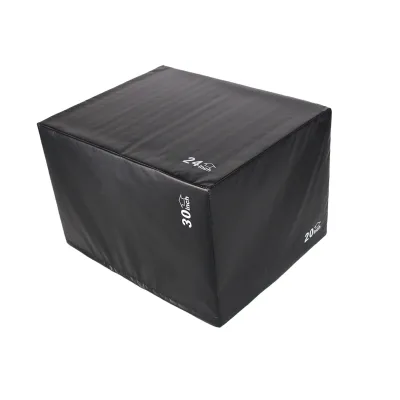
High Resilience Stable Safe Anti-slip Jump Soft Plyo Box Plyometric Plyo Jump Box Set
$27.00 - $28.00
MOQ: 50 pieces
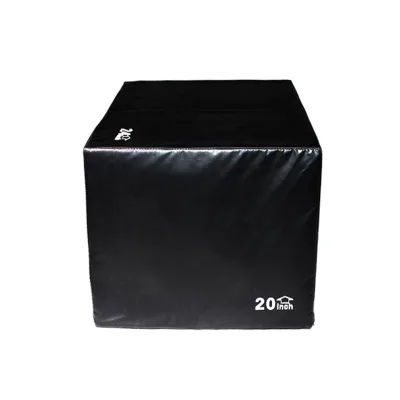
High Quality Black Customized Logo High-Density EPE Plyometric Jumping Box Mat
$28.3836 - $29.4344
MOQ: 50 pieces

- Verified by TUVRHEINLAND
- Manufacturer/Factory
- China Shandong
- Lead time23 days
- Avg. response≤ 9h
Main productsRigs & Racks, Cardio Equipment, Olimpic Barbell, Calibrated Steel Plate, Bumper Plate, PU Plate, Kettlebell, Gym Bench, Dumbbell, Gym Ball
Main marketsSouth America,Eastern Europe,Mid East,North America,Southeast Asia,Eastern Asia,Oceania,Western Europe,Africa
Nantong Get Power Fitness Equipment Co., Ltd.
- Verified by TüVRheinland
- Trading Company
- Lead time30 days
- Avg. response≤ 3h
Main productsDumbbell, Barbell, Weight Plate, Power Rack, Bench
Main marketsNorthern Europe(40%), North America(20%), Southeast Asia(20%)

Dingzhou Baiyun Trading Co., Ltd.
- Trading Company,Manufacturer/Factory
- China Hebei
- Lead time15 days
- Avg. response≤ 6h
Main productsDumbbell, Weight Plate, Barbell, Squat Rack, Smith Machine, Dumbbell Lbench, Kettlebell, Spinning Bike, Exercise Equipment, Dumbbill Sand
Main marketsSouth America,Eastern Europe,North America,Southeast Asia,Eastern Asia,Africa

Rizhao Shangshuo International Trading Co., Ltd.
- Trading Company
- China Shandong
- Lead time30 days
- Avg. response≤ 14h
Main productsFitness, Crossfit, Gym, Sports, Home Gym, Racks, Plate, Dumbells, Bentch, Kettlebell
Main marketsEurope
Dingzhou Caron Sports Co., Ltd.
- Verified by TüVRheinland
- Manufacturer, Trading Company
- Lead time20 days
- Avg. response≤ 2h
Main productsGymnastics Mats, Weight Vest, Power Bag, Bulgarian Bag, Plyometric Box
Main marketsNorth America(30%), Eastern Europe(20%), Oceania(15%)

- Verified by SGS
- Combined
- China Jiangsu
- Lead time23 days
- Avg. response≤ 10h
AJA (Shanghai) Sports Co., Ltd.
- Trading Company
- Shanghai, China
- Lead time30 days
- Avg. response≤ 1h
Main productsaluminum jump rope,bearing jump rope,jump box,body composition analyzer,barbell
Main marketsNorth America(40.00%), Oceania(10.00%), South America(10.00%), Northern Europe(7.50%), Western Europe(7.50%), Eastern Europe(7.50%), Southern Europe(7.50%), South Asia(5.00%), Southeast Asia(5.00%)

Qingdao Goldroad Industry & Trade Co., Ltd
- Verified by TUVRHEINLAND
- Trading Company
- China Shandong
- Lead time30 days
- Avg. response≤ 10h
Main productsKettlebell, Bumper Plates, Dumbbells, Barbells, Weighted Vest, Weighted Sand Bag, Weight Plate, Training Bench, Wall Ball, Medicine Ball
Main marketsNorth America

Dezhou Ranao Fitness Equipment Co., Ltd.
- Verified by BV
- Combined
- China Shandong
- Lead time15 days
- Avg. response≤ 2h
Main productsDumbbell
Main marketsOthers(foreignTradeCapacity.exportBusinessCapacityMarketOther),Southeast Asia/ Mideast,Europe,Australia,North America

Nantong Get-Fit Sports Co., Ltd.
- Verified by TUVRHEINLAND
- Combined
- China Jiangsu
- Lead time30 days
- Avg. response≤ 3h
Main productsDumbbell, Weight Plate, Barbell, Gym Machine, Maquinas De Gimnasio, Pilates Reformer, Kettlebell, Gym Equipment, Fitness Equipment, Gym
Main marketsSouth America,Southeast Asia/ Mideast,East Asia(Japan/ South Korea),Europe,Australia,North America

- Verified by SGS
- Trading Company,Manufacturer/Factory
- China Shandong
- Lead time0 days
- Avg. response≤ 3h
Main productsKettlebell, Dumbbell, Weight Plate, Barbell, Weighted Vest, Wall Ball, Plyo Box, Fitness Rack, Jump Rope, Rubber Floor


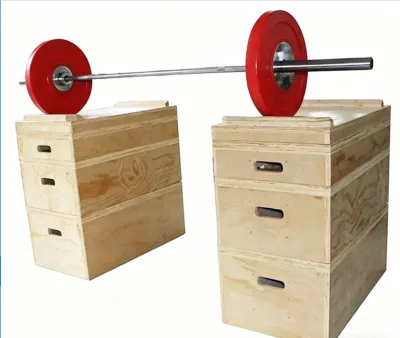
Non-Slik Jump Box Conditioning Gym Equipment Fitness OEM Solid Wood Plyo Box
$68.00 - $120.00
MOQ: 1 Pieces
Nantong Get-Fit Sports Co., Ltd.
- Verified by TüVRheinland
- Manufacturer, Trading Company
- Lead time30 days
- Avg. response≤ 5h
Main productsDumbbell, Weight Plate, Barbell, Power Rack, Yoga Series
Main marketsNorth America(45%), Southeast Asia(15%), South America(10%)
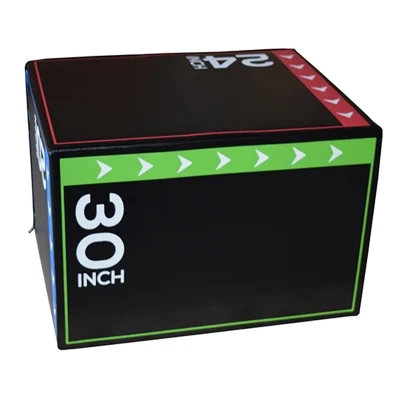
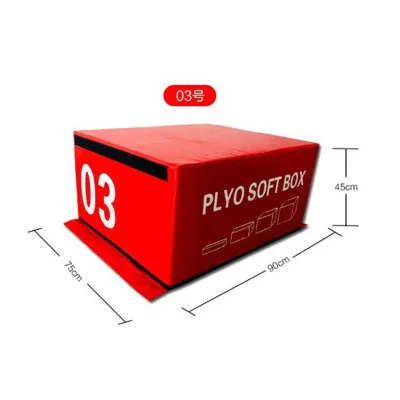
Training Jumping Box Gym Exercise Wholesale High Density Plyo Soft Vaulting Box
$38.277 - $44.7242
MOQ: 10 pieces
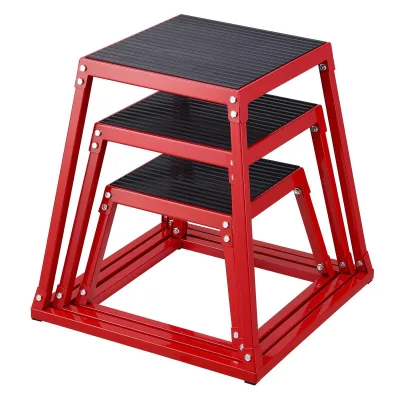
Rizhao Bull King Sports Technology Co., Ltd.
- Verified by SGS Group
- Manufacturer, Trading Company
- Lead time30 days
- Avg. response≤ 11h
Main productsKettlebell, Dumbbell, Barbell Plate, Counter Weight, Bumper Plate
Main marketsNorth America(38%), Eastern Europe(10%), Western Europe(10%)
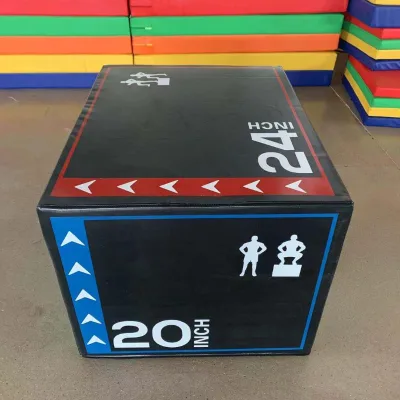
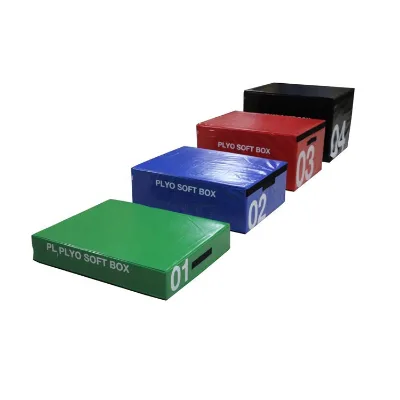
Soft Foam Plyometric Jump Box for Gym Fitness Essential Plyo Boxes
$1017.839 - $1027.0923
MOQ: 1 kilograms
Dingzhou Lingxi Sports Goods Sales Co., Ltd.
- Verified by TüVRheinland
- Manufacturer, Trading Company
- Lead time30 days
- Avg. response≤ 2h
Main productsBarbell, Dumbbell, Kettle Bell, Weight Plate, Fitness Equipmen
Main marketsNorth America(35%), Central America(21%), Western Europe(20%)
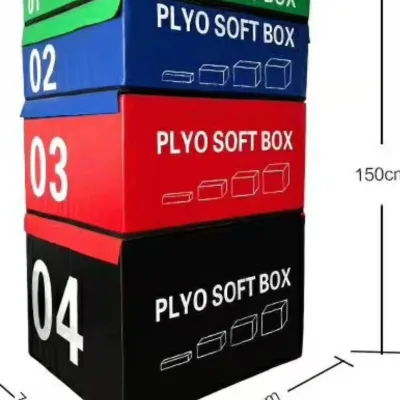
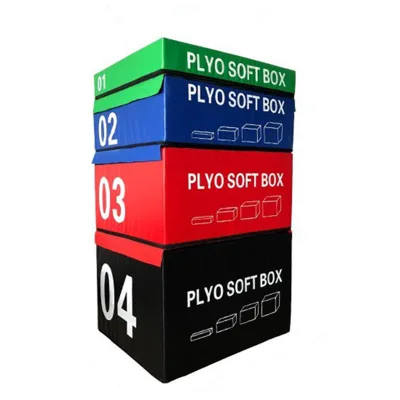
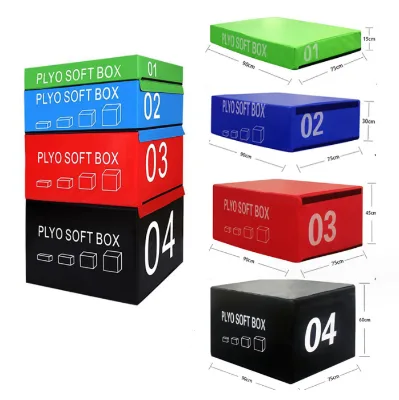
Factory Wholesale Different Height Combination Jump Box Plyo Metric Custom logo
$138.70 - $148.60
MOQ: 1
Cangzhou Maidong Sports Equipment Co., Ltd.
- Verified by Intertek
- Manufacturer, Trading Company
- Lead time15 days
- Avg. response≤ 3h
Main productsGymnastics Equipment, Gym Mats, Children Sport Products, Ninja Obstacle Course
Main marketsNorth America(30%), Eastern Europe(15%), Southeast Asia(10%)
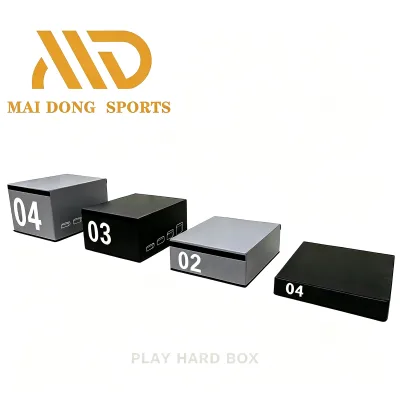
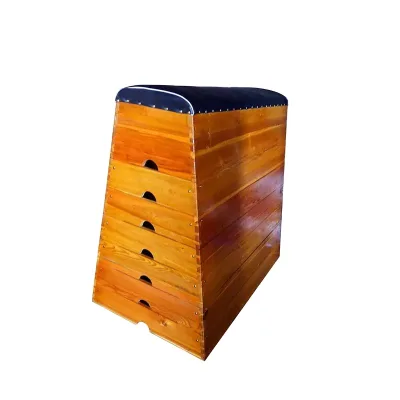
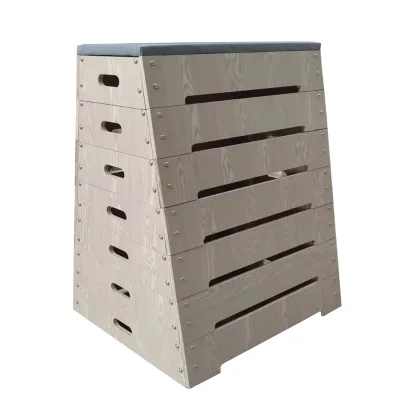
Plyo Boxes for Gymnasium Vaulting Essential Equipment in Physical Education
$119.0521 - $341.6251
MOQ: 5 Minimum

Suzhou Bucks Sports & Leisure Products Co., Ltd.
- Trading Company
- Jiangsu, China
- Lead time25 days
- Avg. response≤ 12h
Main productsWeightlifting Bar,Weight Plate,Dumbbell,Training Rack,Fitness Accessary
Main marketsDomestic Market(100.00%), North America(50.00%), Western Europe(30.00%), South America(10.00%), South Asia(1.00%), Southern Europe(1.00%), Eastern Europe(1.00%), Northern Europe(1.00%), Central America(1.00%), Eastern Asia(1.00%), Mid East(1.00%), Oceania(1.00%), Africa(1.00%), Southeast Asia(1.00%)
Dezhou Maibo Fitness Equipment Co., Ltd.
- Verified by SGS Group
- Manufacturer, Trading Company
- Lead time10 days
- Avg. response≤ 2h
Main productsTreadmill, Stair Master, SkiErg, RowErg, Strength Machine
Main marketsSouth America(40%), North America(30%), Southeast Asia(20%)
Rizhao Helfit Sports Co., Ltd.
- Manufacturer, Trading Company
- Shandong, China
- Lead time0 days
- Avg. response≤ 2h
Main productsrack,adjustable kettlebell,gym equipment,smith machine,fitness accessories
Main marketsNorth America(50.00%), South America(15.00%), Southeast Asia(10.00%), Eastern Europe(10.00%), Southern Europe(5.00%), Eastern Asia(5.00%), Mid East(5.00%)
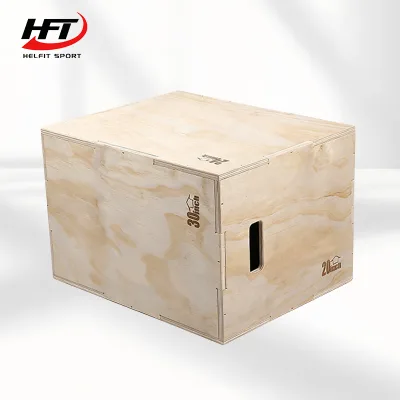
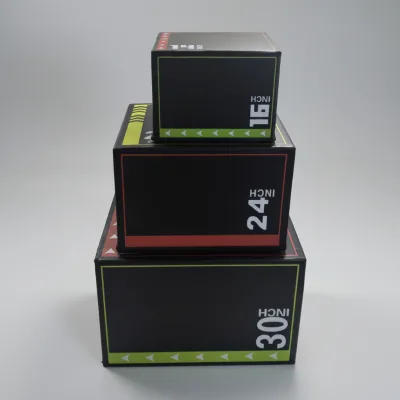
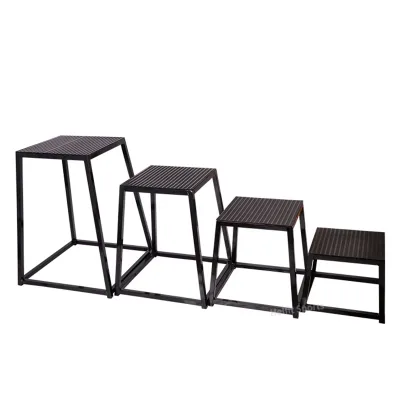
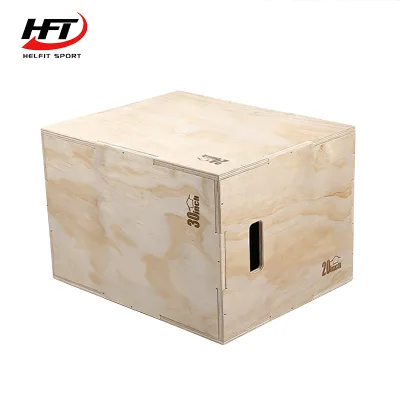
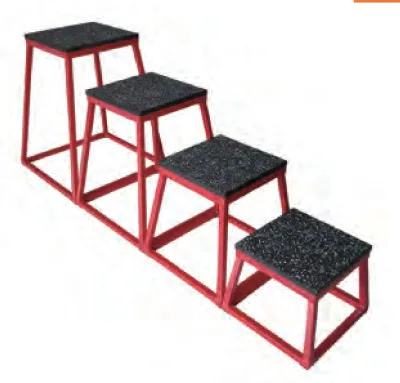
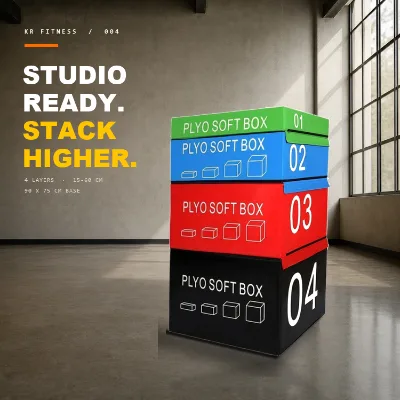
Heavy Duty Steel Tube Plyo Boxes Set Jumping Exercise Fitness Equipment Stackable Design
$85.00 - $88.00
MOQ: 2 pieces

Nantong Splendid Sporting Co., Ltd.
- Verified by BV
- Trading Company,Manufacturer/Factory
- China Jiangsu
- Lead time45 days
- Avg. response≤ 6h
Main productsGym Bench, Power Rack, Functional Machine, Dumbbell, Kettlebell, Barbell, Foam Roller, Yoga Mat, Resistance Band, Slam Ball
Main marketsSouth America,Eastern Europe,Mid East,North America,Southeast Asia,Eastern Asia,Oceania,Western Europe,Africa

- Verified by BV
- Trading Company
- China Anhui
- Lead time30 days
- Avg. response≤ 15h
Main productsDumbbell, Cast Iron Plate, Chrome Bar, Fitness Equipment, Traing Set
Main marketsSouth America,Africa,Southeast Asia/ Mideast,East Asia(Japan/ South Korea),Europe,Australia,North America
Nantong Saiyu Sports Goods Co., Ltd.
- Trading Company
- Jiangsu, China
- Lead time0 days
- Avg. response≤ 8h
Main productsDumbbell,Barbell bar,Gym rack,Kettlebell,Weight plate
Main marketsEastern Europe(40.00%), North America(30.00%), South America(30.00%)

Beijing Set Sail Sports Co., Ltd
- Verified by BV
- Manufacturer/Factory
- China Beijing
- Lead time15 days
- Avg. response≤ 5h
Main productsFitness Equipment, Boxing Goods, Camping Products, Gym Mat, Table Tennis Table, Track and Field Equipment, Gym Equipment, Basketball Stands
Main marketsSouth America,Eastern Europe,Mid East,North America,Southeast Asia,Eastern Asia,Oceania,Western Europe,Africa
Shijiazhuang Renshuo Technology Co., Ltd.
- Trading Company
- Hebei, China
- Lead time15 days
- Avg. response≤ 5h
Main productsTreadmill,Elliptical Machine,Spinning bike,Rowing Machine,Multifunctional training rack
Main marketsSouthern Europe(10.00%), Northern Europe(10.00%), Western Europe(10.00%), Mid East(10.00%), Oceania(10.00%), Eastern Europe(10.00%), North America(10.00%), South Asia(5.00%), Central America(5.00%), Eastern Asia(5.00%), Africa(5.00%), Southeast Asia(5.00%), South America(5.00%)
Nantong Leeton Fitness Co., Ltd.
- Verified by SGS Group
- Manufacturer, Trading Company
- Lead time30 days
- Avg. response≤ 4h
Main productsRubber Hex Dumbbell , Neoprene Dumbbell , Roman Chair, Aerobic Stepper , Jump Plyo Box
Main marketsNorth America(80%), Eastern Europe(5%), Oceania(5%)
Qingdao Body Sport Facility Co., Ltd.
- Verified by SGS Group
- Manufacturer, Trading Company
- Lead time15 days
- Avg. response≤ 2h
Main productsBumper Plates, Barbell Plates, Dumbell, Kettlebell, Gym Flooring
Main marketsNorth America(20%), South America(10%), Eastern Europe(10%)
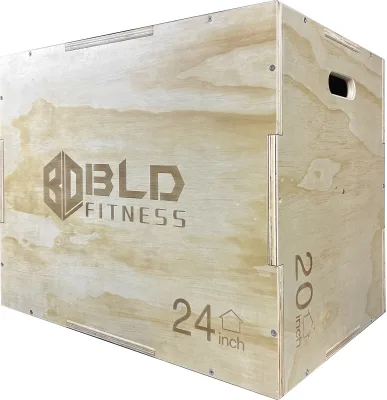
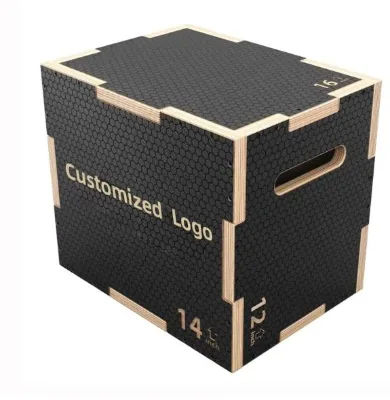
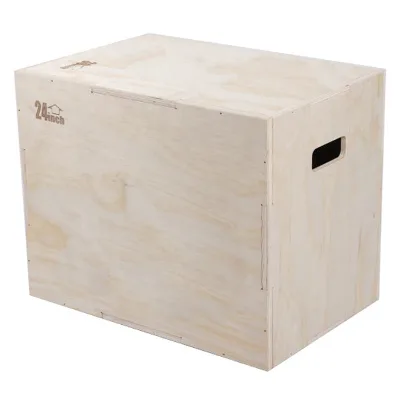
Wooden Plyometric Box Stackable Anti-slip Heavy Duty for Gym Strength Training Workout
$33.00 - $35.00
MOQ: 50










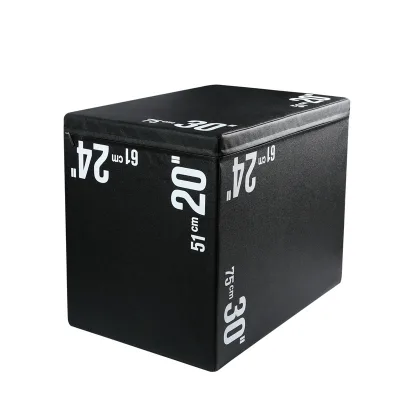


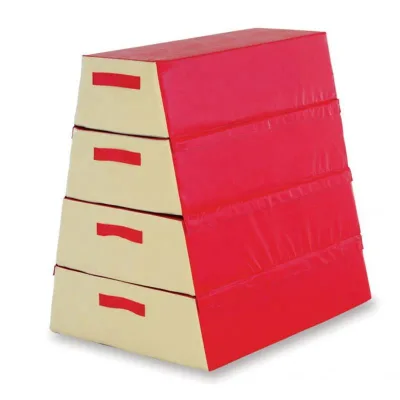
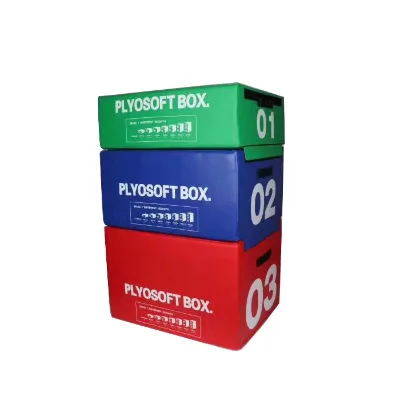
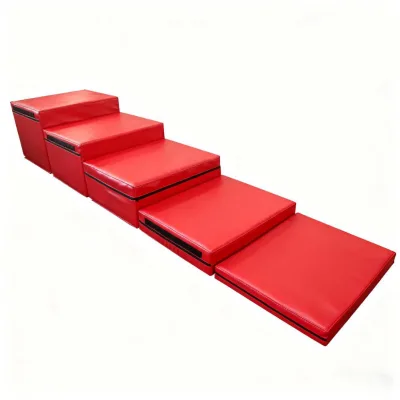
Comprehensive Sourcing Guide
High Density Durable Plyo Box Supplier Concentration and Factory Types
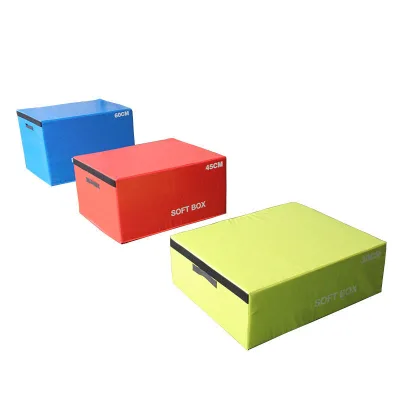
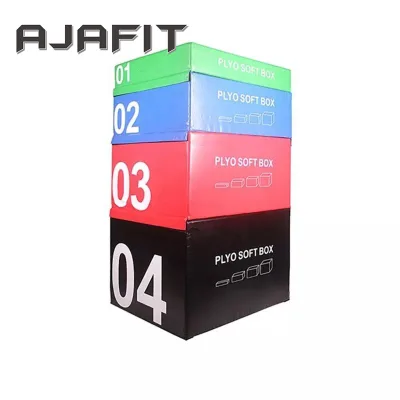
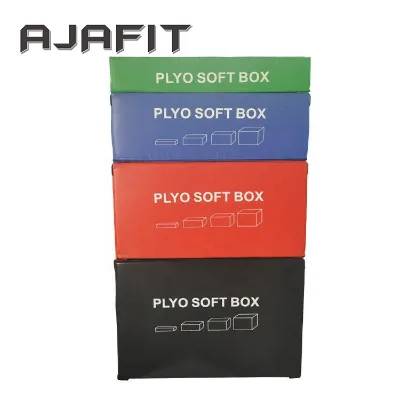
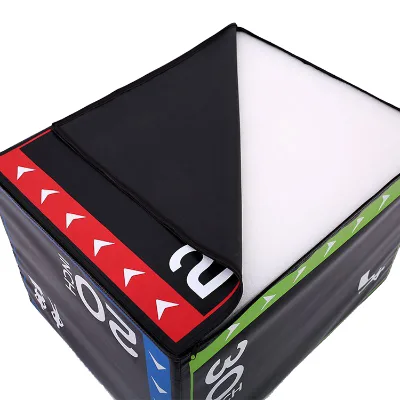
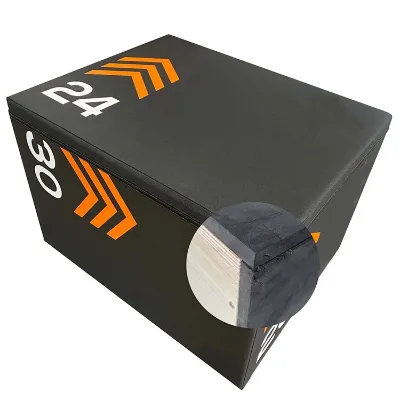
The current supplier landscape for high density durable plyo boxes reveals a diverse mix of manufacturing capabilities and business models, primarily concentrated in specific industrial regions of China. Evidence indicates that suppliers are located in areas such as Shandong and Jiangsu, with Qingdao serving as a notable origin point for certain product lines. This geographic clustering suggests established supply chains for fitness equipment, where raw materials like high-density EPE foam and leather coverings are readily accessible. Buyers should recognize that these locations often correlate with specialized manufacturing hubs, meaning that proximity to these clusters can influence logistics efficiency and material quality consistency. The presence of suppliers in these regions implies a mature ecosystem for producing strength training accessories, where economies of scale may drive competitive pricing for bulk orders.
Company types vary significantly among the available suppliers, ranging from pure manufacturers to combined entities that function as both factories and trading companies. Some suppliers operate strictly as manufacturers or factories, offering direct control over production processes and quality assurance, while others combine manufacturing with trading capabilities to provide broader service scopes. This distinction is critical for buyers evaluating their specific needs, as a combined company might offer more flexible customization options, including graphic processing and customized on-demand services, whereas a pure manufacturer might focus on high-volume OEM production. The diversity in company types allows buyers to select partners based on whether they prioritize direct factory pricing or the logistical flexibility of a trading entity. Understanding this structural variation helps in aligning supplier selection with the scale and customization requirements of the procurement project.
How to Verify High Density Durable Plyo Box Suppliers
Verification is a critical step in ensuring the reliability and legitimacy of suppliers offering high density durable plyo boxes. Buyers should prioritize suppliers who have undergone third-party verification processes, as these provide an external validation of the company’s operational status and business practices. In the current results, verification badges such as CTI and TüVRheinland are present, indicating that these suppliers have met specific criteria set by recognized inspection and certification bodies. These verifications often involve on-site checks of manufacturing facilities, quality control systems, and business licenses, offering a layer of trust that is essential for international trade. Buyers should look for these verification marks as a primary indicator of supplier credibility, ensuring that the entity they are engaging with is a legitimate and operational business.
Beyond verification badges, buyers should assess the certifications held by suppliers to gauge their adherence to international standards and safety regulations. Certifications such as ISO 9001, ISO 14001, ISO 45001, BSCI, CE, and UKCA are observed among the suppliers, reflecting their commitment to quality management, environmental responsibility, occupational health, and social compliance. These certifications are particularly important for products used in fitness environments, where safety and durability are paramount. For instance, CE and UKCA marks indicate compliance with European and UK safety standards, which may be required for selling products in those markets. Buyers should request copies of these certificates and verify their validity, ensuring that the supplier’s claims align with documented evidence. This due diligence helps mitigate risks associated with non-compliant products and ensures that the supplier maintains rigorous quality control standards.
What to Compare Across High Density Durable Plyo Box Suppliers
When evaluating suppliers, buyers must compare key operational metrics to determine the best fit for their procurement needs. Response time is a significant factor, with observed times ranging from approximately 3.32 hours to 8.86 hours. A faster response time often indicates a more agile and customer-centric operation, which can be crucial for resolving queries quickly and maintaining smooth communication throughout the ordering process. Buyers should consider how response speed impacts their project timeline, especially if they require rapid turnaround for samples or urgent orders. Additionally, lead times vary, with some suppliers offering a 30-day lead time and others providing a 23-day lead time. These differences can influence inventory planning and delivery schedules, so buyers should align their expectations with the supplier’s stated capabilities.
Minimum Order Quantities (MOQ) and pricing structures are also critical comparison points. MOQs range from as low as 1 unit to 50 units, offering flexibility for buyers with varying order volumes. Suppliers with lower MOQs may be more suitable for small businesses or those testing new product lines, while higher MOQs might be necessary to achieve competitive pricing tiers. Pricing data shows ranges such as $160 to $185 for certain models and $27 to $28 for others, highlighting significant variation based on product specifications and materials. Buyers should compare these prices against their budget constraints and value expectations, considering factors like material quality, customization options, and included services. Furthermore, comparing main products and customization capabilities, such as OEM, ODM, and logo printing, helps buyers identify suppliers who can meet their specific branding and product requirements.
Common High Density Durable Plyo Box Sourcing Risks
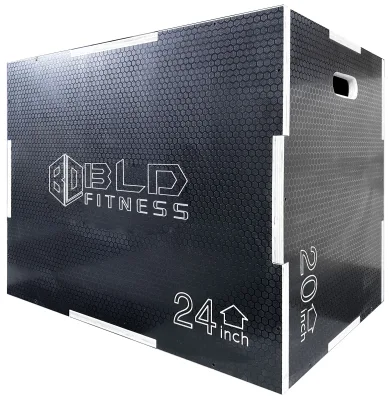
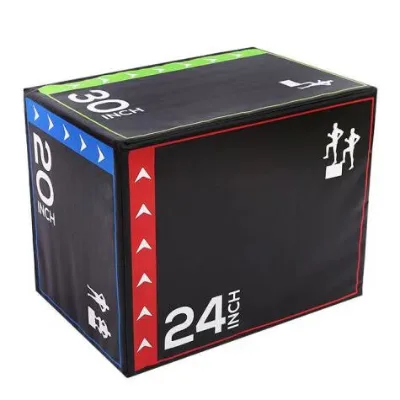
One of the primary risks in sourcing high density durable plyo boxes is the potential discrepancy between advertised product specifications and the actual delivered goods. Buyers must be cautious of vague descriptions that do not clearly define material densities, foam types, or cover materials. For example, while some products specify high-density EPE foam and leather 610GSM covers, others may lack such detailed specifications, leading to potential quality inconsistencies. This risk is exacerbated when suppliers do not provide comprehensive product attributes or when keywords are used without substantive backing. Buyers should insist on detailed product datasheets and sample evaluations to verify that the materials meet their durability and safety standards. Failure to do so can result in receiving products that do not perform as expected in fitness environments, leading to customer dissatisfaction and potential liability issues.
Another significant risk involves the reliability of supply chain commitments, including lead times and production capacity. Suppliers may overpromise on lead times or fail to account for production bottlenecks, resulting in delayed deliveries. This is particularly relevant when buyers rely on suppliers with limited capacity or those managing multiple large orders simultaneously. Additionally, the risk of intellectual property infringement exists if suppliers use unauthorized designs or logos without proper authorization. Buyers should ensure that all customization requests, including logo printing and design modifications, are handled through secure and legally compliant channels. Furthermore, the lack of standardized testing results for impact resistance or material longevity can pose safety risks. Buyers should request test reports or certifications that validate the product’s durability and safety features, ensuring that the plyo boxes can withstand rigorous use without compromising user safety.
High Density Durable Plyo Box Regional Sourcing and Logistics
Sourcing high density durable plyo boxes from specific regions in China offers distinct logistical advantages and challenges. Suppliers located in Shandong and Jiangsu provinces, with origins in cities like Qingdao, benefit from established port infrastructure and efficient transportation networks. These regions are known for their manufacturing clusters, which can facilitate faster production cycles and reduced shipping costs due to proximity to major export hubs. Buyers should consider the logistical implications of sourcing from these areas, as efficient logistics can significantly impact overall delivery times and cost efficiency. However, buyers must also account for potential regional variations in labor costs and material availability, which can influence pricing and production schedules. Understanding the logistical landscape helps buyers make informed decisions about supplier selection and order planning.
Logistics planning should also consider the packaging and shipping requirements of the products. Plyo boxes, especially those made from foam and leather, require careful packaging to prevent damage during transit. Suppliers often use customized packing methods, such as 5-layer cartons or plastic bags, to ensure product integrity. Buyers should verify that the packaging standards meet their shipping requirements and that the supplier has experience in handling international logistics. Additionally, buyers should be aware of any regional trade regulations or tariffs that may apply to imports from China. Working with suppliers who have experience in international shipping can help navigate these complexities, ensuring that products arrive in good condition and on time. Proper logistics planning is essential for maintaining supply chain efficiency and minimizing disruptions in the procurement process.
High Density Durable Plyo Box Commercial Terms and Order Planning
Commercial terms and order planning are vital for successful procurement of high density durable plyo boxes. Buyers should negotiate clear payment terms, delivery schedules, and warranty policies to protect their interests. Suppliers may offer various payment options, such as escrow services, which provide security for both parties by holding funds until the order is fulfilled. Buyers should inquire about the availability of such services and understand the conditions for fund release. Additionally, buyers should clarify the terms for customization, including any additional costs for logo printing, design changes, or special packaging. Clear communication of these terms helps avoid misunderstandings and ensures that both parties are aligned on the project scope and expectations.
Order planning should also consider the scalability of the supplier’s production capacity. Buyers should assess whether the supplier can handle large orders without compromising quality or lead times. Suppliers with OEM and ODM capabilities may offer more flexibility for scaling production, but buyers should verify their capacity to manage increased volumes. Furthermore, buyers should plan for potential fluctuations in demand by establishing long-term relationships with reliable suppliers who can provide consistent quality and service. Regular communication and performance reviews can help maintain these relationships and ensure that the supplier continues to meet the buyer’s needs. By carefully planning commercial terms and order logistics, buyers can mitigate risks and achieve a successful sourcing outcome for their High Density Durable Plyo Box procurement.
FAQs
What is the price range for high density durable plyo boxes?
Prices for high density durable plyo boxes typically range from $27 to $185 per unit. The lower end covers foam-based models with a minimum order of fifty units, while higher prices apply to modular wooden or steel structures with lower minimum order quantities of one unit.
What are the minimum order quantities for these plyo boxes?
Minimum order quantities vary significantly by material and supplier. Foam plyo boxes generally require a minimum order of fifty units, whereas modular stackable or heavy-duty wooden plyo boxes often have a minimum order quantity of just one unit, allowing for easier sample testing.
How long does production take for custom plyo boxes?
Production lead times for custom plyo boxes typically range from twenty-three to thirty days. Suppliers offering OEM services and graphic processing usually require this timeframe to manufacture and prepare the goods, so buyers should plan their inventory needs accordingly to avoid delays.
What certifications do these plyo box suppliers hold?
Reputable suppliers often hold ISO 9001, ISO 14001, and ISO 45001 certifications. Additionally, many products carry CE and UKCA marks for safety compliance. Buyers should verify specific system certifications and third-party verifications like CTI or TÜV Rheinland before placing large orders.
Where are these plyo boxes manufactured?
Manufacturing locations for these plyo boxes are primarily in China, specifically in regions like Shandong and Jiangsu. Qingdao is a noted origin point for some models. Buyers should confirm the exact place of origin to understand logistics costs and supply chain reliability.
Can I customize the logo and design of the plyo box?
Yes, customization is widely available for high density durable plyo boxes. Suppliers offer customized logos, colors, and packaging options. Some manufacturers provide graphic processing and on-demand customization services, allowing buyers to tailor the product appearance to their specific brand requirements.