Source High Density Durable Plyo Box for Gym Training and Fitness
Compare 30 High Density Durable Plyo Box options from verified suppliers. These modular units support strength training, physical therapy, and outdoor bound activities with customizable sizes and materials. Buyers can review specifications like foam density, leather cover, and wood construction to find the right equipment for their facility needs.
Updated
Key considerations
Products List

Reliable Extreme Durability Safety High Quality Waterproof Outdoor Plyo Box
$160.00 - $185.00
MOQ: 1 set


Durable Safety Non Slip Easy Maintain Waterproof Soft Steadiness Gym Plyo Box
$160.00 - $185.00
MOQ: 1 set


Durable Steadiness Non Slip Soft Extreme Durability Indoor Commercial Plyo Box
$160.00 - $185.00
MOQ: 1 set

Professional Extreme Durability Soft Safety High Quality All Surface Plyo Box
$160.00 - $185.00
MOQ: 1 set
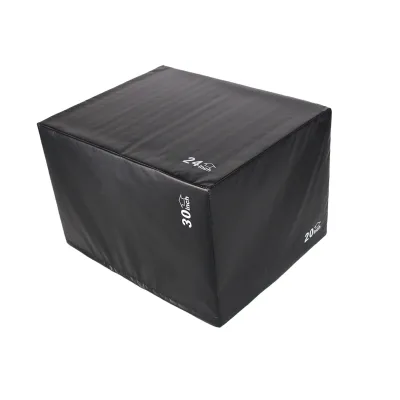


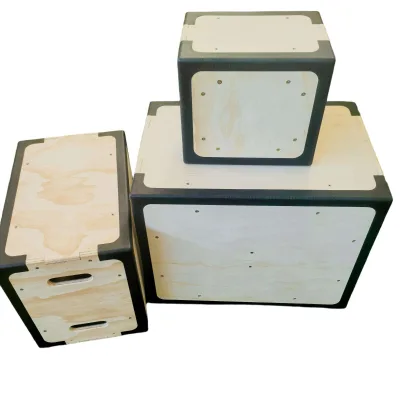
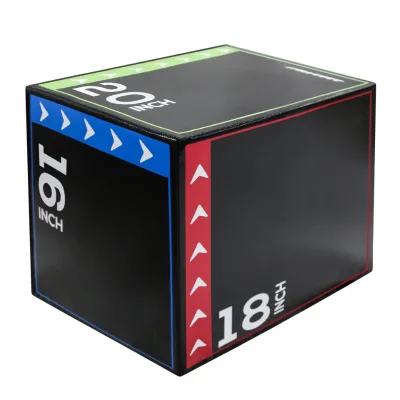
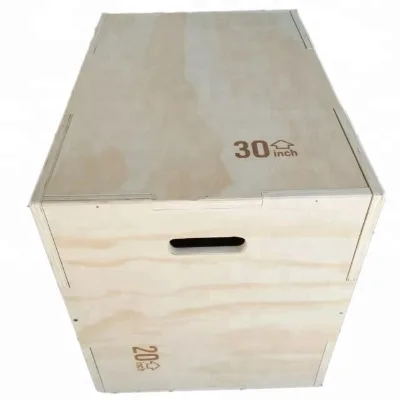


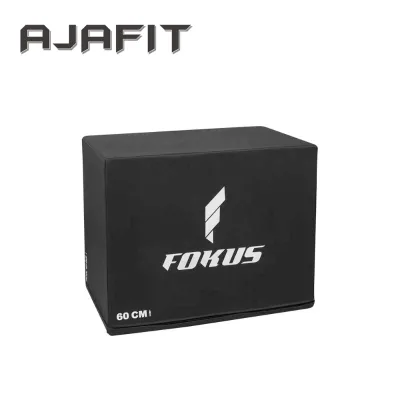
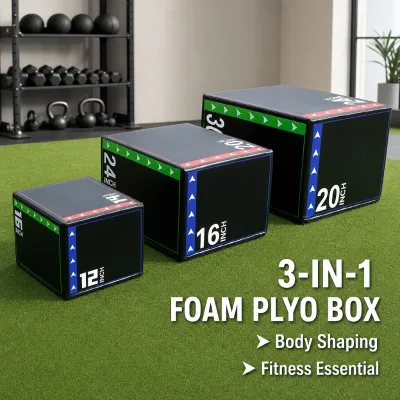
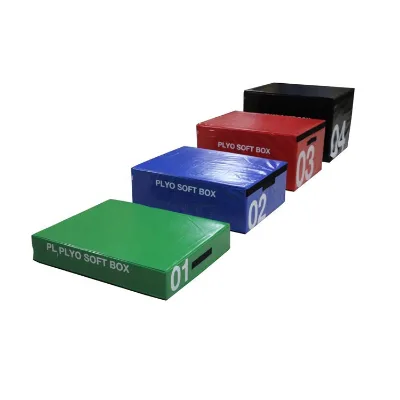
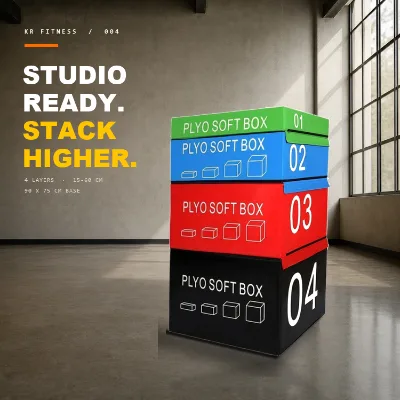
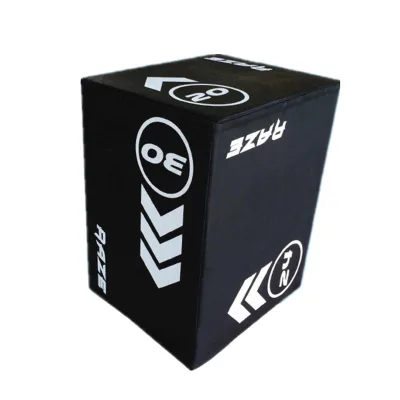
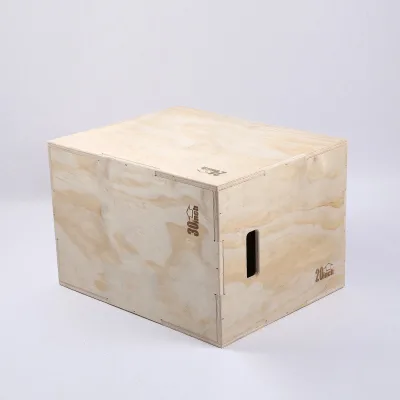


Comprehensive Sourcing Guide
High Density Durable Plyo Box Sourcing Guide
Procuring high-density plyometric boxes requires a strategic approach that balances structural integrity with versatile training applications. Buyers must prioritize equipment that supports both strength training and physical conditioning for diverse age groups, including children and adults. The market offers modular stackable systems designed for injury prevention, ensuring superior stability and traction during high-impact exercises. Understanding these core attributes helps procurement teams select equipment that meets rigorous gym standards while accommodating various indoor fitness environments.
The sourcing landscape features a wide range of materials, from high-density EPE foam to durable wood and PVC constructions. Each material type offers distinct advantages regarding weight, portability, and maintenance requirements. For instance, foam-based boxes provide lightweight flexibility, whereas wooden or leather-clad options offer robust durability for heavy-use commercial gyms. Buyers should evaluate these material differences against their specific facility needs, considering factors such as space constraints, budget limitations, and the intended intensity of user workouts to ensure optimal long-term value.
Product Scope and Observed Listing Signals
The current market presents a diverse array of plyometric boxes, with observed price ranges spanning from $15.7 to $185 USD. This variation reflects differences in material quality, brand reputation, and manufacturing complexity. Minimum order quantities typically range from one to one hundred units, offering flexibility for both small boutique studios and large commercial chains. Buyers should note that customization options are widely available, allowing for tailored solutions that align with specific branding or functional requirements, such as unique color schemes or modular configurations.
Listing signals indicate a strong emphasis on durability and ease of maintenance, with many products featuring solid colors and specialized designs for outward bound activities. Common model numbers include Jumping Box-1, PBX-S1, and GP0355, each representing different structural approaches to plyometric training. The presence of customized packing methods, such as plastic bags or carton boxes, suggests that suppliers are attentive to logistics and protection during transit. These signals help buyers identify suppliers who prioritize product integrity and customer-specific needs throughout the supply chain.
Technical Specifications to Verify
Verifying technical specifications is critical to ensuring the plyo box meets safety and performance standards. Key dimensions such as 50cm x 60cm x 75cm or 16" x 14" x 12" must be confirmed to match the intended training protocols. Buyers should inspect material compositions closely, distinguishing between high-density EPE foam, 610GSM leather, EVA, and wood constructions. Each material offers different load-bearing capacities and tactile feedback, influencing user experience and equipment longevity. Accurate specification verification prevents mismatches between supplier claims and actual product performance.
Additional technical details include single package sizes, such as 76x61x51 cm, which impact shipping costs and storage efficiency. Buyers must also assess the modular nature of stackable systems, ensuring that components interlock securely to prevent shifting during dynamic movements. Features like superior stability and traction are essential for preventing slips and falls, particularly during high-intensity jumps. Confirming these technical attributes through detailed product datasheets or physical samples ensures that the purchased equipment aligns with rigorous safety and functional requirements.
Compliance and Safety Documentation
Safety is paramount in plyometric training, making compliance documentation a non-negotiable aspect of the procurement process. Buyers should request evidence of superior stability and traction features, which are often highlighted as key safety benefits. While specific certification standards may vary, verifying that products adhere to recognized safety guidelines for fitness equipment is essential. Documentation should confirm that materials are non-toxic and durable, ensuring long-term use without degradation that could compromise user safety.
Injury-prevention design is a critical feature that suppliers should substantiate with technical data or design explanations. Buyers must ensure that the modular stackable systems are engineered to prevent accidental collapse or instability during use. Requesting detailed safety reports or design specifications helps validate these claims. Additionally, confirming that the equipment is suitable for indoor gym environments ensures that it meets local building and safety codes. Proper documentation not only mitigates liability risks but also enhances user confidence in the equipment's reliability.
Cost Drivers and Commercial Terms
Several factors influence the total cost of ownership for high-density plyo boxes, including material selection, customization levels, and packaging requirements. Premium materials like 610GSM leather or solid wood typically command higher prices compared to standard foam or PVC options. Customization, such as branded logos or specific color schemes, can also add to the unit cost. Buyers should analyze these variables to determine the most cost-effective solution that still meets their quality and aesthetic standards, balancing initial investment with long-term durability.
Commercial terms, including minimum order quantities and packaging methods, significantly impact overall procurement expenses. Larger orders often benefit from economies of scale, reducing the per-unit cost. However, buyers must also consider logistics costs associated with different packaging types, such as carton boxes versus plastic bags. Negotiating favorable terms for shipping and handling can further optimize the budget. Understanding these cost drivers enables buyers to make informed decisions that align with their financial constraints and operational needs.
Supplier Qualification and Quality Control
Selecting the right supplier involves rigorous qualification processes to ensure consistent product quality and reliable service. Buyers should verify the supplier's origin, with many manufacturers located in regions like Qingdao and Jiangsu in China, known for their manufacturing expertise. Assessing the supplier's ability to provide customized solutions and adhere to specific standards is crucial. Requesting samples and conducting thorough quality checks on material density, stitching, and structural integrity helps validate the supplier's capabilities before committing to large orders.
Quality control measures should include regular inspections of production batches to ensure consistency in dimensions and material quality. Buyers should establish clear communication channels with suppliers to address any discrepancies promptly. Implementing a robust quality assurance protocol, including third-party inspections if necessary, can mitigate risks associated with defective products. By prioritizing suppliers with proven track records and transparent quality control processes, buyers can secure high-quality plyo boxes that meet their rigorous standards and support their training objectives effectively.
Long-Term Procurement Checks
Long-term procurement success depends on continuous monitoring of product performance and supplier reliability. Buyers should establish feedback loops with end-users to gather insights on durability, comfort, and safety during regular use. This feedback can inform future purchasing decisions and help identify areas for improvement in product design or material selection. Regularly reviewing supplier performance metrics, such as on-time delivery rates and defect frequencies, ensures that the supply chain remains efficient and responsive to changing needs.
Additionally, staying informed about industry trends and technological advancements in plyometric equipment can provide competitive advantages. Buyers should periodically reassess their procurement strategies to incorporate new innovations that enhance training effectiveness or reduce maintenance costs. Building strong relationships with suppliers fosters collaboration and can lead to exclusive deals or early access to new products. By maintaining a proactive approach to long-term procurement checks, buyers can ensure their facilities remain equipped with the best possible tools for fitness and strength training.
FAQs
What materials are used for high density durable plyo boxes on this page?
The listed plyo boxes use materials such as high density EPE foam, EVA, PVC, wood, and leather with 610GSM covering. Each listing specifies its own construction, so a foam box suits indoor gym training where softer landings matter, while wood and PVC options favor firm, stable platforms. Confirm the material per model before ordering.
Can I customize the plyo box design or packing before ordering?
Customization is available on the listed comprehensive training equipment, and packing is described as customized, plastic bags, or carton box depending on the model. You can typically request size, color, or packaging adjustments. Contact the supplier with your specification, such as the 50cm x 60cm x 75cm format, to confirm feasibility and any effect on price or lead time.
How large are the plyo boxes listed and which size fits my gym?
Listed sizes include 50cm x 60cm x 75cm, a 16 inch x 14 inch x 12 inch wood box, and single packages of 76 x 61 x 51 cm. Lower heights around 12 to 16 inches suit beginners and children, while the 75cm height challenges advanced adults. Some models ship as a four box set for progressive height training.
Which age groups and training goals do these plyo boxes support?
The products serve children and adults as unisex users, with training targets covering strength training, physical training, and outward bound work, and the training project focuses on flexibility. Foam models are oriented to fitness and indoor gym use, while wood and PVC boxes support body building and strength sessions. Match the height and material to your member skill levels.
What is the typical minimum order quantity and price range?
Observed MOQ values range from 1 to 100 units, so single item purchases are possible on some listings, while others require bulk orders. Listed prices span roughly 15.7 to 185 US dollars depending on material, size, and set configuration. Wood and single-item boxes often sit at the accessible end, and larger foam sets command higher pricing.
Where are these plyo boxes produced and how are they shipped?
Origins noted in the listings include Qingdao in China and Jiangsu in China. Packing varies by model, including carton box, plastic bags, and customized packaging. Selling units are single items on some listings, and a four box set standard appears on foam models. Confirm shipping volume and packaging with the supplier based on your order size.
Are these plyo boxes safe and durable for daily gym use?
The equipment line highlights injury-prevention design, superior stability and traction, and durability with easy maintenance. Foam models with high density EPE or EVA absorb impact, while wood and PVC boxes provide rigid platforms with stable footing. Indoor application is specified, so keep boxes on flat, dry gym flooring and inspect surfaces regularly to maintain traction and safety.