Magnetic Belt Driven Cardio Bike Suppliers and Manufacturers
Source 29 verified suppliers for Magnetic Belt Driven Cardio Bike units from Zhejiang, China. Compare lead times, MOQs, certifications like CE and RoHS, and pricing to identify suitable manufacturers. Review product specifications and request quotes directly; review the available evidence before requesting comparable quotations from suitable candidates.
Updated
Suppliers List

DEQING SISTER SPORTS CO., LTD.
- Verified by TUVRHEINLAND
- Combined
- China Zhejiang
- Lead time30 days
- Avg. response≤ 5h
Main productsGym Equipment, Fitness Equipment, Home Gym, Treadmill, Weight Bench, Power Tower, Fitness Rack, Spin Bike, Exercise Bike, Dumbbells
Main marketsSouth America,Others(foreignTradeCapacity.exportBusinessCapacityMarketOther),Europe

YONGKANG SG INDUSTRY & TRADE CO., LTD.
- Combined
- China Zhejiang
- Lead time23 days
- Avg. response≤ 6h
Main productsSkateboard, Helmet, Scale, Kitchen Scale, Body Scale, Mini Bike, Spinning Bike, Exercise Bike, Protective Pads
Main marketsDomestic,Australia,North America


Magnetic Exercise Bike Stationary Cycling Fitness Equipment Exercise Bike
$52.90 - $61.70
MOQ: 50 Pieces

Luohe Viltis Trading Co., Ltd.
- Trading Company
- China Henan
- Lead time30 days
- Avg. response≤ 3h
Main productsElectric Scooter, Electric Motorcycle, Electric Tricycle, Electric Bike, Mountain Bike, Spinning Bikes, ATV, Electric Mobility Scooter, Electric Harley Scooter, Electric Folding Scooter
Main marketsSouth America,Southeast Asia/ Mideast,Europe,North America

Fitness Equipment Indoor Gym Bike Cardio Spin Magnetic Cycle Home Exercise Bike
$100.00 - $200.00
MOQ: 2 Pieces

Spinning Bike Cardio Workout Fitness Exercise Bike Indoor Cycling Stationary Bicycle
$70.00 - $130.00
MOQ: 2 Pieces

Commercial Cardio Fitness Equipment Cycle Exercise Bike for Indoor Spinning Bike
$70.00 - $130.00
MOQ: 2 Pieces

Factory Supply Indoor Gym Commercial Exercise Bike Cardio Fitness Cycling Spinning Bike
$70.00 - $120.00
MOQ: 2 Pieces

Fitness Equipment Machines Sport Spinning Bikes Lightweight Indoor Cycling Exercise Bike
$70.00 - $120.00
MOQ: 2 Pieces

Home Use Exercise Bike Sports Spinning Bikes Indoor Fitness Equipment Spinning Bicycle
$60.00 - $150.00
MOQ: 2 Pieces

- Verified by BV
- Trading Company
- China Anhui
- Lead time30 days
- Avg. response≤ 15h
Main productsDumbbell, Cast Iron Plate, Chrome Bar, Fitness Equipment, Traing Set
Main marketsSouth America,Africa,Southeast Asia/ Mideast,East Asia(Japan/ South Korea),Europe,Australia,North America
Jinhua Futai Fitness Equipment Co., Ltd.
- Manufacturer, Trading Company
- Zhejiang, China
- Lead time25 days
- Avg. response≤ 3h
Main productsFitness Equipment,Sport Machine
Main marketsSoutheast Asia(17.00%), Eastern Europe(15.00%), North America(15.00%), South America(10.00%), Western Europe(10.00%), Mid East(10.00%), Africa(10.00%), Eastern Asia(7.00%), Southern Europe(6.00%)

All Universe Fitness Technology (Qingdao) Co., Ltd.
- Verified by BV
- Manufacturer/Factory
- China Shandong
- Lead time45 days
- Avg. response≤ 4h
Main productsCommercial Treadmill, Curved Treadmill, Cardio Equipment, Gym Equipment, Fitness Equipment, Spinning Bike, Indoor Fitness Equipment, Strengthen Equipment, Fitness Bench
Main marketsSouth America,Eastern Europe,Mid East,North America,Southeast Asia,Eastern Asia,Oceania,Western Europe,Africa


Indoor Stationary Cardio Fitness Sports Cycling Magnetic Spin Exercise Bikes Gym Equipment
$88.00 - $188.00
MOQ: 1 Pieces

Indoor Fitness Equipment Exercise Bike Cardio Magnetic Recumbent Bike
$310.00 - $320.00
MOQ: 60 Pieces

Magnetic Control Training Gym Equipment Cardio Exercise Spinning Recumbent Bike
$310.00 - $320.00
MOQ: 60 Pieces

Gym Fitness Spinning Bike Belt Drive Magnetic Resistance Spin Bike for Weight Loss
$160.00 - $170.00
MOQ: 50 Pieces
- Trading Company
- Lead time旺季: "1 - 5":15,"> 5":"To be negotiated", 淡季: "1 - 5":15,"> 5":"To be negotiated"
- Avg. response≤ 2h
Main productsPilates Reformers, Treadmill, Exercise Bike, Dumbbell, Massage Guns
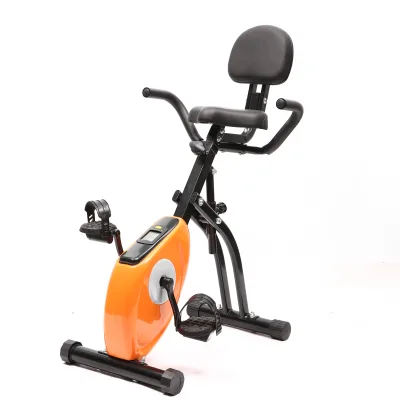
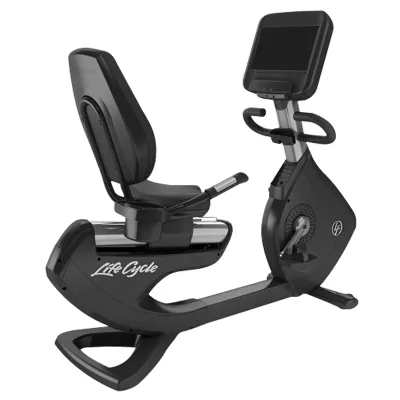
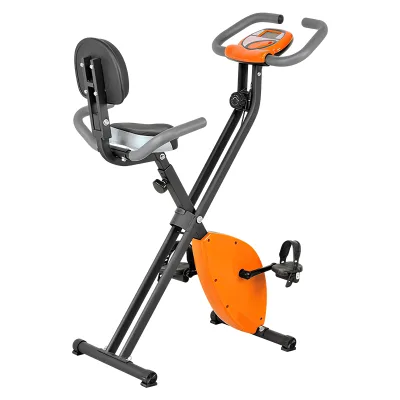
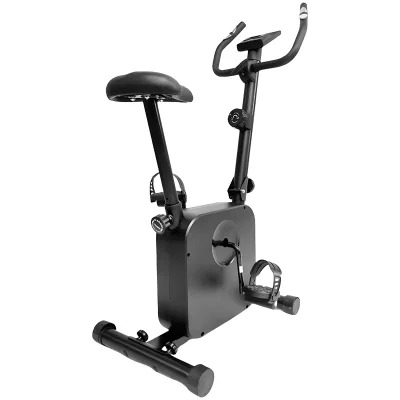
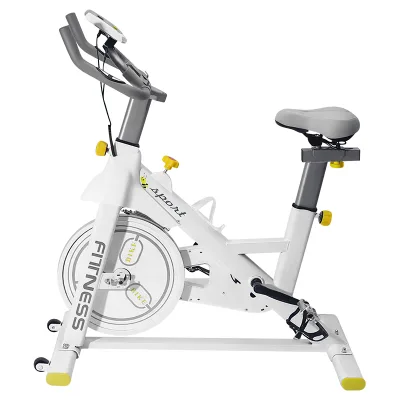
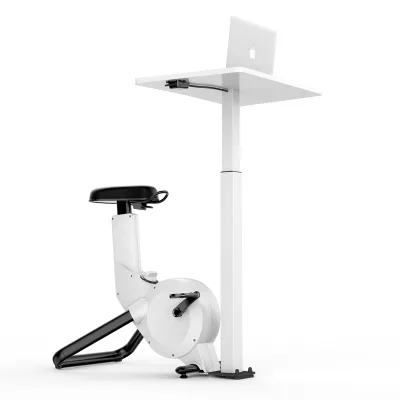
10 Level Quiet Magnetic Resistance Upright Exercise Bike for Home Gym Cardio Training
$57.50 - $59.10
MOQ: 150
- Trading Company
- Zhejiang, China
- Lead time0 days
- Avg. response≤ 6h
Main productsFitness Equipment,Weight Lifting,Yoga Products,Fitness Accessories,Outdoor Sports
Main marketsNorth America(60.00%), Western Europe(10.00%), Southern Europe(5.00%), Oceania(5.00%), Northern Europe(5.00%), Southeast Asia(5.00%), Eastern Europe(5.00%), South Asia(1.00%), Mid East(1.00%), Africa(1.00%), South America(1.00%), Eastern Asia(1.00%)
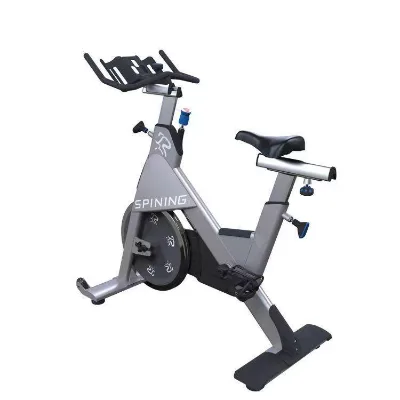
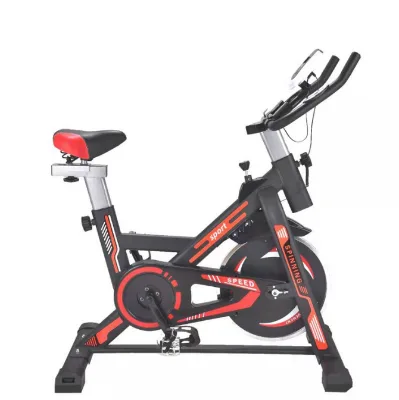
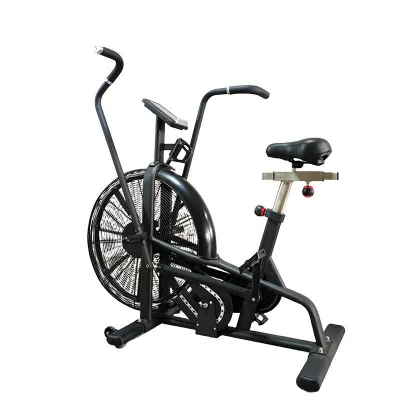
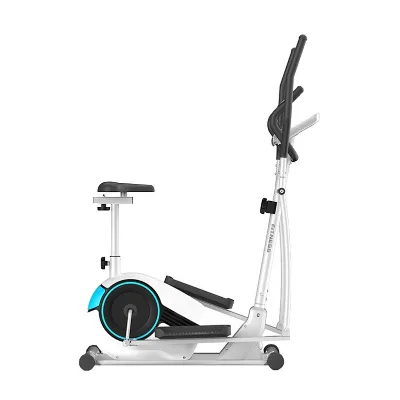
Promotional various durable using machine cycling exercise bike magnetic fitness exercise bike
$97.4734 - $122.0975
MOQ: 2 sets
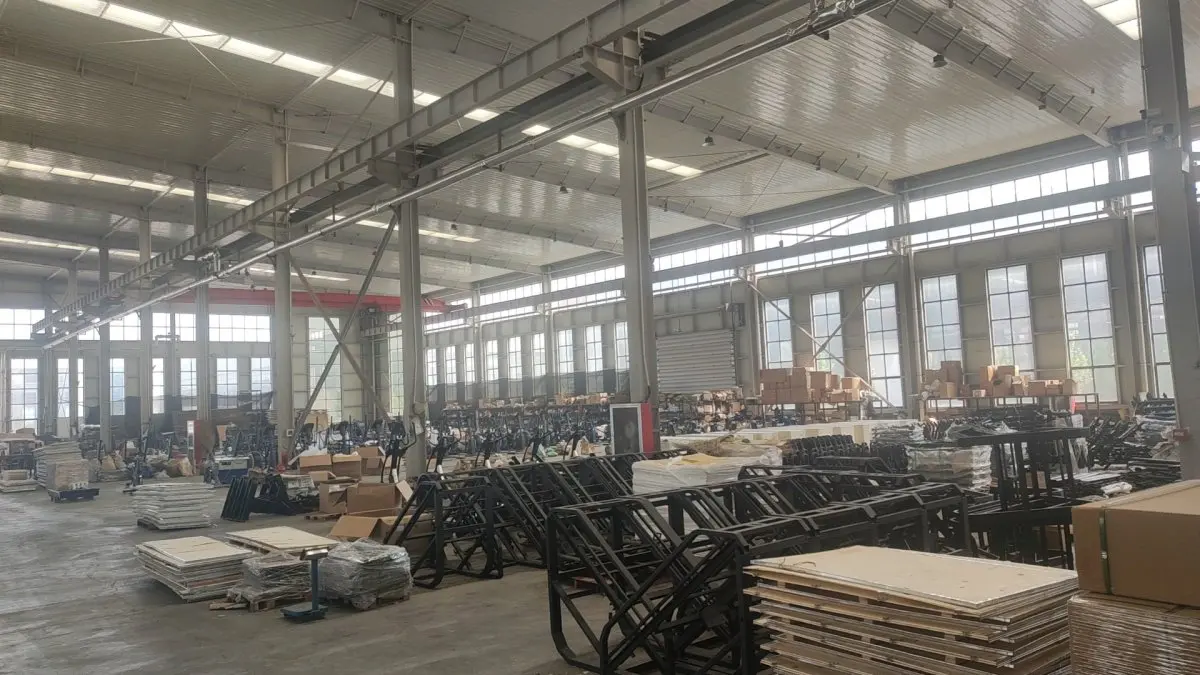
Shandong Juyili Fitness Equipment Co., Ltd.
- Manufacturer, Trading Company
- Shandong, China
- Lead time15 days
- Avg. response≤ 3h
Main productsTreadmill,Stair Climber,Rower,Exercise Bike,Elliptical Trainer
Main marketsMid East(30.00%), Domestic Market(20.00%), Southeast Asia(20.00%), Eastern Europe(10.00%), North America(10.00%), South America(10.00%)
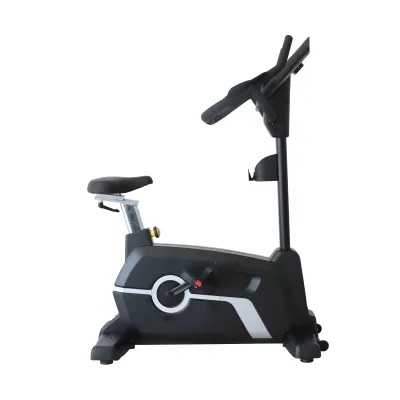
Electric Magnetic Exercise Spinning Bike Indoor 32 Levels Gear Cardio Training Fixed Gym Bike
$199.00 - $221.00
MOQ: 2 pieces
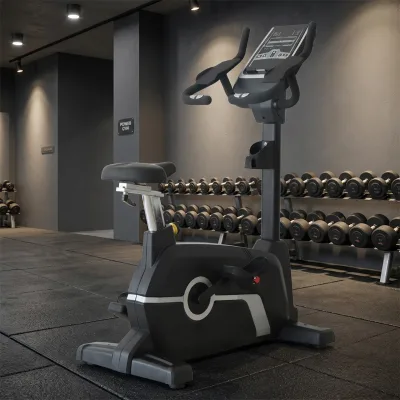
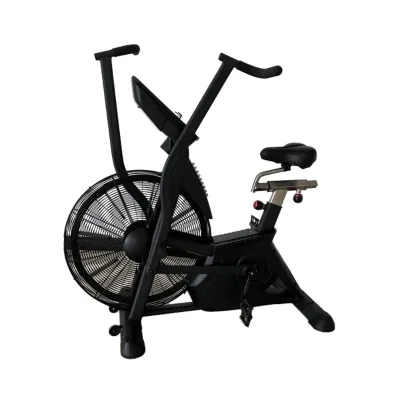
Hot Sale Air Bike Strong Wind Training Bike Commercial Grade Air Bikes Fan Bike New Design
$159.0157 - $208.7074
MOQ: 1 pieces

Dezhou Runlangde Fitness Equipment Co., Ltd.
- Verified by SGS
- Trading Company
- China Shandong
- Lead time30 days
- Avg. response≤ 4h
Main productsClub Equipment, Fitness Equipment, Gym Equipment, Hammer Strength Machine, Body Building Equipment, Indoor Exercise Machine, Cardio Machines, Dumbbell & Plates, Treadmill, Pin Loaded Machine
Main marketsSouth America,Southeast Asia/ Mideast,Europe,North America


Professional Fitness Equipment/Gym Cardio Machine Magnetic Spinning Bike
$300.00 - $400.00
MOQ: 1 Pieces

Yongkang Chochi Fitness Co., Ltd.
- Verified by BV
- Manufacturer/Factory
- China Zhejiang
- Lead time15 days
- Avg. response≤ 10h
Main productsGym Fitness Equipment, Treadmill, Exercise Bike, Helmet, Scooter, Skateboard, Roller Skateshoes, Camping Chair, Camping Trolley
Main marketsSouth America,Eastern Europe,Mid East,North America,Southeast Asia,Eastern Asia,Oceania,Western Europe,Africa

Exercise Bike Indoor Cycling Stationary Bike Cardio Fitness Adjustable Magnetic Resistance Machines
$79.00 - $85.00
MOQ: 50 Pieces

High Quality Exercise Bikes Home Exercise Equipment Belt Bike Magnetic Bike
$80.00 - $100.00
MOQ: 10 Pieces


Shandong Land Fitness Tech Co., Ltd.
- Verified by TüVRheinland
- Manufacturer, Trading Company
- Lead time20 days
- Avg. response≤ 3h
Main productsCardio Machine, Strength Training, Track And Field Equipment, Vending Machine, Strength Equipment
Main marketsDomestic Market(30%), North America(10%), Eastern Asia(7%)
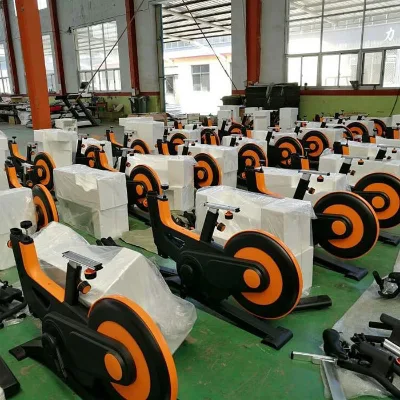
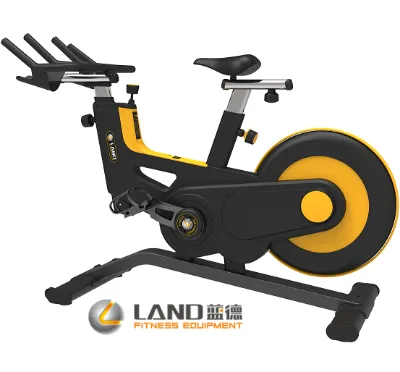
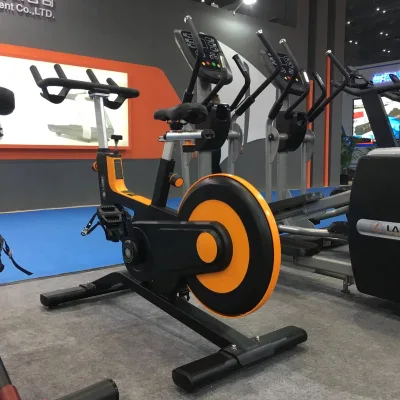
Factory Promotion Belt Driven Spinning Bike Double Frame Weight Cardio High Quality Gym Equipment
$254.1627 - $285.2836
MOQ: 2 bags
Zhejiang Jinyuan Machinery Co., Ltd.
- Verified by SGS Group
- Manufacturer, Trading Company
- Lead time30 days
- Avg. response≤ 3h
Main productsRowing Machine, Fan Bike, Abdomen Fitness, Elliptical Bike, Spin Bike
Main marketsSoutheast Asia(20%), North America(15%), South America(15%)

SingSong Sports Equipment Co., Ltd.
- Verified by BV
- Trading Company
- China Hunan
- Lead time23 days
- Avg. response≤ 5h
Main productsPadel Racket, Padel Ball, Paddle Bags, Gym Fitness Equipment, Home Fitness Equipment, Smith Machine, Squat Rack, Spinning Bike, Fitness Bench, Dumbbell/Dumbbell Rack/ Weight Plats
Main marketsSouth America

Commercial Magnetic Exercise Bike for Cardio Training with Heart Rate Monitor
$82.50 - $98.00
MOQ: 1 Pieces

Magnetic Spinning Bike for Home Gym with 6kg Flywheel and Silent Belt Drive System
$44.90 - $56.07
MOQ: 1 pieces
Hangzhou Chaona Technology Co., Ltd.
- Verified by TüVRheinland
- Trading Company
- Lead time20 days
- Avg. response≤ 3h
Main productsSpinning Bikes, Treadmills, Elliptical Trainers, Pedal Exercisers, Plate Loaded Machines
Main marketsWestern Europe(20%), North America(18%), South America(15%)

Beijing Set Sail Sports Co., Ltd
- Verified by BV
- Manufacturer/Factory
- China Beijing
- Lead time15 days
- Avg. response≤ 5h
Main productsFitness Equipment, Boxing Goods, Camping Products, Gym Mat, Table Tennis Table, Track and Field Equipment, Gym Equipment, Basketball Stands
Main marketsSouth America,Eastern Europe,Mid East,North America,Southeast Asia,Eastern Asia,Oceania,Western Europe,Africa
Jinan Haomaite Equipment Co., Ltd.
- Trading Company
- Shandong, China
- Lead time0 days
- Avg. response≤ 1h
Main productsCommercial fitness equipment
Main marketsNorth America(50.00%), Southeast Asia(30.00%), Mid East(10.00%), South Asia(5.00%), Central America(5.00%)
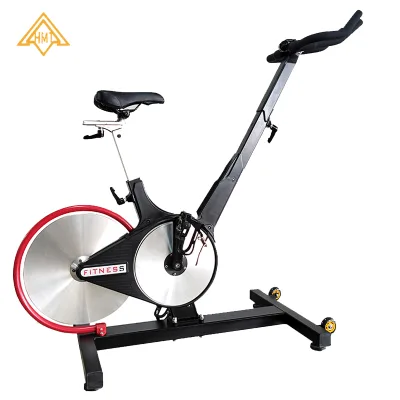
High Quality Belt Drive Magnetic Control Exercise Bike for Gym Use
$270.28 - $280.90
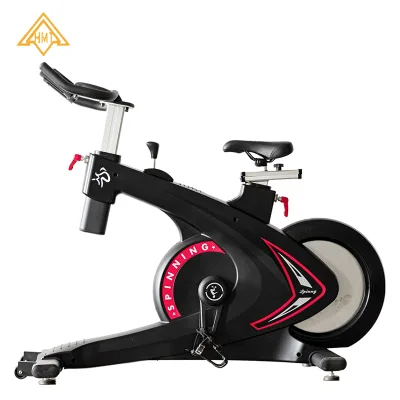
Belt Drive High Quality Home Use Exercise Bike with Adjustable Resistance
$224.3615 - $234.1704
MOQ: 1 pieces
Dezhou Yihe Fitness Equipment Co., Ltd.
- Verified by SGS Group
- Manufacturer, Trading Company
- Lead time15 days
- Avg. response≤ 2h
Main productsFitness Equipment, Aerobic Equipment, Strength Equipment, Treadmill, Free Weight
Main marketsDomestic Market(80%), South America(10%), Southeast Asia(10%)
- Verified by Intertek
- Manufacturer, Trading Company
- Lead time15 days
- Avg. response≤ 3h
Main productsSmart Wearable Technology and Accessories, Plate Loaded Machines, Treadmills, Pin Load Selection Machines, Pilates Reformers
Main marketsWestern Europe(30%), South America(20%), Mid East(20%)
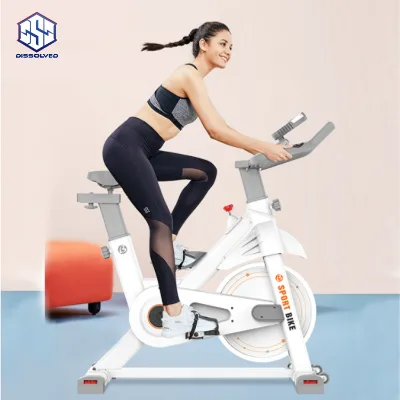
Custom Cardio Fitness Spining Bike Gym Equipment Exercise Bicycle White Spinning Bike
$78.293 - $104.3896
MOQ: 1 pieces
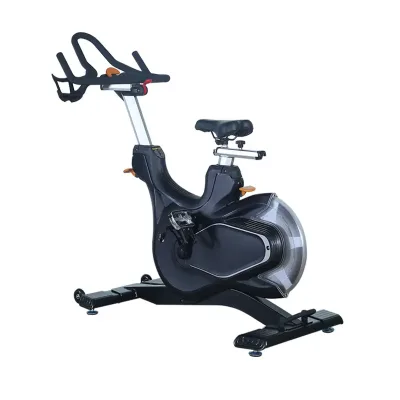
Shanghai Citipro Technology Co., Ltd.
- Verified by TüVRheinland
- Trading Company
- Lead time10 days
- Avg. response≤ 4h
Main productsSpinning bike, Treadmill, Rowing machine, Exercise bike, Dumbbell
Main marketsSouth America(30%), Western Europe(25%), North America(20%)
Qingdao Long Glory International Trading Co., Ltd.
- Verified by TüVRheinland
- Manufacturer, Trading Company
- Lead time15 days
- Avg. response≤ 2h
Main productsGym Fitness Equipment, Pin Load Selection Machines, Plate Loaded Machines, Mutli Function Station, Pilates Reformers
Main marketsNorth America(30%), Mid East(20%), Western Europe(20%)
Jiangsu Kangliyuan Sports Technology Co., Ltd.
- Verified by TüVRheinland
- Manufacturer, Trading Company
- Lead time30 days
- Avg. response≤ 3h
Main productsHome Gym, Treadmill, Exercise Bike, Elliptical Trainer, Weight Bench
Main marketsDomestic Market(30%), North America(15%), South America(15%)

Zhejiang Rongshun Technology Co., Ltd.
- Verified by SGS
- Combined
- China Zhejiang
- Lead time30 days
- Avg. response≤ 5h
Main productsTreadmill, Motorized Treadmill, Home Treadmill, Fitness Equipment, Electric Treadmill, Massage Chair, Home Fitness Equipment, Exercise Equipment, Massage Products, Office Chair
Main marketsSouth America,Africa,Southeast Asia/ Mideast,East Asia(Japan/ South Korea),Domestic,Europe,Australia,North America
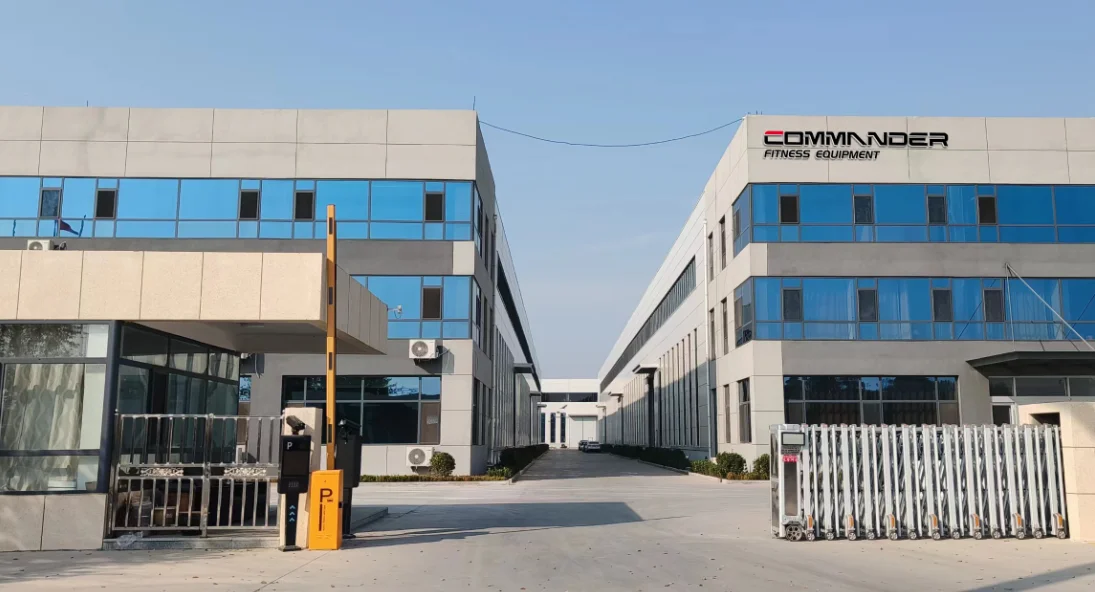
Shandong Commander Fitness Equipment Co., Ltd
- Manufacturer, Trading Company
- Shandong, China
- Lead time15 days
- Avg. response≤ 2h
Main productsFitness equipment,Gym equipment,Power strength,Plate loaded machine,Gym accessory
Main marketsMid East(15.00%), Central America(10.00%), Southeast Asia(10.00%), North America(10.00%), South America(10.00%), Domestic Market(5.00%), South Asia(5.00%), Southern Europe(5.00%), Northern Europe(5.00%), Africa(5.00%), Western Europe(5.00%), Eastern Asia(5.00%), Eastern Europe(5.00%), Oceania(5.00%)
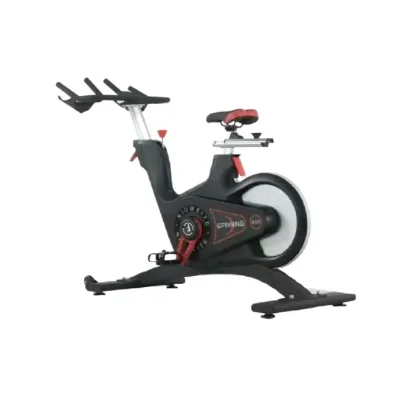
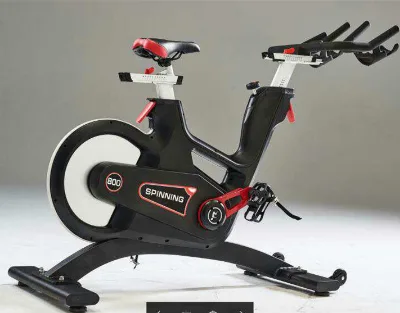
High Quality Fitness and Fat Reduction Spinning Bikes Produced in China Magnetic Bike
$216.2078 - $267.6866
MOQ: 2 sets
Jinan Gls Sporting Goods Co., Ltd.
- Trading Company
- Shandong, China
- Lead time30 days
- Avg. response≤ 4h
Main productsCardio Training,Strength Training,Fitness Accessories,Free weight,Yoga and Pilates
Main marketsSoutheast Asia(20.00%), North America(20.00%), Mid East(20.00%), Africa(10.00%), Eastern Asia(10.00%), Central America(5.00%), South Asia(5.00%), Northern Europe(3.00%), South America(3.00%), Domestic Market(2.00%), Oceania(2.00%)
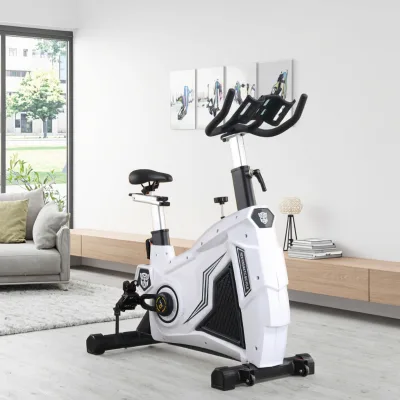
$115.00 - $130.00
MOQ: 1 pieces
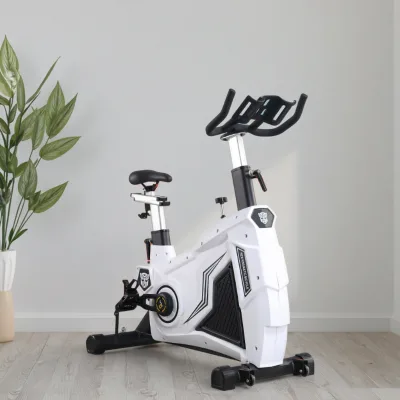
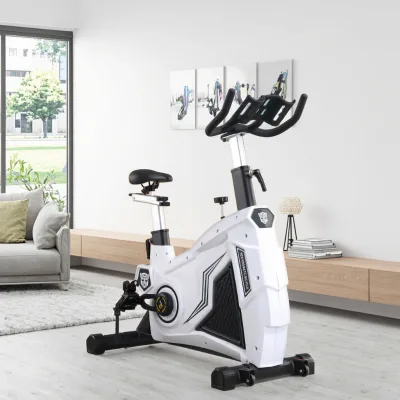
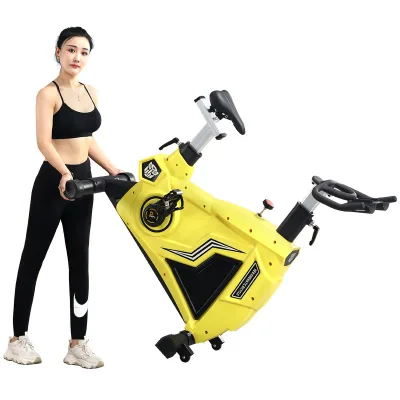
$115.00 - $130.00
MOQ: 1 pieces

Shenzhen LDK Industrial Co., Ltd.
- Verified by CTI
- Combined
- China Guangdong
- Lead time45 days
- Avg. response≤ 5h
Main productsFootball Equipment, Basketball Equipment, Gymnastics Equipment, Gymnastics Mat, Indoor Fitness Equipment, Outdoor Fitness Equipment, Padel Court, Paddle Tennis Court, Spinning Bike, Treadmill
Main marketsSouth America,Africa,Southeast Asia/ Mideast,East Asia(Japan/ South Korea),Europe,Australia,North America

Fitness Spin Bike Bicycle Domestic Home Cycling Exercise Gym Quiet Equipment New Belt Drive
$88.80 - $99.00
MOQ: 1 Pieces

Bodytrain PRO Gym Fitness Spinning Bike Belt Drive Magnetic Resistance Spin Bike for Weight Loss
$99.00 - $149.00
MOQ: 1 Pieces

Dezhou Maibo Fitness Equipment Co., Ltd.
- Verified by SGS Group
- Manufacturer, Trading Company
- Lead time10 days
- Avg. response≤ 2h
Main productsTreadmill, Stair Master, SkiErg, RowErg, Strength Machine
Main marketsSouth America(40%), North America(30%), Southeast Asia(20%)
Nantong Rising Sports Technology Co., Ltd.
- Trading Company
- Jiangsu, China
- Lead time30 days
- Avg. response≤ 2h
Main productsrope,rack,dumbbell,palte,bar
Main marketsSouthern Europe(20.00%), Central America(20.00%), North America(20.00%), South Asia(10.00%), Eastern Asia(10.00%), Northern Europe(10.00%), Eastern Europe(10.00%)

- Verified by BV
- Trading Company,Manufacturer/Factory
- China Shandong
- Lead time45 days
- Avg. response≤ 2h
Main productsFitness Equipment, Spinning Bike, Treadmill, Elliptical Bike, Recumbent Bike, Upright Bike, Gym Mats, Plate Loaded Gym Equipment, Pin Loaded Selected Gym Equipment, Stair Climber
Main marketsSouth America,Eastern Europe,Mid East,North America,Western Europe,Africa


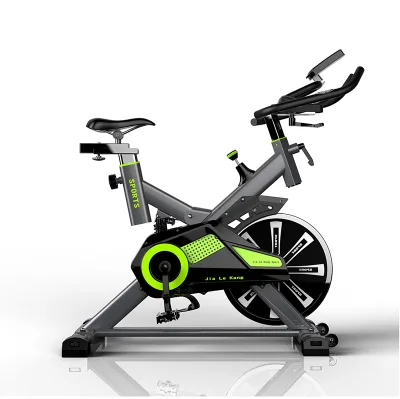
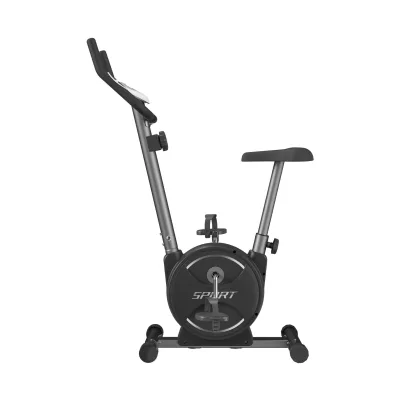
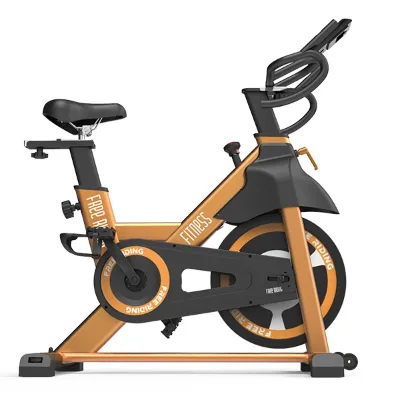
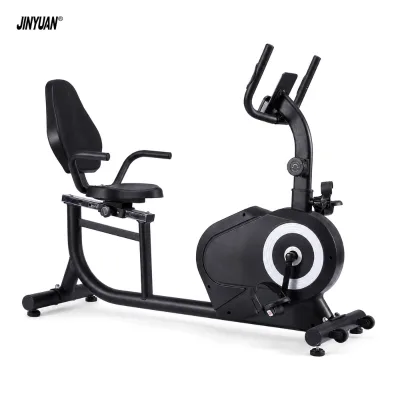



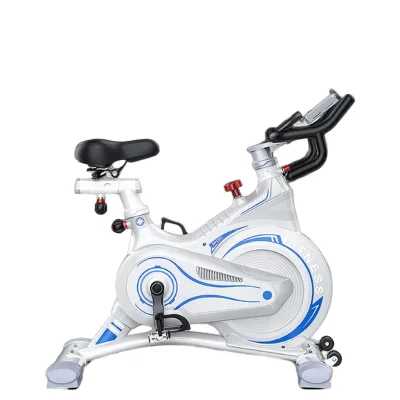
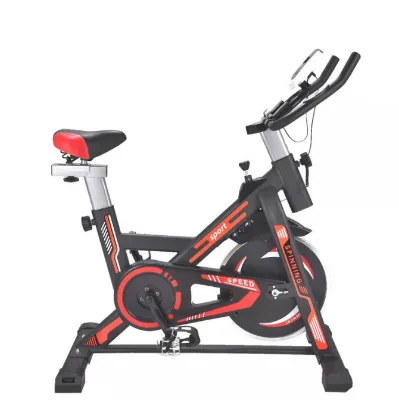
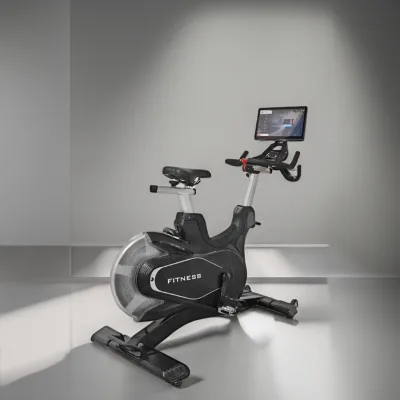
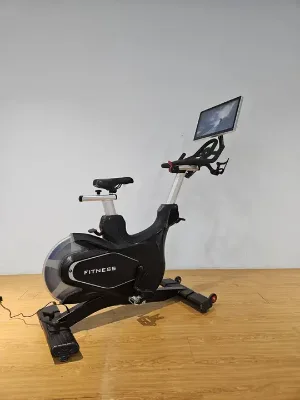
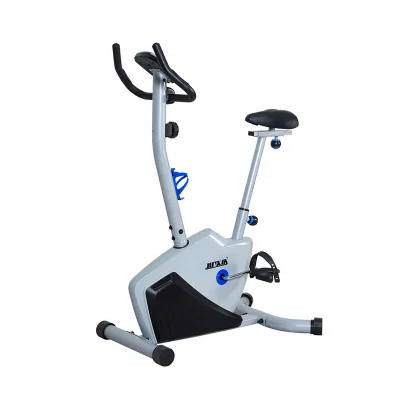
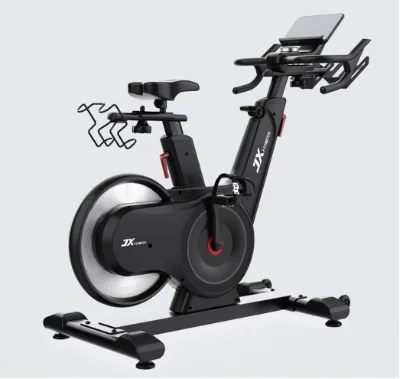
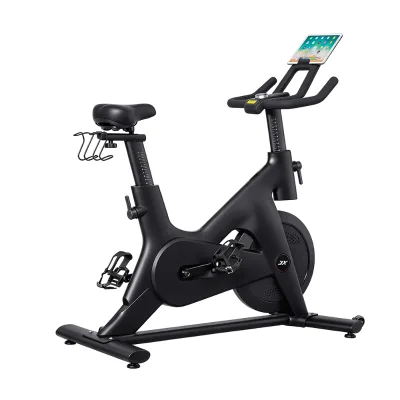


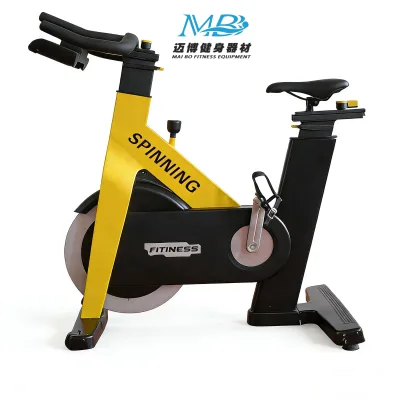


Comprehensive Sourcing Guide
Magnetic Belt Driven Cardio Bike Supplier Concentration and Factory Types
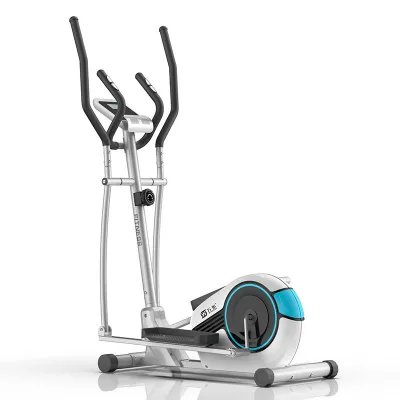
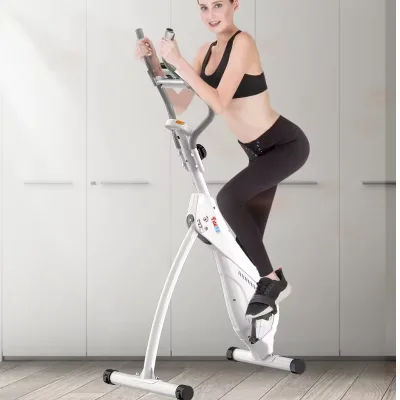
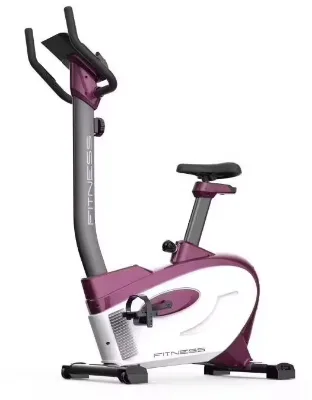
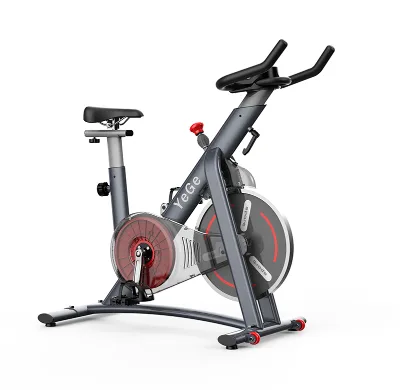
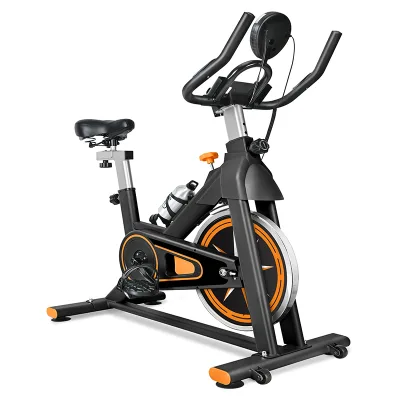
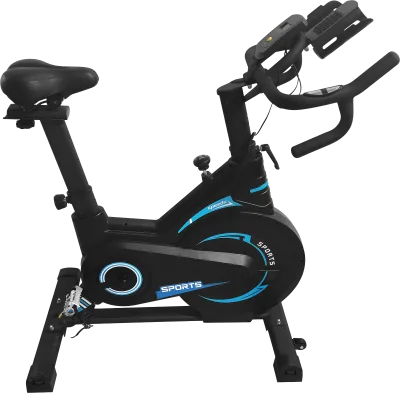
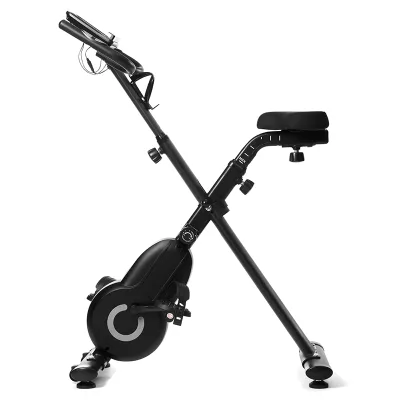
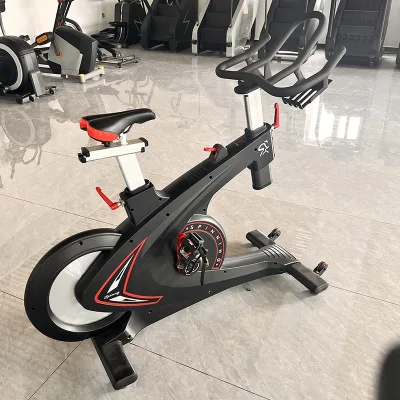
Suppliers offering a Magnetic Belt Driven Cardio Bike on B2B platforms cluster heavily in China, and the current results point to Zhejiang province as a documented origin: several listed exercise bikes carry a production origin of Zhejiang, and one supplier's registered location is Zhejiang, China. That makes the province a high-confidence cluster for this category, supported by listings spanning spinning bikes, recumbent bikes, folding X-bikes, and complementary strength and cardio equipment. When you search, treat Zhejiang as a primary region to filter by, but always confirm a specific factory's address through business licenses or an audit report rather than relying on a listing's stated origin alone.
The factory types you encounter will usually be combined manufacturers with ODM and OEM capacity, as shown by the supplier data in these results. Many list main products across gym equipment, treadmills, weight benches, power towers, spin bikes, and dumbbells, which signals broad fitness-equipment lines rather than bike-only specialists. Business-type labels include Manufacturer/Factory, and product attributes note that customized logos and customization are available. A combined factory can be an advantage if you want to consolidate cardio and strength SKUs into mixed containers, but you should still probe how much of the bike production is genuinely in-house versus outsourced sub-assembly, because a wide catalog sometimes conceals traded items within a nominally combined operation.
How to Verify Magnetic Belt Driven Cardio Bike Suppliers
Verification starts with third-party signals displayed on the listing. The supplier results here show a TÜV Rheinland verification badge on at least one supplier, which is stronger evidence than a self-declared profile, though it still does not replace an on-site audit. Product-level certification claims appear repeatedly in the attributes: CE, RoHS, and GS on one spinning bike model, CE, FCC, RoHS, and GS on another, and CE plus RoHS on a third. Ask each supplier for the actual certificate documents behind those labels, including the testing laboratory name and report numbers, and check that the certificate covers your specific model rather than a sibling product. Some listings show no system certification at all, which you should treat as a gap to resolve during due diligence.
Beyond paperwork, test responsiveness and consistency. One supplier in the current results shows an average response time of roughly 4.34 hours, which is a usable benchmark, but response speed tells you nothing about technical competence, so send identical RFQs to several factories and compare how precisely they answer questions about flywheel weight, belt transmission, resistance mechanism, and frame steel. Request the exact model numbers listed, such as the ES-series references visible in these results, and ask which attributes are factory-confirmed versus platform-entered. A video call walking through the assembly line, plus samples before mass production, closes the gap between listed claims and what actually ships to your warehouse.
What to Compare Across Magnetic Belt Driven Cardio Bike Suppliers
Build a comparison sheet using the dimensions the platform actually displays. Useful columns from these results include lead time, MOQ, response time, location, company type, main products, and verification status. One supplier shows a 30-day lead time, which you can treat as a reference point, but never assume every factory matches it; ask each one to confirm lead time against your order size and season. MOQs in the current listings vary widely: 50 pieces on one magnetic spinning bike, 100 pieces on a home magnetic bike, and 285 pieces on a folding model. That spread changes which supplier fits a trial order versus a replenishment program, so match MOQ to your inventory risk.
Price ranges are another direct comparator, and the current data spans roughly $42.90 to $108.00 per unit across different models, reflecting differences in resistance type, flywheel specification, certification scope, and whether the bike folds. Compare like for like by normalizing against specifications such as max user weight, resistance levels, computer functions, and carton volume. Also weigh product breadth: a combined supplier listing treadmills, racks, and dumbbells may support one-stop container loading, while a narrower bike specialist may offer better engineering depth. Finally, compare customization depth—logo, packaging, and configuration changes—because the attribute data shows customization is available on several listings, but the cost and minimum quantities for custom runs differ and must be quoted individually.
Common Magnetic Belt Driven Cardio Bike Sourcing Risks
The most frequent risk in this category is certification mismatch. Listings display certification strings such as CE, FCC, RoHS, and GS, but these are attributes entered by the seller, and some listings show no system certification whatsoever. If you resell into a regulated market, a missing or non-transferable certificate can block customs clearance or trigger retailer delisting. Verify that each certificate names the exact model you order, is issued by a recognized body, and remains valid through your shipment date. A second risk is specification drift: friction versus magnetic resistance, belt versus chain transmission, and flywheel weight under or around 10 kilograms all appear as variable attributes in these results, and silent substitutions between sample and production runs are common in this product family.
Packing and dimensional risks follow closely. Several listings specify carton sizes, net and gross weights, and container loading counts—such as one recumbent model listing 190 pieces per 20-foot container and 435 per 40-foot high cube—so recalculate your container plan from actual carton dimensions rather than assumptions, because a folding bike and a recumbent bike load very differently. Waterproof plastic film, foam, and carton construction vary by listing; weak inner packing produces scuffed frames and high damage claims. Finally, watch for MOQ traps: an attractive unit price paired with a high MOQ, or a low MOQ paired with premium pricing, can both distort your landed cost if you compare headline prices without the full term sheet.
Magnetic Belt Driven Cardio Bike Regional Sourcing and Logistics
Because the documented origin in these results is Zhejiang, China, your logistics planning should start from that province's export infrastructure. Zhejiang sits within reach of major East China ports, and fitness equipment of this size—product dimensions in these listings range from around 80 by 51 by 124 centimeters for a compact spinning bike to 130 by 67 by 105 centimeters for a recumbent—moves efficiently in full or consolidated containers. The recumbent listing's container counts, 190 pieces per 20gp and up to 435 per 40hq, illustrate how pack density drives freight economics, so request a loading plan from each supplier early. Gross weights around 19 to 32 kilograms per carton also affect inland handling and destination delivery costs.
Plan around the 30-day lead time shown in the supplier data as a working baseline, then add sample transit, production scheduling, and peak-season congestion, which can stretch effective delivery considerably before regional holidays. Ask whether the supplier quotes FOB from a specific port or offers alternative terms, and confirm who books freight for any trial shipment. For mixed-category buyers, a Zhejiang-based combined factory supplying treadmills, benches, racks, and bikes can consolidate multiple SKUs into one container, reducing per-unit freight but requiring careful load planning so heavy steel items and boxed bikes do not crush lighter goods. Always reconcile carton counts against the packing list at loading, with photos, before the container is sealed.
Magnetic Belt Driven Cardio Bike Commercial Terms and Order Planning
Structure commercial terms around the evidence in the listings rather than optimistic assumptions. Use the observed price bands—from roughly $42.90 on a folding model to $108.00 on a heavier magnetic home bike—as anchors for negotiation, but insist on itemized quotes separating unit price, packaging, customization charges, and freight terms. MOQ planning should follow the observed spread of 50, 100, and 285 pieces across models: start with the lowest-MOQ model that meets your specification to test market demand, then scale into higher-spec bikes once sell-through is proven. Confirm payment structures that protect the buyer, and ask whether the platform offers a secured trading or escrow service, since one listing's attributes reference secured trading service; if available, route first orders through it.
Order planning should lock the details that historically drift in this category: model number, resistance mechanism, transmission type, certifications, packing method, carton marking, and logo customization all appear as negotiable attributes in the current data. Tie final payment to a passed pre-shipment inspection that checks the exact standards quoted—CE, RoHS, GS, or FCC as applicable to your model—and verify carton dimensions against the quoted container loading plan. Finally, build a rolling schedule around the stated 30-day lead time with buffer for reorders, and reconfirm pricing and MOQ each season, because fitness-equipment quotes move with steel costs and freight cycles and should never be treated as permanent across multiple order cycles.
Word count check: six sections, each written to roughly 228–232 words including heading, totaling approximately 1,385 words—within the 1,350–1,450 requirement.
FAQs
What certifications do magnetic belt driven cardio bikes have?
Manufacturers typically provide CE, RoHS, and GS certifications for these units. Some models also include FCC compliance for electronic components. Buyers should verify specific certificates for their target market to ensure regulatory adherence and product safety standards are met before placing orders.
What is the typical lead time for these bikes?
The standard production lead time is approximately 30 days. This duration allows for manufacturing quality checks and packaging preparation. Buyers should confirm exact timelines with suppliers, as rush orders or custom OEM requirements may extend the delivery schedule significantly.
What is the minimum order quantity for these bikes?
Minimum order quantities vary by model, ranging from 50 to 285 units. Lower MOQs are often available for standard configurations, while higher volumes may be required for custom branding or specific packaging needs. Always check the specific product listing for accurate thresholds.
Are these bikes suitable for home gym use?
Yes, these bikes are explicitly designed for home applications. They feature compact footprints and quiet magnetic resistance mechanisms ideal for residential environments. Many models are unisex and built for adult users, ensuring durability and comfort for daily cardiovascular workouts in home settings.
What transmission modes are used in these bikes?
Most magnetic belt driven cardio bikes utilize a leather belt transmission mode. This system ensures smooth, quiet operation and reduces maintenance needs compared to chain drives. The belt connects the flywheel to the pedal crank, providing a consistent and reliable riding experience for users.
Can these bikes be customized with a logo?
Customization is available for many models, including logo printing. Suppliers offer OEM and ODM services to tailor products to brand requirements. Buyers should discuss specific customization options, such as packaging and branding, directly with the manufacturer to ensure alignment with their business goals.