Source Non Slip Black Exercise Handles for gyms, home workouts, and rehab
Compare 30 listings for Non Slip Black Exercise Handles made from plastic, aluminum, and rubber. Buyers can evaluate models like M20 and BP-CA387 with customizable sizes and OEM logo options for indoor fitness applications; compare the available evidence and request quotations based on your requirements.
Updated
Key considerations
Products List
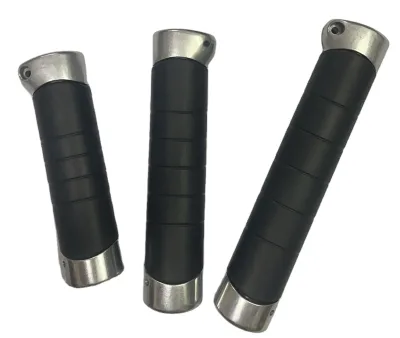
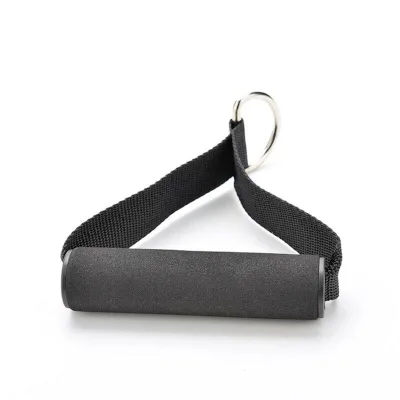
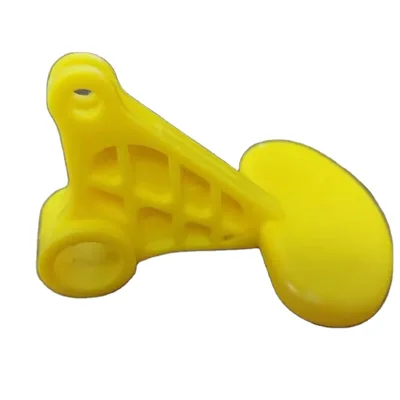
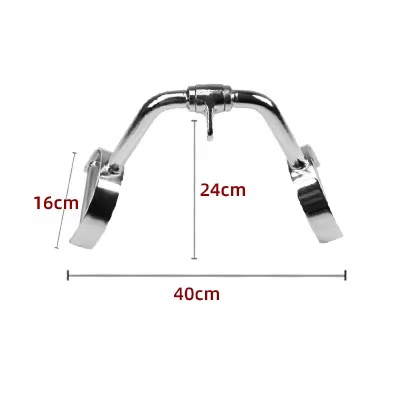
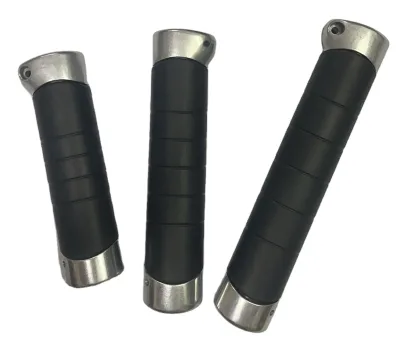


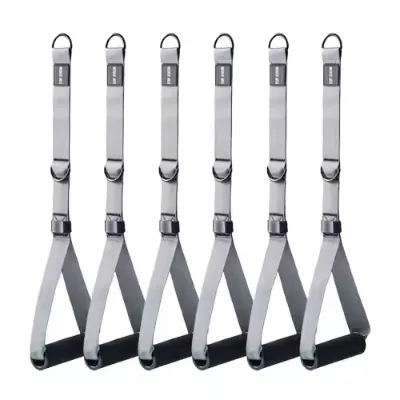
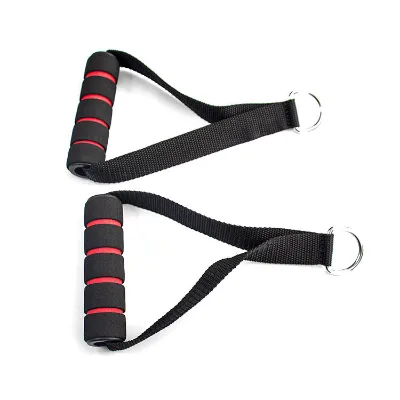
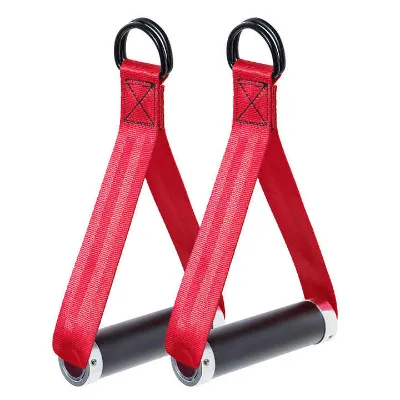
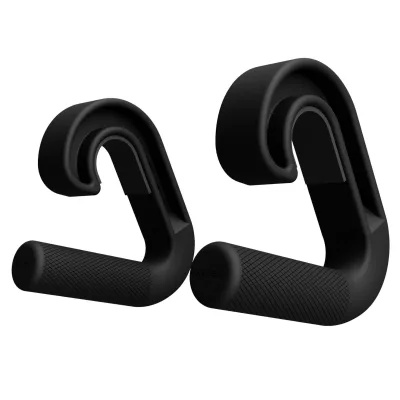
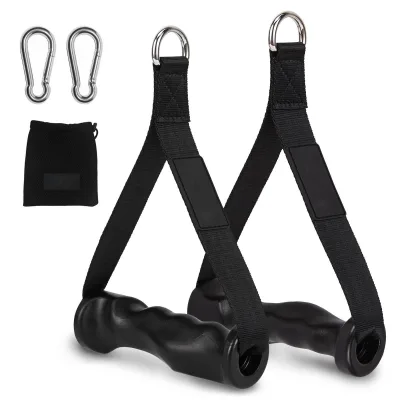


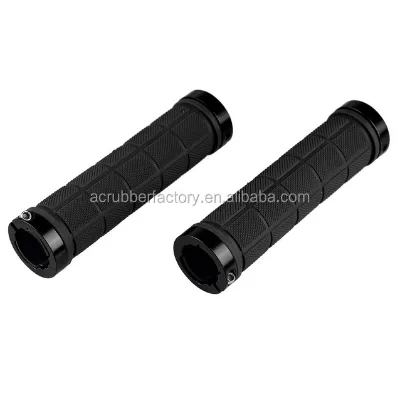


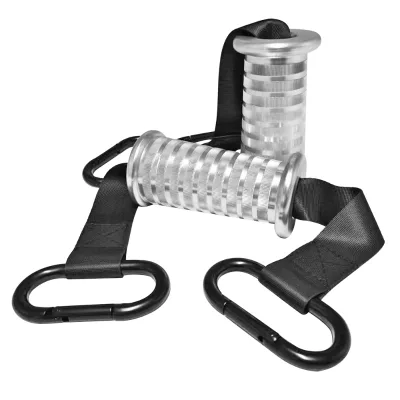
Strength Training Handle Grip Gym Exercise Grip Power Lifting Handle Grip
$35.00 - $37.00
MOQ: 50 Sets

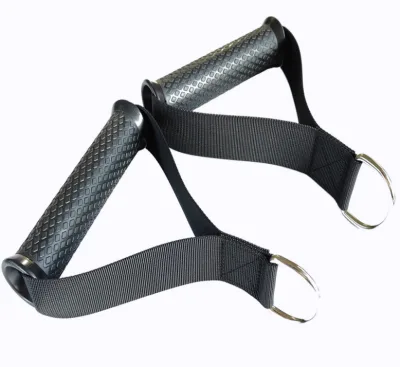
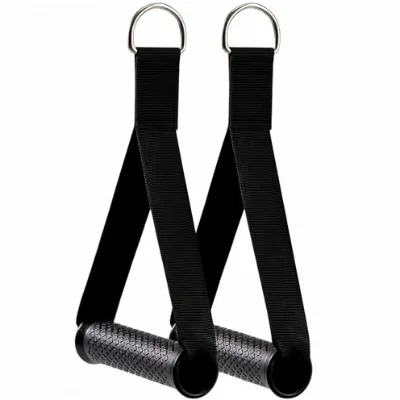

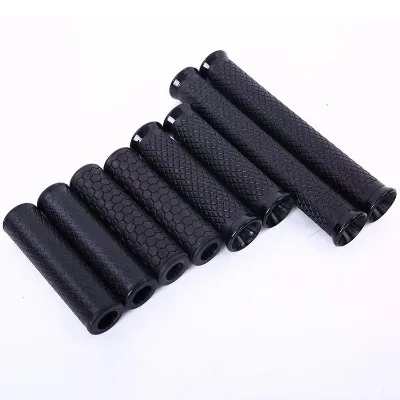
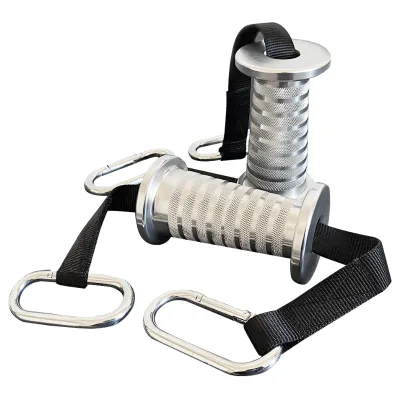
Comprehensive Sourcing Guide
Non Slip Black Exercise Handles Sourcing Guide
Procuring non-slip black exercise handles requires a disciplined approach to material selection and surface texture verification. Buyers must prioritize products that explicitly state non-slip functionality, as this attribute directly impacts user safety and grip stability during high-intensity workouts. The observed market data indicates a strong presence of plastic and aluminum alloy constructions, which offer distinct advantages in weight and durability. Sourcing teams should evaluate whether the black coloration is a standard finish or a customizable option, as this affects branding opportunities for private-label fitness equipment.
Commercial listings reveal a wide variance in model numbers and size specifications, ranging from standardized dimensions like 25mm and 33mm to fully customized base-on-model options. This variability necessitates rigorous specification alignment before placing orders. Buyers should verify if the handles are designed for indoor use only or if they possess the robustness required for broader applications. Understanding the specific model number, such as M20 L-28MM or BP-CA387, is critical for ensuring compatibility with existing fitness infrastructure and maintaining consistent aesthetic standards across product lines.
Product Scope and Observed Listing Signals
The current supply landscape for non-slip black exercise handles is characterized by a high degree of customization and modular design. Suppliers frequently offer OEM logo services and customized colors, allowing brands to maintain visual identity while leveraging standardized manufacturing processes. The observed product range includes fitness handle bars, adjusting handles, and complete fitness handle sets, indicating that buyers can source comprehensive accessory packages rather than isolated components. This flexibility supports both small-batch prototyping and large-scale production runs, catering to diverse procurement needs within the fitness equipment sector.
Material composition is a key differentiator among listed products, with aluminum, plastic, and rubber being the primary constituents. Some listings highlight a combination of plastic and rubber for foot pads or grip surfaces, emphasizing the non-slip function through material science rather than just surface texture. The presence of aluminum alloy components suggests a focus on structural integrity and lightweight portability. Buyers should note that while some products are described as portable, others may be fixed installations, requiring careful review of the foldable attribute and single gross weight to determine logistical implications for shipping and storage.
Technical Specifications to Verify
Dimensional accuracy is paramount when sourcing exercise handles, as improper sizing can lead to ergonomic issues and reduced workout efficacy. Buyers must verify specific size parameters, such as the 25mm and 33mm options observed, or confirm if the supplier accepts custom dimensions based on the model. The model number serves as a critical identifier for technical drawings and tolerance levels. It is essential to confirm whether the size reduction function mentioned in some listings refers to packaging efficiency or actual product dimensions, as this distinction impacts inventory planning and shelf space requirements for retail partners.
Weight and capacity specifications provide insight into the structural load-bearing capabilities of the handles. Observed data indicates a capacity range of 5-10 kg for certain units, which may refer to the weight of the handle itself or the recommended load limit. Buyers should clarify this metric to ensure the product meets the intended usage standards. Additionally, the single volume and gross weight figures are crucial for calculating freight costs. Verifying these metrics against the supplier’s packing list ensures that the quoted prices reflect the true landed cost, including packaging materials like OPP bags, cartons, and wooden cases.
Compliance and Safety Documentation
Safety compliance is non-negotiable for fitness equipment, particularly for components that support user weight or require firm grip stability. Buyers must request documentation confirming that the non-slip properties meet relevant international safety standards for grip friction and durability. While specific certification names are not provided in the observed data, suppliers should be able to demonstrate that their rubber and plastic materials are free from harmful substances and suitable for prolonged skin contact. This verification process helps mitigate liability risks and ensures that the products are safe for global distribution.
Quality assurance protocols should include testing for material degradation under repeated stress and exposure to sweat or cleaning agents. The black coloration should be evaluated for fade resistance, especially if the handles are intended for commercial gym environments with high turnover. Buyers should inquire about the testing procedures used to validate the non-slip function and the structural integrity of the aluminum or plastic components. Requesting sample reports or third-party test results can provide objective evidence of product performance, ensuring that the handles maintain their functional properties over their expected lifespan.
Cost Drivers and Commercial Terms
Pricing for non-slip black exercise handles is influenced by material costs, customization levels, and order volume. The observed price range of $0.05 to $292 USD reflects the diversity of products, from simple plastic grips to complex aluminum alloy assemblies. Buyers should analyze the cost structure to understand the value proposition of each option. Higher-priced items may include advanced ergonomic designs or premium materials, while lower-cost options might serve as basic accessories. Understanding these drivers helps in budgeting and negotiating favorable terms with suppliers.
Minimum Order Quantities (MOQ) vary significantly, with some suppliers accepting orders as low as one unit, while others require 100 pieces or more. This flexibility allows buyers to test market demand with small batches before committing to larger purchases. However, higher MOQs often result in lower per-unit costs. Buyers should also consider the sample policy, as free samples can reduce initial risk and allow for thorough quality inspection. Packaging requirements, such as polybags or wooden cases, also impact the final cost, so these details should be clarified during the quotation phase to avoid unexpected expenses.
Supplier Qualification and Quality Control
Supplier qualification begins with verifying the place of origin and manufacturing capabilities. Most observed products originate from Shanghai, China, a hub for fitness equipment manufacturing. Buyers should assess the supplier’s production capacity and lead times to ensure they can meet delivery deadlines. The ability to accept customized orders and provide OEM logo services indicates a mature supply chain capable of handling brand-specific requirements. Evaluating the supplier’s track record in producing fitness accessories can provide confidence in their consistency and reliability.
Quality control measures should be integrated into the procurement process to ensure product consistency. Buyers should request pre-shipment inspections to verify that the non-slip black handles meet the agreed-upon specifications for size, material, and finish. Establishing clear acceptance criteria for defects, such as color inconsistencies or structural flaws, helps maintain quality standards. Regular communication with the supplier regarding production updates and potential issues can prevent delays and ensure that the final products align with the buyer’s expectations. Building a strong relationship with the supplier facilitates smoother transactions and better support for future orders.
Long-Term Procurement Checks
Long-term success in sourcing non-slip black exercise handles depends on continuous monitoring of product performance and market trends. Buyers should gather feedback from end-users to assess the durability and comfort of the handles over time. This feedback loop can inform future design improvements and material selections. Additionally, staying informed about emerging trends in fitness equipment, such as new ergonomic designs or sustainable materials, can help buyers stay competitive. Regularly reviewing supplier performance and market pricing ensures that the procurement strategy remains aligned with business objectives.
Sustainability and ethical sourcing practices are increasingly important in the fitness industry. Buyers should inquire about the environmental impact of the materials used, such as the recyclability of aluminum or the biodegradability of certain plastics. Ensuring that suppliers adhere to ethical labor practices and environmental regulations can enhance brand reputation and meet the growing demand for responsible products. By maintaining a proactive approach to supplier management and market analysis, buyers can secure a reliable supply of high-quality non-slip black exercise handles that meet both current and future needs.
FAQs
What materials are used for Non Slip Black Exercise Handles?
These handles are typically constructed from durable plastic, aluminum alloy, and rubber. The combination of metal and plastic components ensures structural integrity while the rubber elements provide the necessary grip. This material selection supports both indoor fitness applications and long-term durability for various exercise routines.
Can I customize the logo on these fitness handle bars?
Yes, OEM logo customization is available for these fitness handle bars. Buyers can request specific branding to be applied to the product. This service allows businesses to maintain their brand identity while sourcing high-quality fitness equipment accessories that meet their specific design and functional requirements.
What is the minimum order quantity for these adjustable handles?
The minimum order quantity starts at just one piece for some items, while others require a minimum of 100 pieces. This flexible MOQ structure accommodates both small trial orders and larger bulk purchases. Buyers can select the option that best fits their inventory needs and budget constraints.
How are these fitness handle sets packaged for shipping?
Packaging options include OPP bags, polybags, cartons, and wooden cases depending on the specific model. Standard packaging ensures safe transit for these fitness accessories. The robust packaging methods protect the non-slip surfaces and structural components from damage during international shipping and handling processes.
Where are these non slip exercise handles manufactured?
These handles are manufactured in Shanghai, China. The production facilities are equipped to handle various customization requests and volume requirements. Sourcing from this location provides access to established supply chains and manufacturing expertise for fitness equipment accessories and related hardware components.
What sizes are available for these aluminum exercise handles?
Available sizes include 25mm, 33mm, and customized dimensions based on the model. The product line offers flexibility to meet specific fitness equipment requirements. Buyers can select standard sizes or request custom specifications to ensure compatibility with their existing fitness gear or new product designs.