Source step-up adjustable hip and leg trainer for gyms, rehab, and home
Compare 30 listings for the step-up adjustable hip and leg trainer designed for leg strength, core muscle engagement, and glute extension. Buyers can evaluate features like durability, safety, and adjustability across commercial and universal applications; compare the available evidence and request quotations based on your requirements.
Updated
Key considerations
Products List

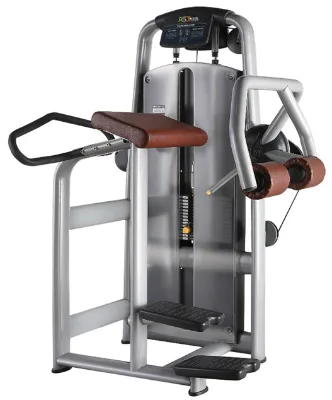
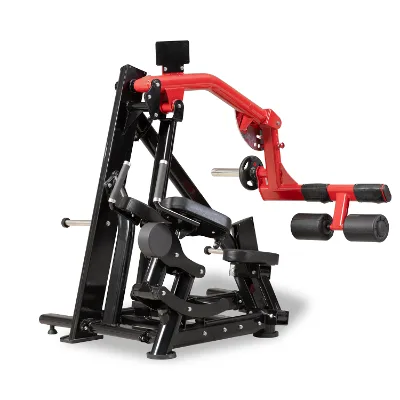
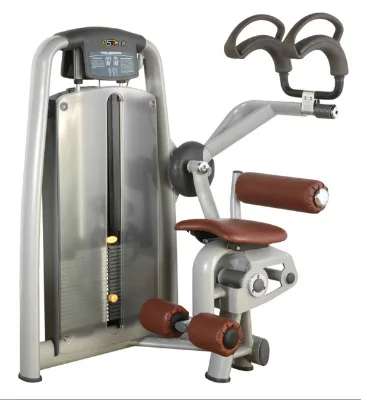
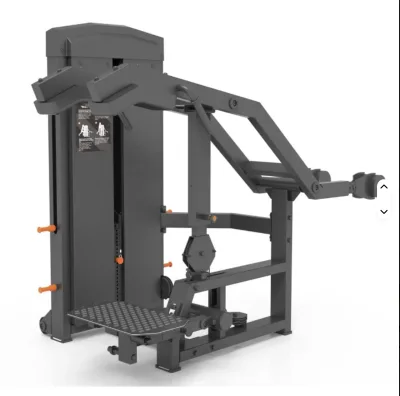
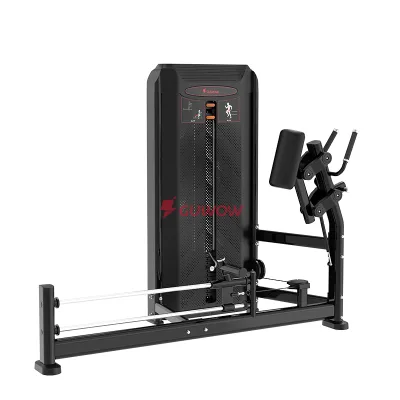
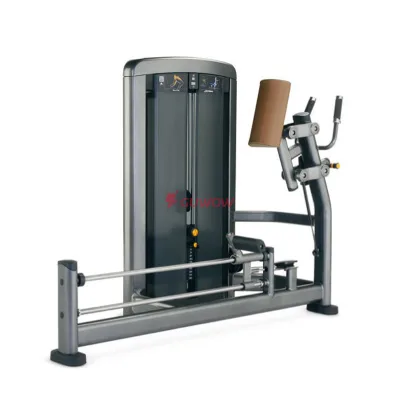
$728.3866 - $798.4424
MOQ: 1 pieces
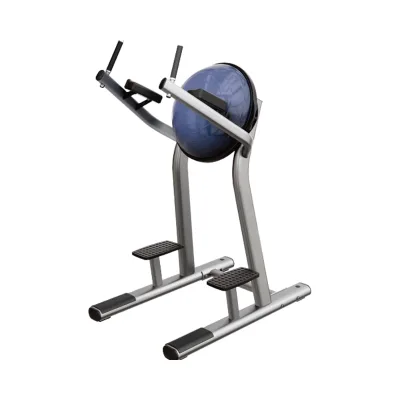


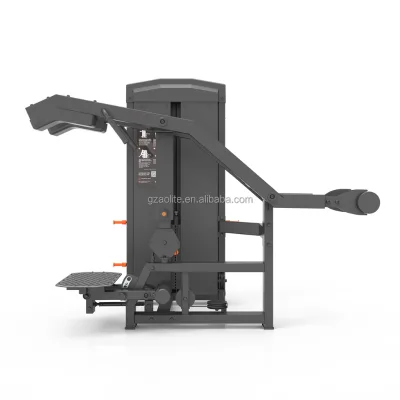
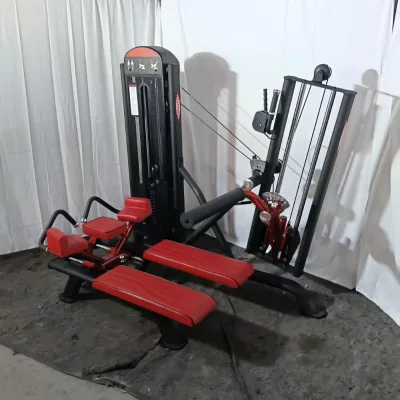
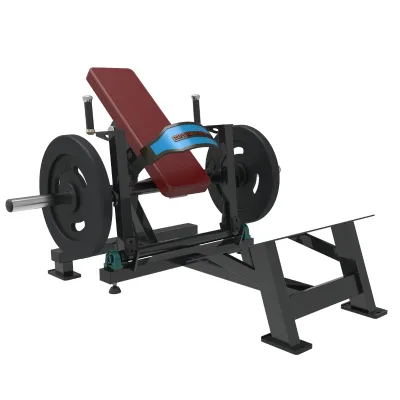
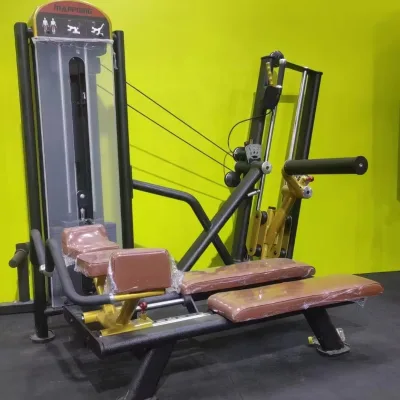
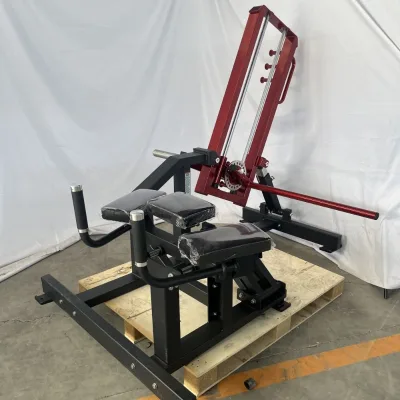


Commercial Multi Hip Thrust Machine Adjustable Glute & Hamstring Strength Trainer
$612.00 - $680.00
MOQ: 1 pieces
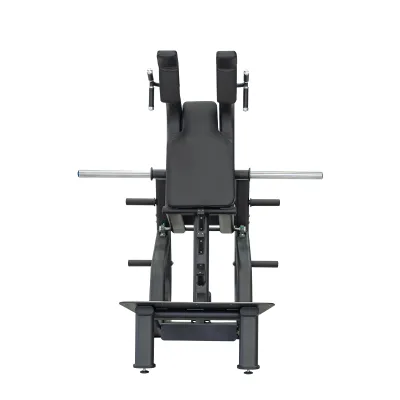
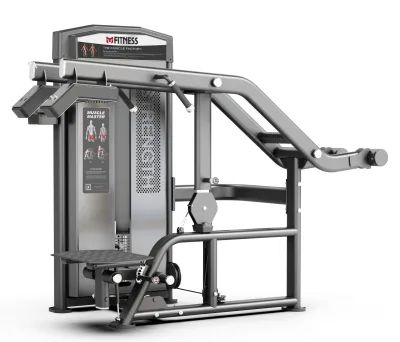


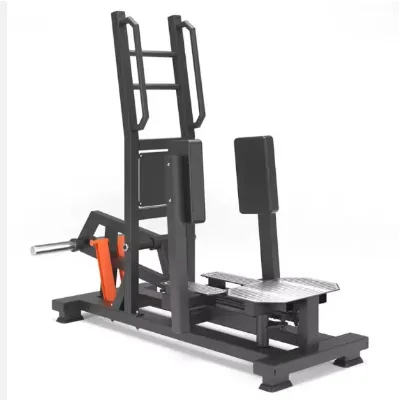
Comprehensive Sourcing Guide
Step-Up Adjustable Hip and Leg Trainer Sourcing Guide
Procuring specialized lower-body equipment requires a disciplined approach to verifying mechanical integrity and functional versatility. Buyers must prioritize suppliers who demonstrate clear engineering standards for adjustable resistance and structural stability. The market offers various configurations, from basic step-up platforms to complex multi-station units designed for commercial gyms. Understanding the specific mechanical requirements for hip and leg training ensures that the selected equipment meets both user safety and performance expectations. This guide outlines the critical verification steps necessary for successful procurement.
Sourcing decisions should be driven by a clear understanding of the target user demographic and facility type. Commercial operators require heavy-duty construction capable of withstanding high-frequency use, while home users may prioritize compact designs and ease of adjustment. Evaluating the adjustability mechanisms is crucial, as these components are subject to frequent wear and tear. Buyers should request detailed technical drawings and material specifications to ensure the equipment aligns with their operational needs and long-term maintenance capabilities.
Product Scope and Observed Listing Signals
The current market landscape for leg training equipment reveals a diverse range of product types, including large loaders, fitness stations, and specialized leg press units. Observed listings indicate a wide price range, reflecting variations in material quality, brand reputation, and included features. Buyers should note that some products are marketed with specific color options, such as pink, silver, or black, which may influence aesthetic integration into existing facility designs. These visual attributes, while secondary to function, play a role in brand identity and customer appeal.
Material composition is a primary differentiator among available options, with aluminum and steel being the most common choices. Steel units often provide greater stability for heavy resistance training, while aluminum variants may offer lighter weight for easier reconfiguration. Listings frequently highlight features such as durability, safety mechanisms, and adjustability, which are essential for versatile training routines. Buyers must carefully cross-reference these claims with actual product specifications to avoid discrepancies between marketing descriptions and physical capabilities.
Technical Specifications to Verify
Dimensional accuracy is critical for ensuring the equipment fits within designated facility spaces and meets ergonomic standards. Single package sizes vary significantly, ranging from compact units to large assemblies that require specialized handling and installation. Buyers should verify the exact footprint and height requirements to prevent logistical issues during delivery and setup. Additionally, gross weight information is essential for calculating shipping costs and ensuring that floor structures can support the equipment's mass without reinforcement.
Adjustability features and functional capabilities must be explicitly defined in technical documentation. Products designed for leg and core muscle training often include mechanisms for modifying resistance levels and exercise angles. Buyers should confirm the range of motion and the robustness of locking mechanisms to ensure user safety during dynamic movements. Verifying the model numbers and specific component details helps in sourcing replacement parts and maintaining consistency across multiple units in a commercial setting.
Compliance and Safety Documentation
Certification status is a non-negotiable requirement for equipment intended for commercial use, ensuring adherence to international safety and quality standards. Buyers must request valid certificates, such as CE, TUV, or ISO9001, to verify that the manufacturing process meets rigorous regulatory requirements. These documents provide assurance that the equipment has undergone independent testing for structural integrity and electrical safety, if applicable. Without proper certification, facilities risk liability issues and potential shutdowns due to non-compliance with local regulations.
Safety features must be clearly documented and physically verified during the inspection process. Adjustable components should include fail-safe mechanisms to prevent accidental movement during use. Buyers should inquire about the testing protocols used to validate the equipment's load-bearing capacity and durability under stress. Ensuring that all safety warnings and operational instructions are provided in the target market's language is also essential for proper user training and accident prevention.
Cost Drivers and Commercial Terms
Pricing structures for fitness equipment are influenced by material costs, manufacturing complexity, and order volume. Buyers should expect a wide variance in unit prices, reflecting differences in brand positioning and feature sets. Minimum order quantities (MOQ) typically range from single units to larger batches, allowing for flexibility in procurement strategies. Understanding the cost breakdown helps buyers negotiate better terms and identify potential savings through volume discounts or consolidated shipping arrangements.
Commercial terms, including payment methods and lead times, significantly impact the overall procurement timeline. Buyers should clarify the production schedule to ensure timely delivery, especially for large orders or custom configurations. OEM opportunities may be available for brands seeking customized logos or specific design modifications, though these often involve higher MOQs and longer lead times. Clear communication regarding shipping responsibilities and insurance coverage is essential to mitigate risks associated with international logistics.
Supplier Qualification and Quality Control
Supplier verification is the first step in mitigating procurement risks, requiring a thorough assessment of manufacturing capabilities and business history. Buyers should evaluate the supplier's experience in producing fitness equipment and their track record with international clients. Requesting references from existing customers can provide valuable insights into product reliability and after-sales support. A supplier's ability to provide detailed technical documentation and responsive customer service is a strong indicator of their professionalism and commitment to quality.
Quality control processes must be transparent and rigorously enforced to ensure consistent product standards. Buyers should inquire about the inspection procedures conducted during production and before shipment. Third-party inspection services can be employed to verify product specifications and identify any defects prior to delivery. Establishing clear quality expectations and contractual penalties for non-compliance helps maintain accountability and ensures that the delivered equipment meets the agreed-upon standards.
Long-Term Procurement Checks
Ongoing supplier performance monitoring is essential for maintaining a reliable supply chain and ensuring consistent product quality. Buyers should establish key performance indicators (KPIs) related to delivery times, product defect rates, and customer satisfaction. Regular audits and feedback loops help identify areas for improvement and strengthen the partnership over time. Maintaining open communication channels allows for proactive resolution of issues and fosters a collaborative approach to product development and innovation.
Strategic planning for future procurement needs involves staying informed about market trends and technological advancements in fitness equipment. Buyers should regularly review their inventory and usage patterns to anticipate replacement cycles and expansion requirements. Building relationships with multiple suppliers can provide flexibility and reduce dependency on a single source. Continuous evaluation of product performance and user feedback ensures that future purchases align with evolving customer expectations and facility goals.
FAQs
What materials are used for step-up adjustable hip and leg trainers?
Manufacturers typically use aluminum or steel for these machines to ensure structural integrity. The ASJ Fitness models utilize aluminum for durability, while GUWOW offers steel construction. These materials support heavy loads and provide a stable base for intense leg and core muscle training sessions in commercial gyms.
Can I customize the logo on these fitness machines?
Yes, many suppliers accept OEM requests for custom branding. The GUWOW Vertical leg kick trainer explicitly offers a customized logo option. This allows gym owners to brand equipment with their facility name or logo, enhancing brand visibility while maintaining the machine's functional features like safety and adjustability.
What certifications do these leg training machines have?
Reputable manufacturers often provide CE, TUV, and ISO9001:2008 certifications for their equipment. These certifications verify that the step-up adjustable hip and leg trainer meets international safety and quality standards. Buyers should verify specific model documentation to ensure compliance with local regulations before placing bulk orders for commercial facilities.
What is the typical weight capacity for these trainers?
Weight capacities vary by model, with some units featuring an 80kg weight stack. Other heavy-duty machines, like the GUWOW model, have an equipment weight of 200KG, indicating robust construction. Buyers should check the specific single gross weight and structural design to ensure the machine supports the intended user load safely.
Where are these fitness machines typically manufactured?
Many of these products originate from Shandong, China, a major hub for fitness equipment manufacturing. Suppliers in this region offer various models, including large loaders and vertical leg kick trainers. Buyers can source directly from these factories to access competitive pricing and customized specifications for their gym requirements.
What features make these machines suitable for commercial use?
Key features include durability, safety mechanisms, and adjustability for different user sizes. The machines are designed for universal application, supporting leg and core muscle training. Commercial gyms benefit from robust construction, such as steel frames, and stable designs that withstand high-frequency usage while maintaining performance and user safety during intense workouts.