Adjustable Plate Loaded Strength Trainer Suppliers and Manufacturers
Explore 27 verified suppliers offering adjustable plate loaded strength trainers with dimensions, lead times, and MOQs. Compare response times, certifications, and pricing to source reliable fitness equipment factories in China Shandong; review the available evidence before requesting comparable quotations from suitable candidates.
Updated
Suppliers List

Shandong Yuwei Fitness Equipment Co., Ltd
- Verified by SGS
- Combined
- China Shandong
- Lead time23 days
- Avg. response≤ 3h
Main marketsSouth America,Domestic

Customized Plate Loaded Steel Trainer for Enhanced Strength Workouts
$1160.00 - $1260.00
MOQ: 2 Pieces

Multi-Functional Trainer with Dual Adjustable Pulleys for Full Body Strength Training
$1160.00 - $1260.00
MOQ: 2 Pieces
Ningjin Huanyu Fitness Co., Ltd.
- Manufacturer, Trading Company
- Shandong, China
- Lead time30 days
- Avg. response≤ 2h
Main productsExercise bike,Fitness equipment,gym equipment,OEM Gym equipment,multi smith machine
Main marketsDomestic Market(30.00%), South America(15.00%), Southeast Asia(8.00%), South Asia(8.00%), North America(7.00%), Eastern Asia(6.00%), Western Europe(6.00%), Africa(5.00%), Eastern Europe(5.00%), Central America(4.00%), Northern Europe(3.00%), Mid East(3.00%)
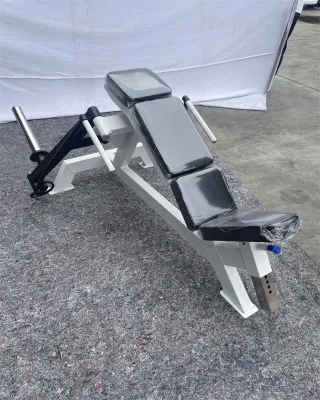
$389.00 - $429.00
MOQ: 2 sets
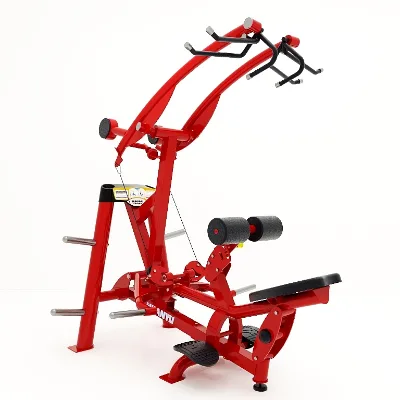
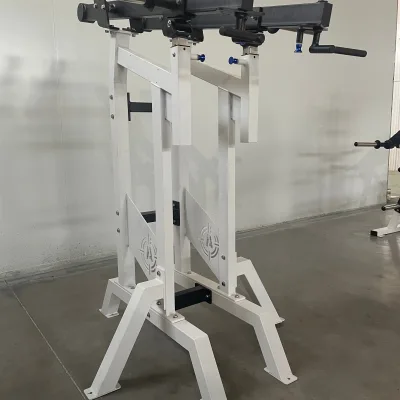
Qingdao Sirer Technology Co., Ltd.
- Verified by Intertek
- Trading Company
- Lead time30 days
- Avg. response≤ 2h
Main productsgym strength machine, Fitness Equipment, Commercial cardio trainer
Main marketsNorth America(50%), Northern Europe(30%), Eastern Europe(10%)
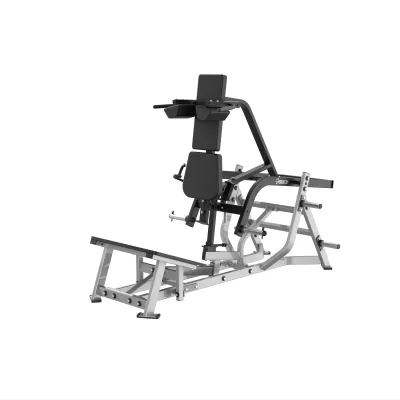
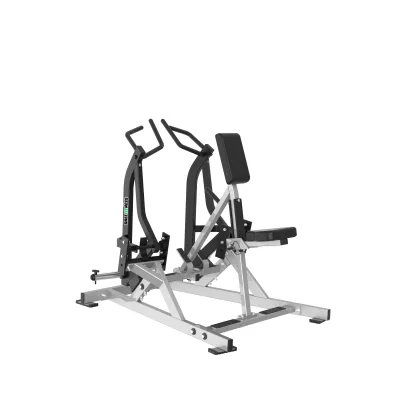
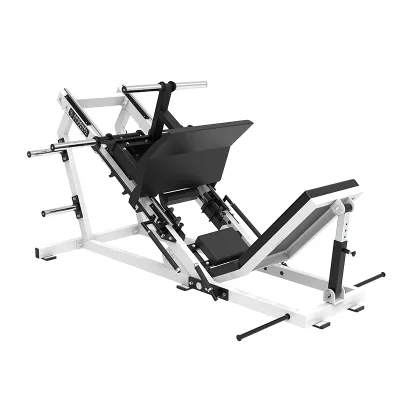
$761.8753 - $814.3832
MOQ: 1 pieces
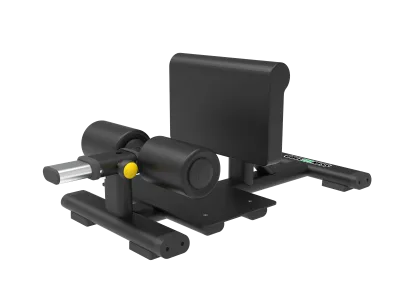
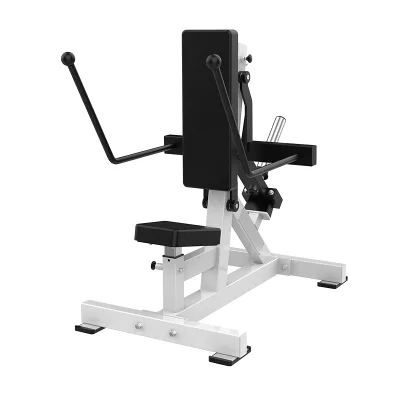
$289.00 - $304.00
MOQ: 1 pieces
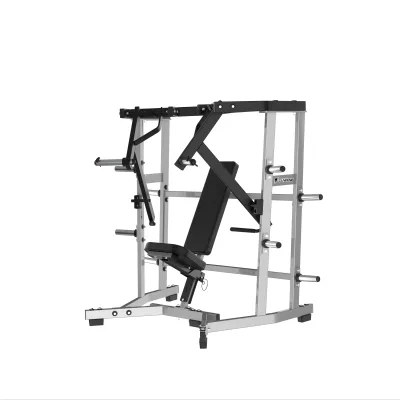
Dezhou Aoshengjia Fitness Equipment Co., Ltd.
- Verified by Intertek
- Manufacturer, Trading Company
- Lead time15 days
- Avg. response≤ 2h
Main productsFitness Equipment
Main marketsSouth America(20%), North America(15%), Eastern Europe(15%)

Shandong Hammer Fitness Equipment Co., Ltd.
- Verified by BV
- Combined
- China Shandong
- Lead time15 days
- Avg. response≤ 2h
Main productsPilates Reformer, Multifunctional Trainer, Hack Squat, Cardio Equipment, Strength Equipment, Fitness Equipment Accessories, Functional Trainer Cable Machine, Hip Thrust Machine, Stair Climbing Machine
Main marketsSoutheast Asia/ Mideast,Domestic,Europe,North America

Dezhou Eagle Fitness Equipment Co., Ltd.
- Verified by SGS
- Trading Company
- China Shandong
- Lead time15 days
- Avg. response≤ 6h
Main productsFitness Equipment, Gym Equipment, Commercial Treadmill, Spinning Bike, Air Bike Rowing Machine, Hammer Strength, Hydraulic Circuit Training Equipment, Pilates Equipment, Crossfit Equipment, Fitness Accessory
Main marketsAfrica,Europe,Australia


Functional Trainer Strength Equipment Gym Body Building Reloaded Power Squat
$555.00 - $595.00
MOQ: 1 Pieces

Strength Training Weight Lifting Body Workout Strength Training Incline Chest Press
$720.00 - $758.00
MOQ: 1 Pieces


Qingdao Sirer Technology Co., Ltd.
- Verified by SGS
- Trading Company
- China Shandong
- Lead time30 days
- Avg. response≤ 7h
Main productsFitness Equipment, Treadmill, Stregth Machine, Cardio Fitness, Commercial Gym Equipment, Gym Equipment, Gym Machine, Shoulder Press, Fitness Machine, Hammer Fitness Machine
Main marketsSouth America,Southeast Asia/ Mideast,North America

Dingzhou Baiyun Trading Co., Ltd.
- Trading Company,Manufacturer/Factory
- China Hebei
- Lead time15 days
- Avg. response≤ 6h
Main productsDumbbell, Weight Plate, Barbell, Squat Rack, Smith Machine, Dumbbell Lbench, Kettlebell, Spinning Bike, Exercise Equipment, Dumbbill Sand
Main marketsSouth America,Eastern Europe,North America,Southeast Asia,Eastern Asia,Africa


Hot Sale Gym Training Adjustable Trainer Strength Trainer Weight Lifting Trainier
$15.00 - $18.50
MOQ: 10 Pieces

SingSong Sports Equipment Co., Ltd.
- Verified by BV
- Trading Company
- China Hunan
- Lead time23 days
- Avg. response≤ 5h
Main productsPadel Racket, Padel Ball, Paddle Bags, Gym Fitness Equipment, Home Fitness Equipment, Smith Machine, Squat Rack, Spinning Bike, Fitness Bench, Dumbbell/Dumbbell Rack/ Weight Plats
Main marketsSouth America

$740.00 - $931.00
MOQ: 1 Pieces


DEZHOU HENGQING FITNESS EQUIPMENT CO., LTD.
- Combined
- China Shandong
- Lead time23 days
- Avg. response≤ 7h
Main productsGym Equipment, Fitness Equipment, Strength Equipment, Cardio Equipment
Main marketsSouth America,Southeast Asia/ Mideast,Europe


Hot Sale Commercial Fitness Strength Equipment Multi Functional Trainer
$959.00 - $999.00
MOQ: 1 Pieces


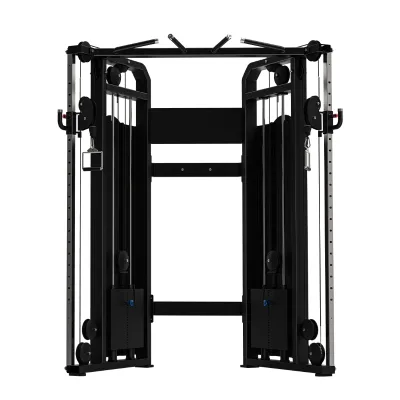
High Quality Fitness Equipment Adjustable Pulley Multi Functional Trainer for Gym
$750.00 - $810.00
MOQ: 1 Pieces

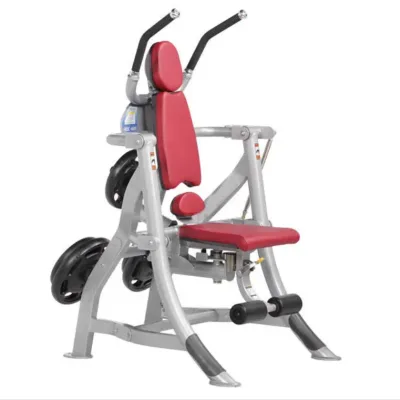
Abdominal Trainer Fitness Equipment Abdominal Machine Abdominal Training Equipment Low Price
$580.00 - $680.00
MOQ: 1 Pieces

Shandong Tianzhan Fitness Equipment Co., Ltd.
- Verified by BV
- Combined
- China Shandong
- Lead time30 days
- Avg. response≤ 10h
Main productsGym Equipment, Fitness Equipment, Strength Machines, Exercise Bike, Body Building Machines, Commercial Fitness Equipment, Motorized Treadmill, Fitness Equipment Gym Machine, Free Weight Accessories, Treadmill
Main marketsSouth America,Southeast Asia/ Mideast,East Asia(Japan/ South Korea),Europe,Australia,North America
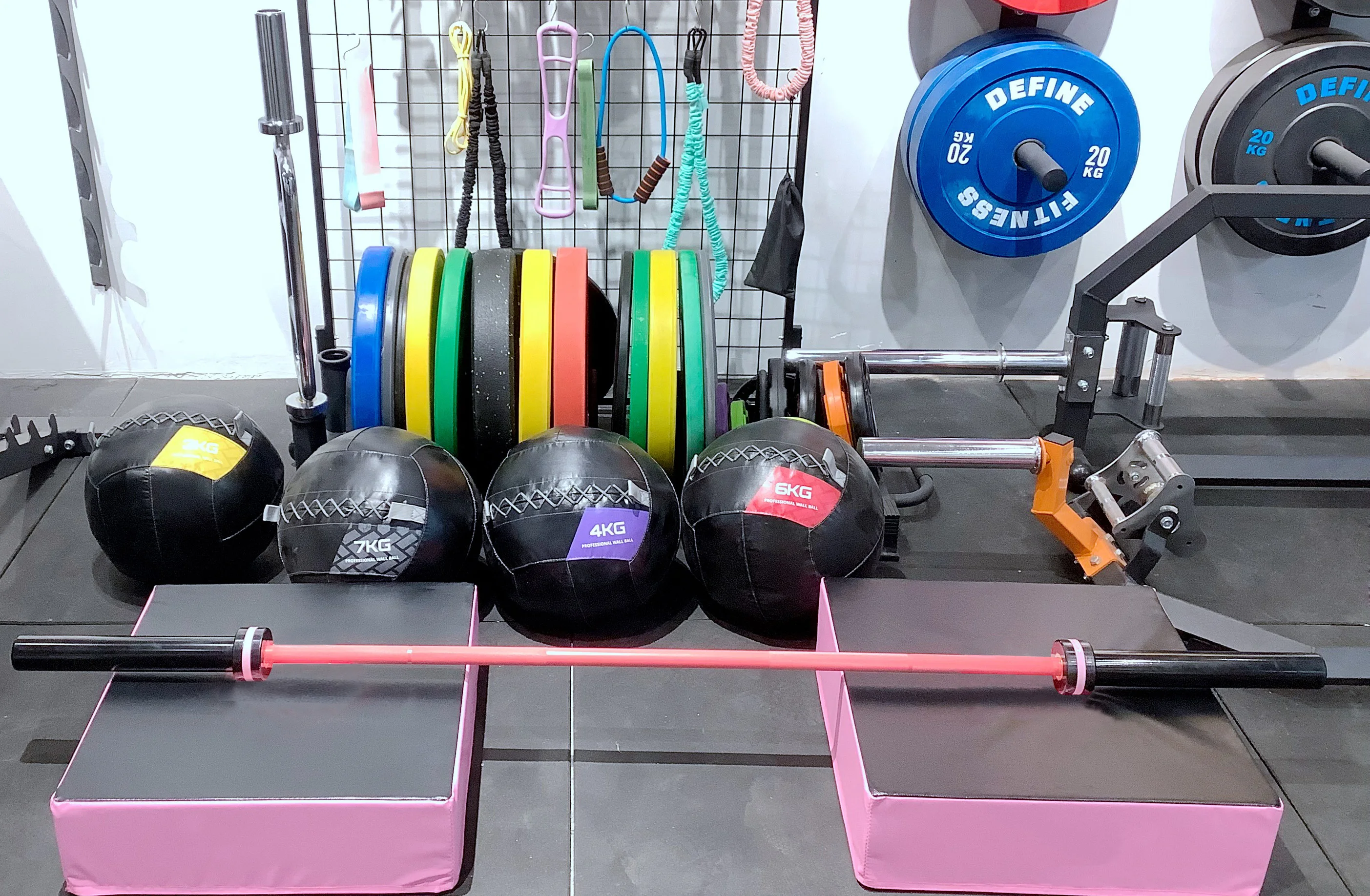
Nantong Define Sporting Equipment Co., Ltd.
- Trading Company
- Jiansu, China
- Lead time30 days
- Avg. response≤ 11h
Main productsWeightlifting Products,Free Weight,Gym Equipment,Yoga Products
Main marketsSouth America(30.00%), Western Europe(30.00%), Mid East(10.00%), Southern Europe(10.00%), North America(10.00%), Southeast Asia(9.00%), Oceania(1.00%)
Shandong Evere Fitness Equipment Co., Ltd.
- Manufacturer, Trading Company
- Shandong, China
- Lead time10 days
- Avg. response≤ 2h
Main productsTreadmill,Spinning Bike,Strength Machine
Main marketsMid East(50.00%), Southeast Asia(30.00%), South America(20.00%)
Baoding Wendy Import And Export Co., Ltd.
- Verified by Intertek
- Trading Company
- Lead time30 days
- Avg. response≤ 2h
Main productsDumbbells, Strength Training Equipment, Aerobic Training Equipment, Barbell, Benches and Racks
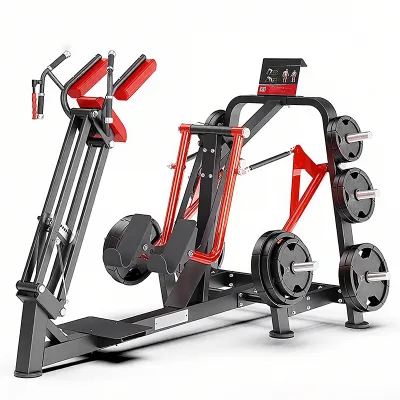
$781.3134 - $811.3557
MOQ: 1 sets
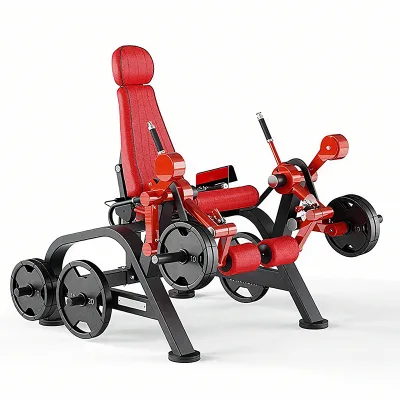
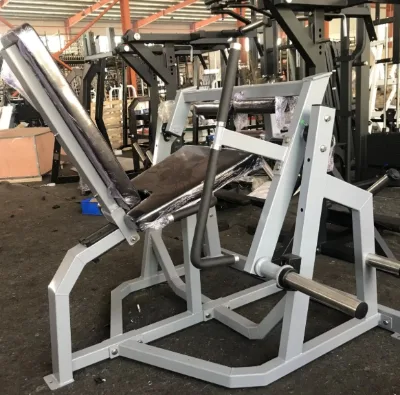
Fitness Equipment Plate Loaded Seated Leg Extension &prone Leg Curl Trainer for Home Gym
$651.4233 - $677.6458
MOQ: 1 sets
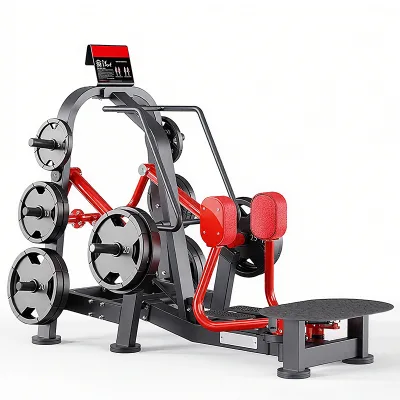
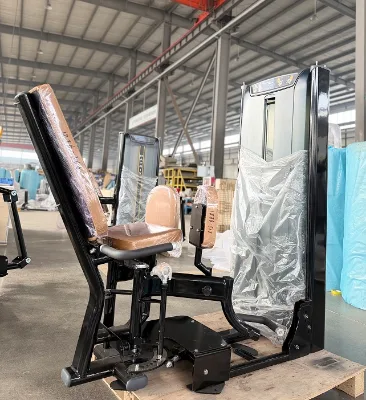
Sport Trainer Leg Machine Gym Fitness Equipment Wholesales Weight Plate Loaded Abductor Machine
$782.7425 - $814.8895
MOQ: 1 sets

Dingzhou Ruichuang Metal Products Co., Ltd.
- Verified by TUVRHEINLAND
- Trading Company
- China Hebei
- Lead time30 days
- Avg. response≤ 1h
Main productsBarbell, Fitness Equipment, Gym Equipment, Dumbbell, Stair Master, Fitness Accessories, Track and Field Equipment, Strength Machine, Fitness Machine, Gym Machine
Main marketsNorth America

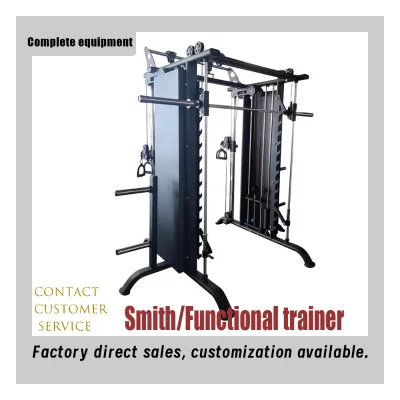
Gym Fitness Multi Function Equipment Wall Mounted Functional Trainer for Strength Training
$580.00 - $600.00
MOQ: 1 Pieces

Professional Strength Training Machine Wall Mounted Cable Strength Power Training Functional Trainer
$580.00 - $600.00
MOQ: 1 Pieces
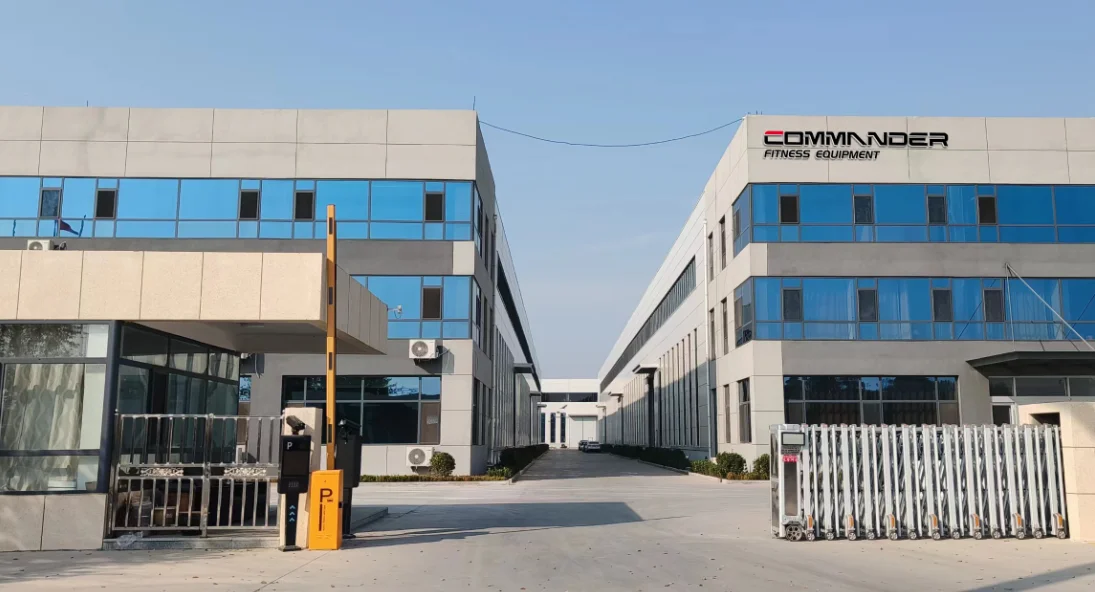
Shandong Commander Fitness Equipment Co., Ltd
- Manufacturer, Trading Company
- Shandong, China
- Lead time15 days
- Avg. response≤ 2h
Main productsFitness equipment,Gym equipment,Power strength,Plate loaded machine,Gym accessory
Main marketsMid East(15.00%), Central America(10.00%), Southeast Asia(10.00%), North America(10.00%), South America(10.00%), Domestic Market(5.00%), South Asia(5.00%), Southern Europe(5.00%), Northern Europe(5.00%), Africa(5.00%), Western Europe(5.00%), Eastern Asia(5.00%), Eastern Europe(5.00%), Oceania(5.00%)
Dezhou Maibo Fitness Equipment Co., Ltd.
- Verified by SGS Group
- Manufacturer, Trading Company
- Lead time10 days
- Avg. response≤ 2h
Main productsTreadmill, Stair Master, SkiErg, RowErg, Strength Machine
Main marketsSouth America(40%), North America(30%), Southeast Asia(20%)

SHANDONG BRIGHTWAY FITNESS EQUIPMENT CO., LTD.
- Verified by TUVRHEINLAND
- Combined
- China Shandong
- Lead time15 days
- Avg. response≤ 2h
Main productsFitness Equipment, Gym Equipment, Treadmill, Gym Accessories, Fitness Accessories, Commercial Treadmill
Main marketsNorth America


Strength Training Weight Plate Fitness Equipment Machine Gym Equipment Gym Rack
$100.00 - $150.00
MOQ: 1 Pieces


Shandong Baodelong Fitness Co., Ltd.
- Verified by BV
- Combined
- China Shandong
- Lead time23 days
- Avg. response≤ 7h
Main productsGym Equipment, Fitness Equipment, Fitness Machine, Gym Machine, Treadmill, Spinning Bike, Exercise Bike, Chest Press Machine, Leg Press Machine, Multi Functional Machine
Main marketsSouth America,Africa,Southeast Asia/ Mideast,East Asia(Japan/ South Korea),Domestic,Europe,Australia,North America

Eterne (Tianjin) Sports Equipment Co., Ltd.
- Verified by SGS
- Trading Company
- China Tianjin
- Lead time30 days
- Avg. response≤ 6h
Main productsGym, Treadmill, Strength Equipment, Aerobic Equipment, Crossfit Equipment, Commercial Fitness Equipment, Home Fitness Equipment, Spinning Bike, Stair Master, Power Sled
Main marketsDomestic

Bodybuilding Strength Training Machine Wall Mounted Functional Trainer for Cross Exercise
$490.00 - $550.00
MOQ: 3 Pieces

Top Quality Gym Equipment Plate Loaded Machine Sports Exercise Trainer
$470.00 - $490.00
MOQ: 1 Pieces

Multi Wall Function Trainer Fitness Body Building Exercise Function Trainer Strength Machine OEM
$490.00 - $550.00
MOQ: 3 Pieces

$490.00 - $550.00
MOQ: 3 Pieces

Shanghai Emprise Health Technology Co., Ltd
- Verified by TUVRHEINLAND
- Manufacturer/Factory
- China Shanghai
- Lead time45 days
- Avg. response≤ 3h
Main productsFitness Equipment, Gym Equipment, Sport Equipment, Commercial Gym Equipment, Commercial Treadmill, Commercial Elliptical Bike
Main marketsEastern Europe,Mid East,North America,Southeast Asia,Eastern Asia,Oceania,Western Europe

$192.00 - $198.00
MOQ: 5 Pieces

Strength Training Trainer Fitness Gym Equipment for Sale Exercise Pulldown Outdoor
Negotiable
MOQ: 5 Pieces

Gym Bodybuilding Dual Cable Cross Multi-Function Trainer with Dual Arm Exercise
Negotiable
MOQ: 5 Pieces
Shandong Land Fitness Tech Co., Ltd.
- Verified by TüVRheinland
- Manufacturer, Trading Company
- Lead time20 days
- Avg. response≤ 3h
Main productsCardio Machine, Strength Training, Track And Field Equipment, Vending Machine, Strength Equipment
Main marketsDomestic Market(30%), North America(10%), Eastern Asia(7%)

Shandong Minolta Fitness Equipment Co., Ltd
- Verified by SGS
- Combined
- China Shandong
- Lead time30 days
- Avg. response≤ 3h
Main productsGym Equipment, Fitness Equipment, Cardio Machine, Fitness Accessories, Hammer Strength, Commercial Treadmill, Pin Loaded Machine, Strength Machine, Free Weight, Multi Functional Rack
Main marketsSouth America,Africa,Others(foreignTradeCapacity.exportBusinessCapacityMarketOther)

Adjustable Cable Crossover Trainer Strength Machine Multifunctional Trainer for Gym
$500.00 - $700.00
MOQ: 1 Pieces

Shandong Lanbo Fitness Equipment Co., Ltd.
- Verified by SGS Group
- Manufacturer, Trading Company
- Lead time0 days
- Avg. response≤ 4h
Main productsFitness Equipment, Commercial Treadmill, Strength Equipment, Multi Function Station, Fitness Accessory
Main marketsSouth America(25%), North America(15%), Mid East(15%)
Dingzhou Hairui Sporting Goods Co., Ltd.
- Manufacturer
- Hebei, China
- Lead time25 days
- Avg. response≤ 4h
Main productsgym equipment,sport goods,gym accessories,Martial arts equipment,Training and fitness equipment
Main marketsMid East(10.00%), Domestic Market(10.00%), Oceania(10.00%), Eastern Europe(10.00%), Southern Europe(10.00%), Northern Europe(10.00%), South Asia(10.00%), Western Europe(10.00%), Africa(5.00%), Southeast Asia(5.00%), North America(5.00%), South America(3.00%), Eastern Asia(2.00%)
Shandong Coolbuild Fitness Equipment Co., Ltd.
- Verified by TüVRheinland
- Manufacturer, Trading Company
- Lead time7 days
- Avg. response≤ 2h
Main productsPlate Loaded Machines, Strength Equipment, Cardio Equipment
Main marketsSouth America(12%), Mid East(11%), North America(7%)
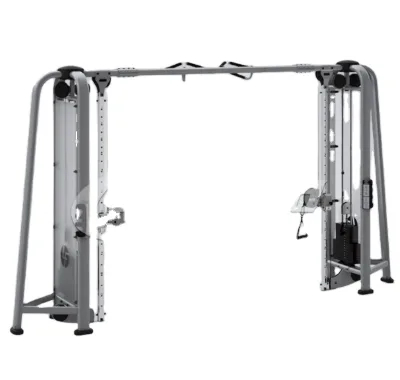
Equipment Plate Loaded Machines for Fitness Training Cable Crossover
$666.9171 - $687.4382
MOQ: 1 sets
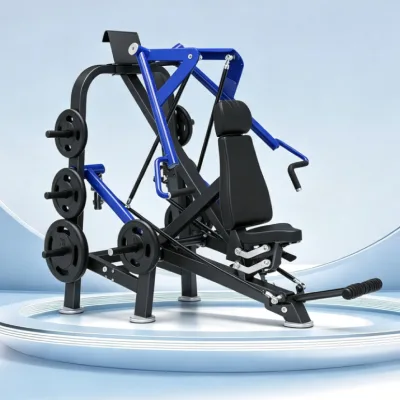

DEQING SISTER SPORTS CO., LTD.
- Verified by TUVRHEINLAND
- Combined
- China Zhejiang
- Lead time30 days
- Avg. response≤ 5h
Main productsGym Equipment, Fitness Equipment, Home Gym, Treadmill, Weight Bench, Power Tower, Fitness Rack, Spin Bike, Exercise Bike, Dumbbells
Main marketsSouth America,Others(foreignTradeCapacity.exportBusinessCapacityMarketOther),Europe
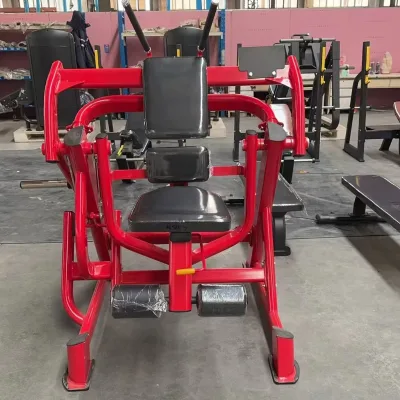
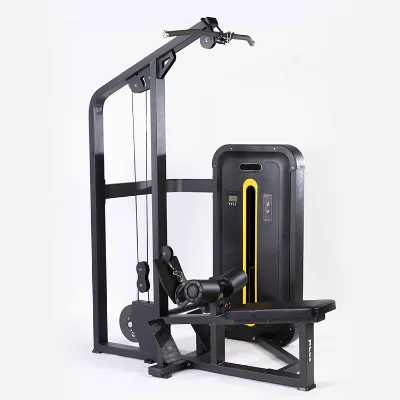


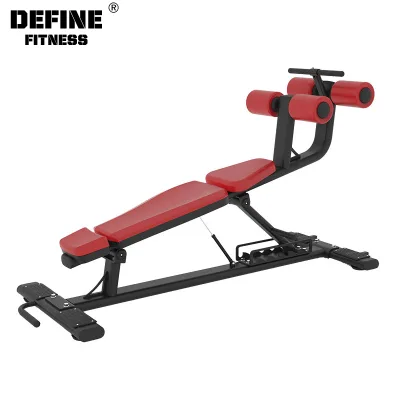
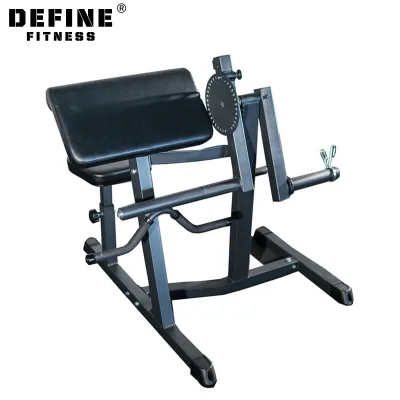




Comprehensive Sourcing Guide
Adjustable Plate Loaded Strength Trainer Supplier Concentration and Factory Types
The current supplier landscape for adjustable plate loaded strength trainers reveals a distinct concentration in China, specifically within the Shandong province. This regional clustering is significant for buyers because it indicates a mature industrial ecosystem dedicated to fitness equipment manufacturing. The observed data points to a mix of company types, including combined entities that operate as both manufacturers and trading companies. This dual nature can offer buyers flexibility, as some suppliers may provide direct factory pricing while others leverage trading capabilities to aggregate diverse product lines. The presence of suppliers in Dezhou, Shandong, further refines this geographic focus, suggesting that specific cities within the province are hubs for steel-based fitness equipment production. Buyers should recognize that this concentration often correlates with established supply chains for raw materials like Q235 steel tubes, which are frequently cited in product specifications. Understanding this geographic and structural layout helps in anticipating logistical patterns and communication norms. It also implies that many suppliers in this region are accustomed to international trade standards, having developed processes to handle export documentation and shipping requirements. The density of suppliers in this area means that competition is likely high, which can drive innovation in design and service levels. However, it also requires buyers to be discerning when evaluating the actual manufacturing capacity versus trading capabilities of each potential partner. The focus on Shandong provides a clear starting point for sourcing strategies, allowing buyers to prioritize suppliers from this verified location to ensure consistency in material quality and production methods. This regional specificity is a key factor in assessing the reliability and scalability of potential supply partners for large orders.
How to Verify Adjustable Plate Loaded Strength Trainer Suppliers
Verification is a critical step in ensuring that the supplier you select meets your quality and operational standards. One of the primary indicators of reliability found in the current results is the SGS verification status. This third-party verification provides a layer of confidence regarding the supplier’s business legitimacy and operational capabilities. Buyers should prioritize suppliers who display such verification badges, as it reduces the risk of engaging with fraudulent or non-existent entities. Beyond verification badges, it is essential to examine the specific certifications listed for the products themselves. The data shows that CE certification is commonly available for these strength trainers, which is a mandatory requirement for selling fitness equipment in many international markets, particularly in Europe. Buyers must confirm that the CE certification is valid and applies to the specific models they intend to purchase. Additionally, the presence of OEM and ODM acceptance indicates that the supplier has the technical infrastructure to customize products. This is a strong signal of manufacturing capability rather than simple resale. Buyers should request documentation to prove these certifications and verify that the manufacturing processes align with international safety standards. It is also advisable to check for any additional quality management system certifications, although none were explicitly listed in the current results. In the absence of such information, buyers should directly inquire about the supplier’s internal quality control procedures. Asking for recent test reports or factory audit results can provide further assurance. The goal is to build a profile of the supplier that goes beyond marketing claims, relying on verifiable data points like SGS status and product-specific certifications to make an informed decision. This rigorous verification process helps mitigate risks associated with product liability and ensures that the equipment meets the necessary safety and performance benchmarks for your target market.
What to Compare Across Adjustable Plate Loaded Strength Trainer Suppliers
When evaluating multiple suppliers, it is crucial to compare key operational metrics to determine the best fit for your business needs. One of the most significant variables is the lead time, which can vary considerably between suppliers. The observed data indicates lead times ranging from 23 to 30 days, which is a critical factor for inventory planning and order fulfillment. Buyers should align their procurement schedules with these lead times to avoid stockouts or excessive inventory holding costs. Another important metric is the Minimum Order Quantity (MOQ). The current results show an MOQ of 2 pieces for several products, which is relatively low and favorable for buyers testing the market or placing smaller initial orders. This low barrier to entry allows for greater flexibility in ordering. Response time is also a vital indicator of supplier professionalism and efficiency. The data suggests an average response time of approximately 2 to 2.06 hours, which is quite fast and suggests that these suppliers are attentive to buyer inquiries. Buyers should compare these response speeds to ensure they can maintain effective communication throughout the procurement process. Additionally, comparing the main products offered by each supplier can help identify specialists versus generalists. Some suppliers focus on specific items like multi-functional trainers or plate-loaded machines, while others offer a broader range including exercise bikes and smith machines. Understanding their core competencies can help in selecting a supplier who is most aligned with your specific product requirements. Price is another obvious comparison point, with observed ranges varying from approximately $389 to $1260 depending on the model and features. Buyers should not just look at the lowest price but consider the value proposition, including warranty terms and customization options. The warranty period observed is typically two years, which is a standard expectation for this type of equipment. Comparing these attributes side-by-side allows for a comprehensive assessment of each supplier’s strengths and weaknesses.
Common Adjustable Plate Loaded Strength Trainer Sourcing Risks
Sourcing adjustable plate loaded strength trainers from international suppliers, particularly those in manufacturing hubs like Shandong, China, comes with inherent risks that buyers must actively manage. One significant risk is the variability in product quality, even when suppliers claim to use high-grade materials like Q235 steel tubes. While the specifications may look identical on paper, the actual thickness of the steel, the quality of the welding, and the durability of the upholstery can vary. Buyers must be vigilant in requesting detailed technical drawings and material certificates to verify that the products meet their specific engineering requirements. Another risk is the potential for miscommunication regarding customization options. Although many suppliers accept OEM and ODM services, the execution of custom logos, colors, or structural modifications can lead to discrepancies between the prototype and the final bulk order. This risk is heightened when dealing with combined manufacturer-trading companies, where the trading arm may not have full visibility into the factory’s production capabilities. Logistics and shipping damage is another common concern. The observed packaging methods, such as plywood boxes or wooden cases, are generally robust, but the long-distance shipping process can still result in damage to the equipment. Buyers should ensure that the supplier uses adequate protective measures and consider purchasing shipping insurance. Additionally, there is a risk related to after-sales support. While a two-year warranty is commonly offered, the practicality of claiming warranty service from a distant supplier can be challenging. Buyers should clarify the warranty process, including how replacement parts are shipped and who bears the cost of return shipping for defective items. Finally, regulatory compliance risks exist if the supplier’s certifications are not up to date or do not match the requirements of the buyer’s target market. Buyers must independently verify that the CE or other relevant certifications are valid and applicable to the specific products being purchased. Proactively addressing these risks through thorough due diligence and clear contractual terms can help ensure a successful sourcing experience.
Adjustable Plate Loaded Strength Trainer Regional Sourcing and Logistics
The geographic concentration of suppliers in Shandong, China, has direct implications for logistics and supply chain management. Sourcing from this region often means dealing with major port cities in the vicinity, which can facilitate efficient export shipping. The observed origin details, such as Dezhou Shandong, indicate that suppliers are located in industrial zones that are well-connected to transportation networks. This proximity to ports can reduce inland transportation costs and lead times, making the overall logistics process more streamlined. However, buyers must still account for the transit time from the factory to the port and then to the final destination. The lead times observed, ranging from 23 to 30 days, likely include production time but may not fully account for shipping duration. Buyers should plan their orders with this in mind, ensuring that they have sufficient buffer time to handle potential delays. Packaging is another critical aspect of logistics in this region. The data shows that products are typically packed in plywood boxes, cartons, or wooden cases. These packaging methods are designed to protect the steel equipment during transit, but buyers should verify that the packaging meets the specific requirements of their shipping carrier and destination country regulations. For instance, some countries have strict phytosanitary regulations regarding wooden packaging, requiring treatment certificates. Buyers should confirm that the supplier’s wooden cases comply with international standards to avoid customs delays. Additionally, the weight and dimensions of the equipment, such as the 62kg weight of the Strength Reloaded Incline Fly or the 153.5kg Standing Shoulder Press Trainer, will impact shipping costs. Buyers should calculate the volumetric weight and actual weight to determine the most cost-effective shipping method, whether it be sea freight or air freight for smaller orders. Understanding the logistical nuances of sourcing from Shandong allows buyers to optimize their supply chain, reduce costs, and ensure timely delivery of their adjustable plate loaded strength trainers.
Adjustable Plate Loaded Strength Trainer Commercial Terms and Order Planning
Effective order planning and clear commercial terms are essential for a successful procurement process when sourcing adjustable plate loaded strength trainers. The observed price ranges, from approximately $389 to $1260, highlight the importance of understanding the cost structure. Prices can vary significantly based on the complexity of the machine, the materials used, and the level of customization required. Buyers should request detailed quotations that break down the costs, including the base price, customization fees, and packaging costs. This transparency helps in budgeting and comparing offers accurately. The low MOQ of 2 pieces observed in the results is advantageous for initial orders, allowing buyers to test the market with minimal financial risk. However, for larger orders, buyers should negotiate volume discounts to improve their profit margins. Payment terms are another critical commercial aspect. Buyers should establish clear payment schedules, such as a deposit upon order confirmation and the balance upon shipment or against copy of documents. Using secure payment methods or escrow services can provide additional protection for both parties. The two-year warranty period observed is a standard commercial term, but buyers should clarify the scope of this warranty. It is important to understand what components are covered, the process for claiming warranty service, and whether labor costs are included. Additionally, buyers should discuss the lead time in the contract to ensure that the supplier commits to a specific delivery date. This helps in managing inventory levels and meeting customer demand. Clear communication regarding these commercial terms from the outset can prevent misunderstandings and disputes later in the process. By carefully planning the order and negotiating favorable terms, buyers can secure a reliable supply of high-quality adjustable plate loaded strength trainers while minimizing financial and operational risks.
FAQs
What is the minimum order quantity for plate loaded trainers?
The minimum order quantity is 2 pieces for most models. This low threshold allows buyers to test product quality and functionality before committing to larger bulk orders. It supports flexible procurement strategies for small gyms or startups looking to evaluate equipment performance.
What certifications do these strength trainers hold?
Products typically carry CE certification to ensure compliance with European safety standards. Some listings also mention ISO standards. Buyers should verify specific certification documents with suppliers directly, as system certifications may vary by manufacturer and specific model requirements.
How long does production take for these machines?
Lead times generally range from 23 to 30 days. This duration covers manufacturing, quality control, and preparation for shipment. Buyers should confirm exact timelines with suppliers, as production schedules may vary based on order volume and current factory capacity.
What is the price range for these trainers?
Prices typically range from $389 to $1260 per unit. The cost depends on the specific model, features, and customization options. Buyers can find budget-friendly options starting around $389 or premium multi-functional units near $1260, depending on their requirements.
Can I customize the logo and color of the equipment?
Yes, customization is available for both logos and colors. Suppliers accept OEM and ODM services, allowing buyers to add their branding. Options include laser printing for logos and various color choices for cushions and frames to match gym aesthetics.
Where are these fitness equipment manufacturers located?
Manufacturers are primarily located in Shandong, China, specifically in Dezhou. This region is a known hub for fitness equipment production. Buyers can source directly from these factories to benefit from established supply chains and competitive manufacturing capabilities.
What material is used for the frame construction?
Frames are constructed from Q235 steel tubes with thicknesses around 3.0mm. This material ensures durability and stability during heavy use. The steel is often treated with electrostatic powder coating to prevent rust and enhance the visual appeal of the equipment.