Source Adjustable Suspension Aerial Yoga Hammock for gyms, studios, home
Find 30 Adjustable Suspension Aerial Yoga Hammock options from verified suppliers. Compare specs like size, material, and customization to select the right equipment for gyms, studios, or home use; compare the available evidence and request quotations based on your requirements.
Updated
Key considerations
Products List


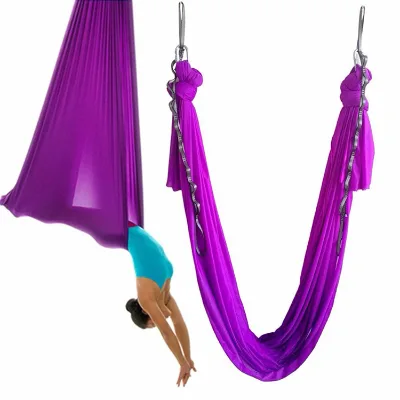
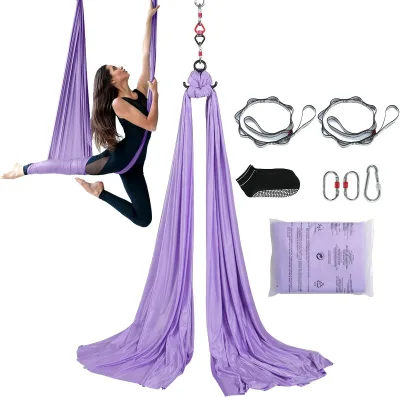
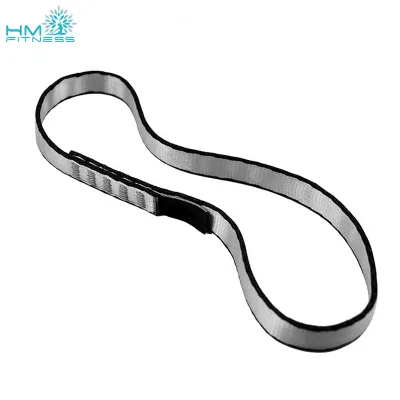
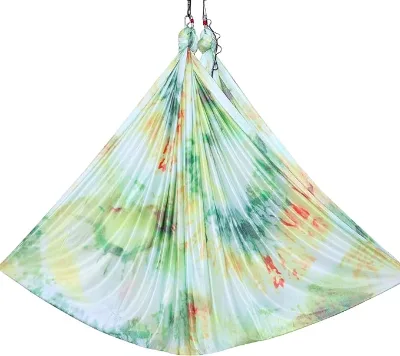
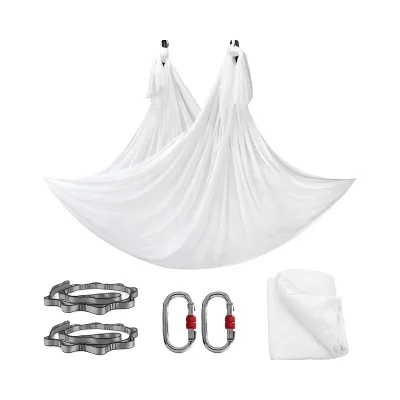
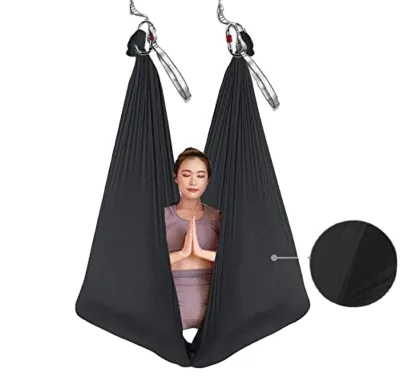
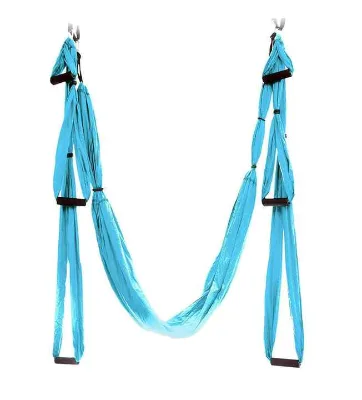
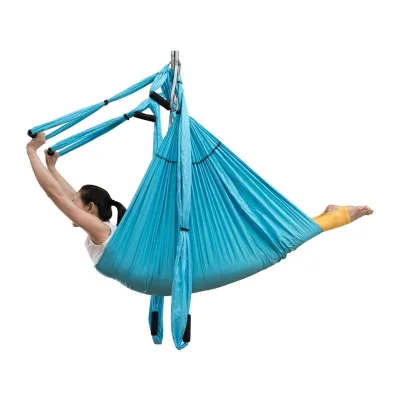
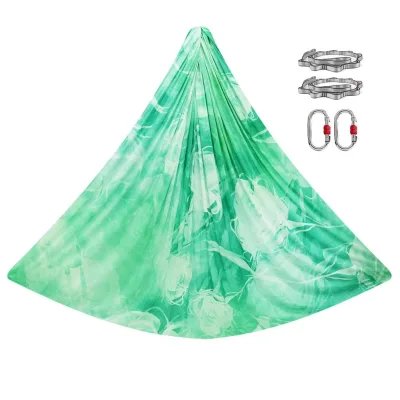
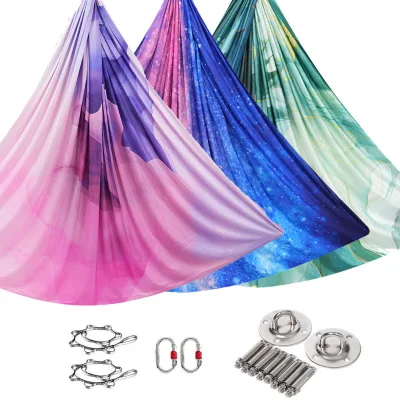
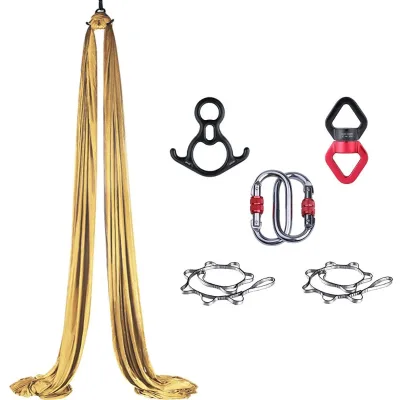
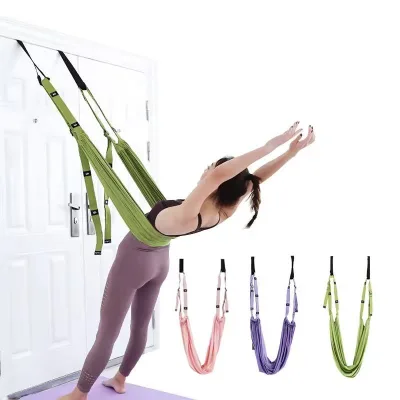


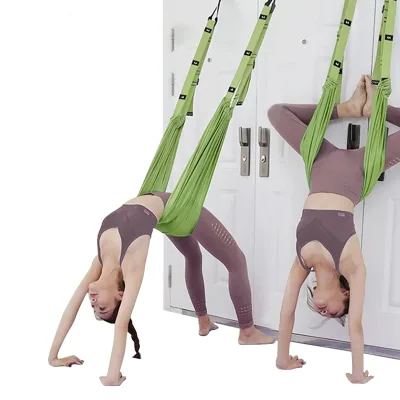
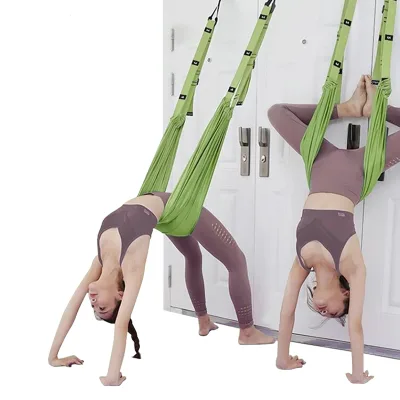
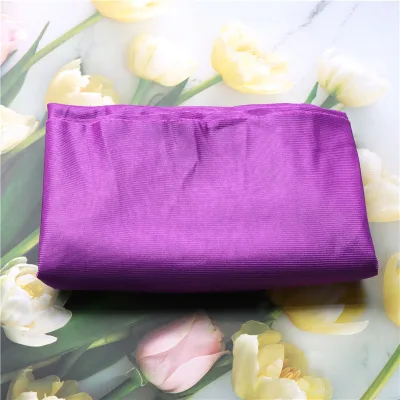


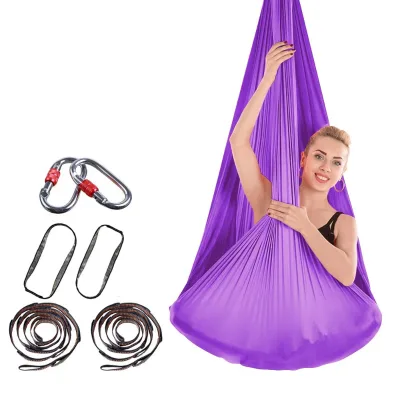
Comprehensive Sourcing Guide
Adjustable Suspension Aerial Yoga Hammock Sourcing Guide
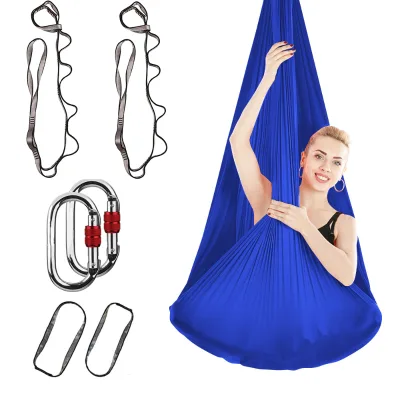
Procuring adjustable suspension aerial yoga hammocks requires a disciplined approach to material integrity and load-bearing verification. Buyers must prioritize suppliers who provide transparent data on fabric composition, specifically distinguishing between nylon and polyester variants, as these materials exhibit different tensile strengths and elasticity profiles. The observed market data indicates a prevalence of 100% polyester and nylon constructions, with weight capacities exceeding 200 kg, which serves as a critical baseline for safety compliance in commercial gym environments.
Sourcing decisions should also account for the specific model numbers and size variations available, such as the 4-meter standard length or the 250x150cm dimensions observed in listings. These physical specifications directly impact the user experience and installation requirements. Buyers need to verify whether the suspension system includes essential accessories like daisy chains and ensure that the product condition is strictly new, avoiding refurbished or second-hand inventory that may compromise structural integrity during inversion exercises.
Product Scope and Observed Listing Signals
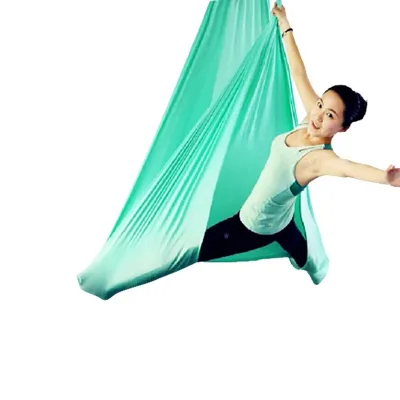
The current market landscape for aerial yoga equipment reveals a diverse range of product attributes, including customization options for logos and colors. Listings frequently highlight single-color and solid color options, alongside multi-color variations such as blue, pink, white, black, red, yellow, green, brown, orange, and purple. This variety allows buyers to tailor inventory to specific brand identities or aesthetic preferences, but it necessitates clear communication with suppliers regarding colorfastness and dye consistency across large production runs.
Observations also indicate that products are marketed for both home and gymnasium use, targeting adult users with unisex or women-specific designs. The presence of features like "thick" fabric and "folded" packaging suggests a focus on durability and ease of storage. Buyers should note that while some listings claim waterproof properties, others explicitly state "not waterproof," requiring careful verification of material treatment. Understanding these distinctions is vital for selecting products that align with the intended usage environment, whether it be indoor studios or outdoor installations.
Technical Specifications to Verify
Technical due diligence must begin with verifying the exact dimensions and model numbers, such as HM-502 or Yoga Hammock-01, which often correspond to specific length and width configurations. Buyers should confirm whether the length is fixed or adjustable, as some listings mention customizable lengths up to 12 meters, which significantly affects shipping logistics and installation complexity. The weight capacity, observed to be over 200 kg, must be validated through independent testing or certified manufacturer data to ensure it meets the safety standards required for inversion therapy and aerial arts.
Fabric composition is another critical technical parameter, with nylon and 100% polyester being the primary materials observed. Buyers need to assess the denier count and weave density, as these factors influence the hammock's resistance to tearing and abrasion. Additionally, the inclusion of accessories like daisy chains should be confirmed, as these components are essential for securing the hammock to suspension points. Verifying the power source, which is typically manual for these devices, ensures that the product aligns with the expected operational simplicity and safety protocols of aerial yoga practices.
Compliance and Safety Documentation
Safety compliance is paramount when sourcing aerial yoga equipment, as failure can result in severe injury. Buyers must request comprehensive safety documentation, including load testing reports and material safety data sheets, to verify that the hammock can safely support dynamic loads during inversion. While some listings mention CE certification, buyers should not assume this status without direct verification from the supplier, as certification marks can be misleading if not backed by valid test reports from accredited laboratories.
Documentation should also cover the manufacturing standards and quality control processes employed by the supplier. Buyers should inquire about the origin of the product, with Zhejiang, China, being a common source, and verify that the manufacturing facility adheres to international quality management standards. Requesting samples for independent testing is a prudent step to validate claims regarding weight capacity and material durability. Ensuring that all safety claims are substantiated by third-party verification helps mitigate liability risks and protects the end-user.
Cost Drivers and Commercial Terms
Cost structures for aerial yoga hammocks are influenced by material quality, customization requirements, and order volume. The observed price range of 1.9 to 55.99 USD suggests a wide variance based on features such as fabric thickness, color options, and packaging. Buyers should analyze the cost per unit in relation to the minimum order quantity (MOQ), which ranges from 1 to 500 units, to determine the most economical purchasing strategy for their specific needs.
Commercial terms also include packaging details, with options like cotton bags and white boxes observed in listings. These packaging choices can impact shipping costs and product protection during transit. Buyers should negotiate clear terms regarding lead times and payment methods, ensuring that the supplier can meet delivery deadlines without compromising quality. Understanding the full cost landscape, including potential tariffs and shipping fees, is essential for accurate budgeting and maintaining healthy profit margins in the fitness equipment market.
Supplier Qualification and Quality Control
Supplier qualification involves assessing the manufacturer's production capabilities and quality assurance processes. Buyers should verify the supplier's experience in producing fitness equipment and their ability to maintain consistent quality across batches. The presence of customization options, such as custom logos and specific model numbers, indicates a supplier's flexibility, but it also requires robust quality control measures to prevent defects in personalized items.
Quality control checks should include visual inspections for stitching integrity, material consistency, and accessory completeness. Buyers should request pre-shipment inspections or third-party quality audits to ensure that the products meet the agreed-upon specifications. Additionally, verifying the supplier's after-sales support and warranty policies is crucial for addressing any potential issues that may arise post-delivery. Establishing a strong relationship with a reliable supplier ensures long-term supply chain stability and product reliability.
Long-Term Procurement Checks
Long-term procurement success depends on continuous monitoring of supplier performance and market trends. Buyers should regularly review supplier delivery times, product quality, and responsiveness to issues to ensure ongoing reliability. As the aerial yoga market evolves, staying informed about new materials, designs, and safety standards is essential for maintaining a competitive edge. Buyers should also consider the sustainability of the materials used, such as the recyclability of polyester and nylon, to align with growing environmental consciousness among consumers.
Building a diversified supplier base can mitigate risks associated with single-source dependency. Buyers should explore opportunities to work with multiple suppliers to ensure supply continuity and leverage competitive pricing. Regularly updating procurement strategies based on market feedback and technological advancements will help buyers adapt to changing consumer preferences and regulatory requirements. By maintaining a proactive approach to supplier management, buyers can secure high-quality aerial yoga hammocks that meet the evolving needs of their customers.
FAQs
What materials are used for the yoga hammock?
The yoga hammock is constructed from durable nylon and 100% polyester fabrics. These materials ensure strength and comfort during aerial yoga sessions. The product is designed for adult users and is available in various solid or single colors. It is not waterproof, so indoor or covered use is recommended for longevity and safety.
Can the logo be customized on the product?
Yes, custom logos are available for the yoga hammock. Buyers can request personalized branding to suit their business needs. The product supports customization options, allowing for unique identification. This service is ideal for retailers looking to add their own mark to the fitness equipment before distribution to end consumers.
What is the weight capacity of the hammock?
The yoga hammock supports a weight capacity of over 200 kg. This high load-bearing capability ensures safety for various body types during inversion or relaxation exercises. The sturdy construction using thick nylon and polyester fabrics contributes to its durability. It is suitable for both home and gymnasium environments.
What sizes are available for the aerial yoga hammock?
Available sizes include 4m, 3.5m, 2.8m width with 12m length, and 250*150cm. The 2.8m length can be adjusted upon request to meet specific requirements. These dimensions cater to different space constraints and usage preferences. The deluxe size option provides ample room for complex aerial poses and movements.
Is the yoga hammock suitable for gymnasium use?
Yes, the yoga hammock is suitable for both home and gymnasium use. It is classified as fitness equipment designed for relaxation and aerial yoga applications. The manual power source and durable fabric make it ideal for regular training. It comes packed in a white box or cotton bag for easy storage and transport.
What is the origin of the yoga hammock?
The yoga hammock originates from Zhejiang, China. This location is known for manufacturing high-quality fitness equipment. The product is new and ready for shipment. Buyers can expect reliable production standards and consistent quality from this origin, ensuring a dependable supply chain for bulk orders.