non-slip durable gymnastics balance beam Suppliers and Manufacturers
Compare 20 verified suppliers offering non-slip durable gymnastics balance beams with ISO 9001 and REACH certifications. Review lead times, MOQs, and customization options before requesting samples or quotes to ensure product quality and delivery schedules meet your specific training facility requirements.
Updated
Suppliers List
Shaoxing Geili Sports & Leisure Goods,co., Ltd.
- Verified by SGS Group
- Manufacturer, Trading Company
- Lead time20 days
- Avg. response≤ 6h
Main productsGymnastic Mat, Sports Mat, Children's Teaching Products, Pole Mat Products
Main marketsNorth America(50%), Domestic Market(23%), South America(15%)
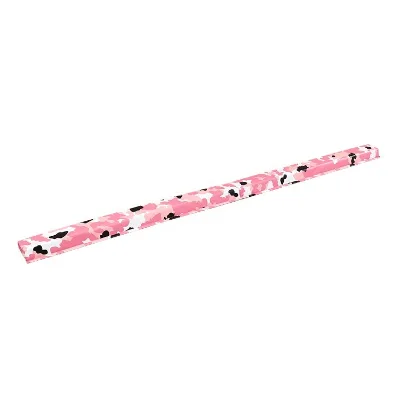
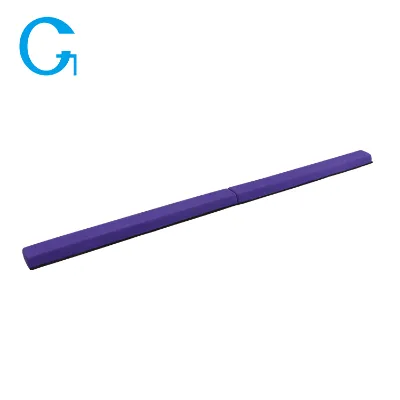
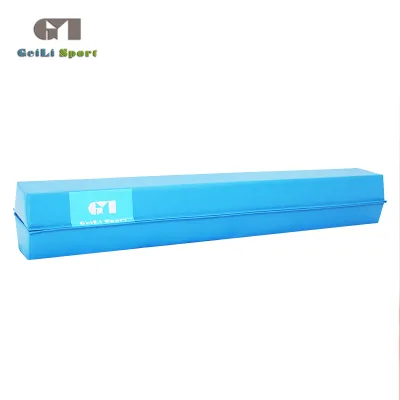
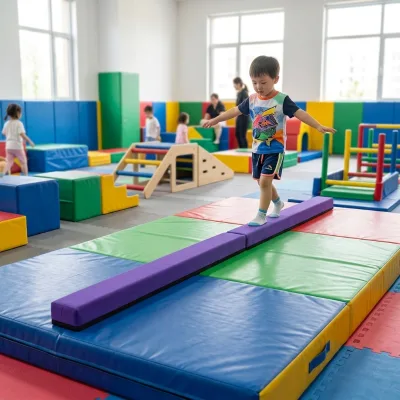
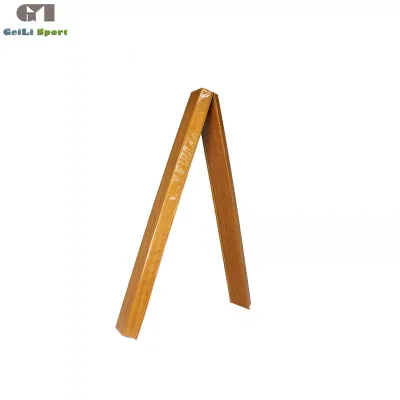
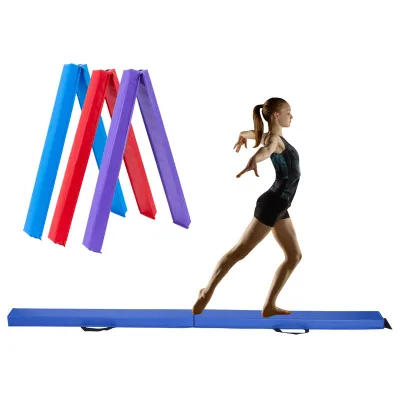
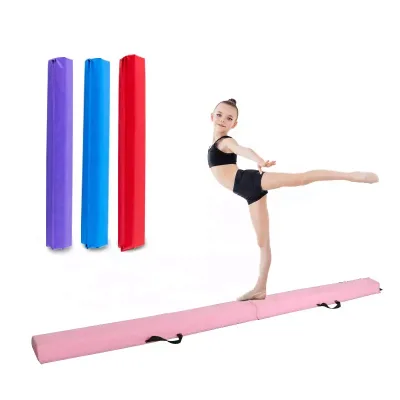
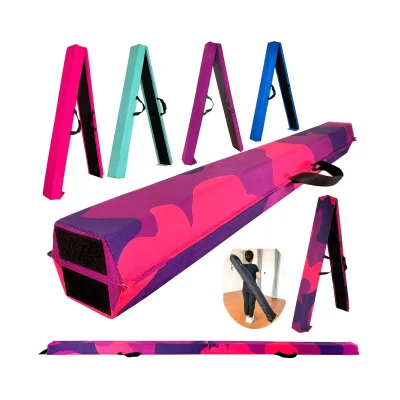
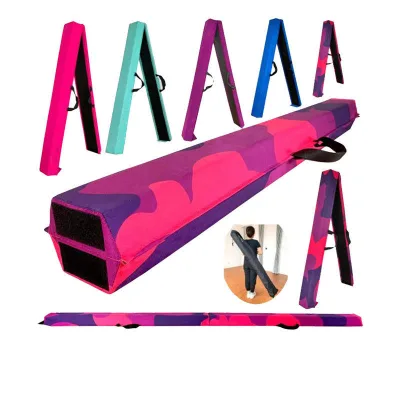
Folding Gymnastic Training Balance Beam Kid Training Folding Balance Beam
$32.7238 - $35.8411
MOQ: 50 Minimum
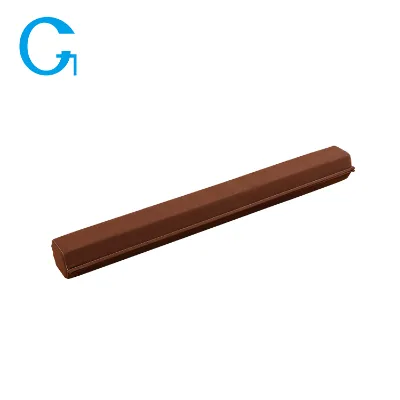
Portable Gymnastics Equipment Customized Sizes Colors Folding Foam Balance Beam for Balance Training
$31.50 - $34.50
MOQ: 50 Minimum
Shandong Jiahe Sports Equipment Co., Ltd.
- Verified by TüVRheinland
- Trading Company
- Lead time15 days
- Avg. response≤ 3h
Main productsGymnastic Series, Badminton Tennis And Volleyball Series, Tables Series, Basketball Series, Kids Soft Play Mat Series
Main marketsWestern Europe(30%), Mid East(20%), South America(10%)
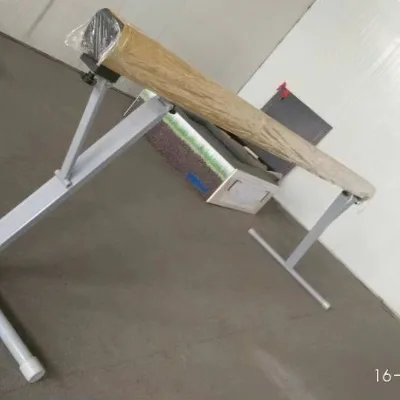
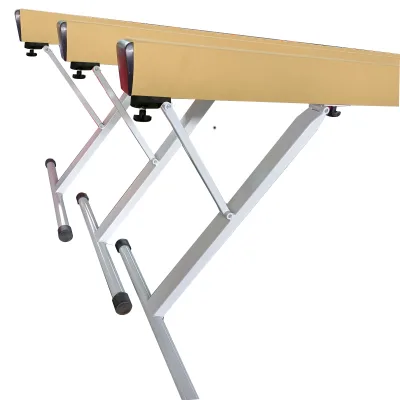
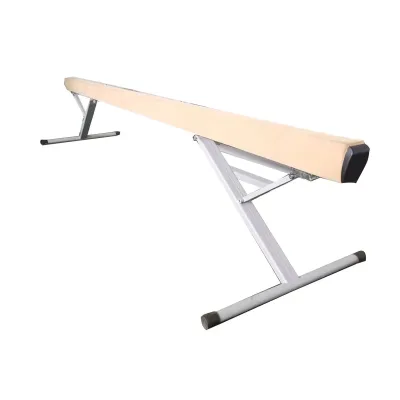
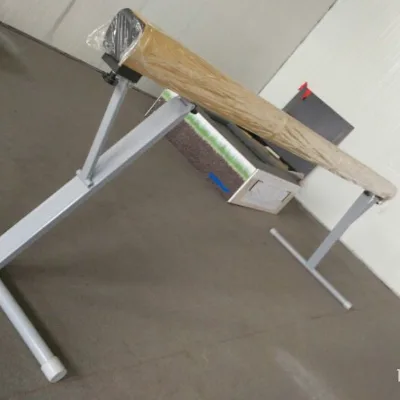
Gymnastics Balance Beam Children Adult Indoor Gymnastics Balance Training Balance Beam
$80.00 - $200.00
MOQ: 1 sets
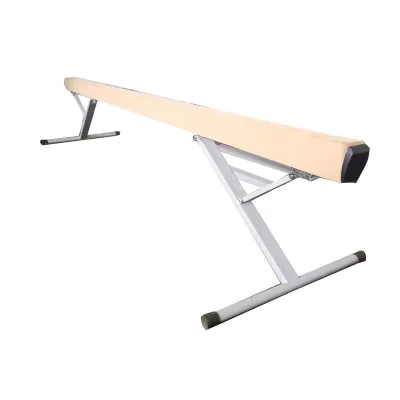
$950.00 - $1000.00
MOQ: 1 sets

Shenzhen LDK Industrial Co., Ltd.
- Verified by CTI
- Combined
- China Guangdong
- Lead time45 days
- Avg. response≤ 5h
Main productsFootball Equipment, Basketball Equipment, Gymnastics Equipment, Gymnastics Mat, Indoor Fitness Equipment, Outdoor Fitness Equipment, Padel Court, Paddle Tennis Court, Spinning Bike, Treadmill
Main marketsSouth America,Africa,Southeast Asia/ Mideast,East Asia(Japan/ South Korea),Europe,Australia,North America


New Product Gymnastics Equipment Floor Competition Training Balance Beam
$15.00 - $100.00
MOQ: 5 Pieces


Gymnastics Equipment Wooden Adjustable Balance Beam for Competition Training
$1450.00 - $1700.00
MOQ: 4 Pieces


Shenzhen Ldk Industrial Co., Limited
- Verified by SGS Group
- Manufacturer, Trading Company
- Lead time25 days
- Avg. response≤ 3h
Main productsSoccer Cages, Basketball Hoops, Padel Courts/ Squash Courts/Pickleball Courts, Artificial Grass, Gymnastics Equipment
Main marketsNorth America(15%), South America(15%), Southeast Asia(10%)
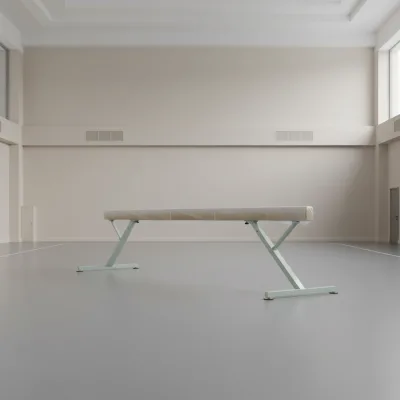
Professional Stable Non-Slip Gymnastics Balance Beam for Indoor Gym Training Competition
$305.5276 - $407.7107
MOQ: 1 pieces
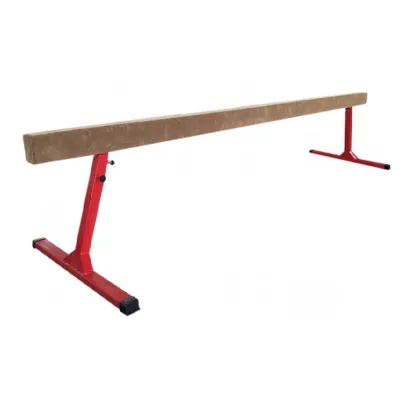
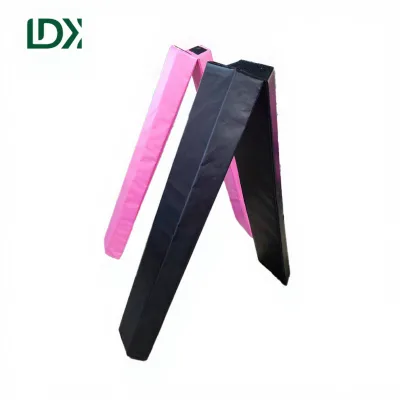
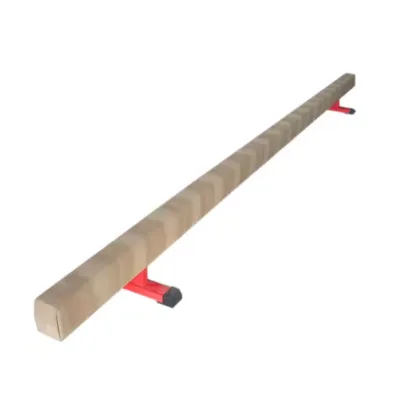
Hot Selling Balance Beam Training Balance Beam Sports Durable Balance Beam Manufacturer
$309.9662 - $413.6338
MOQ: 1 pieces
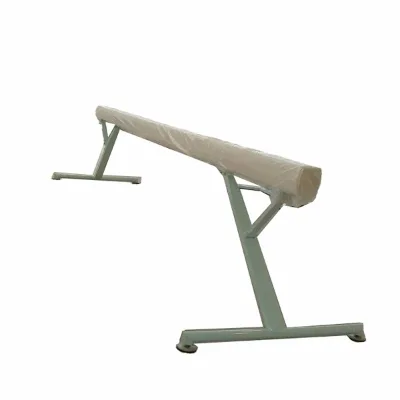
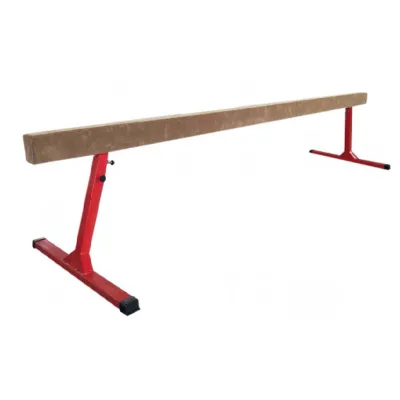
Hot Selling Balance Beam Training Balance Beam Sports Durable Balance Beam Manufacturer
$699.00 - $899.00
MOQ: 1 pieces

Beijing Qiangmeng Sports Development Co., Ltd
- Verified by SGS
- Manufacturer/Factory
- China Beijing
- Lead time0 days
- Avg. response≤ 6h
Main productsSoccer Goal, Basketball Hoop, Pickleball Post, Volleyball Post, Bleachers, Mats Series, Curtains

Portable Non-Slip Balance Beam Gymnastics Training Equipment Gym Balance Exercises
$46.00 - $52.00
MOQ: 20 Pieces


Henan Kickstart Tech Industrial Co., Ltd.
- Verified by SGS
- Manufacturer/Factory
- China Henan
- Lead time15 days
- Avg. response≤ 12h
Main productsPadel Court, Sports Net, Football Goal, Basketball Stand, Flooring, Boxing
Main marketsSouth America,Eastern Europe,Mid East,North America,Southeast Asia,Eastern Asia,Oceania,Western Europe,Africa


Safety Play Gymnastic Sectional Floor Balance Beam Home Fitness Training
$120.00 - $200.00
MOQ: 1 Pieces

Adjustable Balance Beam Gymnastic School Home Training Equipment for Children Youths
$120.00 - $200.00
MOQ: 1 Pieces

- Verified by BV
- Trading Company
- China Anhui
- Lead time30 days
- Avg. response≤ 15h
Main productsDumbbell, Cast Iron Plate, Chrome Bar, Fitness Equipment, Traing Set
Main marketsSouth America,Africa,Southeast Asia/ Mideast,East Asia(Japan/ South Korea),Europe,Australia,North America
Yanshan Fitting Sport Equipment Manufacturing Co., Ltd.
- Verified by SGS Group
- Manufacturer, Trading Company
- Lead time7 days
- Avg. response≤ 5h
Main productsGymnastics equipment , Soccer goal, Basketball hoop, Pickleball post, Tennis post
Main marketsNorth America(20%), South America(20%), Western Europe(15%)
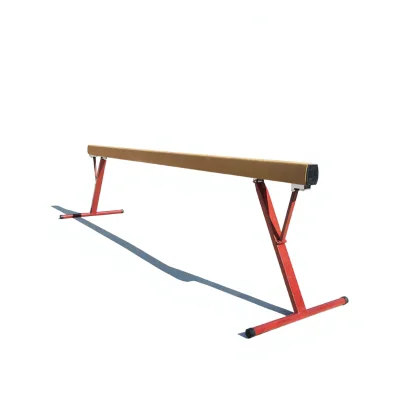
Steel Competition Gym Equipment Balance Beam for Sale Balance Beam
$800.00 - $1500.00
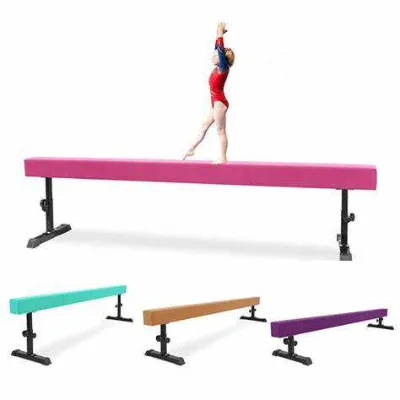
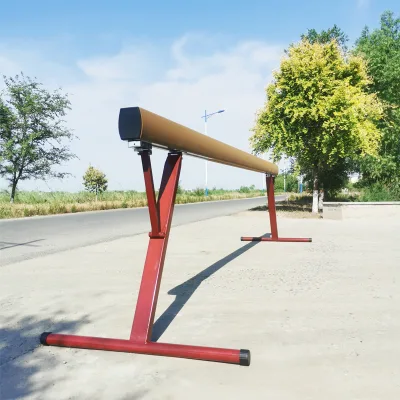
FIG Standard Gymnastics Equipment Aluminum Balance Beam for Adults
$450.00 - $550.00
$70.00 - $150.00

Telamon Sports Goods (Shanghai) Co., Ltd.
- Verified by BV
- Trading Company
- China Shanghai
- Lead time15 days
- Avg. response≤ 11h
Main marketsNorth America


High Quality Children Gymnastics Equipment Foldable Fitness Balance Beam for Sale
$6.50 - $15.00
MOQ: 1000 Pieces


Foldable Gymnastics Balance Beam for Indoor Fitness Exercise Body Training Use
$6.50 - $15.00
MOQ: 1000 Pieces

Professional Gymnastics Movement Equipment Kids Soft Balance Beam for Sale
$6.50 - $15.00
MOQ: 1000 Pieces
Nantong Leeton Fitness Co., Ltd.
- Verified by SGS Group
- Manufacturer, Trading Company
- Lead time30 days
- Avg. response≤ 4h
Main productsRubber Hex Dumbbell , Neoprene Dumbbell , Roman Chair, Aerobic Stepper , Jump Plyo Box
Main marketsNorth America(80%), Eastern Europe(5%), Oceania(5%)
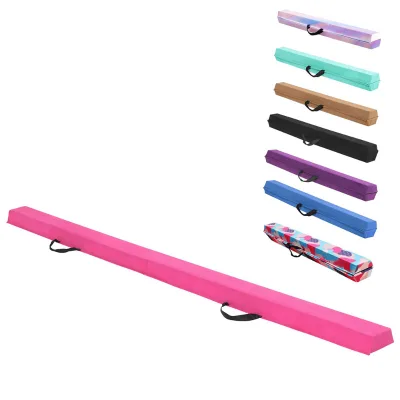
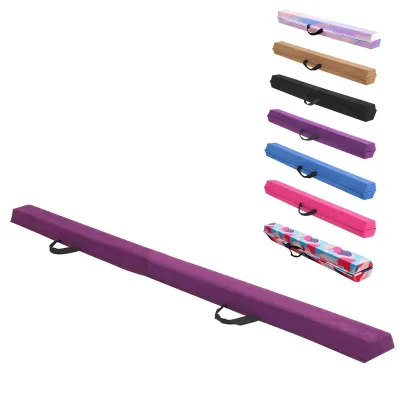
Non-Toxic Flexible Gymnastic Balance Beam for Drill Training on Balance Boards
$18.54 - $20.25
MOQ: 20 pieces
Shandong Walker Sports Co., Ltd.
- Verified by TüVRheinland
- Manufacturer, Trading Company
- Lead time30 days
- Avg. response≤ 2h
Main productsGymnastic Mat, Balance Beam, Judo Mat, Roll Mat, Wall Pad
Main marketsDomestic Market(48%), North America(10%), Northern Europe(10%)

Beijing Set Sail Sports Co., Ltd
- Verified by BV
- Manufacturer/Factory
- China Beijing
- Lead time15 days
- Avg. response≤ 5h
Main productsFitness Equipment, Boxing Goods, Camping Products, Gym Mat, Table Tennis Table, Track and Field Equipment, Gym Equipment, Basketball Stands
Main marketsSouth America,Eastern Europe,Mid East,North America,Southeast Asia,Eastern Asia,Oceania,Western Europe,Africa


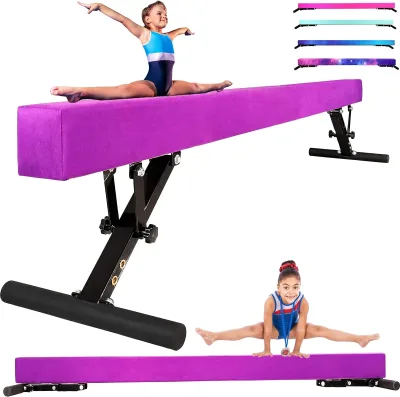
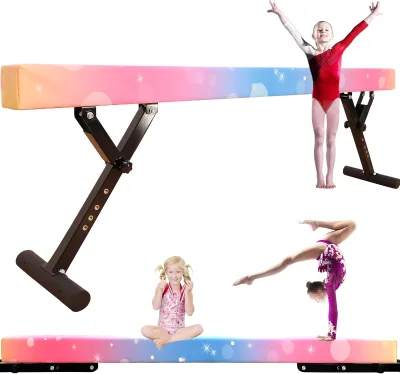
Adjustable Height Gymnastics Training Beam with Non-Slip Surface for Kids & Adults
$45.00 - $62.00
MOQ: 2 Pieces

Guangzhou Asia Inflatables Co., Ltd.
- Combined
- China Guangdong
- Lead time15 days
- Avg. response≤ 9h
Main productsInflatable Water Park, Inflatable Aqua Park, Inflatable Water Sports, Inflatable Water Trampolin, Inflatable Banana Boat, Water Ski Tubes, Inflatable Water Games, Inflatable Tent, Inflatable Obstacle Course, Inflatable Decoration
Main marketsEurope,Australia,North America


Air Inflatable Beam Practice Training Track Tumbling Mat Balance Bar Inflatable Mat for Gym Training
$59.00 - $69.00
MOQ: 1 Pieces
Cangzhou Chuangwen Sports Equipment Co., Ltd.
- Manufacturer, Trading Company
- Hebei, China
- Lead time15 days
- Avg. response≤ 4h
Main productsBalance beam,High and low bars,Sponge pad,Physical fitness slope,Gymnastics horizontal bar
Main marketsEastern Europe(40.00%), North America(30.00%), South America(30.00%)
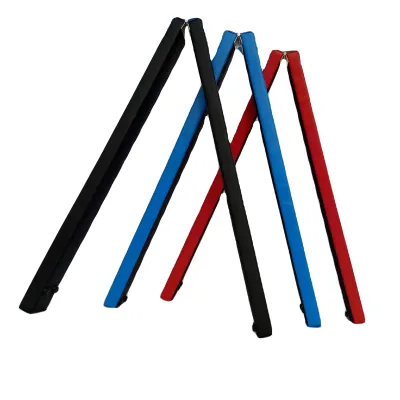
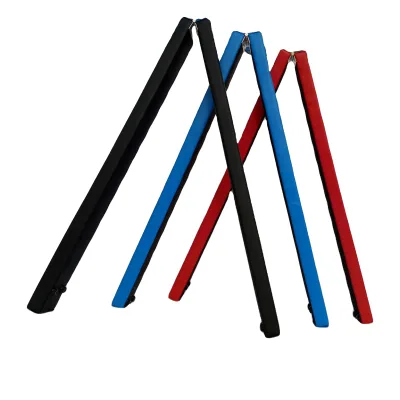
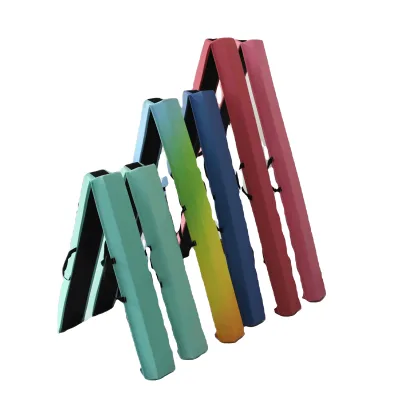
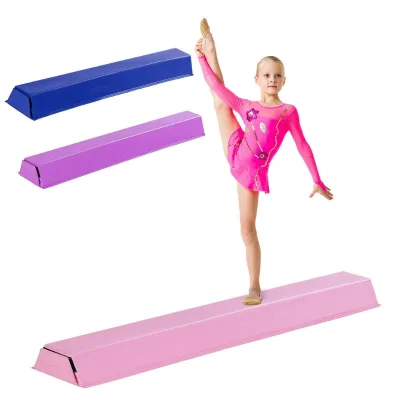
Best Selling Folding Gymnastic Balance Beam for Children's Balance Exercise
$13.90 - $17.90
MOQ: 1 pieces
Guangzhou Easy Fun Toys Co., Ltd.
- Manufacturer, Trading Company
- Guangdong, China
- Lead time30 days
- Avg. response≤ 1h
Main productsInflatable Bounce House,Inflatable Tent,Mechanical bull ride,Inflatable meltdown game,IPS Inflatable Shooting Game
Main marketsDomestic Market(20.00%), Eastern Europe(20.00%), South America(15.00%), North America(15.00%), Northern Europe(10.00%), Southern Europe(10.00%), Africa(5.00%), Western Europe(5.00%)
Shanghai Gaohao Sports Co.,Ltd
- Trading Company
- Shanghai, China
- Lead time20 days
- Avg. response≤ 6h
Main productsSports & Entertainment,gymnastic,fitness,football,martial artist
Main marketsOceania(20.00%), Central America(20.00%), North America(15.00%), Southern Europe(10.00%), Eastern Europe(10.00%), South America(5.00%), Western Europe(5.00%), Africa(5.00%), Eastern Asia(5.00%), Mid East(5.00%)
Cangzhou Maidong Sports Equipment Co., Ltd.
- Verified by Intertek
- Manufacturer, Trading Company
- Lead time15 days
- Avg. response≤ 3h
Main productsGymnastics Equipment, Gym Mats, Children Sport Products, Ninja Obstacle Course
Main marketsNorth America(30%), Eastern Europe(15%), Southeast Asia(10%)
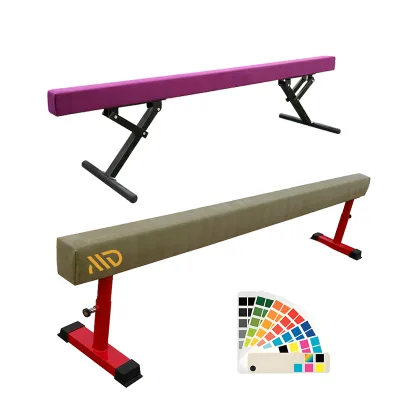
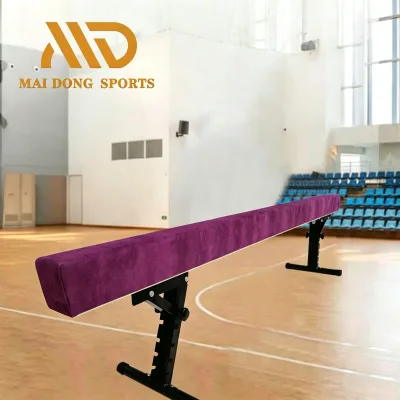
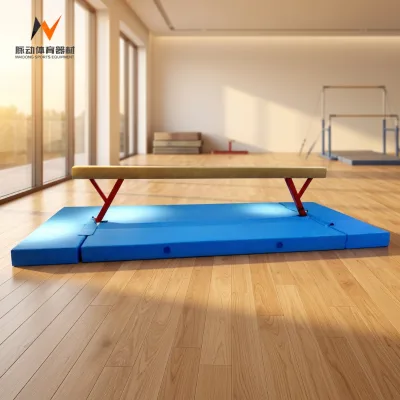
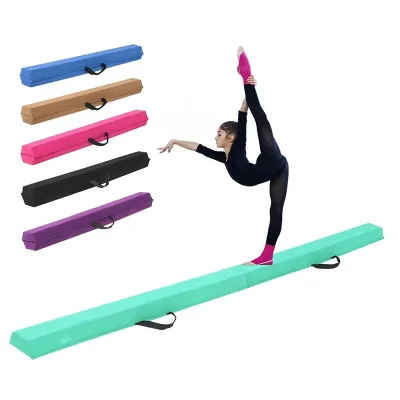
Wholesale Good Quality FIG Balance Beam Adjustable Beam Training Gymnastics Balance Beam for Safety
$139.00 - $258.00
MOQ: 5 Minimum
Dingzhou Lingxi Sports Goods Sales Co., Ltd.
- Verified by TüVRheinland
- Manufacturer, Trading Company
- Lead time30 days
- Avg. response≤ 2h
Main productsBarbell, Dumbbell, Kettle Bell, Weight Plate, Fitness Equipmen
Main marketsNorth America(35%), Central America(21%), Western Europe(20%)
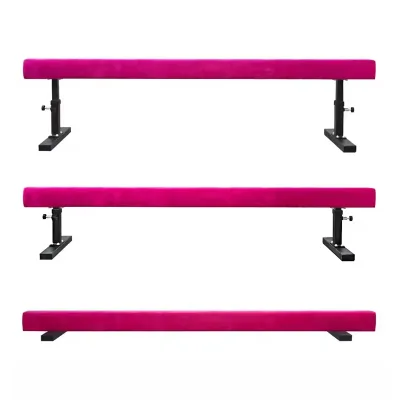
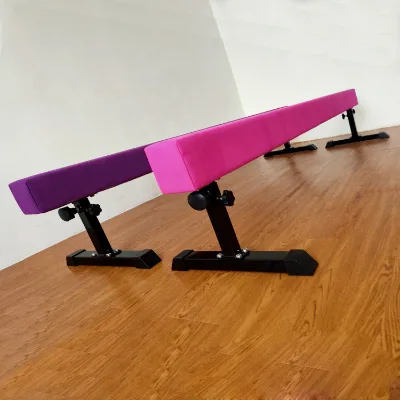
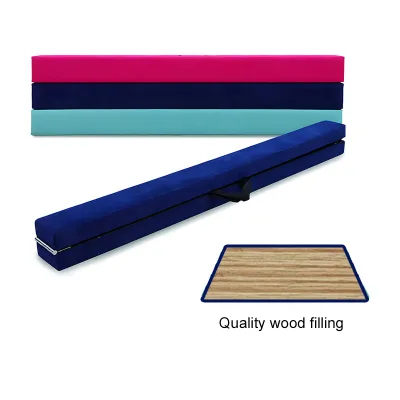
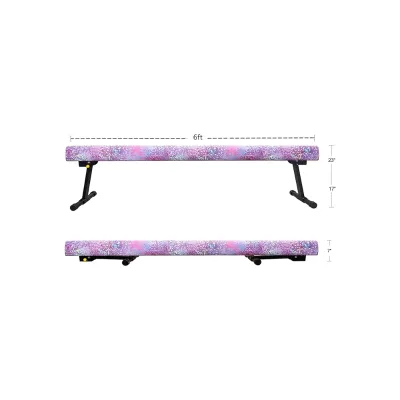
Good Quality Foldable Height-adjustable Gymnastic Wood Balance Beam for Gym Training
$49.30 - $50.70
MOQ: 10
Shandong Aofan Sports Equipment Co., Ltd.
- Manufacturer, Trading Company
- Shandong, China
- Lead time15 days
- Avg. response≤ 3h
Main productsGym folding mat,The judo MATS,wrestling mat,Pole vault spongy mat,Back over spongy cushion
Main marketsSouth Asia(10.00%), Eastern Asia(10.00%), Northern Europe(5.00%)
Nantong Get Power Fitness Equipment Co., Ltd.
- Verified by TüVRheinland
- Trading Company
- Lead time30 days
- Avg. response≤ 2h
Main productsDumbbell, Barbell, Weight Plate, Power Rack, Bench
Main marketsNorthern Europe(40%), North America(20%), Southeast Asia(20%)


Comprehensive Sourcing Guide
Non-Slip Durable Gymnastics Balance Beam Supplier Concentration and Factory Types
The sourcing landscape for non-slip durable gymnastics balance beams is characterized by a mix of manufacturing capabilities and trading structures, requiring buyers to distinguish between direct production sources and intermediary facilitators. Current data indicates that the primary supplier types involved in this category are manufacturers and trading companies, each offering distinct advantages for different procurement strategies. Manufacturers typically provide greater control over the production process, allowing for more direct communication regarding material specifications, such as the use of PVC+EPE or Microfiber+EPE composites, and ensuring that the non-slip surface features are integrated directly into the molding or assembly phase. This direct involvement often results in more consistent quality control for critical attributes like durability and waterproofing, which are essential for equipment subjected to frequent use in home or professional training environments. Trading companies, on the other hand, may offer a broader portfolio of related products, such as sports mats and children's teaching products, potentially simplifying logistics for buyers seeking to consolidate orders across multiple fitness categories. Understanding this distinction is crucial for evaluating the supply chain's resilience and the potential for cost optimization, as manufacturers may offer better margins on bulk orders while trading companies might provide more flexible service for smaller, diversified purchases.
Geographic concentration plays a significant role in the availability and cost structure of these specialized fitness items. Evidence points to Zhejiang, China, as a key origin point for these balance beams, suggesting a regional cluster where supply chain efficiencies and specialized labor contribute to competitive pricing and production capacity. This concentration allows for the aggregation of raw materials, such as PVC and EPE foam, and facilitates the implementation of standardized production techniques for folding mechanisms and non-slip textures. Buyers should leverage this geographic insight to assess shipping costs and lead times, as proximity to major ports in this region can impact delivery speed and overall landed cost. Furthermore, the presence of established manufacturing hubs often correlates with a higher density of suppliers holding relevant certifications, such as ISO 9001 for quality management or REACH for chemical compliance, which are critical for ensuring product safety and regulatory adherence in international markets. By focusing on suppliers located in these verified clusters, buyers can reduce the risk of sourcing from unverified or distant facilities that may lack the infrastructure to support consistent production of durable, non-slip gymnastics equipment.
How to Verify Non-Slip Durable Gymnastics Balance Beam Suppliers
Verifying the credibility and operational capacity of suppliers requires a multi-layered approach that goes beyond basic company profiles. One critical step is to check for third-party verification badges, such as those provided by SGS Group, which indicate that an independent audit has been conducted to validate the supplier's business legitimacy and operational capabilities. This verification serves as a foundational trust signal, confirming that the entity is a registered and active participant in the global trade ecosystem. Additionally, buyers should scrutinize the supplier's certification portfolio, looking for specific standards like ISO 9001, ISO 14001, ISO 45001, BSCI, and REACH. These certifications are not merely decorative; they reflect the supplier's commitment to quality management, environmental responsibility, occupational health and safety, and chemical compliance, respectively. For gymnastics equipment, REACH compliance is particularly important as it ensures that materials like PVC and EPE do not contain harmful substances, while ISO 9001 indicates a systematic approach to maintaining product consistency. Buyers should request copies of these certificates and verify their validity through the issuing bodies to ensure they are current and applicable to the specific products being sourced.
Beyond certifications, assessing the supplier's responsiveness and customization capabilities provides insight into their operational efficiency and customer service orientation. A response time of six hours, as observed in some supplier profiles, suggests a high level of engagement and readiness to address inquiries promptly, which is vital for resolving technical questions about product specifications or negotiating terms. Furthermore, buyers should evaluate the supplier's ability to handle light customization, sample processing, graphic processing, and customized on-demand orders. This flexibility is crucial for brands looking to differentiate their products through unique colors, logos, or specific dimensions, such as the 274cm length or 7.5cm width found in various models. Suppliers that explicitly state acceptance of OEM/ODM services and customized logos demonstrate a willingness to collaborate closely with buyers to meet specific brand requirements. Buyers should also verify the availability of samples, as some suppliers offer free samples for one piece or general availability, allowing for physical inspection of the non-slip surface quality, material durability, and folding mechanism before committing to a larger order. This hands-on verification is essential for ensuring that the product meets the expected performance standards.
What to Compare Across Non-Slip Durable Gymnastics Balance Beam Suppliers
When evaluating multiple suppliers, buyers must systematically compare key operational and commercial metrics to identify the most suitable partner for their specific needs. One of the primary dimensions for comparison is the minimum order quantity (MOQ), which directly impacts inventory management and cash flow. In this category, an MOQ of 50 pieces is a common baseline, allowing for manageable initial orders while ensuring production efficiency for the supplier. Buyers should compare this against their projected sales volume and storage capacity to determine if the MOQ aligns with their business model. Additionally, lead time is a critical factor, with some suppliers indicating a standard lead time of 20 days, while others may specify ranges like 15-30 days depending on order size and customization requirements. Understanding these timelines helps in planning inventory replenishment and meeting customer delivery expectations. Buyers should also compare the price ranges, which can vary significantly based on material composition, size, and customization options. For instance, prices may range from approximately $11.50 to $35.84 per unit, reflecting differences in features such as folding mechanisms, material thickness, and included accessories like carrying straps.
Another crucial aspect of comparison is the product specifications and associated attributes that define the value proposition of each balance beam. Buyers should compare details such as material composition, with options including PVC+EPE or Microfiber+EPE, as these affect durability, weight, and texture. The presence of specific features like non-slip surfaces, waterproof properties, and ease of cleaning should be verified against product descriptions and, if possible, sample testing. Additionally, the size and packaging dimensions are important for logistics planning; for example, single package sizes can vary from compact 76x51x51 cm for smaller beams to larger 274x16x14 cm for full-length models. Buyers should also compare the brand names and model numbers to ensure traceability and consistency, especially when ordering multiple batches. The availability of customization options, such as customized colors or logos, should be evaluated against the supplier's stated capabilities and any associated costs or MOQ adjustments. By systematically comparing these dimensions, buyers can create a weighted scoring matrix to objectively assess suppliers based on their specific priorities, whether they be cost, speed, quality, or customization flexibility.
Common Non-Slip Durable Gymnastics Balance Beam Sourcing Risks
Sourcing non-slip durable gymnastics balance beams involves several inherent risks that buyers must proactively manage to ensure a successful procurement outcome. One significant risk is the variability in product quality, particularly concerning the non-slip surface and material durability. Since these attributes are critical for user safety and product longevity, inconsistencies in manufacturing processes can lead to premature wear or slippage, resulting in customer complaints and returns. Buyers should mitigate this risk by requesting detailed material specifications and conducting rigorous sample testing to verify the friction coefficients and structural integrity of the PVC or Microfiber+EPE materials. Additionally, the risk of miscommunication regarding customization requirements, such as specific logo placements or color shades, can lead to production errors. To address this, buyers should provide clear, detailed technical drawings and approved color samples, and require supplier confirmation before mass production begins. This ensures that the final product aligns with the buyer's brand standards and customer expectations.
Another common risk is the potential for delays in delivery due to supply chain disruptions or production bottlenecks. While some suppliers advertise a lead time of 20 days, external factors such as raw material shortages or logistical constraints can extend this timeline. Buyers should establish clear communication channels and request regular production updates to monitor progress and identify potential delays early. Furthermore, the risk of non-compliance with international standards, such as REACH or ISO certifications, can lead to customs holds or legal issues in the destination market. Buyers must verify that the supplier's certifications are valid and applicable to the specific products being shipped. Additionally, the risk of hidden costs, such as those associated with custom packaging or additional accessories, should be addressed by obtaining a comprehensive quotation that includes all potential charges. By anticipating these risks and implementing robust verification and communication protocols, buyers can minimize disruptions and ensure a smooth sourcing process for their gymnastics balance beams.
Non-Slip Durable Gymnastics Balance Beam Regional Sourcing and Logistics
Regional sourcing strategies significantly influence the logistics and cost structure of procuring non-slip durable gymnastics balance beams. As Zhejiang, China, emerges as a primary manufacturing hub for these products, buyers can benefit from the region's established infrastructure and specialized supply chains. This concentration of manufacturers facilitates efficient raw material sourcing, particularly for PVC and EPE components, and enables streamlined production processes that reduce lead times. Buyers should leverage this geographic advantage by coordinating with suppliers who have experience in exporting to their target markets, ensuring that packaging and labeling comply with local regulations. The proximity to major shipping ports in Zhejiang can also reduce transit times and freight costs, making it an attractive option for buyers seeking timely delivery. However, buyers must also consider the environmental and logistical implications of long-distance shipping, including carbon footprint and potential delays due to global shipping disruptions.
Logistics planning for balance beams requires careful attention to packaging dimensions and weight, as these factors directly impact shipping costs and handling requirements. Products such as the 274cm folding beams come in various package sizes, ranging from compact 100x15x7 cm to larger 274x16x14 cm configurations, each with specific gross weights that affect freight calculations. Buyers should work with suppliers to optimize packaging for space efficiency, potentially using OPP bags or custom boxes to minimize volume while protecting the product during transit. Additionally, the inclusion of accessories like carrying straps can add value for end-users but must be accounted for in the packaging design. Buyers should also consider the use of freight forwarders with expertise in handling fitness equipment to ensure proper handling and insurance coverage. By integrating regional sourcing insights with detailed logistics planning, buyers can optimize their supply chain for cost-effectiveness and reliability, ensuring that products arrive in optimal condition and on schedule.
Non-Slip Durable Gymnastics Balance Beam Commercial Terms and Order Planning
Effective order planning and negotiation of commercial terms are essential for maximizing value when sourcing non-slip durable gymnastics balance beams. Buyers should focus on negotiating favorable payment terms, such as partial upfront payments with the balance due upon shipment, to manage cash flow and mitigate risk. Additionally, understanding the supplier's sample policy is crucial; some suppliers offer free samples for one piece, which can be a valuable tool for quality verification without significant cost. Buyers should also clarify the terms for customization, including any additional costs for logo printing or specific color requirements, and ensure these are reflected in the final quotation. The MOQ of 50 pieces serves as a baseline, but buyers may negotiate for lower quantities for initial trials or higher volumes for better pricing, depending on their market demand and relationship with the supplier. Clear communication of these terms helps avoid misunderstandings and ensures a smooth transaction process.
Beyond pricing and MOQ, buyers should consider the after-sales support and warranty terms offered by suppliers. While not
FAQs
What is the minimum order quantity for gymnastics balance beams?
The minimum order quantity is 50 pieces for most models. This standard applies to various sizes and materials including PVC and Microfiber options. Buyers should confirm specific requirements with the supplier before placing an order to ensure availability and pricing alignment.
What materials are used in these balance beams?
Most beams use PVC combined with EPE foam for durability and safety. Some premium models feature Microfiber and EPE for enhanced surface texture. These materials provide a non-slip surface that is waterproof and easy to clean, ensuring long-term use in training environments.
Are custom logos and colors available for these beams?
Yes, customized colors and logos are accepted for most orders. Suppliers offer OEM services allowing buyers to select specific hues like purple or blue. Custom branding is typically available for orders meeting the minimum quantity requirements, ensuring brand visibility for your business.
What certifications do these gymnastics beams hold?
Products often carry ISO 9001 and REACH certifications. These standards ensure quality management and chemical safety compliance. Buyers should verify specific certificate details with the supplier to confirm that the materials meet international safety regulations for sports equipment used by children and adults.
How long does production take for these beams?
Production lead times typically range from 15 to 30 days. Some suppliers indicate a general lead time of 20 days for standard orders. Buyers should request a specific delivery schedule based on their order volume and customization needs to plan their inventory effectively.
What is the price range for these balance beams?
Prices generally range from $11.50 to $35.84 per unit. The cost varies based on material, size, and customization options. Basic models start around $11.50, while larger or specialized beams may cost up to $35.84. Buyers should request quotes for accurate pricing.