horizontal double-drum steam generator Suppliers and Manufacturers
Explore 21 verified options for horizontal double-drum steam generator units from Jiangsu factories. Compare ISO certifications, response times, lead times, and pricing to find suitable industrial steam solutions. Contact suppliers directly to request quotes; review the available evidence before requesting comparable quotations from suitable candidates.
Updated
Suppliers List

Jiangsu Weifu Special Equipment Co., Ltd.
- Verified by SGS
- Combined
- China Jiangsu
- Lead time30 days
- Avg. response≤ 3h
Main productsBoiler, Gas Boiler, Steam Boiler, Electric Steam Boiler, Electric Water Boiler, Thermal Oil Boiler, Biomass Boiler, Vacuum Hot Water Boiler
Main marketsDomestic


Superior Horizontal Steam Generator for Reliable Industrial Operations
$9340.00 - $41210.00
MOQ: 1 Sets


High Efficiency Horizontal Steam Generator for Industrial Applications
$9340.00 - $41210.00
MOQ: 1 Sets

Horizontal Gas Boiler: Customized Steam Generator for Efficient Operations
$9340.00 - $41210.00
MOQ: 1 Sets

Henan Zhongfei Boiler Co., Ltd.
- Verified by Intertek
- Manufacturer, Trading Company
- Lead time7 days
- Avg. response≤ 1h
Main productsOil and Gas Fired Boiler, Biomass Fired Boiler, Steam Generators, Thermal Oil Boiler
Main marketsDomestic Market(71%), Eastern Europe(12%), Southeast Asia(10%)
Henan Yinxing Industrial Boiler Co., Ltd.
- Verified by TüVRheinland
- Manufacturer, Trading Company
- Lead time30 days
- Avg. response≤ 1h
Main productsSteam Boiler, Steam Generator, Hot Water Boiler, Heat Transfer Oil Furnace, Boiler Accessories
Main marketsDomestic Market(50%), South America(12%), Southeast Asia(10%)
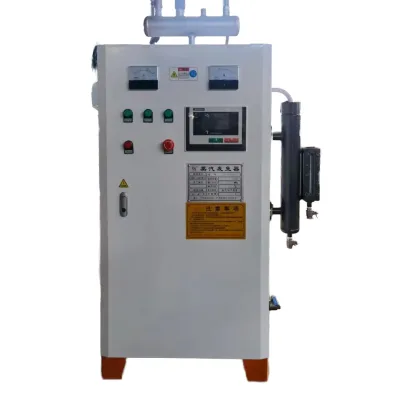
$889.38 - $8019.00
MOQ: 1 Minimum

Zhengzhou Honest Machinery Co., Ltd.
- Trading Company,Manufacturer/Factory
- China Henan
- Lead time15 days
- Avg. response≤ 6h
Main productsFood Machinery, Packing Machines, Microwave Equipment, Drying Machines, Grain Product Making Machines, Commodity Making Machines, Texitle Machines, Construction Machinery
Main marketsSouth America,Eastern Europe,Mid East,North America,Southeast Asia,Eastern Asia,Oceania,Western Europe,Africa

Shandong Nuantejia Heating Technology Co., Ltd.
- Verified by SGS
- Combined
- China Shandong
- Lead time23 days
- Avg. response≤ 13h
Main productsGas Steam Generator, Gas Steam Boiler, Hot Water Boiler, Biomass Pellet Boiler, Industrial Steam Generator, Low-Nox Steam Boiler, Commercial Steam Boiler, Automatic Steam Generator, Gas-Fired Hot Water Boiler, Biomass Steam Boiler
Main marketsDomestic
Luohe Langrui Electromechanical Equipment Co., Ltd.
- Verified by TüVRheinland
- Trading Company
- Lead time15 days
- Avg. response≤ 2h
Main productsFruit And Vegetable Processing Equipment, Meat Processing Machinery, Nut Processing Machinery, Snack Processing Machinery, Packaging Machinery
Main marketsAfrica(25%), North America(20%), Southeast Asia(18%)
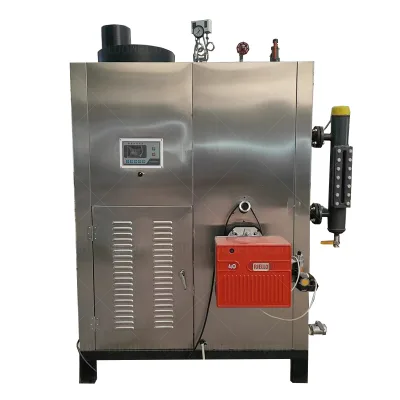
Commercial steam generator, steam boiler, environmental-friendly steam production machine
$2399.00 - $3139.00
MOQ: 1 Minimum
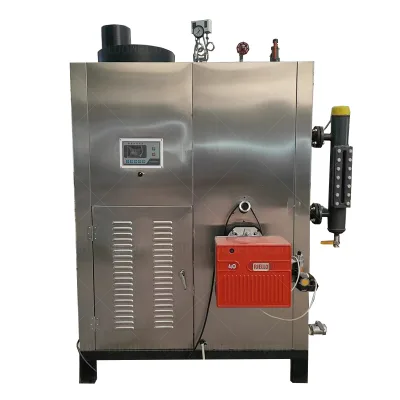
$2399.00 - $3139.00
MOQ: 1 Minimum
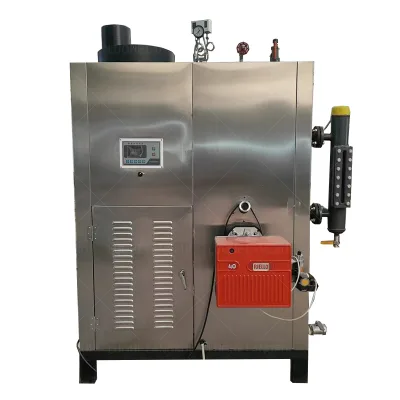
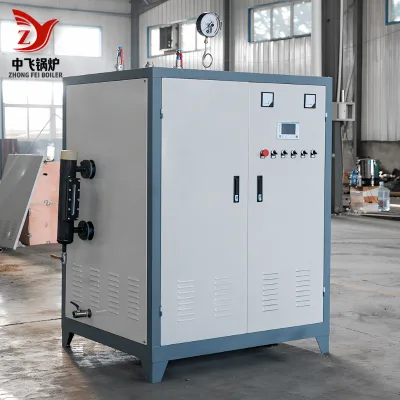
Small electrically heated vertical steam generator for steam heating equipment
$2451.3721 - $3207.5281
MOQ: 1 Minimum
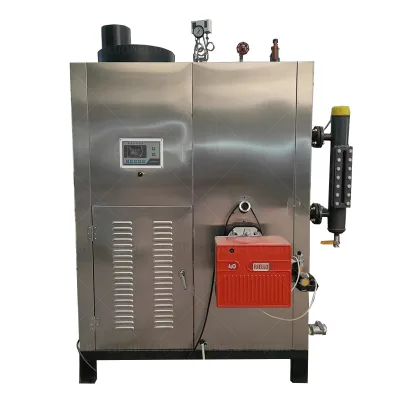
Henan Hengxin Boiler Manufacturing Co., Ltd.
- Verified by TüVRheinland
- Manufacturer, Trading Company
- Lead time15 days
- Avg. response≤ 2h
Main productsSteam Boilers, Hot Water Boilers, Hot Oil Heater, Steam Generators, Hot Blast Stove
Main marketsSoutheast Asia(15%), Africa(15%), Mid East(10%)
$3920.4128 - $4126.7503
MOQ: 1 sets
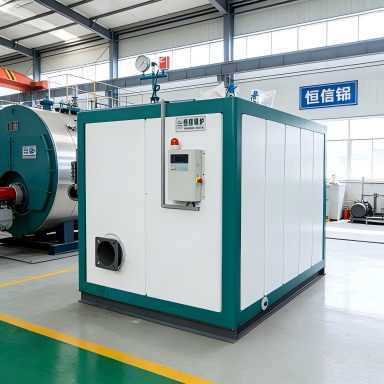
Zhangjiagang Future Boiler Manufacture Co., Ltd.
- Verified by TüVRheinland
- Manufacturer, Trading Company
- Lead time30 days
- Avg. response≤ 1h
Main productsElectric Steam Generator, Electric Steam Boiler, Gas(Oil) Fired Steam Generator, Gas(Oil) Fired Steam Boiler, Hot Water Boiler
Main marketsDomestic Market(70%), North America(5%), South America(5%)
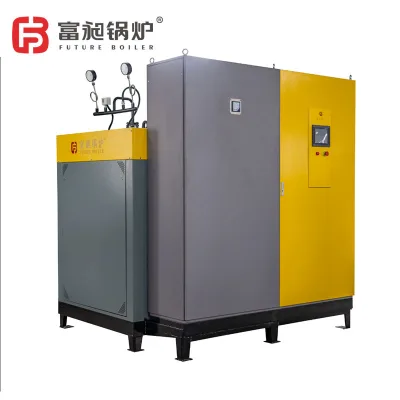
$18660.1666 - $28871.4244
MOQ: 1 sets
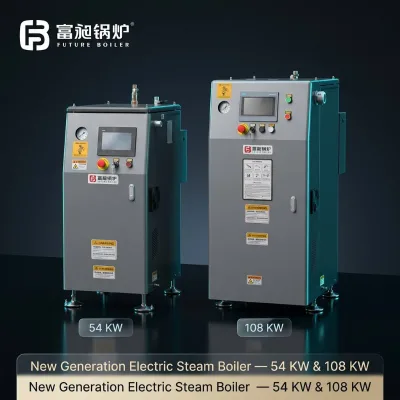
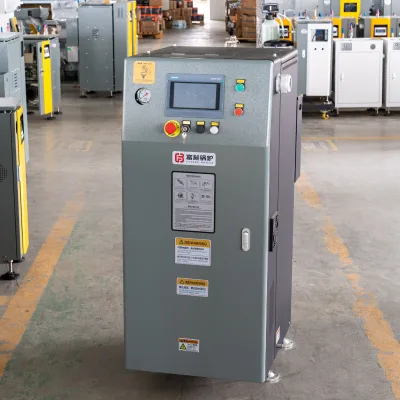
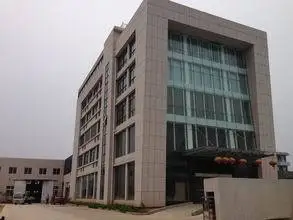
Zhejiang Shengtian Machinery Co., Ltd.
- Manufacturer, Trading Company
- Zhejiang, China
- Lead time0 days
- Avg. response≤ 2h
Main productsFusing Machine,Ironing Table,Steam Boiler,procket creasing machine,thread sucking machine
Main marketsSouth Asia(7.69%), Southern Europe(7.69%), Northern Europe(7.69%), Central America(7.69%), Western Europe(7.69%), Eastern Asia(7.69%), Mid East(7.69%), Oceania(7.69%), Africa(7.69%), Southeast Asia(7.69%), Eastern Europe(7.69%), South America(7.69%), North America(7.69%)

Dongguan Huanyi Instrument Technology Co., Ltd.
- Verified by SGS
- Combined
- China Guangdong
- Lead time30 days
- Avg. response≤ 1h
Main productslaboratory instruments and equipment
Main marketsSoutheast Asia/ Mideast,Domestic,North America

Yangzhou Zhongrui Boiler Co., Ltd.
- Verified by SGS
- Combined
- China Jiangsu
- Lead time30 days
- Avg. response≤ 2h
Main marketsOthers(foreignTradeCapacity.exportBusinessCapacityMarketOther),Domestic


CE Certified Natural Gas & Diesel Steam Generator for Efficient Power
$2000.00 - $32000.00
MOQ: 1 Pieces
Xinxiang Chengde Energy Technology Equipment Co., Ltd.,
- Manufacturer, Trading Company
- Henan, China
- Lead time30 days
- Avg. response≤ 4h
Main productsLNG ship fuel tank,Vibro Screen,crane
Main marketsDomestic Market(58.00%), Southeast Asia(10.00%), Africa(10.00%), South America(9.00%), Mid East(8.00%), North America(1.00%), Southern Europe(1.00%), Northern Europe(1.00%), Central America(1.00%), Eastern Asia(1.00%)
Henan Hengnuo Thermal Energy Equipment Co., Ltd.
- Manufacturer, Trading Company
- Henan, China
- Lead time35 days
- Avg. response≤ 7h
Main productsSteam Boiler,Hot Water Boiler,Thermal oil boiler,Hot Air Furnace,Steam Generator
Main marketsDomestic Market(42.00%), Eastern Asia(10.00%), Southeast Asia(10.00%), Mid East(10.00%), South Asia(10.00%), Africa(8.00%), North America(4.00%), South America(3.00%), Eastern Europe(1.00%), Central America(1.00%), Western Europe(1.00%)
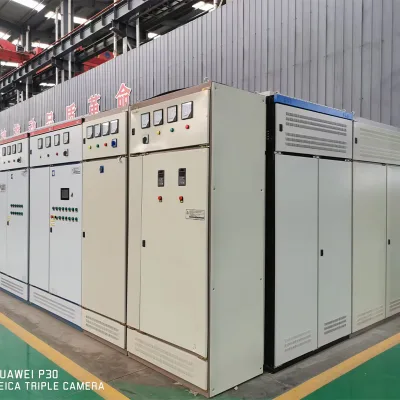
$1000.00 - $1500.00
MOQ: 1 sets
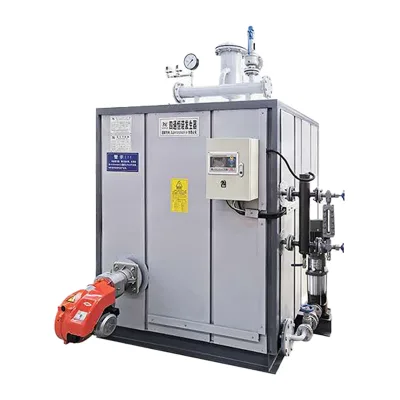
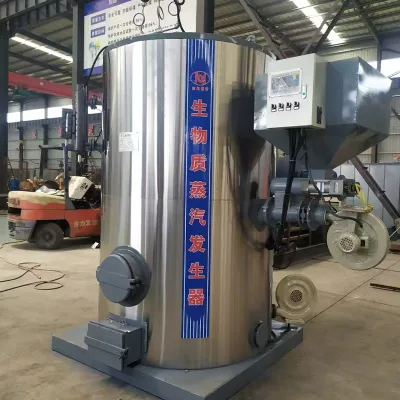
$800.00 - $1000.00
MOQ: 1 sets
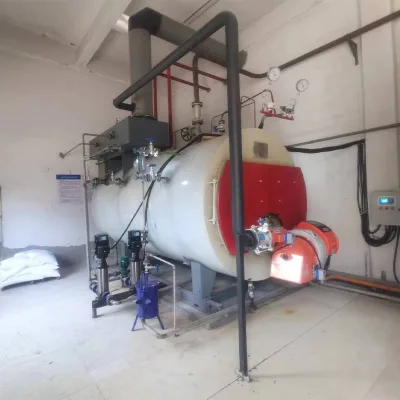
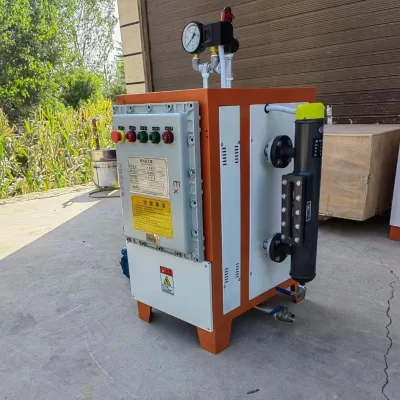
High Quality Steam Boiler Steam Generator Industrial Pressure CE Full Automatic Control
$1888.00 - $2100.00
MOQ: 1 sets

Guangdong Fenlin Swimming Pool & Sauna Equipment Co., Ltd.
- Verified by TUVRHEINLAND
- Combined
- China Guangdong
- Lead time30 days
- Avg. response≤ 1h
Main productsSauna Equipment, Swimming Pool Equipment, Fountain, SPA Products, Sauna Heater, Sauna Steam Generator, Sauna Room, Swimming Pool Ladder, Starting Block, Swimming Pool Cover Film
Main marketsSouth America,Africa,Others(foreignTradeCapacity.exportBusinessCapacityMarketOther),Southeast Asia/ Mideast,Domestic,Europe,North America
Zhengzhou Eastar Instrument Equipment Co., Ltd.
- Trading Company
- Henan, China
- Lead time1 days
- Avg. response≤ 4h
Main productsLab Instrument and Equipment,Extraction Distillation Equipment,Analysis Instruments,Testing Instrument,Physical Measurement Equipment
Main marketsEastern Europe(15.00%), Southeast Asia(13.00%), Domestic Market(10.00%), South Asia(9.00%), Mid East(8.00%), Africa(8.00%), Western Europe(7.00%), North America(6.00%), Eastern Asia(5.00%), Southern Europe(5.00%), Oceania(4.00%), South America(4.00%), Central America(3.00%), Northern Europe(3.00%)
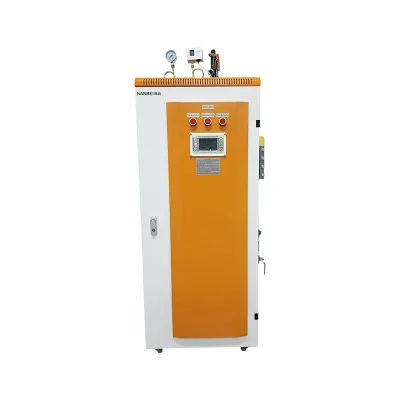
High Efficiency Steam Electricity Generator Steam Generator for Industry
$1165.00 - $1300.00
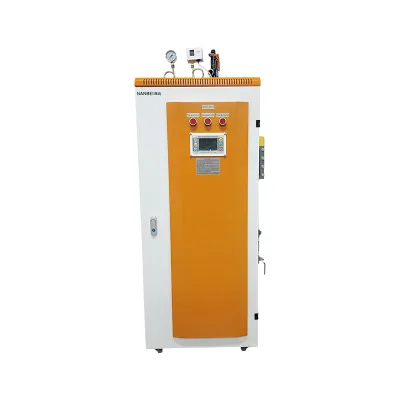
Industrial Automatic Steam Generator Standard Type with Stable Performance Vertical Boiler
$1301.00 - $1600.00
MOQ: 1 sets
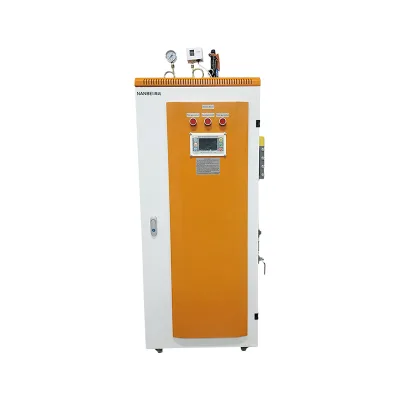
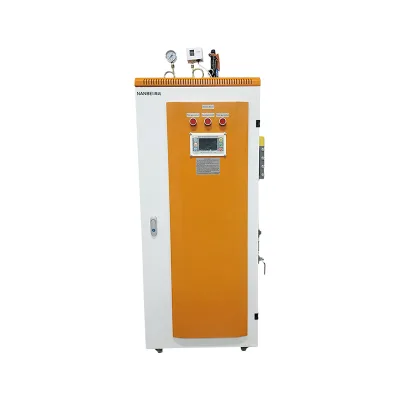
Fully Automatic Electric Steam Generator Boiler for Lab Industrial Heating
$1955.00 - $2090.00
Henan Yuanda Boiler Corporation Ltd.
- Verified by TüVRheinland
- Manufacturer, Trading Company
- Lead time15 days
- Avg. response≤ 1h
Main productsSteam Boiler, Hot Water Boiler, Thermal Oil Boiler, Waste Incinerator
Main marketsDomestic Market(35%), Southeast Asia(15%), Africa(13%)

Henan Leway Thermal Equipment Manufacture Co., Ltd
- Verified by SGS
- Combined
- China Henan
- Lead time30 days
- Avg. response≤ 2h
Main productsGas Boiler Oil Fired Boiler Biomass Boiler, Electric Boiler Hot Water Boiler, Steam Boiler Pressure Vessel
Main marketsSouth America,Domestic

Durable Industrial Steam Generator for Reliable Industrial Applications
$800.00 - $2000.00
MOQ: 1 Pieces


Guangzhou Ailusi Machinery Co., Ltd.
- Verified by SGS Group
- Trading Company
- Lead time30 days
- Avg. response≤ 5h
Main productsVacuum Emulsifying Mixer, RO Water Treatment, Liquid Washing Homogenizer Mixer, Filling Machine, Labeling Machine
Main marketsDomestic Market(30%), North America(18%), Oceania(12%)

HENAN TAIGUO BOILER PRODUCTS CO., LTD.
- Verified by SGS
- Combined
- China Henan
- Lead time23 days
- Avg. response≤ 2h
Main productsBoiler, Steam Boiler, Oil Boiler, Gas Boiler, Coal Boiler, Wood Autoclave, Autoclave Aerated Concrete, Hot Water Boiler, Hot Air Furnace, Biomass Boiler
Main marketsOthers(foreignTradeCapacity.exportBusinessCapacityMarketOther),Europe,North America


Safe operation and small footprint 36Kw-1400Kw electric steam generator factory price
$1000.00 - $5000.00
MOQ: 1 Sets
- Manufacturer, Trading Company
- Henan, China
- Lead time1 days
- Avg. response≤ 3h
Main productsGlass-Reactors,Rotary-Evaporator,Lab-Instruments,Life-Science-Instruments,Testing-equipments
Main marketsEastern Europe(15.00%), Southeast Asia(13.00%), Domestic Market(10.00%), South Asia(9.00%), Mid East(8.00%), Africa(8.00%), Western Europe(7.00%), North America(6.00%), Eastern Asia(5.00%), Southern Europe(5.00%), Oceania(4.00%), South America(4.00%), Central America(3.00%), Northern Europe(3.00%)
Kingder Boiler Equipment (Henan) Co., Ltd.
- Verified by TüVRheinland
- Trading Company
- Lead time25 days
- Avg. response≤ 2h
Main productsDZL Chain Grate Biomass Steam Boiler, DZH Hand-Fired Biomass Steam Boiler, WNS Three Return Gas/Oil Fired Steam Boiler, LHS Gas/Oil Fired Steam Generator, LHG Biomass Steam Generator
Main marketsAfrica(20%), Southeast Asia(15%), Domestic Market(15%)






Comprehensive Sourcing Guide
Horizontal Double-Drum Steam Generator Supplier Concentration and Factory Types
The current supplier landscape for horizontal double-drum steam generators reveals a diverse mix of manufacturing capabilities and business models. Data indicates that suppliers are primarily located in China, with specific concentration in the Jiangsu region, a known hub for industrial machinery and boiler manufacturing. This geographic clustering suggests a mature supply chain ecosystem where raw materials, skilled labor, and specialized components are readily available, potentially offering buyers logistical advantages and competitive pricing structures. The presence of suppliers in this region implies that buyers can expect a high density of options, ranging from large-scale industrial manufacturers to specialized trading companies. Understanding this concentration helps in assessing the reliability of supply chains and the potential for local inspections or audits.
Supplier types vary significantly, with some entities operating as combined entities that function as both manufacturers and trading companies, while others are strictly manufacturers or trading companies. This distinction is crucial for buyers because it affects pricing transparency, customization flexibility, and direct communication with engineering teams. Some suppliers offer OEM and ODM capabilities, indicating a strong in-house research and development capacity for customizing boiler designs to meet specific industrial requirements. Others may focus on graphic processing or customized on-demand services, suggesting a more flexible approach to minor modifications or branding. The variety in company types means buyers must carefully evaluate whether they need a direct factory relationship for deep customization or a trading partner for broader product selection and consolidated shipping.
How to Verify Horizontal Double-Drum Steam Generator Suppliers
Verification is a critical step in mitigating risk when sourcing heavy industrial equipment like steam generators. Buyers should prioritize suppliers who have undergone third-party verification processes, as these provide an independent assessment of the supplier’s business legitimacy and operational capabilities. Current data shows that some suppliers have been verified by SGS, Intertek, and TüV Rheinland, which are reputable international inspection and certification bodies. These verifications often include checks on factory audits, quality management systems, and financial stability. Buyers should request the verification reports or certificates to understand the scope of the audit, ensuring that the supplier’s claims about their manufacturing capacity and quality control processes are substantiated by objective evidence.
In addition to third-party verification, buyers should scrutinize the system certifications held by the supplier, such as ISO 9001:2015, ISO 14001:2015, and CE marks. ISO 9001 indicates a standardized quality management system, while ISO 14001 reflects environmental management practices, which are increasingly important for sustainable industrial operations. The CE mark is essential for suppliers targeting markets in Europe, confirming that their products meet EU safety, health, and environmental protection requirements. Buyers should verify the validity of these certificates and check if they cover the specific product lines they intend to purchase. Furthermore, checking for machinery test reports and video outgoing inspections can provide additional assurance of product quality and performance before shipment, reducing the risk of receiving non-compliant or defective equipment.
What to Compare Across Horizontal Double-Drum Steam Generator Suppliers
When evaluating multiple suppliers, buyers must compare key operational metrics to determine the best fit for their project requirements. Lead times are a significant differentiator, with some suppliers offering delivery within 7 days, while others may require up to 45 days or 30 days for standard orders. This variance can impact project timelines and inventory planning, so buyers should align their procurement schedule with the supplier’s stated lead times. Minimum Order Quantities (MOQ) also vary, with some suppliers accepting orders as low as one unit, which is beneficial for small-scale projects or testing purposes, while others may have higher MOQs that suit bulk industrial purchases. Understanding these thresholds helps buyers negotiate better terms and avoid unnecessary inventory costs.
Response time and customization capabilities are equally important factors in supplier selection. Suppliers with faster response times, such as those averaging under three hours, can provide quicker support for technical inquiries and order processing, which is vital for resolving issues promptly. Customization options, including available functions, fuel types, and control systems, should be compared to ensure the supplier can meet specific operational needs. For instance, some generators offer PLC intelligent control systems with touch screens, while others may have different burning styles or pressure ratings. Buyers should also compare price ranges, which can vary significantly based on capacity, features, and customization levels, to ensure they are getting competitive pricing without compromising on quality or essential features.
Common Horizontal Double-Drum Steam Generator Sourcing Risks
One of the primary risks in sourcing steam generators is the potential mismatch between advertised specifications and actual product performance. Buyers must be cautious of suppliers who provide vague or incomplete technical details, as this can lead to receiving equipment that does not meet their operational requirements. For example, differences in water volume, pressure ratings, or emission standards can significantly impact the efficiency and compliance of the boiler in a specific industrial setting. Buyers should request detailed product specifications and test reports to verify that the generator meets their exact needs, particularly regarding start-up times, steam output, and fuel efficiency. Failing to do so can result in costly modifications or operational inefficiencies after installation.
Another significant risk is the variability in after-sales support and warranty terms. Some suppliers offer limited warranties, such as one year, while others may provide more comprehensive support packages. Buyers should carefully review the warranty coverage, including what components are included and the process for claiming repairs or replacements. Additionally, the availability of spare parts and technical support in the buyer’s region is crucial for maintaining continuous operation. Suppliers who do not provide clear information on these aspects may leave buyers vulnerable to extended downtime in case of equipment failure. It is also important to verify the supplier’s ability to provide installation guidance and training, as improper installation can lead to safety hazards and reduced equipment lifespan.
Horizontal Double-Drum Steam Generator Regional Sourcing and Logistics
Sourcing from specific regions like Jiangsu, China, offers logistical advantages but also requires careful planning for international shipping and customs clearance. The concentration of suppliers in this area means that buyers can potentially consolidate orders from multiple vendors, reducing shipping costs and simplifying logistics management. However, buyers must account for the distance and transportation modes required to deliver heavy industrial equipment to their destination. Freight costs can vary significantly based on the size and weight of the generator, as well as the chosen shipping method, whether by sea, air, or land. Buyers should work with experienced freight forwarders to optimize shipping routes and ensure that the equipment is packaged securely to prevent damage during transit.
Packaging standards are another critical aspect of regional sourcing, as improper packaging can lead to damage during transportation. Current data indicates that some suppliers use wooden packaging, which is a common and effective method for protecting heavy machinery. Buyers should verify that the packaging meets international shipping standards and includes adequate protection against moisture, vibration, and impact. Additionally, buyers should consider the impact of regional trade policies and tariffs on the final cost of the equipment. Understanding the import regulations and duty rates in the destination country can help buyers budget accurately and avoid unexpected expenses. Coordinating with the supplier to ensure all necessary documentation, such as commercial invoices and packing lists, is prepared correctly can also streamline the customs clearance process.
Horizontal Double-Drum Steam Generator Commercial Terms and Order Planning
Commercial terms and order planning are essential for ensuring a smooth procurement process and minimizing financial risks. Buyers should negotiate clear payment terms, such as using escrow services or letters of credit, to protect their funds until the goods are received and inspected. This is particularly important for high-value industrial equipment, where the financial stakes are significant. Buyers should also clarify the Incoterms, such as FOB, CIF, or DDP, to understand who is responsible for shipping, insurance, and customs duties. Clear communication of these terms helps avoid disputes and ensures that both parties have a shared understanding of their obligations.
Order planning should include a detailed timeline for production, shipping, and installation, taking into account any potential delays or bottlenecks. Buyers should establish a communication protocol with the supplier to receive regular updates on the production status and shipping progress. This proactive approach allows buyers to address any issues promptly and adjust their project schedules as needed. Additionally, buyers should plan for the installation and commissioning of the steam generator, ensuring that they have the necessary technical expertise and resources on hand. Coordinating with the supplier for on-site support or training can help ensure that the equipment is installed correctly and operates efficiently from day one, maximizing the return on investment and minimizing operational disruptions.
FAQs
What is the typical lead time for horizontal steam generators?
Manufacturers generally require 30 days for standard production runs. Some suppliers offer expedited delivery within 7 days for specific models. Buyers should confirm exact timelines based on customization needs and order volume before finalizing contracts.
What is the minimum order quantity for these boilers?
The minimum order quantity is typically set at one unit. This allows buyers to test performance before committing to larger industrial orders. Suppliers accept single-unit purchases for both electric and gas-fired horizontal steam generator models.
How quickly do these generators reach operating pressure?
Many horizontal units reach 0.8 MPa within three minutes. This rapid start-up time ensures efficient industrial operations. The low water volume design contributes to this speed, making them suitable for applications requiring quick steam availability.
What certifications do these suppliers hold?
Suppliers commonly hold ISO 9001 and ISO 14001 certificates. CE certification is also standard for many models. Third-party verifications from SGS, Intertek, and TÜV Rheinland are available to ensure product quality and safety compliance.
What is the price range for horizontal steam generators?
Prices typically range from $2,000 to $41,210. Costs vary based on steam output capacity and fuel type. Electric models often start lower, while high-capacity gas-fired units command higher prices. Buyers should request quotes for specific configurations.
What response time can buyers expect from suppliers?
Suppliers generally respond within 1 to 2.76 hours. Fast response times indicate active sales teams ready to assist. Buyers can expect prompt communication regarding technical specifications, pricing, and shipping details for their horizontal steam generator inquiries.