Source Medical Grade Baby Incubator with Alarm System for Hospitals
Find and compare 30 Medical Grade Baby Incubator with Alarm System options from China. These Class I devices feature LCD displays, servo temperature control, and OEM services for hospital infant care applications; compare the available evidence and request quotations based on your requirements.
Updated
Key considerations
Products List
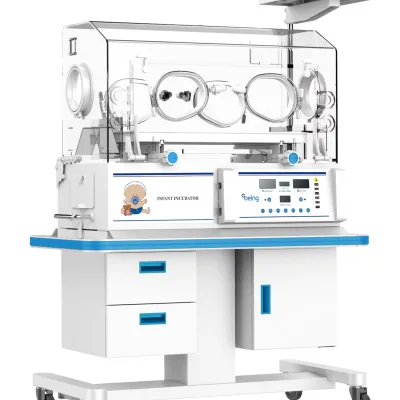
Medical Grade Baby Incubator with Oxygen Concentration Monitor and Alarm System
$1501.1732 - $1604.7024
MOQ: 50 Minimum
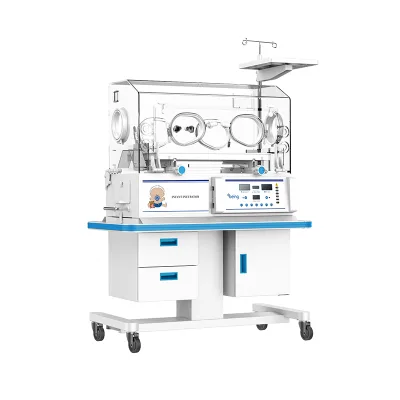
$1507.4429 - $1611.4044
MOQ: 50 Minimum
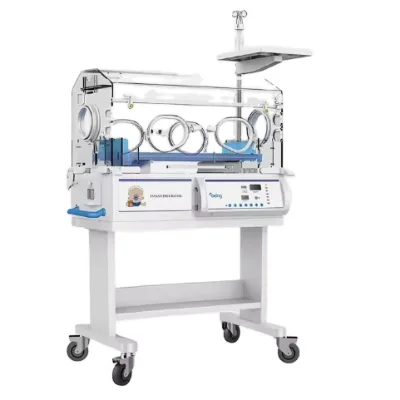

Hospital Medical Newborn Infant Incubator Neonatal Baby Incubators with Humidity System
$500.00 - $1500.00
MOQ: 1 Pieces


Medical Grade Infant Incubator with Stable Temperature and Humidity Management
$2500.00 - $2700.00
MOQ: 1 Pieces


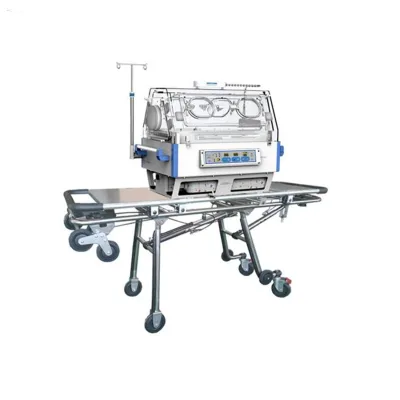
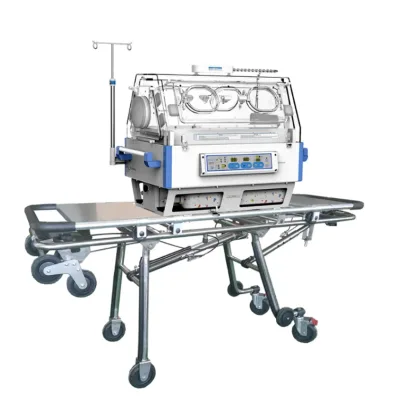
Medical Neonatal Infant Baby Mobile Infant Incubator with Trolley Mobile Transport Incubator
$4898.2391 - $5611.5454
MOQ: 1 sets
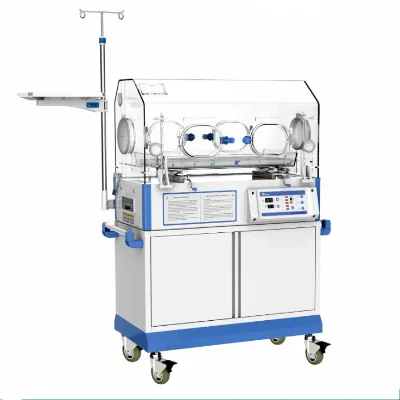
Good Quality Baby Incubator Infant Care Equipment Infant Incubator
$2074.8922 - $3112.3382
MOQ: 1 sets
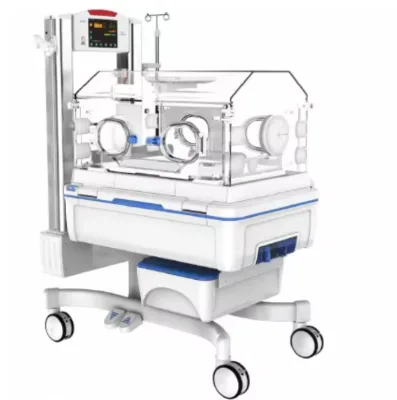
Medical Infant Care Machine Manufacturer Premature Baby Incubator
$1316.9782 - $1728.5338
MOQ: 1 boxes


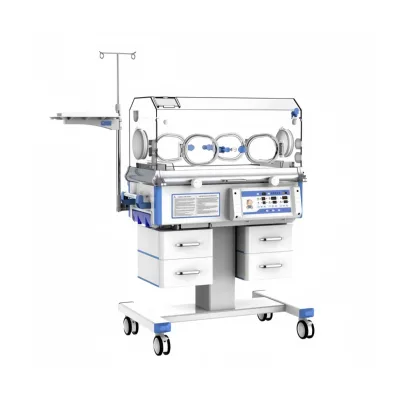
Electric Medical Mobile Infant Incubator with Phototherapy Features for Premature Babies
$535.5456 - $1641.7867
MOQ: 1 Minimum
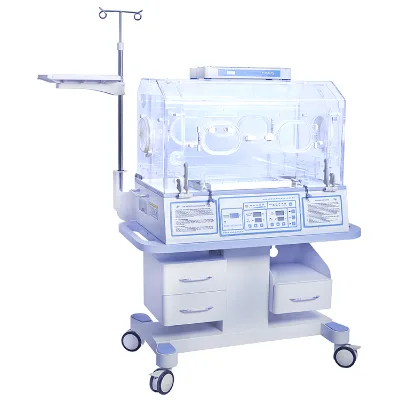
Medical Baby Adjustable Microcomputer Control Temperature System Infant Incubator for Hospital
$816.3732 - $918.4198
MOQ: 1 pieces
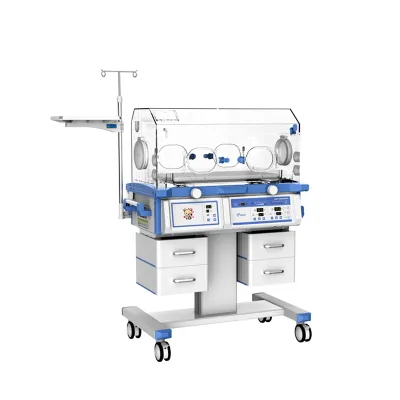
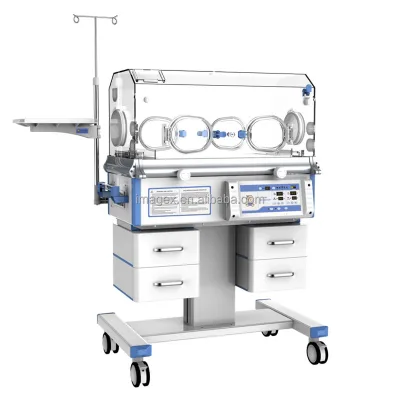
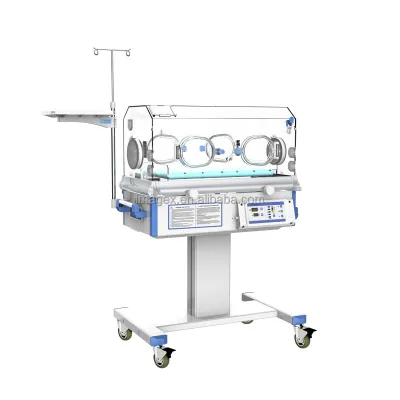
Newborn Infant Incubator for Premature Babies with Temperature Control
$1539.0923 - $5130.3076
MOQ: 1 Minimum
Comprehensive Sourcing Guide
Medical Grade Baby Incubator with Alarm System Sourcing Guide
Procuring a medical grade baby incubator with an alarm system requires careful evaluation of clinical utility and regulatory compliance. Buyers must prioritize devices that support infant care in hospital settings, ensuring the equipment meets the specific needs of neonatal units. The observed market includes models classified as Class I instruments, which often serve as essential warming apparatuses for newborns. These units are typically designed for use in medical rooms and specialized infant care environments, providing a controlled thermal environment for vulnerable patients.
The sourcing process involves identifying suppliers who offer robust after-sale support, such as onsite training, which is critical for hospital staff unfamiliar with the specific interface. Many available units feature LCD displays for precise monitoring, allowing medical personnel to track vital parameters effectively. Buyers should verify that the selected incubator includes necessary tubing access ports and appropriate mattress dimensions to accommodate various infant sizes. Ensuring the device supports both skin and air temperature servo control modes is essential for maintaining stable thermal conditions during critical care periods.
Product Scope and Observed Listing Signals
The current market landscape for medical grade baby incubators with alarm systems shows a diverse range of specifications and packaging options. Observed listings indicate a price range from 100 to 10,000 USD, reflecting variations in technology, brand reputation, and included accessories. Minimum order quantities typically range from 1 to 50 units, allowing hospitals to procure single units for specialized wards or bulk orders for larger facilities. Suppliers often provide OEM services, enabling customization of branding or specific functional adjustments to meet institutional requirements.
Product attributes vary significantly across listings, with some units featuring metal construction and white finishes for easy cleaning and durability. Single gross weights can reach up to 150 kg, indicating substantial build quality and stability, while other models may weigh around 110 kg. Packaging methods differ, with some units shipped in wooden cases for heavy-duty protection and others in paper or carton boxes. Buyers must carefully review the single package size and gross weight to plan logistics and installation space, ensuring the delivery method aligns with hospital infrastructure capabilities.
Technical Specifications to Verify
Technical verification should focus on temperature control accuracy and operational modes, which are critical for neonatal safety. Buyers must confirm that the incubator supports both air mode and skin mode control, with air temperature ranges typically spanning 20°C to 37°C and override capabilities up to 39°C. Skin mode control usually operates between 34°C and 37°C, with override limits up to 38°C. Accuracy standards should be verified, with many units claiming an accuracy of ≤±1.0°C, ensuring precise thermal management for sensitive infant patients.
Physical dimensions and access features are equally important for clinical workflow efficiency. The mattress dimensions, such as 73.6 x 38.6 cm with a 2 cm thickness, must accommodate the intended patient size while providing adequate support. The width of the unit, often around 100 cm, and depth of 58 cm should allow for easy access by medical staff. Additionally, the number of tubing access ports, which can be up to 10, facilitates the connection of various medical devices without compromising the sterile environment. Buyers should also check the mattress to hood height, which may be around 40 cm, to ensure proper ergonomics for caregivers.
Compliance and Safety Documentation
Compliance verification is paramount when sourcing medical grade baby incubators with alarm systems, as these devices directly impact patient safety. Buyers must request and validate certification documents, including FDA approval and ISO CE marks, which indicate adherence to stringent international quality and safety standards. These certifications ensure that the manufacturing processes and final products meet regulatory requirements for medical equipment in various markets. Without proper documentation, hospitals risk non-compliance with local health authority regulations, potentially leading to operational restrictions or legal liabilities.
Beyond initial certifications, buyers should inquire about the theory of operation, such as electrotherapeutics, to understand the underlying technology and safety mechanisms. The presence of an alarm system is a critical safety feature that must be verified for functionality and reliability. Buyers should confirm that the alarm system alerts staff to temperature deviations or power failures, ensuring immediate intervention. Additionally, warranty terms, typically lasting one year, provide a safety net for potential defects, but buyers should clarify the scope of coverage and response times for repairs or replacements.
Cost Drivers and Commercial Terms
Cost drivers for medical grade baby incubators with alarm systems include material quality, technological features, and brand reputation. Units constructed from metal with advanced LCD displays and precise temperature control algorithms generally command higher prices. The inclusion of OEM services and customization options can also increase costs, as these require additional manufacturing steps and quality checks. Buyers should analyze the total cost of ownership, considering not just the purchase price but also maintenance, training, and potential replacement parts over the device's lifespan.
Commercial terms such as MOQ and lead times significantly impact procurement planning. Suppliers may offer flexible MOQs, starting from single units, which is beneficial for smaller clinics or specialized departments. However, bulk orders may attract discounts, reducing the per-unit cost. Buyers must also consider shipping and packaging costs, as heavy units with large dimensions, such as 140x90x110 cm, incur higher freight expenses. Clear agreements on delivery terms, payment methods, and after-sale service responsibilities are essential to avoid unexpected costs and ensure smooth transaction completion.
Supplier Qualification and Quality Control
Supplier qualification involves assessing the manufacturer's production capabilities, quality management systems, and track record in the medical device industry. Buyers should verify the place of origin, with many suppliers located in Shanghai, China, a hub for medical equipment manufacturing. It is crucial to confirm that the supplier has established processes for quality control, including pre-shipment inspections and adherence to international standards. Suppliers offering onsite training demonstrate a commitment to customer success, ensuring that hospital staff can operate the equipment safely and effectively.
Quality control checks should extend to the physical inspection of the product upon delivery. Buyers must verify that the packaging, whether wooden case or carton box, protects the unit from damage during transit. The condition of the LCD display, tubing ports, and control interfaces should be checked for any defects. Additionally, buyers should confirm the availability of spare parts and technical support to address any issues that may arise during operation. Establishing a clear communication channel with the supplier for post-sale support is vital for maintaining the reliability and longevity of the Medical Grade Baby Incubator with Alarm System.
Long-Term Procurement Checks
Long-term procurement checks focus on the sustainability of the supplier relationship and the ongoing performance of the equipment. Buyers should monitor the reliability of the alarm system and temperature control mechanisms over time, ensuring consistent performance in clinical settings. Regular maintenance schedules and preventive care protocols should be established to extend the lifespan of the incubator and minimize downtime. Buyers must also stay informed about updates in regulatory standards and technological advancements that may necessitate equipment upgrades or replacements.
Feedback from clinical staff is invaluable for assessing the usability and effectiveness of the incubator in daily operations. Buyers should regularly review after-sale service responses, including the speed and quality of onsite training and technical support. This feedback loop helps identify areas for improvement and ensures that the procurement strategy aligns with evolving hospital needs. By maintaining a proactive approach to supplier management and equipment maintenance, hospitals can ensure the continued safety and efficacy of their neonatal care infrastructure.
FAQs
What certifications does the Medical Grade Baby Incubator with Alarm System have?
The Medical Grade Baby Incubator with Alarm System holds FDA and ISOCE certifications. These credentials ensure the device meets international safety and quality standards for hospital use. Buyers can verify these documents to confirm regulatory compliance for their specific regional requirements before placing orders.
Can the Medical Grade Baby Incubator with Alarm System be customized?
Yes, the Medical Grade Baby Incubator with Alarm System offers available customization services. Buyers can request OEM support to tailor specific features or branding. This flexibility allows healthcare facilities to adapt the equipment to their unique operational needs while maintaining standard medical safety protocols.
What is the warranty period for the Medical Grade Baby Incubator with Alarm System?
The Medical Grade Baby Incubator with Alarm System comes with a one-year warranty. This coverage provides assurance for the equipment's reliability during initial operation. Buyers should note that onsite training is included to ensure proper usage and maintenance throughout the warranty period.
How does the temperature control work in the Medical Grade Baby Incubator with Alarm System?
The Medical Grade Baby Incubator with Alarm System features skin and air temperature servo control modes. It maintains air temperatures between 20°C and 37°C with an accuracy of ±1.0°C. Skin mode operates between 34°C and 37°C, ensuring precise thermal regulation for infant care.
What is the minimum order quantity for the Medical Grade Baby Incubator with Alarm System?
The minimum order quantity for the Medical Grade Baby Incubator with Alarm System ranges from one to fifty units. This flexible MOQ allows hospitals and clinics to purchase single items or larger batches. Buyers can negotiate specific quantities based on their facility's immediate capacity and budget constraints.
Where is the Medical Grade Baby Incubator with Alarm System manufactured?
The Medical Grade Baby Incubator with Alarm System is manufactured in Shanghai, China. This location serves as the primary place of origin for the equipment. Buyers sourcing from this region benefit from established supply chains and logistical infrastructure for international shipping and delivery.