Source Class II Anatomy Dissection Table for Hospitals, Mortuaries, and Labs
Compare 30 Class II Anatomy Dissection Table options from verified Chinese manufacturers. Buyers can evaluate stainless steel construction, lifting mechanisms, and customization features for hospital, mortuary, and laboratory applications; compare the available evidence and request quotations based on your requirements.
Updated
Key considerations
Products List


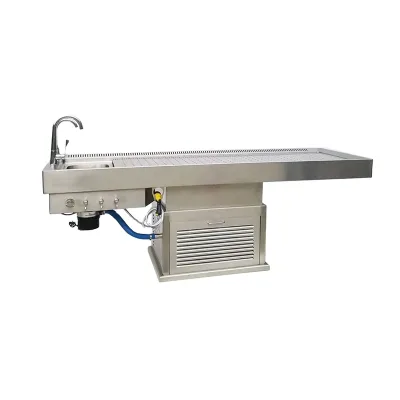
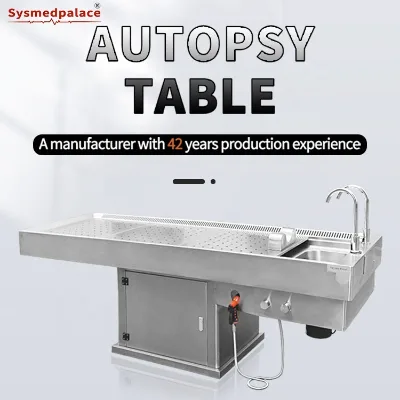
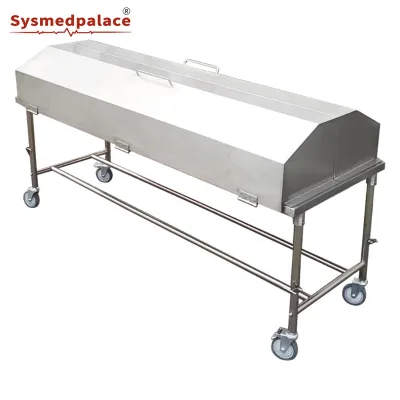

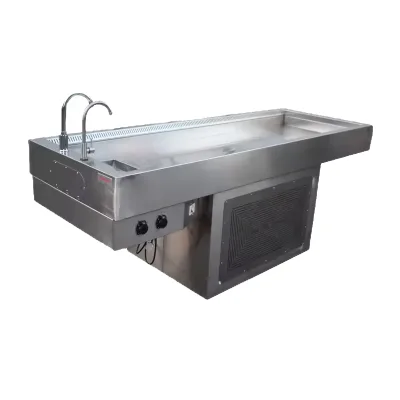
$1750.00 - $1860.00
MOQ: 5 units
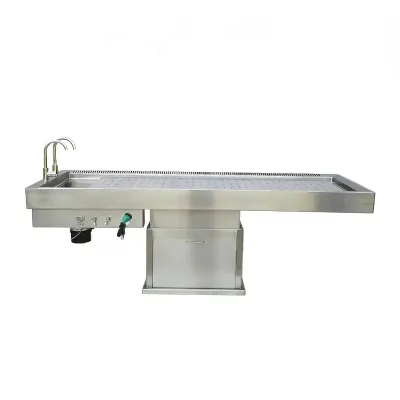
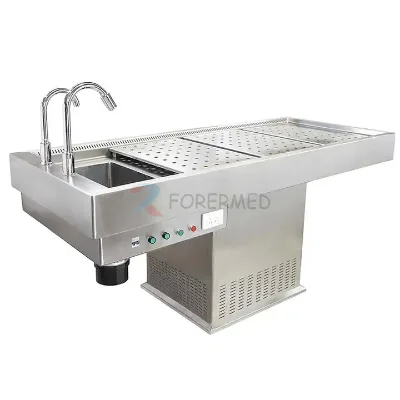


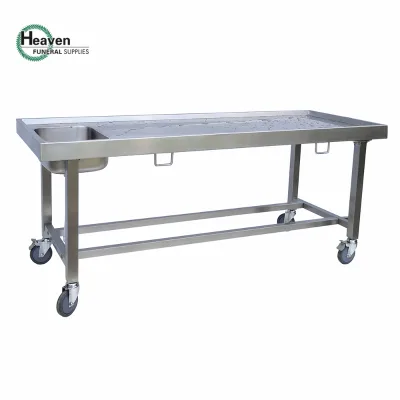
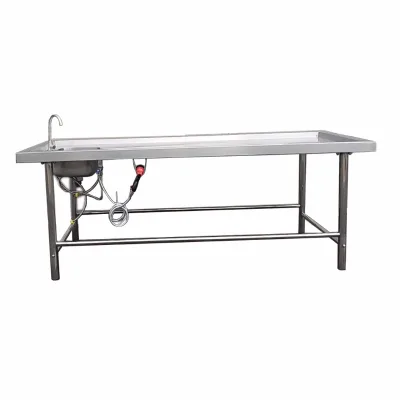

Hospital Medical Company Animal Anatomy Use Veterinary Dissecting Table
$600.00 - $999.00
MOQ: 1 Pieces


Veterinary Surgical Table Stainless Steel Animal Dissection Table Animal Dissection Table
$450.00 - $750.00
MOQ: 1 Pieces

Stainless Steel Animal Dissection Table Veterinary Dissecting Table Dt-1600as
$350.00 - $550.00
MOQ: 1 Pieces

Veterinary Surgical Table Stainless Steel Animal Dissection Table Dt-1600as
$350.00 - $550.00
MOQ: 1 Pieces
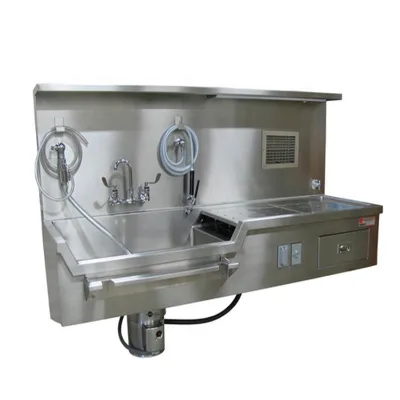
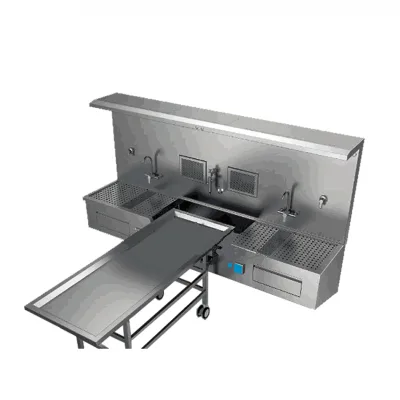
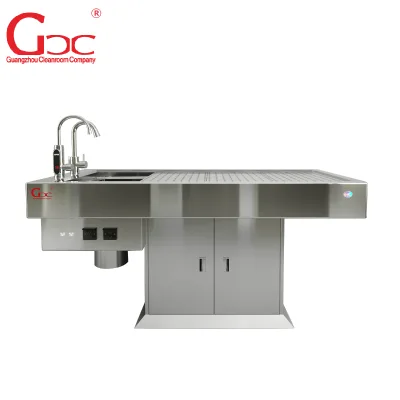

304 Stainless Steel Rotatable Autopsy Table Pathology Dissection Table
$3500.00 - $4500.00
MOQ: 1 Pieces

Hot Sale Working Table Autopsy Table for Dissection Anatomical Table with Low Price
$1100.00 - $1200.00
MOQ: 1 Pieces

Premium Roundfin University Autopsy Dissecting Table for Medical Education
$3500.00 - $4600.00
MOQ: 1 Pieces

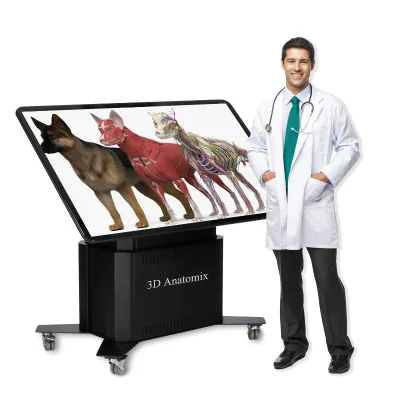
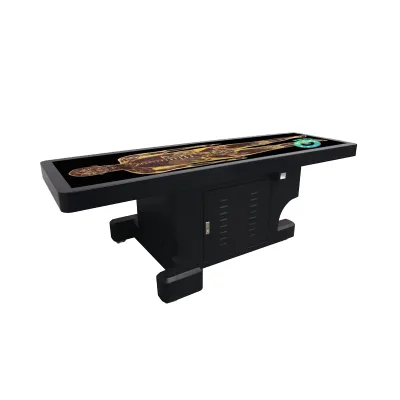
3D Human Body Teaching Autopsy Table Digital Body Anatomical System
$59999.00 - $69999.00
MOQ: 1 pieces
Comprehensive Sourcing Guide
Class II Anatomy Dissection Table Sourcing Guide
Procuring a Class II Anatomy Dissection Table requires a rigorous evaluation of material integrity, functional versatility, and regulatory compliance. These specialized instruments are critical for medical education, forensic pathology, and mortuary services, demanding surfaces that resist corrosion and facilitate thorough cleaning. Buyers must prioritize tables constructed from high-grade stainless steel, such as 304SS, to ensure durability against harsh disinfectants and biological fluids. The classification as a Class II instrument implies specific safety and performance standards that must be verified against local regulatory requirements before finalizing any purchase agreement.
The market offers diverse configurations, including models with adjustable heights, integrated drainage, and optional negative pressure ventilation systems. Sourcing decisions should align with the intended user environment, whether it be a hospital, university laboratory, or funeral home. Key differentiators include the presence of mobile hand sprays, calibrated scales, and customizable designs that accommodate specific procedural workflows. Understanding these variations allows procurement teams to select equipment that enhances operational efficiency while maintaining strict hygiene protocols during postmortem examinations and anatomical dissections.
Product Scope and Observed Listing Signals
Current market listings indicate a price range of $335 to $69,999 USD, reflecting significant variation in build quality, feature sets, and supplier positioning. Minimum order quantities typically range from one to five units, suggesting flexibility for both individual institutional purchases and bulk procurement for large medical facilities. The observed single gross weight of approximately 160 kg highlights the substantial mass of these units, which contributes to stability during procedures but necessitates careful logistical planning for delivery and installation. Buyers should interpret this wide price spread as an indicator of varying material thicknesses, such as 1.2mm to 1.5mm body thickness, and the inclusion of advanced mechanical or electrical components.
Product names and descriptions frequently include terms like "autopsy postmortem funeral corpse mortuary anatomy table," signaling their primary application in handling human remains. Attributes such as "American Style" or "European style" suggest design variations in ergonomics and surface layout, catering to different regional procedural preferences. The availability of OEM services and customizable designs indicates that manufacturers are willing to adapt specifications to meet unique institutional needs. However, buyers must carefully distinguish between standard features and optional add-ons, such as negative pressure ventilation systems or integrated scales, to avoid unexpected cost overruns or functional mismatches.
Technical Specifications to Verify
Verification of material composition is paramount, with 304 stainless steel being a commonly cited standard for corrosion resistance and ease of sterilization. Buyers must confirm the exact grade and thickness of the steel used in the table surface and frame, as thinner materials may compromise structural integrity under heavy loads. The load capacity is a critical specification, with observed limits around 200 kg, ensuring the table can safely support adult bodies and associated equipment without risk of failure. Additionally, the lifting stroke and height adjustment mechanisms, such as a 300mm lift height, should be tested for smooth operation and stability to prevent accidental movement during delicate dissection procedures.
Functional attributes like mobile hand sprays and negative pressure ventilation systems significantly impact the table's utility in maintaining a clean and safe working environment. Buyers should verify the number and placement of these features, as well as the integration of optional calibrated scales for accurate weight measurements. The single package size of 2500x820x1000 mm and the wooden case packaging details are essential for planning warehouse storage and handling logistics. Furthermore, the instrument classification as Class II implies specific electrical and mechanical safety standards that must be validated through detailed technical datasheets and manufacturer specifications.
Compliance and Safety Documentation
Regulatory compliance is non-negotiable for medical and mortuary equipment, with CE and ISO certifications being frequently mentioned in product listings. Buyers must request valid certificates for both the product and the manufacturing facility, ensuring they meet the specific standards required in their jurisdiction. The ISO certificate mentioned in some listings should be cross-referenced with the exact standard number to confirm relevance to medical device safety and quality management systems. Without proper documentation, institutions risk non-compliance with health and safety regulations, potentially leading to operational shutdowns or legal liabilities.
Safety features such as negative pressure ventilation systems are crucial for controlling airborne contaminants during postmortem examinations. Buyers should verify that these systems are designed to meet local environmental and occupational health standards, ensuring effective removal of hazardous vapors and particulates. The warranty period, often listed as one year or 12 months, provides a baseline for manufacturer support, but buyers should negotiate extended coverage for critical components like hydraulic lifts and electrical systems. Additionally, after-sale services, including online technical support, should be evaluated for responsiveness and expertise to minimize downtime in case of equipment failure.
Cost Drivers and Commercial Terms
The final cost of a Class II Anatomy Dissection Table is influenced by material quality, mechanical complexity, and optional features. Stainless steel grade, table thickness, and the inclusion of hydraulic or electric lifting mechanisms are primary cost drivers. Buyers should obtain detailed breakdowns of costs to understand the value proposition of each component, avoiding packages that bundle unnecessary features. The observed price range suggests that significant savings can be achieved by selecting basic models without advanced ventilation or calibration systems, provided these features are not essential for the intended application.
Commercial terms such as MOQ, lead times, and shipping arrangements must be clearly defined in the purchase agreement. The port of origin, often Shanghai or other Chinese ports, impacts shipping costs and delivery schedules. Buyers should negotiate favorable terms for bulk orders, leveraging the observed MOQ flexibility to secure better pricing. Additionally, the packaging details, such as wooden cases, should be confirmed to ensure adequate protection during transit, minimizing the risk of damage. Clear communication regarding installation requirements and training provisions can also prevent hidden costs associated with improper setup or operator error.
Supplier Qualification and Quality Control
Supplier qualification involves verifying the manufacturer's production capabilities, quality control processes, and after-sales support infrastructure. Buyers should request evidence of consistent production quality, including inspection reports and material test certificates for the stainless steel used. The place of origin, such as Liaoning, Jiangsu, or Henan in China, may indicate regional manufacturing clusters with varying levels of expertise and regulatory oversight. Due diligence should include site visits or third-party audits to assess the supplier's ability to maintain high standards of craftsmanship and safety.
Quality control measures should extend to the final product, with pre-shipment inspections recommended to verify functionality and compliance with specifications. Buyers should insist on testing of critical components, such as the lifting mechanism, drainage systems, and ventilation units, before accepting delivery. The availability of OEM services suggests that suppliers can customize products, but this requires rigorous oversight to ensure that modifications do not compromise safety or performance. Establishing a clear communication channel for technical support and spare parts availability is essential for long-term operational reliability.
Long-Term Procurement Checks
Long-term procurement success depends on the supplier's ability to provide consistent quality and reliable support over the product's lifecycle. Buyers should establish performance metrics for the table, including durability, ease of cleaning, and resistance to corrosion, to evaluate its suitability for continuous use. Regular maintenance schedules and preventive care protocols should be developed in collaboration with the supplier to extend the equipment's lifespan and maintain optimal performance. The warranty terms should be reviewed annually to ensure they remain adequate for the aging equipment.
Feedback loops with end-users, such as pathologists and mortuary staff, are crucial for identifying practical issues and areas for improvement. Buyers should document any recurring problems or maintenance challenges to inform future procurement decisions and supplier evaluations. The availability of upgrade options or replacement parts should be confirmed to ensure that the table can be adapted to changing procedural requirements or regulatory standards. By maintaining a proactive approach to equipment management, institutions can maximize the return on investment and ensure the highest standards of care and safety in anatomical dissection procedures.
FAQs
What material is used for class ii anatomy dissection tables?
These tables are primarily constructed from 304 stainless steel to ensure durability and hygiene. Some models also utilize general metal options. The material choice supports the instrument classification as Class II, providing a robust surface suitable for postmortem examinations and dissection procedures in medical settings.
Can class ii anatomy dissection tables be customized?
Yes, customization is available for these units. Buyers can request specific designs and features to meet particular operational needs. The tables often support OEM requirements, allowing for tailored specifications. This flexibility ensures that the equipment aligns with the unique layout and functional demands of various mortuary or hospital environments.
What is the load capacity of these autopsy tables?
The standard load capacity for these tables is 200 kg. This specification ensures safe support during anatomical procedures. The sturdy construction, often featuring 1.5mm table thickness, supports this weight limit reliably. Buyers should verify specific model details, as capacities may vary slightly depending on the manufacturer and structural design of the unit.
Which certifications are required for these dissection tables?
These tables typically hold CE and ISO certifications. The ISO certificate confirms adherence to international quality standards. These credentials are essential for medical equipment used in hospitals and mortuaries. Buyers should verify that the specific model meets local regulatory requirements, as certification validity is critical for procurement and operational compliance in medical facilities.
Where are these anatomy tables manufactured?
Manufacturing locations include Liaoning, Jiangsu, and Henan in China. Different models originate from these specific regions, reflecting diverse production capabilities. Buyers can select suppliers based on geographic preference or logistical convenience. The origin influences shipping terms and lead times, so verifying the exact place of origin is important for supply chain planning and cost estimation.
What is the warranty period for these tables?
The warranty period is typically 1 year or 12 months. This coverage provides assurance for the equipment's durability and performance. After-sale services often include online technical support to assist with maintenance. Buyers should confirm the specific warranty terms with the supplier, as coverage details may vary between manufacturers and specific product models.