Source Class I Emergency Veterinary Tourniquet for Clinics
Find and compare 30 Class I Emergency Veterinary Tourniquet options from verified manufacturers. Evaluate features like reusable designs, latex-free materials, and CE certification to select the right medical adhesive suture material or hemodialysis tourniquet for your clinic needs; compare the available evidence and request quotations based on your requirements.
Updated
Key considerations
Products List


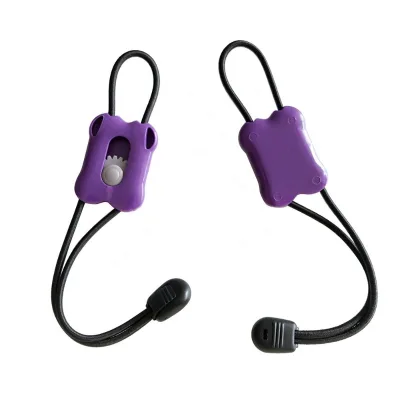
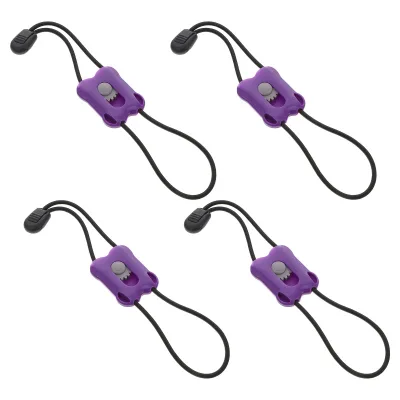
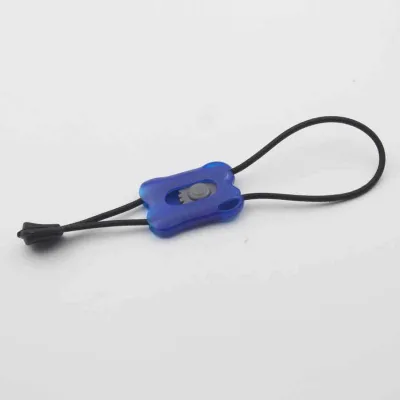
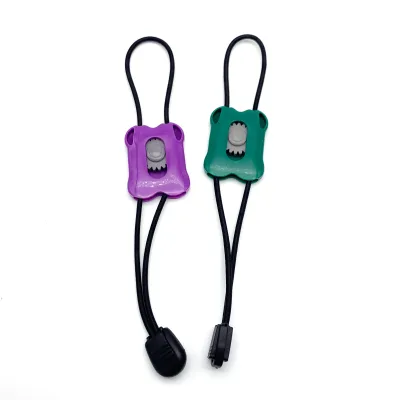
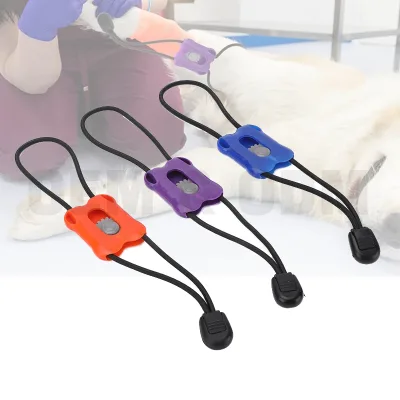
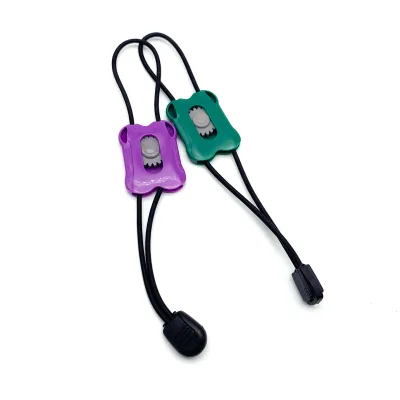
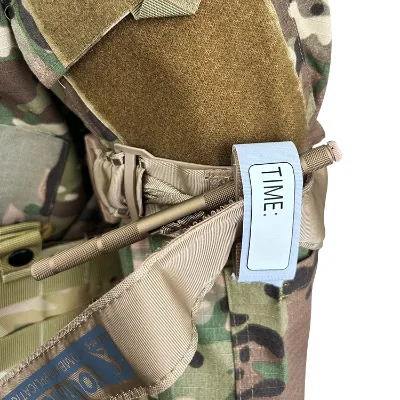
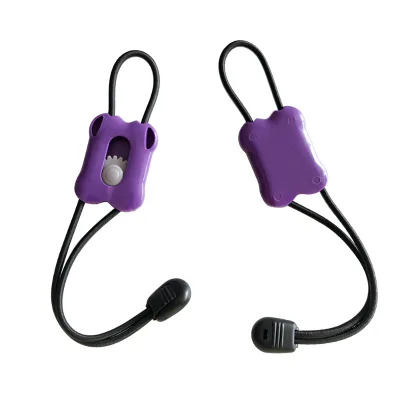


Pet Medical Disposable Tourniquet Veterinary for Animal Dog Cat Pets
$0.082 - $0.085
MOQ: 10000 Pieces
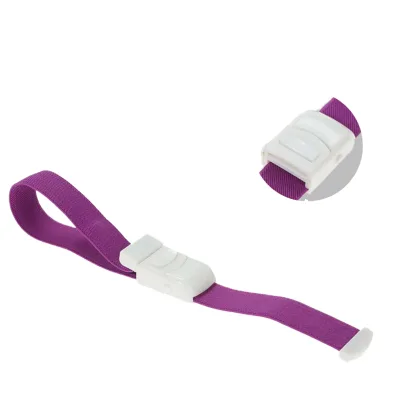
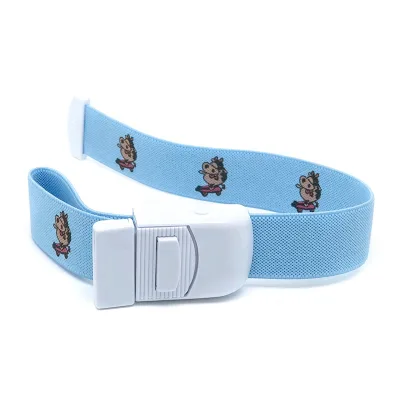
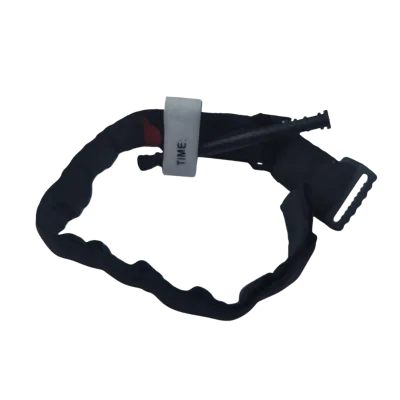
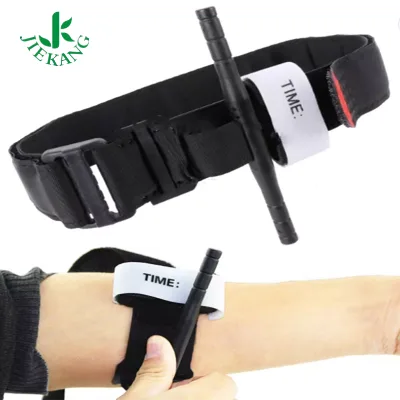

Professional Tourniquet Medical CE ISO Approved Emergency Cat Tactical Tourniquet
$2.55 - $2.80
MOQ: 540 Pieces
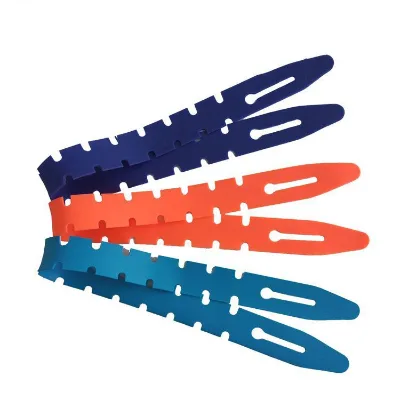
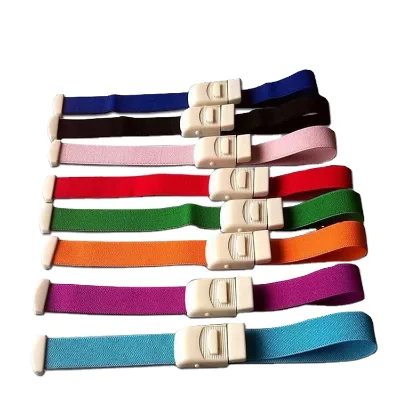
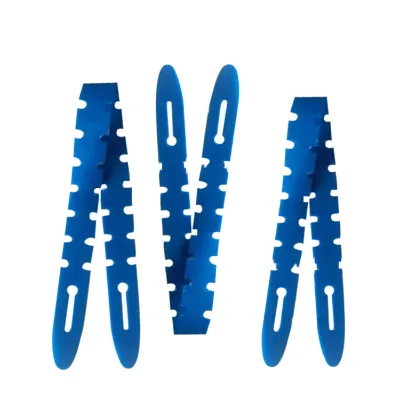

Cat Tourniquet for First Aid Response Emergency Bleeding Control Supplies
$2.00 - $5.00
MOQ: 1000 Pieces



Comprehensive Sourcing Guide
Class I Emergency Veterinary Tourniquet Sourcing Guide
Procuring Class I emergency veterinary tourniquets requires a disciplined approach to verifying device classification and material safety. Buyers must distinguish between general first-aid tools and specialized medical devices designed for animal hemodialysis or emergency care. The observed market includes products labeled as medical adhesive suture materials or elastic bandages, which may serve different clinical functions. Understanding these distinctions is critical for ensuring the selected device meets specific veterinary operational needs without compromising patient safety or regulatory compliance.
Sourcing decisions should also account for the diverse manufacturing origins and customization options available in the current market. Suppliers from regions such as Hebei, Guangdong, and Zhejiang offer varying degrees of OEM and customization services. Buyers need to evaluate whether standard off-the-shelf models or fully customized solutions, including specific colors and branding, align with their facility’s protocols. This evaluation ensures that the procurement strategy supports both immediate emergency requirements and long-term inventory management efficiency.
Product Scope and Observed Listing Signals
The current market landscape for Class I emergency veterinary tourniquets reveals a wide spectrum of product attributes and intended uses. Listings frequently describe devices as "First-Aid Devices" or "Medical Hemodialysis Tourniquets," indicating a broad application range from basic emergency care to specialized procedures. Some products are explicitly designed for animal use, with applications noted for home settings and pet hospitals. These variations suggest that buyers must carefully review product descriptions to ensure the device’s specific function, such as oxygen supply or diagnosis and injection support, matches their clinical requirements.
Material composition and physical specifications vary significantly across suppliers, impacting both durability and user experience. Common materials include ABS, Polyester Fiber, Plastic, and PP for buckles, with some devices offering latex-free or latex options for the belt material. Dimensions and packaging details, such as single package sizes of 46x44x27 cm or standard sizes like 1.3in x 7.8in, provide insight into the device’s portability and storage needs. Buyers should verify these physical attributes to ensure compatibility with existing veterinary equipment and storage infrastructure, avoiding mismatches that could hinder rapid deployment during emergencies.
Technical Specifications to Verify
Technical verification must begin with confirming the instrument classification and power source requirements. Most observed devices are classified as Class I instruments and operate via handwork, eliminating the need for external power sources or complex electrical setups. This simplicity is advantageous for emergency settings where reliability and ease of use are paramount. Buyers should verify that the device’s mechanical design, such as injection molding processes for plastic components, ensures consistent performance and durability under repeated use. Confirming these technical basics prevents the acquisition of devices that may require unsupported infrastructure or maintenance.
Further technical due diligence involves examining specific model numbers and functional features to ensure alignment with veterinary protocols. Models such as AT101, EM-19223, and T02 represent different design iterations, each potentially offering unique advantages in terms of fit, tension control, or ease of application. Features like reusable construction and customizable colors allow for better inventory management and identification within busy clinical environments. Buyers should request detailed technical datasheets to understand the precise operational limits and handling instructions for each model, ensuring that the selected device can withstand the rigors of emergency veterinary care.
Compliance and Safety Documentation
Compliance verification is a critical step in sourcing Class I emergency veterinary tourniquets, particularly regarding certification standards. Observed listings frequently mention CE certification, which is a key indicator of conformity with health, safety, and environmental protection standards for products sold within the European Economic Area. Buyers must request valid certification documents to confirm that the device meets these regulatory requirements. Additionally, some products may carry ISO certifications, which indicate adherence to international quality management standards. Verifying these certifications ensures that the sourced devices are legally compliant and manufactured under controlled quality conditions.
Safety documentation should also include information on material safety and disinfection protocols. Given that some devices are used in direct contact with animals, it is essential to verify that materials are non-toxic and suitable for medical or veterinary use. The mention of ozone disinfecting types suggests that certain devices may be designed for easy sterilization, which is crucial for preventing cross-contamination between patients. Buyers should inquire about shelf life, with some products indicating a three-year duration, to ensure that inventory remains effective and safe for use over time. Clear safety documentation helps mitigate liability and ensures patient well-being.
Cost Drivers and Commercial Terms
Cost structures for Class I emergency veterinary tourniquets are influenced by material choices, customization levels, and order volumes. The observed price range of $0.02 to $1200 USD reflects significant variation based on product complexity and branding. Basic plastic or fabric-based tourniquets may be available at lower price points, while customized or specialized medical-grade devices command higher prices. Buyers should analyze the cost per unit in relation to the device’s durability and functional features to determine the true value proposition. Understanding these cost drivers helps in budgeting for both initial procurement and long-term replacement needs.
Commercial terms, including minimum order quantities (MOQ) and packaging details, play a significant role in procurement planning. MOQs observed in the market range from 1 to 10,000 units, offering flexibility for both small clinics and large distributors. Packaging specifications, such as 1000 pieces per carton with defined carton dimensions, impact shipping costs and storage efficiency. Buyers should negotiate terms that align with their inventory turnover rates and storage capabilities. Additionally, understanding the selling units and gross weight of individual items aids in calculating total landed costs, ensuring that the procurement process remains cost-effective and logistically feasible.
Supplier Qualification and Quality Control
Supplier qualification requires a thorough assessment of manufacturing capabilities and quality assurance processes. Buyers should prioritize suppliers who offer OEM services and customization options, as these indicate a higher level of operational flexibility and commitment to client-specific needs. The presence of manufacturers like Sanji suggests that established producers are available in the market. However, buyers must verify the supplier’s ability to maintain consistent quality across production batches. Requesting samples and conducting independent quality checks can help assess the device’s build quality, material integrity, and functional reliability before committing to large orders.
Quality control measures should extend to the supplier’s production environment and testing protocols. Suppliers from regions like Guangdong and Zhejiang may have varying levels of industrial maturity and quality management systems. Buyers should inquire about the supplier’s internal quality control processes, including inspection routines and defect rate monitoring. Additionally, verifying the supplier’s ability to provide traceability for materials, such as the source of ABS, polyester, or PP components, enhances supply chain transparency. Establishing a robust supplier qualification process ensures that the sourced devices meet the required standards for safety and performance in emergency veterinary settings.
Long-Term Procurement Checks
Long-term procurement success depends on establishing ongoing performance monitoring and supplier relationship management. Buyers should implement regular audits of device performance in clinical settings, tracking metrics such as durability, ease of use, and patient comfort. Feedback from veterinary staff can provide valuable insights into potential improvements or issues that may not be apparent during initial testing. Maintaining open communication with suppliers allows for timely resolution of any quality concerns or supply chain disruptions. This proactive approach ensures that the procurement strategy remains aligned with evolving clinical needs and operational standards.
Additionally, buyers should regularly review market trends and regulatory changes to ensure continued compliance and competitiveness. The veterinary medical device landscape is dynamic, with new materials and technologies emerging frequently. Staying informed about these developments helps buyers make informed decisions about future procurement cycles. Evaluating the supplier’s ability to innovate and adapt to new requirements is crucial for maintaining a reliable supply of high-quality Class I emergency veterinary tourniquets. By focusing on long-term partnership and continuous improvement, buyers can secure a stable and effective supply chain for their veterinary operations.
FAQs
What certifications do the class i emergency veterinary tourniquets have?
The products hold CE and ISO certifications as documented in the specifications. These quality certifications ensure compliance with international safety standards for medical devices used in veterinary settings and emergency care applications.
Can I request customized colors for the tourniquet products?
Yes, customization is available including custom colors for the tourniquet devices. Buyers can specify their preferred color options to match their branding or facility requirements while maintaining the required medical device functionality.
What is the minimum order quantity for these medical tourniquets?
The standard minimum order quantity is 100 pieces for this product line. Some listings indicate a range from 1 to 10000 units, allowing flexibility for different procurement volumes and business needs.
Which materials are used to manufacture the tourniquet devices?
Manufacturers use materials such as ABS, Polyester Fiber, and Plastic for the main body. The belt material is available in Latex Free or Latex options to accommodate different user sensitivities and application requirements.
How long is the shelf life of the emergency tourniquet products?
The shelf life for these medical adhesive suture material and tourniquet products is 3 years. This duration ensures reliability for storage and emergency use in veterinary hospitals and home care settings.
Where are these class i tourniquets manufactured and shipped from?
Products originate from locations including Hebei, Guangdong, and Zhejiang in China. The manufacturing process involves injection molding and moulding services to produce the final medical device components.
What is the packaging configuration for bulk orders of tourniquets?
Standard packaging is 1000 pieces per carton with dimensions of 45 by 43 by 36 cm. Each carton is labeled as CTN and the single gross weight is approximately 9.9 kg for shipping calculations.