Industrial Sewing Machine Identification Accessory Suppliers and Manufacturers
Compare 18 verified suppliers offering Industrial Sewing Machine Identification Accessory parts from China. Review response times, lead times, certifications, and pricing to select a factory. Contact suppliers directly to request quotes; review the available evidence before requesting comparable quotations from suitable candidates.
Updated
Suppliers List

- Verified by TUVRHEINLAND
- Trading Company,Manufacturer/Factory
- China Shandong
- Lead time30 days
- Avg. response≤ 4h
Main productsCNC Machining, Machining Parts, Brass Forging Parts, Aluminum Forging Parts, Precision Parts, Forging and Machining Parts, Die Casting Parts, CNC Machining Parts, Turn Parts
Main marketsEastern Europe,Mid East,North America,Oceania,Western Europe
- Trading Company
- Zhejiang, China
- Lead time0 days
- Avg. response≤ 5h
Main productsSewing machine,Hook/Shuttle hook,Embroidery machine,Presser foot/ Folder,Needle plate
Main marketsEastern Asia(40.00%), South America(20.00%), Southeast Asia(20.00%), South Asia(20.00%)
Dongyang Huisidun Import And Export Co., Ltd.
- Trading Company
- Zhejiang, China
- Lead time30 days
- Avg. response≤ 2h
Main productssewing parts,sewing folder,sewing foot,sewing gauge set,setam iron parts
Main marketsEastern Asia(30.00%), Southeast Asia(30.00%), South America(20.00%), Eastern Europe(10.00%), North America(10.00%)
Guangzhou Shenghui Sewing Machine Co., Ltd.
- Verified by TüVRheinland
- Manufacturer, Trading Company
- Lead time10 days
- Avg. response≤ 2h
Main productsPattern Sewing Machine, Industrial Sewing Machine, Shoe Making Machines, Handbag Machine, Hat Machine
Main marketsDomestic Market(40%), South America(8%), Southeast Asia(8%)

- Trading Company
- China Shandong
- Lead time60 days
- Avg. response≤ 23h
Main productsForging, Turning Part, Forging Part, Machining Parts, Lifting Anchor, T Bolt, Casting, Aluminum Parts, Precast, Brass Parts
Main marketsSoutheast Asia/ Mideast,East Asia(Japan/ South Korea),Europe,Australia,North America

Ningbo Custom Hardware Technology Co., Ltd.
- Verified by BV
- Trading Company
- China Zhejiang
- Lead time30 days
- Avg. response≤ 3h
Main productsShuttering Magnet, CNC Machining Parts, CNC Milling Parts, Casting Parts, Metal Stamping Parts, Powder Metallurgy Parts, CNC Turning Parts, Standoff, Rod Display System, Metal Building Materials
Main marketsSouth America,Africa,Southeast Asia/ Mideast,East Asia(Japan/ South Korea),Europe,Australia,North America


Industrial Sewing Machine Accessories Steel Spare Parts for Sewing Machine
$0.90 - $3.00
MOQ: 2 Pieces


Taizhou YiSew lmport & Export Co.,LTD
- Verified by SGS
- Manufacturer/Factory
- China Zhejiang
- Lead time15 days
- Avg. response≤ 6h
Main productsSewing Machines, Industrial Sewing Machine, Lockstitch Sewing Machine, Overlock Sewing Machine, Interlock Sewing Machine, Machine, Embroidery Machine, Household Sewing Machine, Heat Press Machine, Cutting Machine
Main marketsSoutheast Asia,Eastern Asia

Industrial Sewing Machine Parts: Snap Button Attaching System by Yisew
$10.00 - $2000.00
MOQ: 1 Pieces

Performance Sewing Machine Accessories for OEM Industrial Sewing Parts
$750.00 - $830.00
MOQ: 1 Pieces

OEM Industrial Sewing Machine Parts for Enhanced Performance Machinery
$750.00 - $830.00
MOQ: 1 Pieces

High-Speed Industrial Sewing Machine Parts for Efficient Garment Production
$400.00 - $500.00
MOQ: 1 Pieces

OEM Industrial Sewing Machine Parts for High Performance Garment Machinery
$750.00 - $830.00
MOQ: 1 Pieces

Taizhou Tenghong Material Technology Co., Ltd.
- Verified by TUVRHEINLAND
- Combined
- China Zhejiang
- Lead time30 days
- Avg. response≤ 19h
Main productsPowder Metallurgy Parts, Oil Pump Rotor, Gear, Bushings, Auto Parts, Machinery Accessories, Auto Sprockets, Garden Machinery Parts, Metal Hardware, Sintering Metal Parts
Main marketsDomestic

Dongguan Xinqida Precision Hardware Accessories Co., Ltd.
- Verified by TUVRHEINLAND
- Combined
- China Guangdong
- Lead time15 days
- Avg. response≤ 5h
Main productsCNC Machined Part, CNC Machining, CNC Machining Part, Machining Part, Machining
Main marketsDomestic


+/-0.005 Industry China Sewing Machine Parts Hardware Aluminum Alloy CNC Part with High Quality
$2.00 - $2.80
MOQ: 100 Pieces

Hot Machine Part Precision Sewing Mashine Alloy Wheel Accessories CNC Machining Parts
$0.50 - $1.30
MOQ: 10 Pieces
Dongyang City Hulu Town Lean Needle Car Line
- Trading Company
- Zhejiang, China
- Lead time0 days
- Avg. response≤ 7h
Main productsSewing Machine Needle,Sewing Machine Press Foot,Sewing Machine Rotary Hook,Sewing Machine Folder,Sewing Machine Needle Plate
Main marketsNorth America(50.00%), Southeast Asia(50.00%)

Ningbo Yinzhou Hisea Machinery Co., Ltd.
- Manufacturer/Factory
- China Zhejiang
- Lead time23 days
- Avg. response≤ 2h
Main productsCNC Machining Parts, Investment Casting Parts, Stamping, Forging, Welding Service, Metal Fabricating Service, Laser Cutting Service, Die Casting, Metal Deep Drawn, Stainless Steel Accessories
Main marketsSouth America,Eastern Europe,Mid East,North America,Southeast Asia,Eastern Asia,Oceania,Western Europe,Africa

Shenzhen Star Precision Machinery Co., Ltd.
- Verified by CTI
- Combined
- China Guangdong
- Lead time15 days
- Avg. response≤ 6h
Main productsCNC Machining Parts, Custom CNC Machining Services, CNC Turning Parts, CNC Milling Parts, Precision Machined Components, Custom Metal Parts

Precision Alloy Mold Accessories CNC Machined Stamping Parts Sewing Machine Accessories
$0.50 - $0.90
MOQ: 1 Pieces

Custom CNC Machined Parts High Precision Components for Sewing Machine Accessories
$0.40 - $0.90
MOQ: 1 Pieces

Custom CNC Machined Right Angle Components Aluminum Brackets for Sewing Machine Accessories
$0.50 - $0.90
MOQ: 1 Pieces


NINGBO ONEREEL MACHINE CO., LTD.
- Manufacturer/Factory
- China Zhejiang
- Lead time15 days
- Avg. response≤ 2h
Main productsWire Spool, Warp Knitting Beam, Textile Knitting Warp Beam, Steel Cord Spool, Plastic Spool, Metal Bobbin, Water Pump, Hydraulic Cable Puller, Wire Coiler, Cable Reel Stand
Main marketsEastern Europe,Mid East,North America,Eastern Asia,Western Europe,Africa

Guangzhou Fengear Technology Co., Ltd.
- Manufacturer, Distributor/Wholesaler, Other
- Guangdong, China
- Lead time7 days
- Avg. response≤ 2h
Main productsTextile and garment machines,ultrasonic machine,industrial machine,packing machine,thread trimming machine
Main marketsSouth Asia(20.00%), Domestic Market(20.00%), Eastern Asia(18.00%), Mid East(8.00%), Central America(6.00%), Africa(5.00%), Southern Europe(5.00%), South America(4.00%), Northern Europe(4.00%), Western Europe(3.00%), Southeast Asia(2.00%), Oceania(2.00%), Eastern Europe(2.00%), North America(1.00%)
Dongyang Jinzhen Import & Export Co., Ltd.
- Verified by TüVRheinland
- Manufacturer, Trading Company
- Lead time15 days
- Avg. response≤ 4h
Main productsSewing Machine Needle, Sewing Machine Press Foot, Sewing Machine Rotary Hook, Sewing Machine Folder, Sewing Machine Needle Plate
Main marketsSoutheast Asia(30%), South Asia(20%), South America(10%)
- Trading Company
- Zhejiang, China
- Lead time5 days
- Avg. response≤ 18h
Main productsSewing Machine Parts,Presser Foot,Hook,Needle,bobbin
Main marketsDomestic Market(7.14%), South Asia(7.14%), Southern Europe(7.14%), Northern Europe(7.14%), Central America(7.14%), Western Europe(7.14%), Eastern Asia(7.14%), Mid East(7.14%), Oceania(7.14%), Africa(7.14%), Southeast Asia(7.14%), Eastern Europe(7.14%), South America(7.14%), North America(7.14%)
Taizhou Bitop Machinery Co., Ltd.
- Verified by TüVRheinland
- Trading Company
- Lead time7 days
- Avg. response≤ 2h
Main productsSewing Machine, Embroidery Machine, Fabric Cutting Machine, Heat Press Machine, Iron And Press Machine
Main marketsSoutheast Asia(30%), Mid East(30%), North America(9%)
Yiwu Lumiao Electronic Commerce Co., Ltd.
- Trading Company
- Zhejiang, China
- Lead time0 days
- Avg. response≤ 7h
Main productsYarn,Yarn winder,Crochet Hook,Safety Eyes,Flower Stem Sticks
Main marketsNorth America(32.00%), Southeast Asia(30.00%), Western Europe(10.00%), Northern Europe(5.00%), Eastern Europe(5.00%), Domestic Market(2.00%), Africa(2.00%), South America(2.00%), South Asia(2.00%), Southern Europe(2.00%), Central America(2.00%), Eastern Asia(2.00%), Mid East(2.00%), Oceania(2.00%)






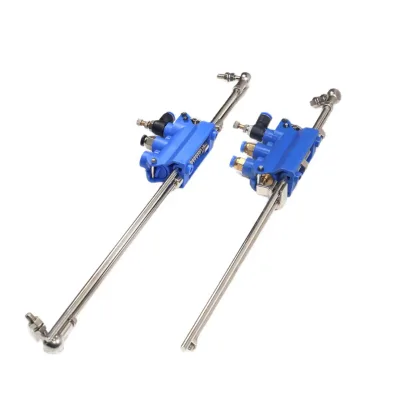
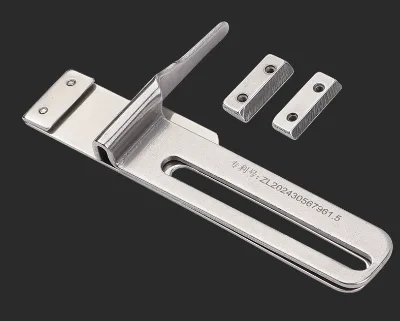
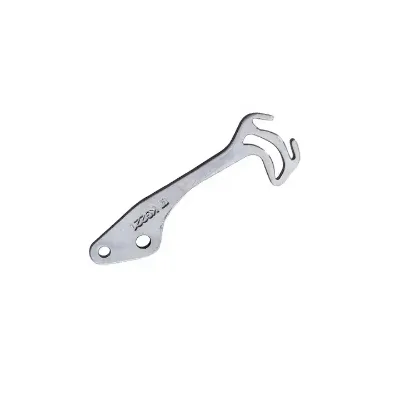
Comprehensive Sourcing Guide
Industrial Sewing Machine Identification Accessory Supplier Concentration and Factory Types
The current supplier landscape for industrial sewing machine identification accessories reveals a distinct geographic concentration in China, specifically within the Shandong and Zhejiang provinces. These regions serve as primary hubs for manufacturing components that range from precision CNC machined parts to specialized sewing machine accessories. Suppliers located in Shandong often operate as either trading companies or manufacturer/factories, offering a broad spectrum of capabilities that include CNC machining, brass and aluminum forging, die casting, and turn parts. This dual capability allows them to produce complex metal processing machinery parts with tight tolerances, such as those requiring a 0.01mm precision for steel alloy machining components. The presence of ISO 9000, TS 16949, ISO 14001, and ISO 9001 certifications among these entities indicates a structured approach to quality management and environmental standards, which is critical for buyers seeking reliable industrial components. The verification status provided by TÜV Rheinland further suggests that these suppliers have undergone rigorous third-party assessments, adding a layer of trust for international buyers evaluating their operational legitimacy and production capacity.
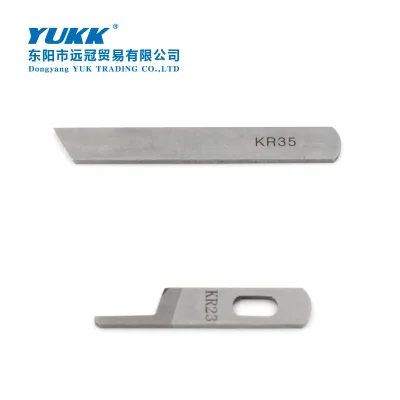
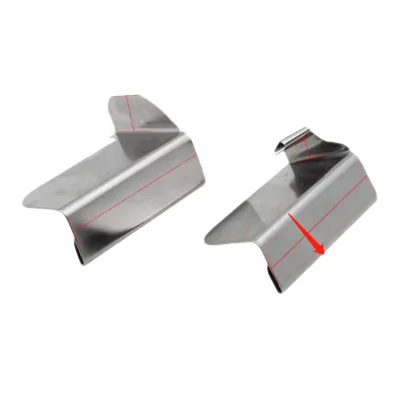
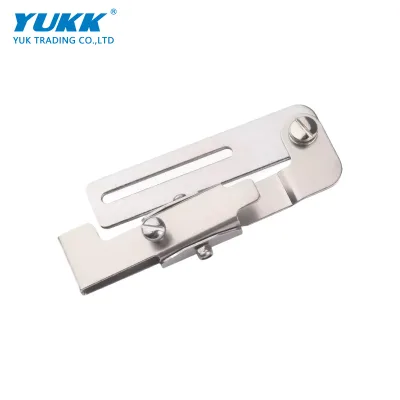
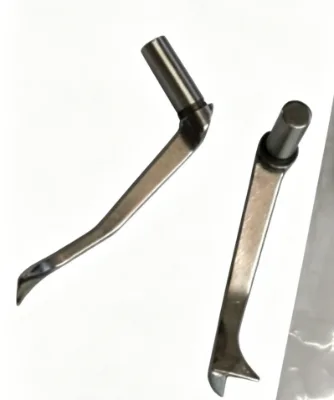
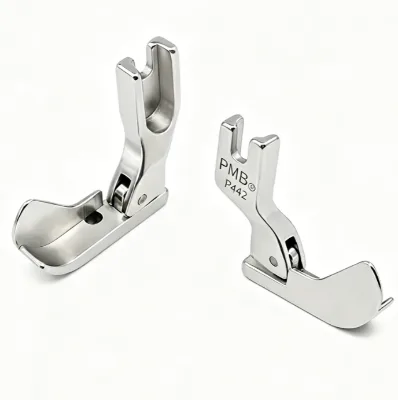
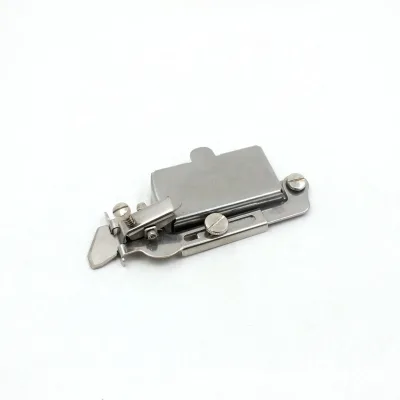
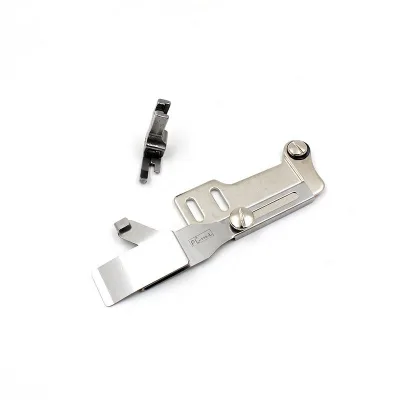
In contrast, suppliers based in Zhejiang tend to focus more heavily on trading company models, specializing in specific sewing machine accessories such as hooks, shuttles, embroidery machine parts, presser feet, and needle plates. These entities often list main products that include durable industrial aluminum alloy accessories, steel sewing machine blades, and zipper clip gauges. The product evidence indicates a strong emphasis on customization, with many suppliers offering OEM services and customized solutions for industrial applications. The materials used in these Zhejiang-based offerings vary from aluminum alloy and steel to iron, catering to different durability and weight requirements for industrial sewing equipment. While the Shandong suppliers provide a broader range of heavy machining capabilities, the Zhejiang suppliers offer specialized, ready-to-use accessories that are often lighter and designed for specific machine types. This regional specialization allows buyers to source either complex, custom-machined parts or standardized, high-volume accessories depending on their specific production needs and supply chain strategies.
How to Verify Industrial Sewing Machine Identification Accessory Suppliers
Verifying the legitimacy and capability of suppliers requires a multi-layered approach that goes beyond simple profile reviews. Buyers should prioritize suppliers who display third-party verification badges, such as those from TÜV Rheinland, as these indicate that an independent body has audited the company’s business license and operational status. It is essential to cross-reference the claimed certifications, such as ISO 9001 or ISO 14001, with the supplier’s official documentation to ensure they are current and applicable to the specific products being sourced. For suppliers claiming to be manufacturers, buyers should request detailed information about their production facilities, including machinery lists and quality control processes. The presence of OEM capabilities suggests that the supplier has the infrastructure to handle custom orders, but buyers must verify this by asking for case studies or references from previous clients who have utilized these customization services. This step is crucial for ensuring that the supplier can meet specific technical requirements, such as the 0.01mm tolerance for steel alloy parts or specific material compositions like aluminum alloy or steel.
Another critical aspect of verification is assessing the supplier’s responsiveness and communication efficiency. The response time metric, which can vary significantly between suppliers, serves as an indicator of their operational efficiency and customer service commitment. A faster response time, such as 3.87 hours compared to 5 hours, may suggest a more agile organization that can address queries and resolve issues promptly. Buyers should also examine the product attributes listed, such as warranty terms and after-sales service options. For instance, some suppliers offer a 6-month warranty with online support, while others may list warranties as unavailable or provide no after-warranty service. This variation highlights the importance of clarifying support expectations before placing an order. Additionally, buyers should verify the origin of the products, ensuring that the place of origin matches the supplier’s stated location, such as Qingdao or Zhejiang, to avoid discrepancies in shipping and compliance. By combining verification of credentials, assessment of communication speed, and review of service terms, buyers can build a more accurate picture of a supplier’s reliability and suitability for their sourcing needs.
What to Compare Across Industrial Sewing Machine Identification Accessory Suppliers
When evaluating multiple suppliers, buyers must compare key operational metrics to determine the best fit for their procurement strategy. Lead time is a critical factor, with some suppliers indicating a 30-day lead time while others may have different or unspecified timelines. Understanding these variations is essential for planning production schedules and managing inventory levels. Buyers should also compare the minimum order quantity (MOQ) requirements, which can impact the feasibility of small-scale trials or large-volume orders. For example, an MOQ of 100 units may be suitable for testing new components, but it might be too high for certain niche applications. Pricing is another vital comparison point, with costs ranging from as low as $0.54 to over $2.30 per unit depending on the product type, material, and customization level. Buyers should analyze these price points in conjunction with the product specifications, such as material composition and certification standards, to ensure they are getting value for money. It is important to note that prices may vary based on order volume and specific customization requirements, so obtaining detailed quotes for each potential supplier is necessary for accurate comparison.
Beyond price and lead time, buyers should compare the range of main products and customization options offered by each supplier. Suppliers in Shandong may offer a broader range of CNC machined and forged parts, while those in Zhejiang might specialize in specific sewing machine accessories like blades, hooks, and gauges. The availability of customization, indicated by attributes such as "Customized" or "Available," allows buyers to tailor products to their specific machine models and operational needs. Additionally, the standards and certifications listed for each product, such as BS, ANSI, JIS, GB, GOST, ASTM, and DIN, should be compared to ensure compliance with international or regional regulations. Buyers should also consider the condition of the products, with most listed as "New," and verify if any used or refurbished options are available if cost is a primary concern. By systematically comparing these dimensions, buyers can identify suppliers that not only meet their technical requirements but also align with their budgetary and logistical constraints, ensuring a more efficient and effective sourcing process.
Common Industrial Sewing Machine Identification Accessory Sourcing Risks
One of the primary risks in sourcing industrial sewing machine accessories is the potential mismatch between product specifications and actual delivery. Buyers must be vigilant about verifying material compositions, as products may be listed with attributes like "Aluminum Alloy," "Steel," or "Iron," but the actual quality and grade of these materials can vary significantly between suppliers. For instance, a supplier might claim a product is made of high-grade steel, but without proper certification or testing reports, the durability and performance may not meet industrial standards. The absence of machinery test reports for some products, as indicated in the product attributes, raises concerns about the reliability and safety of the components. Buyers should request detailed test reports or third-party verification for critical parts, especially those that undergo high stress or wear, such as sewing machine blades or hooks. Additionally, the condition of the products, while often listed as "New," should be confirmed to ensure that no defects or damages have occurred during storage or shipping, which could impact the performance of the sewing machines.
Another significant risk is the variability in after-sales service and warranty coverage. Some suppliers offer a 6-month warranty with online support, while others may list warranties as unavailable or provide no after-warranty service at all. This inconsistency can lead to difficulties in resolving issues such as product defects or performance failures after the purchase. Buyers should clearly understand the warranty terms and the process for claiming support before placing an order. Furthermore, the lead time discrepancies, with some suppliers indicating a 30-day lead time and others having different or unspecified timelines, can disrupt production schedules if not managed properly. Buyers should establish clear communication channels and confirm lead times in writing to mitigate the risk of delays. Additionally, the response time of the supplier, which can range from 3.87 hours to 5 hours or more, impacts the speed at which issues can be addressed. A slower response time may indicate a less agile organization that could struggle to handle urgent requests or problems, potentially leading to extended downtime for the buyer’s operations.
Industrial Sewing Machine Identification Accessory Regional Sourcing and Logistics
Sourcing from specific regions in China, such as Shandong and Zhejiang, offers distinct logistical advantages and challenges that buyers must consider. Suppliers in Shandong, often located in Qingdao, benefit from proximity to major ports, which can facilitate efficient export logistics for heavy or bulky items like CNC machined parts and forged components. The use of Europe Standard Packing for some products suggests an awareness of international shipping requirements, which can help protect goods during transit and reduce the risk of damage. Buyers should verify the packing methods and ensure that they meet the specific needs of their shipping routes and handling conditions. Additionally, the location of the supplier can impact shipping costs and lead times, with closer proximity to ports potentially reducing transit times and associated expenses. For buyers sourcing from Zhejiang, the concentration of trading companies and specialized accessory manufacturers may offer a wider variety of products, but buyers should also consider the logistical implications of sourcing from multiple locations within the same province.
Logistics planning should also account for the weight and dimensions of the products, as indicated in the product attributes. For example, some accessories weigh as little as 0.02 kg, while others may be heavier, impacting shipping costs and handling requirements. Buyers should calculate the total shipping volume and weight to optimize freight costs and ensure that the chosen logistics provider can handle the specific requirements of the shipment. The place of origin, whether it is Qingdao or Zhejiang, should be confirmed to ensure accurate customs documentation and compliance with import regulations in the buyer’s country. Additionally, buyers should consider the environmental and quality standards of the region, as suppliers in these areas may be subject to different regulatory frameworks that could impact production practices and product quality. By carefully planning logistics and considering the regional characteristics of the suppliers, buyers can minimize risks and ensure a smooth supply chain process for their industrial sewing machine identification accessories.
Industrial Sewing Machine Identification Accessory Commercial Terms and Order Planning
Effective order planning requires a thorough understanding of the commercial terms offered by suppliers, including pricing structures, payment terms, and order minimums. The price range for industrial sewing machine accessories can vary significantly, from $0.54 to $2.30 per unit, depending on the product type, material, and customization level. Buyers should obtain detailed quotes that break down the costs, including any additional fees for customization, packaging, or shipping. It is also important to clarify the payment terms, such as whether the supplier requires a deposit or offers escrow services to protect the buyer’s funds. The minimum order quantity (MOQ) of 100 units for some products may influence the buyer’s ordering strategy, particularly for small-scale trials or niche applications. Buyers should negotiate MOQs where possible or consider consolidating orders with other suppliers to meet the minimum requirements. Additionally, the lead time of 30 days for some suppliers should be factored into the production schedule to ensure timely delivery and avoid disruptions.
Beyond pricing and MOQs, buyers should consider the customization options and standards compliance when planning orders. Suppliers that offer customization, indicated by attributes such as "Customized" or "Available," can provide tailored solutions that meet specific technical requirements, such as the 0.01mm tolerance for steel alloy parts. Buyers should provide detailed specifications and drawings to ensure that the customized products meet their needs. The standards and certifications listed, such as
FAQs
Where are industrial sewing machine parts manufactured?
These parts are manufactured in China, specifically in Shandong and Zhejiang provinces. Suppliers in these regions offer a wide range of precision components including CNC machined parts and forged accessories for various industrial sewing applications.
What certifications do these suppliers hold?
Suppliers often hold ISO 9001, ISO 14001, and TS 16949 certifications. Some products also carry ISOGS, RoHS, and CE marks. Verification by TUVRHEINLAND is available for certain manufacturers to ensure quality standards are met.
What is the typical lead time for orders?
The standard lead time for these industrial sewing machine parts is 30 days. Some specific accessories may have different timelines, but the general manufacturing window for custom and standard parts is around one month.
What is the minimum order quantity required?
The minimum order quantity is typically 100 pieces for many industrial sewing machine accessories. Buyers should verify specific MOQs for custom items, as standard parts like blades and needles often follow this baseline requirement.
How quickly do suppliers respond to inquiries?
Response times vary, with some suppliers replying within 3.87 hours and others taking up to 5 hours. Fast response is common for trading companies and manufacturers located in major Chinese industrial hubs like Qingdao.
Are custom manufacturing options available?
Yes, customization is available for many industrial sewing machine parts. Suppliers offer OEM services with tolerances as tight as 0.01mm for steel alloy machining parts, allowing for specific design requirements and tailored production runs.
What materials are used for these accessories?
Common materials include aluminum alloy, steel, and iron. Specific products like zipper clip gauges use steel, while overstitch machines may utilize aluminum alloy. All materials are selected for durability in industrial settings.