Infrared Remote Control Thyristor Dimmer Suppliers and Manufacturers
Explore 20 verified suppliers offering Infrared Remote Control Thyristor Dimmer units with varying response times, lead times, and certifications. Compare dimensions, voltage ratings, and protection grades to select the right partner for your project needs today; review the available evidence before requesting comparable quotations from suitable candidates.
Updated
Suppliers List

Hangzhou Udwells Technology Co., Ltd.
- Verified by TUVRHEINLAND
- Combined
- China Zhejiang
- Lead time15 days
- Avg. response≤ 7h
Main productsHigh Frequency Transformer, Low Frequency Transformer, LED Driver, LED Power Supply, Flyback Transformer, Transformer Bobbin, Inductor
Main marketsEurope

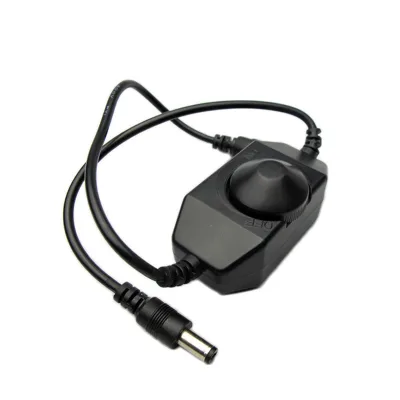
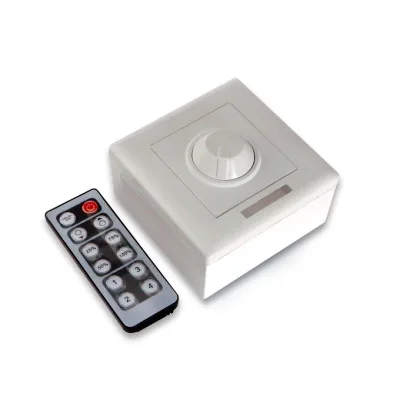
Dimmer Switch Dimming Range 0-100% Rotary Mechanical Button Switch LED Dimmer
$4.00 - $4.50
MOQ: 100 Pieces

LED Light Strip Dimming Controller Dimmer Brightness Adjustable Controller Manual Knob Switch Dimmer
$4.00 - $4.50
MOQ: 100 Pieces

$4.00 - $4.50
MOQ: 100 Pieces

Guangzhou EBY Optoelectronic Technology Co., Ltd.
- Trading Company
- Guangdong, China
- Lead time10 days
- Avg. response≤ 10h
Main productsElectrical Wire,LED Connector,LED Connect Wire,LED Splitter Box,Power Supply
Main marketsWestern Europe(40.00%), North America(30.00%), Domestic Market(15.00%), Oceania(5.00%), Southeast Asia(5.00%), Mid East(5.00%)
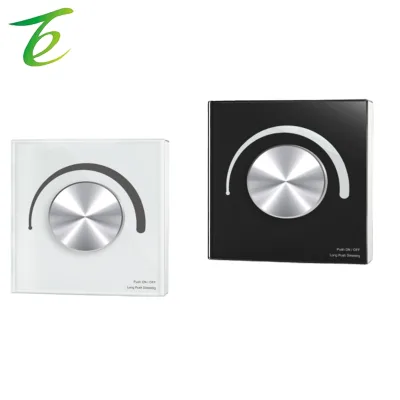
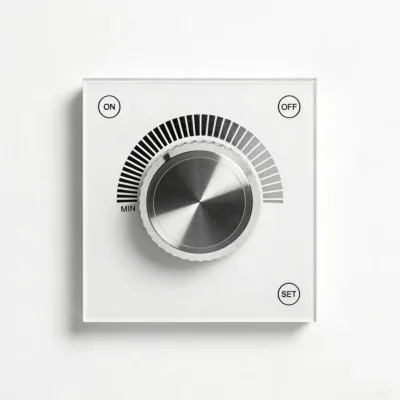
SAA/CE certified 100-1000W 86-type infrared remote control tempered knob touch thyristor dimmer
$1.00 - $5.00
MOQ: 500 Minimum
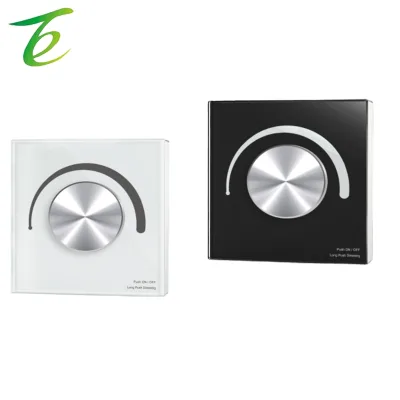
SAA/CE certified 100-1000W 86-type infrared remote control tempered knob touch thyristor dimmer
$1.00 - $10.00
MOQ: 99999 Minimum
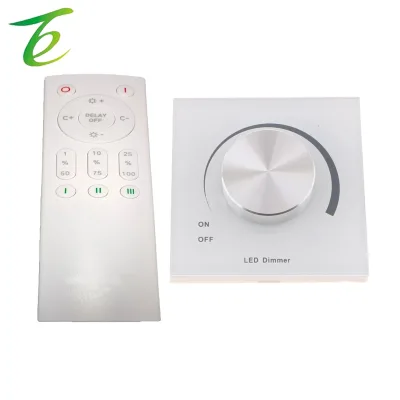
$1.00 - $5.00
MOQ: 500 Minimum
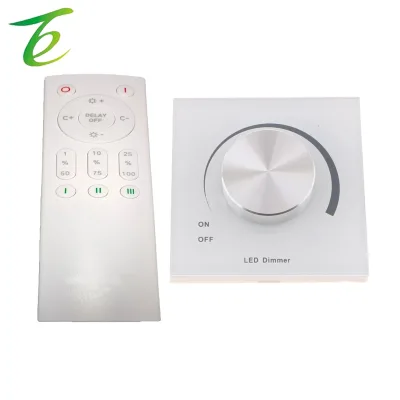
$1.00 - $10.00
MOQ: 99999 Minimum
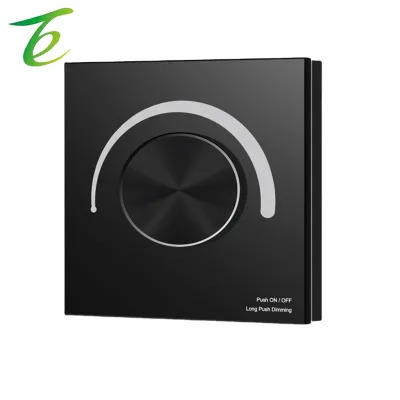
LED thyristor dimmer with WIFI RF ZIGBEE DALI DMX512 PUSH phase-switching function
$1.00 - $5.00
MOQ: 500 Minimum
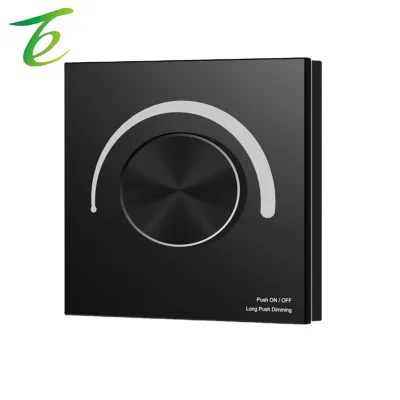
LED thyristor dimmer with WIFI RF ZIGBEE DALI DMX512 PUSH phase-switching function
$1.00 - $10.00
MOQ: 99999 Minimum
Shenzhen Anfuxin Technology Co., Ltd
- Trading Company
- guang'dong, China
- Lead time3 days
- Avg. response≤ 2h
Main productsChips,Modules,Transistors,Capacitors,Resistors
Main marketsNorth America(20.00%), Eastern Europe(20.00%), Southern Europe(10.00%), Northern Europe(10.00%), South America(5.00%), Central America(5.00%), Western Europe(5.00%), Eastern Asia(5.00%), Oceania(5.00%), Southeast Asia(5.00%), Domestic Market(4.00%), South Asia(3.00%), Mid East(2.00%), Africa(1.00%)

Shenzhen Led Home Opto-Electronics Co., Ltd.
- Verified by TUVRHEINLAND
- Combined
- China Guangdong
- Lead time30 days
- Avg. response≤ 5h
Main productsLED Profile, LED Flexible Strip, LED Downlight, LED Linear Light, LED Neon Flex Strip, LED Rigid Strip, Slim Silicon LED Neon Flex, Silicon Extrusion Integrated LED Strip
Main marketsSoutheast Asia/ Mideast,Domestic,Europe,North America

Shen Zhen WIN-KARE Technology Co.,Ltd
- Verified by BV
- Trading Company,Manufacturer/Factory
- China Guangdong
- Lead time45 days
- Avg. response≤ 4h
Main productsDimmer Switch, Lighting Controller, Switch, Power Socket, AC Socket, LED Switch, Power Cord, Connector, Terminal, Rocker Switch
Main marketsSouth America,Eastern Europe,Southeast Asia,Oceania,Western Europe


220-240VAC Traic LED Dimmer 150W Rotary LED Dimmer Controller for LED Lighting
$5.00 - $6.00
MOQ: 2 Pieces


Shenzhen XMS Technology Co., Ltd.
- Manufacturer, Trading Company, Buying Office
- guangdong, China
- Lead time7 days
- Avg. response≤ 2h
Main productsIC,Modules,Relay,Switch,LED
Main marketsDomestic Market(5.00%), South Asia(5.00%), Southern Europe(5.00%), Northern Europe(5.00%), Central America(5.00%), Western Europe(5.00%), Eastern Asia(5.00%), Mid East(5.00%), Oceania(5.00%), Africa(5.00%), Southeast Asia(5.00%), Eastern Europe(5.00%), South America(5.00%), North America(5.00%)
Shenzhen Enjoy Optoelectronics Co., Ltd.
- Manufacturer, Other
- Guangdong, China
- Lead time20 days
- Avg. response≤ 3h
Main productsled strip,camping light,solar light,holiday light,led fitting
Main marketsWestern Europe(50.00%), North America(40.00%), Eastern Europe(5.00%), Oceania(5.00%)
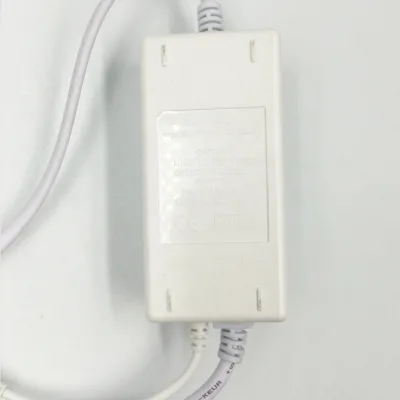
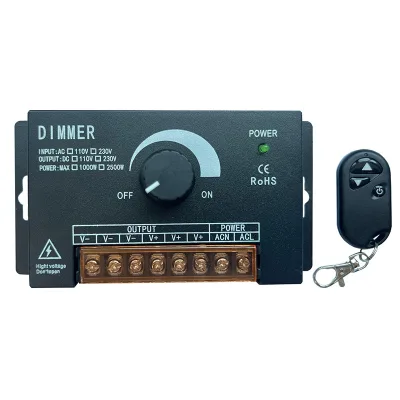
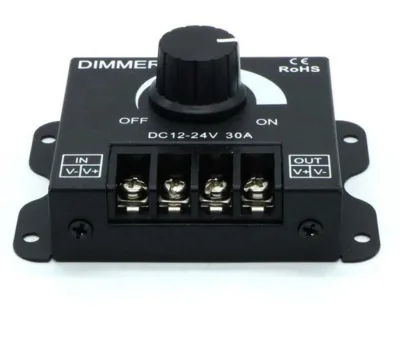
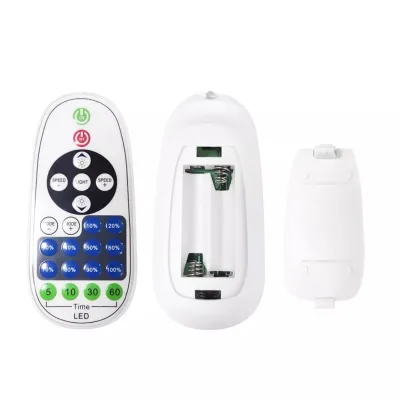
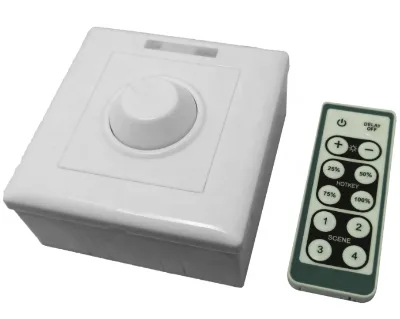
High Voltage IR Remote Control LED Dimmer Switch 110v 220v LED Light Dimmer for LED Strip
$4.4162 - $4.9293
MOQ: 50 pieces

SHENZHEN CHICOYO TECHNOLOGY CO., LTD.
- Manufacturer, Distributor/Wholesaler
- Guangdong, China
- Lead time7 days
- Avg. response≤ 5h
Main productsSmart LED Lights,LED Strip Lights,Smart LED Controllers,Car accessories
Main marketsNorth America(25.00%), Western Europe(20.00%), South America(8.00%), Southeast Asia(8.00%), Mid East(8.00%), Domestic Market(7.00%), Oceania(5.00%), Northern Europe(5.00%), Central America(5.00%), Southern Europe(3.00%), Eastern Europe(3.00%), Africa(1.00%), South Asia(1.00%), Eastern Asia(1.00%)
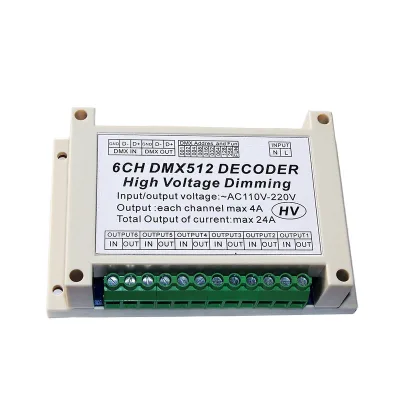
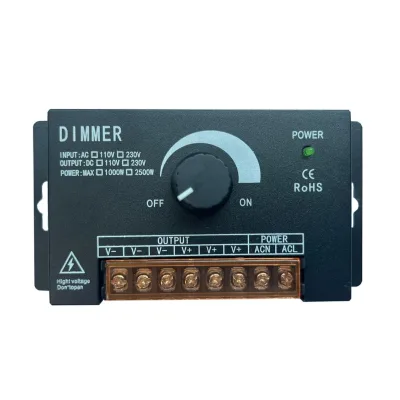
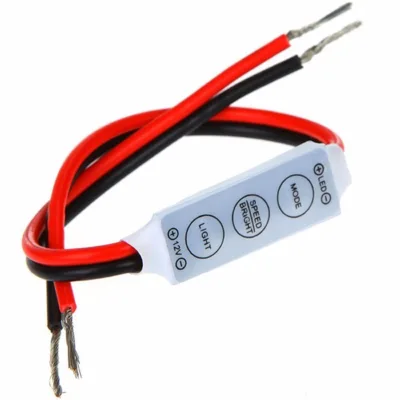
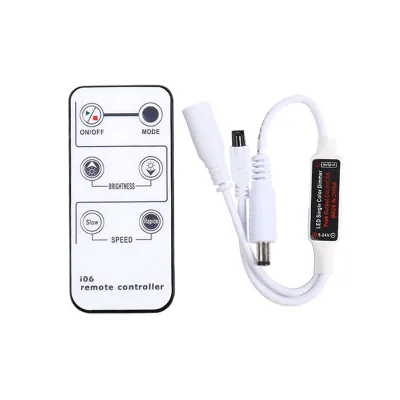
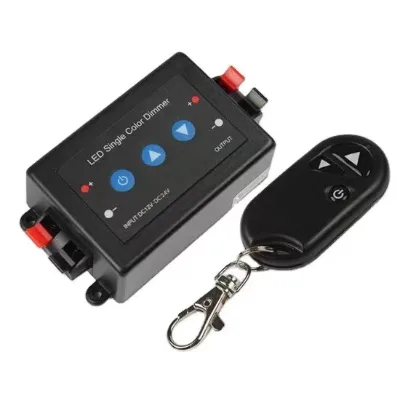
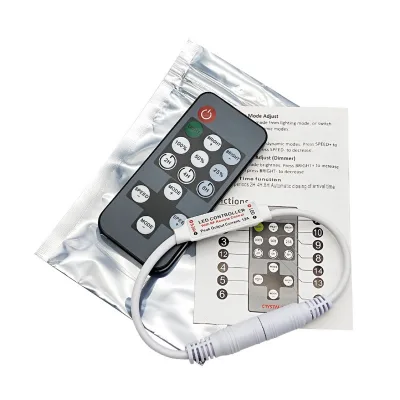
DC5-24V Mini Three Button LED Dimmer with Micro Control Unit for Single Color Led Lights
$0.7166 - $0.8692
MOQ: 1 pieces

Shanghai Craftmeter Control Technology Co., Ltd.
- Verified by TUVRHEINLAND
- Combined
- China Shanghai
- Lead time15 days
- Avg. response≤ 6h
Main productsRemote Control, Industrial Remote Control, Wireless Remote Control, Truck Remote Control, Crane Remote Controller, Crane Radio Remote Control, Joystick Remote Controller, Crane Hoist Remote Control
Main marketsDomestic


$1150.10 - $1230.30
MOQ: 1 Sets
Zhongshan Aomei Wire And Cable Co., Ltd.
- Manufacturer
- Guangdong, China
- Lead time10 days
- Avg. response≤ 2h
Main productsM10 M12 electrical plug waterproof cable connector,solar wire connectors,Wardrobe light line,Indoor wardrobe power supply,Outdoor project power supply
Main marketsWestern Europe(30.00%), Southeast Asia(20.00%), Eastern Europe(20.00%), North America(20.00%), Domestic Market(20.00%), Central America(10.00%), Northern Europe(10.00%), Africa(5.00%), South America(5.00%)

- Combined
- China Guangdong
- Lead time23 days
- Avg. response≤ 4h
Main productsLED Strip Light, LED Light Bar, LED Neon Lighting, Light Box, Neon Sign, Power Supply, LED Cabinet Light, LED Power Track, LED Track Light, LED Shelf Light
Main marketsEast Asia(Japan/ South Korea),Domestic,Europe,Australia,North America

$8.73 - $10.95
MOQ: 10 Pieces

Shenzhen Jiaxinjie Technology Co., Ltd.
- Trading Company, Agent, Distributor/Wholesaler
- Guang Dong, China
- Lead time3 days
- Avg. response≤ 5h
Main productsElectronic products,Electronic module,IC Chip,Capacitance & Resistance,Medical equipment
Main marketsDomestic Market(10.00%), South Asia(10.00%), Southern Europe(10.00%), Eastern Europe(10.00%), South America(10.00%), North America(10.00%), Oceania(5.00%), Africa(5.00%), Southeast Asia(5.00%), Northern Europe(5.00%), Central America(5.00%), Western Europe(5.00%), Eastern Asia(5.00%), Mid East(5.00%)
Green Lantern Optoelectronic Light Factory
- Trading Company
- Lead time旺季: "1 - 1000":15,"> 1000":"To be negotiated", 淡季: "1 - 1000":15,"> 1000":"To be negotiated"
- Avg. response≤ 7h
Main productsLED strip light,LED Neon Flex,LED Controller,holiday light,led grow light
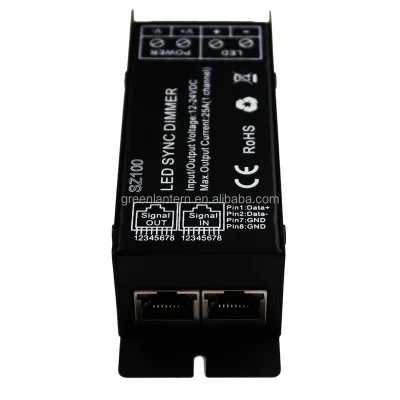
$8.2998 - $14.6533
MOQ: 20 Minimum
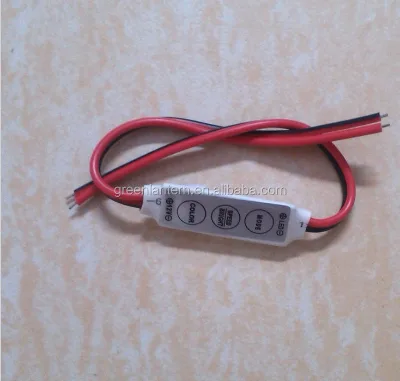
Hunan Grace Technology Co., Ltd.
- Manufacturer, Trading Company
- Hunan, China
- Lead time3 days
- Avg. response≤ 1h
Main productsLED Strip Light,LED Controller,Power supply,LED Accessories,LED Lighting
Main marketsNorth America(60.00%), Western Europe(30.00%), South America(5.00%), Eastern Europe(3.00%), Domestic Market(1.00%), Southeast Asia(1.00%)

Wenzhou Huafeng Electric Co., Ltd.
- Verified by SGS
- Combined
- China Zhejiang
- Lead time30 days
- Avg. response≤ 6h
Main productsWall Switch, Socket, Plug, Circuit Breakers, Lighting Equipment, Wall Socket, Swith Socket, LED Bulb, Switches, Cable Tie
Main marketsSouth America,Africa,Others(foreignTradeCapacity.exportBusinessCapacityMarketOther),Europe,North America


200W Trailing Edge LED Light Dimmer Switch Light Controller Rotary Dimmer Switch
$8.503 - $8.746
MOQ: 1000 Pieces

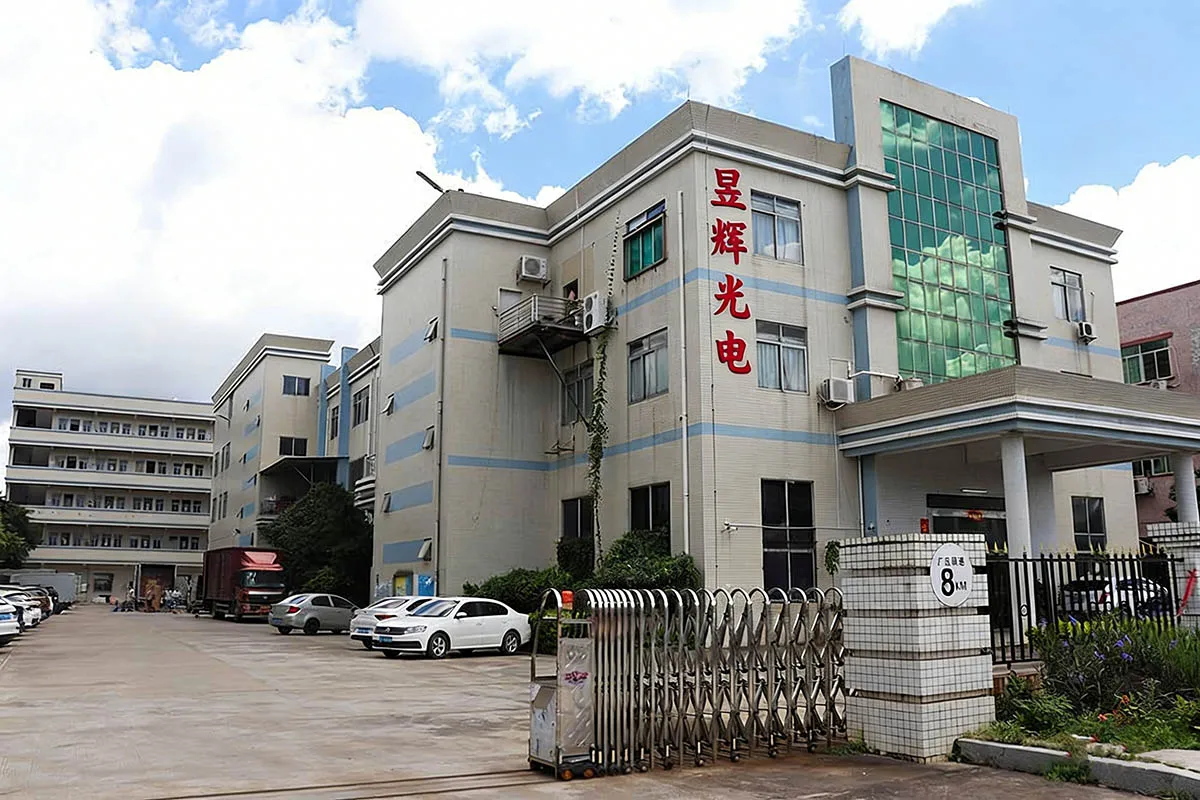
Wuyishan Yhint Photoelectric Technology Co., Ltd.
- Manufacturer, Trading Company
- Fujian, China
- Lead time30 days
- Avg. response≤ 6h
Main productsHoliday Lighting,Landscape Lighting,Solar lighting,Outdoor Lighting,ighting Accessories
Main marketsDomestic Market(15.00%), South America(15.00%), North America(15.00%), Southern Europe(10.00%), Western Europe(10.00%), Northern Europe(8.00%), Central America(8.00%), Eastern Europe(7.00%), Southeast Asia(3.00%), South Asia(2.00%), Eastern Asia(2.00%), Mid East(2.00%), Oceania(2.00%), Africa(1.00%)

Wenzhou Gaoxinte Electric Co., Ltd.
- Trading Company,Manufacturer/Factory
- China Zhejiang
- Lead time38 days
- Avg. response≤ 15h
Main productsSwitch, Socket, Plug, Outlet, Lampholder, Switch Socket, Switched Socket with USB Outlet, Socket with Switch, GFCI, Type C
Main marketsSouth America,North America,Eastern Asia
Shenzhen Leynew Technology Co., Ltd.
- Manufacturer, Trading Company
- Guangdong, China
- Lead time0 days
- Avg. response≤ 11h
Main productsLED Controller,DMX controller,RGB amplifier,led dimmer,DALI controller
Main marketsDomestic Market(40.00%), North America(15.00%), Western Europe(15.00%), Eastern Europe(10.00%), Northern Europe(5.00%), South America(5.00%), Southern Europe(5.00%), Mid East(3.00%), Southeast Asia(2.00%)
Shenzhen Lanbaoli Electronics Co., Ltd.
- Manufacturer
- Guangdong, China
- Lead time0 days
- Avg. response≤ 2h
Main productssensor switch,LED driver,2.4G wireless switch,2.4G remote controller,RF wireless remote
Main marketsWestern Europe(40.00%), North America(20.00%), Eastern Europe(10.00%)

GUANGZHOU MS LIGHTING CO., LIMITED
- Combined
- China Guangdong
- Lead time15 days
- Avg. response≤ 5h
Main productsLED Light, Moving Head Light, Stage Light, Professional Light, Scan Light, Smoke Machine, Follow Spot, Laser Light, LED Stage Light, Disco Light
Main marketsSouth America,Southeast Asia/ Mideast,Europe
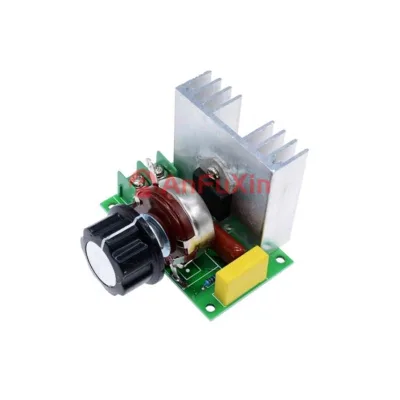
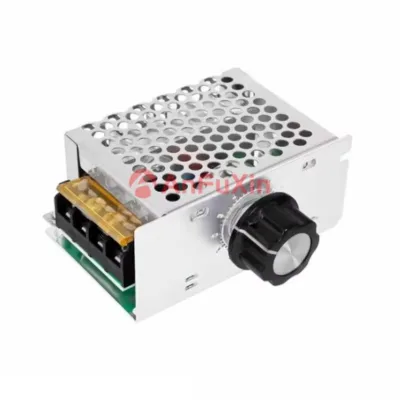


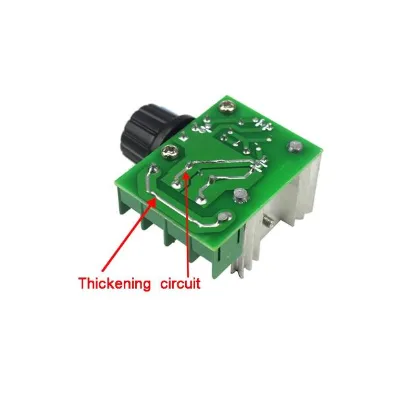
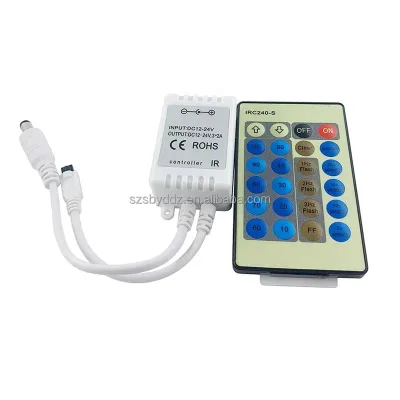
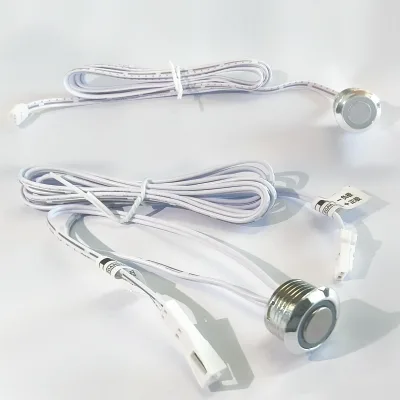
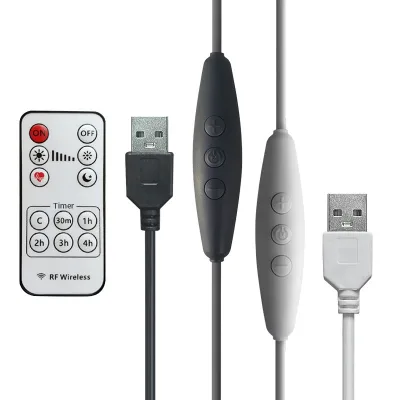
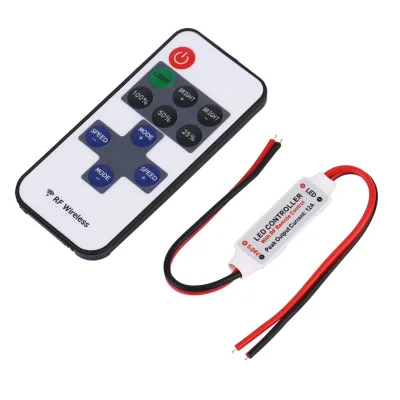


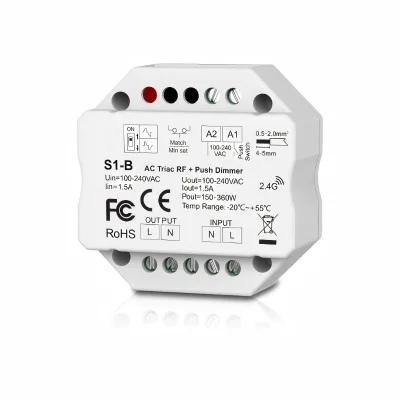
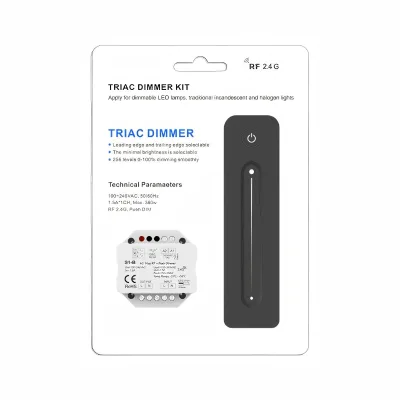


Comprehensive Sourcing Guide
Infrared Remote Control Thyristor Dimmer Supplier Concentration and Factory Types
The current supplier landscape for infrared remote control thyristor dimmers reveals a distinct geographic and structural diversity that buyers must navigate carefully. Factories and trading companies are located in key manufacturing hubs, specifically Zhejiang and Guangdong provinces in China. These regions are known for their robust electronics supply chains, yet the specific concentration of dimmer manufacturers varies by province. Zhejiang-based entities often present as combined companies with capabilities in both Original Design Manufacturing and Original Equipment Manufacturing, suggesting a flexibility in production models that can accommodate custom branding or technical specifications. In contrast, suppliers in Guangdong may operate as trading companies or specialized component distributors, focusing on a broader range of electronic parts such as chips, modules, and capacitors alongside lighting controls. This structural difference implies that a buyer seeking a dedicated dimmer factory might find more integrated production lines in Zhejiang, while those looking for rapid access to diverse electronic components might find Guangdong-based traders more suitable for consolidated shipping.
Understanding the company type is crucial for determining the level of direct engagement and technical support available. Combined companies typically offer a middle ground, providing the manufacturing oversight of a factory with the commercial flexibility of a trader. This can be advantageous for buyers who need both product customization and logistical ease. However, pure trading companies may not have direct control over the manufacturing process, which can impact quality consistency and lead time reliability. The presence of verified suppliers, such as those certified by TÜV Rheinland, adds a layer of assurance regarding business legitimacy and operational standards. Buyers should prioritize suppliers with clear verification badges and transparent company types to mitigate the risk of dealing with intermediaries who may obscure the true source of the product. The diversity in supplier types means that the sourcing strategy must align with the specific needs of the project, whether that requires deep technical collaboration or simple volume procurement.
How to Verify Infrared Remote Control Thyristor Dimmer Suppliers
Verification is the first critical step in ensuring that the suppliers you engage with are legitimate and capable of delivering high-quality infrared remote control thyristor dimmers. One of the most reliable indicators of supplier credibility is third-party verification, such as the TÜV Rheinland certification observed in some results. This verification process typically involves a thorough audit of the supplier’s business license, production facilities, and quality management systems. Buyers should look for suppliers who display these verification badges prominently, as they indicate that an independent body has confirmed the supplier’s operational status. Additionally, response time is a useful metric for gauging supplier professionalism and responsiveness. A supplier with a quick response time, such as under seven hours, is likely to have a dedicated sales team that can address technical queries and order details promptly. This responsiveness is particularly important for complex products like thyristor dimmers, which may require specific technical clarifications regarding signal modes, voltage ratings, and compatibility with existing lighting systems.
Beyond verification badges and response times, buyers should scrutinize the product details provided by the supplier to assess their technical competence. Detailed product attributes, such as adjustment ranges, signal modes (like IR or SCR), and protection grades (such as IP42), indicate a supplier’s familiarity with the product specifications. Suppliers who provide comprehensive data sheets and clear technical parameters are more likely to be reliable partners. Buyers should also check for certifications relevant to the target market, such as SAA or CE marks, which are mentioned in some product listings. These certifications are essential for ensuring that the dimmers meet safety and regulatory standards in the buyer’s country. It is important to note that not all suppliers may display these certifications upfront, so buyers should actively request proof of compliance. By combining verification badges, response speed analysis, and technical detail scrutiny, buyers can build a robust profile of potential suppliers and avoid those who lack transparency or technical depth.
What to Compare Across Infrared Remote Control Thyristor Dimmer Suppliers
When evaluating multiple suppliers for infrared remote control thyristor dimmers, buyers must compare several key dimensions to identify the best fit for their specific requirements. Lead time is a critical factor, as it directly impacts inventory management and project timelines. Suppliers may offer lead times ranging from three to fifteen days, depending on their production capacity and current order backlog. A shorter lead time, such as three days, suggests a supplier with high operational efficiency or ready stock, which is beneficial for urgent orders. Conversely, a longer lead time may indicate a more customized production process or lower capacity. Buyers should also compare the Minimum Order Quantity (MOQ) requirements, which can vary significantly from 100 units to much higher thresholds. Lower MOQs are advantageous for testing the market or fulfilling small-scale projects, while higher MOQs may offer better unit pricing for large-volume purchases. Understanding these variations helps buyers align their order sizes with supplier capabilities.
Price and customization options are another vital area of comparison. Unit prices for dimmers can range from as low as one dollar to over ten dollars, depending on features, certifications, and order volume. Buyers should request detailed quotes that break down costs for different quantities to identify the best value proposition. Additionally, the availability of customization services, such as OEM or ODM, is a key differentiator. Suppliers offering these services can tailor the dimmers to specific branding or technical needs, which is essential for buyers looking to differentiate their products in the market. Response time and main product focus also provide insights into supplier specialization. Suppliers focusing primarily on dimmers and related lighting accessories may offer more specialized support than those with a broader range of electronic components. By systematically comparing lead times, MOQs, prices, and customization capabilities, buyers can make informed decisions that balance cost, speed, and quality.
Common Infrared Remote Control Thyristor Dimmer Sourcing Risks
Sourcing infrared remote control thyristor dimmers from international suppliers involves several inherent risks that buyers must proactively manage. One significant risk is the discrepancy between advertised specifications and actual product performance. For instance, while some suppliers claim a dimming range of 0-100%, the actual performance may vary depending on the type of LED load connected. Buyers must ensure that the dimmers are compatible with their specific lighting fixtures, as mismatched specifications can lead to flickering, buzzing, or failure to dim. Another risk is the variability in quality control standards among suppliers. Even with third-party verification, the consistency of production batches can fluctuate, leading to defects in the final products. Buyers should request samples before placing large orders to verify the quality and functionality of the dimmers. This step is crucial for identifying any potential issues early in the sourcing process and avoiding costly recalls or customer complaints.
Communication barriers and logistical challenges also pose risks in international sourcing. Misunderstandings regarding technical requirements or shipping instructions can lead to delays or incorrect shipments. Buyers should maintain clear and documented communication with suppliers, confirming all details in writing. Additionally, the risk of supply chain disruptions, such as raw material shortages or production delays, can impact lead times. Buyers should monitor supplier lead times closely and have contingency plans in place. Another risk is the lack of after-sales support. If a batch of dimmers fails, the supplier’s willingness to provide replacements or refunds is critical. Buyers should clarify warranty terms and return policies before finalizing agreements. By identifying and mitigating these risks through careful due diligence, sample testing, and clear contractual terms, buyers can protect their interests and ensure a smoother sourcing experience.
Infrared Remote Control Thyristor Dimmer Regional Sourcing and Logistics
The geographic location of suppliers plays a significant role in the logistics and cost structure of sourcing infrared remote control thyristor dimmers. Suppliers located in Zhejiang and Guangdong provinces in China benefit from established export infrastructure and proximity to major shipping ports. Zhejiang, in particular, is known for its manufacturing clusters, which can offer economies of scale and efficient production processes. Guangdong, with its extensive electronics industry, provides access to a wide range of components and specialized suppliers. Buyers should consider the logistical advantages of these regions, such as faster transit times and lower shipping costs, when selecting suppliers. However, it is important to verify the specific location of each supplier, as some may operate from different cities within these provinces, which can affect local logistics and customs clearance procedures.
Logistics planning should also account for the packaging and handling requirements of the dimmers. Products are typically packed in standard exporting cartons, which must be designed to protect the electronic components during transit. Buyers should ensure that the packaging meets international shipping standards to prevent damage. Additionally, the weight and dimensions of the products, as indicated in some supplier listings, will impact shipping costs. For example, a single package size of 9x9x5 cm and a gross weight of 0.200 kg are typical for individual dimmers, but bulk shipments will require palletizing and container loading strategies. Buyers should work with suppliers to optimize packaging for efficiency and cost-effectiveness. Furthermore, understanding the export regulations and documentation requirements for the destination country is essential to avoid customs delays. By leveraging the logistical strengths of regional manufacturing hubs and planning carefully for shipping and handling, buyers can streamline their supply chain and reduce overall costs.
Infrared Remote Control Thyristor Dimmer Commercial Terms and Order Planning
Effective order planning and clear commercial terms are essential for successful procurement of infrared remote control thyristor dimmers. Buyers should establish a clear understanding of payment terms, such as the use of escrow services or letters of credit, to ensure financial security. Escrow services can provide a layer of protection by holding funds until the goods are received and verified. Additionally, buyers should negotiate favorable payment terms based on their order volume and relationship with the supplier. For example, larger orders may qualify for more flexible payment schedules or discounts. It is also important to define the delivery terms, such as Incoterms, to clarify responsibilities for shipping, insurance, and customs clearance. Clear commercial terms help prevent disputes and ensure that both parties are aligned on the transaction details.
Order planning should also consider the scalability of the supply chain. Buyers should assess the supplier’s capacity to handle increased order volumes, especially if they plan to scale up their operations. Suppliers with ODM and OEM capabilities may offer more flexibility in adjusting production schedules to meet changing demand. Buyers should communicate their forecasted order volumes to suppliers to ensure that production capacity is available. Additionally, buyers should plan for potential lead time variations by maintaining a buffer stock or having alternative suppliers identified. Regular communication with suppliers regarding order status and production updates is crucial for maintaining visibility and managing expectations. By establishing robust commercial terms and proactive order planning strategies, buyers can mitigate risks and ensure a reliable supply of infrared remote control thyristor dimmers for their business needs.
FAQs
What is the typical lead time for infrared dimmers?
Manufacturers in China generally require 10 to 15 days for production and shipping. This timeframe ensures quality control and proper packaging for export. Buyers should confirm specific schedules with suppliers before placing orders to avoid delays in project timelines.
What is the minimum order quantity for these dimmers?
Minimum order quantities vary significantly by supplier, ranging from 100 to 99,999 units. Some manufacturers offer lower MOQs for standard models, while others require larger volumes. Buyers must check individual product listings to determine the exact requirement for their needs.
Are these dimmers certified for international markets?
Many suppliers offer products with SAA and CE certifications, ensuring compliance with international safety standards. Verification services like TÜV Rheinland are also available for certain manufacturers. Buyers should request specific certification documents to confirm regulatory compliance for their target regions.
What is the price range for infrared dimmers?
Prices typically range from $1.00 to $10.00 per unit, depending on features and volume. Basic models may start around $4.00, while advanced controllers can cost more. Bulk orders often secure better pricing, so buyers should request quotes based on their specific quantity requirements.
What is the response time for supplier inquiries?
Supplier response times vary, with some companies replying within 2 hours and others taking up to 10 hours. Faster response times indicate active sales teams ready to assist with technical questions. Buyers should prioritize suppliers with quick response rates for efficient communication.
Can these dimmers be customized for specific projects?
Many manufacturers offer OEM and ODM customization services to meet specific project requirements. Buyers can request custom branding, packaging, or technical specifications. It is essential to discuss customization options and potential additional costs directly with the supplier before finalizing the order.