Integrated Cylinder Hydraulic Steer Axle Suppliers and Manufacturers
Explore 18 verified sources for Integrated Cylinder Hydraulic Steer Axle options from Shandong, China. Compare response times, lead times, payload capacities, and ISO certifications to select the right partner. Contact suppliers directly to request samples or custom quotes; review the available evidence before requesting comparable quotations from suitable candidates.
Updated
Suppliers List
Shandong Longheng International Trade Co., Ltd.
- Verified by Intertek
- Manufacturer, Trading Company
- Lead time7 days
- Avg. response≤ 5h
Main productsTrailer Axle, Trailer Mechanical Suspension, Trailer Parts Air Suspension, Trailer Parts Bogie Suspension, Semi Trailer Spare Parts
Main marketsSoutheast Asia(13%), Eastern Europe(12%), Africa(10%)
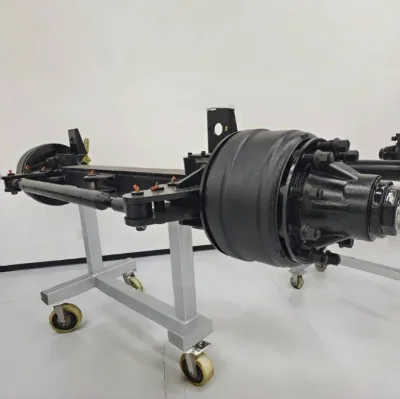
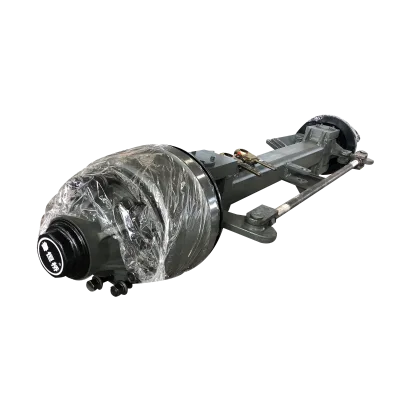
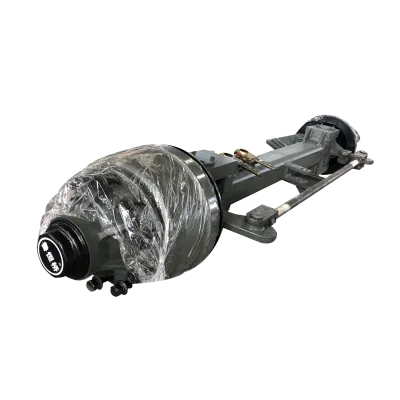
Hydraulic Steering Axle Large-Angle Turning Heavy Drive Axle for Special Vehicles
$483.381 - $498.9736
MOQ: 10 pieces
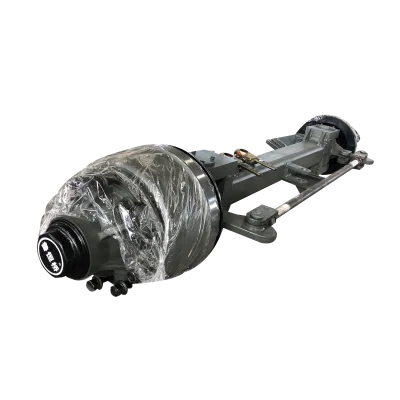
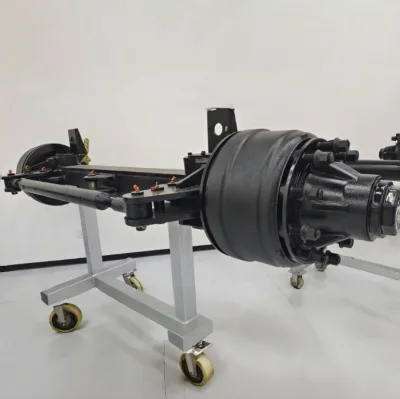
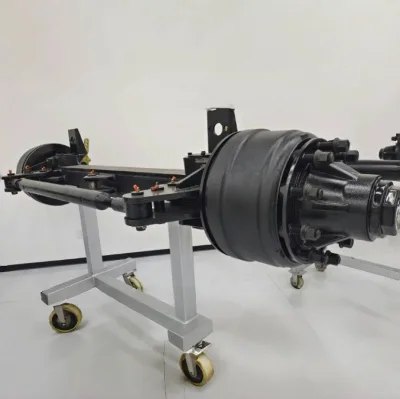
10-15T Hydraulic Steering Trailer Axle Automatic Follow Me System with Cylinder for Lowbed
$488.1209 - $503.8664
MOQ: 10 pieces

Qingdao Phillaya International Trading CO.,LTD
- Verified by SGS
- Trading Company
- China Shandong
- Lead time15 days
- Avg. response≤ 11h
Main productsTrailer Accessory, Trailer Axle, Trailer Part, Trailer SKD/SKD, Truck Parts, Trailer Suspension, Trailer Landing Gear, Trailer Body, Trailer Spare Parts
Main marketsAfrica


Custtomer Designed Heavy Duty Steering Lowbed Lowbed Trailer Axles Trailer Part
$500.00 - $1500.00
MOQ: 1 Pieces

Xuchang Hengna Trading Co., LTD
- Verified by CTI
- Trading Company
- China Henan
- Lead time23 days
- Avg. response≤ 1h
Main productsTricycle Part, Drive Rear Axle, Electric Vehicle Modification Kit, Brushless Motor Controller
Main marketsSouth America,Southeast Asia/ Mideast,Domestic,Europe,North America
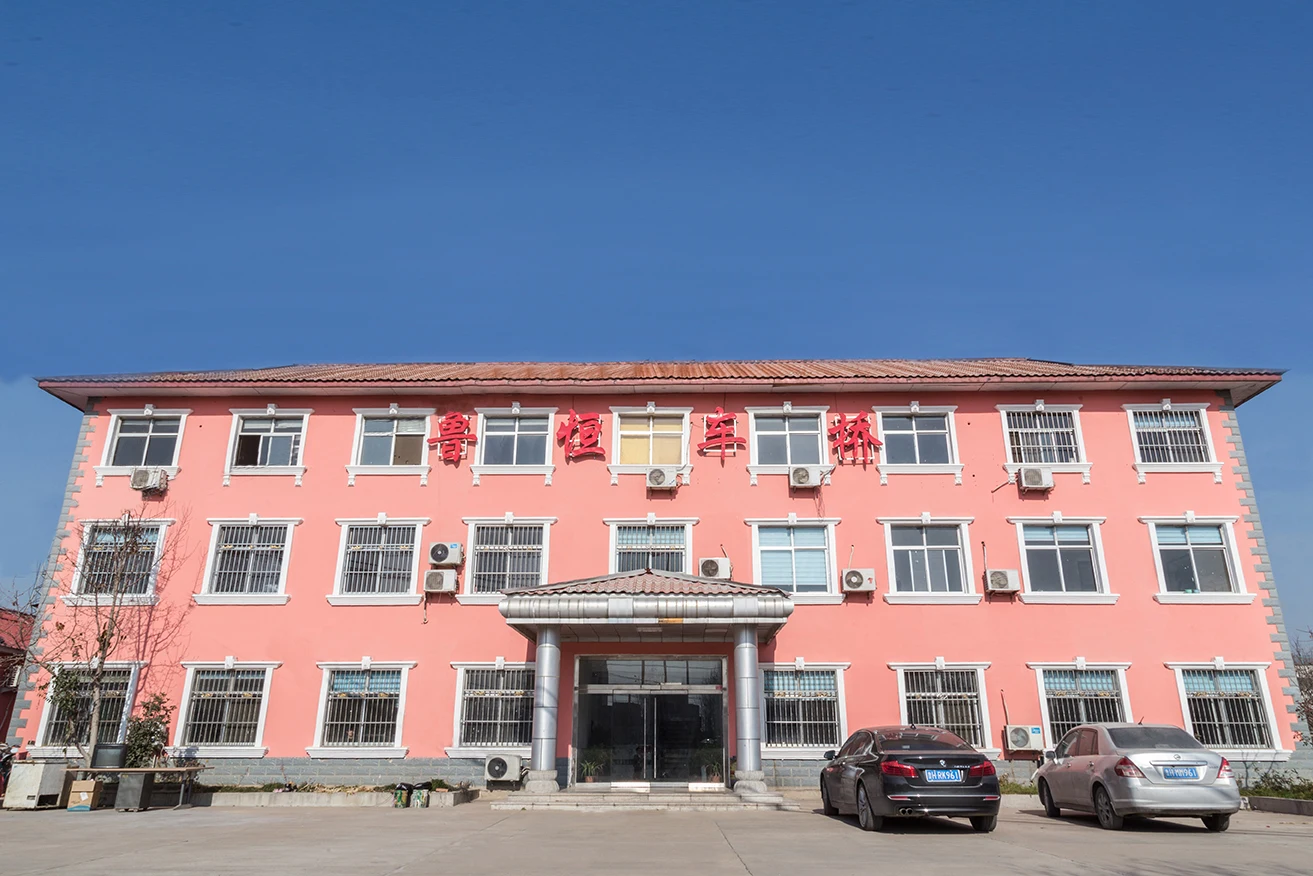
Shandong Luxinda Machinery Co., Ltd.
- Trading Company
- Shandong, China
- Lead time15 days
- Avg. response≤ 3h
Main productsTrailer Parts,Trailer Axle,Trailer Suspension,Axle Accessories,Semi Trailer Accessories
Main marketsSoutheast Asia(20.00%), Africa(20.00%), Mid East(20.00%), South Asia(15.00%), South America(10.00%), Eastern Asia(5.00%), Central America(2.00%), Eastern Europe(2.00%), North America(2.00%), Domestic Market(1.00%), Western Europe(1.00%), Southern Europe(1.00%), Northern Europe(1.00%)
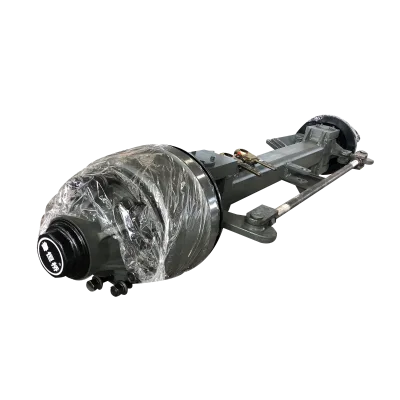
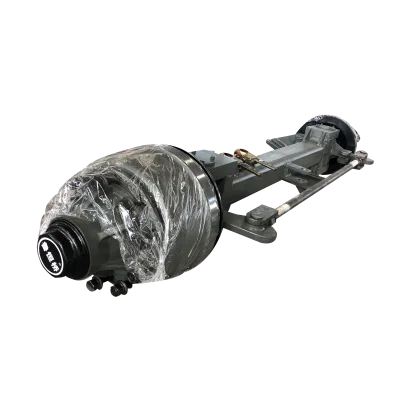
Hot Selling Steel Self-Steering Axle Hydraulic Steering Driving Axle for Trailers
$458.00 - $498.00
MOQ: 1 sets
$495.00 - $535.00
MOQ: 1 sets
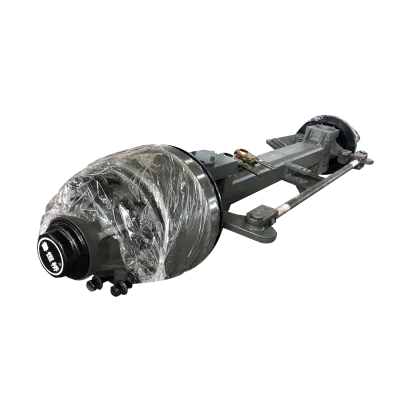
Price Discounts Can Be Customized for Factory Direct Sales Trailer Hydraulic Steering Axle
$458.00 - $498.00
MOQ: 1 sets

Shandong Darong Machinery Co., Ltd.
- Verified by SGS
- Combined
- China Shandong
- Lead time23 days
- Avg. response≤ 11h
Main productsTrailer Axle, Brake Chamber, Leaf Spring, Landing Gear, Trailer Suspension, Trailer Parts, Rim, Fifth Wheel
Main marketsSoutheast Asia/ Mideast

German Hydraulic Steering Axle Reduce Steering Independent Axle Trailer
$1753.00 - $1863.00
MOQ: 10 Pieces


German Hydraulic Steering Axle Assembly Trailer Axle Parts Heavy Duty Trailer Axles
$1511.00 - $1673.00
MOQ: 10 Pieces


Qingdao Tsingleader Industry Co., Ltd.
- Trading Company,Manufacturer/Factory
- China Shandong
- Lead time23 days
- Avg. response≤ 4h
Main productsWheel Loader Axle, Forklift Axle, Forklift Transmission, Trailer Brake Assembly, Trailer Brake Drum, Trailer Idler Hub, Trailer Jack, Trailer Coupler, Trailer Axle, Trailer Lock
Main marketsSouth America,Eastern Europe,Mid East,North America,Southeast Asia,Eastern Asia,Oceania,Western Europe,Africa

Forklift Parts Steering Axle Forklift Rear Axle with Steering Hydraulic Cylinder
$100.00 - $300.00
MOQ: 1 Pieces


Qingdao Jinlibo Industry And Trade Co., Ltd.
- Trading Company
- China Shandong
- Lead time15 days
- Avg. response≤ 10h
Main productsAxle, Semitrailer Axle, Trailer Parts, Germany Axle, American Axle, English Axle, Suspension, Landing Gear, Mechanical Suspension, Semi-Trailer Parts
Main marketsSouth America,Africa,Southeast Asia/ Mideast,Domestic,Europe,Australia,North America
Longyan Wanteng Axle Manufacturing Co., Ltd.
- Manufacturer, Trading Company
- Fujian, China
- Lead time15 days
- Avg. response≤ 14h
Main productsfront drive axle,front steering axle,rear drive axle,axle housing,transfer case
Main marketsDomestic Market(20.00%), Mid East(18.00%), Southeast Asia(15.00%), Eastern Asia(9.00%), South Asia(8.00%), Eastern Europe(5.00%), Africa(5.00%), Central America(5.00%), Southern Europe(3.00%), Oceania(3.00%), Western Europe(3.00%), North America(2.00%), South America(2.00%), Northern Europe(2.00%)
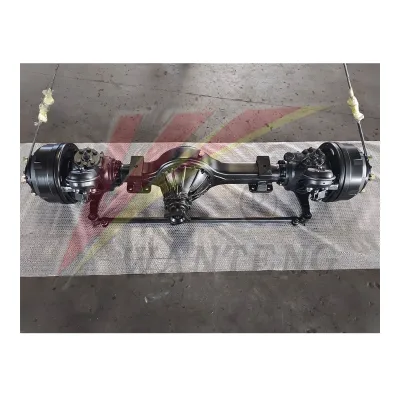
Original Truck Forklift Trailer Front Wheel Drive Steering Axle
$818.0103 - $1022.5129
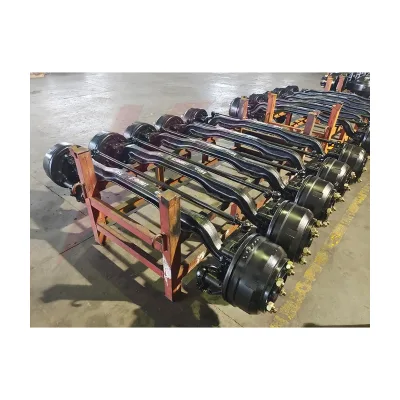
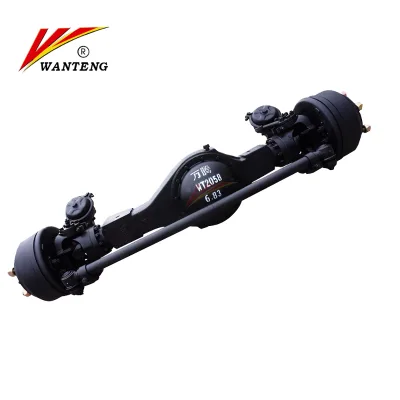
Automobile Front Drive Steer Axle for Hino Truck Trailer
$800.00 - $1000.00
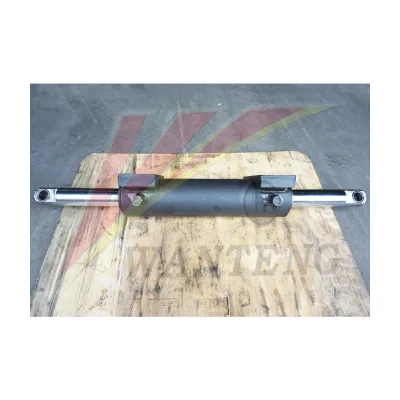
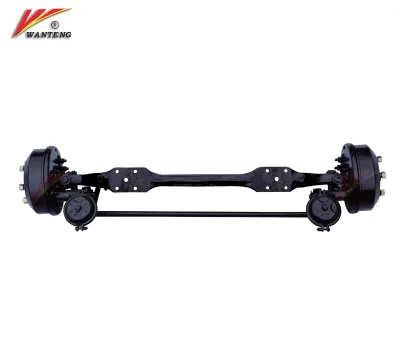
Front Axle 9T Howo Heavy Duty Axle Steering Axle
$500.00 - $600.00

Shanghai Shytger Industry & Trade Co., Ltd.
- Verified by SGS
- Trading Company,Manufacturer/Factory
- China Shanghai
- Lead time23 days
- Avg. response≤ 21h
Main productsForklift, Electric Forklift, Crane Container, Diesel Forklift, Gasoline Forklift, Electric Stacker, Hand Pallet Truck, Electric Pallet Truck, Wheel Loader, Forklift Parts
Main marketsSouth America,Eastern Europe,Mid East,North America,Southeast Asia,Eastern Asia,Oceania,Western Europe,Africa


Forklift Steering System Parts Transverse Hydraulic Cylinder & Steering Axle Assembly
$102.48 - $105.58
MOQ: 1 Pieces


Qingdao Tunnel Mine Equipment Technology Co., Ltd.
- Verified by SGS
- Trading Company,Manufacturer/Factory
- China Shandong
- Lead time38 days
- Avg. response≤ 18h
Main productsUnderground Loader, Underground Mining Truck, Underground LHD, Scooptram, Diesel LHD, Utility Vehicle, Multifunction Service Car, Transmission, Torque Converter, Axle
Main marketsSouth America,Eastern Europe,Mid East,Southeast Asia,Oceania,Africa


New Generation Drive Axle and Steering Axle for Engineering Equipment Use
$1000.00 - $25000.00
MOQ: 1 Pieces

Shandong Jinsheng Axle Manufacturing Co., Ltd.
- Verified by SGS
- Combined
- China Shandong
- Lead time15 days
- Avg. response≤ 2h
Main productsTrailer Axle
Main marketsSouth America,Africa,Southeast Asia/ Mideast

American Type Trailer Axle Shaft Outboard Drum Trailer Steering Axle Trailer Axle Truck Axle
$177.00 - $680.00
MOQ: 2 Pieces

Mechanical Suspension Four Axle Overlung / Underslung Truck Axle Front Axle Price
$390.00 - $520.00
MOQ: 2 Pieces

Liaocheng Xinruyi Trading Co., LTD.
- Verified by TUVRHEINLAND
- Manufacturer/Factory
- China Shandong
- Lead time120 days
- Avg. response≤ 5h
Main productsSeamless Steel Pipe, Steel Plate, Hot Rolled Steel Round Bar, Hot Forged Shaft, Self Drilling Anchor, Steel Storage Shelf, Steel Blocks, Steel Rock Bolt, Aluminum Alloy, Stainless Steel
Main marketsSouth America,Mid East,North America,Southeast Asia,Eastern Asia
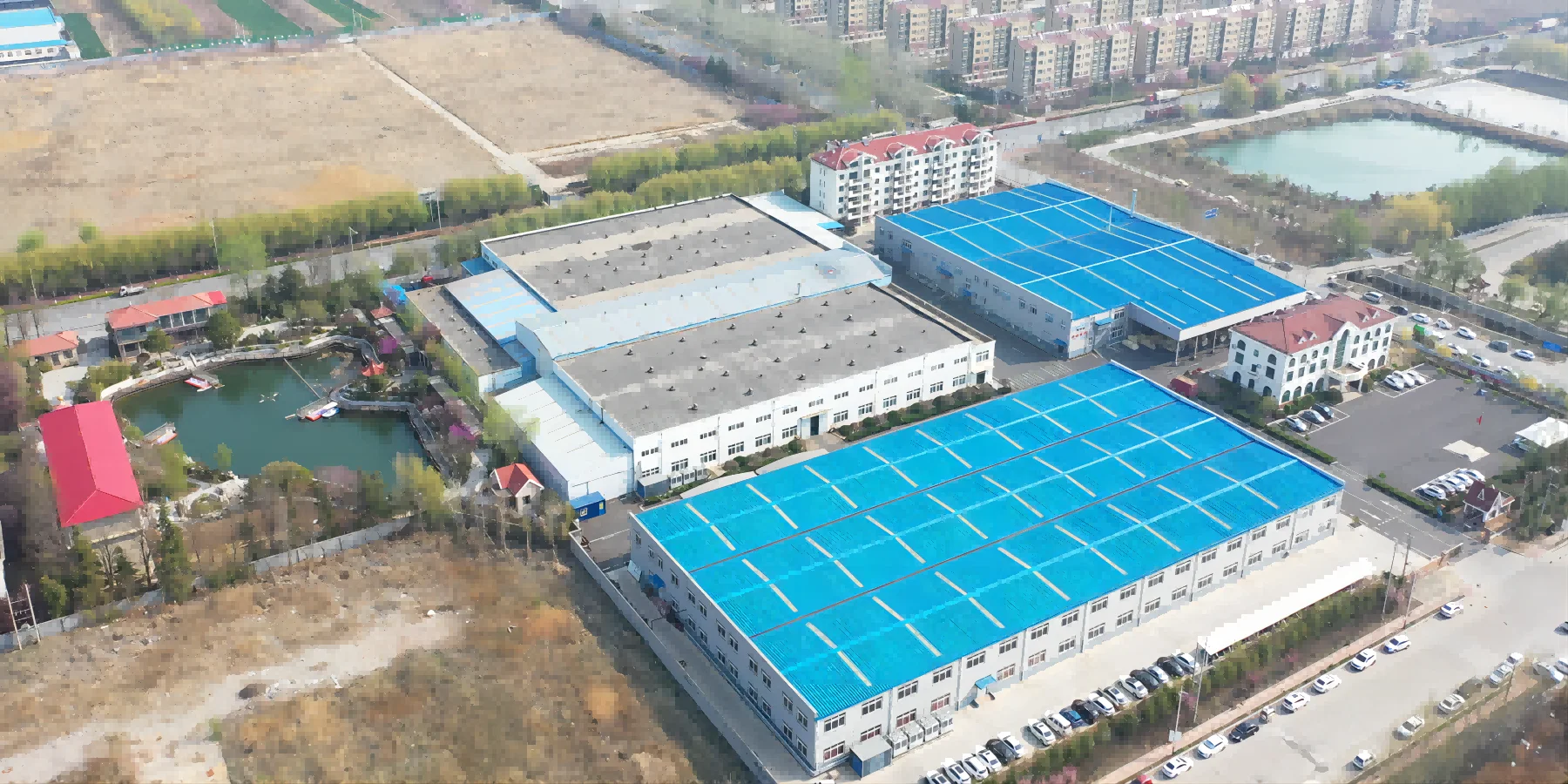
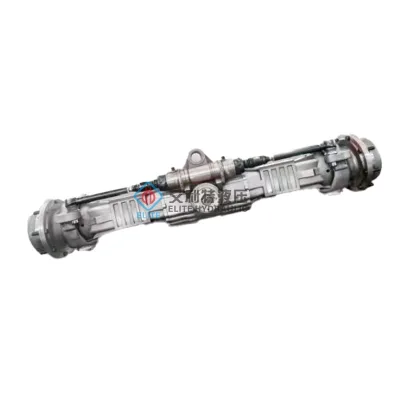
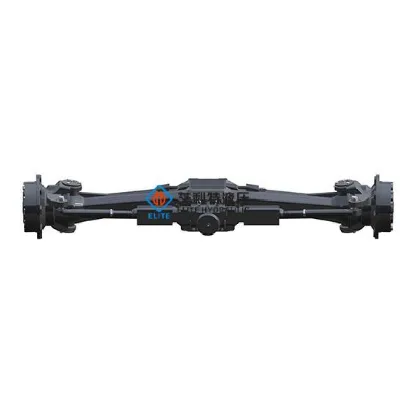
Qingdao Elite Hydraulic Co., Ltd.
- Manufacturer, Trading Company
- Shandong, China
- Lead time0 days
- Avg. response≤ 3h
Main productsPlanetary Gearbox,Planetary Drive Axles,Pump Drives,Undercarriages,Transmission
Main marketsDomestic Market(60.00%), North America(10.00%), Southeast Asia(10.00%), Eastern Europe(5.00%), South Asia(5.00%), Africa(5.00%), South America(5.00%)

Yancheng City Rong Nan Machinery Manufacturing Co., Ltd.
- Combined
- China Jiangsu
- Lead time30 days
- Avg. response≤ 23h
Main productsTractor Axle, Tractor Front Axle, Tractor Parts
Main marketsDomestic
Darong (shandong) International Trade Co., Ltd.
- Verified by SGS Group
- Manufacturer, Trading Company
- Lead time15 days
- Avg. response≤ 3h
Main productsAxles, Suspension Systems, Fifth Wheel Couplings, Landing Gear, Leaf Spring
Main marketsEastern Europe(40%), Mid East(20%), North America(20%)
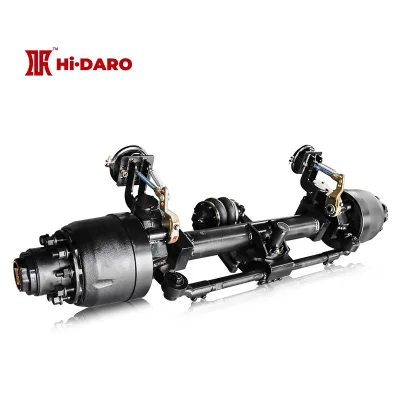
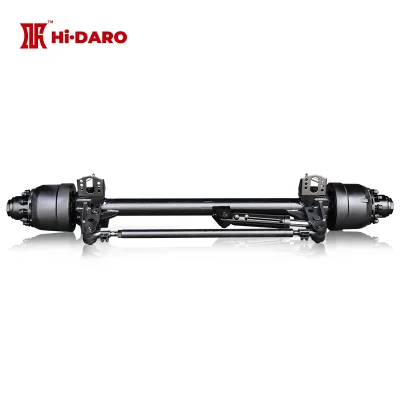
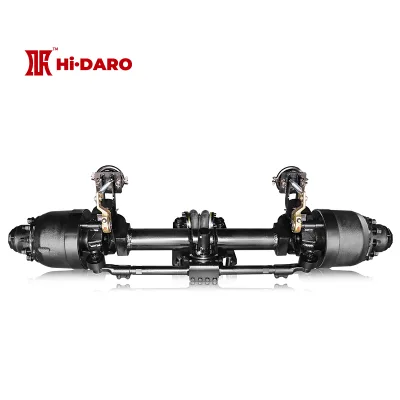
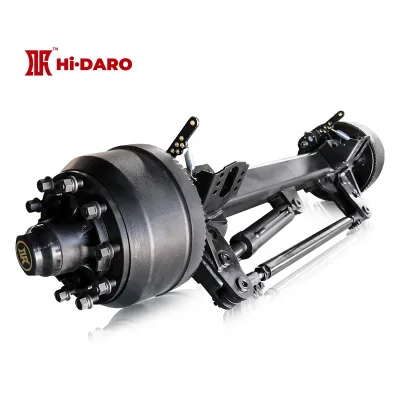
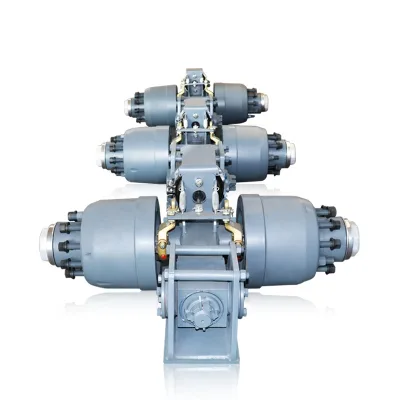
Carrying 10 Tons and 20 Tons of Steering Axle Multi Axles Hydraulic Steering Low-Bed
$1344.8563 - $1396.5823
MOQ: 1 pieces

Qingdao Monroc Mechanical Co., Ltd.
- Combined
- China Shandong
- Lead time30 days
- Avg. response≤ 12h
Main productsAxle, Trailer Axle, Suspensions, Bogie Suspension, OEM Welding Parts, OEM Machining Parts, OEM Casting, Tandem Suspensions with Leafspring, Agricultrial Machine Gearbox, Tridem Suspensions with Leafspring
Main marketsSouth America,Southeast Asia/ Mideast,East Asia(Japan/ South Korea),Domestic,Europe,Australia,North America
Betten Machinery Technology Co., Ltd.
- Trading Company
- Jiangsu, China
- Lead time3 days
- Avg. response≤ 7h
Main productsTrailer axle,Leaf spring,Disc harrow,Disc blades,Trailer jack
Main marketsSoutheast Asia(30.00%), North America(20.00%), Domestic Market(10.00%), Western Europe(5.00%), Eastern Asia(5.00%), Mid East(5.00%), Oceania(5.00%), Eastern Europe(5.00%), South America(5.00%), Africa(2.00%), South Asia(2.00%), Southern Europe(2.00%), Northern Europe(2.00%), Central America(2.00%)
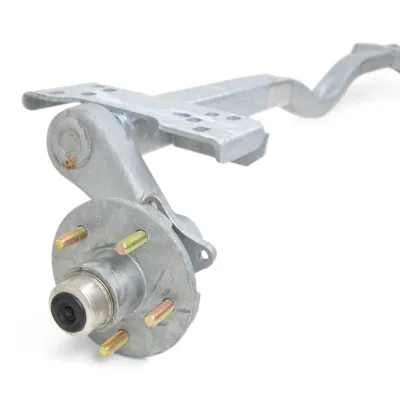
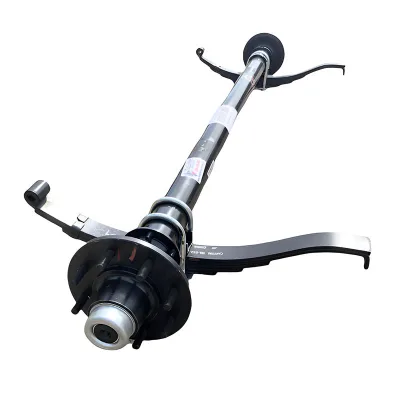
Truck Trailer Axle Oem Service Axle Truck Trailer Factory Supply Trailers Axles for Sale
$82.1377 - $98.216
MOQ: 50 pieces

Qingdao Elite Hydraulic Co., Ltd.
- Verified by BV
- Trading Company,Manufacturer/Factory
- China Shandong
- Lead time23 days
- Avg. response≤ 3h
Main productsPlanetary Gearbox, Travel&Wheel Drive, Electrical Drive&Motor, Planetary Drive Axle, Slew Drive, Winches Winch Drive, Tracked Undercarriages, Pump Drive, Multi-Disc Brakes, CNC Machining Parts
Main marketsSouth America,Eastern Europe,Mid East,North America,Southeast Asia,Eastern Asia,Oceania,Western Europe,Africa




Comprehensive Sourcing Guide
Integrated Cylinder Hydraulic Steer Axle Supplier Concentration and Factory Types
The current supplier landscape for integrated cylinder hydraulic steer axles reveals a distinct mix of manufacturing capabilities and trading structures, which significantly impacts sourcing strategy. Data indicates that the primary production hubs are concentrated in Shandong, China, a region known for its robust heavy vehicle component industry. Within this geographic cluster, suppliers are categorized as either Manufacturers or Trading Companies, a distinction that buyers must carefully evaluate based on their specific procurement needs. Manufacturers typically offer direct control over production processes, allowing for greater customization and potentially tighter quality assurance protocols. In contrast, Trading Companies often aggregate products from multiple factories, providing a broader catalog of trailer parts, suspensions, and landing gear under one roof. This aggregation can simplify logistics for buyers seeking diverse trailer accessories, though it may introduce additional layers between the end-user and the actual production line. Understanding this dichotomy is crucial for determining whether a buyer prioritizes direct factory engagement or the convenience of a single-point procurement solution.
Verification status further differentiates these entities, with some suppliers holding Intertek verification and others possessing SGS certification. These third-party validations provide a baseline of trust regarding the supplier’s operational legitimacy and product quality standards. For instance, certain manufacturers display specific product attributes such as ISO/TS16949 certification, which is critical for automotive-grade components like hydraulic steer axles. This certification suggests adherence to rigorous quality management systems specific to the automotive industry. Meanwhile, other suppliers may emphasize their ability to handle sample processing, graphic processing, and customized on-demand production, highlighting their flexibility in meeting unique engineering requirements. The presence of these verification badges and specialized capabilities serves as a key indicator of a supplier’s maturity and reliability. Buyers should not assume that all suppliers in the Shandong cluster operate with the same level of transparency or technical expertise. Instead, they should use these verification markers and company type classifications as primary filters to narrow down the field to those most aligned with their operational standards and risk tolerance.
How to Verify Integrated Cylinder Hydraulic Steer Axle Suppliers
Verifying the legitimacy and capability of suppliers requires a multi-layered approach that goes beyond surface-level profile reviews. Buyers should prioritize suppliers who display clear verification badges from recognized third-party agencies such as Intertek or SGS. These verifications often involve on-site inspections of manufacturing facilities, quality control processes, and business licenses, providing a tangible layer of assurance that the supplier is a legitimate entity. For manufacturers, it is essential to confirm that the verified entity is indeed the production facility and not merely a sales office. This can be achieved by requesting detailed factory audits or video tours that showcase the actual assembly lines for hydraulic steer axles. Additionally, checking for specific industry certifications like ISO/TS16949 is vital, as it indicates that the supplier’s quality management system meets international automotive standards. This is particularly important for integrated cylinder hydraulic steer axles, which are critical safety components requiring high precision and reliability. Buyers should also examine the supplier’s response time, as a quick and professional reply often correlates with efficient internal communication and customer service practices.
Beyond certifications, buyers must scrutinize the technical details provided in product listings to ensure alignment with their specific requirements. For example, some suppliers list products with specific payload capacities, such as 13T or 16T, and include features like ±45° steering angles or integrated steering cylinders. These details should be cross-referenced with the supplier’s stated capabilities to ensure they can deliver the exact specifications needed. It is also important to verify the origin of the components, as some listings may specify materials like steel or specific brand names like LUEN. Buyers should request material test reports or quality assurance documents to confirm that the steel used meets the required strength and durability standards. Furthermore, checking the supplier’s history of producing similar products, such as trailer axles or bogie suspensions, can provide insight into their expertise. If a supplier claims to be a manufacturer but lacks detailed technical specifications or refuses to provide verification documents, buyers should exercise caution. Engaging in direct communication to ask specific technical questions can also reveal the depth of the supplier’s knowledge and their ability to support complex engineering needs.
What to Compare Across Integrated Cylinder Hydraulic Steer Axle Suppliers
When evaluating multiple suppliers, buyers must systematically compare key operational metrics to identify the most suitable partner for their needs. Lead time is a critical factor, with some suppliers offering delivery windows of 7 to 15 days, while others may require 30 to 45 days for production and shipping. This variance can significantly impact project timelines, especially for urgent repairs or large-scale fleet upgrades. Buyers should also compare the Minimum Order Quantity (MOQ) requirements, as some suppliers may accept orders as low as one unit, while others might require a MOQ of 10 or more. This flexibility is particularly important for smaller buyers or those testing new suppliers before committing to larger volumes. Response time is another vital metric, with some suppliers responding within 5 hours, while others may take over 10 hours. A faster response time often indicates a more responsive customer service team, which can be crucial for resolving technical queries or addressing order issues promptly. Buyers should also consider the range of main products offered, as suppliers with a broader catalog of trailer parts and accessories may offer better bundling opportunities and logistical efficiencies.
Price and payment terms are equally important considerations in the comparison process. Some suppliers list prices in specific ranges, such as $465 to $480 for certain axle models, while others may have higher price points depending on the complexity and payload capacity of the product. Buyers should request detailed quotations that break down costs, including manufacturing, packaging, and shipping fees, to ensure transparency. Payment terms also vary, with some suppliers requiring a 30% T/T deposit and the balance before shipment, while others may offer more flexible arrangements. Additionally, buyers should compare the packaging and shipping details, as some suppliers use standard packages with specific dimensions, while others may offer customized packaging solutions. The port of departure, often Qingdao Port for Shandong-based suppliers, should also be considered in relation to the buyer’s location to estimate shipping costs and transit times. By systematically comparing these operational metrics, buyers can make informed decisions that balance cost, speed, and reliability, ensuring they select a supplier that best fits their specific procurement strategy and operational requirements.
Common Integrated Cylinder Hydraulic Steer Axle Sourcing Risks
Sourcing integrated cylinder hydraulic steer axles from international suppliers, particularly those in China, involves several inherent risks that buyers must proactively manage. One significant risk is the potential for quality inconsistencies, especially when dealing with trading companies that may source from multiple factories with varying quality standards. Without direct oversight of the manufacturing process, buyers may receive products that do not meet the specified technical requirements, such as incorrect payload capacities or substandard materials. This risk is exacerbated by the lack of standardized testing protocols across different suppliers, making it difficult to ensure uniform performance across a fleet of trailers. Another common risk is the discrepancy between product descriptions and actual delivered goods. Some listings may highlight features like hydraulic steering or specific steering angles, but the actual product may lack these capabilities or use inferior components. Buyers must therefore rely on detailed specifications and verification documents to mitigate this risk, rather than relying solely on marketing claims.
Logistical and communication challenges also pose significant risks in the sourcing process. Delays in production or shipping can disrupt supply chains, particularly if the supplier fails to meet the agreed-upon lead times. This is often due to poor inventory management or unexpected production bottlenecks. Additionally, language barriers and time zone differences can lead to misunderstandings regarding technical specifications or order details, resulting in errors that are costly to rectify. Buyers should also be aware of the risks associated with payment terms, particularly when dealing with suppliers who require upfront payments without adequate escrow protection. In the event of non-delivery or product defects, recovering funds can be difficult and time-consuming. To mitigate these risks, buyers should establish clear communication channels, request regular production updates, and use secure payment methods that offer buyer protection. Engaging with suppliers who have verified credentials and positive track records can also help reduce the likelihood of encountering these common sourcing pitfalls.
Integrated Cylinder Hydraulic Steer Axle Regional Sourcing and Logistics
The geographic concentration of suppliers in Shandong, China, offers both advantages and challenges for buyers sourcing integrated cylinder hydraulic steer axles. This region is a major hub for heavy vehicle components, providing access to a dense network of manufacturers and suppliers. The proximity of these suppliers to major ports, such as Qingdao Port, facilitates efficient export logistics, reducing transit times and shipping costs for international buyers. However, buyers must also consider the logistical complexities associated with importing from this region, including customs clearance procedures and potential tariffs. Understanding the specific shipping routes and transit times from Qingdao to the buyer’s destination is crucial for accurate delivery planning. Additionally, buyers should evaluate the supplier’s packaging capabilities, as some suppliers use standard packages with specific dimensions that may affect container loading efficiency. Proper packaging is essential to prevent damage during transit, particularly for heavy and delicate components like hydraulic steer axles.
Buyers should also assess the supplier’s experience in handling international logistics, as this can significantly impact the overall sourcing experience. Suppliers with a strong track record in exporting are likely to have established relationships with freight forwarders and customs brokers, ensuring smoother and more reliable shipping processes. They may also offer value-added services such as consolidated shipping, where multiple orders are combined to reduce costs. For buyers located far from major ports, inland transportation costs and lead times should also be factored into the total landed cost calculation. Furthermore, buyers should consider the environmental and regulatory requirements of their destination country, as these may impact the type of packaging and documentation required for customs clearance. By carefully planning the logistics strategy and leveraging the supplier’s expertise in international shipping, buyers can minimize delays and ensure that their integrated cylinder hydraulic steer axles arrive in optimal condition and on time.
Integrated Cylinder Hydraulic Steer Axle Commercial Terms and Order Planning
Effective order planning for integrated cylinder hydraulic steer axles requires a thorough understanding of commercial terms and payment structures. Buyers should negotiate clear payment terms that align with their cash flow needs and risk tolerance. Common terms include a percentage upfront deposit with the balance paid before shipment, but buyers should also explore options for escrow services or letters of credit for larger orders. These financial instruments provide an additional layer of security, ensuring that funds are only released upon satisfactory delivery and inspection of the goods. It is also important to clarify the Incoterms, such as FOB or CIF, to determine who is responsible for shipping costs and insurance. This clarity helps in accurately calculating the total landed cost and avoiding unexpected expenses. Additionally, buyers should establish clear quality acceptance criteria and inspection protocols before shipment, allowing for verification of product specifications and performance.
Long-term order planning should also consider the supplier’s capacity for customization and scalability. Some suppliers offer OEM services and customized production, which can be beneficial for buyers with specific engineering requirements. However, these custom orders may have longer lead times and higher MOQs, requiring careful planning to avoid production bottlenecks. Buyers should also discuss warranty terms and after-sales support, as these are critical for maintaining fleet reliability. Understanding the supplier’s policy on returns, replacements, and technical support can prevent costly downtime in the event of product failures. By establishing robust commercial terms and planning orders strategically, buyers can build a sustainable supply chain that supports their operational goals. Regular communication and performance reviews with suppliers can also help identify areas for improvement and strengthen the partnership over time, ensuring a reliable source of high-quality integrated cylinder hydraulic steer axles.
FAQs
What is the typical delivery time for hydraulic steer axles?
Delivery times vary by supplier and order specifics. Some manufacturers offer a lead time of 7 days, while others require 15 to 30 days. Specific products may have delivery windows ranging from 15 to 45 days depending on customization needs and stock availability.
What is the minimum order quantity for these axles?
Minimum order quantities differ significantly between suppliers. Some vendors accept orders as low as one unit, while others require a minimum of 10 units. Buyers should verify the specific MOQ with the supplier before placing an order to ensure compliance.
Which certifications do these trailer axles typically hold?
Many suppliers provide products certified under ISO/TS16949 standards. Verification services like Intertek and SGS are also commonly associated with these manufacturers. Buyers should confirm specific certification documents directly with the supplier to ensure they meet their regulatory requirements.
What is the price range for integrated cylinder hydraulic steer axles?
Prices generally range from approximately 465 to 504 USD per unit for standard models. Higher capacity or customized options may cost between 600 and 3000 USD. The final price depends on payload capacity, specific configuration, and the supplier's pricing structure.
Where are these hydraulic steer axles manufactured?
The primary manufacturing location for these products is Shandong, China. Most suppliers list Qingdao Port as the shipping origin. Buyers should verify the exact factory location and port details with the specific supplier to confirm logistics and origin claims.
What is the response time for supplier inquiries?
Supplier response times vary, with some vendors responding within 5 hours. Other suppliers may take up to 10.65 hours to reply to inquiries. Buyers should expect different communication speeds depending on the specific trading company or manufacturer they contact.
What payload capacities are available for these axles?
Available payload capacities range from 13 tons up to 20 tons or more. Specific models support loads of 13T, 15T, 16T, and 20T. Customization options may allow for capacities between 13T and 30T based on the buyer's specific trailer requirements.