Tempered Curve Side Glass Suppliers and Manufacturers
Compare 22 verified suppliers offering Tempered Curve Side Glass with varying lead times, certifications, and response speeds. Review product specifications like thickness, standards, and customization options before requesting quotes from manufacturers in Guangdong or Beijing; review the available evidence before requesting comparable quotations from suitable candidates.
Updated
Suppliers List

Jiangmen Bolipai Glass Products Co., Ltd.
- Verified by BV
- Manufacturer/Factory
- China Guangdong
- Lead time23 days
- Avg. response≤ 13h
Main productsTempered Glass, Glass Basketball Backboard, Laminated Glass, Glass Switch Panel, Borosilicate Glass, Mirror Glass, Basketball Stand, Smart Glass Film, Low-E Glass, Reflective Glass
Main marketsSouth America,Eastern Europe,Mid East,North America,Southeast Asia,Eastern Asia,Oceania,Western Europe,Africa

Jiangmen Jianghai District Yuan Qiang Safety Glass Co., Ltd.
- Verified by SGS
- Combined
- China Guangdong
- Lead time15 days
- Avg. response≤ 2h
Main productsLaminated Glass, Building Glass, Tempered Glass, Insulating Glass, Aluminium Window, Aluminium Doors, Curtain Wall, Railing Glass
Main marketsDomestic

- Verified by TUVRHEINLAND
- Trading Company,Manufacturer/Factory
- China Beijing
- Lead time23 days
- Avg. response≤ 4h
Main productsTempered Glass, Aluminum Windows, Insulated Glass, Building Glass, Curtain Wall Glass, Windows and Doors, Low Iron Glass, Window Glass, Laminated Glass, Aluminum Clad Wood Windows
Main marketsSouth America,Eastern Europe,Mid East,North America,Southeast Asia,Eastern Asia,Oceania,Western Europe,Africa

A&T GLASS INDUSTRY CO., LIMITED
- Trading Company,Manufacturer/Factory
- China Shandong
- Lead time23 days
- Avg. response≤ 8h
Main productsBuilding Glass, Clear Float Glass, Laminated Glass, Toughened Glass, Tinted Float Glass, Reflective Glass, Patterned Glass, Acid Etched Glass, Aluminum Mirror, Silver Mirror
Main marketsSouth America,Eastern Europe,Mid East,North America,Southeast Asia,Eastern Asia,Western Europe,Africa

- Trading Company
- Shandong, China
- Lead time28 days
- Avg. response≤ 4h
Main productsClear Float Glass,Low Iron Glass,Tinted Glass,Reflective Glass,Laminated Glass
Main marketsSouth America(70.00%), North America(10.00%), Oceania(10.00%), Africa(5.00%), Southern Europe(5.00%)
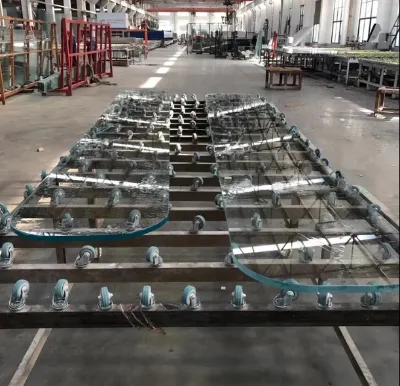
$28.8483 - $30.8045
MOQ: 1 square
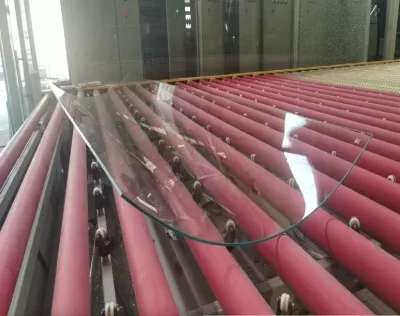
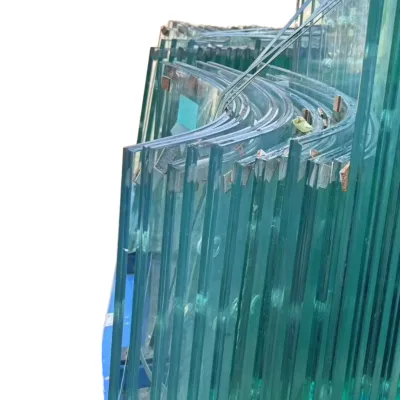
Bent tempered transparent glass Price Bent curved glass Refrigerator glass
$28.00 - $29.90
MOQ: 1000 square
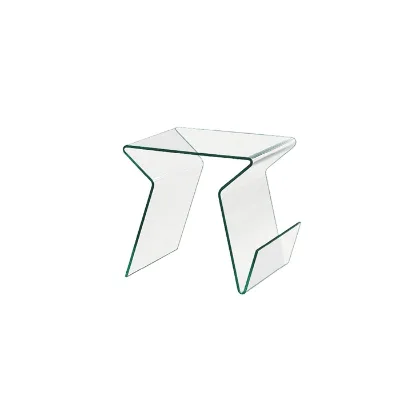
$8.979 - $9.1319
MOQ: 20 square
Hebei Dongrun Glass Products Co., Ltd.
- Manufacturer
- Hebei, China
- Lead time20 days
- Avg. response≤ 4h
Main productsGlass,Building glass,Mirror glass,Glass mosaic tile,Decorative Glass
Main marketsSoutheast Asia(20.00%), North America(20.00%), Eastern Europe(15.00%), Oceania(10.00%), Mid East(10.00%), South America(10.00%), Western Europe(8.00%), Africa(5.00%), Eastern Asia(5.00%), Southern Europe(4.00%)
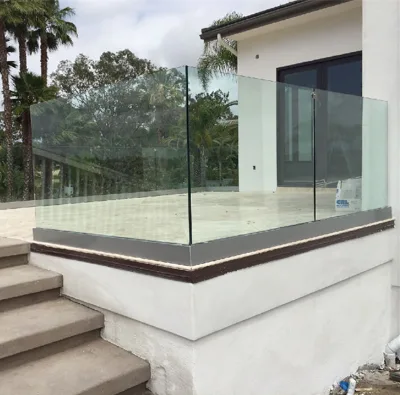
Flat and Curved Bending Tempered Glass for Balcony Glass and Fence Glass
$9.3373 - $25.9342
MOQ: 100 Minimum
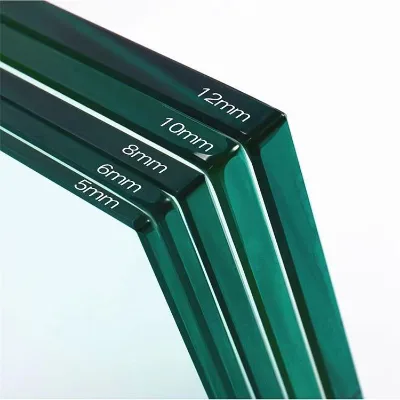

Qingdao Creation Classic Glass Co., Ltd.
- Manufacturer/Factory
- China Shandong
- Lead time15 days
- Avg. response≤ 15h
Main productsBuilding Glass, Float Glass, Tempered Glass, Laminated Glass, Insulated Glass, Glass Block/Brick, Reflective Glass, Tinted Glass, Mirror, Patterned Glass
Main marketsSouth America,Eastern Europe,Mid East,North America,Southeast Asia,Eastern Asia,Oceania,Western Europe,Africa

- Verified by BV
- Trading Company,Manufacturer/Factory
- China Shandong
- Lead time0 days
- Avg. response≤ 9h
Main productsAuto Glass, Front Windshield, Truck Glass, Bus Glass, Windshield Glass, Laminated Glass, Hot Curved Glass, Foam Net, Fruit Protection Bag
Main marketsWestern Europe

Linyi Yonggang Glass Products Co., Ltd.
- Verified by SGS
- Trading Company
- China Shandong
- Lead time15 days
- Avg. response≤ 6h
Main productsCurved Glass, Safety Glass, Automotive Glass, Auto Glass, Windshield, Irregular Glass, Agricultural Machinery Glass, Display Cabinet Glass, Purification Door Glass, Vehicle Lampshade Glass
Main marketsDomestic,North America
Hunan Cang Mao Te Glass Products Co., Ltd.
- Manufacturer
- Hunan, China
- Lead time30 days
- Avg. response≤ 7h
Main productsautoglass,windshield,windscreen,laminated glass,tempered glass
Main marketsDomestic Market(40.00%), North America(10.00%), South Asia(10.00%), Eastern Asia(10.00%), Mid East(10.00%), Africa(10.00%), Southeast Asia(10.00%)
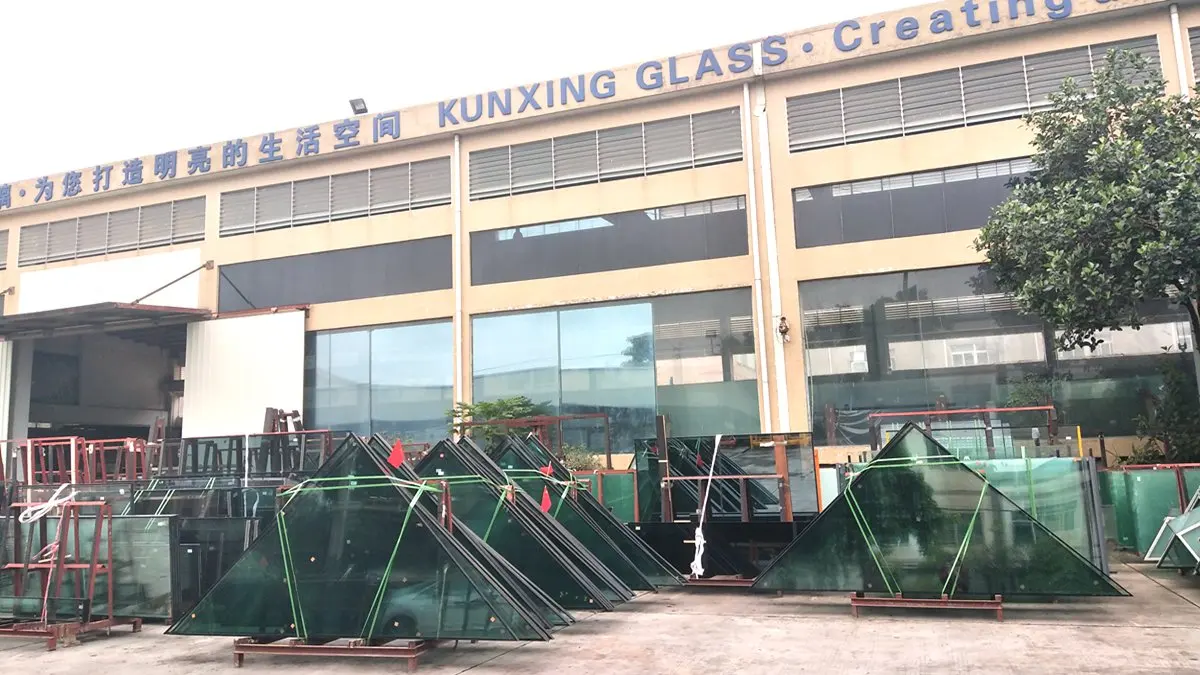
Dongguan City Kunxing Glass Co., Ltd.
- Manufacturer, Trading Company
- Guangdong, China
- Lead time15 days
- Avg. response≤ 3h
Main productsTempered Glass,Insulated Glass,Laminated Glass,Toughened Glass,curved Glass
Main marketsDomestic Market(50.00%), Southeast Asia(10.00%), Mid East(8.00%), North America(5.00%), Africa(5.00%), South America(5.00%), Central America(5.00%), Oceania(3.00%), South Asia(3.00%), Eastern Asia(2.00%), Eastern Europe(1.00%), Western Europe(1.00%), Southern Europe(1.00%), Northern Europe(1.00%)

QINGDAO CHINASTAR HOLDING CO., LTD.
- Trading Company
- China Shandong
- Lead time23 days
- Avg. response≤ 11h
Main productsMirror, Reflective Glass, Float Glass, Laminated Glass, Tempered Glass, Patterned Glass, Acid Etched Glass, Acid Etched Patterned Glass, Aluminum Mirror, Silver Mirror
Main marketsAfrica,Southeast Asia/ Mideast,Europe
Hebei Mingxin Crafts Manufacturing Co., Ltd.
- Verified by TüVRheinland
- Manufacturer, Trading Company
- Lead time7 days
- Avg. response≤ 1h
Main productsAutomotive Glass, Construction Machinery Glass, Agricultural Machinery & Tractor Glass, Custom Tempered Laminated Glass, Three-Wheeler Glass
Main marketsDomestic Market(50%), North America(10%), Oceania(10%)
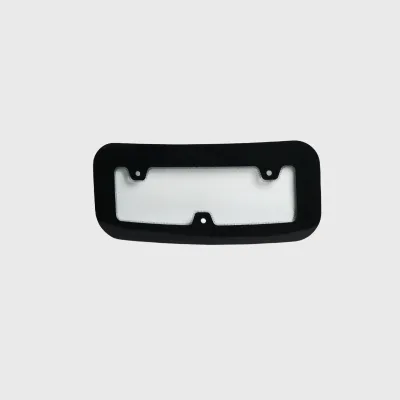
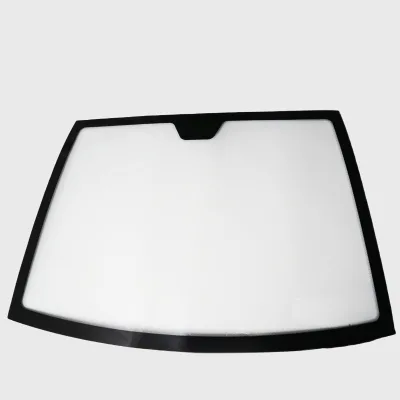
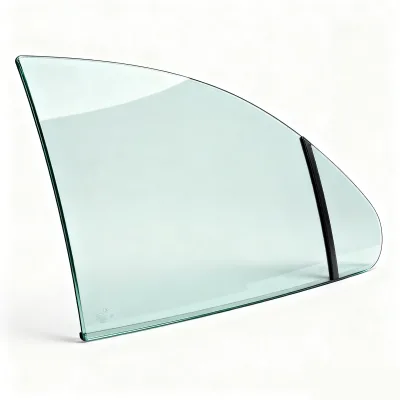
Front Windshield Screen Front Windshield Side Window Glass Rear Glass Back Windshield
$7.00 - $10.00
MOQ: 2 pieces

Qingdao Globalstar Glass Technology Co., Ltd.
- Combined
- China Shandong
- Lead time15 days
- Avg. response≤ 16h
Main productsBuilding Glass, Float Glass, Sheet Glass, Aluminum Mirror, Reflective Glass, Figured Glass, Laminated Glass, Tempered Glass, Silver Mirror, Wired Glass
Main marketsDomestic,Europe


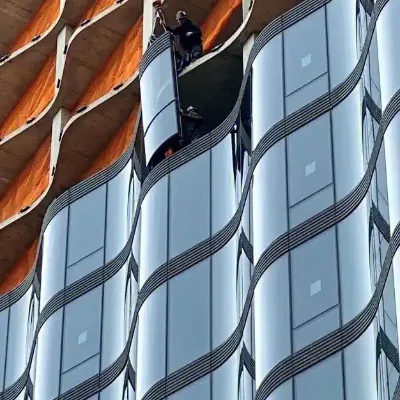
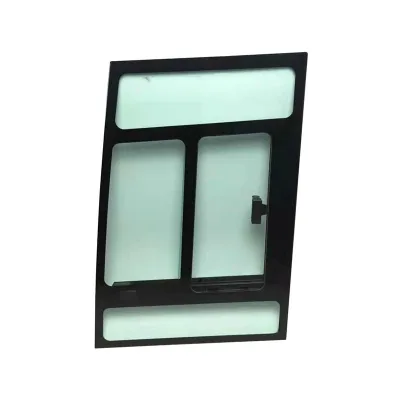
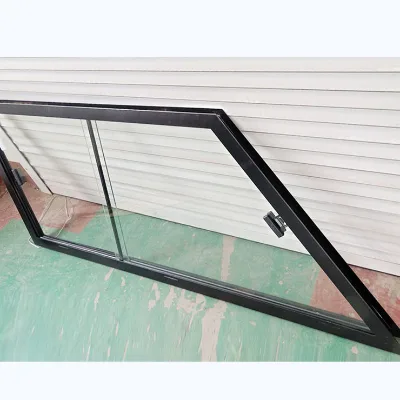
Curved Laminated Glass Bent Laminated Glass Bent Tempered Laminated Glass
$10.00
MOQ: 200 Square Meters

Shenzhen Dayang Special Glass Co., Ltd.
- Manufacturer, Trading Company
- Guangdong, China
- Lead time15 days
- Avg. response≤ 7h
Main productsLaminated Glass, Toughened Glass, Smart Glass, Insulated Glass, Curved Glass
Main marketsMid East(40.00%), North America(15.00%), Southeast Asia(13.00%), Western Europe(10.00%), Africa(6.00%), Domestic Market(5.00%), South America(3.00%), Oceania(3.00%), South Asia(2.00%), Northern Europe(2.00%), Southern Europe(1.00%)

Shandong Jingcheng Glass Technology Co., Ltd.
- Verified by BV
- Combined
- China Shandong
- Lead time15 days
- Avg. response≤ 17h
Main productsLaminated Glass, Tempered Glass, Insulating Glass, on Line Reflective Glass, Bullet Glass, Fire Proof Glass, Building Glass, Curved Tempered Glass, Low-E Glass, Glass
Main marketsDomestic,Europe


4-19mm Curved/ Bent Tempered Glass /Toughened Glass with Holes or Cutouts
$8.60 - $9.80
MOQ: 100 Square Meters

- Verified by SGS
- Combined
- China Zhejiang
- Lead time15 days
- Avg. response≤ 25h
Main productsTempered Glass, Sandwich Glass, Building Glass
Main marketsDomestic
Dongguan Jiameite Glass Co., Ltd.
- Trading Company
- Guangdong, China
- Lead time7 days
- Avg. response≤ 4h
Main productstempered glass,ultra clear glass,silk screen printing glass,anti- reflective glass,anti- glare glass
Main marketsNorth America(15.00%), Eastern Asia(15.00%), Western Europe(15.00%), Southeast Asia(10.00%), Northern Europe(10.00%), South Asia(10.00%), South America(5.00%), Eastern Europe(5.00%), Africa(5.00%), Oceania(5.00%), Mid East(5.00%)

SHAHE CITY FANYUAN GLASS CO., LTD.
- Verified by TUVRHEINLAND
- Trading Company,Manufacturer/Factory
- China Hebei
- Lead time23 days
- Avg. response≤ 9h
Main productsDecorative Glass, Laminated Glass, Tempered Glass, Reflective Glass, Float Glass, Pattern Glass, Mirror
Main marketsSouth America,Eastern Europe,Mid East,North America,Southeast Asia,Eastern Asia,Oceania,Western Europe,Africa

Suzhou Yilin Glass Manufacturing Co., Ltd.
- Verified by TUVRHEINLAND
- Combined
- China Jiangsu
- Lead time15 days
- Avg. response≤ 18h
Main productsToughened Glass, Tempered Glass, Laminated Glass, Double Glazed Glass, Acid Etched Glass, Frosted Glass, Silk Screen Printed Glass, Tempered Shelf Glass, Toughened Pool Fence Glass, Toughened Balustrade Glass
Main marketsDomestic

- Combined
- China Shandong
- Lead time15 days
- Avg. response≤ 7h
Main productsTempered Glass, Furniture Glass, Laminated Glass, Mirror, Float Glass, Louver Glass, Low E Glass, Silk Printing Glass, Tinted Glass, Reflective Glass
Main marketsDomestic
Yantai Everbright Glass Co., Ltd.
- Verified by Intertek
- Manufacturer, Trading Company
- Lead time7 days
- Avg. response≤ 2h
Main productsTempered Glass, Laminated Glass, Enameled Glass, Insulated Glass, Fire-Rated Glass
Main marketsSoutheast Asia(40%), Domestic Market(30%), North America(6%)








Comprehensive Sourcing Guide
Tempered Curve Side Glass Supplier Concentration and Factory Types
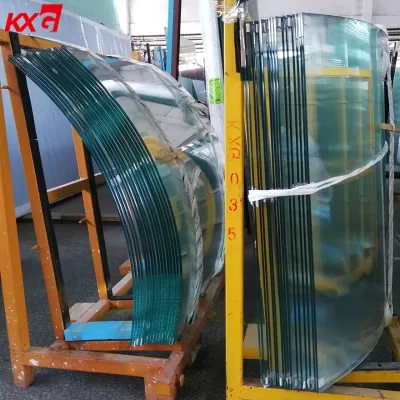
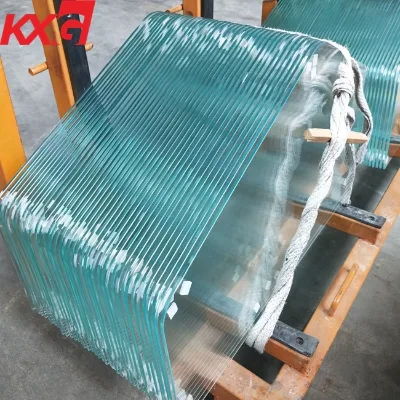
The current supplier landscape for Tempered Curve Side Glass reveals a distinct geographic concentration in China, with Guangdong emerging as a primary manufacturing hub. Factories located in this region, such as those in Jiangmen, are actively producing curved tempered glass with specifications ranging from 3mm to 19mm in thickness. These manufacturers often operate as combined entities, functioning as both manufacturers and trading companies, which allows them to offer a broader range of services including OEM and ODM capabilities. The presence of ISO 9001 and ISO 20000 certifications among these Guangdong-based suppliers indicates a standardized approach to quality management, which is critical for producing glass that meets rigorous safety and structural requirements. Buyers should note that while the location is confirmed as China Guangdong, the specific factory types vary, with some identifying strictly as manufacturers while others combine trading functions to facilitate export logistics. This dual nature can impact how orders are managed, as trading arms may handle customer communication while the factory floor focuses on production. Understanding this distinction helps buyers anticipate the flow of information and the potential for more flexible customization options. The concentration in Guangdong suggests a mature supply chain ecosystem, where raw materials like float glass and processing equipment are readily available, potentially reducing lead times for complex curved shapes. However, buyers must verify if the supplier is the actual producer or merely a reseller, as this affects direct communication regarding technical specifications and production scheduling.
In contrast to the Guangdong cluster, other suppliers in the dataset are located in Beijing, representing a different operational model. These Beijing-based entities often list themselves as trading companies or combined firms, offering products like tempered glass, aluminum windows, and curtain wall glass. The certification landscape here includes ISO 9000, LEED, and ISO 14001, suggesting a focus on environmental standards and broader building material compliance beyond just glass tempering. This diversity in supplier types means buyers have access to both specialized glass factories and general building material traders. Specialized factories in Guangdong may offer deeper technical expertise in the chemical or physical tempering processes required for curved glass, while trading companies in Beijing might provide a wider array of complementary building products. The company type directly influences the sourcing strategy; factories may offer better pricing for large OEM orders, whereas trading companies might provide better service for mixed-product orders. Buyers should assess whether their project requires specialized curved glass production or a broader suite of building materials. The presence of both types in the results highlights the importance of defining the primary need before engaging with suppliers. If the core requirement is high-volume curved tempered glass, a specialized factory in Guangdong is likely more suitable. If the need is for a comprehensive building package, a combined supplier in Beijing might be more efficient. This distinction is crucial for aligning supplier capabilities with project goals.
How to Verify Tempered Curve Side Glass Suppliers
Verification is a critical step in ensuring that the Tempered Curve Side Glass suppliers meet international quality and safety standards. The current results show that suppliers are verified by various third-party inspection agencies, including BV, SGS, and TÜV Rheinland. These verifications provide a layer of confidence regarding the supplier's business legitimacy and operational capabilities. For instance, suppliers with SGS verification often highlight their ability to produce high-technology curved tempered glass with customizable features. Buyers should prioritize suppliers who have undergone rigorous third-party audits, as these audits typically cover factory conditions, production capacity, and quality control processes. The presence of ISO 9001 certification is another key indicator of a supplier's commitment to quality management systems. However, buyers should not rely solely on these certifications; they should also request recent test reports for the specific curved glass products they intend to purchase. The product evidence shows that some suppliers adhere to standards like GB/T 9963 and GB15763.2, which are relevant for tempered glass in China. Buyers should verify if these standards align with their local regulatory requirements or if international standards like EN 12150 are necessary. Additionally, the verification status should be cross-checked with the supplier's claimed capabilities, such as OEM or ODM services, to ensure consistency.
Beyond certifications and third-party verifications, buyers should assess the supplier's response time and communication efficiency. The data indicates that response times vary significantly, with some suppliers responding within 1.35 hours and others taking up to 12.41 hours. A faster response time often correlates with a more responsive customer service team, which is essential for resolving technical queries regarding curved glass specifications. Buyers should also examine the supplier's main products to ensure they specialize in Tempered Curve Side Glass rather than offering it as a minor line item. Suppliers listing curved tempered glass as a primary product, often alongside laminated glass and building glass, are likely to have more dedicated production lines and expertise. Furthermore, buyers should verify the supplier's production origin, as some products are explicitly labeled as originating from Guangdong or Jiangmen. This geographic specificity can help buyers assess the authenticity of the manufacturing claim. It is also advisable to request samples of the curved glass to evaluate the flatness, appearance, and edge quality. The product attributes mention high-class flatness and bent tempered appearance, which are critical for aesthetic and structural integrity. By combining verification checks with direct communication and sample evaluation, buyers can mitigate the risk of sourcing substandard products. This multi-faceted approach ensures that the supplier is not only certified but also capable of delivering the specific quality required for the project.
What to Compare Across Tempered Curve Side Glass Suppliers
When evaluating suppliers for Tempered Curve Side Glass, buyers must compare several key dimensions to identify the most suitable partner. One critical factor is the lead time, which varies among suppliers. Some suppliers offer a lead time of 15 days, while others may take up to 23 days. This difference can significantly impact project schedules, especially for large-scale construction projects with tight deadlines. Buyers should align their project timeline with the supplier's stated lead time to avoid delays. Another important aspect is the Minimum Order Quantity (MOQ). The data shows that MOQs can range from as low as 3 pieces to 100 pieces. Suppliers with lower MOQs are often more flexible and suitable for smaller projects or custom orders, while those with higher MOQs may offer better economies of scale for bulk purchases. Buyers should also compare the price ranges, which vary from $9.00 to $50.00 per unit depending on the product specifications and customization options. It is essential to request detailed quotations that include all costs, such as packaging and shipping, to make an accurate comparison. Additionally, buyers should assess the supplier's customization capabilities, as curved glass often requires specific dimensions and thicknesses. Suppliers offering OEM and ODM services can provide tailored solutions, which is crucial for unique architectural designs. The product attributes indicate that customization is available, with options for thickness ranging from 3mm to 22mm and various shapes. Buyers should confirm the supplier's ability to meet their specific technical requirements, such as maximum size specifications of 30006000mm or 21403300mm.
Furthermore, buyers should compare the supplier's main products and business scope to ensure alignment with their needs. Some suppliers specialize in tempered glass, laminated glass, and building glass, while others offer a broader range of products including aluminum windows and curtain walls. This specialization can indicate a deeper expertise in glass processing. The supplier's response time is also a comparative metric, with some suppliers responding within hours and others taking longer. A faster response time can facilitate quicker decision-making and problem resolution. Buyers should also consider the supplier's certification portfolio, as some hold ISO 9001, ISO 20000, or LEED certifications. These certifications can be important for projects requiring specific environmental or quality standards. The product evidence shows that some suppliers adhere to standards like GB/T 9963 and GB15763.2, which buyers should verify against their local regulations. Additionally, the packing methods, such as wooden boxes or plywood crates, should be compared to ensure safe transportation of the fragile curved glass. Buyers should also evaluate the supplier's track record by reviewing their product keywords and descriptions, which often highlight features like high flatness and safety glass properties. By systematically comparing these dimensions, buyers can make an informed decision that balances cost, quality, and service. This comprehensive comparison ensures that the selected supplier can meet all project requirements effectively.
Common Tempered Curve Side Glass Sourcing Risks
Sourcing Tempered Curve Side Glass involves several risks that buyers must proactively manage to ensure project success. One significant risk is the potential for product damage during transportation, given the fragile nature of curved glass. The product evidence indicates that suppliers use various packing methods, including interleave paper, wooden boxes, and plywood crates. However, the adequacy of these packing methods can vary, and inadequate packaging can lead to breakage or edge chipping. Buyers should request detailed packing specifications and consider using additional protective measures or insurance for high-value orders. Another risk is the variability in product quality, particularly regarding the flatness and curvature accuracy. The product attributes mention high-class flatness, but buyers should verify this claim through samples or third-party inspections. Inconsistent quality can lead to installation issues and aesthetic defects in the final building structure. Buyers should also be aware of the risk of non-compliance with local safety standards. While suppliers may adhere to Chinese standards like GB/T 9963, buyers must ensure that the products meet the regulatory requirements of their destination country. This may require additional testing or certification, which can add time and cost to the procurement process. Furthermore, the risk of communication barriers exists, especially when dealing with suppliers in different time zones or with limited English proficiency. Miscommunication regarding technical specifications can result in incorrect orders. Buyers should establish clear communication channels and use detailed technical drawings to minimize misunderstandings.
Another common risk is the reliability of the supplier's lead time. The data shows lead times ranging from 15 to 23 days, but these are estimates and can be affected by production delays or material shortages. Buyers should include buffer time in their project schedules to account for potential delays. Additionally, the risk of price fluctuations should be considered, as raw material costs for glass can vary. Buyers should lock in prices through contracts or purchase orders to avoid unexpected cost increases. The risk of supplier insolvency or operational issues is also present, although third-party verifications like BV and SGS can mitigate this to some extent. Buyers should monitor the supplier's financial health and operational stability, especially for long-term contracts. Furthermore, the risk of intellectual property infringement exists if the supplier uses proprietary designs or technologies without authorization. Buyers should ensure that their designs are protected and that the supplier respects intellectual property rights. The risk of environmental non-compliance is also relevant, as glass manufacturing can have environmental impacts. Suppliers with ISO 14001 certification are likely to have better environmental management systems, but buyers should still verify their practices. By identifying and addressing these risks early in the sourcing process, buyers can develop mitigation strategies that protect their projects. This proactive approach ensures a smoother procurement experience and reduces the likelihood of costly disruptions.
Tempered Curve Side Glass Regional Sourcing and Logistics
Regional sourcing plays a crucial role in the logistics and cost-effectiveness of procuring Tempered Curve Side Glass. The current supplier results indicate a strong concentration of manufacturers in Guangdong, China, which is a major hub for glass production. Sourcing from this region can offer advantages in terms of supply chain efficiency and access to specialized expertise. However, buyers must consider the logistics implications of importing from Guangdong, including shipping costs and transit times. The distance to the buyer's location will significantly impact the
FAQs
What is the typical lead time for curved tempered glass orders?
The typical lead time for these orders is 15 to 23 days. This duration depends on the specific customization requirements and production volume. Buyers should confirm the exact timeline with the supplier before placing the order to ensure it aligns with project schedules.
What is the minimum order quantity for curved tempered glass?
The minimum order quantity varies by supplier, ranging from 3 pieces to 100 pieces. Some manufacturers accept small batches for custom projects, while others require larger volumes. Buyers should check the specific MOQ listed for each product to determine feasibility.
What certifications do curved tempered glass suppliers hold?
Suppliers typically hold ISO 9001, ISO 9000, and ISO 14001 certifications. Some also possess ISO 20000, LEED, or BS 25999-2 credentials. These certifications ensure quality management and environmental standards are met during the manufacturing process of the glass products.
What is the price range for curved tempered glass?
The price range for curved tempered glass is approximately $9.00 to $50.00 per unit. This variation depends on thickness, size, and customization options. Buyers should request detailed quotes based on their specific dimensions and quantity requirements to get accurate pricing.
Where are curved tempered glass manufacturers located?
Manufacturers are primarily located in China, specifically in Guangdong and Beijing. These regions are known for their glass production capabilities. Buyers can filter suppliers by location to find manufacturers closer to their logistics hubs or preferred sourcing regions.
What is the response time for supplier inquiries?
Supplier response times vary, with some responding within 1.35 hours and others taking up to 12.41 hours. Faster response times indicate active customer service teams. Buyers should prioritize suppliers with quicker response times for better communication and project management.
What standards does curved tempered glass meet?
Curved tempered glass meets standards such as GB/T 9963 and GB15763.2. These standards ensure the glass meets safety and quality requirements for tempered glass. Buyers should verify the specific standard applicable to their project needs and regional regulations.