Jacquard Fuzzy Thermal Socks Suppliers and Manufacturers
Explore 28 verified suppliers offering Jacquard Fuzzy Thermal Socks with OEM services and sample processing capabilities. Compare response times, lead times, and certifications like Intertek and SGS to find the right partner. Request samples to verify quality before placing orders.
Updated
Suppliers List
Zhuji Junhe Import and Export Co., Ltd.
- Verified by Intertek
- Manufacturer, Trading Company
- Lead time30 days
- Avg. response≤ 3h
Main productsSports Socks, Men's Socks, Women's Socks, Wool Socks, Holiday Socks
Main marketsNorth America(38%), Western Europe(30%), Northern Europe(10%)
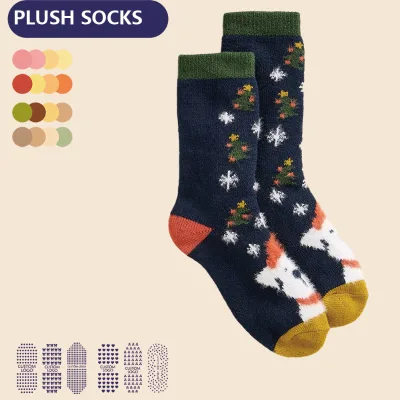
Custom Plush Socks Christmas Socks Grip Anti Slip Thermal Jacquard Cozy Socks
$0.6656 - $0.9729
MOQ: 100 pairs
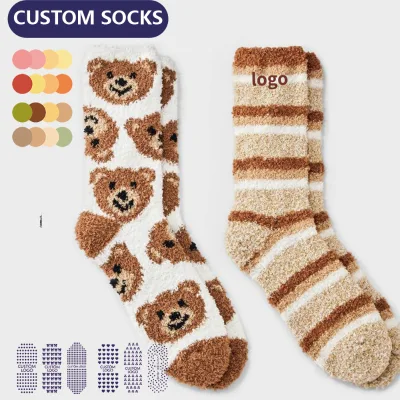
$0.8874 - $1.1033
MOQ: 100 pairs
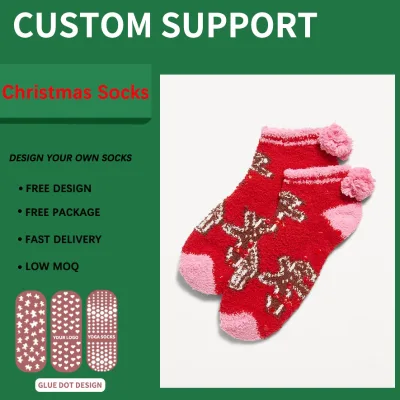
High Quality Womens Winter Fuzzy Socks Plush Soft Warm Fluffy Socks Cozy Ankle Socks
$0.8874 - $1.0928
MOQ: 100 pairs
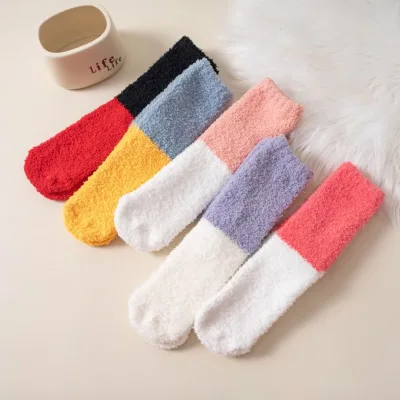
Fuzzy Color Blocking Crew Socks Autumn and Winter Thermal Women Socks Floor Sleep Home Socks
$0.6146 - $0.9024
MOQ: 15 pairs
Yiwu Long Glory Imp. & Exp. Co., Ltd.
- Trading Company
- Zhejiang, China
- Lead time25 days
- Avg. response≤ 3h
Main productssocks,shoes
Main marketsNorthern Europe(30.00%), North America(30.00%), Mid East(20.00%), Central America(5.00%), South America(5.00%), Oceania(5.00%), Africa(3.00%), Domestic Market(2.00%)

FUZHOU SHOO-IN IMP & EXP CO., LTD.
- Verified by SGS
- Trading Company
- China Fujian
- Lead time15 days
- Avg. response≤ 6h
Main productsSports Wear, Promotional Gift, Lanyards, Badges, Caps, Sports Training Products, Sports Balls, Tennis Accessories, Golf Accessories, Pet Products
Main marketsEast Asia(Japan/ South Korea),North America

Winter Thick Warm Thermal Fuzzy Jacquard Wool Nordic Socks for Women Ladies
$0.37 - $0.60
MOQ: 500 Pieces

Yiwu Longge Accessories Limited
- Trading Company
- Zhejiang, China
- Lead time5 days
- Avg. response≤ 5h
Main productssocks,men socks,custom socks,Sunglasses,Hats
Main marketsSouth America(30.00%), North America(20.00%), Western Europe(15.00%), Mid East(5.00%), Oceania(5.00%), Southeast Asia(5.00%), Eastern Europe(5.00%), Africa(3.00%), Domestic Market(2.00%), Eastern Asia(2.00%), South Asia(2.00%), Southern Europe(2.00%), Northern Europe(2.00%), Central America(2.00%)
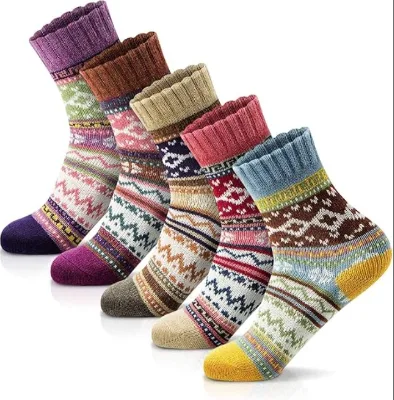
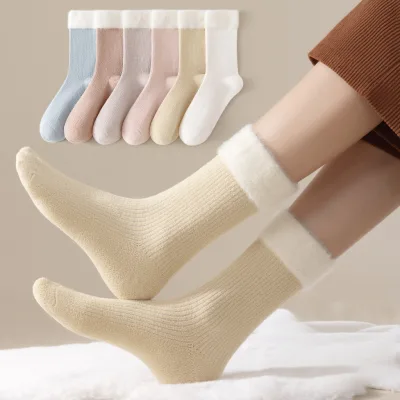
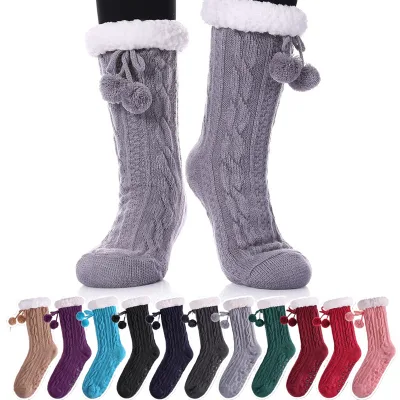
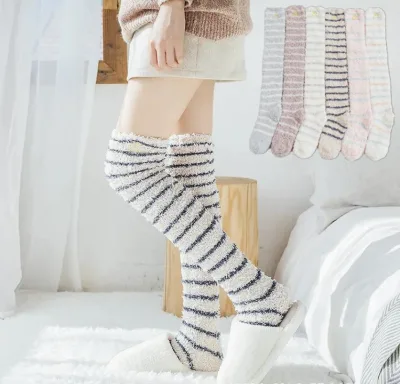
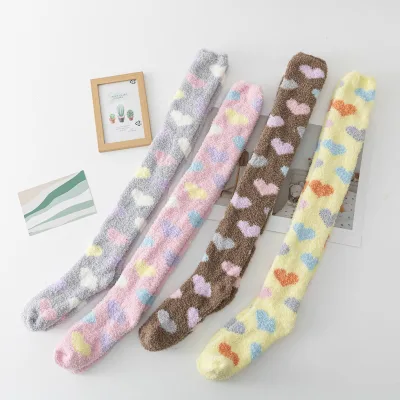
Hot Teen Girls Fuzzy Socks Striped Thigh Embroidery Cute Warm Winter Stockings New Long Fluffy Socks
$1.541 - $3.5946
MOQ: 30 pairs

Hangzhou Xingliao Accessories Co., Ltd.
- Verified by BV
- Trading Company
- China Zhejiang
- Lead time30 days
- Avg. response≤ 5h
Main marketsSouth America,Africa,Europe,Australia
- Verified by TüVRheinland
- Manufacturer, Trading Company
- Lead time25 days
- Avg. response≤ 3h
Main productsBeanie, Scarf, Glove, Sock, Crochet Doll
Main marketsNorth America(35%), Eastern Europe(20%), Western Europe(20%)
Haining Huming Knitting Factory
- Manufacturer, Trading Company
- Zhejiang, China
- Lead time35 days
- Avg. response≤ 4h
Main productsrunning socks,printing socks,ski socks,merino wool socks,sports socks
Main marketsNorth America(70.00%), Eastern Asia(28.00%), Domestic Market(2.00%)
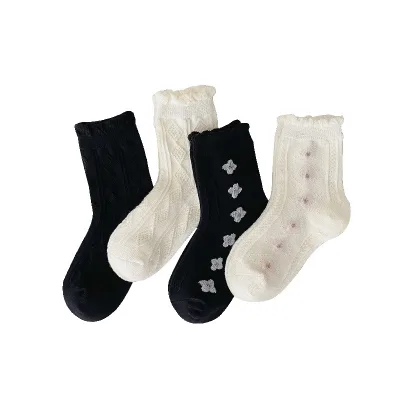
Casual Stockings Autumn and Winter Cotton Socks
$2.10 - $2.80
Zhuji Daling Import And Export Co., Ltd.
- Verified by Intertek
- Manufacturer, Trading Company
- Lead time20 days
- Avg. response≤ 3h
Main productsSocks
Main marketsNorth America(66%), South America(6%), Eastern Europe(6%)

- Verified by CTI
- Trading Company
- China Zhejiang
- Lead time30 days
- Avg. response≤ 5h
Main productsSocks, Men Socks, Sports Socks, Cotton Socks, Custom Socks, Women Socks, Merino Wool Socks, Grip Socks, Bamboo Socks, Pilates Socks
Main marketsSoutheast Asia/ Mideast

Sungnan Import & Export Co., Ltd.
- Verified by TUVRHEINLAND
- Combined
- China Zhejiang
- Lead time30 days
- Avg. response≤ 6h
Main productsScarf, Socks, China Scarf, Leggings, Hats, Bags, Gloves
Main marketsNorth America


Party Gift Fashion Design Women Winter Cozy Soft Cupcake Thermal Sleep Tube Socks Home Fuzzy Socks
$0.80 - $1.50
MOQ: 50 Pieces


ZHENJIANG KIMTEX INDUSTRIAL INC.
- Verified by SGS
- Combined
- China Jiangsu
- Lead time30 days
- Avg. response≤ 13h
Main productsBaseball Cap, Beanie Hat, Trucker Hat, Snapback Cap, Bucket Hat, Gloves, Scarf, Socks, Bandana, T-Shirt
Main marketsAfrica,Southeast Asia/ Mideast,East Asia(Japan/ South Korea),Europe,Australia,North America
- Verified by TüVRheinland
- Manufacturer, Trading Company
- Lead time20 days
- Avg. response≤ 2h
Main productsBamboo Socks, Compression Socks, Soccer Socks, Wool Socks, Children Socks
Main marketsNorth America(25%), Northern Europe(25%), Western Europe(20%)
Huizhou Yixing Trading Co., Ltd.
- Trading Company
- Guangdong, China
- Lead time15 days
- Avg. response≤ 2h
Main productsclothing,hot water bag,winter ornament,bags,Storage items
Main marketsWestern Europe(19.00%), Southern Europe(10.00%), Northern Europe(10.00%), Central America(10.00%), North America(10.00%), Domestic Market(10.00%), Mid East(10.00%), Oceania(10.00%), Southeast Asia(10.00%), Eastern Europe(10.00%), South America(10.00%), Eastern Asia(1.00%), South Asia(1.00%)
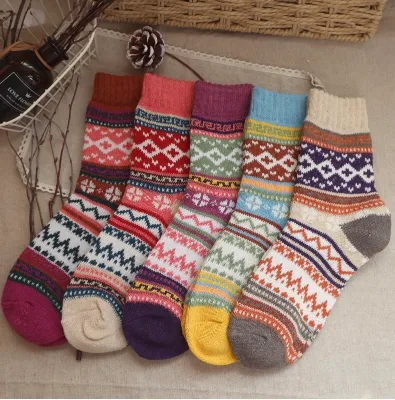
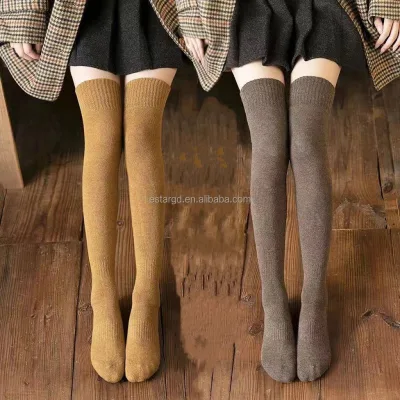
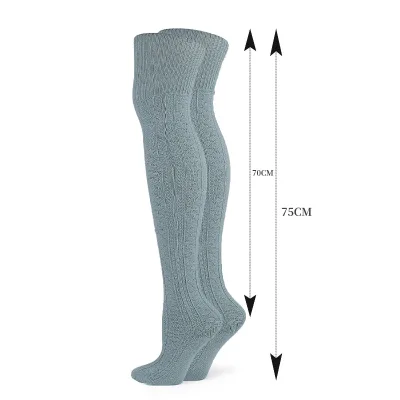
Women Fuzzy Over the Knee Socks Thickened Knit Thigh High Socks Warm Women Stockings
$1.30 - $1.50
MOQ: 100 pieces

shanghai jspeed industry co.,ltd
- Trading Company
- China Shanghai
- Lead time60 days
- Avg. response≤ 5h
Main productsSwimwear, Underwear, Sportswear, Socks, Dress, Skirt, Pants, Shorts, Textile
Main marketsSouth America,Southeast Asia/ Mideast,Domestic,Europe,Australia,North America

Winter Christmas Socks Stripes Tube Fluffy Sock Towel Fuzzy Cozy Socks Warm Wholesale
$0.49 - $1.99
MOQ: 100 Pairs


Hangzhou Fishjumping Industry Co., Ltd.
- Verified by Intertek
- Manufacturer, Trading Company
- Lead time30 days
- Avg. response≤ 3h
Main productsSports Socks, Compression Socks, Yoga Pants, Tights, Pantyhose
Main marketsNorth America(65%), Eastern Europe(14%), Eastern Asia(6%)

Zhuji Dongling Knitting & Textile Co., Ltd.
- Combined
- China Zhejiang
- Lead time30 days
- Avg. response≤ 9h
Main productsSocks, Man Socks, Lady Socks, Sport Socks, Baby & Kids Socks, Tights, Wristband, Non-Slip Socks, Mobile Phone Pouch, Hiking Socks
Main marketsAfrica,Europe,North America


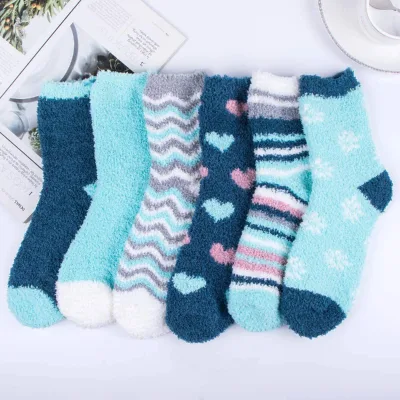
Lady's Fuzzy Fluffy Socks Women Indoor Microfiber Socks, Women Floor Socks
$0.37 - $0.42
MOQ: 2000 Pairs


Ningbo Youkiunite Imp &Exp Co., Ltd
- Verified by CTI
- Trading Company
- China Zhejiang
- Lead time15 days
- Avg. response≤ 6h
Main productsSocks, Hat/Cap, Slippers, Shoelaces, Scarf, Gloves, Pet Products, Shoes Accessories, Garment Accessories, Shoes
Main marketsSouth America,Europe,North America

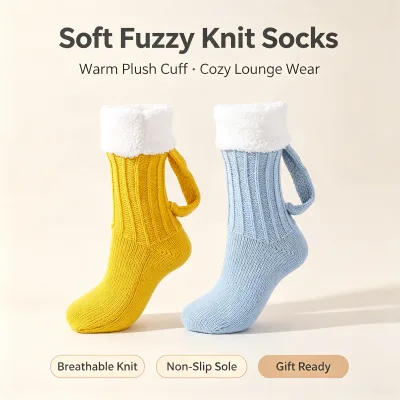
Fuzzy Fluffy Funny Warm Slipper Socks for Women Winter Cozy Thick Cute Crew Christmas Grip Socks
$1.62 - $1.90
MOQ: 3 Pairs

Fuzzy Slipper Socks with Grips Winter Thick Warm Thermal Non Slip Grip Socks
$1.62 - $1.90
MOQ: 20 Pairs

Winter Fuzzy Socks Womens Cozy Fluffy Warm Socks for Women Mom Birthday Christmas Gifts for Her
$0.69 - $0.89
MOQ: 6 Pairs

Jingjiang Pingdong Import & Export Co., Ltd.
- Verified by TUVRHEINLAND
- Trading Company
- China Jiangsu
- Lead time30 days
- Avg. response≤ 20h
Main productsSock
Main marketsEurope,North America
- Verified by SGS Group
- Trading Company
- Lead time35 days
- Avg. response≤ 2h
Main productsSocks, Legging
Main marketsNorth America(25%), Western Europe(13%), Eastern Europe(10%)
- Manufacturer, Trading Company
- Zhejiang, China
- Lead time15 days
- Avg. response≤ 2h
Main productssocks,women socks,men socks,wholesale socks,custom socks
Main marketsNorth America(38.00%), Western Europe(14.00%), Northern Europe(11.00%), Eastern Europe(8.00%), Eastern Asia(6.00%), South America(5.00%), Southern Europe(4.00%), Southeast Asia(4.00%), Central America(3.00%), South Asia(3.00%), Domestic Market(1.00%), Oceania(1.00%), Africa(1.00%), Mid East(1.00%)
NANHAI JIXINGFENG KNIT FACTORY
- Manufacturer, Trading Company
- Guangdong, China
- Lead time15 days
- Avg. response≤ 11h
Main productsSocks,Hats,Gloves,Scarves
Main marketsDomestic Market(60.00%), North America(20.00%), Southern Europe(5.00%), Western Europe(5.00%), Northern Europe(2.00%), Eastern Europe(2.00%), South Asia(1.00%), Oceania(1.00%), Eastern Asia(1.00%), Mid East(1.00%), Central America(1.00%), South America(1.00%)

- Verified by BV
- Combined
- China Zhejiang
- Lead time30 days
- Avg. response≤ 11h
Main productsMen Sock, Baby Clothes, Baby Products, Baby Romper, Sock, Baby Bibs, Cotton Socks, Women Socks, Sports Socks, Kids Wear
Main marketsEurope

Children Baby Kids Custom Cotton Polyester Thermal Fluffy Warm Cozy Socks
$0.50 - $1.00
MOQ: 1000 Pairs

Christmas Wholesale Factory Price Fuzzy Cozy Men Women Thermal Cotton Socks
$1.65 - $2.15
MOQ: 500 Pairs


Foshan Lion King Clothing Co., Ltd.
- Manufacturer
- Guangdong, China
- Lead time20 days
- Avg. response≤ 1h
Main productsmen's socks,women's socks,sports socks,Children's socks,Yoga socks
Main marketsWestern Europe(40.00%), Domestic Market(20.00%), North America(20.00%), Oceania(10.00%), South America(10.00%)
- Verified by SGS Group
- Manufacturer, Trading Company
- Lead time7 days
- Avg. response≤ 3h
Main productsSocks
Main marketsNorth America(18%), Central America(13%), Eastern Europe(11%)
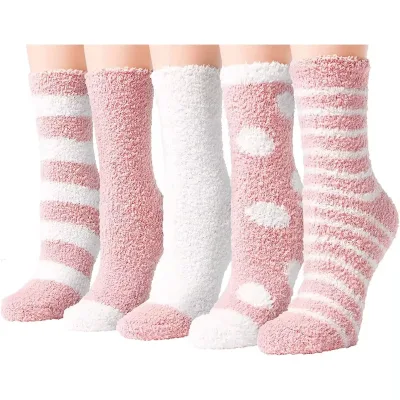
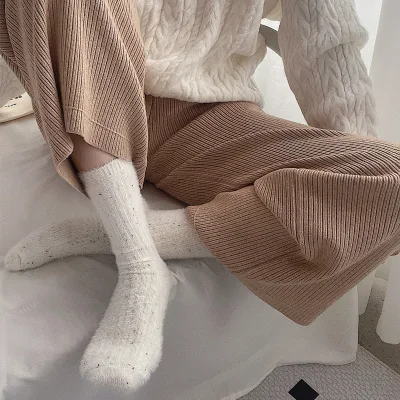
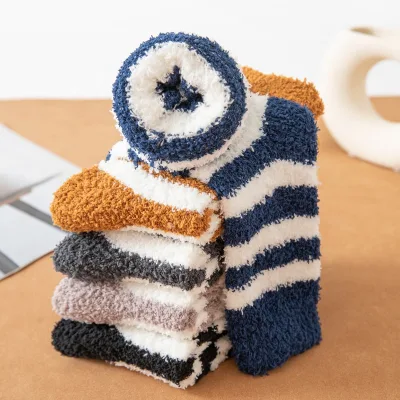
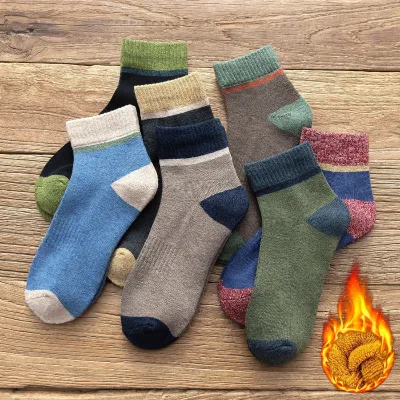
Wholesale Winter Striped Super Soft Fluffy Sleeping Socks Warm Cozy Plush Fuzzy Socks for Men
$0.5441 - $0.5756
MOQ: 12 pairs
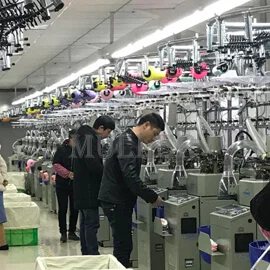
Nanjing Muller Textile Co., Ltd.
- Manufacturer, Trading Company
- Jiangsu, China
- Lead time30 days
- Avg. response≤ 2h
Main productsBaby Socks & Legwear,Dress & Work Socks,Indoor Socks & Booties,Outdoor & Sport Socks,Women's Hosiery
Main marketsSouth America(30.00%), North America(30.00%), Northern Europe(10.00%), Eastern Europe(10.00%), Southern Europe(5.00%), Central America(5.00%), Western Europe(5.00%), Southeast Asia(3.00%), South Asia(2.00%)

Zhuji Longyikairui Import & Export Co., Ltd.
- Trading Company
- Zhejiang, China
- Lead time45 days
- Avg. response≤ 6h
Main productssocks,pantyhoses,leggings,clothes,OEM/ODM
Main marketsNorth America(49.00%), South America(36.00%), Southeast Asia(13.00%), Northern Europe(2.00%)
- Verified by TüVRheinland
- Trading Company
- Lead time30 days
- Avg. response≤ 2h
Main productsSocks, Tights, Slipper, Leg Warmer, Legging
Main marketsNorth America(50%), Western Europe(30%), Oceania(15%)
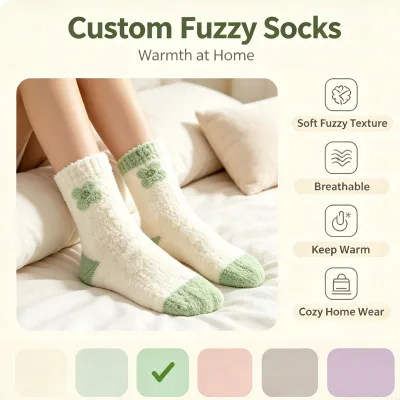
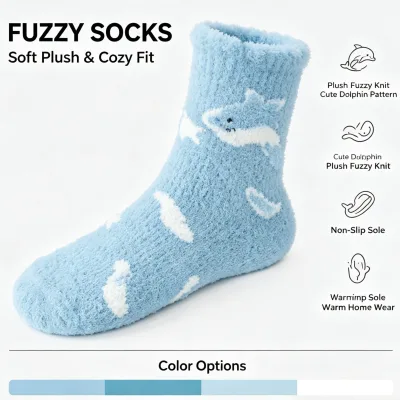
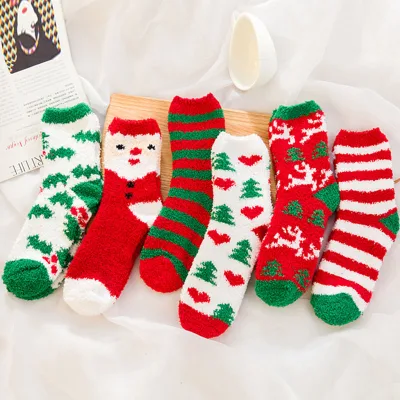
Wholesale Custom logo Design Polyester Winter Cozy Fuzzy Thick Indoor Christmas Socks
$0.03 - $1.01
MOQ: 30 Minimum
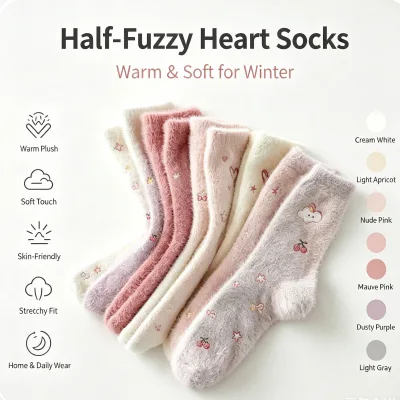
Hangzhou Brighty Shone I/E Co., Ltd.
- Verified by Intertek
- Trading Company
- Lead time30 days
- Avg. response≤ 4h
Main productsMen's Socks, Sports Socks, Tights, Womens Socks, Girls and Boys Socks
Main marketsNorthern Europe(80%), South America(10%), Eastern Europe(10%)






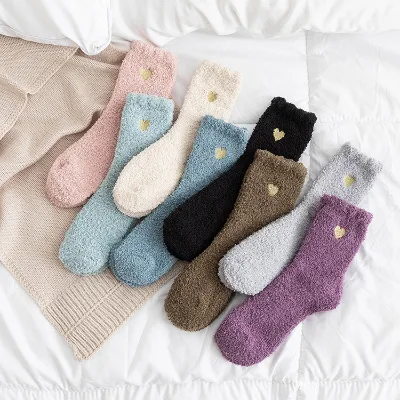
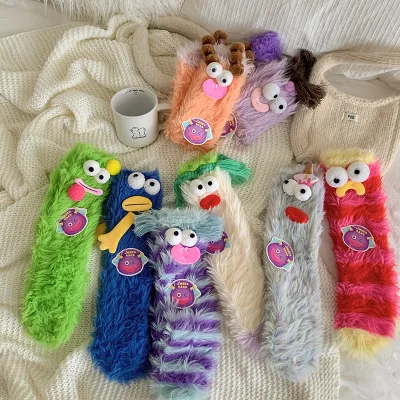
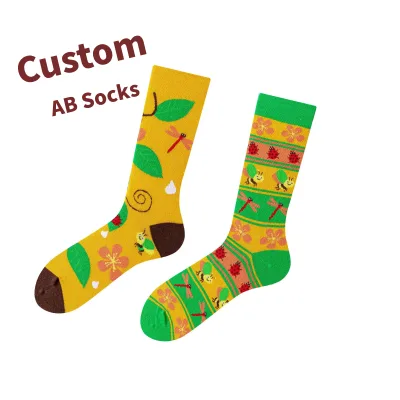
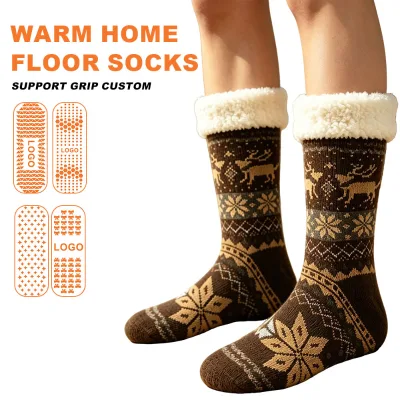
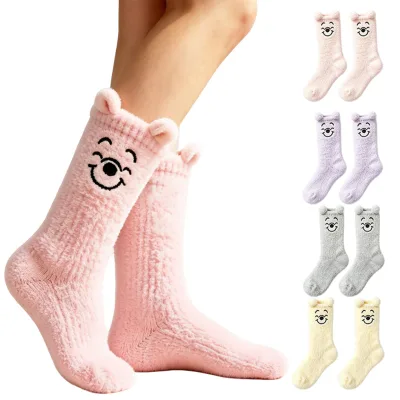
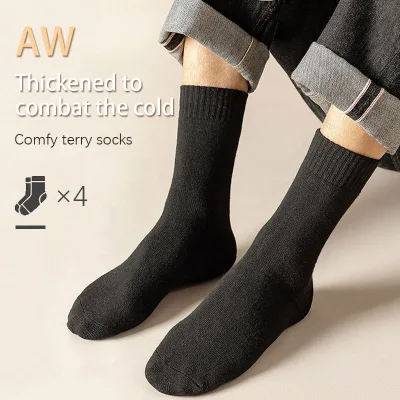
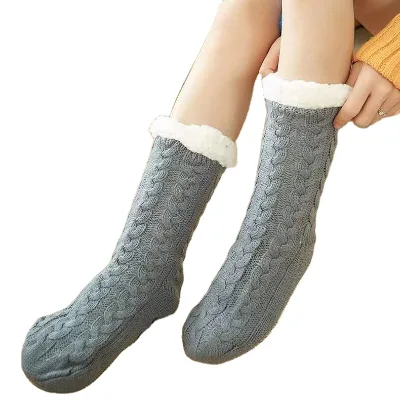
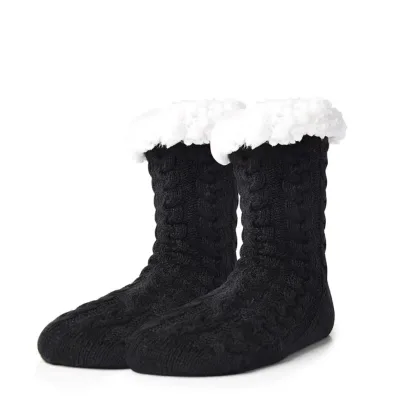
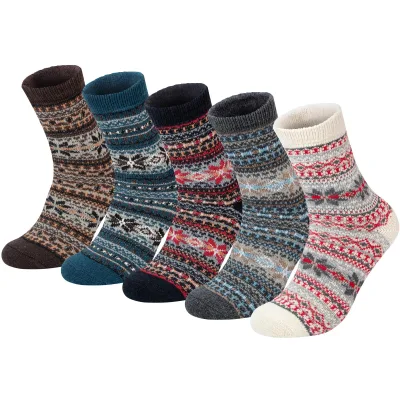
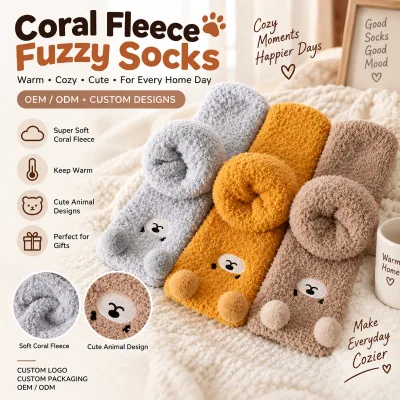
Comprehensive Sourcing Guide
Jacquard Fuzzy Thermal Socks Supplier Concentration and Factory Types
The current supplier landscape for Jacquard Fuzzy Thermal Socks reveals a distinct split between manufacturing entities and trading companies, each offering different operational advantages for buyers seeking bulk apparel. Evidence indicates that manufacturers are primarily concentrated in Zhejiang, China, a region known for its robust textile infrastructure and specialized sock production capabilities. These factories often possess specific technical capacities such as sample processing and graphic processing, which are critical for creating the intricate patterns associated with jacquard designs. The presence of manufacturers suggests that buyers can access direct production lines for custom orders, allowing for greater control over material selection and construction methods. This concentration in Zhejiang provides a logistical advantage for sourcing high-volume orders, as the supply chain for raw materials like spandex, nylon, and wool blends is well-established in this area. Buyers should recognize that while trading companies also operate in this space, the physical manufacturing base is anchored in specific industrial zones where the necessary machinery for seamless knitting and plush finishing is readily available.
Trading companies, on the other hand, often serve as intermediaries that aggregate products from multiple smaller workshops or offer a broader range of complementary items such as sports wear, promotional gifts, and accessories. These entities may not own the knitting machines but provide value through consolidated shipping, diverse product catalogs, and flexible order structures. Some trading companies list main products that include socks alongside shoes or other apparel, indicating a broader sourcing capability that might simplify procurement for buyers looking for mixed apparel orders. However, the distinction is crucial because manufacturers typically offer more direct communication regarding technical specifications and production timelines, whereas trading companies might offer faster response times for general inquiries but less depth in technical support. Understanding this dynamic helps buyers decide whether they need the customization depth of a factory or the convenience and variety of a trading partner. The verification status of these entities, such as Intertek or SGS certifications, further helps in distinguishing between pure trading operations and those with verified manufacturing capabilities, ensuring that the buyer aligns their sourcing strategy with the appropriate supplier type.
How to Verify Jacquard Fuzzy Thermal Socks Suppliers
Verifying the credibility and capability of suppliers requires a multi-layered approach that goes beyond simple product listings, focusing on third-party validations and operational transparency. Buyers should prioritize suppliers who hold verifications from recognized bodies such as Intertek or SGS, as these audits provide objective evidence of the company’s business legitimacy and operational standards. For instance, some suppliers in the current results are verified by Intertek, while others hold SGS certifications, indicating different levels of scrutiny regarding their business practices and product quality. These verifications are particularly important for Jacquard Fuzzy Thermal Socks, where material composition and safety standards are critical. Buyers must check if the supplier’s verification covers the specific manufacturing processes involved, such as the knitting techniques and finishing treatments that create the thermal and fuzzy properties. Additionally, the presence of specific product attributes like needle detection compliance is a strong indicator of a supplier’s commitment to safety standards, ensuring that the final product is free from harmful metallic fragments that could pose risks to consumers.
Beyond certifications, buyers should assess the supplier’s response time and their ability to provide detailed product evidence. A response time of three days or less, as observed in some manufacturer profiles, suggests a more agile and responsive operation, which is vital for resolving technical questions about custom logos or material blends. Buyers should also examine the detailed product attributes provided, such as the specific weaving method, which is listed as knitted for many thermal socks, and the supply type, which may be OEM service or in-stock items. For custom orders, the support for seven-day sample order lead times is a key indicator of a supplier’s readiness to engage in rapid prototyping. Buyers should request these samples to physically verify the thickness, warmth, and jacquard pattern quality before committing to larger orders. Furthermore, checking the place of origin, such as Zhejiang, China, helps in verifying the supplier’s claim of being a local manufacturer rather than a distant trader. By combining verification badges, response metrics, and detailed product specifications, buyers can build a comprehensive profile of each supplier’s reliability and capability to deliver high-quality Jacquard Fuzzy Thermal Socks.
What to Compare Across Jacquard Fuzzy Thermal Socks Suppliers
When evaluating multiple suppliers, buyers must systematically compare key operational metrics such as lead times, minimum order quantities, and pricing structures to determine the best fit for their specific business needs. Lead times vary significantly across the supplier base, with some manufacturers offering a thirty-day production window while others, particularly trading companies, may provide faster turnaround times of fifteen to twenty-five days. This difference is crucial for buyers with tight inventory cycles or seasonal demands, such as those targeting the winter holiday market. Minimum order quantities also differ, ranging from low thresholds of fifteen pieces for certain casual or sample-friendly items to higher volumes of three hundred or five hundred pieces for specialized thermal or wool blends. Buyers should align these MOQs with their sales forecasts to avoid excessive inventory costs or stockouts. Additionally, pricing is a critical factor, with unit costs ranging from approximately zero point six dollars to over three dollars per pair, depending on material complexity, thickness, and customization requirements.
Beyond these basic metrics, buyers should compare the specific product attributes and customization options offered by each supplier. For example, some suppliers provide seamless technics with spandex and nylon blends, while others offer wool and acrylic mixes for enhanced warmth. The availability of custom logos on the body, cuff, or bottom, along with the support for OEM services, allows buyers to brand their products effectively. Buyers should also assess the variety of lengths available, such as crew, ankle, or knee-high options, and the specific features like anti-slip grips or thermal properties. The response time of suppliers, which can range from three days to over five days, impacts the speed of communication and problem resolution during the order process. By creating a comparison matrix that includes lead time, MOQ, price range, material composition, and customization capabilities, buyers can objectively rank suppliers based on their strategic priorities, whether those priorities are cost efficiency, speed to market, or product differentiation. This structured comparison ensures that the final selection is based on concrete data rather than subjective impressions.
Common Jacquard Fuzzy Thermal Socks Sourcing Risks
Sourcing Jacquard Fuzzy Thermal Socks involves several inherent risks that buyers must actively manage to ensure product quality and supply chain stability. One significant risk is the variability in material quality, particularly regarding the "fuzzy" or plush components, which can degrade quickly if low-grade fibers are used. Buyers must verify the material composition, such as the percentage of spandex, nylon, or wool, to ensure durability and warmth retention. Another risk is the inconsistency in jacquard pattern execution, where complex designs may result in loose threads or misaligned patterns if the knitting machinery is not properly maintained. This is particularly relevant for suppliers offering OEM services, where the technical expertise in graphic processing is essential. Buyers should request detailed product evidence and samples to assess the precision of the jacquard work and the overall construction quality. Additionally, the risk of delayed shipments is heightened by the seasonal nature of thermal socks, which require precise timing to meet winter demand. Suppliers with longer lead times or those located in regions prone to logistical disruptions may pose a higher risk of missing critical sales windows.
Furthermore, buyers face the risk of non-compliance with safety and quality standards, especially if the supplier lacks proper verification or testing protocols. The absence of needle detection services, for instance, could lead to safety hazards in the final product. Buyers must ensure that suppliers adhere to relevant standards for textile safety, including checks for harmful substances and physical defects. Another risk is the miscommunication regarding customization details, such as logo placement or color specifications, which can result in incorrect orders if the supplier’s response time is slow or their communication is unclear. Buyers should establish clear specifications and confirm them in writing before production begins. Additionally, the risk of price fluctuations due to raw material costs, such as wool or synthetic fibers, can impact the final unit price. Buyers should lock in prices early in the negotiation process and include clauses for price adjustments only under specific conditions. By identifying and mitigating these risks through rigorous verification, clear communication, and contractual safeguards, buyers can protect their interests and ensure a successful sourcing outcome for Jacquard Fuzzy Thermal Socks.
Jacquard Fuzzy Thermal Socks Regional Sourcing and Logistics
The regional concentration of suppliers significantly influences logistics strategies and cost structures for buyers sourcing Jacquard Fuzzy Thermal Socks. Most manufacturers are located in Zhejiang, China, a major textile hub that offers efficient access to raw materials and established shipping routes. This concentration allows for streamlined production and potentially lower logistics costs due to the high volume of goods moving through regional ports. Buyers sourcing from Zhejiang-based suppliers can benefit from faster domestic transit times to export hubs, reducing the overall lead time from factory to port. However, buyers should also consider suppliers in other regions, such as Fujian, China, which may offer different logistical advantages or cost structures. The location of the supplier impacts the choice of shipping method, with sea freight being the most common for bulk orders due to its cost-effectiveness, while air freight may be necessary for urgent samples or small batches. Buyers must calculate the total landed cost, including freight, insurance, and customs duties, to accurately assess the profitability of each sourcing option.
Logistics planning also involves managing the seasonal demand peaks, which can strain shipping capacity and increase freight rates. Buyers should coordinate with their suppliers to schedule production and shipments well in advance of the winter season to avoid delays. The use of verified suppliers with established logistics networks can help mitigate these risks, as they often have experience in handling international shipments and customs clearance. Buyers should also consider the packaging requirements, as thermal socks often require specific packaging to maintain their shape and quality during transit. Some suppliers offer customized packaging options, which can enhance brand presentation but may add to the logistical complexity. Additionally, buyers should monitor the political and economic conditions in the sourcing regions, as these factors can impact production stability and shipping reliability. By understanding the regional dynamics and planning logistics accordingly, buyers can optimize their supply chain and ensure timely delivery of Jacquard Fuzzy Thermal Socks to their target markets.
Jacquard Fuzzy Thermal Socks Commercial Terms and Order Planning
Effective order planning for Jacquard Fuzzy Thermal Socks requires careful attention to commercial terms, including payment structures, sample policies, and after-sales support. Buyers should negotiate clear payment terms that balance risk and cash flow, such as using escrow services for the first few orders to ensure supplier reliability. The availability of sample orders with a seven-day lead time is a valuable commercial term that allows buyers to validate product quality before committing to large volumes. Buyers should budget for sample costs, which may be refundable upon placing a bulk order, and use these samples to finalize design and material specifications. Additionally, buyers should clarify the warranty and return policies for defective products, ensuring that there is a mechanism for addressing quality issues that arise after delivery. The MOQ requirements, which can range from fifteen to five hundred pieces, should be aligned with the buyer’s sales channels and inventory capacity to minimize holding costs.
Furthermore, buyers should plan for the customization process, which may involve additional costs for logo printing, packaging design, or special material blends. Clear communication of these requirements is essential to avoid misunderstandings and additional charges. Buyers should also consider the impact of currency fluctuations on pricing, especially if sourcing from international suppliers, and include hedging strategies if necessary. The lead time of thirty days for production, as seen in some manufacturer profiles, should be factored into the overall project timeline, allowing for buffer time for quality inspections and shipping. Buyers should establish a regular communication schedule with their suppliers to monitor production progress and address any issues promptly. By structuring commercial terms and order planning with
FAQs
What is the price range for Jacquard Fuzzy Thermal Socks?
Prices typically range from $0.61 to $3.80 per pair depending on material and customization. Basic spandex blends start near $0.61, while wool-acrylic blends reach up to $3.80. Buyers should verify specific unit costs based on order volume and design complexity before finalizing procurement.
What is the minimum order quantity for these socks?
MOQs vary significantly by supplier, ranging from 15 pairs to 500 pairs. Some manufacturers accept low volumes of 15 units for testing, while others require bulk orders of 500 pairs. Buyers must check individual product listings to confirm the exact minimum quantity required for their specific order.
How long does production take for custom orders?
Standard lead times generally span 15 to 30 days for mass production. Sample processing is often supported within 7 days for quick evaluation. Buyers should confirm exact delivery schedules with suppliers, as timelines depend on order size, customization requirements, and current factory capacity availability.
Are these socks available with custom logo printing?
Yes, most suppliers offer OEM services with customizable logo placement on the body, cuff, or bottom. Options include jacquard, embroidery, or print methods. Buyers should verify specific logo positioning capabilities and any associated setup fees or minimum quantity requirements for custom branding before placing orders.
What materials are commonly used for thermal fuzzy socks?
Common materials include spandex, nylon, wool, acrylic, and coral fleece blends. Some products use unspecified materials labeled as other, while others specify wool-acrylic mixes for warmth. Buyers should review product attributes to ensure the material composition meets their specific comfort, durability, and thermal insulation requirements.
Where are these socks typically manufactured?
Manufacturing locations are primarily in Zhejiang, China, with some suppliers operating in Fujian, China. Buyers should verify the specific place of origin for each product listing to ensure alignment with sourcing preferences. Origin impacts shipping logistics, tariffs, and potential supply chain reliability for international orders.
What certifications do these suppliers hold?
Verified suppliers hold certifications from Intertek and SGS. These verifications indicate adherence to specific quality and safety standards. Buyers should request detailed certification documents directly from suppliers to confirm compliance with international regulations and ensure the products meet specific market entry requirements for their target regions.