Jiangsu Minibus Suppliers and Manufacturers for Sourcing
Explore 25 verified suppliers offering Jiangsu Minibus options with varying lead times, response speeds, and certifications. Compare specifications like fuel type, seating capacity, and emission standards to find the right fit. Contact suppliers directly to request quotes and verify customization availability.
Updated
Suppliers List

Henan Zlin Heavy Industry Group Co., Ltd.
- Verified by SGS
- Trading Company
- China Henan
- Lead time90 days
- Avg. response≤ 5h
Main productsLight Truck, Heavy Truck, Special Vehicle, Wheel Loader, Mini Bus, Dump Truck, Farm Machinery, Construction Machinery, Pickup Truck
Main marketsAfrica,Southeast Asia/ Mideast


Big Sale Dongfeng 1.5L Gasoline 7 Seats 11 Seats Cargo Minibus Passenger Van
$5900.00 - $7800.00
MOQ: 1 Pieces
Henan Tarzan Heavy Industry Group Co., Ltd.
- Verified by SGS Group
- Manufacturer, Trading Company
- Lead time35 days
- Avg. response≤ 4h
Main productsExcavator, Loader, Bulldozer, Road Roller, Truck Crane
Main marketsAfrica(50%), South America(15%), Mid East(10%)
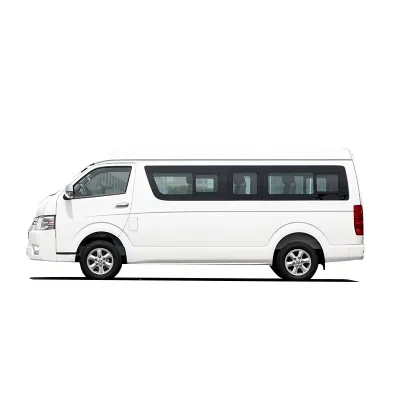
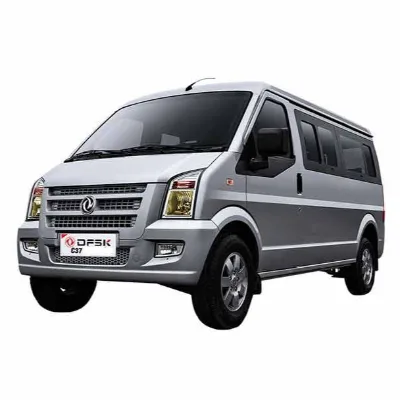
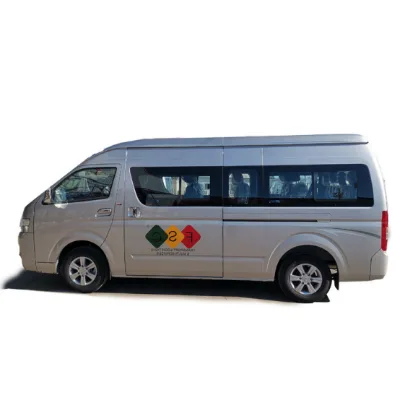
New Minibus Chinese Brand Camping Bus 12 Seater Mini Bus Photo Bus Hiace Is Sale
$20365.2371 - $20677.7471
MOQ: 1 units
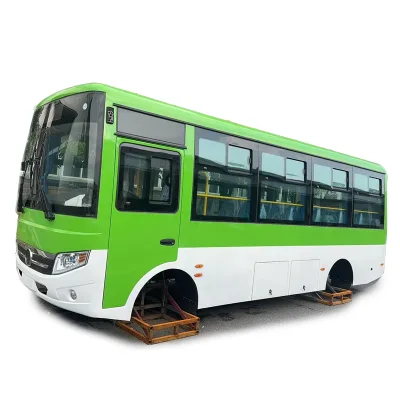
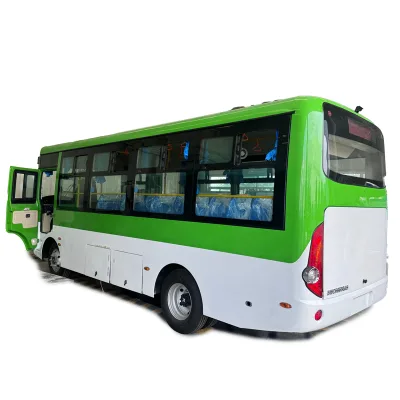
Beautiful Appearance Bus Touristes Mini Bus for Transport City Buses
$7098.8833 - $8230.5893
MOQ: 1 units
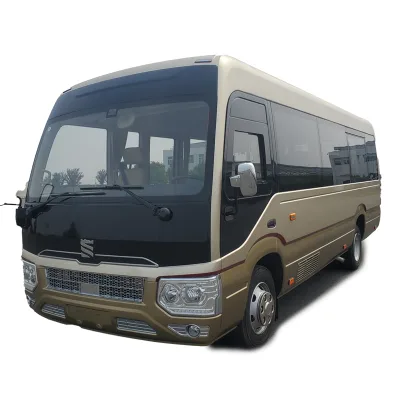
Tenglong Brand Chinese coaster Bus Mini Bus Left Brand New Bus Price
$5615.5418 - $5945.8629
MOQ: 1 units
Zhengzhou Dongfeng Mid-South Enterprise Co., Ltd.
- Verified by SGS Group
- Manufacturer, Trading Company
- Lead time15 days
- Avg. response≤ 4h
Main productsNew and used truck , New and used bus, Spare parts for vehicle, Construction and engineer machine
Main marketsAfrica(70%), South America(20%), Mid East(10%)
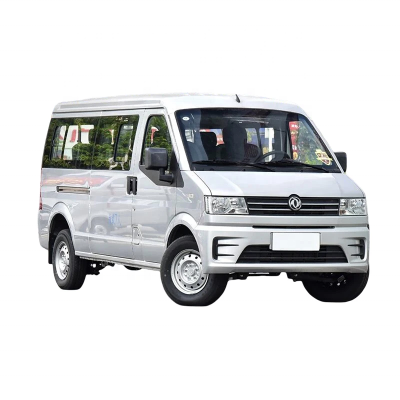
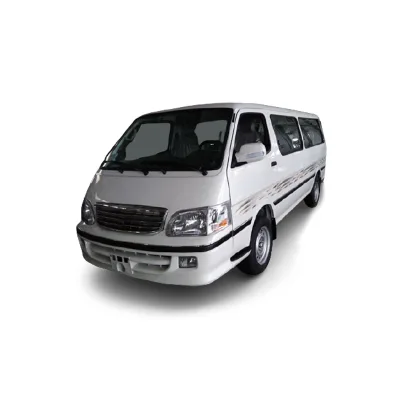
15 Passengers LHD/RHD Dongfeng City Mini Bus
$7990.00 - $9160.00
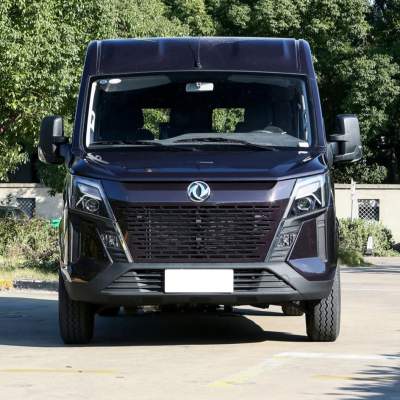
High Quality Dong Feng Mini Bus 7 Seats New Vehicle Bus Minibus for Sales
$11702.00 - $12710.00
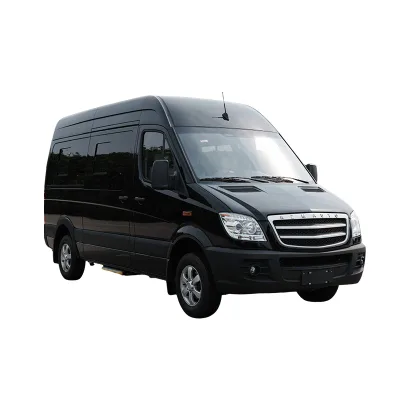
Brand New 16 Seats Chinese Minibus Good Price
$26500.00 - $26900.00
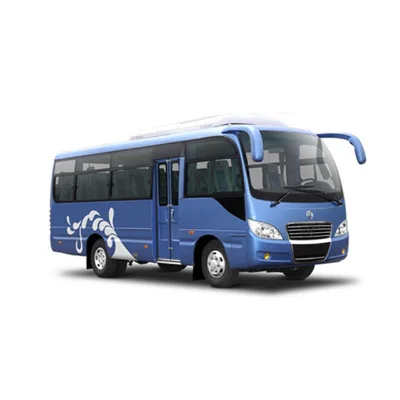
2015 New Chinese 15 Seats Mini Bus City Bus Price Low for Sale
$12000.00 - $18000.00
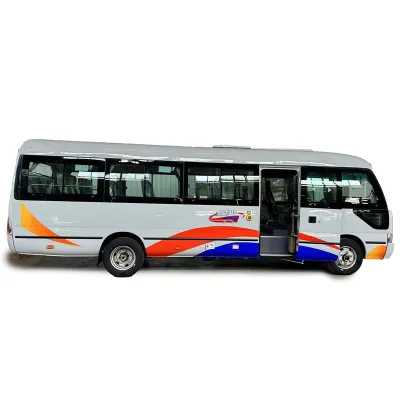
2024 Mini Bus 29 Passengers Cheap Mini Bus New Mudan Coaster in China
$15880.00 - $16890.00

Zhengzhou Hongying Engineering Machinery Co., Ltd
- Verified by CTI
- Trading Company
- China Henan
- Lead time30 days
- Avg. response≤ 3h
Main productsExcavator
Main marketsAfrica,Southeast Asia/ Mideast

Chongqing Lehman Automobile Service Co., Ltd.
- Verified by SGS
- Trading Company
- China Chongqing
- Lead time30 days
- Avg. response≤ 3h
Main productsAutomobile, Bus, Van, Pickup, Truck, Truck Crane
Main marketsOthers(foreignTradeCapacity.exportBusinessCapacityMarketOther)


Chinese Brand Microbus Mini Bus Large Passenger Van with Reversing Image
$19800.00 - $22000.00
MOQ: 2 Pieces
Henan Elorry Industrial Co., Ltd.
- Verified by SGS Group
- Trading Company
- Lead time15 days
- Avg. response≤ 2h
Main productsConcrete equipment, Truck, Trailers, Special Transportation, Excavators
Main marketsAfrica(50%), North America(30%), Mid East(10%)
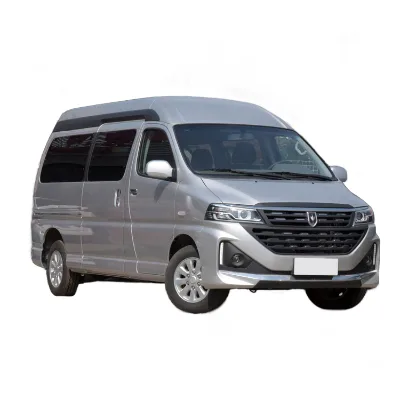
Hot Sale Chinese Mini Van Used 14 Seats Jinbei Hiace Mini Transport Passenger Buses
$9354.8033 - $10394.2264
MOQ: 1 units
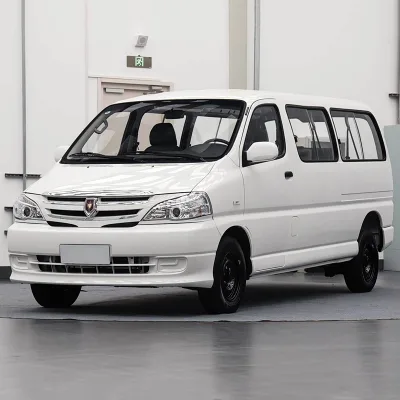
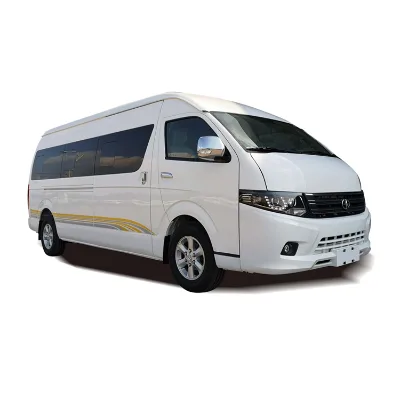
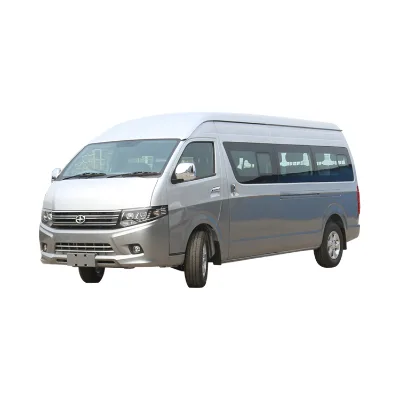
Rvyue R6 Mini Bus 6m <15-Seater Diesel Minibus Left Hand Drive Manual Euro 4 New
$8399.00 - $12099.00

Jiangsu Joylong Automobile Co., Ltd.
- Verified by TUVRHEINLAND
- Combined
- China Jiangsu
- Lead time30 days
- Avg. response≤ 8h
Main productsMinibus, Conventional Fuel Vehicle, Electric Vehicle, Commercial Vehicle, Electric Van, Diesel Commercial Vehicle, Gasoline Engine Commercial Vehicle, Mini Electric Car, CNG Engine Vehicle, Dual-Fuel Vehicle
Main marketsSouth America,Africa
Zhengzhou Carstar Vehicle Sales Co., Ltd.
- Verified by SGS Group
- Trading Company
- Lead time20 days
- Avg. response≤ 2h
Main productsUsed Bus, Used Dump Truck, Used Fuel Tank Truck, Used Excavator, Used Road Roller
Main marketsAfrica(60%), South America(25%), Mid East(10%)
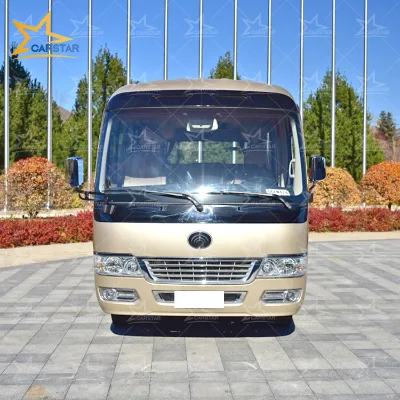
14 Passengers Mini Bus Made in China Hot Selling Minibus Used Air Conditioner Minibus
$8287.5513 - $10359.4391
MOQ: 1 sets
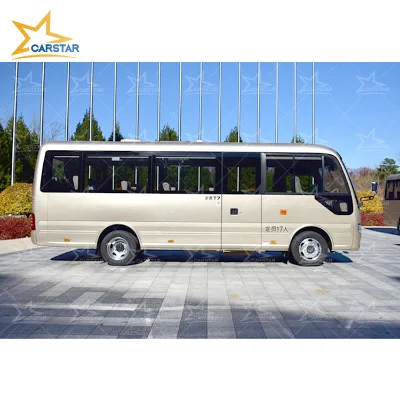
Yutong Diesel Mini Bus China High Roof Van Mini Bus Used Minibus Vip
$8000.00 - $10000.00
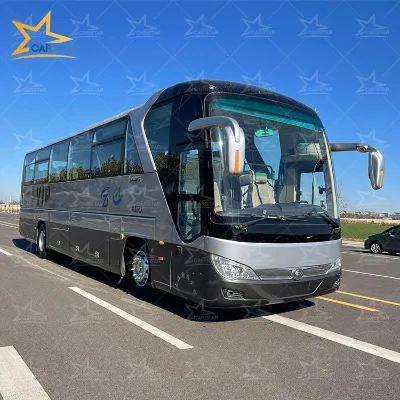
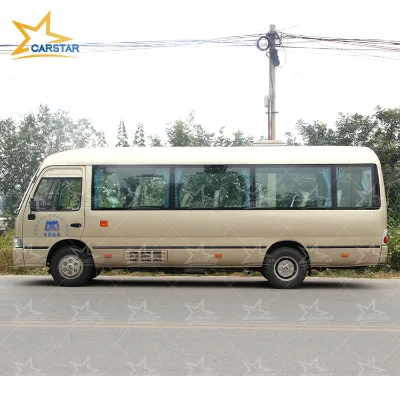
Left Hand Drive 23 Seats Bus 4X4 Mini Bus Kinlong Minibus in City Bus
$8287.5513 - $10359.4391
MOQ: 1 sets

Shandong Storm Machinery Co., Ltd.
- Verified by SGS
- Trading Company
- China Shandong
- Lead time45 days
- Avg. response≤ 5h
Main productsDump Truck, Tractor Truck, Semi-Trailer
Main marketsSouth America,Africa

$566.00 - $21000.00
MOQ: 1 Pieces

China Factory Brand New Minibus 19 Seats 140HP City Shuttle Passenger Van Bus
$500.00 - $30000.00
MOQ: 1 Pieces

Fairly Used Customized Yutong City Bus Coaches 15-25 Seats Minibus for Transportation for Sale
$7200.00 - $13300.00
MOQ: 1 Pieces

$5000.00 - $8000.00
MOQ: 1 Pieces


$9000.00 - $30000.00
MOQ: 1 Pieces

Ricalt Automobile Technology (Hubei) Co., Ltd.
- Trading Company,Manufacturer/Factory
- China Hubei
- Lead time45 days
- Avg. response≤ 6h
Main productsTruck, off-Road Truck, Cargo Truck, Dump Truck, Truck Crane, Water Truck, Garbage Truck, Bus, Tow Truck, Wrecker
Main marketsSouth America,Mid East,Southeast Asia,Eastern Asia,Africa


China Factory Hot Sale with Air Conditioner 24-31seat New Luxury Mini Bus
$28500.00 - $29800.00
MOQ: 1 Pieces


$25600.00 - $26800.00
MOQ: 1 Pieces

Qingdao Aucwell Ev Industrial Co., Ltd.
- Verified by TUVRHEINLAND
- Trading Company
- China Shandong
- Lead time30 days
- Avg. response≤ 4h
Main productsElectric Van, Electric Bus, Electric Cargo Van, Electric Minibus, Electric Truck, Electric Pickup, Electric Microbus
Main marketsNorth America


China Supplier 20-Seater Electric Minibus 400km Long Range with Dual Drive Option
$35500.00 - $36000.00
MOQ: 1 Unit

Electric City Bus with Long Traveling Range New Model Electric Bus New Energy Passenger Bus
$39000.00 - $40000.00
MOQ: 1 Pieces


Electric Passenger Minibus 300km Long Range 15 Seats Left Right Hand Drive
$21000.00 - $21500.00
MOQ: 1 Unit

Changzhou Junyang Import And Export Co., Ltd.
- Trading Company
- Jiangsu, China
- Lead time21 days
- Avg. response≤ 2h
Main productsbus seat,coach seat,bus interior,car interior,luxury car seat
Main marketsMid East(60.00%), North America(30.00%), Eastern Europe(10.00%)
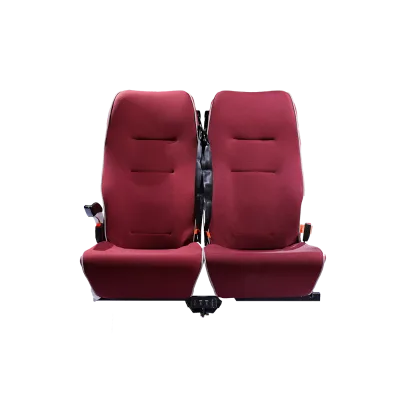
China Brand 24 Seats Diesel Engine Mini Coach Bus for Employee Transportation
$82.1377 - $123.2058
MOQ: 15 pieces
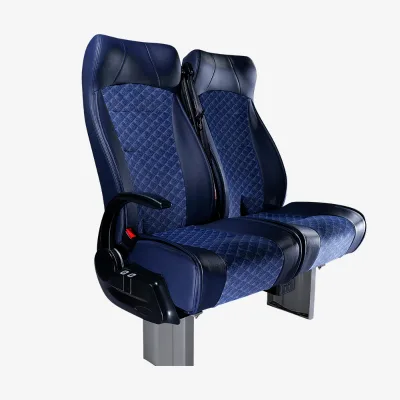
$82.3071 - $113.1715
MOQ: 10 pieces
Hubei Manten Automobile Co., Ltd.
- Trading Company
- Hubei, China
- Lead time35 days
- Avg. response≤ 3h
Main productsOil Tanker Truck,Compression Garbage Truck,Fire Fighting Truck,Aerial Platform Truck,Sewage Suction Vehicle
Main marketsAfrica(45.00%), Southeast Asia(25.00%), Mid East(15.00%), South America(15.00%)
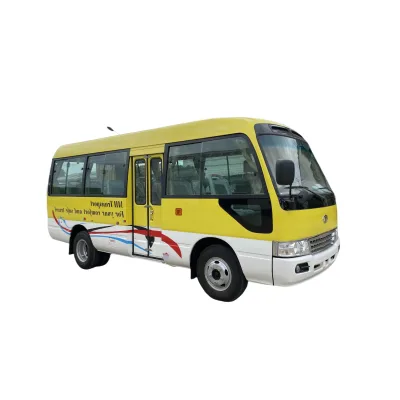
Nice Price China Brand Huang Hai 16 Seats 24 Seats Mini School Bus Coach City Bus
$10082.4719
MOQ: 1 Minimum
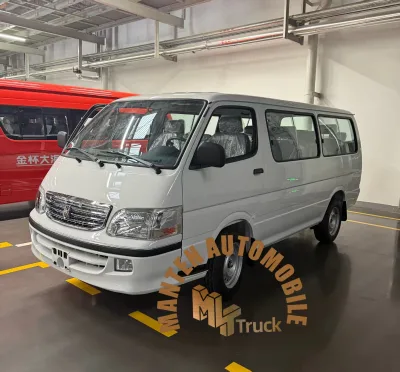
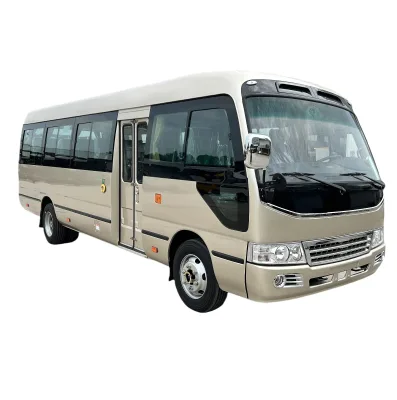
31 Seats Diesel Tourist Van Mini Bus Worker Delivery Urban Logistics Coach City Bus
$26000.00
MOQ: 1 Minimum
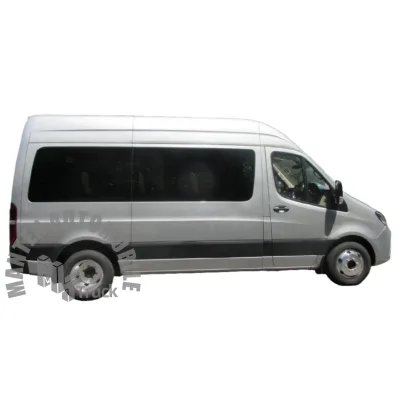

Chonking Manba Auto Tech Service Co., Ltd.
- Verified by TUVRHEINLAND
- Trading Company
- China Chongqing
- Lead time30 days
- Avg. response≤ 3h
Main productsTruck, Van, Bus, New Energy, Coach, Special Vehicle, Pick up, Dumper, Tractor, Used Vehicle
Main marketsSouth America,Africa,Others(foreignTradeCapacity.exportBusinessCapacityMarketOther),Southeast Asia/ Mideast

China Jinbei Mini City Bus Passenger Van Reliable Performance Low Maintenance Cos
$13000.00 - $15000.00
MOQ: 1 Pieces

Joylong A6 5.99 Meter Low Fuel Consumption Eco-Friendly Mini Van Mini Bus
$7500.00 - $30000.00
MOQ: 1 Pieces

Jinbei Powerful H2l Minibus Fuel-Economy 16 Seats High Payload Capacity
$13000.00 - $15000.00
MOQ: 1 Pieces

Joylong A4 Customizable High Speed Long Range Diesel/Gasoline Mini Van Mini Bus
$7500.00 - $25000.00
MOQ: 1 Pieces

Mini Bus 16 Seats High Capacity Gasoline/Diesel Fuel Efficiency for Commercial Use
$13000.00 - $15000.00
MOQ: 1 Pieces

Xinxiang Dongfeng Xinda Heavy Industry Co., Ltd.
- Verified by TüVRheinland
- Manufacturer, Trading Company
- Lead time30 days
Main productsCement Conveyer, Pump Truck, Aerial Work Vehicle, Carriage Detachable Truck, Mobile Detachable Mixing Station
Main marketsDomestic Market(75%), Mid East(8%), Southeast Asia(7%)
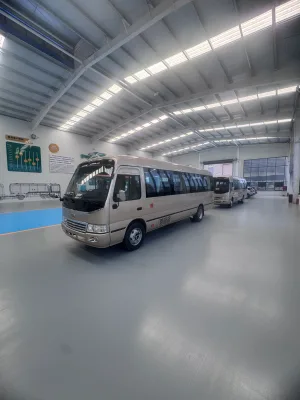
$19800.00 - $21500.00
MOQ: 1
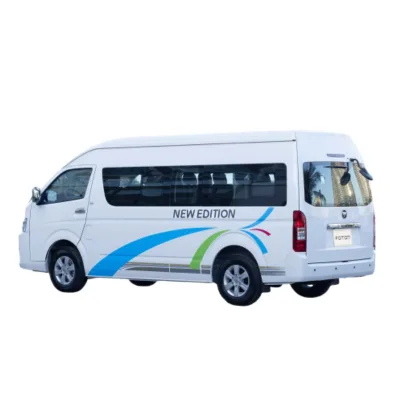
$10560.00 - $11800.00
MOQ: 1

Wuhu Enki Supply Chain Management Co., Ltd.
- Verified by BV
- Trading Company
- China Anhui
- Lead time0 days
- Avg. response≤ 3h
Main productsElectric Car, Electric Truck, Electric Cargo Van, Electric Microbus, Hybrid Electric Car, Electric Tricycle, Low Speed Four-Wheel Electric Car, Building Tape, Masking Tape, Building Material


New Wuling Zhiguang Gasoline 7 Seats Passenger Van Minibus Microbus Manual 1.5L
$6050.00
MOQ: 1 Pieces

Zhanjiang Kingstar Vehicle Co., Ltd.
- Verified by TUVRHEINLAND
- Trading Company,Manufacturer/Factory,Other
- China Guangdong
- Lead time60 days
- Avg. response≤ 4h
Main productsMPV, Minibus, Light Bus, Big Bus, Van, Truck, Pickup, SUV, Electric Vehicle
Main marketsSouth America,Mid East,North America,Southeast Asia,Oceania,Africa
Hubei Chusheng Vehicle Imp.and Exp. Co., Ltd.
- Verified by Intertek
- Trading Company
- Lead time40 days
- Avg. response≤ 4h
Main productsSpecial Trucks, Semi Trailers, LPG Tanker
Main marketsAfrica(70%), Southeast Asia(10%), Domestic Market(10%)
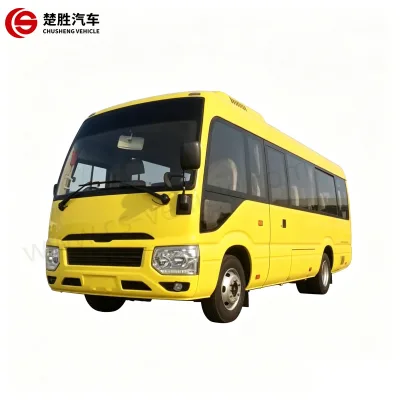
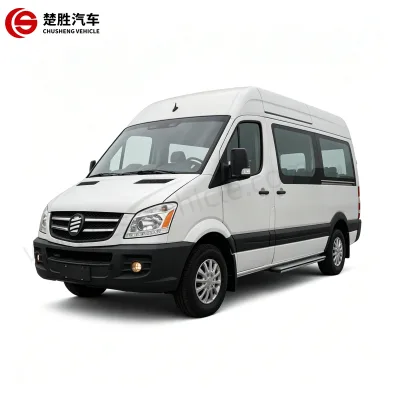
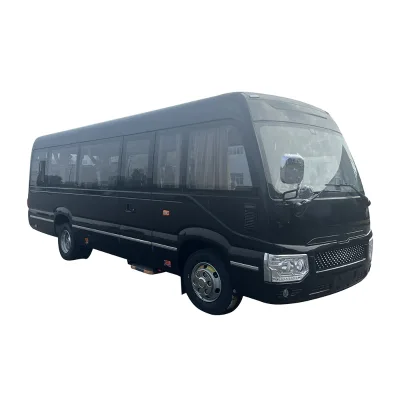
Wholesale All New Mini Business City Bus 7.2m Model for Sale
$26000.00 - $27000.00
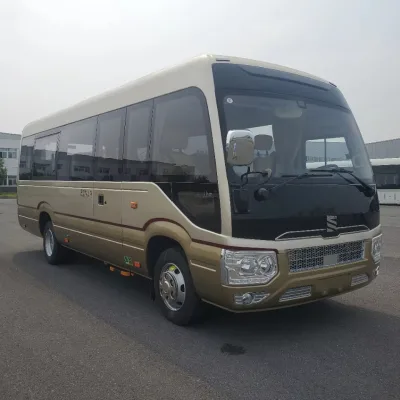
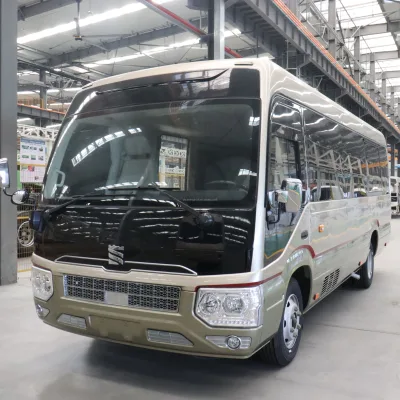
$25000.00 - $28500.00
MOQ: 1 units

Cangzhou Bohai New District Pulu Technology Co., Ltd.
- Verified by CTI
- Trading Company
- China Hebei
- Lead time60 days
- Avg. response≤ 12h
Main productsRV Trailer, Trailer, Caravan, Motorhome, Camper Trailer, Trailer Accessories, off Road Trailer, Camper Van, Pickup Truck Camper
Main marketsAfrica


11-Seat Electric Right-Hand Drive Minibus for Sale, Suitable for Commercial Use.
$18800.00
MOQ: 1 Pieces


Diesel-Electric Minibus, Right-Hand Drive, Suitable for Urban Transportation in Africa.
$18800.00
MOQ: 1 Pieces
Anhui Ankai Automobile Co., Ltd.
- Verified by SGS Group
- Manufacturer, Trading Company
- Lead time45 days
Main productsCity Bus, Coaches, EV-Bus, School Bus, Bus Chassis
Main marketsDomestic Market(50%), Mid East(20%), South Asia(14%)
Shandong Chengda Machinery Co., Ltd.
- Verified by SGS Group
- Manufacturer, Trading Company
- Lead time25 days
- Avg. response≤ 4h
Main productsFlat Bed Trailer, Dump Truck, Wheel Loader, Excavator, Forklift
Main marketsAfrica(30%), Southeast Asia(25%), Eastern Asia(15%)
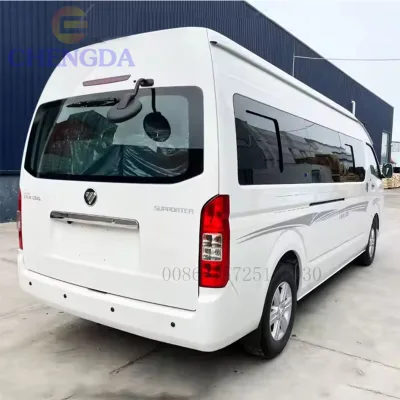
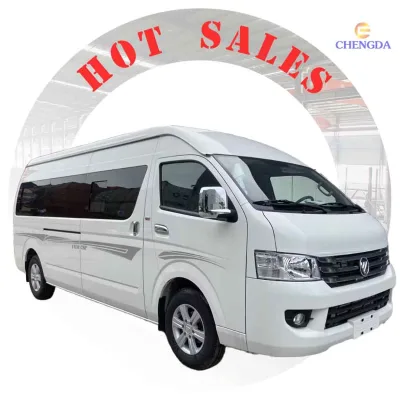
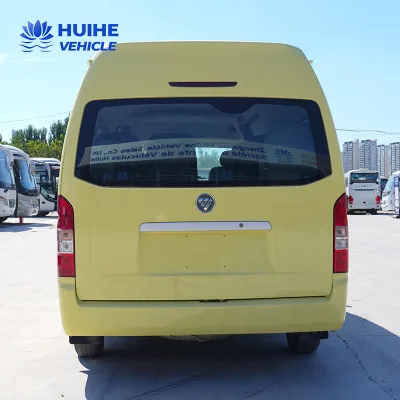
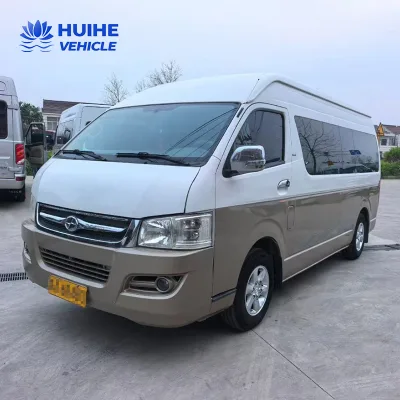
Best Selling Wheelchair Van Foton Van Mini Bus Cheap Vans for Sale
$13870.0971 - $16438.6336
Zhengzhou Huihe Vehicle Sales Co., Ltd.
- Verified by SGS Group
- Trading Company
- Lead time15 days
- Avg. response≤ 2h
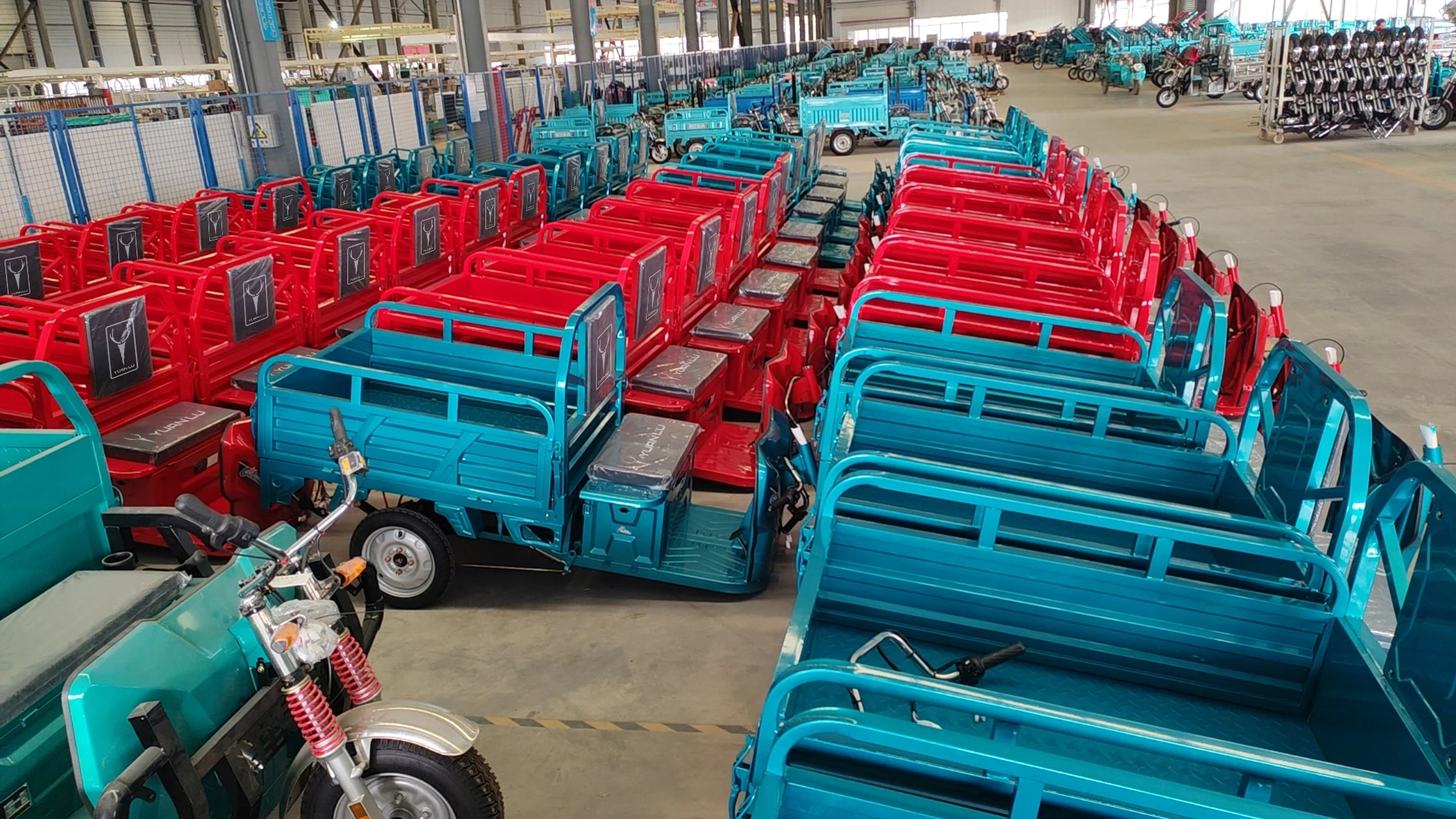
Main productsUsed Bus, Dump Truck, Tractor Truck
Main marketsAfrica(80%), South America(5%), Mid East(5%)
Chongqing Jinjian Global Trading Co., Ltd.
- Trading Company
- Chongqing, China
- Lead time30 days
- Avg. response≤ 5h
Main productsElectric Motorcycles / Three-wheeled Motorcycles,Electric Scooters,Electric Tricycles,Gasoline/Fuel Motorcycles,Automobile
Main marketsOceania(10.00%), Africa(10.00%), South America(10.00%), Southern Europe(10.00%), Northern Europe(10.00%), Central America(10.00%), Domestic Market(8.00%), Western Europe(7.00%), Southeast Asia(5.00%), Mid East(5.00%), Eastern Asia(5.00%), North America(5.00%), Eastern Europe(3.00%), South Asia(2.00%)

South East Motor Import & Export Co., Limited
- Trading Company,Manufacturer/Factory,Group Corporation
- China Chongqing
- Lead time23 days
- Avg. response≤ 12h
Main productsSUV, Truck, Bus, Van, EV Car, Electric Car, Pickup, Automobile, Sedan, Vehicle Spare Parts.
Main marketsSouth America,Eastern Europe,Mid East,Southeast Asia,Eastern Asia,Oceania,Africa
Zhengzhou Leou Machinery Technology Co., Ltd.
- Manufacturer
- Henan, China
- Lead time15 days
- Avg. response≤ 4h
Main productsBus,Truck,Excavator,Car,Tractor
Main marketsSouth America(19.00%), Africa(18.00%), Eastern Asia(15.00%), Northern Europe(10.00%), South Asia(10.00%), Mid East(10.00%), Eastern Europe(10.00%), Southeast Asia(8.00%)




Comprehensive Sourcing Guide
Jiangsu Minibus Supplier Concentration and Factory Types
When evaluating the landscape for minibus procurement, it is critical to distinguish between manufacturing capabilities and trading operations, as this distinction directly impacts pricing, customization flexibility, and supply chain transparency. The current supplier results indicate a diverse mix of company types, with many entities identified as Trading Companies, while others operate as both Manufacturers and Trading Companies. This hybrid model suggests that some suppliers may have direct access to production lines while also managing the commercial and logistical aspects of the sale. For buyers seeking Jiangsu Minibus solutions, understanding this structural difference is paramount because trading companies often aggregate products from multiple factories, potentially offering a wider variety of models but with less direct control over production schedules. Conversely, pure manufacturers might offer better pricing on standardized units but could have limited flexibility for custom modifications. The presence of suppliers verified by SGS adds a layer of credibility to these operational claims, indicating that third-party audits have confirmed their business practices and product quality standards. However, buyers must verify whether the verification applies to the trading entity or the actual manufacturing facility, as this affects the reliability of the supply chain. The main products listed across these suppliers include a broad range of vehicles such as Light Trucks, Heavy Trucks, Special Vehicles, Wheel Loaders, Mini Buses, Dump Trucks, Farm Machinery, Construction Machinery, and Pickup Trucks. This extensive product portfolio suggests that many suppliers are not specialized solely in minibuses but are generalist vehicle distributors or manufacturers. For a buyer focused specifically on Jiangsu Minibus, this means that while the supplier may have the inventory or capability to provide the desired vehicle, their core expertise might lie in heavy machinery or commercial trucks. Therefore, assessing the supplier’s specific experience with minibus models, such as the Dongfeng C56 or similar variants, is essential to ensure they possess the necessary technical knowledge and after-sales support infrastructure. The diversity in main products also implies that buyers should look for suppliers who demonstrate a dedicated focus on passenger transport vehicles rather than those who treat minibuses as a secondary line item. This focus often correlates with better inventory management, more accurate lead times, and more responsive customer service for minibus-specific inquiries.
Furthermore, the geographic distribution of these suppliers provides additional context for sourcing decisions, although specific Jiangsu-based concentrations are not explicitly confirmed in the current data. The observed results show suppliers located in China Henan and Chongqing, China, which indicates that the minibus supply chain is not limited to a single province. For buyers targeting Jiangsu Minibus suppliers, this geographic dispersion means that logistics and shipping costs may vary significantly depending on the supplier’s actual location. Buyers should actively filter search results to identify suppliers with a physical presence or operational base in Jiangsu, as this can reduce inland transportation costs and facilitate easier factory audits. If no suppliers are found in Jiangsu, buyers should consider suppliers from other major manufacturing hubs like Henan or Chongqing, provided they can offer competitive logistics solutions. The verification status of these suppliers, such as SGS Group verification, serves as a baseline for trust, but it does not guarantee geographic proximity. Therefore, buyers must combine verification data with explicit location filters to ensure they are engaging with suppliers who can meet their specific regional sourcing requirements. The ability to customize products is also a key differentiator, with some suppliers offering available customization options for fuel type, seating capacity, and exterior design. This flexibility is often more readily available from manufacturers or trading companies with strong factory partnerships, allowing buyers to tailor the minibus to their specific operational needs. By carefully analyzing the company type, verification status, and product range, buyers can build a shortlist of suppliers who are not only capable of providing the vehicle but also aligned with their strategic sourcing goals.
How to Verify Jiangsu Minibus Suppliers
Verifying the legitimacy and capability of minibus suppliers requires a multi-layered approach that goes beyond simple profile reviews, focusing on tangible evidence of production capacity, quality control, and financial stability. The first step in this verification process is to scrutinize the supplier’s verification badges, such as SGS or SGS Group, which indicate that an independent third party has assessed their business credentials. However, buyers should not rely solely on these badges; they must request detailed verification reports that specify the scope of the audit, including whether it covers the manufacturing facility, quality management systems, and export capabilities. For Jiangsu Minibus suppliers, it is crucial to confirm that the verified entity is the actual producer or an authorized distributor, as unauthorized agents may lack the authority to guarantee product authenticity or after-sales service. Additionally, buyers should examine the supplier’s response time, which is listed as 4.20 hours for some suppliers, as this metric can indicate the efficiency of their customer service and their ability to handle urgent inquiries or order modifications. A faster response time often correlates with a more organized internal process, which is essential for managing complex vehicle orders that involve multiple specifications and logistics arrangements. Buyers should also look for evidence of past transactions and customer feedback, although these are not explicitly provided in the current data. Instead, they can request references from previous clients, particularly those who have purchased similar minibus models for commercial or public transport use. This direct feedback can provide insights into the supplier’s reliability, delivery consistency, and the quality of the vehicles received.
Another critical aspect of verification is the assessment of the supplier’s product specifications and compliance with international standards. The current results show products with attributes such as Euro 4 emission standards, manual transmission types, and specific engine capacities, which buyers must cross-reference with their local regulatory requirements. For example, if the buyer’s market requires Euro 5 or Euro 6 emissions, a supplier offering only Euro 4 compliant vehicles may not be suitable, regardless of their other strengths. Buyers should request detailed technical datasheets, certification documents, and test reports for the specific minibus models they are interested in, such as the Dongfeng C56 or the Electric Cargo Van. These documents should verify the vehicle’s performance metrics, including max speed, wheelbase, and fuel consumption, to ensure they match the supplier’s claims. Furthermore, buyers should inquire about the supplier’s quality control processes, including how they handle defects, warranty claims, and spare parts availability. The presence of overseas third-party support for after-sales service is a significant advantage, as it indicates that the supplier has established a network for maintaining vehicles in the buyer’s region. Buyers should verify the scope and reliability of this support by asking for specific examples of past service engagements or contacting the third-party provider directly. Additionally, buyers should check if the supplier has any relevant industry certifications, such as ISO 9001 for quality management or ISO 14001 for environmental management, which can further attest to their operational standards. By combining verification badges, response time analysis, product compliance checks, and after-sales service assessments, buyers can build a comprehensive profile of each supplier’s reliability and suitability for their Jiangsu Minibus sourcing needs.
What to Compare Across Jiangsu Minibus Suppliers
When comparing multiple suppliers for Jiangsu Minibus procurement, buyers must evaluate a range of quantitative and qualitative metrics to identify the most suitable partner for their specific requirements. One of the most critical factors is the lead time, which varies significantly among suppliers, with some offering 90 days and others as little as 35 days. This difference can have a substantial impact on the buyer’s inventory management and project timelines, especially if the minibus is needed for immediate deployment or a specific event. Buyers should align their lead time requirements with the supplier’s stated capabilities, keeping in mind that shorter lead times may come at a premium or require a higher minimum order quantity. Another key metric is the minimum order quantity (MOQ), which is listed as 1 for some suppliers, indicating flexibility for buyers who need to start with a small fleet. This low MOQ is particularly advantageous for testing the market or for organizations with limited initial budgets. However, buyers should also consider the price per unit, which can range from approximately $5,658 to $18,333 depending on the model, specifications, and order volume. For instance, the Dongfeng C56 Mini Bus is priced between $6,980 and $7,890, while the Electric Cargo Van ranges from $5,900 to $7,800. Buyers should request detailed quotations that break down the costs, including manufacturing, packaging, and shipping, to ensure a fair comparison. Additionally, the customization options available from each supplier should be compared, as some may offer more extensive modifications for fuel type, seating layout, and exterior design. The ability to customize can be a decisive factor for buyers with unique operational needs, such as specific seating configurations for tour buses or specialized cargo arrangements for utility vehicles.
Beyond pricing and lead times, buyers should also compare the suppliers’ main product portfolios and their expertise in minibus manufacturing. Suppliers who list Mini Bus as a primary product are likely to have more specialized knowledge and inventory depth than those who treat it as a secondary offering. The current results show suppliers with main products ranging from Light Trucks to Construction Machinery, which suggests that buyers should prioritize those with a dedicated focus on passenger transport vehicles. The response time is another important comparative metric, with some suppliers responding within 4.20 hours, which can facilitate faster decision-making and issue resolution. Buyers should also evaluate the after-sales service offerings, such as the availability of overseas third-party support, which can significantly reduce the long-term operational costs of the minibus fleet. The verification status, such as SGS or SGS Group, should be used as a baseline for trust, but buyers should also look for additional credentials or industry memberships that demonstrate the supplier’s commitment to quality and compliance. Furthermore, the geographic location of the supplier can impact logistics costs and delivery times, so buyers should compare suppliers based on their proximity to major shipping ports or their ability to offer efficient inland transportation. By systematically comparing these metrics, buyers can create a weighted scoring model to objectively evaluate each supplier and select the one that best balances cost, quality, and service for their Jiangsu Minibus sourcing needs.
Common Jiangsu Minibus Sourcing Risks
Sourcing minibus vehicles from international suppliers, particularly those in China, involves several inherent risks that buyers must proactively manage to ensure a successful procurement outcome. One of the primary risks is the discrepancy between the supplier’s product specifications and the actual delivered vehicle, which can lead to operational failures and financial losses. This risk is exacerbated by the complexity of vehicle manufacturing, where minor variations in engine performance, emission standards, or interior fittings can significantly impact the vehicle’s suitability for the buyer’s market. Buyers must mitigate this risk by requesting detailed technical specifications and, if possible, arranging for pre-shipment inspections by third-party quality control agencies. The current results show products with specific attributes such as Euro 4 emission standards and manual transmissions, which buyers must verify against their local regulatory requirements to avoid customs clearance issues or legal penalties. Another significant risk is the reliability of the supply chain, particularly regarding lead times and delivery schedules. Suppliers may face production delays due to raw material shortages, labor issues, or logistical bottlenecks, which can disrupt the buyer’s operations. Buyers should establish clear contractual terms regarding lead times and penalties for delays, and they should maintain regular communication with the supplier to monitor production progress. The variation in lead times, from 35 to 90 days, highlights the importance of planning and contingency management in the sourcing process.
Additionally, buyers face risks related to after-sales service and spare parts availability, which are critical for the long-term viability of the minibus fleet. If the supplier does not have a robust network for providing maintenance and repair services, buyers may incur high downtime costs and reduced vehicle lifespan. The current results indicate that some
FAQs
Where are the minibus suppliers located?
The available minibus suppliers are located in China, specifically in Henan and Chongqing. These regions host manufacturers and trading companies offering various bus models. Buyers should verify specific factory addresses during the inquiry process to ensure accurate logistics planning.
What is the minimum order quantity for these minibuses?
The minimum order quantity for the listed minibus models is one unit. This allows buyers to purchase single vehicles for testing or immediate deployment. Suppliers accept small orders, making it easier to source specific models without bulk commitments.
How long does it take to receive the minibuses?
Lead times for these minibuses vary between 35 and 90 days depending on the supplier and model. Some manufacturers offer faster delivery for standard configurations, while others require longer production cycles. Buyers must confirm the exact timeline with the specific vendor.
Are the minibuses available in diesel and gasoline versions?
Yes, the suppliers offer minibuses powered by both diesel and gasoline engines. Diesel models are common for heavy-duty use, while gasoline options suit lighter passenger transport. Fuel type availability depends on the specific model and customization requests made to the supplier.
What is the price range for the Dongfeng mini buses?
Prices for the Dongfeng mini buses range from approximately 5,658 to 7,890 USD per unit. The cost varies based on seating capacity, fuel type, and specific configuration options. Buyers should request detailed quotes to understand final pricing including shipping and taxes.
Do the suppliers offer customization for the minibuses?
Customization is available for many of the listed minibus models. Suppliers can adjust seating layouts, engine specifications, and exterior features to meet buyer requirements. Buyers should discuss specific needs directly with the supplier to confirm feasibility and any additional costs involved.
What certifications do the suppliers hold?
The suppliers listed have undergone verification by SGS or SGS Group. This indicates a level of trust regarding their business operations and product quality. Buyers should request specific certification documents for the vehicles to ensure compliance with local safety and emission standards.