K Gold Ceramic Cabinet Handle Suppliers and Manufacturers
Explore 25 verified suppliers offering K Gold Ceramic Cabinet Handle options with varying lead times, MOQs, and certifications. Compare response times, customization capabilities, and material specifications to select the right partner for your project; review the available evidence before requesting comparable quotations from suitable candidates.
Updated
Suppliers List

- Verified by TUVRHEINLAND
- Combined
- China Guangdong
- Lead time30 days
- Avg. response≤ 6h
Main productsCabinet Handle, Door Handle, Door Lock, Furniture Knob, Cabinet Hinge, Drawer Slide, Door Hinge, Mortise Lock, Cylinder Lock, Door Stopper
Main marketsSouth America,Southeast Asia/ Mideast,Europe

Cupboard Stainless Steel Kitchen Gold Cabinet Handle Drawer Gold Cabinet Handle
$0.16 - $3.60
MOQ: 1000 Pieces


Yiwu Jiayang Hardware Co., Ltd.
- Verified by TüVRheinland
- Trading Company
- Lead time15 days
- Avg. response≤ 5h
Main productsFurniture Legs, Furniture Handles, Furniture Hinges, Furniture Fittings, Kitchen Handles
Main marketsDomestic Market(49%), North America(15%), South America(10%)

Jiangxi Jin Bai Cheng Hardware Products Co., Ltd.
- Verified by SGS
- Trading Company,Manufacturer/Factory
- China Jiangxi
- Lead time23 days
- Avg. response≤ 1h
Main productsDoor Roller, Window Roller, Wardrobe Wheel, Door Hinge, Door Handle, Garage Door Wheel, Shower Room Roller, Friction Stay, Door Stopper, Furniture Ball Bearing
Main marketsSouth America,Eastern Europe,Mid East,North America,Southeast Asia,Eastern Asia,Oceania,Western Europe


Gold Plated Copper Pendant Handle Furniture Wardrobe Kitchen Drawer Pull Handle
$0.185 - $0.308
MOQ: 5000 Pieces


Guangzhou Longterm Technology Co.,Ltd.
- Verified by CTI
- Combined
- China Guangdong
- Lead time30 days
- Avg. response≤ 13h
Main productsHandle, Furniture Handle, Door Lock, Cabinet Handle, Kitchen Handle, Furniture Accessories, Door Hardware, Cloth Hooks, Hinges, Door Stoppers
Main marketsSouth America,Africa,Southeast Asia/ Mideast,Europe,Australia,North America


White Porcelain Drawer Pull Handle Gold Kitchen Furniture Ceramic Handle for Cabinet
$0.25 - $4.00
MOQ: 1000 Pieces


Guangdong Yijun Precision Technology Co., Ltd.
- Verified by TUVRHEINLAND
- Trading Company,Manufacturer/Factory
- China Guangdong
- Lead time30 days
- Avg. response≤ 11h
Main productsHardware Accessories, Precision Electronic Products, Sofa Leg, Furniture Fitting, Pipe, Cabinet Leg, Sliding, Gas Spring, Table Leg, Drawer Lock
Main marketsSouth America,Eastern Europe,Mid East,North America,Southeast Asia,Eastern Asia,Oceania,Western Europe,Africa
Zhaoqing Gaoyao Jinli Nanfang Metal Products Co., Ltd.
- Manufacturer
- Guangdong, China
- Lead time35 days
- Avg. response≤ 20h
Main productsFurniture Lock,Furniture Handle,Table Leg,Cloth Hook,Drawer Slide
Main marketsMid East(41.00%), Domestic Market(40.00%), Eastern Europe(10.00%), South America(6.00%), North America(3.00%)
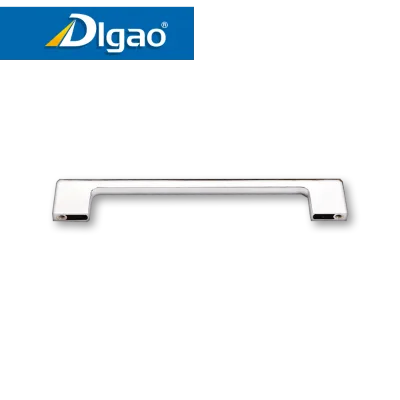
Bathroom Cabinet Handle Kitchen Decorative Cabinet Handles Chrome Furniture Handle
$0.68 - $1.25
MOQ: 2000 pieces
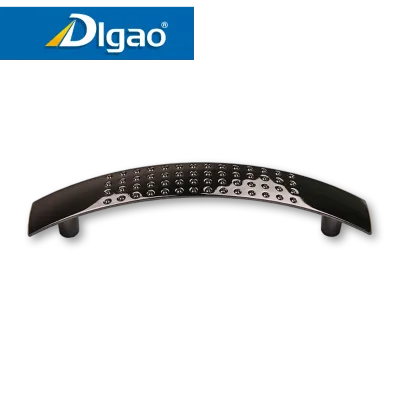
China Drawer Door Handle Black Modern Furniture Kitchen Cabinet Door Handles
$0.29 - $0.59
MOQ: 2000 pieces

Hunan Hengshuangkang Technology Co., Ltd.
- Trading Company
- Hunan, China
- Lead time20 days
- Avg. response≤ 2h
Main productsfly trap,mouse trap,cockroach killer,hardware,cabinet handle
Main marketsMid East(30.00%), Africa(30.00%), Southeast Asia(20.00%), North America(20.00%)
Huizhou Laiduo Crafts Co., Ltd.
- Trading Company
- Guangdong, China
- Lead time0 days
- Avg. response≤ 8h
Main productselectronic product,Hardware accessories,Clothing and leather bags,Hardware Tools,Daily necessities
Main marketsNorthern Europe(90.00%), Central America(90.00%), Domestic Market(90.00%), Mid East(90.00%), Oceania(90.00%), Africa(90.00%), Southeast Asia(90.00%), Eastern Europe(90.00%), South America(90.00%), North America(90.00%), South Asia(80.00%), Eastern Asia(80.00%), Southern Europe(60.00%)
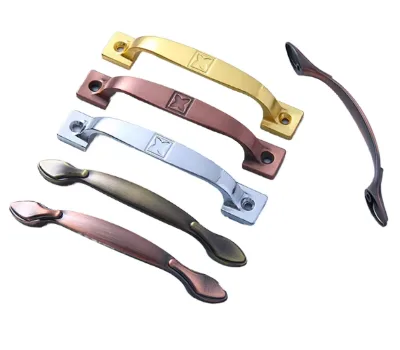
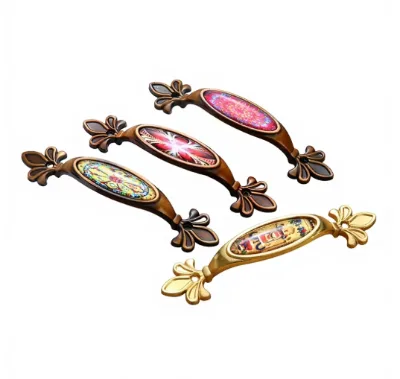
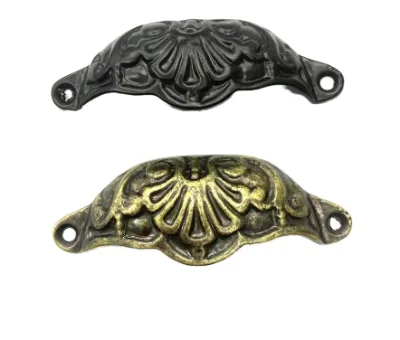
MOQ: 500


- Verified by SGS
- Manufacturer/Factory
- China Guangdong
- Lead time45 days
- Avg. response≤ 11h
Main productsDrawer Slide, Cabinet Hinge, Cabinet Handle, Wardrobe Tube, Cabinet Support, Cabinet Hanger, Kitchen Basket, Shelf Support, Kitchen Sink, Kitchen Bins
Main marketsSouth America,Eastern Europe,Mid East,North America,Western Europe,Africa
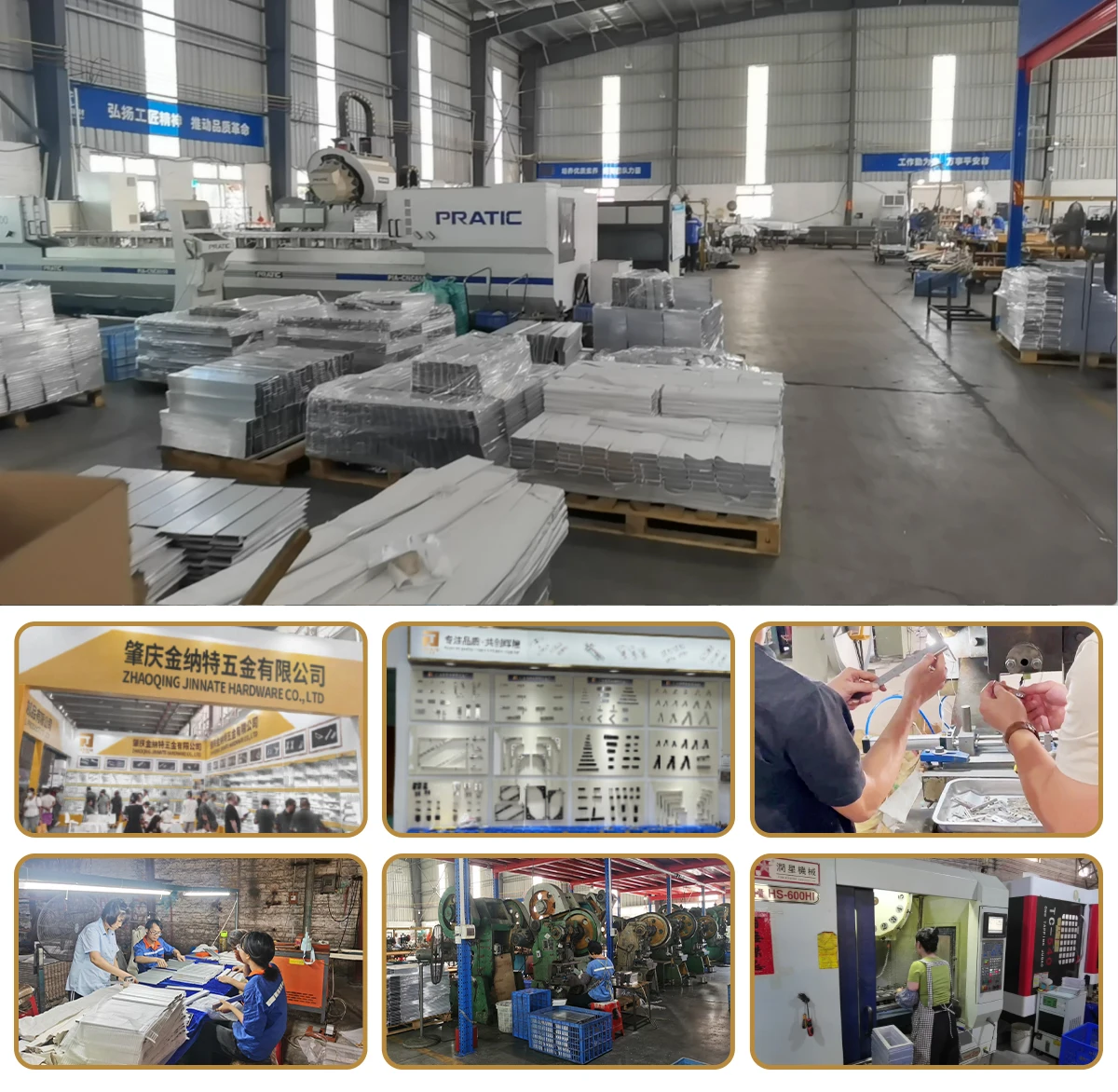
Zhaoqing Jinnate Hardware Co., Ltd.
- Trading Company
- Guangdong, China
- Lead time15 days
- Avg. response≤ 11h
Main productscabinet accessories,Brackets,handle,Furniture connector,Plate support
Main marketsMid East(20.00%), Southeast Asia(20.00%), North America(20.00%), Northern Europe(10.00%), Eastern Europe(10.00%), South America(10.00%)

Ningbo Imperial Imp. &Exp. Co., Ltd.
- Verified by TUVRHEINLAND
- Trading Company
- China Zhejiang
- Lead time23 days
- Avg. response≤ 4h
Main productsDoor Hardware, Window Hardware, Furniture Hardware, Bathroom Hardware
Main marketsSouth America,Africa,Southeast Asia/ Mideast,Europe,Australia,North America

Lanxi Kingway International Trade Co., Ltd.
- Verified by TUVRHEINLAND
- Trading Company,Manufacturer/Factory
- China Zhejiang
- Lead time23 days
- Avg. response≤ 4h
Main productsRoofing Sheets, Doors, Iron Nails, Hinges, Paint Brush, Hand Tools, Locks, Measuring Tools, Hammers, Coffin Fitting
Main marketsSouth America,Eastern Europe,Mid East,North America,Southeast Asia,Eastern Asia,Africa

$0.15 - $0.85
MOQ: 3000 Pieces


Classic Ceramic Handle Marble Pattern European Simple Cabinet Drawer Cabinet Door Handle
$0.50 - $3.00
MOQ: 3000 Pairs

Zhaoqing Yuxinda Hardware Products Co., Ltd.
- Verified by BV
- Combined
- China Guangdong
- Lead time15 days
- Avg. response≤ 3h
Main productsShower Hinge, Glass Clamp
Main marketsSouth America,Africa,Southeast Asia/ Mideast,East Asia(Japan/ South Korea),Europe,North America


Retro Zinc Alloy Polished Gold Silver Black Kitchen Cabinet Handle Furniture Door Handle
$3.84 - $4.00
MOQ: 100 Pieces

Shanghai Angmi New Material Co., Ltd.
- Verified by TUVRHEINLAND
- Manufacturer/Factory
- China Shanghai
- Lead time15 days
- Avg. response≤ 5h
Main productsPVC Edge Banding, ABS Edge Banding, Edge Banding Tape, Cupboard Skirtiting Board, Acrylic Edge Banding, Hot Melt Adhesives, PVC Screw Cover Cap, Drawer Slide, Hinges, Furniture Hardware
Main marketsSouth America,Eastern Europe,Mid East,North America,Southeast Asia,Eastern Asia,Oceania,Western Europe,Africa


Gold Cabinet Handle Pull Metal Kitchen Cabinets Furniture Cupboard Wardrobe Handle for Furniture
$0.20 - $1.00
MOQ: 500 Meters


Foshan Kadit Hardware Company Limited
- Manufacturer
- Guangdong, China
- Lead time15 days
- Avg. response≤ 5h
Main productscabinet handle,aluminium handle,profile handle,led cabinet light,furniture handle
Main marketsDomestic Market(35.00%), South America(20.00%), North America(15.00%), Western Europe(15.00%), Oceania(15.00%)
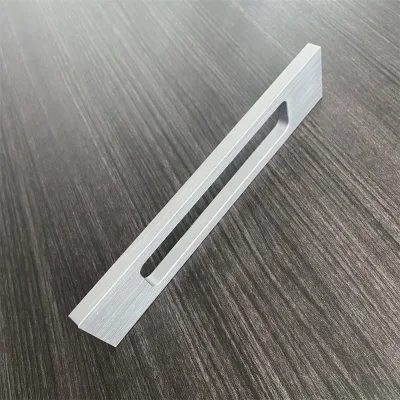
fancy cabinet handles luxury kitchen cabinet handle decorative cabinet handles
$0.50 - $0.90
MOQ: 500 pieces

Wenzhou Lucheng District Yangyi Hongyingmen Hardware Factory
- Manufacturer, Trading Company
- Zhejiang, China
- Lead time0 days
- Avg. response≤ 3h
Main productsFurniture Handle,Furniture Hardware Accesories,Cabinet Knobs,Hook,Door Handle
Main marketsMid East(40.00%), Domestic Market(20.00%), South America(20.00%), Southeast Asia(10.00%), Eastern Europe(10.00%)
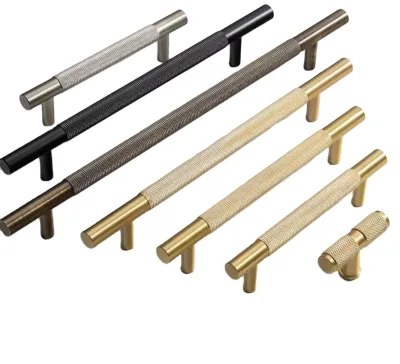
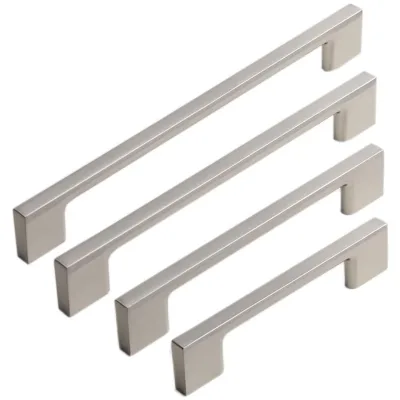
Hot Sale Kitchen Cabinet Handle Matte Black Gold Drawer Handle for Furniture
$0.50 - $1.45
MOQ: 1 pieces
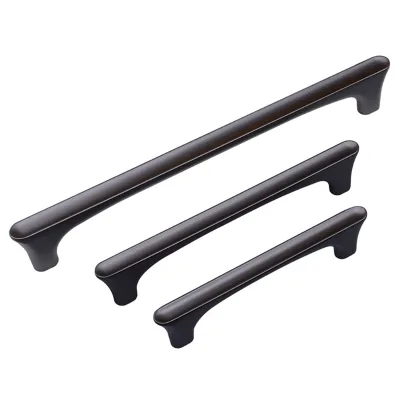
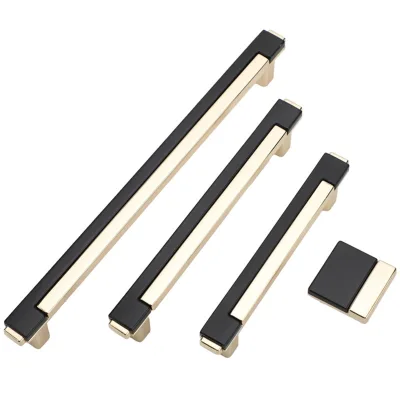
Furniture Handles Chrome,new Design Furniture Handle Gold Black Combination,Matte Black Handle
$0.85 - $1.45
MOQ: 1 Minimum

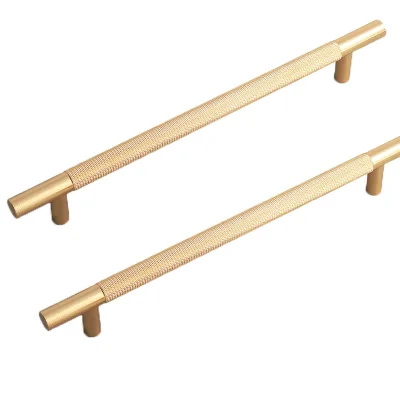
Hidden Long Modern Cabinet Handle Knurled Gold Cabinet Handles Furniture Door Pull Handle
$0.45 - $1.50
MOQ: 1 pieces
$0.4632 - $1.541
MOQ: 1 pieces

- Combined
- China Guangdong
- Lead time23 days
- Avg. response≤ 3h
Main productsSofa Leg, Tube, Gas Spring, Handle, Furniture Hardware
Main marketsSouth America,Africa,Southeast Asia/ Mideast,East Asia(Japan/ South Korea),Domestic,Europe,Australia,North America

Round Brushed Brass Cabinet Knobs Ball Kitchen Handle Gold Door Handle
$0.40 - $0.409
MOQ: 1000 Pieces

Simple Bar Furniture Door Accessories Knob Handles Kitchen Cabinet Stainless Handle
$0.886
MOQ: 500 Pieces

Shenzhen Hongjingyuan Metal & Plastic Products Co., Ltd.
- Manufacturer, Trading Company
- Guangdong, China
- Lead time30 days
- Avg. response≤ 6h
Main productsCabinet handles pull hardware,Perfume cap,Home appliance handles,Table legs,Coat hooks
Main marketsDomestic Market(30.00%), North America(18.00%), Southeast Asia(12.00%), Northern Europe(10.00%), Eastern Europe(8.00%), South America(6.00%), Southern Europe(6.00%), Western Europe(5.00%), Oceania(5.00%)

$0.9369 - $2.0791
MOQ: 10 pieces

Jiangmen Tianhao Hardware And Electric Appliance Co.,Ltd
- Verified by TUVRHEINLAND
- Manufacturer/Factory
- China Guangdong
- Lead time30 days
- Avg. response≤ 14h
Main productsDrawer Slides, Cabinet Hinges, Door Hinges, Kitchen Accessories, Wardrobe Accessories, Kitchen Drawer Basket, Ball Bearing Slides, Furniture Hardware, Furniture Fittings, Cabinet Handles
Main marketsSouth America,Eastern Europe,North America,Oceania,Western Europe


Luxury Design Gold Color Plating Furniture Handle Kitchen Cupboard Handles
$0.60 - $0.65
MOQ: 3000 Pieces

Cabinet Hardware Brass Cabinet Handle Antique Brass Handles for Cabinets Manufacturers
$4.65 - $5.37
MOQ: 100 Pieces


Cabinet Hardware Brass Kitchen Handles Antique Brass Handles Suppliers Manufacturers
$6.01 - $6.94
MOQ: 100 pcs

Guangdong DIMETAL Industrial Co., Ltd
- Manufacturer, Trading Company
- Guangdong, China
- Lead time15 days
- Avg. response≤ 3h
Main productsFurniture hinges,Drawer Slides,Furniture Handle,Shelf support,Furniture casters
Main marketsNorth America(30.00%), Western Europe(10.00%), Eastern Asia(10.00%), Oceania(10.00%), Africa(10.00%), Southeast Asia(10.00%), Eastern Europe(10.00%), South America(10.00%)
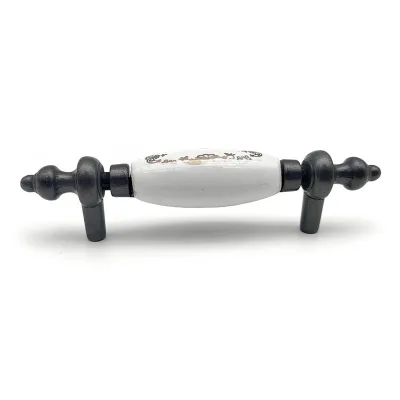
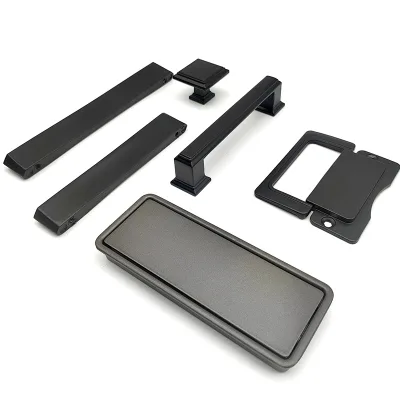
Golden Cabinet Closet Door Handle Brushed Gold Aluminum Alloy Cabinet Door Handle Solid Wholesale
$0.65 - $0.67
MOQ: 500 pieces
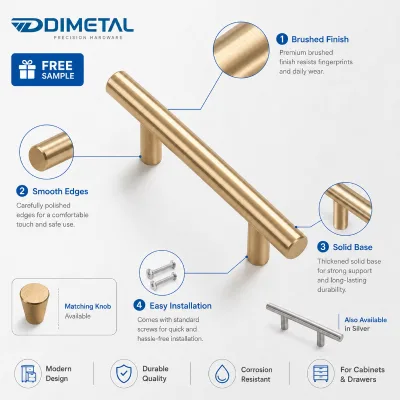
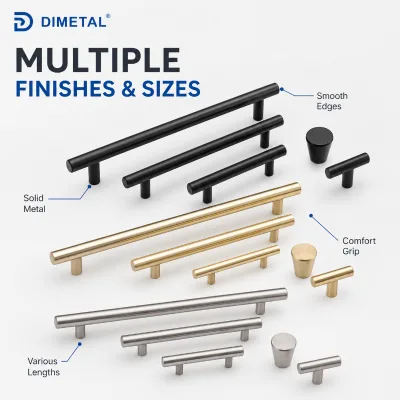
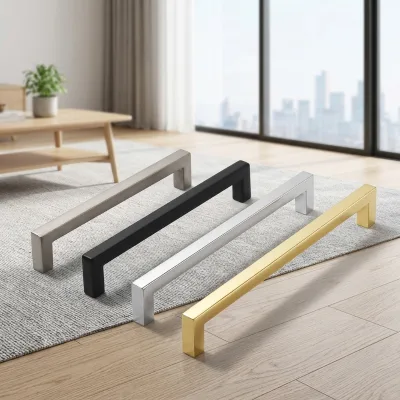
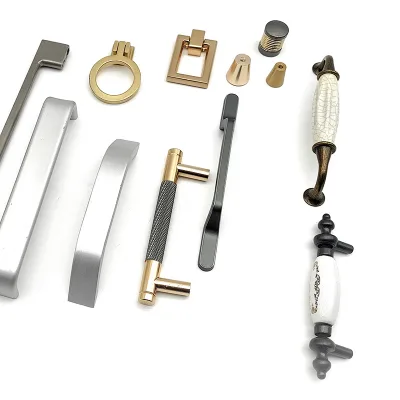
Classic European Bathroom Cabinet Door Handle Wood Marble Crack Ceramic Handles for Furniture
$0.82 - $0.84
MOQ: 500 pieces

Foshan Wekis Smart Home Co., Ltd.
- Verified by CTI
- Combined
- China Guangdong
- Lead time23 days
- Avg. response≤ 6h
Main productsTable Leg, Table Frame, Table Base, Hairpin Leg, Furniture Leg, Sliding Door Hardware, Cabinet Handle, Industrial Pipe Series, Adhesive Hooks, Shelving Bracket
Main marketsSouth America,Africa,Others(foreignTradeCapacity.exportBusinessCapacityMarketOther),Southeast Asia/ Mideast,East Asia(Japan/ South Korea),Domestic,Europe,Australia,North America

Classical Ceramic Drawer Pulls Knob Door Handles Kitchen Cabinet Handle
$0.68 - $0.99
MOQ: 2000 Pieces


White Wardrobe Door Handles Ceramic Zinc Alloy Cabinet Drawer Pulls Knob Handle
$0.45 - $2.00
MOQ: 2000 Pieces


Qingdao Yuxiang Network Technology Co., Ltd.
- Trading Company
- Shandong, China
- Lead time5 days
- Avg. response≤ 5h
Main productsSecurity Camera,HDMI matrix switcher,Alarm system,Door access control,Explosion-proof case
Main marketsSoutheast Asia(15.00%), Eastern Asia(14.00%), South America(13.00%), North America(12.00%), Northern Europe(10.00%), Eastern Europe(9.00%), Western Europe(8.00%), South Asia(8.00%), Africa(5.00%), Mid East(4.00%), Central America(2.00%)

NINGBO TONGYI METALWORK CO.,LTD.
- Manufacturer/Factory
- China Zhejiang
- Lead time60 days
- Avg. response≤ 9h
Main productsDoor Lock, Cabinet Pull, Adjustable Leg, Latch, Sink Drain, Hook, Door Stop, Knob, Door Catch, Furniture Handle
Main marketsSouth America,Eastern Europe,Mid East,North America,Southeast Asia,Eastern Asia,Oceania,Western Europe
Foshan Pinlong Furniture Material Co., Ltd.
- Verified by Intertek
- Trading Company
- Lead time10 days
- Avg. response≤ 5h
Main productsMetal Sofa Leg, Wooden Sofa Leg, Crystal Button, Hardware Decorative Buttons, Functional Hardware
Main marketsDomestic Market(45%), Southeast Asia(25%), Mid East(20%)
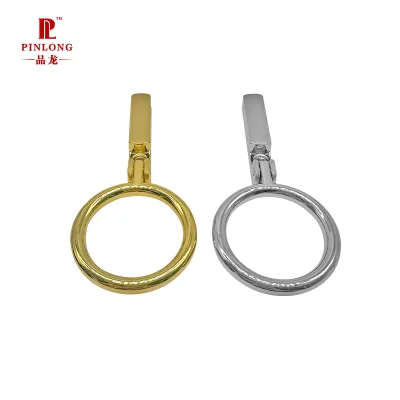
Customized Dresser Door Golden Kitchen Handles Furniture Handle Wardrobe Cabinet Drawer
$1.0208 - $1.0418
MOQ: 3 pieces
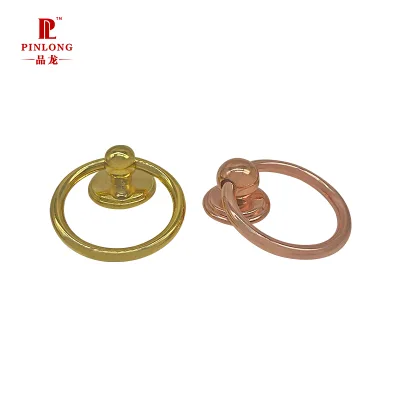

- Verified by SGS
- Manufacturer/Factory
- China Guangdong
- Lead time45 days
- Avg. response≤ 7h
Main productsTable Leg, Handle, Bolt, Screw, Shelf Support, Knob, Connectors, Castor, Furniture Hardware Fitting, Furniture Hardware
Main marketsSouth America,Eastern Europe,Mid East,North America,Eastern Asia,Oceania,Western Europe





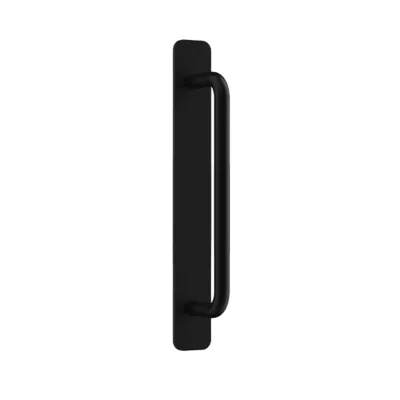



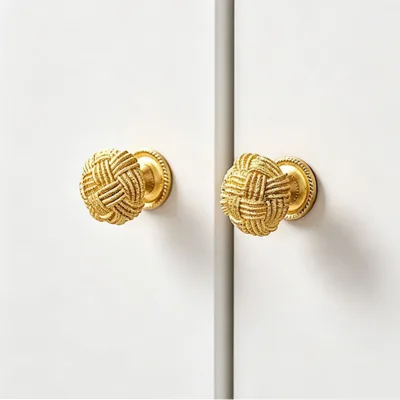
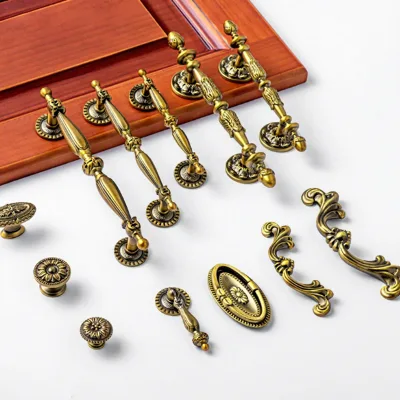
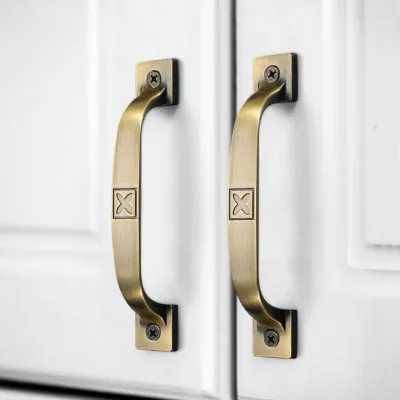


Comprehensive Sourcing Guide
K Gold Ceramic Cabinet Handle Supplier Concentration and Factory Types
The current supplier landscape for cabinet hardware reveals a distinct concentration of manufacturing capabilities within China, specifically in the Guangdong province. This region serves as a primary hub for furniture fittings, including handles, locks, and hinges, leveraging established supply chains for materials like stainless steel, brass, and zinc alloy. While the specific keyword focuses on ceramic handles, the available data indicates that many suppliers in this cluster are combined entities or trading companies that offer a broad range of hardware solutions. These suppliers often list main products that include cabinet handles, door handles, and furniture knobs, suggesting that a single factory or trading firm may not specialize exclusively in ceramic materials but rather offers a diverse portfolio of hardware options. Buyers should recognize that the presence of Guangdong-based suppliers implies access to mature industrial ecosystems, yet it also requires careful vetting to ensure the specific material expertise aligns with ceramic manufacturing needs. The concentration in this area facilitates efficient logistics and component sourcing, but it does not guarantee that every listed supplier possesses the specialized kilns or glazing techniques required for high-quality ceramic production. Therefore, understanding the factory type is crucial; combined companies might offer broader customization options, while trading companies may provide more flexible order terms but less direct control over the manufacturing process.
Supplier types observed in the results include both combined manufacturers and trading companies, each presenting different advantages for sourcing. Combined companies often possess in-house capabilities for OEM and ODM services, allowing for deeper customization of product attributes such as finishes, dimensions, and packaging. For instance, some suppliers explicitly state that customization is available and welcome, with capabilities ranging from graphic processing to sample processing. This suggests that buyers seeking unique designs or specific material compositions, such as ceramic with gold accents, may find more flexibility with these entities. On the other hand, trading companies might streamline the procurement process by aggregating products from multiple factories, potentially offering a wider variety of styles like antique brass or rose gold finishes. However, this model may introduce additional layers of communication and potential delays. The distinction between these types is vital for buyers to assess their risk tolerance and customization requirements. It is important to note that while the data highlights these general categories, the specific capability to produce ceramic handles with gold finishes must be verified directly with each supplier, as the general hardware focus may not encompass specialized ceramic production. Buyers should inquire about the specific manufacturing processes and material sources to ensure the supplier can meet the technical demands of ceramic hardware.
How to Verify K Gold Ceramic Cabinet Handle Suppliers
Verification is a critical step in ensuring the reliability and quality of suppliers offering cabinet hardware. The data indicates that several suppliers have undergone verification processes by recognized third-party organizations, such as TÜV Rheinland. This certification serves as a baseline indicator of a supplier's operational legitimacy and adherence to certain quality management standards. Buyers should prioritize suppliers with such verifications, as it reduces the risk of engaging with fraudulent or non-compliant entities. However, verification alone does not guarantee the specific quality of ceramic products or the accuracy of gold finishes. It is essential to look beyond the general company verification and assess the specific product certifications and standards. For example, some suppliers list CE certification for their systems, which may apply to broader product lines but needs to be confirmed for ceramic handles. Buyers should request detailed documentation regarding material safety, durability tests, and finish adherence to ensure the products meet international standards. Additionally, checking the supplier's response time can provide insights into their operational efficiency and customer service quality. A response time of around five hours, as observed in some results, suggests a responsive team capable of addressing queries promptly, which is crucial for resolving issues related to custom specifications or quality concerns.
In addition to third-party verifications, buyers should conduct thorough due diligence on the supplier's production capabilities and quality control measures. This involves requesting samples to evaluate the actual product quality, including the integrity of the ceramic body and the durability of the gold finish. Suppliers that offer sample processing as part of their customization capabilities are often more transparent and confident in their production standards. Buyers should also verify the supplier's ability to provide detailed product specifications, such as material composition, dimensions, and finishing techniques. For instance, some suppliers list specific materials like stainless steel or brass, which may not align with ceramic requirements. Therefore, it is crucial to confirm that the supplier has the specific expertise in ceramic manufacturing. Furthermore, checking the supplier's establishment year and track record can provide historical context on their stability and experience in the industry. While the data does not provide specific establishment years for all suppliers, buyers should inquire about the company's history and past projects. Engaging in direct communication to discuss quality assurance protocols, such as inspection procedures and defect rates, can further validate the supplier's reliability. This comprehensive verification process helps mitigate risks and ensures that the chosen supplier can deliver high-quality ceramic cabinet handles that meet the buyer's expectations.
What to Compare Across K Gold Ceramic Cabinet Handle Suppliers
When evaluating multiple suppliers for ceramic cabinet handles, buyers must compare several key dimensions to identify the most suitable partner. One critical factor is the minimum order quantity (MOQ), which varies significantly across suppliers. For example, some suppliers have an MOQ of 100 pieces, while others require 500 or 1000 pieces. This variation impacts the buyer's inventory management and cash flow, especially for new product launches or small-scale projects. Buyers should align their order volume with the supplier's MOQ to avoid excessive inventory costs or production delays. Another important aspect is the lead time, which indicates how quickly the supplier can fulfill orders. The data shows lead times ranging from 15 to 30 days, depending on the complexity of the order and the supplier's current workload. Shorter lead times are advantageous for buyers with tight deadlines, but they may come at a higher cost or require higher MOQs. Buyers should also compare the price ranges, which can vary based on material quality, finish complexity, and order volume. For instance, prices for similar hardware items range from $0.16 to $7.70, highlighting the importance of detailed cost analysis. It is essential to request quotes for specific ceramic handle designs to ensure accurate price comparisons.
Beyond pricing and lead times, buyers should assess the customization options and technical specifications offered by each supplier. The data indicates that many suppliers offer customization in terms of finishes, dimensions, and packaging. For example, finishes may include PVD, SSS, or custom colors, and dimensions can be tailored to specific hole distances or lengths. Buyers should evaluate the extent of customization allowed and any associated costs or minimums for custom orders. Additionally, comparing the packaging standards is crucial for protecting the fragile ceramic material during transit. Some suppliers use export cartons with poly bags, while others may offer more robust packaging solutions. Buyers should also consider the supplier's response time, as quicker responses can facilitate smoother communication and problem resolution. The observed response times of around five hours suggest a level of responsiveness that buyers should prioritize. Furthermore, comparing the main products and product categories can help identify suppliers with relevant expertise. Suppliers focusing on furniture handles and knobs may have more specialized knowledge in ceramic hardware compared to those with a broader hardware portfolio. By systematically comparing these factors, buyers can make informed decisions that balance cost, quality, and service.
Common K Gold Ceramic Cabinet Handle Sourcing Risks
Sourcing ceramic cabinet handles involves several inherent risks that buyers must proactively manage to ensure a successful procurement process. One significant risk is the potential mismatch between the supplier's general hardware expertise and the specialized requirements of ceramic production. The data shows that many suppliers list main products like stainless steel handles, brass locks, and zinc alloy knobs, which may not reflect the specific capabilities needed for ceramic manufacturing. This discrepancy can lead to quality issues, such as cracking, glaze defects, or poor adhesion of gold finishes. Buyers must verify that the supplier has dedicated facilities and expertise for ceramic production, rather than relying on general hardware manufacturing capabilities. Another risk is the variability in product quality across different batches. Ceramic items are susceptible to variations in firing temperatures and glazing processes, which can result in inconsistent colors or finishes. Buyers should request detailed quality control information and consider implementing strict inspection protocols upon receipt of goods. Additionally, the fragility of ceramic materials poses a risk during transportation. Inadequate packaging can lead to breakage and financial losses. Buyers should ensure that suppliers use robust packaging methods, such as reinforced cartons and protective padding, to minimize transit damage.
Communication and specification errors are also common risks in sourcing specialized hardware. Misunderstandings regarding dimensions, finishes, or customization requirements can lead to incorrect orders and delays. The data indicates that some suppliers offer graphic customization and logo printing, which requires precise specifications to avoid errors. Buyers should provide detailed technical drawings and samples to ensure clarity. Furthermore, reliance on third-party trading companies can introduce additional layers of complexity and potential miscommunication. Trading companies may not have direct control over the manufacturing process, leading to delays or quality inconsistencies. Buyers should assess the transparency and reliability of the supply chain, preferring direct manufacturer relationships when possible. Another risk is the potential for non-compliance with international standards or regulations. While some suppliers list certifications like CE, buyers must verify that these apply to the specific ceramic products and not just other hardware lines. Non-compliance can result in customs delays or legal issues. Finally, financial risks associated with payment terms and escrow services should be considered. Buyers should use secure payment methods and verify the supplier's financial stability to mitigate the risk of fraud or non-delivery. By identifying and addressing these risks early, buyers can enhance the reliability and success of their sourcing efforts.
K Gold Ceramic Cabinet Handle Regional Sourcing and Logistics
The regional concentration of suppliers in China, particularly in Guangdong, offers distinct advantages and challenges for sourcing ceramic cabinet handles. Guangdong is a well-established manufacturing hub with a mature infrastructure for logistics and export, facilitating efficient shipping to global markets. The proximity to major ports and transportation networks reduces transit times and costs, making it an attractive region for buyers. However, buyers must navigate the complexities of international shipping, especially for fragile ceramic items. The data indicates that suppliers often use export cartons and poly bags for packaging, which must be carefully evaluated for durability. Buyers should consider the total landed cost, including shipping, insurance, and customs duties, when comparing suppliers from different regions. While Guangdong offers logistical benefits, buyers should also explore other manufacturing regions to diversify their supply base and mitigate risks associated with regional disruptions. Additionally, the time zone difference between China and other regions can impact communication and project management. Buyers should establish clear communication protocols and consider using project management tools to coordinate with suppliers effectively.
Logistics planning is crucial for ensuring the timely delivery of ceramic cabinet handles. Buyers should work closely with suppliers to determine the most efficient shipping methods, whether by sea, air, or express courier, based on order volume and urgency. Sea freight is cost-effective for large orders but involves longer transit times, while air freight is faster but more expensive. Express courier services may be suitable for samples or small urgent orders. Buyers should also consider the supplier's experience with international logistics and their ability to handle export documentation. The data shows that some suppliers provide detailed packing information, such as carton dimensions and weights, which are essential for calculating shipping costs. Additionally, buyers should verify the supplier's ability to comply with import regulations in their target markets, including labeling and certification requirements. Understanding the regional logistics landscape helps buyers optimize their supply chain and reduce potential delays. By leveraging the strengths of the Guangdong manufacturing cluster while addressing logistical challenges, buyers can achieve a balanced and efficient sourcing strategy for ceramic cabinet handles.
K Gold Ceramic Cabinet Handle Commercial Terms and Order Planning
Effective order planning and clear commercial terms are essential for a successful sourcing relationship with ceramic cabinet handle suppliers. The data reveals variations in MOQs, lead
FAQs
What materials are available for cabinet handles?
Suppliers offer handles made from stainless steel, brass, and zinc alloy. Stainless steel provides durability for kitchen use, while brass offers a luxury finish. Zinc alloy options include decorative designs with crystal or diamond accents. Buyers can choose materials based on aesthetic preferences and functional requirements for drawers or wardrobes.
What is the typical lead time for orders?
Manufacturers generally require 15 to 30 days to produce and ship orders. The specific duration depends on the order volume and customization complexity. Some suppliers with higher capacity may deliver within two weeks, while others with standard production lines may need a full month. Buyers should confirm timelines during negotiation.
What is the minimum order quantity for handles?
Minimum order quantities vary significantly by product type. Stainless steel handles often require 1,000 pieces, while brass handles may start at 100 pieces. Zinc alloy decorative knobs typically have a minimum of 500 pieces. Buyers should check specific product listings to determine the exact MOQ for their desired style and material.
Are customization and OEM services available?
Yes, most suppliers support customization and OEM services. Buyers can request custom finishes, logos, and packaging. Options include PVD coating, antique brass, or rose gold plating. Graphic customization and logo printing are available with minimum order requirements. Suppliers also offer ODM services for unique designs and own brand development.
What is the price range for cabinet handles?
Prices range from $0.16 to $7.70 per piece depending on material and design. Basic stainless steel handles start around $0.16, while brass handles range from $0.80 to $1.80. Zinc alloy decorative knobs cost between $0.30 and $2.50. Premium door handles with locks can exceed $6.40. Volume discounts may apply.
Where are these suppliers located?
Suppliers are primarily located in Guangdong, China, specifically in Jiangmen. This region is a major hub for furniture hardware manufacturing. Buyers can verify supplier locations through platform verification badges. Guangdong-based factories offer efficient logistics and access to raw materials, ensuring competitive pricing and reliable supply chains for international orders.
What certifications do suppliers hold?
Many suppliers hold TüV Rheinland verification and CE certification. These credentials indicate compliance with international quality and safety standards. Buyers should verify specific product certifications before ordering. Some suppliers also provide verified status for their manufacturing processes. Certifications ensure product reliability and help meet regulatory requirements in target markets.