Mini IP PTZ Camera Suppliers and Manufacturers in China
Explore 30 verified options for Mini IP PTZ Camera from Guangdong factories. Compare response times, lead times, certifications, and product specs like resolution and zoom. Contact suppliers directly to request quotes and verify supply ability; review the available evidence before requesting comparable quotations from suitable candidates.
Updated
Suppliers List

Shenzhen Bosesh Technology Co., Ltd.
- Manufacturer, Trading Company
- Guangdong, China
- Lead time5 days
- Avg. response≤ 3h
Main productsNetwork Camera,Security camera,IP camera,CCTV camera,tuya camera
Main marketsNorth America(32.00%), Western Europe(30.00%), Eastern Europe(18.00%), Oceania(9.00%), South Asia(4.00%), Africa(1.00%), Southern Europe(1.00%), Northern Europe(1.00%), South America(1.00%), Eastern Asia(1.00%), Mid East(1.00%), Southeast Asia(1.00%)
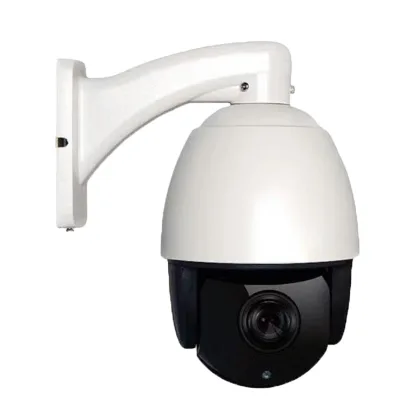
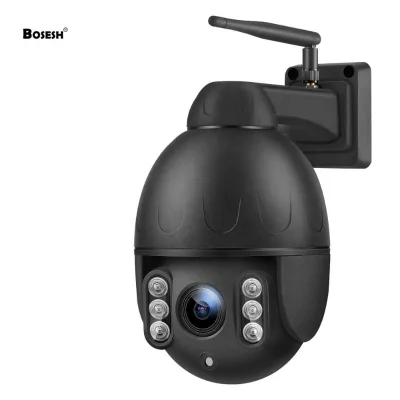
Mini Ptz 4g Security Camera 4g Sim Card Ip Camera
$80.00 - $84.00
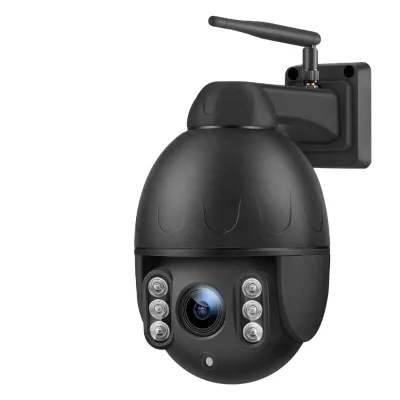
3 Inch PTZ Camera Outdoor IP66 Waterproof 5X Zoom HD Wifi Wireless Mini Camera
$29.0477 - $62.2449
MOQ: 12 pieces
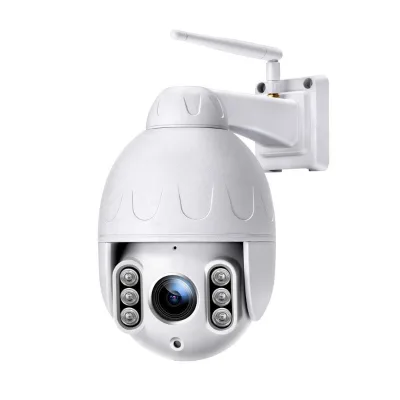
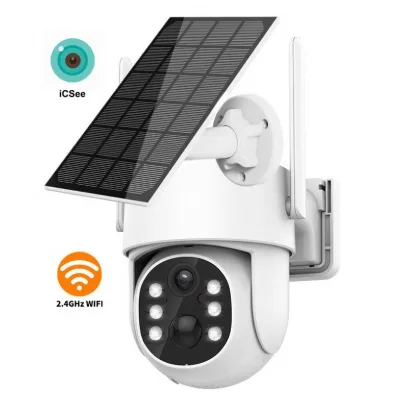
Solar Surveillance Infrared Ptz Wireless Wifi Mini Ip Security Cctv Camera
$55.8949 - $60.2885
MOQ: 12 pieces
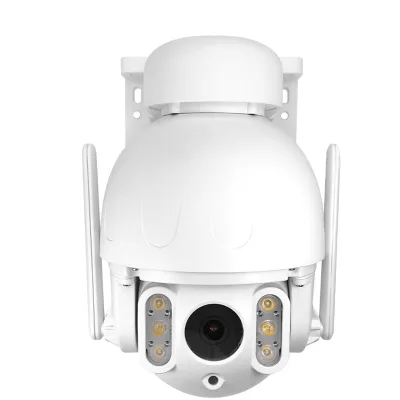
$47.202 - $63.7998
MOQ: 12 Minimum
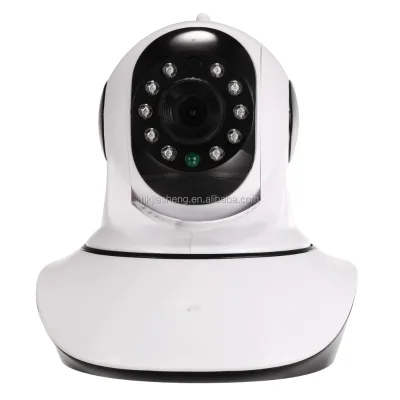

Shenzhen Winsafe Technology Co., Ltd.
- Verified by TUVRHEINLAND
- Trading Company
- China Guangdong
- Lead time15 days
- Avg. response≤ 4h
Main productsCCTV Security Cameras, Video Conference Camera, IP Camera, Mobile Survillance PTZ Camera, Analog Cameras, Weather Proof PTZ Cameras, Easy Video Conference System, PTZ Controller, Household Cameras
Main marketsSoutheast Asia/ Mideast,East Asia(Japan/ South Korea),Europe
Shenzhen Anxinshi Technology Co., Ltd.
- Verified by Intertek
- Manufacturer, Trading Company
- Lead time5 days
- Avg. response≤ 2h
Main productsAccess Control System, CCTV Camera System, PTZ Camera, Solar Camera System, DVR and CCTV Accessories
Main marketsNorth America(30%), Africa(30%), South America(20%)
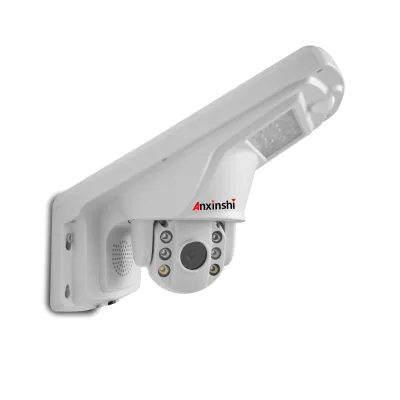
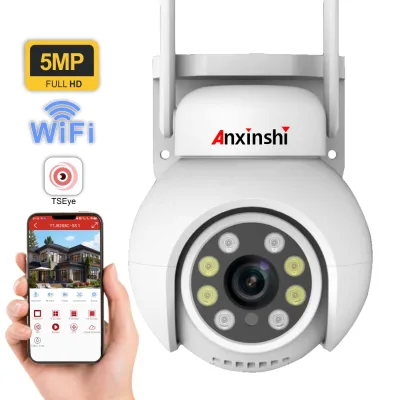
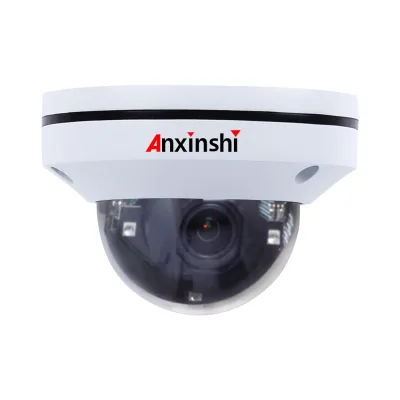
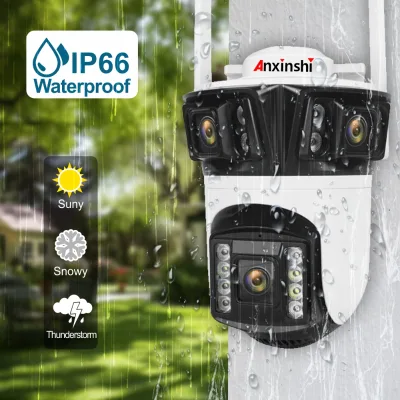
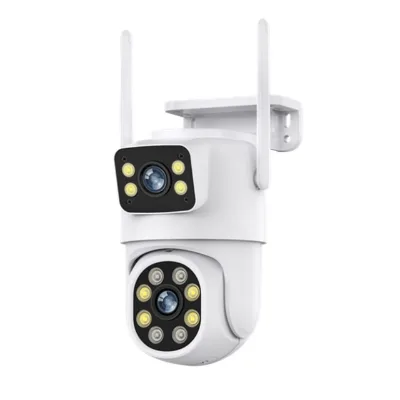
3MP Three-lens Mini Camera Size Small Shipping Cheap Ptz Wireless Camera Human Tracking
$14.90 - $18.00
MOQ: 2 pieces
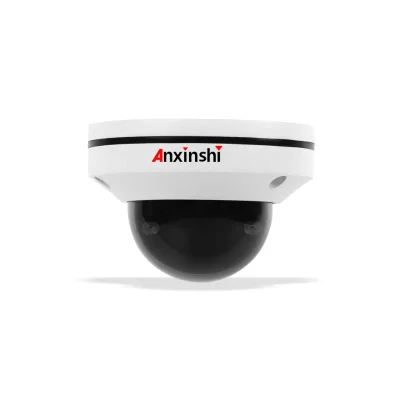

Anhui Orange Smart Iot Co., Ltd.
- Verified by SGS
- Trading Company,Manufacturer/Factory
- China Anhui
- Lead time45 days
- Avg. response≤ 2h
Main productsSecurity Camera, IP Camera, CCTV Camera, CCTV, Camera, 4G Solar Camera, Mini CCTV Camera, Surveillance Camera, Solar Camera, Thermal Camera
Main marketsSouth America,Eastern Europe,Mid East,North America,Southeast Asia,Eastern Asia,Oceania,Western Europe,Africa

- Verified by BV
- Trading Company,Manufacturer/Factory
- China Guangdong
- Lead time23 days
- Avg. response≤ 4h
Main productsCCTV Camera, PTZ Camera, Network Video Recorder, Analog Camera, Poe Switch, WiFi Camera, Solar System for CCTV, Solar Camera, Smart Home Camera, Surveillance CCTV Camera
Main marketsSouth America,Eastern Europe,Mid East,North America,Southeast Asia,Eastern Asia,Oceania,Western Europe,Africa

Mini PTZ IP Camera with Pan Tilt Zoom and 5X Zoom Lens Video Conference Camera
$50.00 - $67.00
MOQ: 1 Pieces

Mini Outdoor 4G Solar Camera WiFi Solar Camera 2.5 Inch WiFi or 4G Solar PTZ Camera
$59.00 - $100.00
MOQ: 1 Sets


Shenzhen Shixin Digital Co., Ltd.
- Manufacturer
- China Guangdong
- Lead time15 days
- Avg. response≤ 6h
Main productsUSB Camera, IP Camera, CCTV, 4K Camera, Security Camera, Camera Module, Mini Camera, Webcam, HD Camera, CCTV Camera
Main marketsSoutheast Asia/ Mideast,Domestic,Europe,North America


3.0megapixels Mini IP Camera Suitable for Equipment Security (IP-608HM-3M)
$45.00 - $55.00
MOQ: 10 Pieces

Shenzhen Besder Technology Co., Ltd.
- Manufacturer, Trading Company
- Guangdong, China
- Lead time5 days
- Avg. response≤ 16h
Main productsSecurity Cameras,Surveillance Recorder,Security & Protection Products
Main marketsWestern Europe(25.00%), Domestic Market(20.00%), North America(20.00%), Northern Europe(15.00%), Southeast Asia(10.00%), Eastern Europe(10.00%)
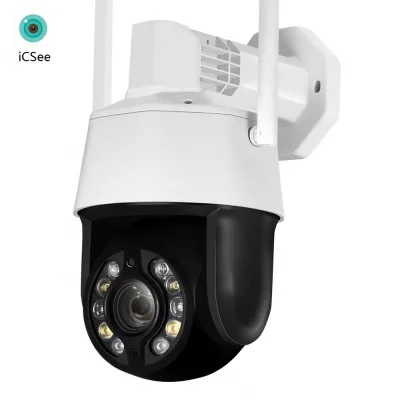
Ip Ptz Security Surveillance Camera With Wifi Codnida 2K Outdoor 360 1080P Mini Home Wirele
$63.0298 - $77.4047
MOQ: 1 pieces
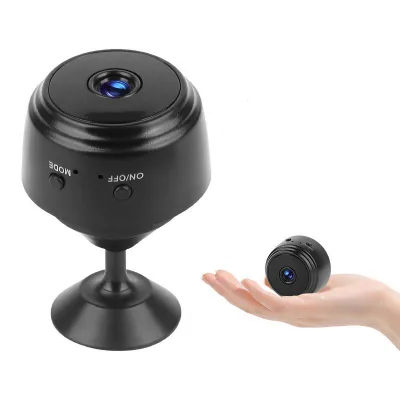
$1.9399 - $2.4118
MOQ: 1 pieces
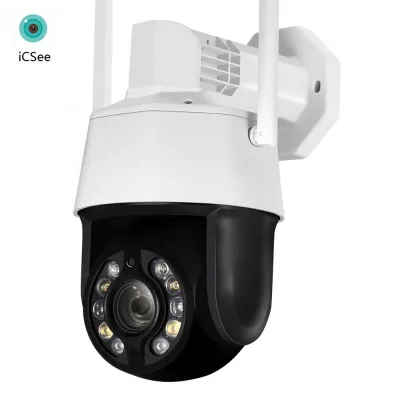
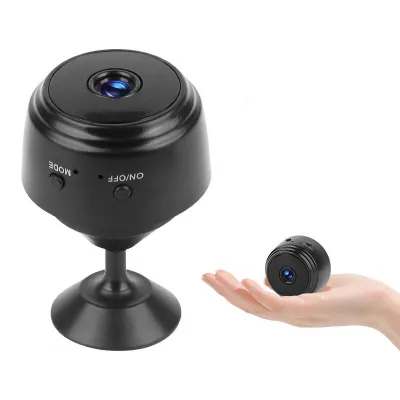
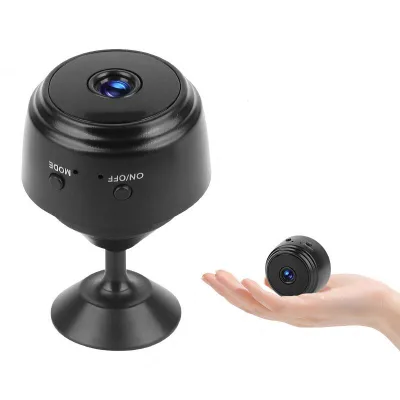
$1.8995 - $2.3608
MOQ: 1 pieces
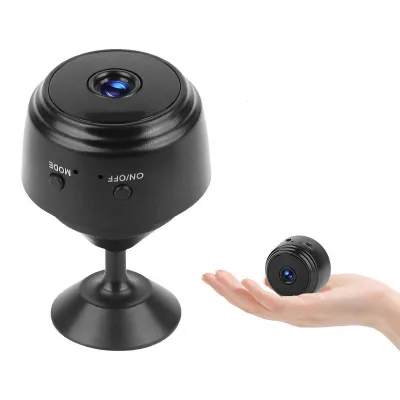
Shenzhen Enster Electronics Co., Ltd.
- Verified by SGS Group
- Manufacturer, Trading Company
- Lead time5 days
- Avg. response≤ 3h
Main productsSolar Camera, POE IP Camera, Wireless IP Camera, 4G IP Camera, Digital Video Recorder
Main marketsNorth America(15%), Eastern Europe(15%), Western Europe(15%)

- Manufacturer/Factory
- China Guangdong
- Lead time15 days
- Avg. response≤ 3h
Main productsSecurity Camera, CCTV Camera, IP Poe Camera, Ai Smart Camera, WiFi Camera, PTZ Camera, DVR Xvr NVR, Ahd Tvi Cvi Camera, Surveillance Accessories, Network Product
Main marketsSouth America,Eastern Europe,Mid East,North America,Southeast Asia,Eastern Asia,Oceania,Western Europe,Africa


4MP PTZ Camera Waterproof H. 265 Poe Mini Security Network IP Cameras Outdoor
$32.00 - $34.00
MOQ: 1 Pieces

Starview Electronics Technology Co., Ltd.
- Manufacturer
- China Guangdong
- Lead time0 days
- Avg. response≤ 5h
Main productsIP Camera, Tvi Camera, Ahd Camera, PTZ Camera, Vehicle PTZ Camera, HD SDI Camera, Security Camera, Network Camera, Ahd PTZ Positioning Heavy Duty, CCTV Camera
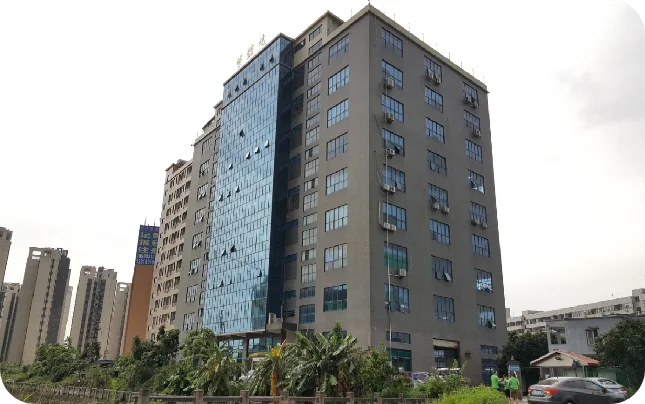
Shenzhen Hiseeu Technolgy Co., Ltd.
- Trading Company
- Guangdong, China
- Lead time30 days
- Avg. response≤ 5h
Main productsCCTV Camera
Main marketsNorth America(70.00%), Eastern Europe(21.00%), Western Europe(3.00%), Eastern Asia(2.00%), Oceania(1.00%), Africa(1.00%), Mid East(1.00%), Southeast Asia(1.00%)
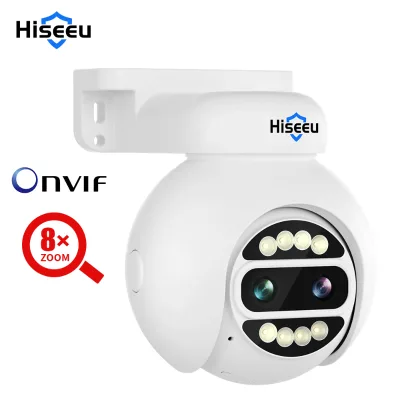
$28.5099 - $30.5532
MOQ: 1 pieces
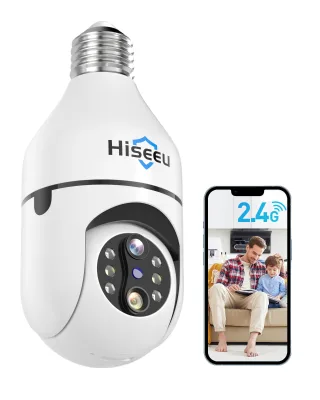
$12.50 - $14.00
MOQ: 10 pieces
Shenzhen Joney Security Technology Co., Ltd.
- Verified by Intertek
- Manufacturer, Trading Company
- Lead time7 days
- Avg. response≤ 3h
Main productsCCTV Camera, CCTV Lens, IP Camera, Hotel Door Lock, Fingerprint Door Lock
Main marketsDomestic Market(28%), North America(22%), South America(13%)
Shenzhen Qunlang Electronic Limited
- Manufacturer, Trading Company, Distributor/Wholesaler
- Guangdong, China
- Lead time30 days
- Avg. response≤ 7h
Main productsGPS tracker,Wifi camera,Key finder,RF detector
Main marketsNorth America(20.00%), Eastern Europe(15.00%), Northern Europe(10.00%), Domestic Market(5.00%), South Asia(5.00%), Southern Europe(5.00%), South America(5.00%), Central America(5.00%), Western Europe(5.00%), Eastern Asia(5.00%), Mid East(5.00%), Oceania(5.00%), Africa(5.00%), Southeast Asia(5.00%)
Shenzhen Besview Security Limited
- Verified by Intertek
- Trading Company
- Lead time15 days
- Avg. response≤ 2h
Main productsNetwork Camera, Analog Camera, Network Video Recorder, Digital Video Recorder, Surveillance Systems
Main marketsNorth America(40%), Western Europe(20%), Eastern Asia(10%)
Shenzhen Baird Electronics Co., Ltd.
- Verified by Intertek
- Manufacturer, Trading Company
- Lead time10 days
- Avg. response≤ 4h
Main products4G Camera, WIFI IP Camera, Wireless Security Camera System, Low Power Battery Camera, Smart Home System
Main marketsNorth America(30%), Southeast Asia(15%), Mid East(8%)
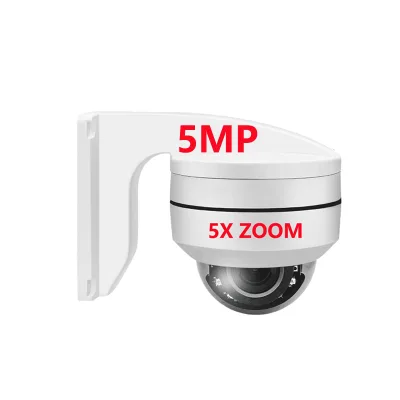
$77.8361 - $87.7199
MOQ: 2 pieces
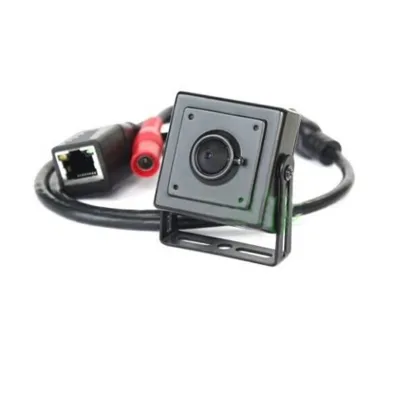
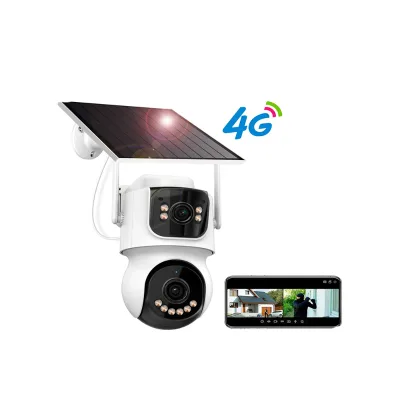
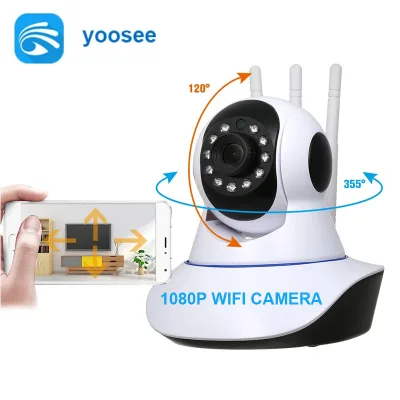
$6.7964 - $8.1341
MOQ: 50 pieces

SHENZHEN SECUMATE TECHNOLOGY CO., LIMITED
- Trading Company
- Hongkong_China Hongkong
- Lead time0 days
- Avg. response≤ 11h
Main productsNetwork Camera, Network PTZ Camera, Face Recognition Camera, WiFi Camera, Network Video Recorder, Access Control Terminal, Poe Switch
Dongguan Wanjiang Intelligent Innovation Electronics Co., Ltd.
- Manufacturer
- Guangdong, China
- Lead time7 days
- Avg. response≤ 7h
Main productsMobile phone case,earphone,power bank,charger and data cable,Radio receiver
Main marketsDomestic Market(30.00%), Eastern Asia(30.00%), Mid East(30.00%), Northern Europe(30.00%), Africa(30.00%), Southeast Asia(30.00%), Central America(30.00%), South America(30.00%), North America(30.00%), Western Europe(10.00%), South Asia(10.00%), Southern Europe(10.00%), Oceania(10.00%), Eastern Europe(10.00%)

Shenzhen Anjia Information Technology Co., Ltd.
- Manufacturer, Trading Company
- Guangdong Province, China
- Lead time5 days
- Avg. response≤ 5h
Main productssurveillance camera,WIFI camera,Baby Monitor,CCTV camera,network camera
Main marketsNorth America(23.00%), South America(23.00%), Mid East(12.00%), Eastern Europe(10.00%), Southeast Asia(10.00%), Eastern Asia(4.00%), South Asia(3.00%), Africa(3.00%), Domestic Market(2.00%), Central America(2.00%), Southern Europe(2.00%), Western Europe(2.00%), Oceania(2.00%), Northern Europe(2.00%)
Jinan Hikwifi Camera Technology Co., Ltd.
- Verified by TüVRheinland
- Manufacturer, Trading Company
- Lead time10 days
- Avg. response≤ 2h
Main productsExplosion-proof Camera, Solar Camera, PTZ Wifi Camera, IP Network Camera, AI Intelligent Monitoring System
Main marketsNorth America(25%), South America(25%), Eastern Europe(10%)
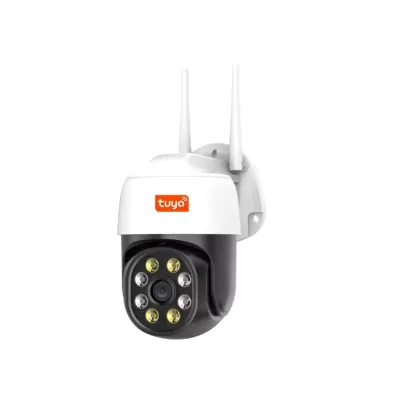
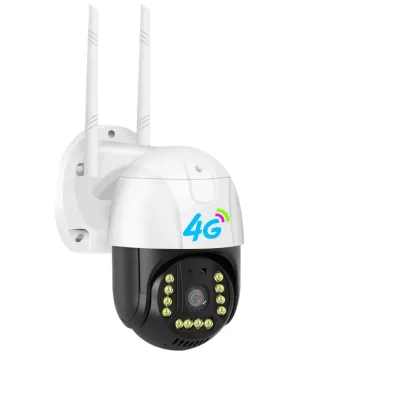
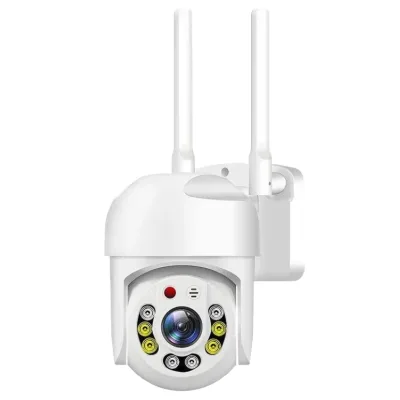
2MP Day and Night Monitor External Mini Wireless Sans Fil Ip Camera Security Wifi Cctv Camera 360
$4.3906 - $4.4326
MOQ: 50 pieces
Shen zhen shi Linyun Technology Co., Ltd.
- Manufacturer, Trading Company, Distributor/Wholesaler
- Guangdong, China
- Lead time3 days
- Avg. response≤ 4h
Main productsdash cam,CCTV,kids camera,body camera,car dvr
Main marketsNorth America(20.00%), Mid East(15.00%), Southeast Asia(15.00%), South Asia(10.00%), Northern Europe(10.00%), Eastern Europe(10.00%), Western Europe(10.00%), South America(5.00%), Southern Europe(5.00%)
- Manufacturer
- Guangdong, China
- Lead time5 days
- Avg. response≤ 5h
Main productsMini camera,sport camera,hunting camera,kids camera,Endoscope camera
Main marketsNorth America(60.00%), Western Europe(14.00%), South America(10.00%), Eastern Europe(5.00%), Southeast Asia(5.00%), Northern Europe(3.00%), Africa(3.00%)

Shenzhen Shire Star Electronic Technology Co., Ltd.
- Verified by BV
- Manufacturer/Factory
- China Guangdong
- Lead time15 days
- Avg. response≤ 4h
Main productsTrail Camera, Hunting Camera, Wildlife Camera, GPS Dog Collar, Pet Camera, Dog Camera, Dog Training Collar, Mini Camera, Miniature Camera, Small Camera
Main marketsSouth America,Eastern Europe,North America,Southeast Asia,Oceania,Western Europe,Africa
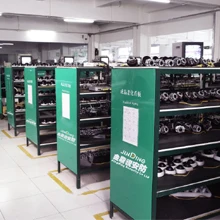
Shenzhen Jin Ding Shi Security Equipment Co., Ltd.
- Trading Company
- Guangdong, China
- Lead time10 days
- Avg. response≤ 4h
Main productsNVR,Security Camera,Web Camera,DVR,Security Accessories
Main marketsCentral America(100.00%), Mid East(100.00%), Eastern Asia(20.00%), North America(20.00%), Southeast Asia(10.00%), South America(10.00%), Domestic Market(5.00%), South Asia(5.00%), Oceania(5.00%), Southern Europe(5.00%), Northern Europe(5.00%), Africa(5.00%), Western Europe(5.00%), Eastern Europe(5.00%)

Shenzhen Acmell Technology Co., Ltd.
- Manufacturer, Trading Company
- Guangdong, China
- Lead time7 days
- Avg. response≤ 3h
Main productsMini Camera,WiFi Security Camera,4G Security Camera,Indoor Camera,Outdoor Camera
Main marketsDomestic Market(100.00%), North America(22.00%), Eastern Europe(18.00%), Eastern Asia(12.00%), South America(8.00%), Mid East(8.00%), Southern Europe(8.00%), Western Europe(8.00%), Southeast Asia(6.00%), Northern Europe(6.00%), Central America(1.00%), South Asia(1.00%), Oceania(1.00%), Africa(1.00%)

Shandong Sheenrun Optics & Electronics Co., Ltd.
- Verified by BV
- Combined
- China Shandong
- Lead time23 days
- Avg. response≤ 6h
Main productsCCTV Camera, Long Range Camera, Laser Night Vision Camera, Thermal Imaging Camera, Thermal Camera, Laser Camera, Night Vision Camera, Long Range Thermal Camera, PTZ, IR Camera
Main marketsSouth America,Southeast Asia/ Mideast,Domestic,Europe,North America

Shenzhen City Autoe Technology Co., Ltd.
- Verified by SGS
- Trading Company
- China Guangdong
- Lead time15 days
- Avg. response≤ 3h
Main productsCar DVR, Car Camera, GPS Tracker, GPS Navigator, Mini Camera, Sport Camera, Car MP3 Player, Car FM Transmitter, Car Badge
Main marketsEurope,North America
Shenzhen Chinalu Electronics Co., Limited
- Manufacturer, Trading Company
- Gongdong, China
- Lead time15 days
- Avg. response≤ 3h
Main productsSolar battery Camera,Network camera,4G camera,NVR,CCTV camera
Main marketsMid East(18.00%), North America(13.00%), Africa(10.00%), Eastern Asia(10.00%), Western Europe(10.00%), Southeast Asia(9.00%), Eastern Europe(8.00%), South America(7.00%), South Asia(5.00%), Northern Europe(5.00%), Southern Europe(4.00%), Domestic Market(1.00%)
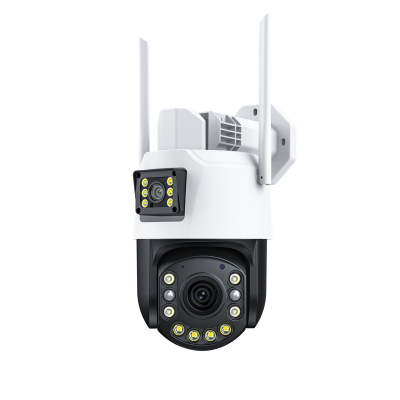
$74.1285 - $93.1756
MOQ: 1 Minimum
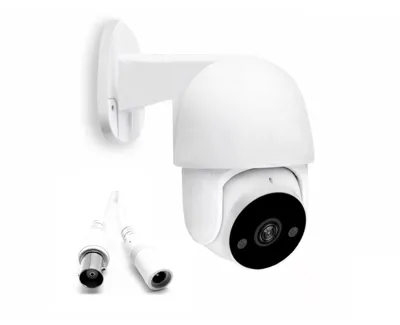
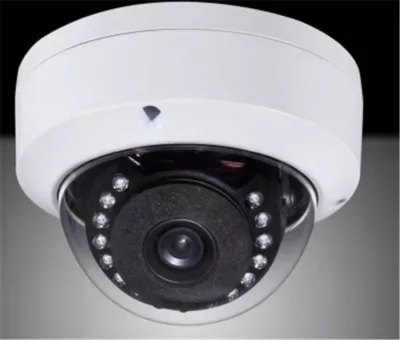

Sunrise Security Technology Co., Ltd.
- Trading Company
- China Guangdong
- Lead time15 days
- Avg. response≤ 9h
Main productsCCTV Security Camera, DVR, WiFi IP Camera, 4G SIM Card Solar Panel Camera, WiFi Doorbell, Vehicle Mobile DVR, Car Camera, Car Camcorder, IP Camera, Video Security Camera
Main marketsSouth America,Africa,Australia

Kangde Electronic Technology (Guangdong) Co., LTD
- Verified by TUVRHEINLAND
- Combined
- China Guangdong
- Lead time30 days
- Avg. response≤ 1h
Main productsPlastic Injection Mould, Auto Plastic Parts, Electronic Plastic Parts, Mobile Phone Housing, Camera Housing, Remoter Housing, Loudspeaker Housing, Plastic Sheets, Smart Sweeper, Hardware
Main marketsEurope
Yiwu City Linsheng Electronic Technology Co., Ltd.
- Trading Company
- Zhejiang, China
- Lead time10 days
- Avg. response≤ 1h
Main productsIP Camera,WiFi Camera,Analog camera,CCTV Camera Kit,CCTV Accessories
Main marketsEastern Europe(23.00%), North America(15.00%), Southeast Asia(12.00%), Western Europe(11.00%), South America(11.00%), Mid East(6.00%), Domestic Market(5.00%), Northern Europe(4.00%), Southern Europe(3.00%), Africa(3.00%), South Asia(3.00%), Eastern Asia(2.00%), Central America(2.00%)
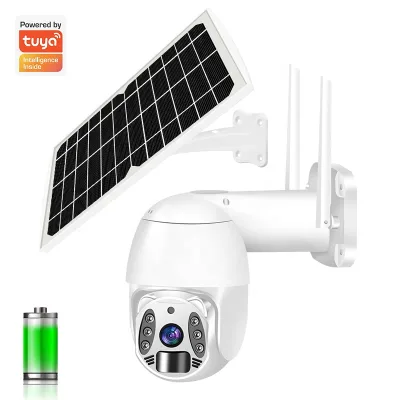
2024 Solar Camera Ptz 3MP Solar Battery 24hour Monitor Security IP CCTV Camera PIR Lower 4g Camera
$98.531 - $107.8815
MOQ: 20 pieces


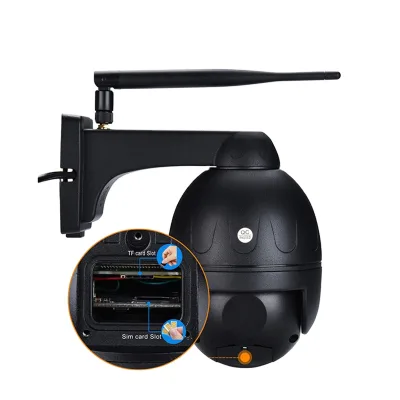


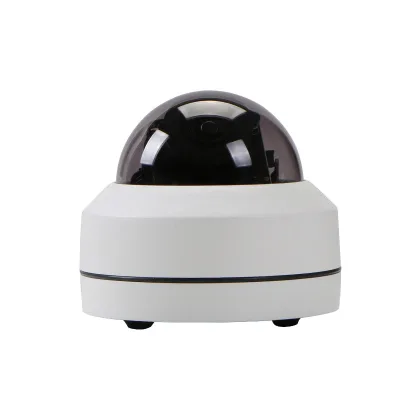
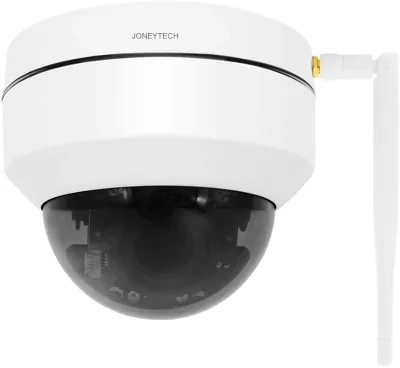
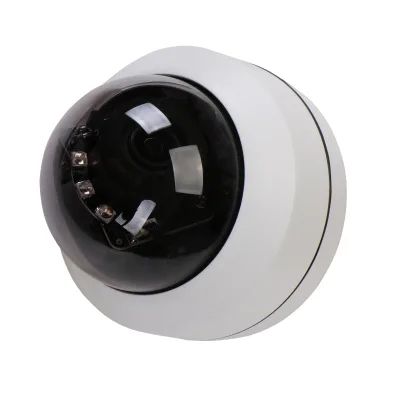


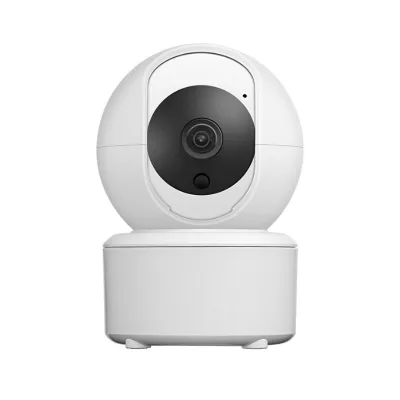
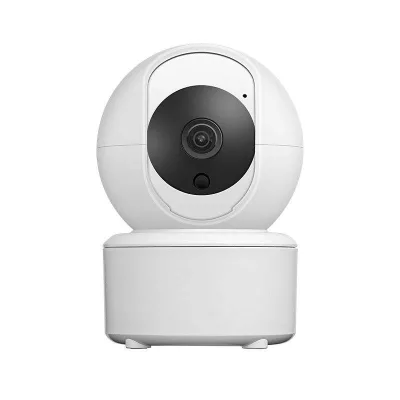
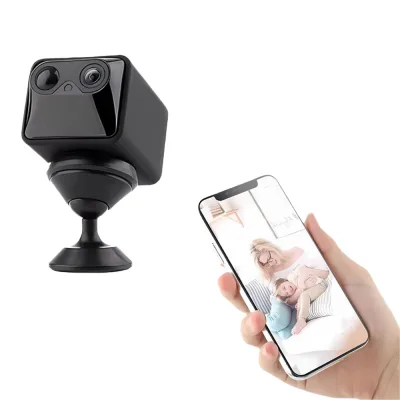
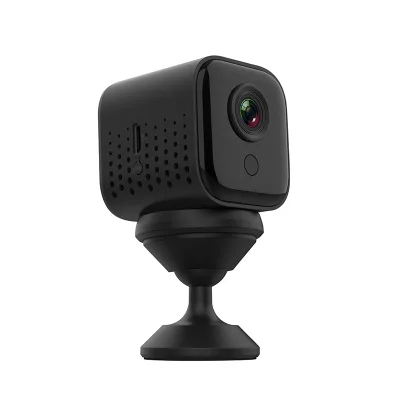
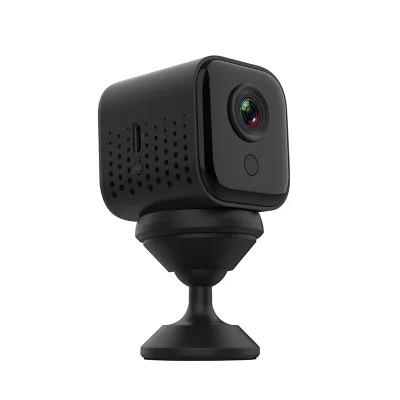


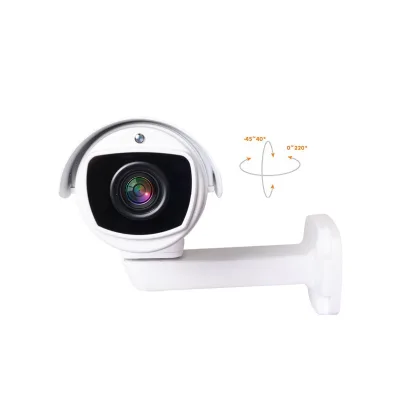
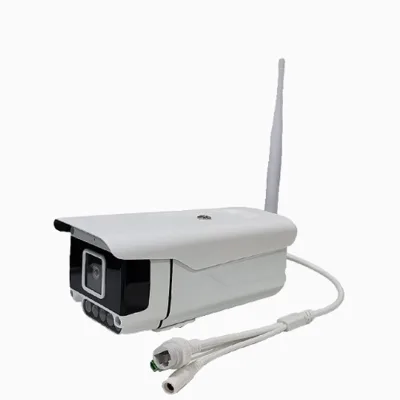
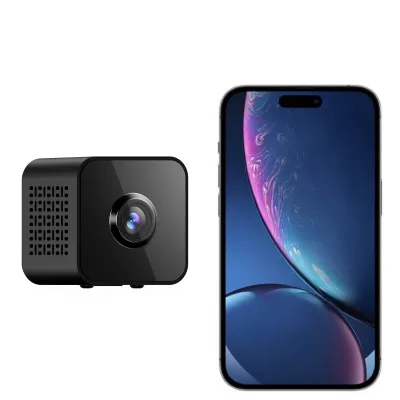


Comprehensive Sourcing Guide
Mini IP PTZ Camera Supplier Concentration and Factory Types
The available data indicates a significant concentration of manufacturers and trading companies operating within Guangdong, China, specifically for Mini IP PTZ Camera production. This region serves as a primary hub for the assembly of network cameras, security cameras, and Tuya-compatible devices, leveraging established supply chains for electronic components. Buyers observing this geographic clustering should recognize that the density of facilities in this area often correlates with specialized expertise in surveillance hardware, including the integration of specific image sensors and optical zoom mechanisms. The presence of both manufacturers and trading companies suggests a market structure where direct factory engagement is possible alongside intermediary services that may offer broader product portfolios.
When evaluating the supplier type, it is critical to distinguish between entities that design and assemble the hardware versus those that source finished goods for resale. The observed supplier profiles include companies listing themselves as manufacturers, which implies direct control over production lines for items like the Mini Speed Dome Camera with 20x zoom. Conversely, trading companies may facilitate access to multiple brands or models without owning the production facility. Buyers must verify the actual operational capacity of the entity they engage, as the distinction impacts quality control, customization options, and the ability to scale production during peak demand periods.
How to Verify Mini IP PTZ Camera Suppliers
Verification begins with confirming the physical location and operational history of the supplier, as the provided facts highlight Guangdong, China, as a key origin point. Buyers should request proof of address and cross-reference it with the declared place of origin for specific products like the wireless security dome camera. It is essential to validate that the supplier's claimed location matches the manufacturing site, especially when dealing with complex electronics that require specific environmental controls. The response time metric of three days observed in some profiles serves as a preliminary indicator of communication efficiency, but this should be tested directly through inquiry channels before committing to an order.
Certification and compliance documentation provide another layer of verification for Mini IP PTZ Camera suppliers. The data shows specific certifications such as Declaration of Conformity, FCC, CE, and RoHS associated with certain product listings, which are critical for market entry in Europe and North America. Buyers must ensure that the certificates provided are current and correspond to the exact model numbers being sourced, such as the NC55G-EU or SD53W. Additionally, checking for established years of operation and supply ability figures, like 5000 pieces per week or 20000 pieces per month, helps assess the supplier's stability and capacity to fulfill large-scale orders without compromising quality or delivery schedules.
What to Compare Across Mini IP PTZ Camera Suppliers
Comparing suppliers requires a systematic analysis of key operational metrics including lead times, minimum order quantities, and response speeds. The observed data reveals a lead time of five days for certain products, while others may have different production cycles based on customization requirements. Buyers should compare these timelines against their project schedules to ensure feasibility. Minimum order quantities vary significantly, with some listings showing an MOQ of one unit for testing purposes, while others require a minimum of twelve units. Understanding these thresholds is vital for budgeting and inventory planning, particularly for buyers seeking to minimize initial capital outlay while validating product performance.
Product specifications and pricing structures form another critical comparison dimension. The price range for mini IP PTZ cameras spans from approximately $29 to $120, depending on features like optical zoom, resolution, and power source. Buyers must compare the technical attributes, such as the 20x optical zoom versus 5x zoom, or the difference between 1080P and 4MP resolution, to determine the value proposition of each supplier. Additionally, comparing supply ability figures, such as 10000 pieces per month versus 20000 pieces per month, helps identify which suppliers can meet volume demands. It is also necessary to evaluate the included features, such as built-in microphones, IR-CUT filters, and waterproof ratings, to ensure the selected product meets the specific environmental and functional requirements of the deployment site.
Common Mini IP PTZ Camera Sourcing Risks
One significant risk in sourcing mini IP PTZ cameras involves the discrepancy between advertised specifications and actual product performance. While product attributes list features like 20x optical zoom or 100m night vision, buyers must verify these claims through independent testing or sample orders. The presence of conflicting data, such as varying zoom specifications across different product listings from the same brand, highlights the need for rigorous due diligence. Relying solely on marketing descriptions without physical verification can lead to receiving products that do not meet the intended surveillance standards, resulting in project delays and additional costs for replacements.
Another risk pertains to supply chain reliability and the consistency of component quality. The supply ability figures provided, such as 5000 pieces per week, may fluctuate based on raw material availability or production bottlenecks. Buyers should assess the supplier's track record for meeting these capacity claims, especially during peak seasons. Furthermore, the reliance on specific image sensors like the SC1135 or Sony CMOS implies a dependency on the availability of these components. If a supplier faces shortages, they may substitute parts without notice, potentially altering the camera's performance characteristics. Establishing clear communication channels and requesting regular production updates can mitigate these risks and ensure continuity of supply.
Mini IP PTZ Camera Regional Sourcing and Logistics
Sourcing from the identified region of Guangdong, China, offers logistical advantages due to the proximity to major shipping ports like Shenzhen. The data indicates that the port of dispatch for many products is Shenzhen, which facilitates efficient export procedures and reduces transit times to global destinations. Buyers should leverage this geographic advantage to negotiate favorable freight terms and ensure that the logistics partners are experienced in handling electronic goods. The single package sizes and gross weights provided, such as 1.600 kg for specific models, allow for accurate calculation of shipping costs and container utilization, optimizing the overall cost structure of the procurement.
However, regional sourcing also presents challenges related to customs compliance and import regulations in the destination country. The certifications mentioned, including FCC and CE, are essential for clearing customs in specific markets, but buyers must ensure that the documentation accompanies the shipment accurately. Delays can occur if the paperwork does not match the physical goods or if the product specifications do not align with local safety standards. Buyers should work with freight forwarders who specialize in electronics to navigate these complexities. Additionally, understanding the lead time of five days for production, combined with shipping duration, is crucial for planning inventory levels and avoiding stockouts in the target market.
Mini IP PTZ Camera Commercial Terms and Order Planning
Commercial terms for mini IP PTZ cameras often include specific conditions regarding payment, warranty, and customization support. The observed data indicates a warranty period of one year for certain models, which is a standard term but should be explicitly confirmed in the purchase agreement. Buyers must also clarify the scope of customized support, such as customized logos or OEM/ODM services, as these can impact the production timeline and cost. The availability of customized logo services suggests flexibility for branding, but buyers should verify the minimum order quantities required for such customizations to ensure they align with their business strategy.
Order planning requires a detailed understanding of the pricing structure and payment terms to manage cash flow effectively. The price ranges observed, from $29 to $120, indicate that unit costs can vary significantly based on the selected model and features. Buyers should negotiate based on volume, leveraging the supply ability figures to secure better pricing tiers. Additionally, the response time of three days observed in some profiles suggests a need for prompt communication to resolve any issues that arise during the order process. Establishing a clear timeline from order placement to delivery, accounting for the five-day lead time and shipping duration, is essential for maintaining operational efficiency and meeting customer expectations.
FAQs
What is the price range for mini IP PTZ cameras?
Prices for mini IP PTZ cameras typically range from approximately $29 to $120 per unit. The final cost depends on specific features such as optical zoom, resolution, and connectivity options like 4G or Wi-Fi. Buyers should check the exact listing for current pricing and volume discounts.
What is the minimum order quantity for these cameras?
The minimum order quantity varies by supplier and model. Some listings accept a single unit as the MOQ, while others require a minimum of 12 pieces. Buyers should verify the specific MOQ for their chosen model to ensure it aligns with their procurement needs.
How long does production and shipping take?
Lead times are generally around 5 days for production. Response times from suppliers are typically within 3 hours. Buyers should confirm specific shipping methods and delivery windows with the supplier to ensure timely arrival for their project requirements.
What certifications do these cameras have?
Many mini IP PTZ cameras come with FCC, CE, and RoHS certifications. Some suppliers also provide a Declaration of Conformity. Buyers should request valid certification documents to ensure compliance with regional safety and electromagnetic standards before placing an order.
Where are these cameras manufactured?
These cameras are primarily manufactured in Guangdong, China. The port of dispatch is often Shenzhen. Buyers should verify the exact place of origin and shipping port to calculate accurate logistics costs and import duties for their destination.
What resolution and zoom options are available?
Available resolutions include 1080P, 2MP, and 4MP. Optical zoom options range from 5X to 20X. Some models support 4G connectivity and night vision up to 100 meters. Buyers should select the resolution and zoom that match their surveillance coverage needs.