Minimalist Ceramic Salad Jar Suppliers and Manufacturers
Source 24 verified suppliers for Minimalist Ceramic Salad Jar products. Compare key dimensions including lead times, MOQs, certifications, and response rates to identify the right partner. Review product specifications and request samples to validate quality before placing orders; review the available evidence before requesting comparable quotations from suitable candidates.
Updated
Suppliers List

Zibo Chuangxinzhe International Trade Co., Ltd
- Verified by TUVRHEINLAND
- Trading Company
- China Shandong
- Lead time15 days
- Avg. response≤ 3h
Main productsGlass Bottle, Glass Jar, Bottle, Glass Storage Jar, Glass Tube, Mason Jar, Food Jar, Dropper Bottle, Empty Candle Jars, Perfume Bottle
Main marketsSouth America


300ml Caviar Jars Honey Jars Oatmeal Jars Salad Jars Jam Jars Canning Jars
$0.12 - $0.45
MOQ: 5000 Sets


Xiamen Athome Household Products Co., Ltd.
- Verified by SGS
- Trading Company
- China Fujian
- Lead time30 days
- Avg. response≤ 3h
Main productsXiamen Athome Household Products Co. Ltd. Is a, Custom Matcha Tea Set, Wooden &Bamboo Kitchenware, Custom Gifts & Souvenirs, Home & Seasonal Decor, Tableware &Dinner Set, Custom Candle Holer, Seasonal & Promotional Gifts, Drinkware, Sourdough & Baking Tools
Main marketsSoutheast Asia/ Mideast,East Asia(Japan/ South Korea)

Glass Overnight Oats Cup with Lid and Spoon Airtight Mason Jar Breakfast Container Salad Jar
$0.98 - $4.78
MOQ: 100 Sets

Glass Mason Jar Salad Container with Lid Dry Wet Separation Double Layer Breakfast Oats Cup
$0.98 - $4.78
MOQ: 100 Sets
- Verified by TüVRheinland
- Manufacturer, Trading Company
- Lead time25 days
- Avg. response≤ 3h
Main productsDrinkware, Ceramicware, Barware, Kitchenware, Glass Bottles
Main marketsNorth America(20%), South America(20%), Southeast Asia(20%)

Jinhua Hengyang Cross-Border Trade Limited Liability Company
- Verified by SGS
- Trading Company
- China Zhejiang
- Lead time15 days
- Avg. response≤ 9h
Main productsCoffee Maker Air Fryer Storage Box Knife Set, Silicone Baking Mold Robot Vacuum Cleaning Table, Shower Head Non-Slip Shower Curtain Vacuum Stora, Collapsible Laundry Basket Bohemian Wall Tapestr, Fringe Pillow Cover Bedding Set Memory Foam Pill, Bamboo Tissue Biodegradable Trash Bags LED Fair, Smart Plug Fairy Lights Pet Food Bowl, Household Daily Necessities Kitchen Cleaning, Bathroom Storage and Care Fabric Home Decor, Bedding Daily Chemical Paper Products
Main marketsEurope

Chili Jar Ceramics Salt Shaker Seasoning Jar Seasoning Box Spoon with Lid
$1.58 - $1.97
MOQ: 160 Pieces

Ceramic Lard Jar High Temperature Resistant for Kitchen with Lid and Spoon
$2.96 - $3.69
MOQ: 100 Pieces
Fujian Dehua Dingshengxiang Ceramic Co., Ltd.
- Manufacturer, Trading Company
- Fujian, China
- Lead time60 days
- Avg. response≤ 4h
Main productsCeramic Christmas Craft, Ceramic Easter Craft, Resin Craft, Ceramic Garden Pot, Ceramic Mug
Main marketsSouth America(30.00%), Northern Europe(25.00%), North America(20.00%), Western Europe(15.00%), Africa(5.00%), Eastern Europe(5.00%)
Chaozhou Yongsheng Ceramics Manufacturing Co., Ltd.
- Verified by SGS Group
- Manufacturer, Trading Company
- Lead time100 days
- Avg. response≤ 3h
Main productsFlower Pot, Vase, Tableware, Candle Holder, Food Storage & Container
Main marketsDomestic Market(20%), Eastern Europe(13%), North America(10%)

Guangzhou Garbo International Trading Co., Ltd.
- Verified by TUVRHEINLAND
- Trading Company,Manufacturer/Factory
- China Guangdong
- Lead time45 days
- Avg. response≤ 5h
Main productsGlassware, Glass Cup, Glass Mug, Glass Bowl, Glass Candy Jar, Glass Pitcher, Glass Ice Cream Cup and Ice Bucket, Opal Glassware, Stainless Steel Cutlery, Ceramic Dinnerware
Main marketsSouth America,Eastern Europe,Mid East,North America,Southeast Asia,Eastern Asia,Oceania,Western Europe,Africa
Guangzhou Chenxuan Technology Co., Ltd.
- Trading Company, Distributor/Wholesaler, Other
- Guangdong, China
- Lead time10 days
- Avg. response≤ 2h
Main productssteel kitchenware,round dinner plate,retro cutlery set,gold dinner plate,korean gold dinner plate
Main marketsWestern Europe(30.00%), North America(30.00%), Mid East(15.00%), Oceania(15.00%), South America(10.00%)

Xiamen Ebei Import & Export Co., Ltd.
- Verified by CTI
- Trading Company,Manufacturer/Factory
- China Fujian
- Lead time45 days
- Avg. response≤ 2h
Main productsEco-Friendly Products, Bamboo Tableware, Bamboo Furniture, Bamboo Kitchenware, Bamboo Office Supply, Bamboo Fibre Products, Biodegradable Products, Bamboo Towel, Solar Energy Products, Bamboo Garden Products
Main marketsSouth America,Eastern Europe,Mid East,North America,Southeast Asia,Eastern Asia,Oceania,Western Europe,Africa

Shandong Houde Glass Products Co., Ltd.
- Manufacturer, Trading Company
- Shandong, China
- Lead time30 days
- Avg. response≤ 2h
Main productsGlass Storage Jar,candle jar,Glass Vase,Glass Cup,Glass storage containers
Main marketsDomestic Market(70.00%), North America(10.00%), Southern Europe(3.00%), Northern Europe(3.00%), Central America(3.00%), Western Europe(3.00%), South Asia(1.00%), South America(1.00%), Oceania(1.00%), Africa(1.00%), Southeast Asia(1.00%), Eastern Europe(1.00%), Eastern Asia(1.00%), Mid East(1.00%)
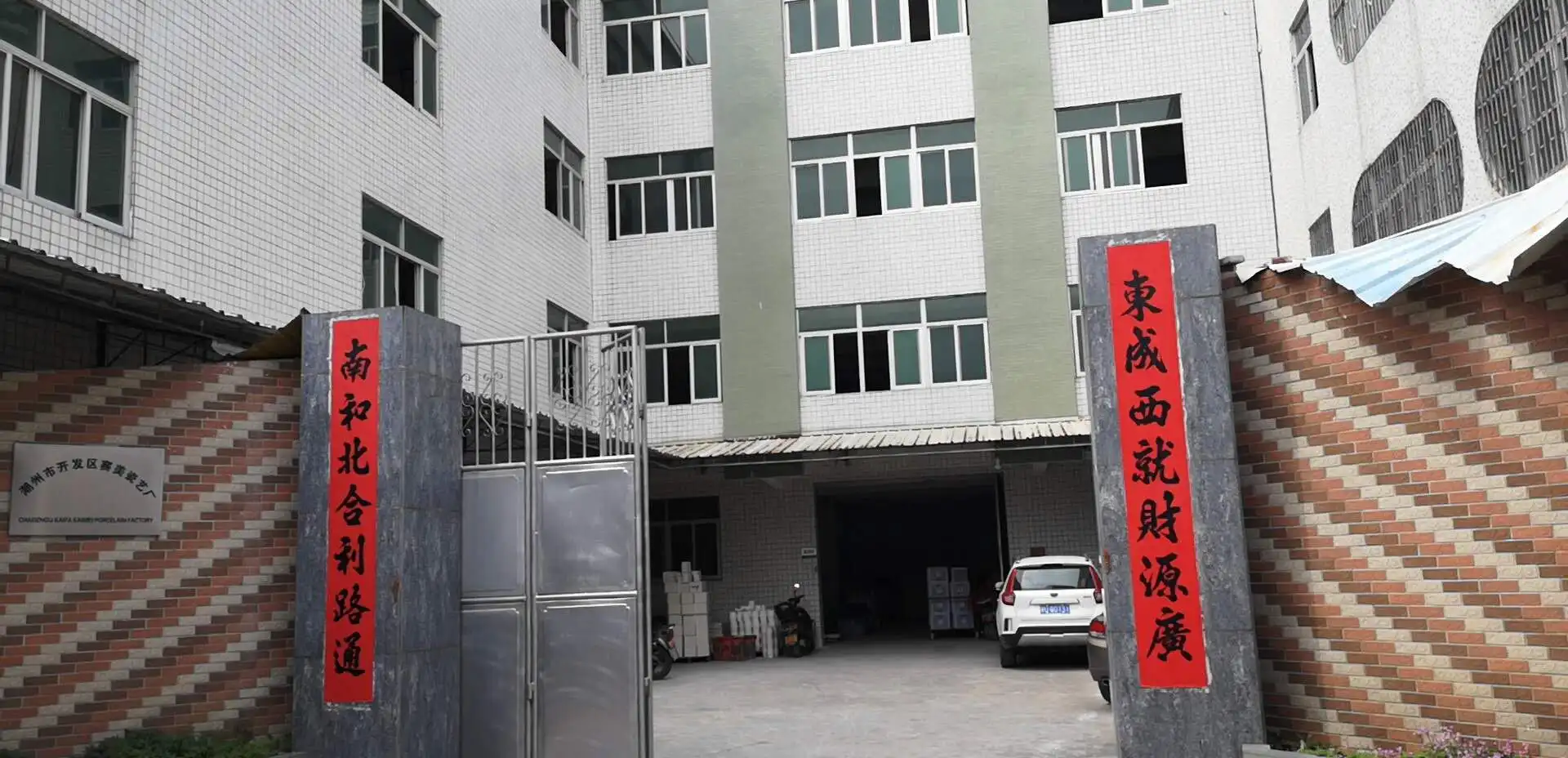
Chaozhou Kaifa Saimei Porcelain Factory
- Manufacturer, Trading Company
- Guangdong, China
- Lead time35 days
- Avg. response≤ 12h
Main productsCERAMIC DINNIER WARE,ceramic plate,ceramic cup,ceramic with wooden products,custom porcelain
Main marketsDomestic Market(30.00%), Southeast Asia(10.00%), Mid East(10.00%), South Asia(10.00%), Africa(5.00%), Eastern Asia(5.00%)

- Verified by TUVRHEINLAND
- Trading Company
- China Hunan
- Lead time45 days
- Avg. response≤ 1h
Main productsCeramic Mug, Vacuum Flask, Dinner Set, Cup, Mug, Thermal Bottle, Ceramic Dinner Set, Glass Jar, Glass Cup, Wine Cup
Main marketsSoutheast Asia/ Mideast
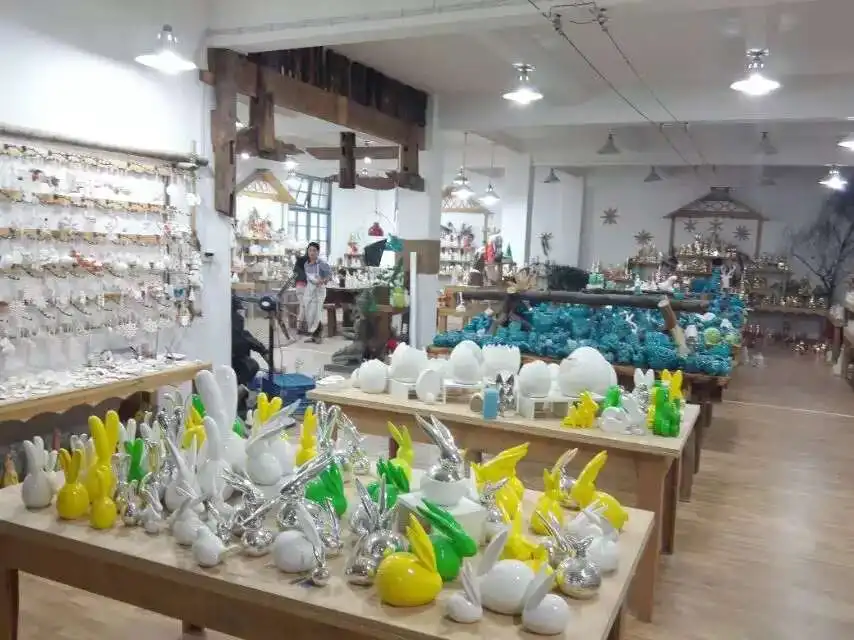
Dehua Beauty Rich Arts & Crafts Co., Ltd.
- Manufacturer, Trading Company
- Fujian, China
- Lead time30 days
- Avg. response≤ 7h
Main productsPolyresin crafts,Ceramic crafts,PVC crafts,Home decoration,Garden decoration
Main marketsEastern Europe(15.00%), North America(15.00%), South America(12.00%), Mid East(5.00%), Oceania(5.00%), South Asia(3.00%), Southern Europe(3.00%), Northern Europe(3.00%), Central America(3.00%), Western Europe(3.00%), Eastern Asia(3.00%), Domestic Market(3.00%), Southeast Asia(3.00%), Africa(2.00%)
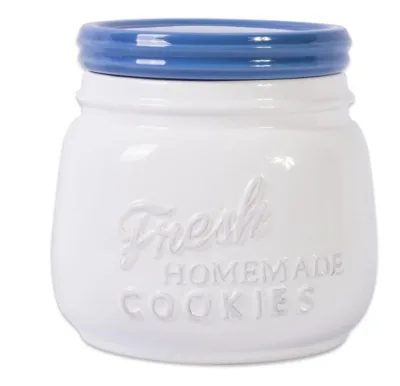
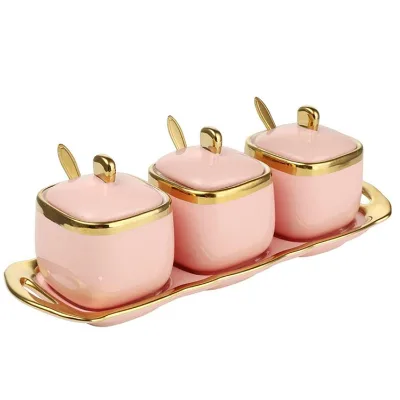
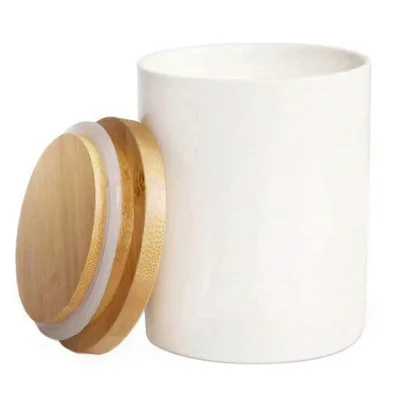
$3.5575 - $5.1044
MOQ: 500 pieces
Shenzhen Guyun Ceramics Co., Ltd.
- Manufacturer, Trading Company, Distributor/Wholesaler
- Guangdong, China
- Lead time30 days
- Avg. response≤ 2h
Main productsceramic vase,ceramic pot,ceramic tableware,ceramic mug,ceramic wine bottle
Main marketsNorth America(20.00%), Southeast Asia(10.00%), Mid East(10.00%), Western Europe(10.00%), Central America(10.00%), Northern Europe(10.00%), Southern Europe(10.00%), South America(5.00%), Eastern Europe(5.00%), Eastern Asia(5.00%), South Asia(5.00%)

- Verified by BV
- Trading Company
- China Shandong
- Lead time30 days
- Avg. response≤ 2h
Main productsCeramic Mugs, Ceramic Dinnerware, Ceramic Tea Set, Ceramic Kitchen Ware, Custom Drum Shape Ceramic Coffee Mug, 24oz Large Capacity 3D Embossed Mug, Porcelain Cappuccino Cup and Saucer, 14oz Custom Souvenirs Ceramic Mug, 12 Sets Vintage Reactive Glazed Tableware, Custom Royal White Ceramic Milk Jar
Main marketsNorth America


Ins Style Food Container Jar Simple Ceramic Spice Jar Custom Ceramic Storage Jar
$2.50 - $5.00
MOQ: 5000 Sets

High Quality Ceramic Kitchen Storage Jar Embossed Sugar Jar White Ceramic Spice Jar
$0.80 - $1.50
MOQ: 5000 Pieces

Lead-Free FDA Ceramic Sugar Jar Glazed Custom Printing Spice Jar for Restaurant
$0.80 - $1.50
MOQ: 5000 Pieces

FDA LFGB Food Grade Ceramic Storage Jar White Coffee Sugar Jar Custom Kitchen Canister Jar
$2.50 - $5.00
MOQ: 5000 Sets

Eco-Friendly Kitchenware Porcelain Sugar Container Custom Ceramic Food Container
$0.50 - $1.50
MOQ: 5000 Pieces
Fujian Dehua Besder Ceramic Co., Ltd.
- Manufacturer, Trading Company
- Fujian, China
- Lead time0 days
- Avg. response≤ 2h
Main productsCERAMIC HOME DECORATION,CERAMIC KITCHENWARE,HOLIDAY DECORATION,CERAMIC PET SUPPLIES,RESIN PRODUCTS
Main marketsNorth America(45.00%), Western Europe(16.00%), South America(11.00%), Mid East(7.00%), Eastern Europe(7.00%), Southern Europe(6.00%), Northern Europe(2.00%), Central America(2.00%), Oceania(1.00%), South Asia(1.00%), Africa(1.00%), Eastern Asia(1.00%)
Fujian Dehua Bebon Ceramics Co., Ltd.
- Verified by TüVRheinland
- Trading Company
- Lead time18 days
- Avg. response≤ 5h
Main productsCeramic Mug, Flower Pot, Tea Set, Ceramic Dishes and Plates, Ceramic and Porcelain Vases
Main marketsNorth America(20%), Mid East(20%), Northern Europe(15%)

Hebei Xingchen Glass Technology Co., Ltd.
- Verified by CTI
- Combined
- China Hebei
- Lead time30 days
- Avg. response≤ 9h
Main productsGlass Cup, French Press, Coffee Pot, Glass Jar, Teapot, Syphon Coffee Maker, Glass Cooking Pot, Glass Pitcher, Glass Straw, Glass Teacup
Main marketsSouth America,Africa,Others(foreignTradeCapacity.exportBusinessCapacityMarketOther),Southeast Asia/ Mideast,East Asia(Japan/ South Korea),Europe,Australia,North America


Multi-Functional Modern Coffee Tea Jar Storage Jar with Airtight Seal Wooden Lid
$1.55 - $2.95
MOQ: 200 Pieces

Creative Kitchen Irregular Glass Airtight Storage Jar Coffee Flower Tea Storage Container Jar
$1.45 - $2.45
MOQ: 200 Pieces

$1.23 - $1.99
MOQ: 500 Pieces
Xiamen Yoyo Ceramic Trading Co., Ltd.
- Manufacturer, Trading Company
- Lead time旺季: "1 - 1000":55,"> 1000":"To be negotiated", 淡季: "1 - 1000":55,"> 1000":"To be negotiated"
- Avg. response≤ 6h
Main productsCandle Jar, Daily Ceramic Ware, Home Decoration, Garden Decoration, Bathroom Accessory
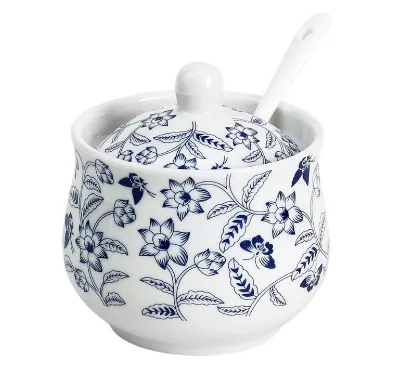
Ceramic Sugar Bowl Blue and White Flower Jar Salt Pepper Storage Jar With Lid and Spoon
$1.2821 - $2.7167
MOQ: 1000 pieces
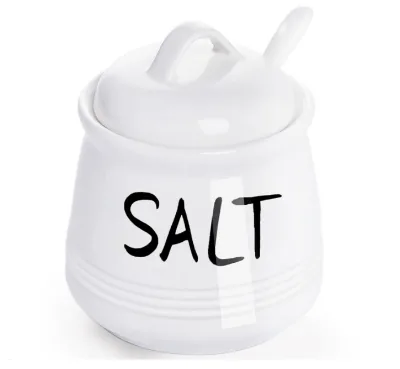
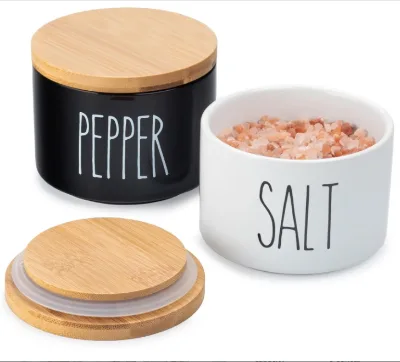
Ceramic Salt Jar Pepper Bowl Salt Cellar with Lid Stackable Porcelain Container
$0.85 - $1.50
MOQ: 1000

Wenzhou Cathylin International Trade Co., Ltd.
- Verified by TUVRHEINLAND
- Trading Company
- China Zhejiang
- Lead time15 days
- Avg. response≤ 5h
Main productsFlatware, Cutlery, Kitchen Tools, Tableware, Cookware, Bakeware, Drinkware
Main marketsNorth America
Kindest Xiamen Trading Co., Ltd.
- Verified by SGS Group
- Trading Company
- Lead time35 days
- Avg. response≤ 8h
Main productsCeramic Tableware, Ceramic Kitchen Ware, Ceramic Home Decoration
Main marketsNorth America(60%), Oceania(20%), Southeast Asia(10%)
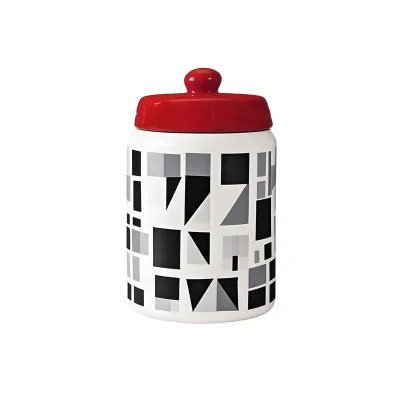
Custom Minimalist Ceramic Coffee Jar in Geometric Design Adds a Touch of Sophistication to Your Home
$2.796 - $3.0025
MOQ: 499 pieces
$2.48 - $2.68
MOQ: 1000 pieces
$2.2545 - $2.5626
MOQ: 1000 pieces
$2.253 - $3.0728
MOQ: 1000 pieces
Xiamen Joinste Arts & Crafts Co., Ltd.
- Trading Company
- Fujian, China
- Lead time45 days
- Avg. response≤ 4h
Main productsCeramic Coffee Mug, Ceramic Cookie Jar, Ceramic Salt and Pepper Shakers, Ceramic Candle Jar, Ceramic Coin Bank
Main marketsNorth America(40.00%), South America(20.00%), Western Europe(10.00%), Eastern Asia(10.00%), Oceania(5.00%), Southern Europe(5.00%), Central America(5.00%), Northern Europe(5.00%)
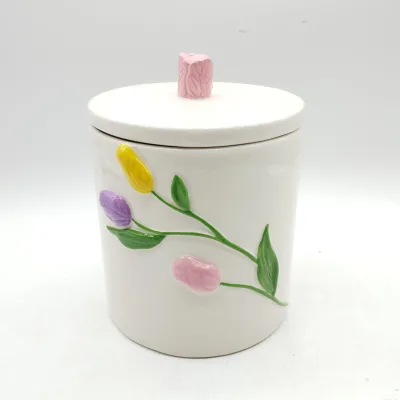
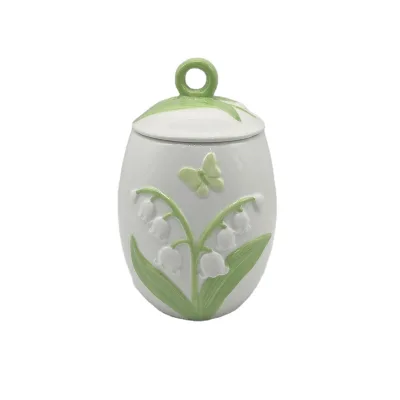
Ceramic Lily of the Valley Storage Jar - Custom Logo for Candy, Cookies, Tea, Coffee, Spices
$4.7124
MOQ: 1000 Minimum
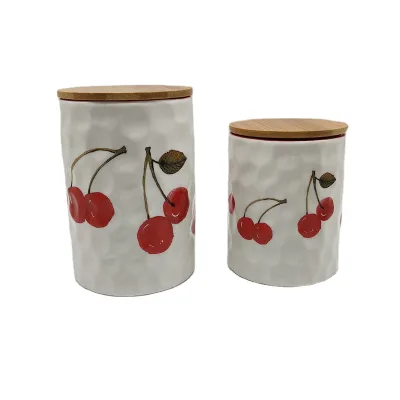
New Custom Spring Season Ceramic Cherry Cookie Sugar Candy Jar for Food Storage & Display
$4.7229
MOQ: 1000 Minimum
Chaozhou Loving Home Porcelain Co., Ltd.
- Verified by Intertek
- Manufacturer, Trading Company
- Lead time60 days
- Avg. response≤ 7h
Main productsCeramic Tea Sets, Ceramic Dinnerware, Ceramic Serving Sets
Main marketsWestern Europe(26%), Eastern Europe(25%), Domestic Market(20%)
Yiwu Jiesiming E-Commerce Co., Ltd.
- Trading Company
- Jinhua, China
- Lead time0 days
- Avg. response≤ 3h
Main productsDaily provisions
Main marketsCentral America(30.00%), North America(30.00%), Mid East(20.00%), South Asia(10.00%), Southeast Asia(10.00%)








Comprehensive Sourcing Guide
Minimalist Ceramic Salad Jar Supplier Concentration and Factory Types
When browsing results for a Minimalist Ceramic Salad Jar, buyers will notice that many listings in this broader food-storage and drinkware space cluster in well-known Chinese production regions, with Shandong and Fujian appearing as documented locations among current supplier results. Shandong suppliers in these results tend to focus on glass jars, mason jars, food jars and dropper bottles, operating as trading companies with ODM and OEM capability, while a Fujian-based supplier centers on household products, tableware, drinkware and baking tools. This mix tells buyers something important: ceramic salad jars often sit alongside adjacent categories, so supplier concentration for ceramics specifically must be confirmed rather than assumed from category proximity.
The supplier types on display also vary. Current results include a pure trading company, and a combined manufacturer and trading company listing drinkware, ceramicware, barware, kitchenware and glass bottles as main products. That combination can be useful for a ceramic salad jar program because a manufacturer-trader may handle both custom molding and export coordination. Where no cluster location is visible in a listing, buyers should probe the supplier's own materials: ask for the factory address, the firing and glazing site, and whether production is in-house or subcontracted. For this category, verifying that a supplier genuinely produces ceramic tableware — rather than only packing or trading it — is the single most consequential concentration question to settle before sampling.
How to Verify Minimalist Ceramic Salad Jar Suppliers
Verification should start with the third-party evidence shown on the listing, then move to documentation the buyer requests directly. In current results, some suppliers carry TÜV Rheinland verification, and one Fujian household-products supplier shows SGS verification; another listing shows BSCI as a system certification. None of the Shandong listings display a system certification, which is not proof of a problem but is a gap worth closing: ask for the certificate number, scope and validity date directly. For food-contact ceramics, buyers should also request product-level test reports — lead and cadmium release results, for example — and check whether the listing's declared certifications match what the supplier can actually produce on letterhead.
Beyond certificates, verify operational reality. A verified profile does not confirm that the supplier fires its own ceramics, so ask for photos or a live video walkthrough of the kiln, glazing line and decal or logo application area. Request references from recent tableware or drinkware orders and confirm the legal entity name matches the bank account that will receive deposits. Sample evaluation is part of verification: order the salad jar in your target glaze and check rim smoothness, lid fit, weight consistency across a small batch, and packaging survival after a drop test. Finally, note that verification badges can expire; re-verify at contract time rather than relying on a screenshot from your first browsing session, and keep copies of everything you receive.
What to Compare Across Minimalist Ceramic Salad Jar Suppliers
Build a comparison table using the attributes actually displayed in results, without assuming every supplier shows every field. Useful dimensions here include location, company type, main products, verification status, response time, quoted lead time, and research or customization capacity such as ODM and OEM. Current results show response times ranging roughly from about 2.3 to 3 hours and lead times of 15, 25 and 30 days among listed suppliers, which gives a realistic spread for planning: a trading company quoting 15 days may be faster on the calendar but add a layer between you and the kiln, while a manufacturer-trader quoting 25–30 days may offer tighter control of glaze and decal work.
Compare main products for category fit as well. One result centers on glass mason, food and candle jars; another spans drinkware, ceramicware, barware and kitchenware; a third covers household products including tableware and seasonal gifts. A Minimalist Ceramic Salad Jar is closer to the second and third profiles than the first, so weight category alignment heavily. Also compare customization evidence: listings that explicitly state customization available, sample availability, sample time of 5–10 days, and production time of 15–30 days give you measurable data points, while suppliers without displayed values need those figures requested in writing. Record every number with its date, since response and lead times are snapshots and can change between your first search and your formal RFQ round.
Common Minimalist Ceramic Salad Jar Sourcing Risks
The most common risk in this category is category drift: suppliers surface in a salad-jar search because they sell glass mason jars, food jars or storage containers, not ceramics. Current results include suppliers whose main products are explicitly glass bottles, jars and tubes, and one product listing even declares plastic as the material attribute despite a glass jar product name. For a ceramic salad jar, assume nothing from the keyword match; confirm material, firing method and food-contact suitability before investing in samples. A related risk is trading-company opacity, where the listing company does not disclose which factory performs the ceramic work, complicating quality audits and responsibility for defects.
Physical and compliance risks follow. Ceramics carry lead and cadmium release requirements for food contact, and a minimalist aesthetic with thin walls or exposed unglazed bases can affect both durability and test outcomes; require test reports specific to the glaze and colorway you select. Color consistency across kiln batches is a frequent complaint in tableware, so agree on a golden sample and allowable variation in writing. Logistics risks include breakage: check whether quoted packing is carton or pallet, and whether inner packaging protects rims and lids. Finally, mismatched expectations on customization — special shapes may require opening new moulds, as some glass listings state, and ceramics require their own tooling — can turn a quick reorder into a multi-week project with surprise tooling charges.
Minimalist Ceramic Salad Jar Regional Sourcing and Logistics
Region matters less as a label and more as a logistics calculation. Among current results, Shandong and Fujian appear as supplier locations. Fujian's coastal position, with Xiamen as a documented base in one supplier's own company description, generally supports convenient port access for consolidated container shipments, while inland or northern production regions may add domestic trucking legs before export. Buyers should not rank regions in the abstract; instead, price the full landed route: factory-to-port haulage, consolidation if combining ceramics with other tableware, ocean freight to the destination port, and duties under the destination's ceramic tableware classification, which often differs from glassware codes.
Also weigh regional specialization signals. A supplier whose main products are glass bottles and mason jars in Shandong may be an excellent consolidation partner but a poor ceramics source, whereas a Fujian household-products supplier listing tableware, drinkware and ceramicware among its categories is more plausibly positioned for this item. For logistics planning, use displayed lead times as starting points — 15, 25 and 30 days appear in current results — then add sample transit and production queue time. Ask each candidate how they pack ceramics for ocean freight: carton-only versus carton on pallets, use of dividers, and drop-test history. If you plan mixed containers with glass or bamboo items, confirm the supplier can consolidate or coordinate with your freight forwarder, and confirm who books the shipment and bears risk at each handoff point.
Minimalist Ceramic Salad Jar Commercial Terms and Order Planning
Commercial terms should be negotiated against the data points visible in results, adapted to ceramics. Displayed MOQs in this search space range widely — from 100 pieces on a household-products listing to 5,000 and 50,000 on glass jar listings — so treat MOQ as highly supplier-specific and negotiable, especially for a customized ceramic item where tooling cost recovery shapes the minimum. Unit price bands shown in results span roughly $0.12–$0.48 for glass jars and up to several dollars for finished gift-boxed sets, but do not extrapolate a ceramic salad jar price from these; request quotes on your exact spec, glaze, lid type and packaging instead.
Order planning should sequence milestones: sample approval, golden sample sealing, deposit, mass production, inspection, and balance payment before shipment. Use displayed lead times (15, 25 and 30 days in current results) as baselines, add buffer for ceramic firing schedules and seasonal capacity, and align payment structure to risk — a modest deposit with balance after passed inspection is common practice for custom tableware. Ask whether the supplier supports trade-assurance or escrow-style payment protection; its presence or absence is a comparison point, not a guarantee. Finally, plan reorders at contract time: lock the golden sample reference, agree on a price-validity window, and confirm whether MOQ drops for repeat orders, since ceramic tooling amortization should improve your terms from the second run onward.
(Total: approximately 1,385 words)
FAQs
What is the typical lead time for minimalist ceramic salad jars?
Manufacturers in China generally require 15 to 30 days for production. This timeframe depends on order volume and customization needs. Some suppliers offer faster turnaround for standard items, while others may take up to a month for complex designs or large batches.
What is the minimum order quantity for these jars?
MOQs vary significantly by supplier type. Trading companies often require 5,000 units, while specialized manufacturers may accept orders as low as 100 units. Buyers should verify specific requirements with each supplier to ensure alignment with their inventory and distribution plans.
Are certifications like FDA or LFGB available for food jars?
Yes, many suppliers provide jars certified with FDA, LFGB, RoHS, and REACH standards. These certifications ensure the glass or ceramic materials are safe for food contact. Buyers should request valid certificates to verify compliance with international food safety regulations before placing orders.
How quickly do suppliers typically respond to inquiries?
Response times generally range from 2.3 to 3.0 hours. Prompt communication helps clarify customization details and pricing. Buyers can expect faster replies from verified suppliers who prioritize customer service and maintain active engagement with potential international clients.
Can I customize the logo or design on the jars?
Customization is widely available, including logo printing and unique shapes. Suppliers support OEM and ODM services for tailored designs. Buyers should confirm mold costs and design support availability, as special shapes may require opening new molds for production.
What is the price range for minimalist salad jars?
Prices typically range from $0.12 to $4.78 per unit. Costs depend on material, capacity, and certification requirements. Basic glass jars start lower, while premium sets with lids and spoons cost more. Buyers should compare quotes based on specific volume and features.