Wooden Matcha Whisk Suppliers and Manufacturers in China
Compare 22 verified suppliers offering Wooden Matcha Whisk products with ISO9001:2015, FCC, and FDA certifications. Review response times, lead times, and MOQs to select a factory. Contact suppliers directly to request samples; review the available evidence before requesting comparable quotations from suitable candidates.
Updated
Suppliers List

JIANGXI XIZHU BAMBOO INDUSTRY CO., LTD.
- Verified by TUVRHEINLAND
- Combined
- China Jiangxi
- Lead time23 days
- Avg. response≤ 3h
Main productsDisposable Bamboo Chopsticks, Bamboo Incense Stick, Bamboo BBQ Skewer, Bamboo Stick
Main marketsSoutheast Asia/ Mideast
Shenzhen Bogart Kitchenware Co., Ltd.
- Verified by TüVRheinland
- Trading Company
- Lead time15 days
- Avg. response≤ 2h
Main productsCoffee & Tea Sets, Matcha Tools, Portable Coffee Maker, Coffee Tumbler & Mugs, Coffee Accessories
Main marketsMid East(30%), North America(20%), Western Europe(13%)

- Verified by BV
- Combined
- China Anhui
- Lead time15 days
- Avg. response≤ 6h
Main productsStorage Basket, Laundry Basket, Kitchen Rack, Storage Shelf, Storage Jar, RPET Tableware Set, Matcha Whisk, Handmade Storage Basket, Wall & Table Decoration, Hamper
Main marketsSouth America,Southeast Asia/ Mideast,North America

High Quality Tea Matcha Whisk Natural Bamboo Traditional Matcha Brush Chasen Matcha Whisk
$2.69 - $2.88
MOQ: 500 Pieces

$4.25 - $4.75
MOQ: 25 Pieces


$8.78 - $8.98
MOQ: 200 Pieces

Matcha Chasen Set Matcha Tea Set Ceremonial Grade Whisk with Logo Matcha Tea Whisk Set
$8.99 - $9.25
MOQ: 1000 Sets


Anhui Xianwei E-Commerce Co., Ltd
- Verified by TUVRHEINLAND
- Manufacturer/Factory
- China Anhui
- Lead time0 days
- Avg. response≤ 6h
Main productsLamp, Cup, Tent
Main marketsSouth America,Eastern Europe,Mid East,North America,Southeast Asia,Eastern Asia,Oceania,Western Europe,Africa

Custom Logo Bamboo Matcha Tea Whisk Bamboo Chasen Matcha Whisk with Kraft Box
$1.52 - $3.95
MOQ: 100 Pieces

Custom Logo Package Handmade Wholesale Chasen Matcha Whisk Purple Brown Dark Bamboo Whisk
$1.76 - $4.10
MOQ: 100 Pieces


$1.69 - $3.97
MOQ: 100 Pieces

Quanzhou Comain Ceramic Co., Ltd
- Trading Company
- China Fujian
- Lead time0 days
- Avg. response≤ 1h
Main productsCeramic Products
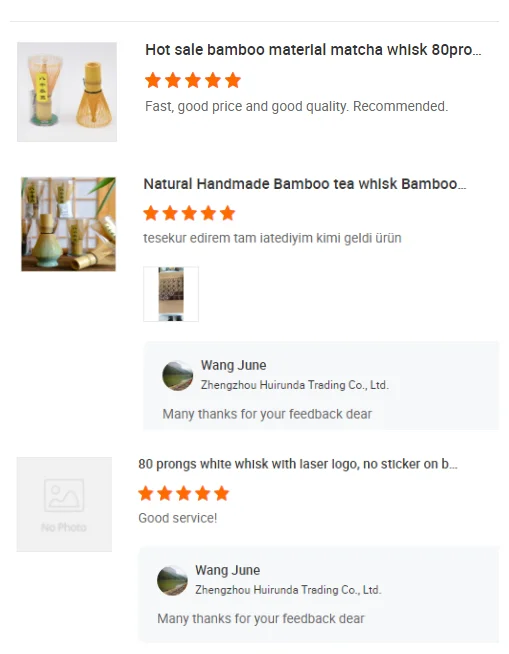
Zhengzhou Huirunda Trading Co., Ltd.
- Trading Company
- Henan, China
- Lead time15 days
- Avg. response≤ 7h
Main productskitchen products,coffee tea cups and teapot,matcha bowl,glass bowl cup,bamboo spoon
Main marketsNorth America(30.00%), Mid East(20.00%), Southeast Asia(10.00%), Eastern Asia(7.00%), South Asia(5.00%), Southern Europe(5.00%), Northern Europe(5.00%), Western Europe(5.00%), Eastern Europe(5.00%), South America(5.00%), Domestic Market(3.00%)

Shuifu Huiyang Agricultural Technology Co., Ltd.
- Verified by SGS
- Trading Company
- China Yunnan
- Lead time23 days
- Avg. response≤ 3h
Main productsBamboo Products, Bamboo Crafts, Bamboo Chopsticks, Bamboo Skewers, Bamboo Weaving, Bamboo Tray, Bamboo Box, Bamboo Placemat, Bamboo Fruit Bowl, Lamp Shades
Main marketsDomestic

Anhui Jize Technology Co., Ltd.
- Verified by SGS
- Trading Company
- China Anhui
- Lead time15 days
- Avg. response≤ 3h
Main productsCup, Fan, Car Phone Holder
Main marketsEast Asia(Japan/ South Korea),Europe

Wholesale Matcha Tea Whisk Customized Packaging Matcha Whisk Travel Including Matcha Whisk and Spoon
$1.99 - $2.99
MOQ: 100 Pieces

OEM Logo Custom Handcrafted Golden Brown Bamboo Chasen Traditional Matcha Whisk
$4.99 - $7.08
MOQ: 100 Pieces


$2.26 - $5.88
MOQ: 100 Pieces

Matcha Whisk Set - Bamboo Whisk with Holder & Scoop, Premium Gift Box for Tea Lovers
$2.09 - $4.26
MOQ: 100 Pieces
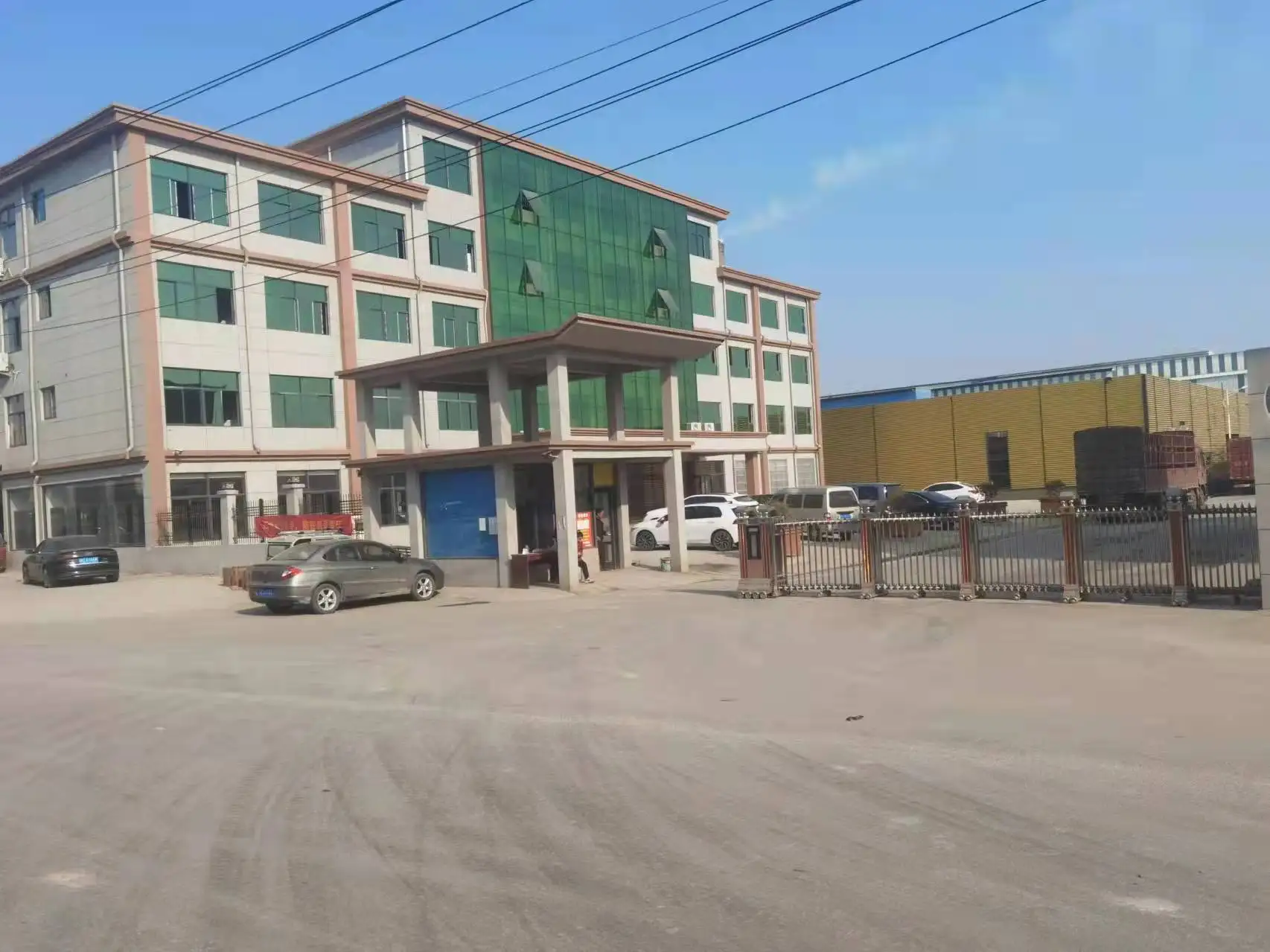
Changsha Banbo Bamboo and Wood Co., Ltd
- Manufacturer, Trading Company
- Hunan, China
- Lead time15 days
- Avg. response≤ 4h
Main productsBamboo and wood products,Matcha Whisk,Matcha Set,Matcha Kits,Teaware
Main marketsNorthern Europe(30.00%), North America(30.00%), Oceania(10.00%), Southern Europe(10.00%), Western Europe(10.00%), Eastern Europe(5.00%), Africa(3.00%), South America(2.00%)
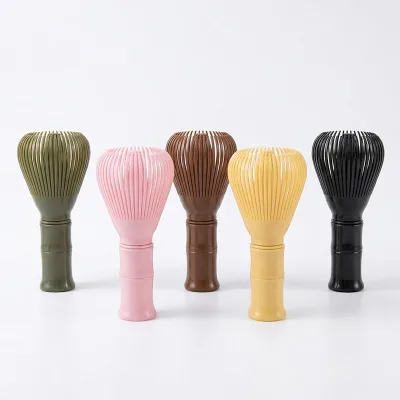
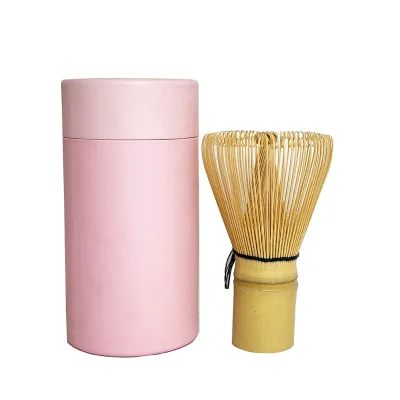
$2.99 - $4.09
MOQ: 50 pieces
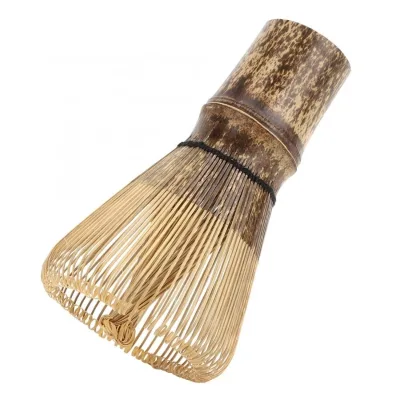
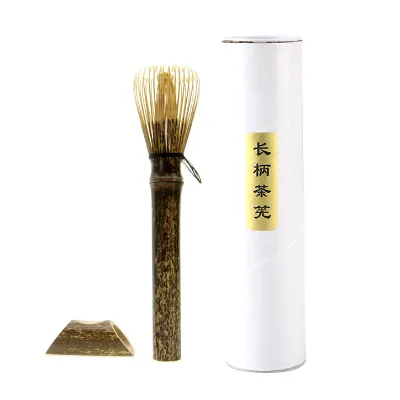
OEM Handcrafted Matcha Powder Traditional 100 Prongs Purple Bamboo Matcha Whisk Bamboo
$3.3974 - $4.3264
MOQ: 50 pieces
Changsha Cebelk Technology Co., Ltd.
- Trading Company
- Hunan, China
- Lead time9 days
- Avg. response≤ 7h
Main productsMilk Frother,Coffee Mug,Kitchen Tools,Garden Tools,Coffee & Tea Tools
Main marketsNorth America(50.00%), Eastern Europe(30.00%), South America(20.00%)
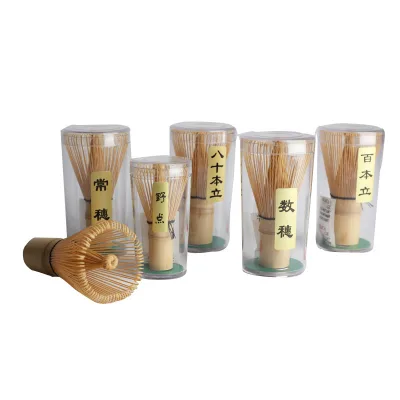
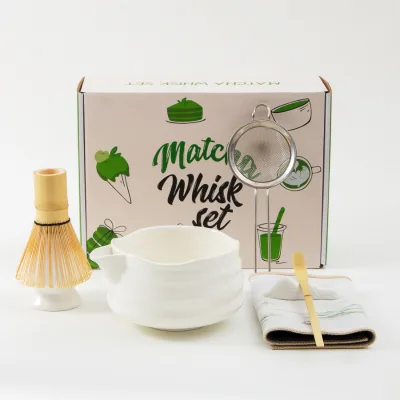
High Quality Handmade Travel Mini Whisk Utensil Bamboo Canister Matcha Baking Whisk Matcha Tea Whisk
$2.99 - $4.30
MOQ: 250 pieces
$3.2777 - $5.5307
MOQ: 500 pieces
Guangzhou Chenxuan Technology Co., Ltd.
- Trading Company, Distributor/Wholesaler, Other
- Guangdong, China
- Lead time10 days
- Avg. response≤ 2h
Main productssteel kitchenware,round dinner plate,retro cutlery set,gold dinner plate,korean gold dinner plate
Main marketsWestern Europe(30.00%), North America(30.00%), Mid East(15.00%), Oceania(15.00%), South America(10.00%)

Xiamen Sind Industrial Co., Ltd.
- Verified by SGS
- Trading Company
- China Fujian
- Lead time30 days
- Avg. response≤ 12h
Main productsKitchenware, Houseware, Storage Container, Bakeware, Kitchen Gadgets, Promotion Gifts, Kitchen Implement
Main marketsSouth America,Europe,North America
Shaowu Shengheng Bamboo Products Co., Ltd.
- Manufacturer, Trading Company
- Fujian, China
- Lead time25 days
- Avg. response≤ 3h
Main productsBamboo Sticks, Bamboo Knotted Picks, Bamboo Skewer, Bamboo Chopsticks, Bamboo Steamer
Main marketsNorth America(30.00%), Western Europe(30.00%), Domestic Market(28.00%), Southeast Asia(12.00%)
Yantai Estick Bamboo And Wooden Products Co., Ltd.
- Verified by SGS Group
- Manufacturer, Trading Company
- Lead time30 days
- Avg. response≤ 1h
Main productsBamboo Whisk, Matcha Whisk Set, Disposable Tableware, Flatware, Bamboo Steamer
Main marketsNorth America(35%), Western Europe(15%), Southeast Asia(10%)

Changchun Jinsheng Zhuoyu Trading Co., Ltd.
- Trading Company
- Jilin, China
- Lead time0 days
- Avg. response≤ 7h
Main productsTea,Ginseng,Herbs,Tea accessory,Gift
Main marketsWestern Europe(20.00%), North America(20.00%), Northern Europe(10.00%), Central America(10.00%), South America(10.00%), Southern Europe(5.00%), Mid East(5.00%), Eastern Europe(5.00%), Eastern Asia(4.00%), Southeast Asia(4.00%), Oceania(4.00%), Africa(2.00%), South Asia(1.00%)
Henan Jbett Industrial Technology Co., Ltd.
- Trading Company
- Henan, China
- Lead time0 days
- Avg. response≤ 6h
Main productsBBQ Grills,Smoking Accessories,Bar tools,kitchen gadgets,Cigar accessories
Main marketsNorth America(80.00%), Western Europe(20.00%)
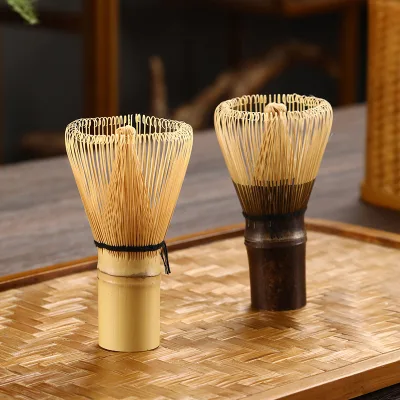
$0.5071 - $3.7026
MOQ: 2 Minimum
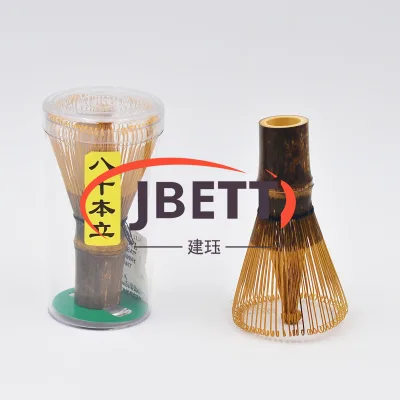
Dark 80 Prongs Premium Matcha Tea Set Whisk Hot Selling Matcha Whisk/ Handmade Bamboo Whisk Matcha
$2.20 - $3.60
MOQ: 2 pieces
Harmony Houseware(Yantai) Co., Ltd.
- Verified by SGS Group
- Manufacturer, Trading Company
- Lead time20 days
- Avg. response≤ 2h
Main productsCoffee & Tea Sets
Main marketsNorth America(45%), Oceania(10%), Eastern Europe(10%)
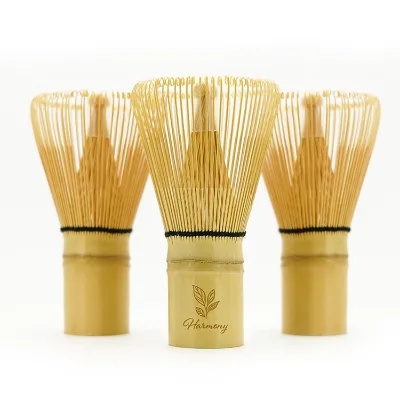
$2.75 - $3.17
MOQ: 100 pieces

Xiamen Ebei Import & Export Co., Ltd.
- Verified by CTI
- Trading Company,Manufacturer/Factory
- China Fujian
- Lead time45 days
- Avg. response≤ 2h
Main productsEco-Friendly Products, Bamboo Tableware, Bamboo Furniture, Bamboo Kitchenware, Bamboo Office Supply, Bamboo Fibre Products, Biodegradable Products, Bamboo Towel, Solar Energy Products, Bamboo Garden Products
Main marketsSouth America,Eastern Europe,Mid East,North America,Southeast Asia,Eastern Asia,Oceania,Western Europe,Africa


100 Prongs Japanese Handcraft Handmade Matcha Whisk Green Tea Powder Bamboo Whisk
$1.98 - $2.48
MOQ: 500 Pieces


Guangzhou Gorlando Commodity Co., Ltd.
- Trading Company
- Lead time旺季: "1 - 100":14,"101 - 5000":25,"> 5000":"To be negotiated", 淡季: "1 - 100":14,"101 - 5000":25,"> 5000":"To be negotiated"
- Avg. response≤ 4h
Main productsBamboo Skewers,Bamboo Toothpicks,Bamboo Chopsticks,Bamboo And Wood Coffee Sticks,Bamboo And Wood Knife Fork Spoon
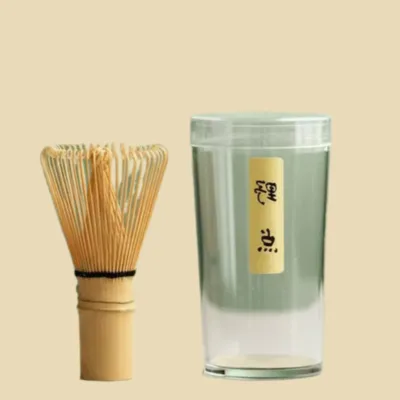
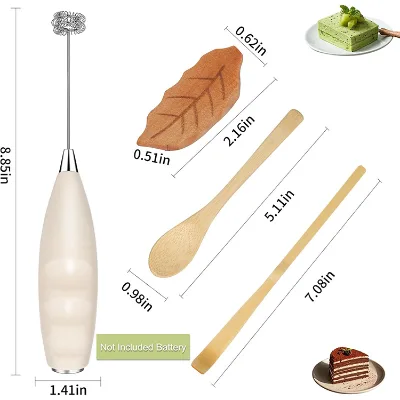
Professional Matcha Tea Whisk Stirrer New Fashion Chasen Matcha Tea Whisk Set With Box
$2.40 - $2.90
MOQ: 1 sets

Weifang Easylife Ware Co., Ltd.
- Trading Company
- China Shandong
- Lead time0 days
- Avg. response≤ 7h
Main productsGlass Cup, Coffee Cup, Coffee Mug, Coffee Pot, Tea Cup, Teapot, Whiskey Glass Cup, Decanter, Cocktail Glass Cup, Wine Glass Cup


Cheap Price Wood Matcha Bowl Set, Bamboo Whisk, Customized Box Matcha Set
$5.79 - $7.19
MOQ: 500 Pieces

Xiamen Athome Household Products Co., Ltd.
- Verified by SGS
- Trading Company
- China Fujian
- Lead time30 days
- Avg. response≤ 3h
Main productsXiamen Athome Household Products Co. Ltd. Is a, Custom Matcha Tea Set, Wooden &Bamboo Kitchenware, Custom Gifts & Souvenirs, Home & Seasonal Decor, Tableware &Dinner Set, Custom Candle Holer, Seasonal & Promotional Gifts, Drinkware, Sourdough & Baking Tools
Main marketsSoutheast Asia/ Mideast,East Asia(Japan/ South Korea)

Matcha Whisk Set with Bowl Bamboo Whisk Scoop Sifter Matcha Whisk Holder Matcha Set
$1.99 - $10.88
MOQ: 50 Pieces


Wholesale OEM Custom Multicolor Resin Matcha Whisk Set Easy Clean Matcha Chasen
$1.88 - $2.18
MOQ: 1 Pieces
Fujian Taining Good Life Products Co., Ltd.
- Trading Company
- Guangdong, China
- Lead time旺季: "1 - 100000":35,"> 100000":"To be negotiated", 淡季: "1 - 100000":35,"> 100000":"To be negotiated"
- Avg. response≤ 3h
Main productsbamboo skewer,PVC glove,disposable face mask,Grape vine woven bag,camera bag
Main marketsNorth America(40.00%), Northern Europe(10.00%), Southern Europe(10.00%), South America(10.00%), Southeast Asia(5.00%), Western Europe(5.00%), South Asia(5.00%), Eastern Europe(5.00%), Oceania(2.00%), Domestic Market(2.00%), Africa(1.00%)


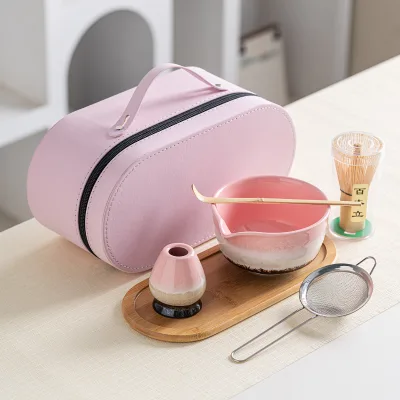
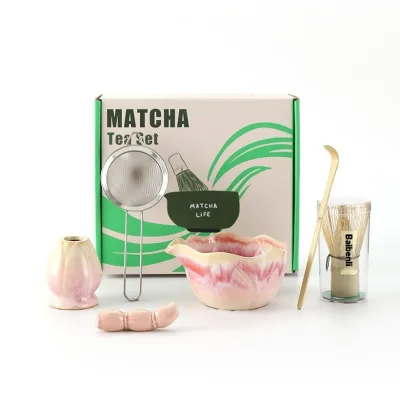
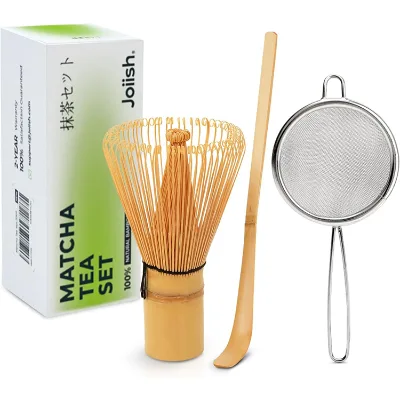
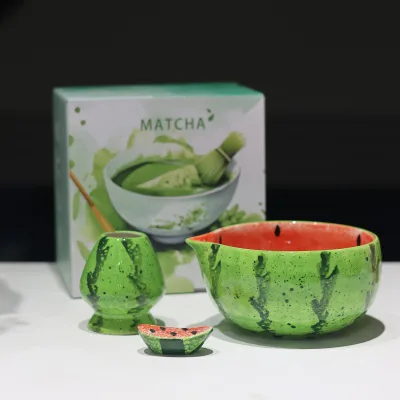




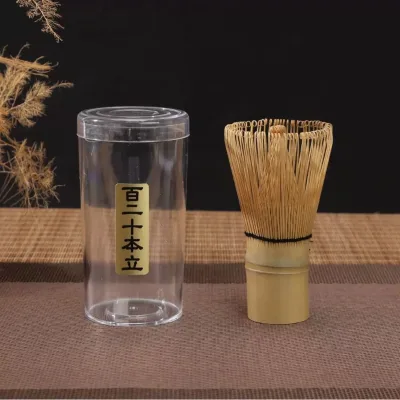
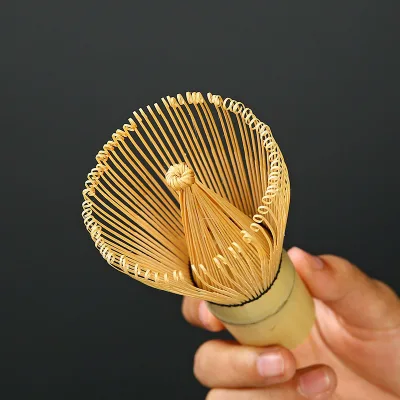


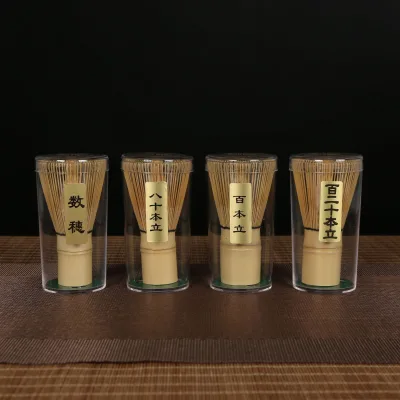
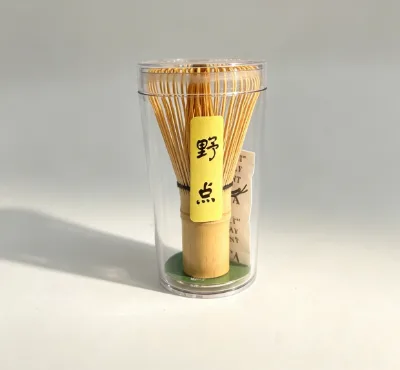
Comprehensive Sourcing Guide
Wooden Matcha Whisk Supplier Concentration and Factory Types
The landscape for sourcing Wooden Matcha Whisk components and finished sets reveals a distinct concentration of manufacturing activity within specific Chinese provinces, particularly Jiangxi and Fujian. These regions serve as primary hubs for bamboo processing, leveraging local raw material availability to support both raw material extraction and final assembly. When evaluating potential partners, buyers should note that the supplier base is not monolithic; it comprises a mix of combined entities and pure trading companies. Combined suppliers often possess integrated capabilities that span from raw bamboo treatment to final packaging, whereas trading companies may focus on aggregating products from multiple smaller workshops to offer a broader catalog. This structural diversity means that the origin of the wood or bamboo can vary significantly even within the same regional cluster. For instance, some product attributes explicitly list origins in Guangdong or Zhejiang, indicating that while the administrative registration might be in one province, the actual manufacturing or sourcing of components may occur elsewhere. Understanding this geographic nuance is critical for accurate logistics planning and carbon footprint assessment. Buyers must look beyond the registered address to understand the true supply chain flow, as the concentration of factories in these areas often correlates with specialized labor pools experienced in traditional bamboo crafting techniques.
Furthermore, the types of companies operating in this space offer different value propositions regarding customization and scale. Many suppliers advertise capabilities in OEM and ODM services, suggesting they can adapt standard wooden whisk designs to meet specific brand requirements. This is particularly relevant for buyers seeking unique aesthetic finishes or custom packaging solutions, such as wooden boxes or ceramic bowl sets. The presence of "Combined" company types suggests a hybrid model where the supplier may own the production line but also handles direct sales, potentially offering more competitive pricing on bulk orders. In contrast, trading companies might provide more flexible MOQs for smaller buyers who need to test the market with Wooden Matcha Whisk sets before committing to large production runs. The main products listed often extend beyond simple whisks to include full tea ceremony sets, indicating that many suppliers are equipped to handle complex, multi-component orders. This versatility allows buyers to consolidate their sourcing, potentially reducing the administrative burden of managing multiple vendors for different parts of a matcha set. However, this also requires careful verification to ensure that the quality of the wooden components matches the quality of the ceramic or metal parts in the same order.
How to Verify Wooden Matcha Whisk Suppliers
Verification of Wooden Matcha Whisk suppliers requires a multi-layered approach that goes beyond simple profile reviews, focusing heavily on third-party certifications and independent audit results. Buyers should prioritize suppliers who display verification badges from recognized entities such as TÜV Rheinland, which indicates that an independent party has assessed the company’s business legitimacy and operational capabilities. This verification is a crucial first step in mitigating the risk of engaging with fraudulent or non-existent entities. In addition to business verification, technical certifications provide insight into the quality management systems in place. Suppliers displaying ISO 9001:2015 certification demonstrate a commitment to standardized quality control processes, which is essential for maintaining consistency in wooden products that are susceptible to natural variations. Other relevant certifications may include FDA, RoHS, or CE marks, particularly if the wooden whisks are intended for markets with strict regulatory requirements regarding food contact materials. These certifications serve as objective evidence that the supplier adheres to international standards for safety and environmental compliance, reducing the likelihood of product recalls or customs delays.
Beyond certifications, buyers must actively engage with suppliers to assess their responsiveness and transparency. The response time metric is a valuable indicator of operational efficiency; suppliers with faster response times, such as those averaging under three days, are often better equipped to handle urgent orders and complex communication needs. Buyers should initiate contact with multiple potential suppliers to compare the quality and speed of their replies, paying attention to how thoroughly they address specific questions about material sourcing and production processes. Additionally, requesting detailed product attributes and specifications is essential. Buyers should ask for clear information on the type of wood or bamboo used, the treatment processes applied to prevent mold or cracking, and the specific dimensions of the whisk heads. Suppliers that provide comprehensive, accurate, and prompt information are more likely to be reliable partners. It is also advisable to verify the supplier’s claimed capabilities, such as OEM/ODM services, by requesting examples of previous work or custom samples. This direct interaction helps build a clearer picture of the supplier’s actual capabilities versus their marketing claims, ensuring that the partnership is built on verified facts rather than assumptions.
What to Compare Across Wooden Matcha Whisk Suppliers
When comparing suppliers, buyers should systematically evaluate key operational metrics such as lead times, minimum order quantities, and pricing structures to determine the best fit for their business model. Lead times vary significantly among suppliers, with some offering production cycles as short as fifteen days, while others may require up to twenty-three days or more. This difference can be critical for buyers with tight inventory constraints or seasonal demand spikes. Similarly, MOQs range widely, from as low as twenty units for certain bamboo whisk models to one hundred units or more for standard sets. Understanding these thresholds helps buyers align their orders with their sales forecasts, avoiding excessive inventory costs or stockouts. Pricing is another crucial factor, with costs for individual wooden whisks ranging from approximately three to four dollars, while complete sets with ceramic bowls and wooden boxes can cost between eight and ten dollars. Buyers should request detailed quotes that break down costs for the wooden components, packaging, and any customization fees to ensure transparency. Comparing these metrics across multiple suppliers allows for a nuanced assessment of value, balancing cost against speed and flexibility.
In addition to quantitative metrics, buyers should compare the breadth and depth of product offerings and customization options. Some suppliers specialize in traditional handmade wooden whisks with specific diameters and lengths, catering to purists who value authentic craftsmanship. Others may offer more modern, minimalist designs or composite materials that blend wood with other elements. The availability of customization services, such as logo engraving on wooden handles or custom packaging, can be a significant differentiator for brands looking to stand out in the market. Buyers should also consider the supplier’s main product focus; those who specialize in coffee and tea sets may offer better integration and quality control for complete matcha kits compared to suppliers who treat wooden whisks as an afterthought. Furthermore, the quality of the wooden material itself, whether it is food-grade bamboo or other sustainable woods, should be a primary comparison point. Suppliers that provide detailed information about their material sourcing and treatment processes demonstrate a higher level of professionalism and commitment to product integrity. By carefully weighing these factors, buyers can select suppliers that not only meet their immediate needs but also support their long-term brand strategy and customer satisfaction goals.
Common Wooden Matcha Whisk Sourcing Risks
One of the primary risks in sourcing Wooden Matcha Whisk components is the variability in material quality and durability. Wood and bamboo are natural materials that can be susceptible to cracking, warping, or mold growth if not properly treated and stored. Buyers must be vigilant about the treatment processes used by suppliers, such as drying, polishing, and sealing, to ensure the final product meets food safety standards and longevity expectations. Inconsistent quality can lead to high return rates and damage to brand reputation, particularly if the wooden parts fail during normal use. Another significant risk is the potential for miscommunication regarding product specifications. Wooden whisks come in various sizes, shapes, and handle lengths, and even small deviations from the agreed-upon design can render the product unsuitable for the buyer’s market. Buyers should insist on detailed technical drawings and physical samples before approving mass production to mitigate this risk. Additionally, the reliance on traditional craftsmanship can sometimes result in longer production times and less predictable output, especially during peak seasons or when raw material supplies are constrained.
Supply chain disruptions and logistical challenges also pose considerable risks, particularly when sourcing from distant manufacturing hubs. Delays in raw material availability, such as bamboo harvests, can impact production schedules, leading to missed delivery deadlines. Furthermore, the fragility of wooden components requires careful packaging to prevent damage during transit. Inadequate packaging can result in broken handles or damaged whisk heads, increasing costs and customer dissatisfaction. Buyers should verify that suppliers use robust packaging methods, such as reinforced cartons or individual protective wrapping, to minimize transit damage. Another risk is the potential for non-compliance with international regulations, particularly regarding food contact materials and chemical treatments. Suppliers must provide valid certifications and test reports to prove that their wooden products are free from harmful substances. Failure to verify these compliance documents can lead to customs holds or legal issues in the destination market. Buyers should also be aware of the financial risks associated with large upfront payments or unfavorable payment terms. Establishing clear contractual agreements and using secure payment methods can help protect against fraud and ensure that funds are released only upon satisfactory delivery of the goods.
Wooden Matcha Whisk Regional Sourcing and Logistics
Sourcing Wooden Matcha Whisk components from regional hubs in China offers distinct logistical advantages, particularly regarding proximity to raw material sources and established manufacturing infrastructure. Provinces like Jiangxi and Fujian are known for their abundant bamboo resources, which reduces transportation costs for raw materials and supports a mature ecosystem of specialized suppliers. This concentration of industry facilitates efficient supply chain management, as buyers can often source multiple components, such as wooden whisks, ceramic bowls, and packaging, from suppliers within the same geographic region. This proximity can simplify coordination and reduce the complexity of managing multiple international shipments. However, buyers must also consider the logistical implications of shipping finished goods from these regions. The distance to major ports and the availability of reliable freight forwarders can impact transit times and costs. Buyers should work with suppliers who have experience in exporting to their target markets and can provide accurate estimates for shipping durations and associated fees. Understanding the specific logistics requirements for wooden products, such as humidity control during transit, is essential to prevent damage and ensure product quality upon arrival.
Logistical planning also involves navigating the complexities of international trade regulations and customs procedures. Different countries have varying requirements for importing wooden and bamboo products, including phytosanitary certificates and wood treatment declarations. Buyers must ensure that their suppliers are familiar with these requirements and can provide the necessary documentation to facilitate smooth customs clearance. Delays at customs can result in additional storage fees and missed delivery deadlines, so proactive communication with suppliers and freight forwarders is crucial. Additionally, buyers should consider the environmental impact of their sourcing decisions, as sustainable forestry practices and eco-friendly packaging are increasingly important to consumers. Suppliers who demonstrate a commitment to sustainability, such as using FSC-certified wood or biodegradable packaging, can help buyers meet their own corporate social responsibility goals. By carefully planning the logistics of sourcing Wooden Matcha Whisk components, buyers can optimize their supply chain for efficiency, cost-effectiveness, and compliance, ensuring a seamless journey from factory to final consumer.
Wooden Matcha Whisk Commercial Terms and Order Planning
Effective order planning for Wooden Matcha Whisk products requires a thorough understanding of commercial terms, including pricing structures, payment conditions, and sample policies. Buyers should negotiate clear price terms, such as EXW, FOB, or CIF, to determine who bears the responsibility for transportation and insurance costs. Understanding these terms helps in calculating the total landed cost of the products and ensures that there are no hidden fees. Sample policies are also a critical aspect of order planning; many suppliers offer free samples with freight collect, allowing buyers to evaluate product quality before committing to a large order. Buyers should take advantage of this opportunity to test the durability and aesthetic appeal of the wooden whisks, ensuring they meet their standards. Additionally, buyers should clarify the lead times for both sample production and mass manufacturing to align their inventory planning with supplier capabilities. Establishing a clear timeline for order placement, production, and delivery helps prevent delays and ensures that products arrive in time for market demand.
Payment terms and order flexibility are
FAQs
What is the price range for handmade bamboo matcha whisks?
Handmade bamboo matcha whisks typically range from $3.10 to $4.50 per unit. Prices vary based on customization options, diameter specifications, and order volume. Buyers should confirm exact pricing terms, such as EXW, FOB, or CIF, with suppliers before placing orders to ensure accurate budgeting.
What certifications do matcha whisk suppliers hold?
Suppliers often hold ISO 9001:2015, FCC, FDA CPG 7117, RoHS, and CE certifications. These credentials verify quality management and product safety standards. Buyers should request valid certificates to ensure compliance with international regulations and confirm that materials meet food-grade requirements for kitchenware applications.
What is the typical lead time for matcha whisk orders?
Typical lead times range from 15 to 23 days depending on the supplier and order complexity. Some suppliers offer faster processing for sample orders or customized designs. Buyers should verify specific production schedules with their chosen supplier to align delivery expectations with their inventory planning needs.
What is the minimum order quantity for bamboo matcha whisks?
Minimum order quantities vary, with some suppliers requiring as few as 20 units while others set the MOQ at 100 sets. Customized orders may have different thresholds. Buyers should check specific product listings to determine the exact MOQ and negotiate terms that fit their purchasing volume.
Where are matcha whisk suppliers located?
Suppliers are primarily located in China, including regions like Jiangxi, Fujian, Guangdong, and Zhejiang. These areas are known for bamboo processing and ceramic manufacturing. Buyers can filter results by location to find suppliers closer to their shipping routes or with specific regional expertise.
Do suppliers offer customization for matcha whisk sets?
Yes, many suppliers offer customization including logos, packaging, and design styles. Options range from traditional to minimalist aesthetics. Buyers can request samples to verify quality before bulk orders. Customization availability and costs should be confirmed directly with the supplier to ensure specific brand requirements are met.