Wedding Glass Dome Cake Stand Suppliers and Manufacturers
Source 28 suppliers for Wedding Glass Dome Cake Stand options. Compare response times, lead times, MOQs, and certifications to find the right partner. Review product details and request quotes today; review the available evidence before requesting comparable quotations from suitable candidates.
Updated
Suppliers List
Dalian Crystal Coast Glass Co., Ltd.
- Verified by TüVRheinland
- Trading Company
- Lead time45 days
- Avg. response≤ 9h
Main productsGlassware
Main marketsNorth America(20%), Mid East(20%), Western Europe(15%)
Yancheng Jingxin Glassware Co., Ltd.
- Verified by TüVRheinland
- Manufacturer, Trading Company
- Lead time30 days
- Avg. response≤ 10h
Main productsGlass Lamp Shades, Glass Teapot & Tea Cup, Glass Home Decoration, Glass Labware
Main marketsNorth America(25%), Domestic Market(20%), Northern Europe(10%)
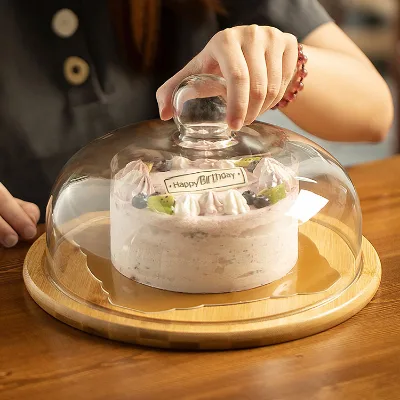
Glass Cake Stand with Glass Dome Cover for Wedding Party Cakes Sweet Fruit Snack
$3.75 - $3.95
MOQ: 200 pieces
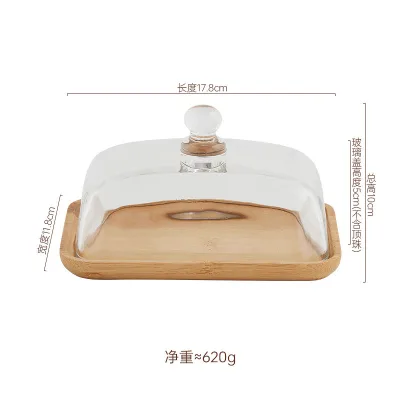
Wonderful Glass Cover Cake Display Server Cake Stand Tray Clear Glass Dome with Wood Tray
$4.0482 - $4.2531
MOQ: 200 pieces

Shanxi Dingnuo Goods Trading Co., Ltd.
- Trading Company
- Shanxi, China
- Lead time15 days
- Avg. response≤ 2h
Main productsBeer glasses,Wine Glasses,GLass Jar,Glass Candle Holders,Whiskey Glasses
Main marketsNorth America(50.00%), South America(30.00%), Central America(10.00%), Eastern Europe(10.00%)
Shanxi Midas Industrial Co., Ltd.
- Manufacturer, Trading Company
- Shanxi, China
- Lead time25 days
- Avg. response≤ 6h
Main productsWine glass,Beer glass,Whisky glass,Glass plate,Glass vase
Main marketsEastern Asia(100.00%), Oceania(100.00%), Africa(100.00%), Northern Europe(100.00%), Eastern Europe(100.00%), South Asia(100.00%), Domestic Market(100.00%), Southern Europe(100.00%), North America(50.00%), Western Europe(30.00%), South America(10.00%), Southeast Asia(5.00%), Central America(3.00%), Mid East(2.00%)

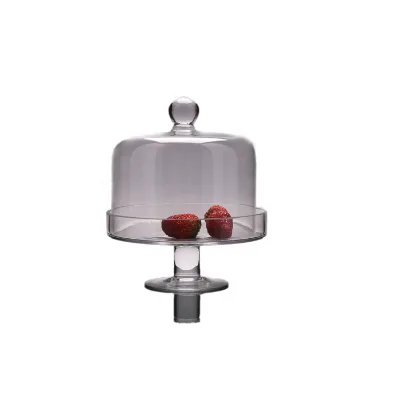

Handmade Glass Cake Stand With Lid
$11.00 - $14.00

NINGBO HOBA INTERNATIONAL TRADING CO., LTD.
- Verified by BV
- Trading Company
- China Zhejiang
- Lead time30 days
- Avg. response≤ 3h
Main productsThread, Button, Lace Tape, Zipper, Hot Fix Stone, Crystal, Rope, Jewelry Accessory, Ribbon, Reflecting Material
Main marketsSouth America,Africa,Southeast Asia/ Mideast,East Asia(Japan/ South Korea),Europe,Australia,North America

Metal Wedding Decoration Event Glass Tray Dessert Table Centerpiece Cake Stand
$5.00 - $6.00
MOQ: 10 Pieces

Wedding Metal Party Birthday Dessert Display Stand Wedding Crystal Mirror Cake Stand
$7.50 - $8.50
MOQ: 50 Sets

Chandelier Hanging Cake Stand with Crystals for Wedding Decorative Acrylic Cake Plate
$40.50 - $42.50
MOQ: 20 Pieces

Acrylic Cupcake Stand Tier Round Stands Display for Wedding Birthday Baby Party
$5.00 - $6.00
MOQ: 50 Pieces

Foshan Shuaige Furniture Co., Ltd.
- Verified by TUVRHEINLAND
- Combined
- China Guangdong
- Lead time23 days
- Avg. response≤ 4h
Main productsWedding Chair, Wedding Table, Dining Furniture, Dining Chair, Dining Table Set, Stainless Steel Chair, Wedding Furniture, Wedding Backdrop, Banquet Furniture, Hotel Chair and Table
Main marketsDomestic

Wedding Party Venue Layout Round Clear Crystal Glass Dessert Table Cake Stand
$155.00 - $260.00
MOQ: 2 Pieces

Luxury Stainless Steel Frame White Glass Top Wedding Decoration Cake Stand
$296.00 - $469.00
MOQ: 2 Pieces


Hexagon Pillars Stainless Steel Wedding Black Glass Top Cake Stand for Party
$200.00 - $300.00
MOQ: 2 Pieces


Jiangmen Goodman Cleaning Supplies Co., Ltd.
- Verified by TUVRHEINLAND
- Combined
- China Guangdong
- Lead time15 days
- Avg. response≤ 9h
Main productsFood Pan, Food Basket Tray, Storage Box, Cleaning Bucket, Trash Can
Main marketsEurope,North America

Hight Quality Dome Glass Pastry Tools Glass Cake Dome Cake Stand with Glass Dome
$4.24 - $5.42
MOQ: 360 pieces

Wholesale Custom Glass Display Dome Cake Stand with Glass Dome PC Glass Cake Dome
$4.24 - $5.42
MOQ: 360 pieces

Wholesale Cake Domes Glass Pastry Tools Cake Stand Dome Plastic PC Glass Dome
$4.00 - $5.55
MOQ: 360 pieces

- Verified by TUVRHEINLAND
- Trading Company
- China Hunan
- Lead time45 days
- Avg. response≤ 1h
Main productsCeramic Mug, Vacuum Flask, Dinner Set, Cup, Mug, Thermal Bottle, Ceramic Dinner Set, Glass Jar, Glass Cup, Wine Cup
Main marketsSoutheast Asia/ Mideast

Henan Qingchengzhilian Wedding Props Co., Ltd.
- Verified by BV
- Trading Company
- China Henan
- Lead time15 days
- Avg. response≤ 22h
Main productsWedding Arch
Main marketsDomestic

Golden Wedding Cake Stand Crystal Cake Stand Wedding Cake Dessert Table Decoration
$27.00 - $31.00
MOQ: 2 Pieces

Wholesale Baking Party Supplies Cake Tools Crystal Round Wedding Cake Dessert Stand Set
$13.60 - $16.00
MOQ: 2 Pieces


Xiamen Horae Glassware Co., Ltd.
- Manufacturer, Trading Company, Distributor/Wholesaler
- Fujian, China
- Lead time0 days
- Avg. response≤ 4h
Main productsglassware,glass products,glasses,packing,gift and crafts
Main marketsEastern Europe(20.00%), North America(20.00%), Western Europe(15.00%), Southeast Asia(10.00%), Southern Europe(5.00%), Northern Europe(5.00%), Central America(5.00%), South America(5.00%), Eastern Asia(5.00%), Mid East(5.00%), Oceania(5.00%)
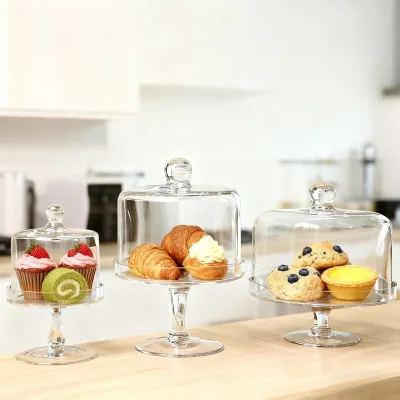
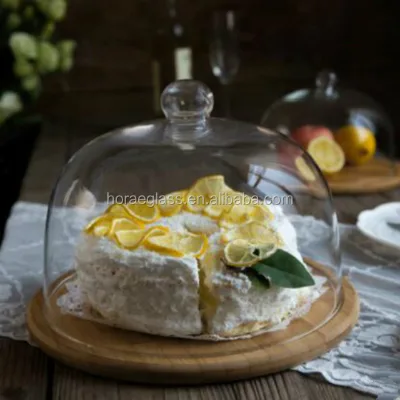
$8.9835 - $10.2326
MOQ: 1000 pieces

Pujiang Meg Art&Craft Co., Ltd.
- Trading Company
- Zhejiang, China
- Lead time15 days
- Avg. response≤ 6h
Main productscrystal trophy,metal trophy,crystal perfume bottle,crystal keychain,crystal block
Main marketsNorth America(30.00%), Southeast Asia(10.00%), Central America(10.00%), Mid East(10.00%), South Asia(5.00%), Southern Europe(5.00%), Northern Europe(5.00%), Eastern Europe(5.00%), Western Europe(5.00%), South America(5.00%), Eastern Asia(5.00%), Africa(5.00%)
Taiyuan Jarvi Glassware Co., Ltd.
- Trading Company
- Shanxi, China
- Lead time0 days
- Avg. response≤ 5h
Main productswine glasses,glass plates,glass vases,glass candle holders,glass decanters
Main marketsNorth America(65.00%), Northern Europe(20.00%), Mid East(10.00%), South Asia(2.00%), Africa(2.00%), Domestic Market(1.00%)
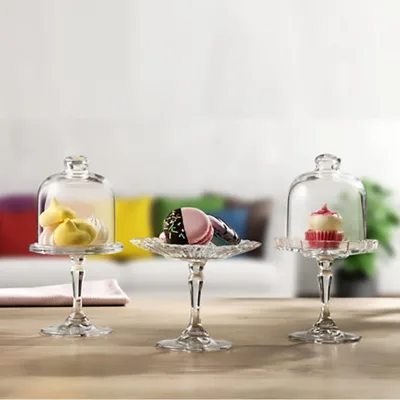
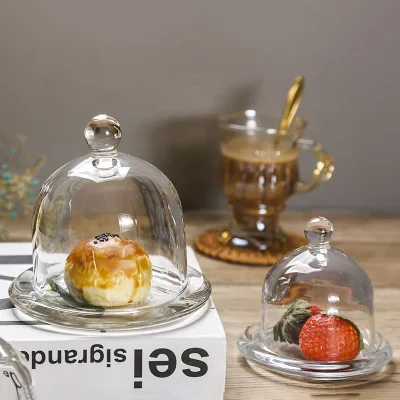
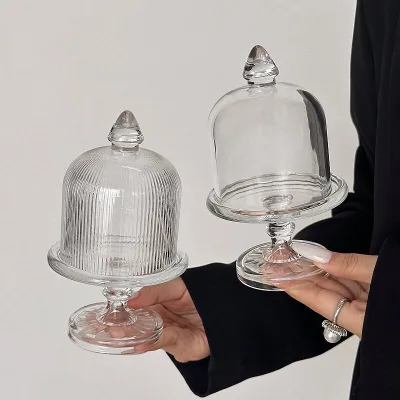
Cylinder Glass Cheese Dome Cake Stand With Cover
$5.40 - $5.90
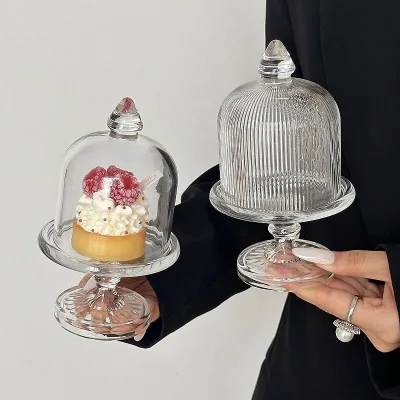

- Verified by BV
- Trading Company
- China Guangdong
- Lead time15 days
- Avg. response≤ 21h
Main productsChafing Dish, Dessert Food Display Stand, Juice Coffee Milk Dispenser, Catering Buffet Tables, Cutlery, Food Heat Lamp, Food Service Trolley, Ice Bucket, Table Number Stand, Food Bowl Plate Tray
Main marketsAfrica,Southeast Asia/ Mideast,East Asia(Japan/ South Korea),Domestic,Europe,Australia,North America
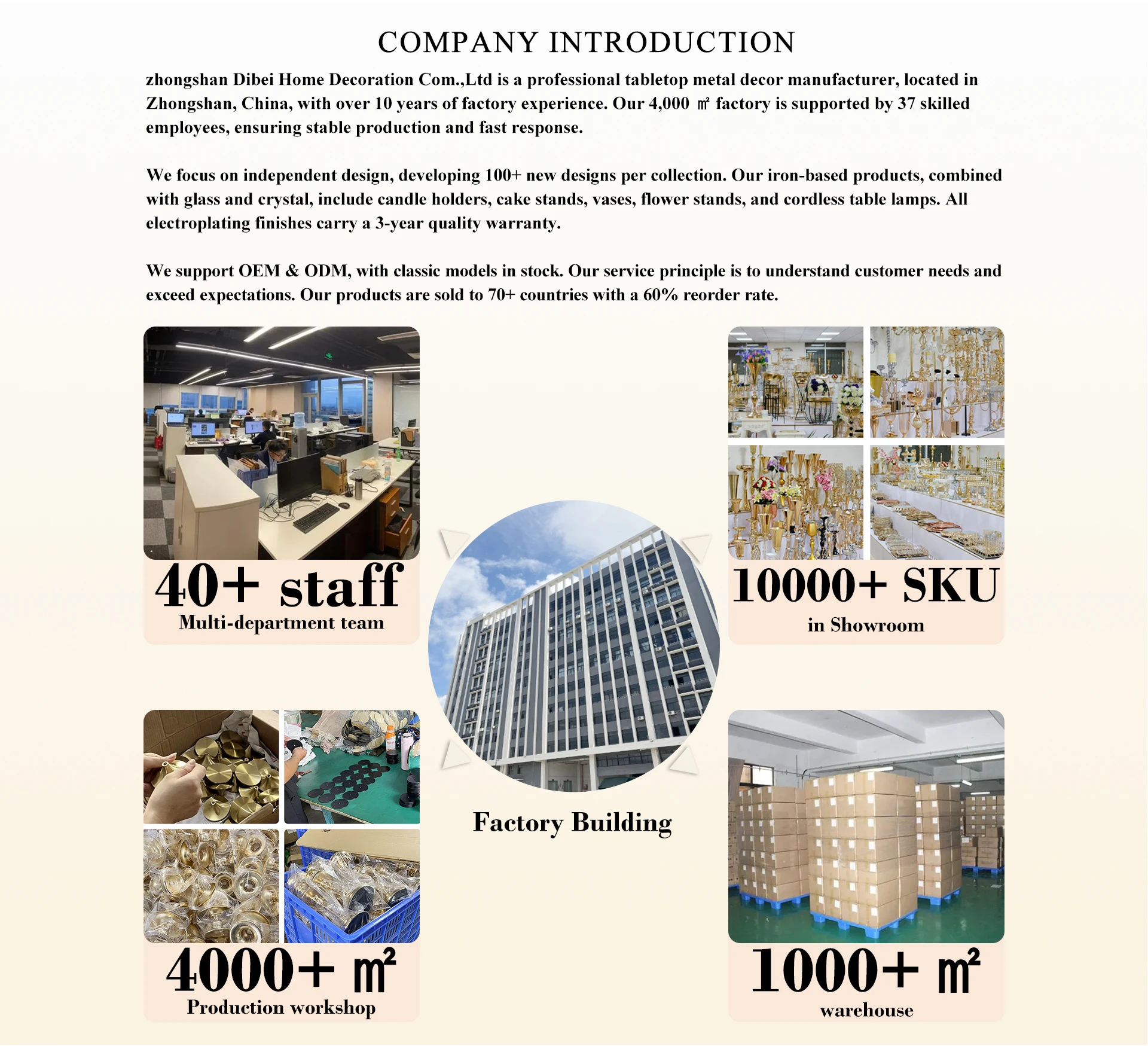
Zhongshan Dibei Home Decoration Co., Ltd.
- Manufacturer
- Guangdong, China
- Lead time20 days
- Avg. response≤ 3h
Main productsTable lamp,Candle holder,Metal Vase,Cake Stand,Candelabra
Main marketsSoutheast Asia(22.00%), Mid East(22.00%), Africa(17.00%), South Asia(16.00%), Domestic Market(12.00%), North America(3.00%), Oceania(1.00%), Southern Europe(1.00%), Northern Europe(1.00%), Central America(1.00%), Western Europe(1.00%), Eastern Asia(1.00%), Eastern Europe(1.00%), South America(1.00%)

Guangzhou Garbo International Trading Co., Ltd.
- Verified by TUVRHEINLAND
- Trading Company,Manufacturer/Factory
- China Guangdong
- Lead time45 days
- Avg. response≤ 5h
Main productsGlassware, Glass Cup, Glass Mug, Glass Bowl, Glass Candy Jar, Glass Pitcher, Glass Ice Cream Cup and Ice Bucket, Opal Glassware, Stainless Steel Cutlery, Ceramic Dinnerware
Main marketsSouth America,Eastern Europe,Mid East,North America,Southeast Asia,Eastern Asia,Oceania,Western Europe,Africa


Wholesale 12.2 Inch High White Glass Cake Stand Heavy Glass Fruit Dessert Display Plate
$7.77 - $15.00
MOQ: 100 Pieces

$5.356 - $7.00
MOQ: 1000 Pieces

Shaowu City Nafu Bamboo and Wood Industry Co., Ltd.
- Manufacturer
- China Fujian
- Lead time15 days
- Avg. response≤ 15h
Main productsBamboo and Wood Cutting Board Cheese Board, Bamboo and Wood Storage Box, Bamboo and Wood Plate, Bamboo and Wood Tray, Marble Wood Cheese Board, Bamboo and Wood Table, Bamboo and Wood Bathroom Products, Bamboo and Wood Shelf, Bamboo and Wood Kitchen Utensil, Bamboo and Wood Bowl
Main marketsEast Asia(Japan/ South Korea),Domestic,Europe,Australia,North America

Square Shape Wooden Cake Stand with Dome Cake Stand with Lid for Wedding
$0.50 - $2.00
MOQ: 300 Pieces

2 Tier Wood Cup Cake Stand Acacia Cake Stand Fruit Dessert Display for Wedding
$2.00 - $4.00
MOQ: 300 Pieces

Liling New Flourish Ceramic Co., Ltd.
- Verified by Intertek
- Trading Company
- Lead time50 days
- Avg. response≤ 6h
Main productsCeramic mug , Ceramic bowl, Ceramic dinner ware sets, Ceramic wase, Ceramic plate
Main marketsWestern Europe(41%), Northern Europe(40%), North America(15%)
Shijiazhuang Maoka Trading Co., Ltd.
- Trading Company
- Lead time旺季: "1 - 300":9,"> 300":"To be negotiated", 淡季: "1 - 300":9,"> 300":"To be negotiated"
- Avg. response≤ 3h
Main productsWine Decanter, Wine Glass, Package printing box, Plastic Items, Glass Candleholder
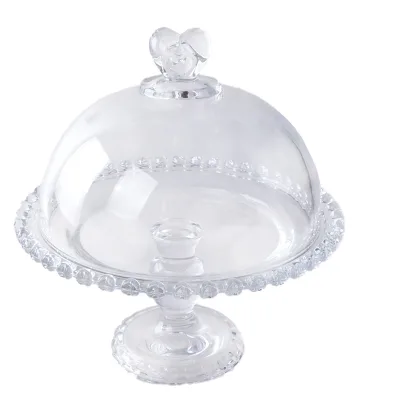
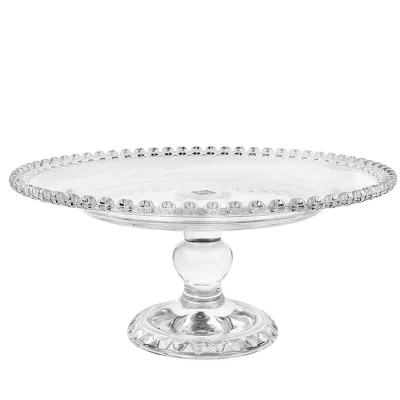
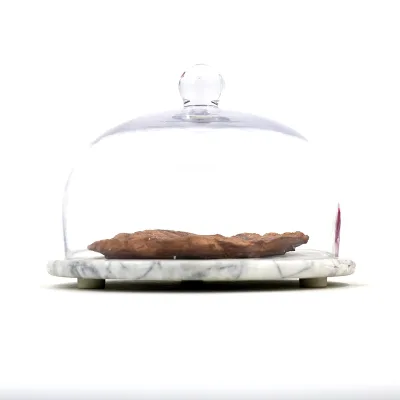
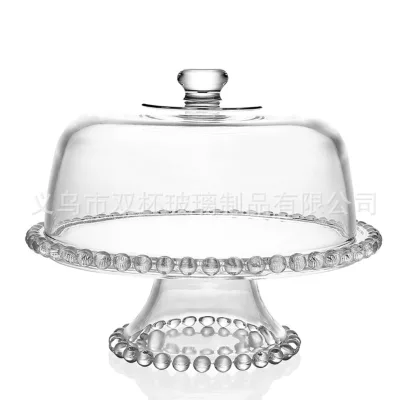
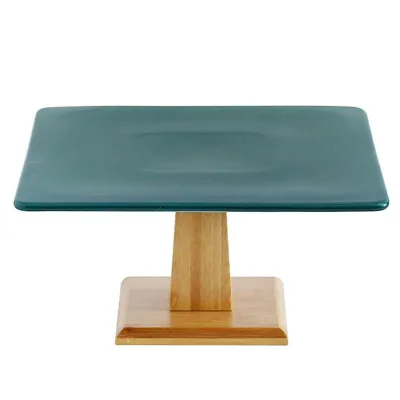
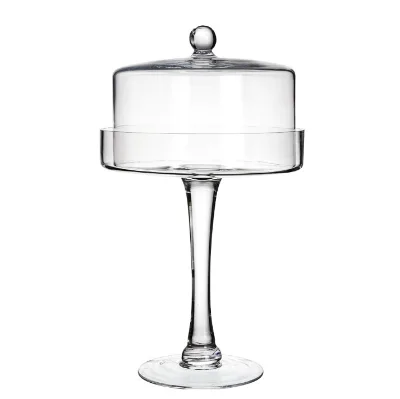
Dark Green Ceramic Square Tall Cake Stand Blown Glass Technique for Cake Display
$10.83 - $13.92
MOQ: 300

Golden Ace Industrial Co., Ltd.
- Verified by BV
- Combined
- China Shandong
- Lead time60 days
- Avg. response≤ 13h
Main productsGlassware, Kitchenware, Houseware, Glass Vase, Giftware
Main marketsAfrica,Southeast Asia/ Mideast,Europe,Australia,North America
Shijiazhuang Maoka Trading Co., Ltd.
- Verified by SGS Group
- Trading Company
- Lead time20 days
- Avg. response≤ 4h
Main productsMetal Leather Portable Cigarette Case, Men Cigarette Case, Paper Pulp Soap Box, Square Paper Mooncake Box, Paperboard Gift Box
Main marketsWestern Europe(64%), Southern Europe(22%), Northern Europe(10%)

Shenzhen Yingyi Best Gifts Co., Ltd.
- Manufacturer/Factory
- China Guangdong
- Lead time15 days
- Avg. response≤ 9h
Main productsAcrylic Display, Acrylic Bird Feeder, Acrylic Photo Frames, Pokemon Acrylic Case, Acrylic Box, Acrylic Shelf, Acrylic Pet Products, Acrylic Dispenser, Acrylic Shoe Box, Acrylic Display Stand
Main marketsEastern Europe,Mid East,North America,Southeast Asia,Eastern Asia,Oceania,Western Europe,Africa

Luxury Dessert Afternoon Tea Birthday Wedding Party Decoration Cake Display Stands
$2.33 - $5.78
MOQ: 100 Pieces


Yancheng Gold Best Glassware Co., Ltd.
- Trading Company
- Jiangsu, China
- Lead time20 days
- Avg. response≤ 3h
Main productsHome Decoration,Tableware,Kitchenware,Lighting Accessories,Glass Crafts
Main marketsNorth America(25.00%), Domestic Market(20.00%), Northern Europe(10.00%), Southern Europe(7.00%), Western Europe(7.00%), South America(5.00%), South Asia(5.00%), Eastern Asia(5.00%), Eastern Europe(5.00%), Oceania(5.00%), Central America(2.00%), Mid East(2.00%), Africa(1.00%), Southeast Asia(1.00%)
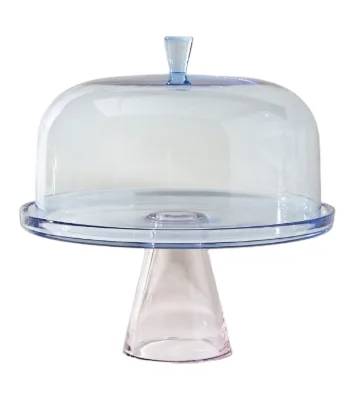
Wholesale Customized Glass Dome Cloche Cake Plate Glass Cake Stand With Glass Dome
$4.7304 - $6.1695
MOQ: 200 pieces
Luckywind Handicrafts Company Ltd.
- Verified by TüVRheinland
- Manufacturer, Trading Company
- Lead time50 days
- Avg. response≤ 7h
Main productsPlanter Pot, Mirror, Wall Decor, Candle Lantern, Decorative Furniture
Main marketsNorth America(80%), Western Europe(20%)

QINGDAO SHIYUKUN NEW MATERIALS TECHNOLOGY CO., LTD.
- Verified by BV
- Trading Company
- China Shandong
- Lead time30 days
- Avg. response≤ 1h
Main marketsDomestic

$0.019 - $0.08
MOQ: 5000 Pieces

$0.02 - $0.12
MOQ: 5000 Pieces

- Verified by BV
- Trading Company
- China Zhejiang
- Lead time30 days
- Avg. response≤ 12h
Main productsLunch Box
Main marketsSouth America,Africa,Southeast Asia/ Mideast,East Asia(Japan/ South Korea),Europe,Australia,North America

- Verified by BV
- Manufacturer/Factory
- China Fujian
- Lead time15 days
- Avg. response≤ 25h
Main productsWater Bottle, Kitchen Ware, Shoes, Plastic Product, Bag, Toy
Main marketsSouth America,Eastern Europe,Mid East,North America,Southeast Asia,Eastern Asia,Oceania,Western Europe,Africa

Adidea (Xiamen) Industry And Trade Co., Ltd.
- Trading Company
- China Fujian
- Lead time30 days
- Avg. response≤ 17h
Main productsMetal Display Shelf, Display Stand, Metal Display Rack, MDF Display Showcase, Solid Wood Display Stand, Acrylic Display Stand, Supermarket Display Shelves, Wine Beverage Food Display Rack, Garment Bag Shoe Jewelry Display Stand, Tile Stone Granite Quartz Mosaic Display Stand
Main marketsSoutheast Asia/ Mideast,Europe,North America

3 Tier Wood Display Stand Wooden Cupcake Display Stand Dessert Stand for Birthday Wedding Event
$10.00 - $15.00
MOQ: 100 Pieces

$130.00 - $155.00
MOQ: 200 Pieces

Foshan Languo Chuangyijia Technology Co., Ltd.
- Verified by BV
- Combined
- China Guangdong
- Lead time15 days
- Avg. response≤ 10h
Main productsAcrylic, Custom Acrylic Box, Plastic Basket, Phto Frame, Pop Clips, Floor Display Stand, Plastic Brochure Holder, Custom Sign Holder, Shelf Data Strips, PVC Data Strips
Main marketsSouth America,Africa,Southeast Asia/ Mideast,East Asia(Japan/ South Korea),Domestic,Europe,Australia,North America
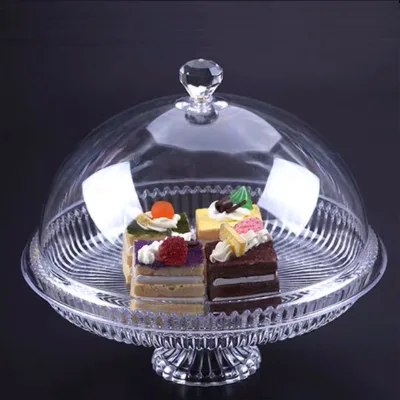
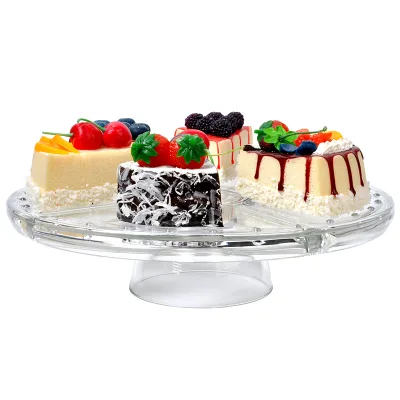
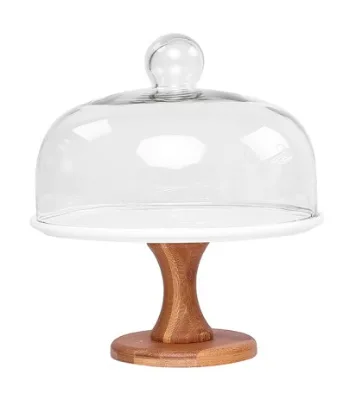
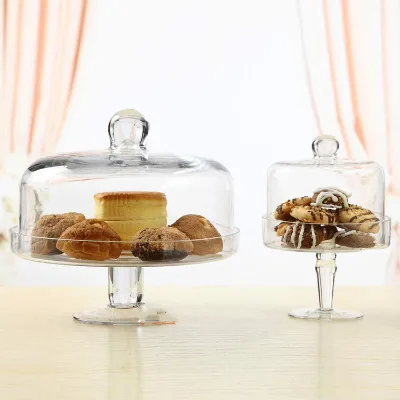




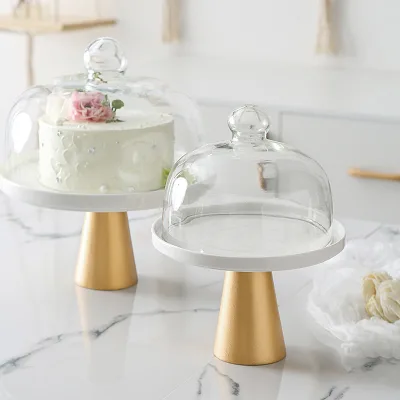
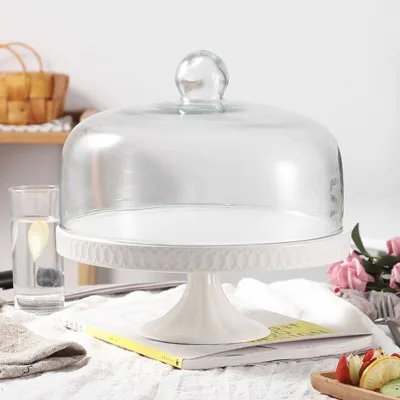
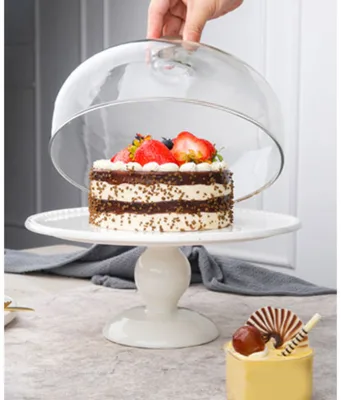




Comprehensive Sourcing Guide
Wedding Glass Dome Cake Stand Supplier Concentration and Factory Types
Buyers searching for a Wedding Glass Dome Cake Stand will encounter a mix of manufacturing and trading companies rather than a single supplier model. Listings in this category show suppliers whose main products center on glassware, including tableware and cake stands, as well as companies whose core catalog spans glass lamp shades, glass teapots and cups, glass home decoration, and glass labware. Some profiles identify themselves purely as trading companies, while others declare a combined manufacturer and trading company status. This distinction matters because a factory-side supplier may control molding, annealing, and polishing in-house, whereas a trading intermediary aggregates output from multiple workshops and may add export coordination value instead.
Location signals in the current results point to glass-producing provinces rather than one concentrated cluster. Product records list places of origin including Liaoning, Jiangsu, and Shanxi, which suggests buyers should evaluate several regional sources rather than assuming a single dominant base. One Shanxi-based record even declares a supply ability of roughly a thousand pieces per day for a cake stand item, illustrating the production scale some factories claim. When screening candidates, buyers should map each supplier's declared origin against its stated main products: a supplier whose primary catalog is drinkware or labware may still be a capable cake dome producer, but capacity, tooling, and finishing quality should be confirmed directly rather than inferred from the category label alone.
How to Verify Wedding Glass Dome Cake Stand Suppliers
Verification should start with the credentials displayed on supplier profiles and continue with checks the buyer performs independently. In the current results, one glassware supplier carries a TÜV Rheinland verification badge, and a manufacturer-trader profile lists system certifications including 84/500/EEC, 2005/31/EC, and RoHS. These are meaningful anchors for food-contact glassware because European directives 84/500/EEC and 2005/31/EC relate to ceramic food-contact limits and amendments, so buyers should ask which certification actually covers glass components and request the certificate scope, issuing body, and validity date rather than accepting a badge at face value.
Beyond badges, ask each candidate for documentation tied to the specific Wedding Glass Dome Cake Stand SKU: material composition, food-grade declaration, and dimensional drawings. The product records themselves show material fields that contain typographical errors and inconsistent entries, which is a reminder that listing data is supplier-authored and should be confirmed. Verify the legal entity name on the certificate matches the entity on the proforma invoice, since trading companies may quote under a different registered name than the factory. For any supplier lacking displayed verification, request business license copies, references from other glassware buyers, and photo or video evidence of production lines handling dome-forming and polishing. Escrow-based transaction options, where displayed on a profile, can add a layer of payment protection for a first order, but the buyer should still confirm the certificate, sample, and inspection rights before releasing full payment.
What to Compare Across Wedding Glass Dome Cake Stand Suppliers
Comparison works best when built from the attributes suppliers actually display, while noting gaps rather than assuming uniformity. Lead times in the current results vary widely, from around fifteen days to forty-five days, so timeline alone can eliminate candidates for a fixed wedding-season order. Response times also differ sharply, with some profiles reporting answers in roughly two to ten hours; a fast responder matters when dome dimensions, etching, or packaging questions arise during production. Minimum order quantities differ too: listed MOQs in this category run from about two hundred pieces on one dome-cover item to a thousand sets on a cake plate set, so order size tolerance is a primary filter for boutique wedding retailers versus large event distributors.
Price spreads are equally significant. Sample listings quote roughly 3.75 to under 4 dollars for a dome cover with tray, about 7.50 to 9.50 for a crystal dessert plate cake stand, and up to 19 dollars for a displayed cake plate set, showing that price depends on whether the item is a dome alone, a stand alone, or a combined set. Also compare main-product focus, company type, verification status, and customization capabilities, where one supplier lists sample processing, graphic processing, and customized on-demand work. Do not expect every profile to display establishment year, escrow status, or certifications; where a field is missing, ask the supplier directly and record the answer in your comparison sheet.
Common Wedding Glass Dome Cake Stand Sourcing Risks
The most frequent risk in this category is dimensional and fit mismatch between dome and base. Product records show sizes such as 230 by 230 by 175 millimeters, 310 by 310 by 290 millimeters, and an eleven-inch or twelve-inch diameter designation, sometimes within the same supplier's catalog. A dome ordered without a confirmed mating base can arrive with an incompatible rim, and glass cannot be reworked like plastic. Require signed dimensional drawings and a golden sample before mass production, and specify rim tolerance in writing.
Other risks stem from data and logistics assumptions. Listing data can contain errors, as seen in a material field misspelled and package sizes that imply a large gross weight, with one record listing a single gross weight of four kilograms and another two kilograms; freight quotes based on listing weight can be badly wrong, so confirm actual carton weights and dimensions. Glass breakage in transit is the category-specific hazard: insist on foam or molded pulp inserts, drop-test documentation, and an agreed damage-claim procedure. Food-contact compliance is another trap, since a supplier may hold certifications unrelated to glass food contact; verify scope. Finally, trading intermediaries may quote from a factory whose capacity they do not control, leading to delay; ask who owns the kiln and annealing line, and build a buffer beyond the quoted lead time, since even the shortest displayed lead times assume no peak-season congestion.
Wedding Glass Dome Cake Stand Regional Sourcing and Logistics
Regional sourcing in this category should be driven by the origin data suppliers actually declare. The current results place product origins in Liaoning, Jiangsu, and Shanxi, indicating that qualified dome and stand production is spread across several Chinese provinces rather than a single town. Liaoning appears on a classic-style glass cake plate record with a thousand-set MOQ; Jiangsu appears on a rectangular glass cover with tray that advertises customized sizes and logo acceptance; Shanxi appears on a wood-stem glass dome cake stand with a daily supply claim. Buyers should shortlist across these provinces and weigh each against freight math, since carton dimensions such as 33 by 33 by 33 centimeters and forty-by-forty-by-thirty-centimeter packages mean glassware consumes volume quickly.
Logistically, treat this category as fragile and voluminous. Glass cake stands and domes are typically shipped as single items with substantial single-item gross weights, so consolidated palletizing, corner protection, and carton stacking limits should be negotiated before booking. Sea freight is standard for full container loads of wedding-season stock, while air freight is rarely economical for glass at these weights. Confirm whether the supplier exports directly or routes through a freight forwarder, and who prepares export documentation. For buyers outside China, ask about nearest port relative to the declared province of origin, because inland origin adds trucking cost and handling steps that increase breakage exposure. Build a pre-shipment inspection at the factory into the plan, since damage discovered at destination is rarely recoverable in full.
Wedding Glass Dome Cake Stand Commercial Terms and Order Planning
Commercial planning should anchor on the MOQ, price, and lead-time combinations displayed and then negotiate around them. Current listings show MOQs of two hundred pieces for a dome cover with tray, a thousand pieces for a cake plate set, and a thousand sets elsewhere, with unit prices ranging from roughly 3.75 to 19 dollars depending on whether the offer covers a dome, a stand, or a combined set. A wedding retailer launching a first range may accept a lower-specification item at lower MOQ, while a distributor planning seasonal volume can negotiate tiered pricing above the thousand-unit threshold. Always confirm whether quoted prices include the base, the dome, or both, because listings vary.
Order planning should run backward from the wedding season: place production orders two to three months before peak, allowing buffer beyond the shortest displayed lead times of fifteen to forty-five days for sample approval, tooling, and inspection. Use staged payments tied to milestones, favor escrow or letter-of-credit protection for first orders where available, and define acceptance criteria covering dimensions, food-grade material, polish quality, and breakage rates. Agree on packaging specifications and mark cartons fragile with orientation arrows. Finally, plan reorders early: glass production capacity fluctuates, and suppliers whose displayed response times are longer may slow down further during peak inquiry periods, so lock a reorder window and pricing validity in the contract rather than relying on informal repeat-order promises.
Word count check: sections approximately 233, 229, 231, 229, 232, 227 = ~1381 plus headings included. Within range.
FAQs
What is the typical lead time for glass cake stands?
Manufacturers generally require 15 to 45 days to produce and ship glass cake stands. This timeframe depends on order volume and customization needs. Trading companies may have slightly longer processing times. Buyers should confirm specific schedules with suppliers before placing orders to ensure timely delivery for events.
What is the minimum order quantity for these products?
Minimum order quantities vary significantly by supplier and product type. Some manufacturers accept orders as low as 100 pieces, while others require 1000 sets. Buyers seeking smaller batches should look for suppliers with lower MOQs. Larger orders often qualify for better pricing tiers and customized packaging options.
Are these glass domes safe for food contact?
Yes, most glass cake stands are made from food-grade materials. Products are often certified under standards like 84/500/EEC and RoHS. These certifications ensure the glass is safe for holding cakes and desserts. Buyers should verify specific food safety certifications with the supplier to guarantee compliance with local regulations.
What is the price range for glass cake domes?
Prices for glass cake domes typically range from $3.75 to $19.00 per unit. The cost depends on size, design complexity, and material quality. Larger or customized stands generally cost more. Buyers can find competitive rates by comparing multiple suppliers and negotiating based on order volume and specific design requirements.
Can I customize the logo on the glass stands?
Many suppliers offer customized logo printing on glass cake stands. This service allows buyers to brand products for weddings or corporate events. Customization options may include etching or printing. Buyers should confirm logo acceptance and associated costs with the supplier before finalizing the order to ensure brand alignment.
How quickly do suppliers respond to inquiries?
Supplier response times typically range from 2 to 10 hours. Faster response times indicate active customer service teams. Buyers can prioritize suppliers with quicker reply rates for urgent orders. Checking response metrics helps ensure smooth communication throughout the sourcing and production process for timely project execution.