Minimalist Modern Coffee Tumbler Suppliers and Manufacturers
Explore 33 verified suppliers offering Minimalist Modern Coffee Tumbler options with customizable colors, capacities, and certifications like ISO9001. Compare response times, lead times, and MOQs to find the right partner for your needs; review the available evidence before requesting comparable quotations from suitable candidates.
Updated
Suppliers List
Hangzhou All Yeah Import And Export Co., Ltd
- Verified by Intertek
- Trading Company
- Lead time20 days
- Avg. response≤ 3h
Main productsWater Bottle, Shopping Bag, Cosmetic Bag, Stainless Steel Tumbler, Tote Bag
Main marketsNorth America(65%), Southeast Asia(15%), Eastern Europe(10%)

Zhejiang Daian Commodity Co., Ltd.
- Verified by TUVRHEINLAND
- Combined
- China Shanghai
- Lead time45 days
- Avg. response≤ 8h
Main productsTumbler, Water Bottle, Stainless Steel Water Bottle, Travel Mug, Coffee Mug, Stainless Steel Tumbler, Mug, Plastic Cup, Barware, Pet Bowl
Main marketsSouth America,East Asia(Japan/ South Korea),Australia,North America


13oz Travel Coffee Tumbler Double Wall 18/8 Stainless Steel Coffee Tumblers
$3.20 - $3.45
MOQ: 1000 pieces


14oz Coffee Tumbler with Lid Double Wall Insulated Stainless Steel Coffee Mug Thermal Tumblers
$2.88 - $3.12
MOQ: 1000 pieces

American Style Stainless Steel Vacuum Travel Mug Coffee Tumbler with Lid
$3.00 - $3.50
MOQ: 1000 pieces

Zhejiang Upriver Industry and Trade Co., Ltd
- Verified by SGS
- Combined
- China Zhejiang
- Lead time30 days
- Avg. response≤ 6h
Main productsWater Bottle Vacuum Flask Tumbler Food Jar
Main marketsEast Asia(Japan/ South Korea),Europe,North America
Anhui Maifeng Import And Export Co., Ltd.
- Trading Company
- Anhui, China
- Lead time3 days
- Avg. response≤ 6h
Main productsvacuum flasks,thermoses,water bottle,stainless steel tumbler,plastic bottle
Main marketsNorth America(63.00%), Eastern Europe(10.00%), Southeast Asia(5.00%), Southern Europe(5.00%), Western Europe(3.00%), South Asia(3.00%), Mid East(3.00%), Central America(3.00%), Domestic Market(1.00%), Eastern Asia(1.00%), South America(1.00%), Northern Europe(1.00%), Oceania(1.00%)
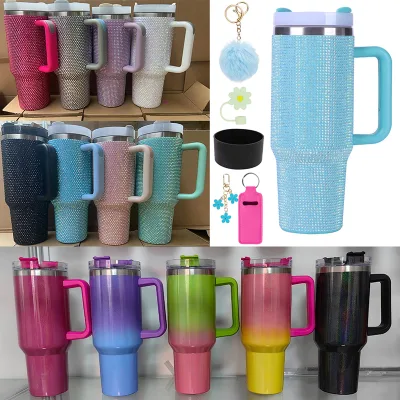
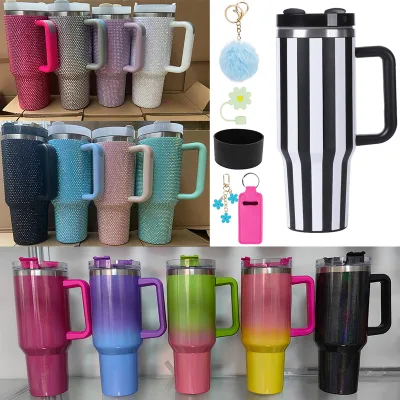
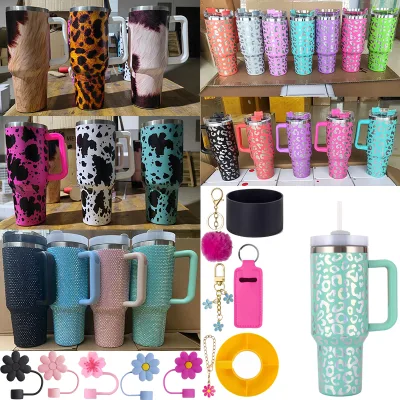
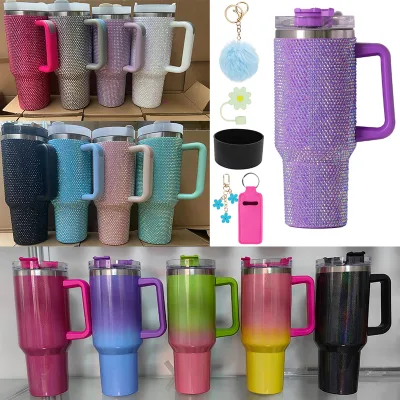
Tumblers with Straw Leopard Print Engraved
$2.60 - $3.20

Yongkang HOBO Tattoo Equipment Manufactory
- Verified by TUVRHEINLAND
- Combined
- China Zhejiang
- Lead time30 days
- Avg. response≤ 21h
Main productsTattoo Tube, Tattoo Needle, Tattoo Cartridges, Tattoo Power Supply, Tattoo Machine, Tattoo Kit, Tattoo Needle Cartridges, Tattooo Grips, Tattoo Supplies, Piercing Supplies
Main marketsNorth America
Hangzhou Lionprint Houseware Co., Ltd.
- Verified by Intertek
- Trading Company
- Lead time15 days
- Avg. response≤ 5h
Main productsTumbler, Clothes, Holiday Gift, Kids Clothes&Toys
Main marketsNorth America(80%), Oceania(10%), Eastern Europe(10%)

Zhejiang Unique Houseware Co., Ltd
- Verified by CTI
- Trading Company
- China Zhejiang
- Lead time30 days
- Avg. response≤ 2h
Main productsStainless Steel Bottle, Insulated Water Bottle, Vacuum Flask, Insulated Food Jar, Food Storage Jar, Protein Shaker Bottle, Stainless Steel Tumbler, Stainelss Steel Espresso Cup, Stainless Steel Container, Supplement Jar
Main marketsSouth America,Southeast Asia/ Mideast,Europe,North America

$3.49 - $3.99
MOQ: 20 Pieces


Hefei Green Intelligent Technology Co., Ltd.
- Verified by SGS
- Trading Company,Manufacturer/Factory
- China Anhui
- Lead time23 days
- Avg. response≤ 4h
Main productsFlask, Thermos, Stainless Steel Vacuum Flask, Sport Water Bottle, Stainless Steel Office Cup, Wide Mouth Bottle, Stainless Steel Travel Mug, Lunch Box, Plastic Water Bottle, Space Cup
Main marketsSouth America,Eastern Europe,Mid East,North America,Southeast Asia,Eastern Asia,Oceania,Western Europe,Africa

Shanghai Karry Industrial Co., Ltd.
- Verified by BV
- Combined
- China Zhejiang
- Lead time30 days
- Avg. response≤ 6h
Main productsSports Bottle
Main marketsSoutheast Asia/ Mideast,Europe,North America


Modern Coffee Cups Eco Friendly Insulated 24 Oz Stainless Steel Travel Mugs Straw Tumblers
$2.98 - $3.53
MOQ: 500 Pieces

$4.20 - $4.80
MOQ: 500 Pieces

New Arrival 40oz Tumbler Leak Spill Resistant Cup Holder Friendly Stainless Steel Tumbler
$2.85 - $3.47
MOQ: 500 Pieces

Amazing Custom Logo Insulated Reusable Stainless Steel Coffee Cup Tumbler with Handle and Straw
$2.78 - $3.98
MOQ: 500 Pieces

Custom Logo Powder Coated 360ml 420ml 480ml Tumbler Stainless Steel Coffee Tumbler Wholesale
$2.78 - $3.98
MOQ: 500 Pieces
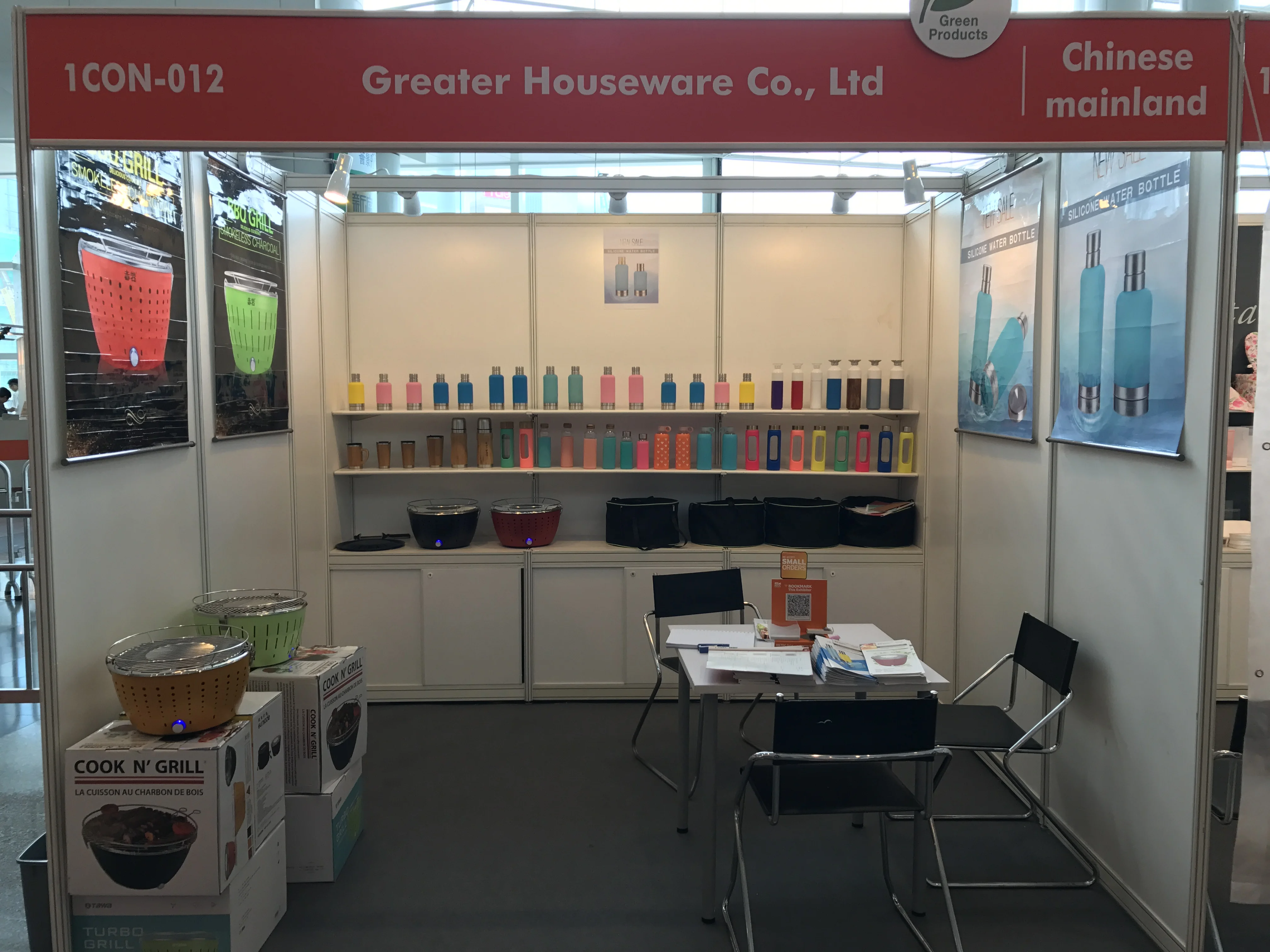
Yongkang Greater Houseware Co., Ltd.
- Trading Company
- Zhejiang, China
- Lead time30 days
- Avg. response≤ 4h
Main productsWater Bottle,Coffee Mug,Vacuum Flask,Pet Bottle,Tumbler
Main marketsEastern Europe(43.00%), Western Europe(13.00%), Oceania(12.00%), Eastern Asia(11.00%), Northern Europe(8.00%), Africa(5.00%), North America(3.00%), Southeast Asia(2.00%), Mid East(2.00%), South America(1.00%)

Jingfeng International Co., Ltd.
- Verified by SGS
- Trading Company,Manufacturer/Factory
- China Anhui
- Lead time15 days
- Avg. response≤ 2h
Main productsWater Bottle, Perfume Bottle, Cup, Thermos, Plastic Water Bottles, Sports Bottles, The Wine Bottle, Tumblers, Glass Bottles, Lunch Box
Main marketsSouth America,Eastern Europe,Mid East,North America,Southeast Asia,Eastern Asia,Oceania,Western Europe,Africa

Changsha Sunflower B&T Co., Ltd.
- Verified by TUVRHEINLAND
- Manufacturer/Factory
- China Hunan
- Lead time0 days
- Avg. response≤ 5h
Main productsWater Bottle, Sponge, Tumblers, Plastic Water Bottle, Stainless Steel Water Bottle, Mugs, Mat, Make up Sponge, Backpack, Drinlwares
Main marketsSouth America,Eastern Europe,Mid East,North America,Southeast Asia,Eastern Asia,Oceania,Western Europe,Africa

30oz Insulated Tumbler Stainless Steel Coffee Tumbler with Handle and Straw
$2.76 - $3.38
MOQ: 100 Pieces

30oz Insulated Tumbler Stainless Steel Coffee Tumbler with Lid and Straw
$2.46 - $3.44
MOQ: 100 Pieces

Portable 304 Stainless Steel Coffee Mug Double Wall Travel Leakproof Tumbler
$4.09 - $4.89
MOQ: 100 Pieces

Hebei Zhuozhongxi Glass Products Co., Ltd.
- Verified by BV
- Manufacturer/Factory
- China Hebei
- Lead time15 days
- Avg. response≤ 4h
Main productsGlass Cup, Glass Teapot, Coffee Appliance, Tea Set, Glass Crafts, Glass Jug, Glass Food Storage Jar, Wine Glass, Candle Holders, Double Wall Glass
Main marketsSouth America,Eastern Europe,Mid East,North America,Southeast Asia,Eastern Asia,Oceania,Western Europe,Africa
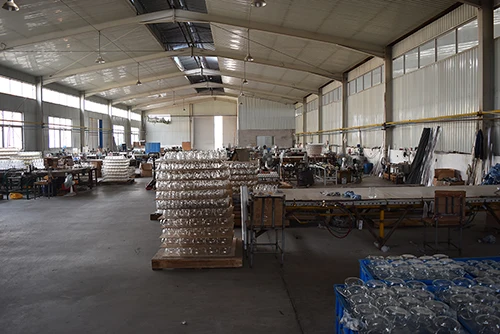
Cangzhou ABC Glassware Co., Ltd.
- Trading Company
- Hebei, China
- Lead time20 days
- Avg. response≤ 10h
Main productsDouble wall glass cup,Glass carafe,glass teapot,glass storage jar,Glass dome
Main marketsDomestic Market(30.00%), North America(20.00%), South America(20.00%), Eastern Europe(10.00%), Western Europe(10.00%)
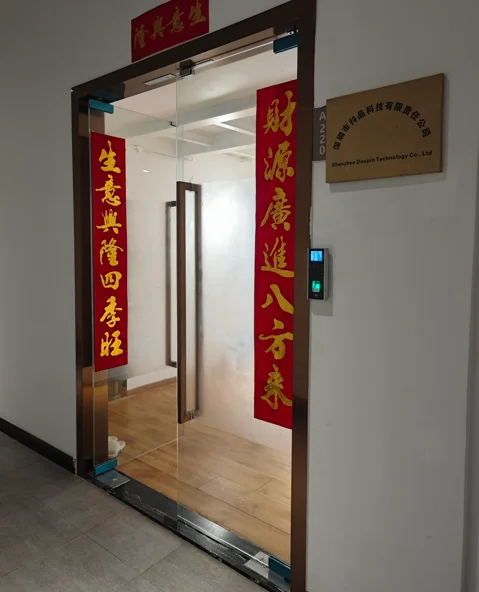
Shenzhen Doupin Technology Co., Ltd.
- Trading Company, Agent, Distributor/Wholesaler
- Guangdong, China
- Lead time0 days
- Avg. response≤ 16h
Main productscoffee cups,water bottle,moka pot,coffee sets,gift sets
Main marketsWestern Europe(20.00%), Southeast Asia(15.00%), Eastern Europe(15.00%), North America(15.00%), Northern Europe(5.00%), Central America(5.00%), South America(5.00%), Eastern Asia(5.00%), Mid East(5.00%), Oceania(5.00%), Africa(5.00%)
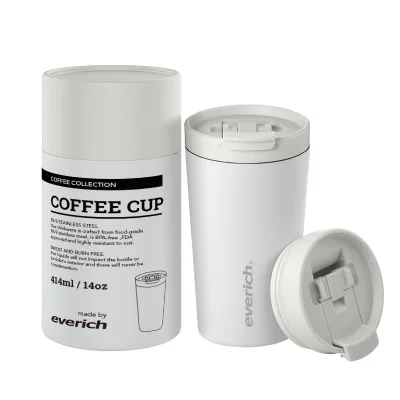
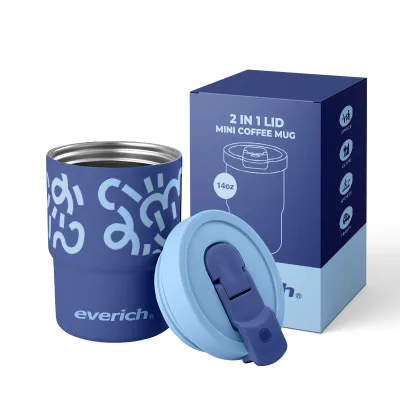
Everich Commerce Group Limited
- Manufacturer, Trading Company
- Lead time旺季: "1 - 1000":40,"> 1000":"To be negotiated", 淡季: "1 - 1000":40,"> 1000":"To be negotiated"
- Avg. response≤ 3h
Main productsWater Bottle, Tumblers & Mugs, Lunch Bags & Boxes, Coolers & Jugs, Eva Bags
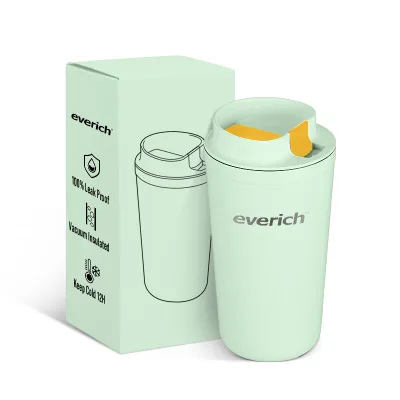
$2.2035 - $2.4868
MOQ: 500 pieces
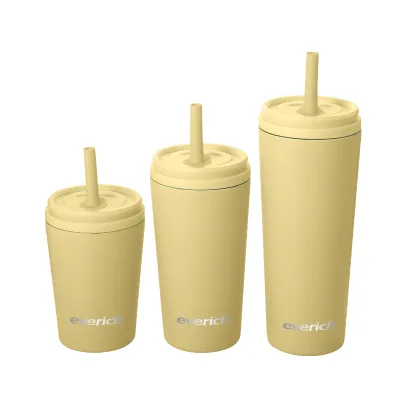
$4.5135 - $4.5764
MOQ: 800 pieces

- Verified by SGS
- Trading Company
- China Zhejiang
- Lead time15 days
- Avg. response≤ 17h
Main productsMop, Kitchen Knife, Chopping Board, Blanket, Mosquito Net, Cushion, Slipper, Broom, Luggage, Educational Toy
Main marketsEurope,Australia

Sleek Promotional Tumbler for Office Use with Modern Design and Dishwasher Safe Feature
$1.60 - $1.75
MOQ: 700 Pieces

Versatile Tumbler for Daily Use with Rust Resistant Build and Double Wall Insulation
$1.60 - $1.75
MOQ: 700 Pieces

Zhanjiang Wangmao Electronic Technology Co., Ltd
- Verified by SGS
- Trading Company
- China Guangdong
- Lead time15 days
- Avg. response≤ 2h
Main productsLight Industry & Daily Use, Lights & Lighting, Arts & Crafts
Main marketsEurope

Coffee Mug Tumbler 40oz with Handle Stainless Steel Cup Double Wall Travel Friendly
$2.98 - $4.45
MOQ: 100 Pieces


- Verified by SGS
- Trading Company
- China Yunnan
- Lead time15 days
- Avg. response≤ 2h
Main marketsSoutheast Asia/ Mideast

Quanzhou Unifan Import and Export Co., Ltd.
- Verified by TUVRHEINLAND
- Trading Company
- China Zhejiang
- Lead time23 days
- Avg. response≤ 1h
Main productsTumbler, Bottle, Mug, Cup, Bag, Gifts
Main marketsSouth America,Africa,Southeast Asia/ Mideast,Australia,North America

Ningbo Gusta Stationery Co., Ltd.
- Verified by BV
- Trading Company
- China Zhejiang
- Lead time30 days
- Avg. response≤ 6h
Main productsPencil Case, Stationery Set, Bag, Toys, Office Supplies, Arts & Crafts, Housewares, Silicone Product, School Bag, Travel Bag
Main marketsEast Asia(Japan/ South Korea),Europe,North America


Stainless Steel Coffee Tumbler 12oz Vacuum Double Wall Custom Holiday OEM
$2.19 - $2.49
MOQ: 100 Pieces


Jinjiang Jiaxing Import and Export Co., Ltd.
- Verified by CTI
- Manufacturer/Factory
- China Fujian
- Lead time120 days
- Avg. response≤ 2h
Main productsShoes, Slipper, Clothes, Promotion Gifts, Silicone Products, Outdoor Sports Products, Bags, Fashion Accessories, Consumer Electronics
Main marketsSouth America,Eastern Europe,Mid East,North America,Southeast Asia,Eastern Asia,Oceania,Western Europe,Africa

Hangzhou Findme Technology Co., Ltd.
- Trading Company
- Zhejiang, China
- Lead time1 days
- Avg. response≤ 1h
Main productswater bottles,tumbler & mug,flasks,one stop drinkware products,customize service
Main marketsNorthern Europe(20.00%), Southeast Asia(20.00%), Eastern Europe(20.00%), South America(20.00%), North America(20.00%)

Yongkang Heecn Stainless Steel Co., Ltd.
- Manufacturer/Factory
- China Zhejiang
- Lead time45 days
- Avg. response≤ 11h
Main productsMug, Cup, Flask, Bottle, Coffee Mug, Drink Bottle, Camping Mug, Advsing Mug, Gift Mug, Shot Glass
Main marketsSouth America,Eastern Europe,North America,Western Europe

16 Oz Double Wall Stainless Steel Coffee Tumbler with Stainless Steel Straw
$2.55 - $2.65
MOQ: 3000 Pieces


LIANYUNGANG KAESHING INTERNATIONAL TRADING CO., LTD.
- Verified by TUVRHEINLAND
- Trading Company
- China Jiangsu
- Lead time15 days
- Avg. response≤ 4h
Main productsGlass Bottle, Glass Jar, Glass Cup, Glassware, High Borosilicate Glass Jar Bottle Mug, Glass Perfume Bottle, Glass Mug, Glass Decanter, Storage Jar, Fused Silica
Main marketsNorth America

Double Wall Vacuum Insulated Stainless Steel Coffee Tumbler with Straw with Different Lids
$3.6254 - $5.6321
MOQ: 1000 Pieces


Jinan Glass International Trade Co., Ltd.
- Manufacturer/Factory
- China Shandong
- Lead time15 days
- Avg. response≤ 6h
Main productsGlass Smoking Pipe, Glass Pipe, Printing and Package, Laboratory Glassware, Home Glassware, Machine, Sticker, Wall Decal
Main marketsSouth America,Eastern Europe,North America,Southeast Asia,Eastern Asia,Oceania,Western Europe,Africa
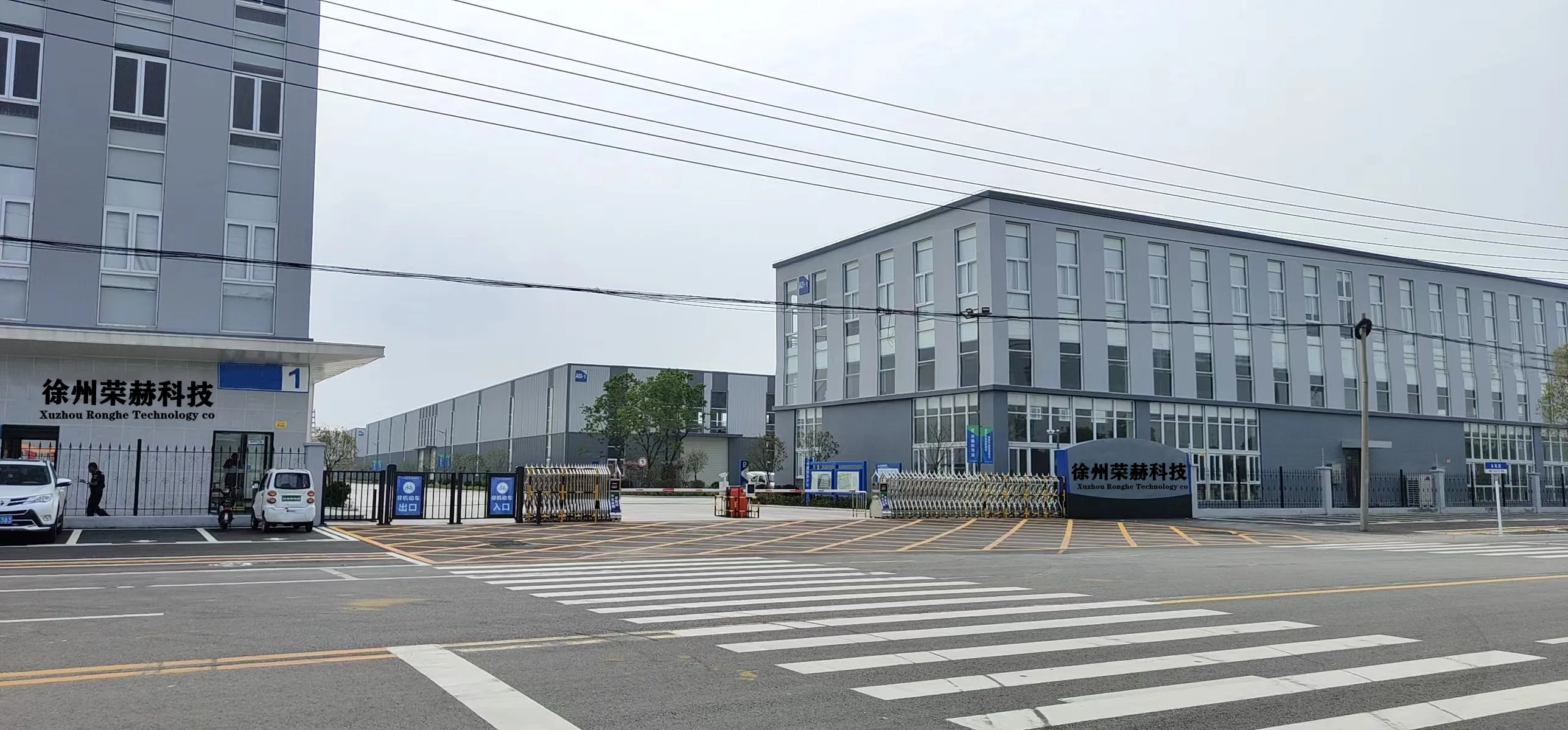
Xuzhou Ronghe Glass Technology Co., Ltd.
- Manufacturer, Trading Company
- Jiangsu, China
- Lead time30 days
- Avg. response≤ 3h
Main productsProduction and sales of glass products,Aromatherapy glass bottle,Glass storage tank,Carafe,Sealed glass bottle
Main marketsSouthern Europe(15.00%), Northern Europe(15.00%), Central America(15.00%), Western Europe(15.00%), Southeast Asia(15.00%), Eastern Europe(15.00%), South America(15.00%), North America(15.00%), Domestic Market(10.00%), South Asia(10.00%), Eastern Asia(10.00%), Mid East(10.00%), Oceania(10.00%), Africa(10.00%)

Zhejiang Yunuo Industrial Co., Ltd.
- Verified by SGS
- Combined
- China Zhejiang
- Lead time30 days
- Avg. response≤ 25h
Main productsInsulated Container, Tumbler, Hydration, Food Container, Air Pressure Pot, Kettle
Main marketsSoutheast Asia/ Mideast,East Asia(Japan/ South Korea),Europe,Australia,North America
Hangzhou Watersy Houseware Products Co., Ltd.
- Trading Company
- Lead time旺季: "1 - 500":10,"501 - 1000":15,"1001 - 3000":20,"> 3000":"To be negotiated", 淡季: "1 - 500":10,"501 - 1000":15,"1001 - 3000":20,"> 3000":"To be negotiated"
- Avg. response≤ 5h
Main productsStainless Steel Drinkware Products, Enamel Mug, Glass Mug, Plastic Cup, Plastic Bottle
Zhejiang Hongfan Industry&Trade Co., Ltd.
- Verified by SGS Group
- Manufacturer, Trading Company
- Lead time35 days
- Avg. response≤ 3h
Main productsVacuum Cup , Water Bottle , Coffee Pot
Main marketsNorth America(65%), Eastern Asia(15%), Western Europe(15%)

Yongkang Vision Industry & Trade Co., Ltd
- Verified by SGS
- Trading Company,Manufacturer/Factory
- China Zhejiang
- Lead time23 days
- Avg. response≤ 10h
Main productsStainless Steel Tumbler, Stainless Steel Water Bottle, Stainless Steel Mug, Stainless Steel Coffee Mug, Stainless Steel Can Cooler, Stainless Steel Water Flask, Stainless Steel Vacuum Water Bottle, Stainless Steel Tumbler with Handle, Stainless Steel Thermos, Double Wall Vacuum Stainless Steel Travel Mug
Main marketsSouth America,Eastern Europe,Mid East,North America,Southeast Asia,Eastern Asia,Oceania,Western Europe,Africa

Wenzhou Guanmin Import and Export Co., Ltd.
- Verified by BV
- Trading Company,Manufacturer/Factory
- China Zhejiang
- Lead time120 days
- Avg. response≤ 7h
Main productsShopping Bag, Cooler Bag, Notebook, Pen, Color Pencil, Lanyard, Beach Ball, Umbrella, Sunshade, Air Freshener
Main marketsSouth America,Eastern Europe,Mid East,North America,Southeast Asia,Eastern Asia,Western Europe

Guangzhou Nantian Sources Co., Ltd.
- Manufacturer/Factory
- China Guangdong
- Lead time15 days
- Avg. response≤ 6h
Main productsKitchen Equipment, Kitchenware, Food Machine, Kitchen Appliance, Glassware, Food Machinery, Bakery Equipment, Dinnerware, Kitchen Utensils, Food Processor
Main marketsSouth America,Mid East,Southeast Asia,Eastern Asia,Oceania,Africa


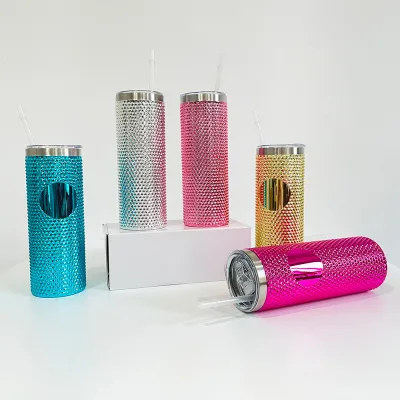
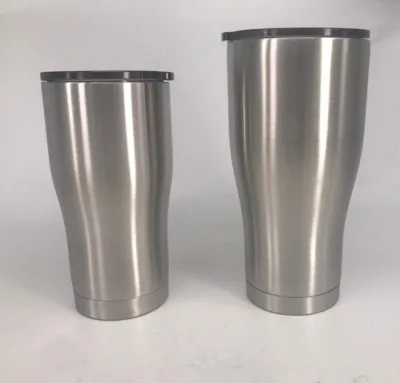
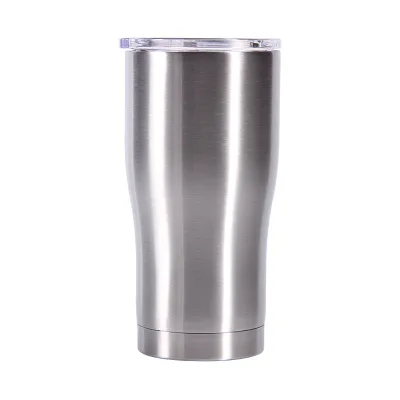


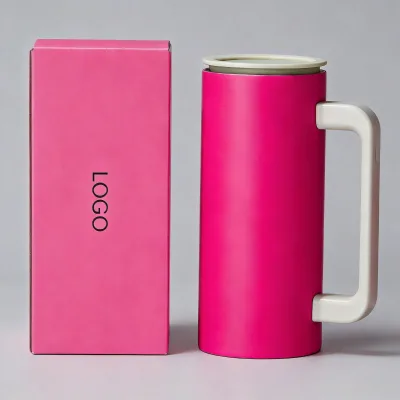


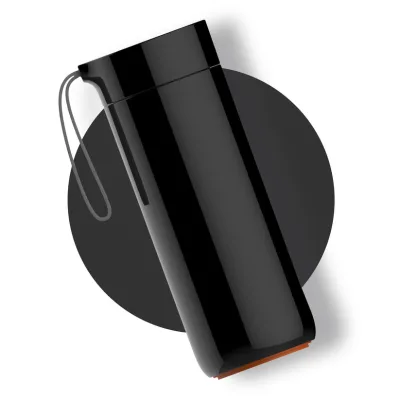


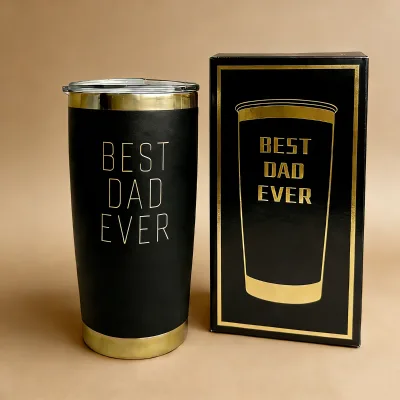
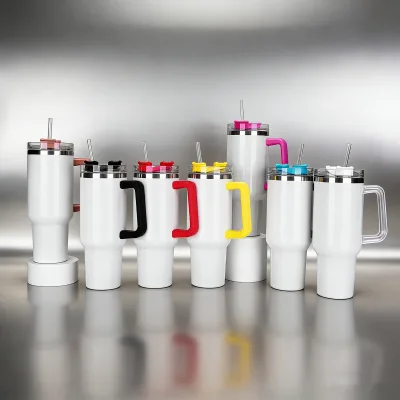


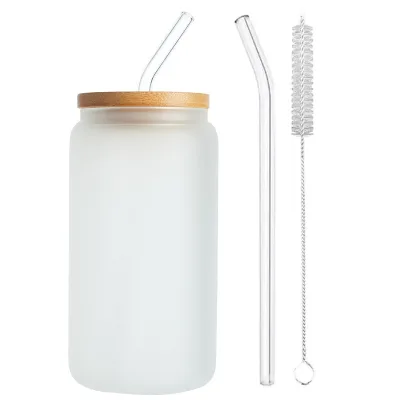




Comprehensive Sourcing Guide
Minimalist Modern Coffee Tumbler Supplier Concentration and Factory Types
The current supplier landscape for minimalist modern coffee tumblers is dominated by trading companies and combined entities, which significantly influences how buyers approach initial sourcing strategies. Data indicates that a substantial portion of available suppliers operate as trading companies, meaning they act as intermediaries rather than direct manufacturers. This structural reality requires buyers to adjust their expectations regarding direct factory access and pricing transparency. When evaluating these entities, it is crucial to understand that trading companies often aggregate products from multiple smaller workshops or factories, which can offer greater variety in design and customization options. However, this model also introduces an additional layer between the buyer and the production floor, potentially complicating communication regarding specific manufacturing nuances or quality control protocols.
In contrast, combined supplier types suggest a hybrid operational model that may include both manufacturing capabilities and trading functions. These entities might possess their own production lines for certain core items while sourcing complementary accessories or specialized components from external partners. For minimalist modern coffee tumblers, this could mean that the stainless steel body is produced in-house while lids, straws, or packaging are sourced separately. Buyers should investigate whether a combined supplier has direct control over the critical stages of production, such as vacuum sealing and double-wall insulation assembly, as these are key to product performance. Understanding the exact nature of the supplier’s operations helps in determining the level of oversight required and the potential for cost savings through direct negotiation with the actual production units.
How to Verify Minimalist Modern Coffee Tumbler Suppliers
Verification is a critical step in mitigating risk when sourcing minimalist modern coffee tumblers, particularly given the prevalence of trading companies in the current market. Buyers should prioritize suppliers who hold recognized third-party verification badges, such as Intertek or TÜV Rheinland, as these indicate that an independent agency has audited the supplier’s business legitimacy and operational capabilities. These verifications provide a baseline of trust, confirming that the company exists and operates within legal frameworks. However, verification alone does not guarantee product quality or manufacturing consistency. Therefore, buyers must look beyond the badge and request specific documentation related to the production process, such as factory audit reports or detailed organizational charts that clarify the relationship between the trading entity and any associated manufacturing facilities.
Certifications are another vital component of the verification process, especially for products that come into direct contact with food and beverages. Suppliers should be able to provide valid certificates for standards such as ISO9001:2015 for quality management and ISO14001:2015 for environmental management, which reflect a structured approach to production and sustainability. Additionally, product-specific certifications like FDA, CE, LFGB, and BSCI are essential for ensuring that the stainless steel materials and coatings used in the tumblers meet international safety and regulatory requirements. Buyers should verify the authenticity of these certificates by checking their expiration dates and cross-referencing them with the issuing bodies. It is also advisable to inquire about any additional certifications, such as LFGB or BSCI, which may be required for specific target markets, to ensure compliance and avoid potential customs or legal issues upon import.
What to Compare Across Minimalist Modern Coffee Tumbler Suppliers
When comparing suppliers, lead time and response speed are two of the most practical metrics for assessing operational efficiency and reliability. Current data shows a wide variance in lead times, ranging from approximately twenty days to forty-five days, which can significantly impact inventory planning and time-to-market strategies. Buyers should clearly define their delivery deadlines and match them with suppliers who can consistently meet those timelines. Similarly, response time is a strong indicator of a supplier’s customer service quality and responsiveness to inquiries. A faster response time, such as three days compared to seven or more, often correlates with better communication and quicker resolution of issues during the pre-production and production phases. These factors are particularly important for minimalist modern coffee tumblers, where design nuances and customization requests require prompt and accurate feedback from the supplier.
Minimum order quantities (MOQ) and pricing structures are also critical comparison points that influence the feasibility of an order. MOQs can vary significantly, with some suppliers requiring orders of one thousand units or more, which may be prohibitive for smaller buyers or those testing new markets. Buyers should identify suppliers who offer flexible MOQs or tiered pricing structures that accommodate different order sizes. Pricing should be evaluated in the context of the product’s specifications, such as material grade, insulation technology, and customization options. For instance, a Minimalist Modern Coffee Tumbler with a temperature display or a specific handle design may command a higher price point. Buyers should request detailed quotations that break down costs for the base product, customization fees, and packaging, ensuring there are no hidden charges. Comparing these elements across multiple suppliers helps in identifying the best value proposition that aligns with budget constraints and volume requirements.
Common Minimalist Modern Coffee Tumbler Sourcing Risks
One of the primary risks in sourcing minimalist modern coffee tumblers is the potential discrepancy between sample quality and mass production output. Suppliers may provide high-quality samples that meet all aesthetic and functional requirements, but the bulk order might suffer from inconsistencies in finish, insulation performance, or material thickness. This risk is heightened when working with trading companies that may switch factories between sample production and bulk manufacturing without the buyer’s knowledge. To mitigate this, buyers should insist on pre-production samples that are sealed and signed by both parties, serving as the definitive quality benchmark. Additionally, implementing a third-party inspection service before shipment can help identify any deviations from the agreed-upon standards, ensuring that the final products match the quality of the approved samples.
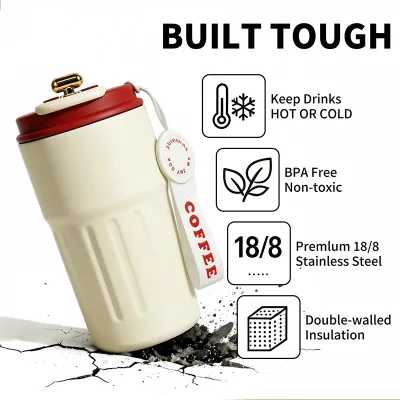
Another significant risk involves the accuracy of product specifications and certifications, particularly regarding material safety and durability. Stainless steel tumblers must be made from food-grade materials, such as 18/8 stainless steel, to ensure safety and longevity. However, some suppliers may use lower-grade materials that do not meet these standards, posing health risks and potential legal liabilities. Buyers should verify the material composition through independent testing or by requesting detailed material certificates from the steel suppliers. Furthermore, features such as leak-proof lids and double-wall vacuum insulation must be rigorously tested to ensure they perform as advertised. Failure to verify these aspects can result in high return rates, negative customer reviews, and damage to the buyer’s brand reputation. It is essential to include specific performance criteria in the purchase contract and hold the supplier accountable for meeting these standards.
Minimalist Modern Coffee Tumbler Regional Sourcing and Logistics
The geographic location of suppliers plays a crucial role in determining logistics costs, lead times, and overall supply chain efficiency. Current data indicates that many suppliers are located in China, with specific concentrations in regions like Shanghai and Zhejiang. These areas are known for their robust manufacturing infrastructure and access to raw materials, which can contribute to competitive pricing and faster production cycles. However, buyers should also consider the logistical implications of sourcing from these regions, including shipping distances, customs procedures, and potential transit delays. Understanding the specific location of the supplier allows buyers to estimate shipping costs more accurately and plan for potential disruptions in the supply chain. It also helps in assessing the supplier’s proximity to major ports, which can facilitate smoother export processes.
Logistics planning should also account for the packaging and handling requirements of minimalist modern coffee tumblers to prevent damage during transit. These products are often fragile due to their vacuum-sealed construction and delicate finishes, requiring careful packaging to avoid dents or leaks. Buyers should inquire about the supplier’s packaging standards, such as the use of paper boxes or standard export packaging, and ensure that they are sufficient to protect the products during long-distance shipping. Additionally, considering the weight and dimensions of the products is essential for calculating freight costs, especially when shipping by air or sea. Buyers should work with suppliers who have experience in exporting to their target markets, as this can help navigate complex logistics challenges and ensure that the products arrive in optimal condition. Proper logistics planning can significantly reduce costs and improve customer satisfaction.
Minimalist Modern Coffee Tumbler Commercial Terms and Order Planning
Establishing clear commercial terms is essential for a successful sourcing relationship, particularly when dealing with minimalist modern coffee tumblers that may require significant customization. Buyers should negotiate terms that cover payment schedules, warranty policies, and liability for defects, ensuring that both parties have a clear understanding of their responsibilities. It is advisable to use secure payment methods, such as escrow services, to protect funds until the goods are received and inspected. This approach minimizes financial risk and provides a layer of security in case of disputes or non-delivery. Additionally, buyers should clarify the terms for handling defective products, including return policies and compensation mechanisms, to ensure that any issues are resolved promptly and fairly. Clear commercial terms help build trust and facilitate smoother transactions throughout the sourcing process.
Order planning should also consider the customization options available, such as logo printing, color variations, and design modifications, which can impact production timelines and costs. Buyers should provide detailed specifications and artwork files well in advance to allow suppliers adequate time for preparation and approval. It is important to confirm the feasibility of customizations with the supplier before placing the order, as some designs may require specialized equipment or processes that could extend lead times. Furthermore, buyers should plan for potential fluctuations in raw material costs and exchange rates, which can affect the final price of the products. By incorporating these factors into their order planning, buyers can better manage their budgets and ensure that the sourcing process runs smoothly from start to finish. Effective planning and clear communication are key to achieving successful outcomes in the Minimalist Modern Coffee Tumbler market.
FAQs
What is the price range for minimalist modern coffee tumblers?
Prices typically range from $0.98 to $5.69 per unit depending on specifications. Basic stainless steel models start near the lower end, while features like temperature displays or handles increase the cost. Buyers should verify exact pricing based on volume and customization needs.
What are the minimum order quantities for these tumblers?
Minimum order quantities vary by supplier and product type. Some listings require a minimum of 1000 units for customized orders. Buyers should check specific product pages for exact MOQ requirements, as smaller quantities may not be available for personalized designs or special materials.
How long does production take for these tumblers?
Lead times generally range from 20 to 45 days after order confirmation. The duration depends on the complexity of customization, order volume, and supplier capacity. Buyers should confirm specific timelines with suppliers to ensure alignment with their project schedules and delivery expectations.
What certifications are available for these coffee tumblers?
Common certifications include FDA, CE, LFGB, and ISO9001:2015. Some suppliers also hold ISO14001:2015 or BSCI audits. These certifications ensure product safety and quality standards. Buyers should request valid certificates to verify compliance with regional regulations and specific quality requirements.
What materials are used for these tumblers?
Most tumblers are made from food-grade stainless steel, often 18/8 or 304 grade. Some models feature double-wall vacuum insulation for temperature retention. Materials are selected for durability and safety. Buyers should verify specific material grades to ensure suitability for their intended use and market.
Can these tumblers be customized with logos or colors?
Yes, many suppliers offer customization for logos, colors, and designs. Options include printing, engraving, and custom color matching. Suppliers typically support OEM services for branding. Buyers should discuss design files and proofing processes with suppliers to ensure accurate representation of their brand identity.