Minimalist Wooden Dough Bowl Suppliers and Manufacturers
Source Minimalist Wooden Dough Bowl options from 26 verified suppliers. Compare dimensions like lead times, MOQs, certifications, and response speeds. Contact suppliers directly to request samples and negotiate pricing for your specific needs; review the available evidence before requesting comparable quotations from suitable candidates.
Updated
Suppliers List
- Verified by SGS Group
- Manufacturer, Trading Company
- Lead time30 days
- Avg. response≤ 2h
Main productsWood home decoration, Wood storage, Wood packaging, Wood crafts, Wood furniture
Main marketsNorth America(35%), Northern Europe(20%), Southern Europe(20%)
Qingdao Enjoy Global Industry Co., Ltd.
- Verified by TüVRheinland
- Manufacturer, Trading Company
- Lead time25 days
- Avg. response≤ 1h
Main productsWooden Shelf, Wooden Cat Tree, Wooden Box, Wooden Crafts, Wooden Furniture
Main marketsNorth America(40%), Eastern Asia(15%), Western Europe(14%)
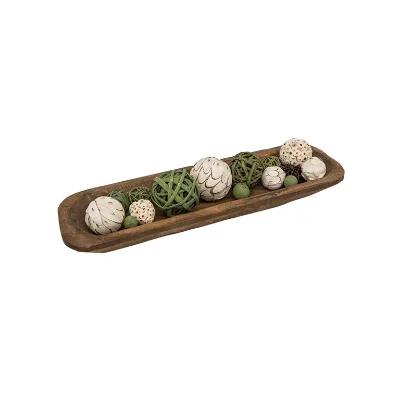
$3.9083 - $10.1789
MOQ: 500 units
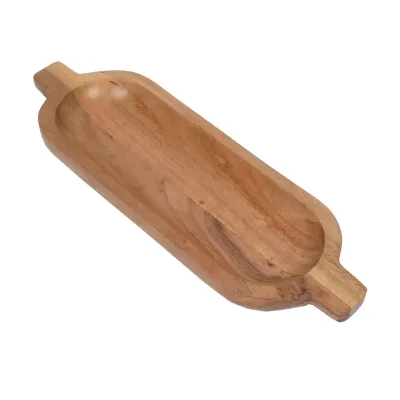
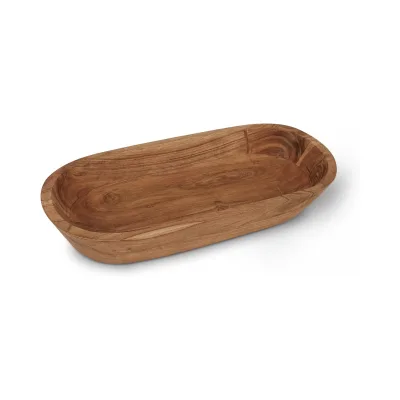
$6.7575 - $10.3107
MOQ: 300 units

- Manufacturer/Factory
- China Fujian
- Lead time45 days
- Avg. response≤ 12h
Main productsBamboo Chopping Board, Bamboo Box, Bamboo Tray, Bamboo Bottle, Bamboo Products, Bamboo Cutlery, Bamboo Plywood, Bamboo Furniture, Bamboo Plate, Bamboo Broom
Main marketsSouth America,Eastern Europe,Mid East,North America,Southeast Asia,Oceania,Western Europe,Africa
Wuyuan Meimei Houseware Co., Ltd.
- Verified by Intertek
- Manufacturer, Trading Company
- Lead time15 days
- Avg. response≤ 2h
Main productsWood Rolling Pin, Wood Cutting Board, Wood Lemon Juicer, Wood Meat Hammer, Wood Tray
Main marketsDomestic Market(72%), North America(25%), Mid East(3%)

Shanghai Yongjia International Trading Co., Ltd.
- Trading Company
- China Shanghai
- Lead time30 days
- Avg. response≤ 12h
Main productsExhibition Booth, Light Box, Glasses, Trade Show Stands, Tent, Pop up Stands
Main marketsSouth America,Africa,Southeast Asia/ Mideast,East Asia(Japan/ South Korea),Domestic,Europe,Australia,North America
Caoxian Bestermy Wooden Co., Ltd.
- Manufacturer, Trading Company
- Shandong, China
- Lead time30 days
- Avg. response≤ 2h
Main productsWooden packaging box,Wooden Tray,Wooden toys,furniture,Receive box
Main marketsNorth America(40.00%), Western Europe(20.00%), Eastern Asia(15.00%), Northern Europe(10.00%), Southeast Asia(10.00%), South America(5.00%)
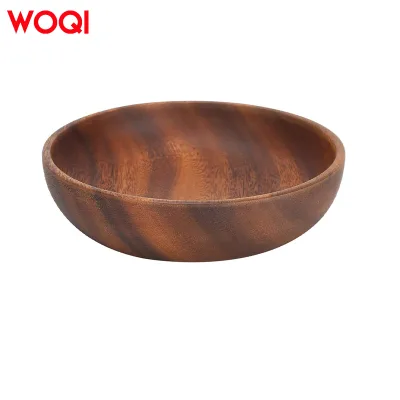
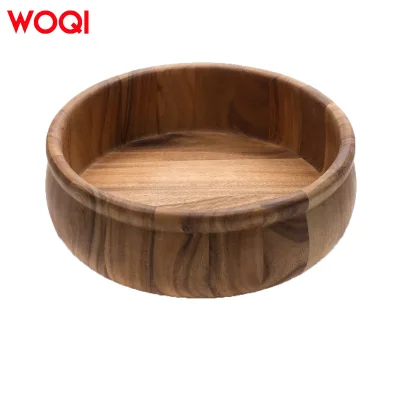
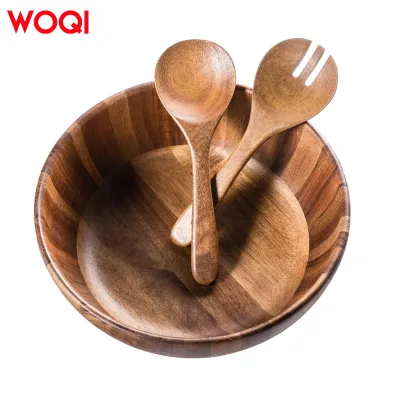
$9.2546 - $9.3565
MOQ: 200 pieces
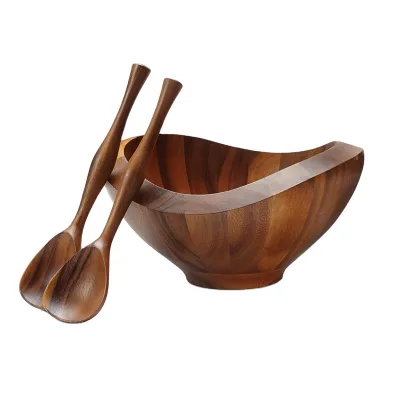
$3.2911 - $3.9083
MOQ: 100 pieces
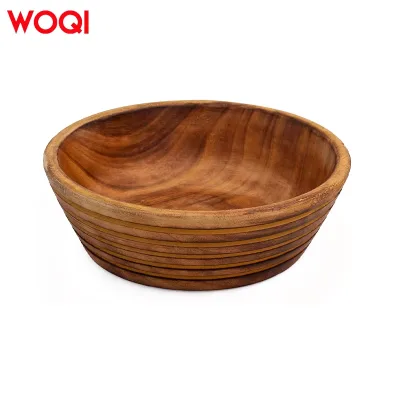
$4.9359 - $5.0393
MOQ: 100 pieces

- Manufacturer, Trading Company
- Anhui, China
- Lead time30 days
- Avg. response≤ 5h
Main productsWooden Decorations/Wooden Garden Supplies/Wooden Dough Bowl/Wooden Kitchen Supplies,Wooden Home Furniture
Main marketsNorth America(30.00%), Western Europe(20.00%), South America(15.00%), Oceania(10.00%), Northern Europe(10.00%), Mid East(10.00%), Eastern Asia(5.00%)

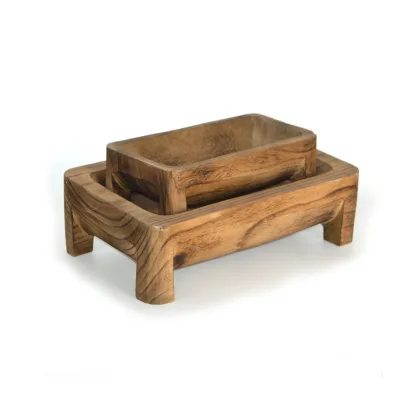
Wooden Tray Solid Wood Bowl Hotel Home Office Decor/ Wooden Dough Bowls Wholesale
$4.0461 - $4.7726
MOQ: 60 pieces
Fuzhou Jiashu Import And Export Co.,ltd.
- Trading Company
- Fujian, China
- Lead time40 days
- Avg. response≤ 5h
Main productsWood/Bamboo Cutting Board, Wood/Bamboo Cheese Board Set, Wood/Bamboo Tray, Wood/Bamboo Bowls, Wood/Bamboo Cake Stand
Main marketsNorth America(35.00%), Western Europe(35.00%), Mid East(30.00%)
Xiamen Ehang Household Products Co., Ltd.
- Trading Company
- zhejiang, China
- Lead time37 days
- Avg. response≤ 5h
Main productsKitchenware,bamboo and wooden products,Houseware,Kitchen gadgets,Garden
Main marketsSoutheast Asia(20.00%), North America(20.00%), Southern Europe(10.00%), Northern Europe(10.00%), Western Europe(10.00%), South America(10.00%), Eastern Europe(10.00%), Central America(5.00%), Domestic Market(1.00%), Mid East(1.00%), Oceania(1.00%), Eastern Asia(1.00%), Africa(1.00%)
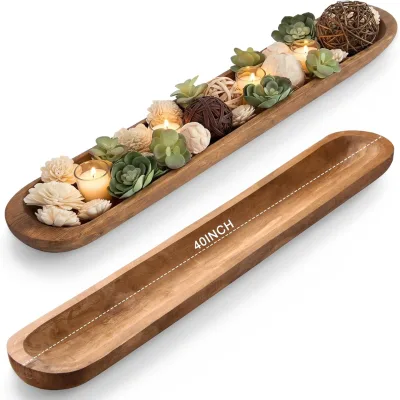
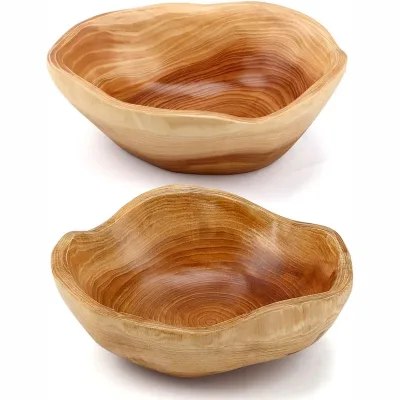
$2.0553 - $8.2195
MOQ: 500 pieces
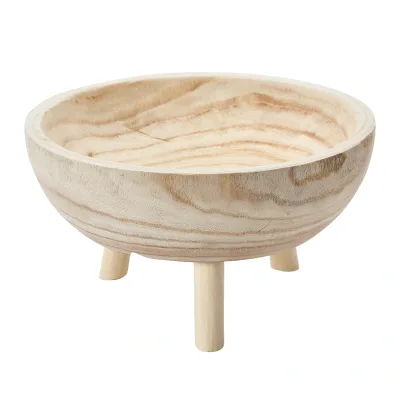
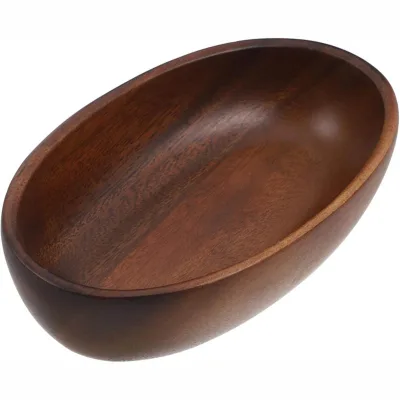
Wooden Dough Luxury Serving Bowl Wooden Fruit Bowls Wood Footed Bowl w 3 Legs
$1.00 - $9.00
MOQ: 500 pieces
$2.00 - $8.00
MOQ: 500 pieces

Shuifu Huiyang Agricultural Technology Co., Ltd.
- Verified by SGS
- Trading Company
- China Yunnan
- Lead time23 days
- Avg. response≤ 3h
Main productsBamboo Products, Bamboo Crafts, Bamboo Chopsticks, Bamboo Skewers, Bamboo Weaving, Bamboo Tray, Bamboo Box, Bamboo Placemat, Bamboo Fruit Bowl, Lamp Shades
Main marketsDomestic


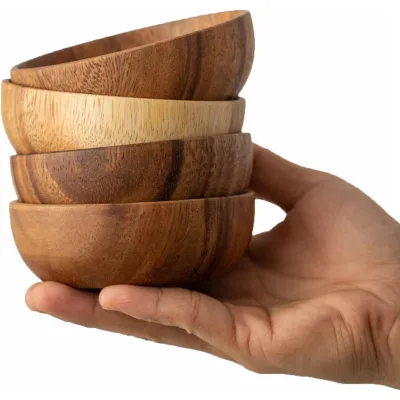
Natural Acacia Wood Bowl Thick Large Solid Wooden Soup Ramen Serving Bowl
$2.68 - $2.98
MOQ: 100 Pieces


Changsha Qingyulan Homeware Co., Ltd.
- Trading Company
- China Hunan
- Lead time15 days
- Avg. response≤ 5h
Main productsPaper Fan, Bamboo Products, Spanish Wood Fan, Beach Straw Bag, Beach Towel, Japanese Ladies Hand Fans, Paper Lanterns, Oriental Hand Fans, Wedding Favor Gift Fans, Car DVR
Main marketsSoutheast Asia/ Mideast,Domestic,Europe,North America

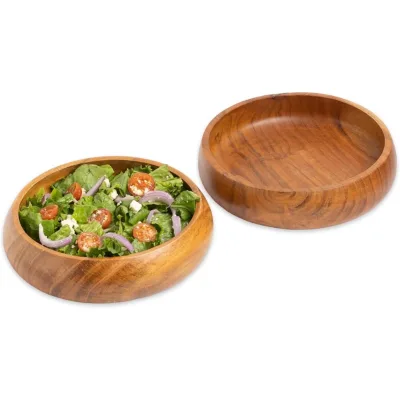
Natural Wooden Salad Bowl Round Set Material Dough Wood Fruit Bowl for Restaurant Serving
$5.00 - $7.50
MOQ: 50 Pieces

Caoxian Huashen Arts And Crafts Co., Ltd.
- Manufacturer, Trading Company
- Shandong, China
- Lead time30 days
- Avg. response≤ 1h
Main productsCustom Wooden Boxes,Wooden Storage Crates,Wooden Home Decor,Raised Garden Beds,Wooden Pet Furniture
Main marketsNorth America(35.00%), Western Europe(25.00%), Oceania(12.00%), Northern Europe(10.00%), Eastern Europe(8.00%), Eastern Asia(6.00%), Southeast Asia(4.00%)
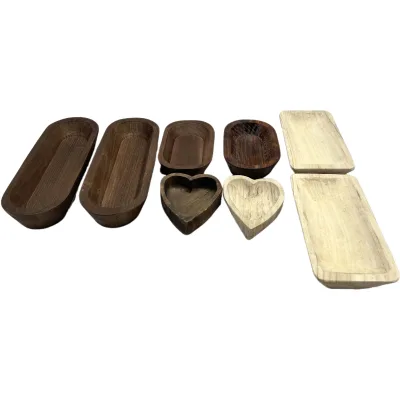
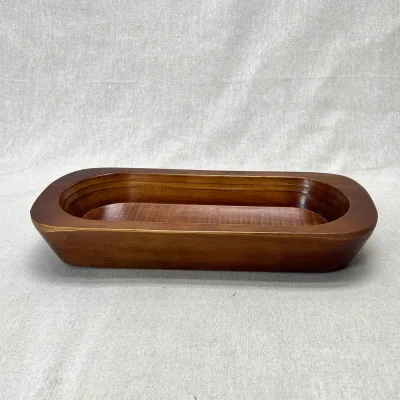
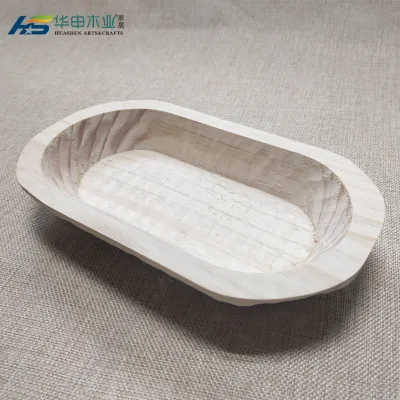
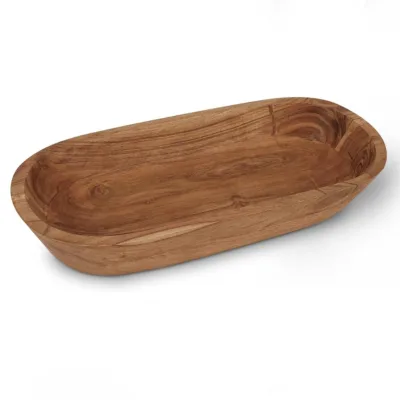
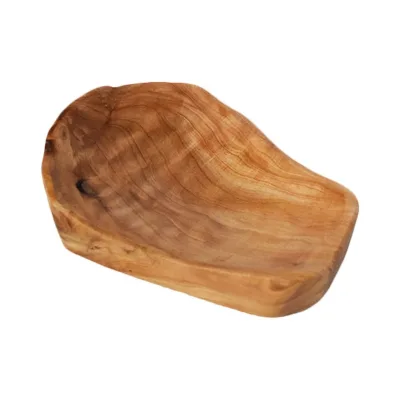
$7.2368 - $9.0599
MOQ: 200 pieces
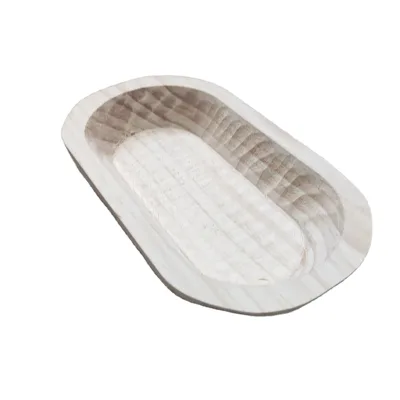
$3.1233 - $3.6446
MOQ: 200 pieces

Jinjiang Jiaxing Import and Export Co., Ltd.
- Verified by CTI
- Manufacturer/Factory
- China Fujian
- Lead time120 days
- Avg. response≤ 2h
Main productsShoes, Slipper, Clothes, Promotion Gifts, Silicone Products, Outdoor Sports Products, Bags, Fashion Accessories, Consumer Electronics
Main marketsSouth America,Eastern Europe,Mid East,North America,Southeast Asia,Eastern Asia,Oceania,Western Europe,Africa

Natural Wood Reusable Food Safe Multipurpose Everyday Wooden Salad Bowl
$0.10 - $20.00
MOQ: 100 Pieces


- Trading Company
- China Zhejiang
- Lead time30 days
- Avg. response≤ 13h
Main productsHome Appliance, Cookware Set, Thermos, Home Storage, Furniture, Pet Supplies, Garden Tools, Outdoor Supplies, Baby Supplies, Houesehold Items
Main marketsSouth America,Africa,Southeast Asia/ Mideast,East Asia(Japan/ South Korea),Domestic,Europe,Australia,North America

Changsha Guan Sen Homeware Co., Ltd.
- Trading Company
- Hunan, China
- Lead time15 days
- Avg. response≤ 5h
Main productshand folding fan,Furniture table,Kitchenware,Wooden Homeware,Custom Craft Umbrella
Main marketsNorth America(67.00%), Eastern Europe(10.00%), Northern Europe(8.00%), Western Europe(5.00%), Southeast Asia(3.00%), Mid East(2.00%), Southern Europe(2.00%), Africa(1.00%), South America(0.30%), Central America(0.30%), Eastern Asia(0.30%), Domestic Market(0.20%), Oceania(0.10%), South Asia(0.10%)
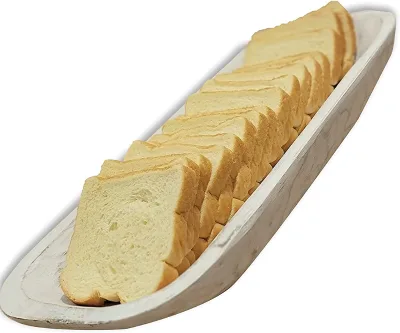
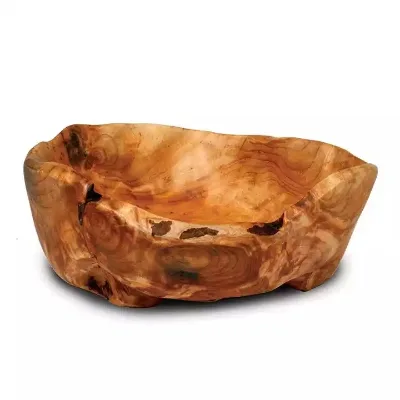
$7.7072 - $8.7333
MOQ: 200 pieces
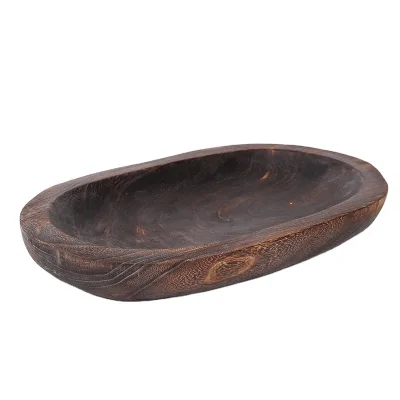
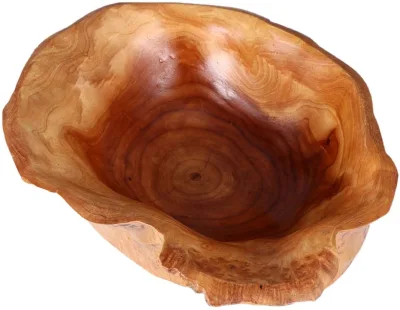
Wholesale Vintage Customized Wooden Salad & Dough Bowls-Eco-Friendly Dinnerware
$8.00 - $12.00
MOQ: 20
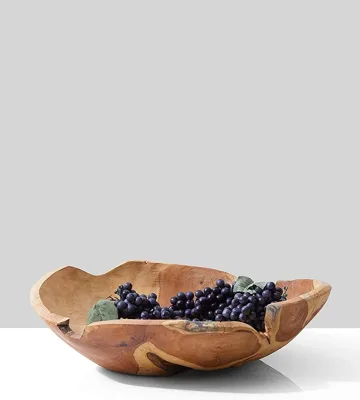
$10.09 - $18.00
MOQ: 60 pieces
Youxi Xinghua Bamboo And Wood Product Co., Ltd.
- Manufacturer
- Fujian, China
- Lead time30 days
- Avg. response≤ 4h
Main productsWood & Bamboo Tableware
Main marketsWestern Europe(45.00%), Domestic Market(30.00%), North America(25.00%)
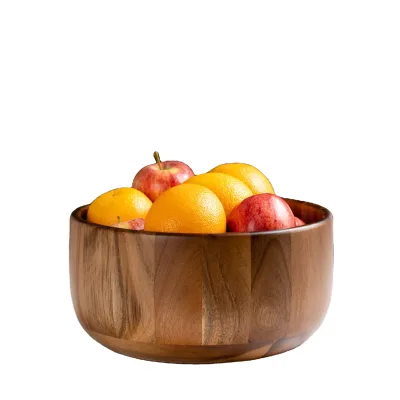
$1.0261 - $3.0784
MOQ: 2000 pieces

Nanping Jianyang Heng Xinwang Bamboo and Wooden Products Co., Ltd.
- Verified by BV
- Combined
- China Fujian
- Lead time23 days
- Avg. response≤ 3h
Main productsBamboo Products, Wooden Products, Straw Products, Rattan Items, Straw and Willow Products
Main marketsSoutheast Asia/ Mideast,East Asia(Japan/ South Korea),Europe,Australia,North America

Xiamen Ebei Import & Export Co., Ltd.
- Verified by CTI
- Trading Company,Manufacturer/Factory
- China Fujian
- Lead time45 days
- Avg. response≤ 2h
Main productsEco-Friendly Products, Bamboo Tableware, Bamboo Furniture, Bamboo Kitchenware, Bamboo Office Supply, Bamboo Fibre Products, Biodegradable Products, Bamboo Towel, Solar Energy Products, Bamboo Garden Products
Main marketsSouth America,Eastern Europe,Mid East,North America,Southeast Asia,Eastern Asia,Oceania,Western Europe,Africa
Caoxian Smart And Thrive Woodwork Co., Ltd.
- Verified by SGS Group
- Manufacturer, Trading Company
- Lead time40 days
- Avg. response≤ 4h
Main productsWooden Crafts, Wooden Homeware and Garden Product, Wooden Office Culture Product
Main marketsNorth America(50%), Eastern Asia(15%), Domestic Market(13%)
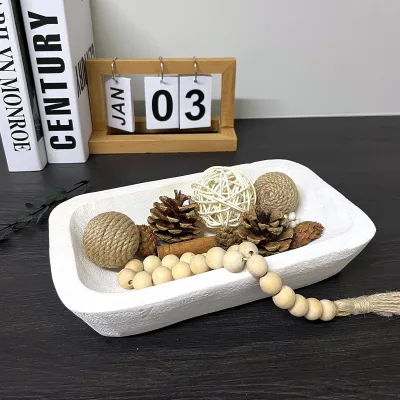
Wooden Dough Bowls Decorative Rustic Bread Long Bowls Decor Wood Tray Handmade
$2.50 - $4.20
MOQ: 200 sets

- Verified by CTI
- Combined
- China Guangdong
- Lead time45 days
- Avg. response≤ 4h
Main productsCasserole, Dish, Bowl, Mug
Main marketsEast Asia(Japan/ South Korea),Domestic,Europe,North America

Ceramic Oatmeal Breakfast Bowl with Tray Fruit Salad Yogurt Bowl with Handle
$2.64 - $3.74
MOQ: 500 Pieces


Handmade Ceramic Bowls Breakfast Fruit Salad Pasta Noodle Yogurt Bowl with Handle
$2.73 - $3.43
MOQ: 500 Pieces

Fancy Ceramic Baking Bowl Fruit Salad Noodles Breakfast Bowl Household Tableware
$1.49
MOQ: 500 Pieces

Caoxian Fengdan Wood Industry Co., Ltd.
- Verified by SGS Group
- Manufacturer, Trading Company
- Lead time45 days
- Avg. response≤ 2h
Main productsWooden Cutting & Serving Board, Wooden Trays, Wooden Box, Wooden Bowl, Wooden Rack

Fujian Hoyee Household Items Co., Ltd.
- Verified by BV
- Manufacturer/Factory
- China Fujian
- Lead time0 days
- Avg. response≤ 8h
Main productsBamboo Products, Cutting Board, Bathtub Caddy, Bath Mat, Bath Towel Rack, Shoes Rack, Office Organizer, Desk Organizer, Cheese Board, Serving Tray
Cao County Lianchuang Wood Craft Packaging Co., Ltd.
- Verified by SGS Group
- Manufacturer, Trading Company
- Lead time30 days
- Avg. response≤ 2h
Main productsWooden Pallets, Wooden Cutting Boards, Wooden Jars, Kitchen Storage Rack, Wooden Crafts
Main marketsDomestic Market(100%)
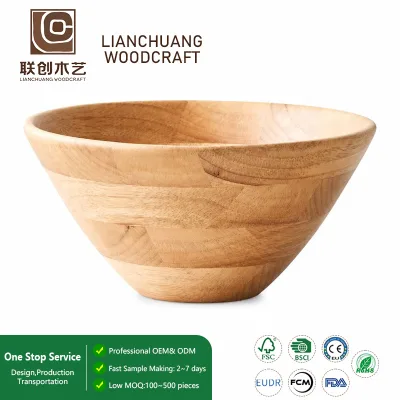
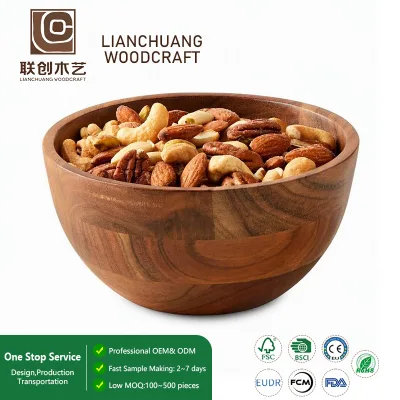
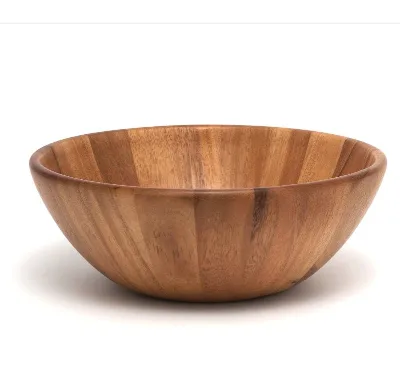
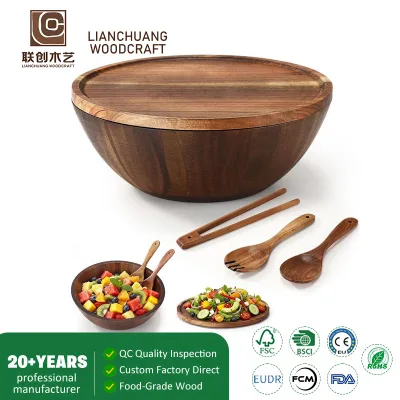
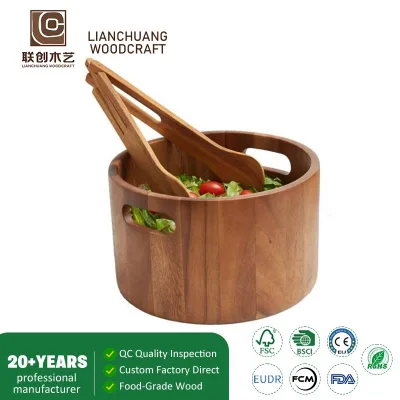
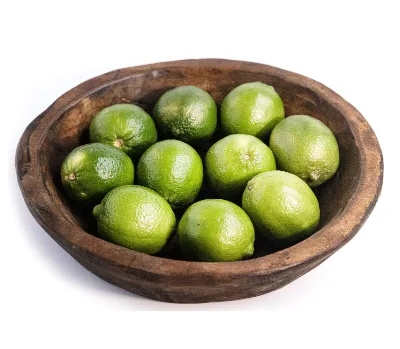
Brand New High Quality Natural Brown Wooden Dough Bowl Decorative Display Bowl for Salad in Kitchen
$3.80 - $5.10
MOQ: 200 pieces

PEIDA MACHINERY GROUP CO., LTD.
- Verified by BV
- Manufacturer/Factory
- China Anhui
- Lead time90 days
- Avg. response≤ 8h
Main productsBarge, Tugboat, Oil Tanker Ship, Cargo Ship, Tug Boat, Floating Crane Barge, Passenger Ship, Passenger Boat, Deck Barge, Oil Barge
Main marketsSouth America,North America,Southeast Asia,Western Europe,Africa

High-Quality Fastening Primary Wood Color All Wood Large Wooden Fruit Salad Bowl
$1.00 - $100.00
MOQ: 100 Pieces

High Quality Coconut Wooden Bowl Salad Bowl Set of Different Size Natural Bowls
$1.00 - $100.00
MOQ: 100 Pieces
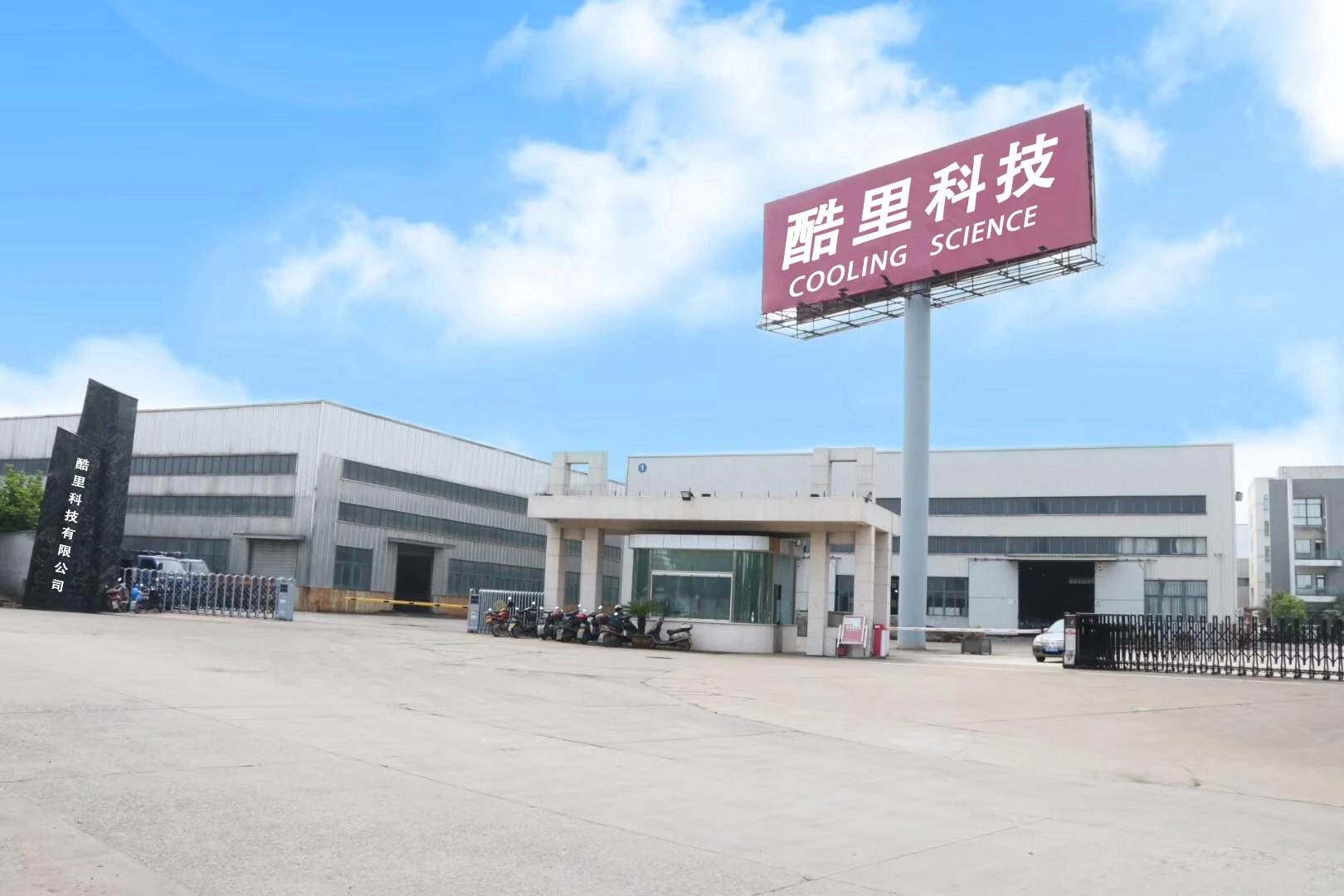
Hefei Cooling Science And Technology Co., Ltd.
- Manufacturer, Trading Company
- Anhui, China
- Lead time50 days
- Avg. response≤ 9h
Main productsTableware,Organizer,Home decoration,Kitchenware,Servingware
Main marketsEastern Europe(25.00%), Western Europe(15.00%), Southern Europe(15.00%), North America(12.00%), Northern Europe(11.00%), Central America(9.00%), Southeast Asia(8.00%), South America(5.00%)

Shaowu City Nafu Bamboo and Wood Industry Co., Ltd.
- Manufacturer
- China Fujian
- Lead time15 days
- Avg. response≤ 15h
Main productsBamboo and Wood Cutting Board Cheese Board, Bamboo and Wood Storage Box, Bamboo and Wood Plate, Bamboo and Wood Tray, Marble Wood Cheese Board, Bamboo and Wood Table, Bamboo and Wood Bathroom Products, Bamboo and Wood Shelf, Bamboo and Wood Kitchen Utensil, Bamboo and Wood Bowl
Main marketsEast Asia(Japan/ South Korea),Domestic,Europe,Australia,North America

Friendly Custom Round Wooden Salad Bowl Bowl Set Fruit Bowl with Salad Servers
$6.20 - $6.80
MOQ: 300 Pieces









Comprehensive Sourcing Guide
Minimalist Wooden Dough Bowl Supplier Concentration and Factory Types
Suppliers in this category cluster around home decoration and wood products, with several listing wood home decoration, wood storage, wood packaging, wood crafts and wood furniture as their main product lines, alongside companies focused on wooden shelves, wooden cat trees, wooden boxes, wooden crafts and wooden furniture. This mix matters for buyers of a Minimalist Wooden Dough Bowl because a supplier's core competence in wood crafts or home decor usually signals better hand-carving and finishing capability than a general trading firm that happens to list bowls. Company types on the platform include both manufacturers and trading companies, so the first sorting step is to distinguish factories with in-house carving and finishing lines from intermediaries that consolidate orders from smaller workshops.
Product evidence shows the geographic concentration clearly: multiple dough bowl listings cite Shandong, China as the place of origin, which makes it the one cluster buyers can reasonably treat as an anchor for this category. When a supplier profile does not display a location, ask directly for the carving workshop address and confirm whether production is in-house or subcontracted, since hand-carved dough bowls are labor-intensive and often outsourced to rural workshops. To identify additional clusters beyond what the listings reveal, sort search results by product origin fields, review which provinces repeat across dough bowl listings, and request photographs of the actual carving floor. Buyers who skip this step frequently discover their supplier is a desk trader thousands of kilometers from the wood.
How to Verify Minimalist Wooden Dough Bowl Suppliers
Verification for a Minimalist Wooden Dough Bowl supplier starts with third-party credentials that the platform itself has already checked. Current results show two distinct verification labels: one supplier verified by SGS Group and another by TüV Rheinland, both independent inspection bodies rather than self-declared badges. System certifications in the results include ISO 9001, ASTM F963 and FSC on one profile, and sedex, BSCI, FSC and CE on another. For minimalist dough bowls, FSC matters because buyers increasingly demand traceable solid wood; ISO 9001 addresses process control; sedex and BSCI address labor conditions, which is directly relevant given the hand-carving labor in this category. ASTM F963 and CE relate to toy and general product safety respectively, so confirm which applies to your market before relying on them.
Beyond displayed credentials, verification must be done by the buyer. Request a video call walk-through of the carving and sanding area, and ask the supplier to show the same bowl model being finished, not a catalog video. Order a pre-production sample; the observed sample times in listings run from five to seven days on one dough bowl product and seven to ten days on another, which gives you a realistic calibration point. Cross-check the legal entity name on the business license against the platform profile, and verify that the company type, manufacturer or trading company, matches what sales staff describe. Keep records of every document in case a dispute later requires escalation through the platform's complaint channel.
What to Compare Across Minimalist Wooden Dough Bowl Suppliers
Build a comparison sheet using the supplier-label dimensions actually displayed in search results, rather than assumptions. The listings show structural response times of one day and two days respectively for the two most detailed profiles, a meaningful difference when you are iterating on carving details or finish color. Displayed lead times differ as well: one profile lists thirty days and another twenty-five days, while a dough bowl product line item cites a delivery time of fifteen to thirty days. Use these figures as starting points and confirm in writing for your specific order volume, since lead time for hand-carved bowls can stretch during peak seasons. Main products, company type and verification body should also sit on your sheet.
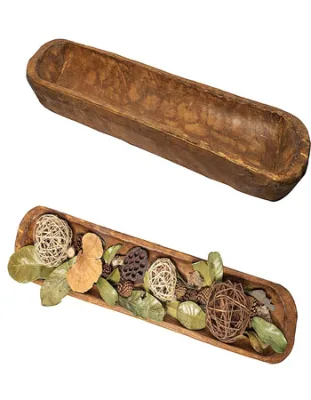
Product-level economics deserve their own columns. One decorative wooden dough bowl listing shows a unit price range from 2.98 to 5.98 with an MOQ of 200 pieces, while a customized pets wooden dough bowl shows a minimum price of 3.98 with a 200-piece MOQ, and a long hand-carved centerpiece bowl lists prices from roughly 3.91 to 10.18 with an MOQ of 500. That spread tells you price scales with size, carving depth and customization. Add rows for sample time, customization scope, capacity tags such as sample processing, graphic processing and customized on demand, and whether the profile shows an establishment year. Do not assume every supplier displays every attribute; mark gaps as items to request rather than treating absence as a negative signal.
Common Minimalist Wooden Dough Bowl Sourcing Risks
The first risk cluster is finish and construction quality. Dough bowls are typically hand-carved from solid wood, so expect natural variation in grain, tone and dimensions between units. One listing advertises sizes that are customized and single gross weights up to ten kilograms, which signals large, heavy pieces where warping and cracking become real concerns if wood moisture content is not controlled. A minimalist aesthetic makes this worse, not better: clean surfaces expose every tool mark, uneven sanding patch and glue seam. Require a moisture-content reading with your sample batch, and define an acceptable tolerance for dimension and color in your specification sheet before deposit.
The second cluster is specification and expectation drift. Several listings mark material as solid wood or wood, feature labels such as disposable appear in at least one product record, and packing may be customized packing, so ambiguous language can hide meaningful differences. Confirm the actual wood species, whether the bowl is carved from a single block or joined, and what disposable actually means for your use case. MOQ mismatches are a further trap: one customized bowl line accepts a 200-piece minimum, while the long carved centerpiece requires 500, so a design change mid-negotiation can push you over budget. Finally, watch lead-time drift: thirty to thirty-five days appears in one product record against shorter quoted windows, and delays compound when carved goods queue behind furniture orders in the same factory. Put all confirmed values into the contract.
Minimalist Wooden Dough Bowl Regional Sourcing and Logistics
The single confirmed regional anchor in the product evidence is Shandong, China, cited as the place of origin on multiple dough bowl listings, including one with a single package size of 30 by 30 by 10 centimeters and another with a much larger 80 by 80 by 80 centimeter carton. Those two carton dimensions frame your logistics planning perfectly: small decorative bowls ship efficiently by consolidated sea freight, while oversized carved centerpiece bowls at ten kilograms gross weight per unit can trigger volumetric-weight charges on air freight and may need individual carton reinforcement. Ask every Shandong-based supplier for a packaging drawing and a drop-test report before agreeing to carton specifications.
Beyond the confirmed cluster, apply a structured method rather than guessing. Filter search results by the place-of-origin attribute on product pages, note which provinces recur across dough bowl and wood craft listings, and prioritize suppliers whose main products already include wood crafts or wooden furniture, since those lines share carving labor and finishing equipment with dough bowls. For shipping, sea freight remains the default for this category given unit weights of two to ten kilograms and ceramic-like fragility of carved rims; confirm whether the supplier quotes on FOB or ex-works terms and whether they export routinely to your market. Request the nearest port name from each factory, not just the province, because inland trucking costs in wood-producing regions can add meaningfully to landed cost on heavy carved goods.
Minimalist Wooden Dough Bowl Commercial Terms and Order Planning
Commercial terms for a Minimalist Wooden Dough Bowl order should be anchored to the price evidence already visible. Ranges run from 2.98 to 5.98 on a decorative dough bowl, 3.98 upward on a customized pets dough bowl, and 3.91 to 10.18 on a hand-carved long centerpiece, each tied to MOQs of 200 or 500 pieces. Quote against these bands, clarify what drives the top end, usually size, carving depth and customization, and confirm whether quoted prices include your chosen finish, logo and packing. Where a profile supports customized logo, customized color and customized packing, treat those as negotiable scope items with their own cost lines, not free inclusions.
Order planning should sequence payment against verification milestones. A common structure is a deposit with balance after inspection, or use of an escrow-style arrangement where the marketplace holds funds until you confirm receipt; confirm what the platform actually offers before wiring anything, and never pay a supplier's personal account. Build the timeline from observed figures: sample times of five to seven days or seven to ten days, then mass production consistent with the fifteen-to-thirty-five-day delivery windows shown, plus sea transit and customs. For a first order, use the lower MOQ product as a trial, inspect against a signed golden sample, and only then scale to the 500-piece carved designs. Reorder planning should book capacity four to six weeks before your retail season, since hand-carved output cannot be rushed without quality loss.
Word count check: approximately 1,390 words across six sections, each within the 225–235 word range.
FAQs
What are the typical lead times for wooden dough bowls?
Lead times generally range from 15 to 35 days depending on the specific product and customization needs. Some suppliers offer faster delivery windows of 15 to 30 days for standard orders. Customized items may require up to 35 days for production and shipping completion.
What is the minimum order quantity for these wooden bowls?
Minimum order quantities typically start at 200 pieces for standard decorative wooden dough bowls. Some specific listings require a minimum of 500 pieces for wholesale orders. Buyers should verify the exact MOQ for each product listing before placing an order.
Which certifications do these wooden suppliers hold?
Suppliers often hold ISO 9001, FSC, ASTM F963, BSCI, and CE certifications. Verification services like SGS Group and TüVRheinland may also confirm supplier status. Buyers should check specific product pages to confirm which certifications apply to their selected items.
What materials are used to make these dough bowls?
Most products are crafted from solid wood or general wood materials. Some listings specify rustic or vintage styles using solid wood. Buyers can request customized colors and materials to match specific design requirements for their kitchen or decorative needs.
How long does it take to receive samples?
Sample processing times typically range from 5 to 10 days depending on the supplier. Some listings indicate a sample time of 5 to 7 days for standard requests. Customized samples may require up to 10 days for graphic processing and production completion.
What is the price range for wooden dough bowls?
Prices generally range from approximately 2.98 to 10.18 per unit based on size and customization. Specific listings show minimum prices around 2.98 and maximum prices near 10.18. Final costs depend on order volume, material selection, and specific design features requested.
Where are these wooden products manufactured?
Products are primarily manufactured in Shandong, China. This region is a common origin for wooden crafts and furniture items. Buyers should verify the specific place of origin listed on each product page to confirm the manufacturing location.