eco-friendly lfgb wheat straw cups Suppliers and Manufacturers
Find 30 verified suppliers offering eco-friendly lfgb wheat straw cups with ODM capabilities and certifications like QS and LFGB. Compare response times, lead times, and MOQs to select the right partner for your order; review the available evidence before requesting comparable quotations from suitable candidates.
Updated
Suppliers List

- Verified by TUVRHEINLAND
- Trading Company,Manufacturer/Factory
- China Jiangsu
- Lead time23 days
- Avg. response≤ 4h
Main productsMedal, Coin, Lapel Pin, PVC Patch, Embroidery Patch, Keychain, Button Badge, Silicone Wristband, Lanyards, Gift
Main marketsSouth America,Eastern Europe,Mid East,North America,Oceania,Western Europe

TAIZHOU HARSOUL IMP. & EXP. CO., LTD.
- Trading Company
- China Zhejiang
- Lead time30 days
- Avg. response≤ 15h
Main productsPromotion Gifts, Promotional Bag, Promotional Jewelry, Promotional Toys, Promotional Stationery, Promotional Plastic Goods
Main marketsOthers(foreignTradeCapacity.exportBusinessCapacityMarketOther),Europe,North America

Anhui Dream-China Technology Co., Ltd.
- Verified by SGS
- Combined
- China Anhui
- Lead time23 days
- Avg. response≤ 4h
Main productsUHF/VHF/Yagi/TV Antenna, LNB, MMDS Downconverter, Power Supply/Adapter, Cables, Diseqc Swithes/Spliter/Sat-Finder, Travel Mug, Fishing Net, Security Seal, SPD/Thermostat
Main marketsDomestic,Europe
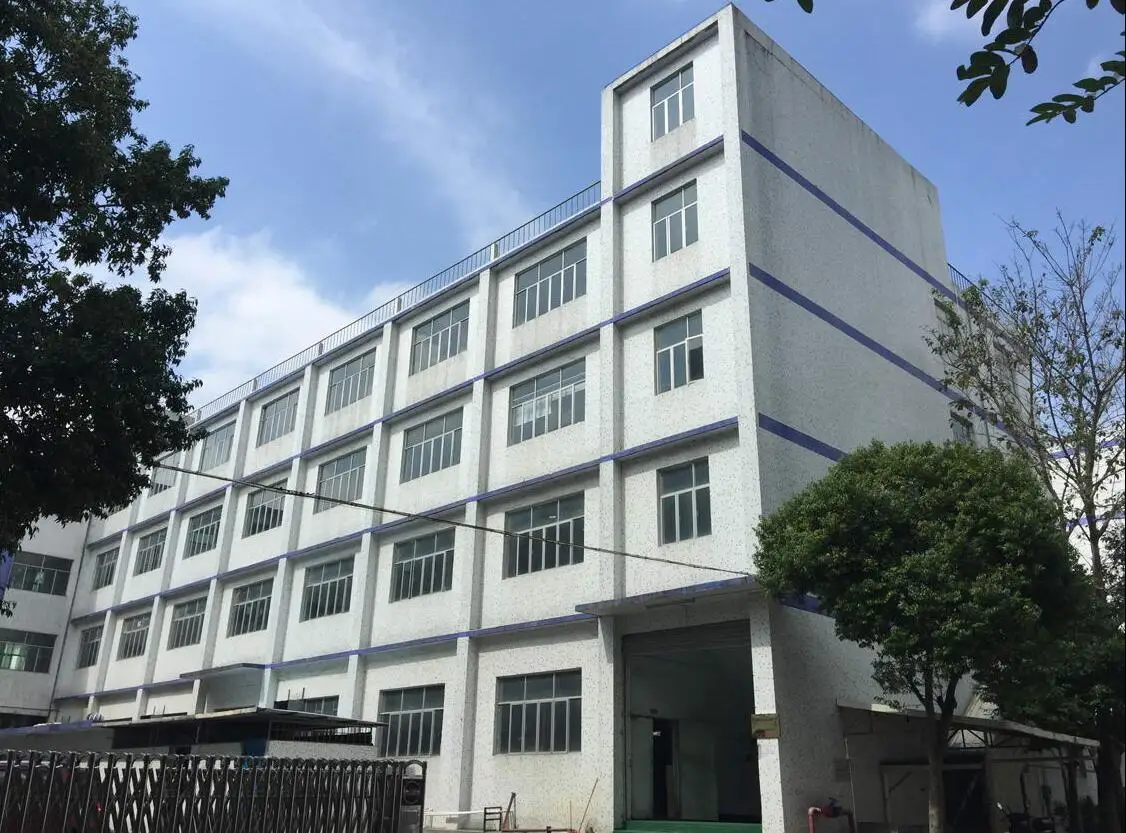
- Manufacturer, Trading Company
- Guangdong, China
- Lead time10 days
- Avg. response≤ 2h
Main productsWater Bottle,shaker bottle,sport bottle,Mug,Cup
Main marketsMid East(16.00%), Southeast Asia(16.00%), North America(16.00%), Eastern Europe(10.00%), Western Europe(10.00%), South America(10.00%), Eastern Asia(6.00%), South Asia(4.30%), Domestic Market(4.00%), Northern Europe(3.00%), Africa(2.00%), Central America(2.00%), Oceania(0.50%), Southern Europe(0.20%)
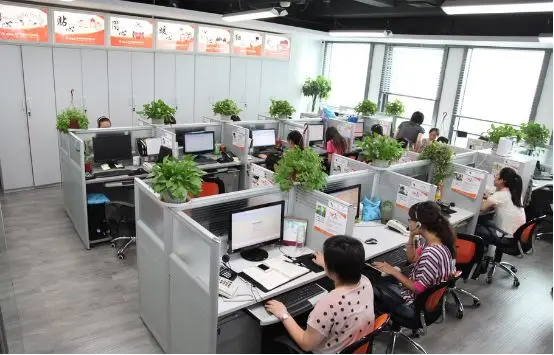
Shenyang Kaixin Technology Co., Ltd.
- Trading Company
- Liaoning, China
- Lead time30 days
- Avg. response≤ 1h
Main productsrice husk home&garden products,rice husks dinnerware Environmental protection material,kid's dinnerware&bathroom sets,OEM dinnerware&chopping board &cutting board,pet's products pet's bowl
Main marketsSoutheast Asia(20.00%), Eastern Europe(20.00%), Northern Europe(10.00%), Western Europe(10.00%), Mid East(10.00%), Africa(10.00%), South America(10.00%), North America(10.00%)
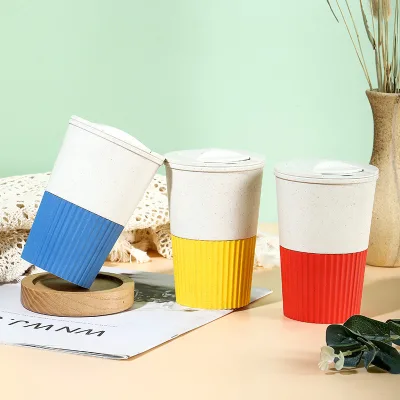
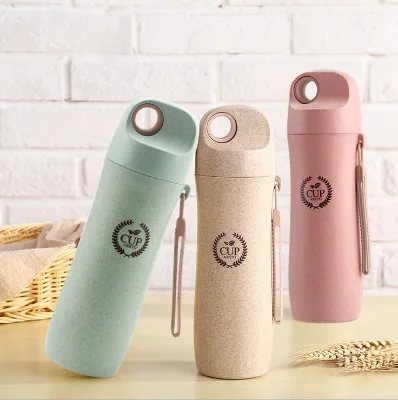
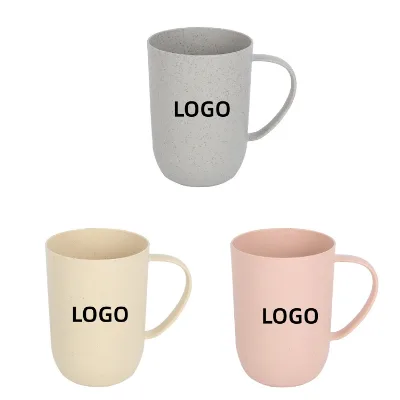
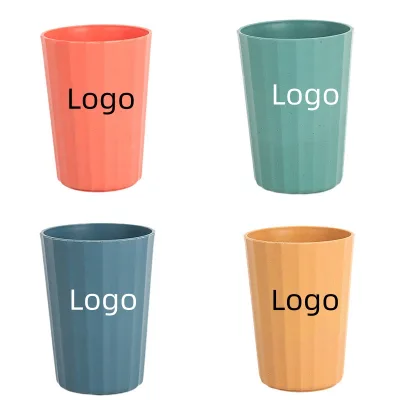
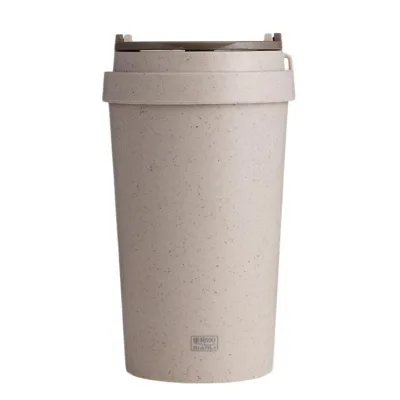
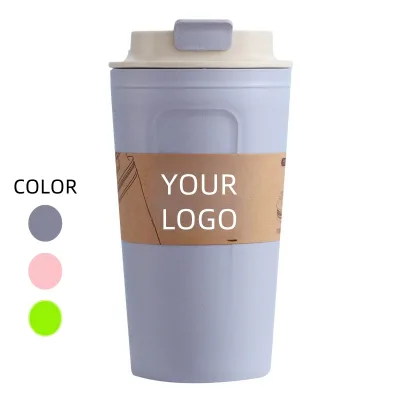
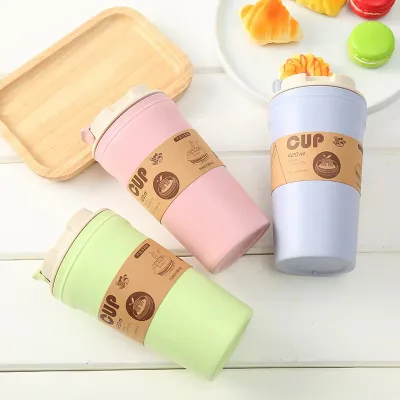
400ml Wheat Straw Water Cup Fresh and Customizable Logo Wheat Straw Water Cup
$0.55 - $0.85
MOQ: 100 pieces
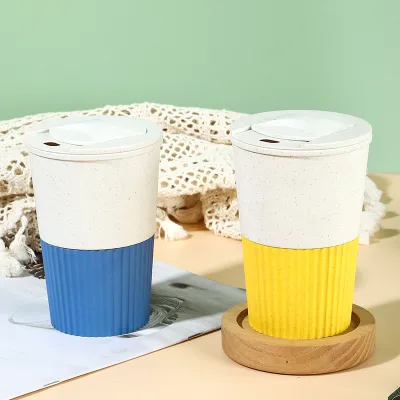
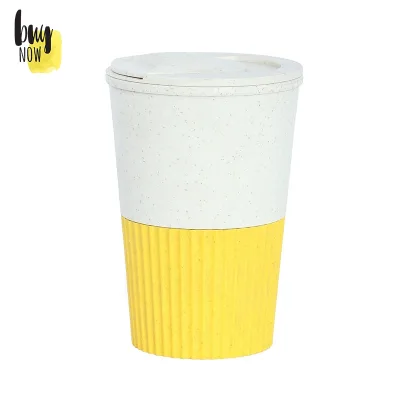
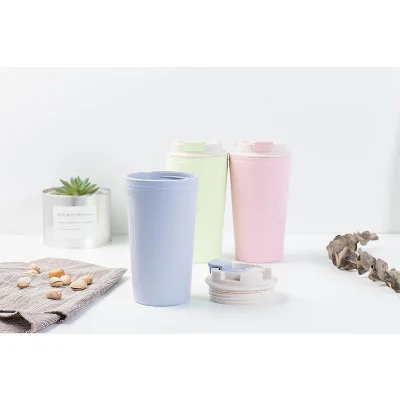
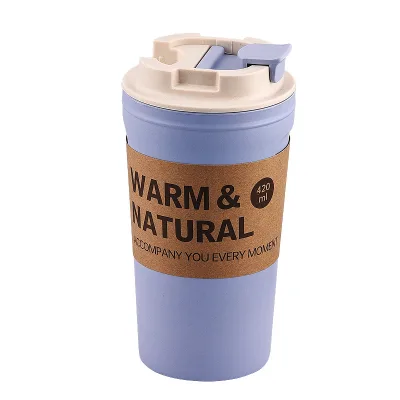
Customizable BPA-Free Biodegradable Wheat Straw Travel Coffee Mug Classic Design for Camping
$0.55 - $0.85
MOQ: 100 pieces
Ningbo Partner Leisure Products Co., Ltd.
- Trading Company
- Zhejiang, China
- Lead time0 days
- Avg. response≤ 8h
Main productspet supplies,cooker,kitchen accessories,egg incubator,storage box
Main marketsNorth America(80.00%), South America(15.00%), Eastern Europe(5.00%)
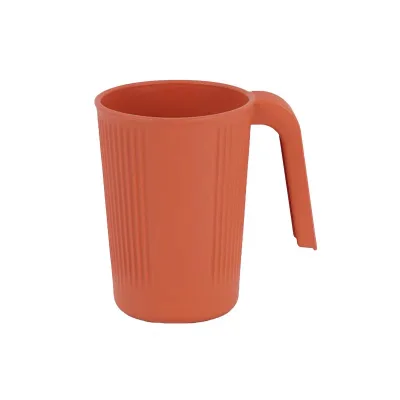
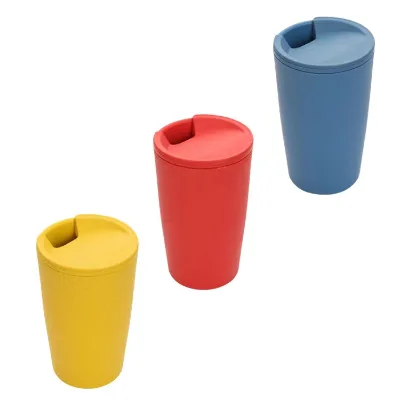
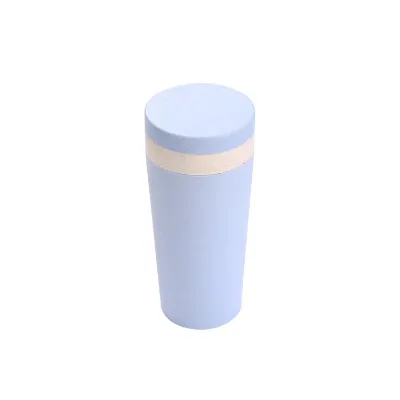
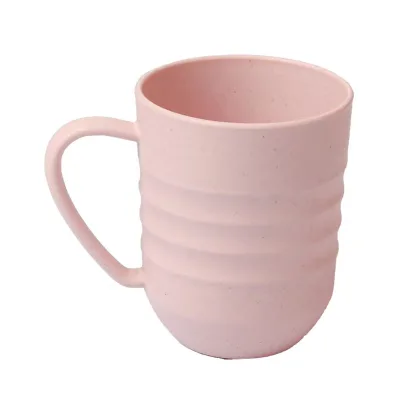
$0.50 - $1.00
MOQ: 100 pieces
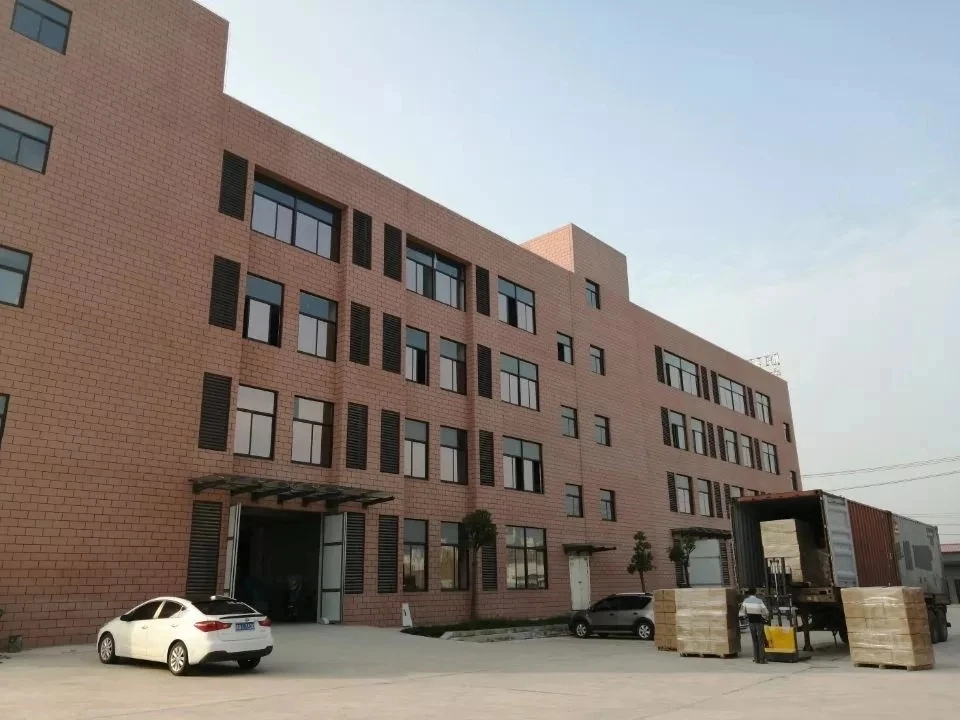
Ningbo Yicheng International Trade Co., Ltd.
- Trading Company
- Zhejiang, China
- Lead time15 days
- Avg. response≤ 2h
Main productsPlasic water bottles,Plasic cups
Main marketsSouth America(20.00%), North America(20.00%), Southern Europe(10.00%), Northern Europe(10.00%), Central America(10.00%), Western Europe(10.00%), Mid East(10.00%), Eastern Europe(10.00%)
Anhui Greensun Biotech Production Co., Ltd.
- Manufacturer
- Anhui, China
- Lead time50 days
- Avg. response≤ 24h
Main productsTableware,Pet Bowl,Flower Pot,Melamine machine,Melamine mold
Main marketsWestern Europe(20.00%), Eastern Europe(20.00%), South America(20.00%), North America(20.00%), Southern Europe(10.00%), Northern Europe(10.00%)
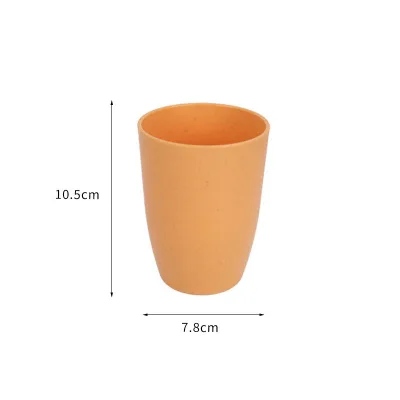
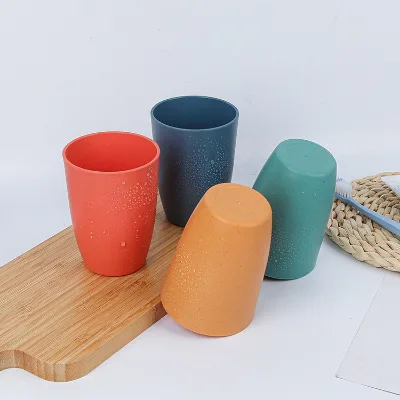
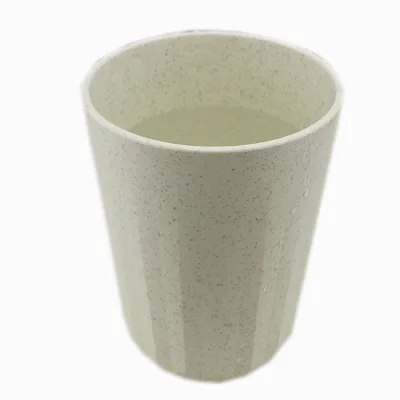
New Style Non-toxic Eco-friendly Biodegradable Wheat Straw Fiber Drinking Cup
$0.778 - $0.8289
MOQ: 2000 pieces
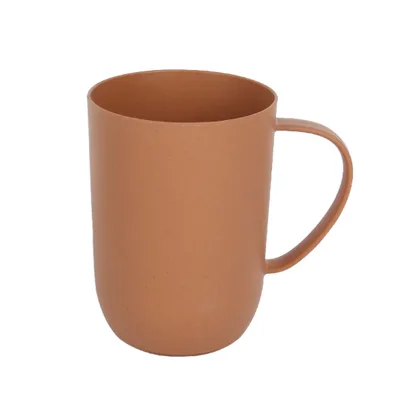
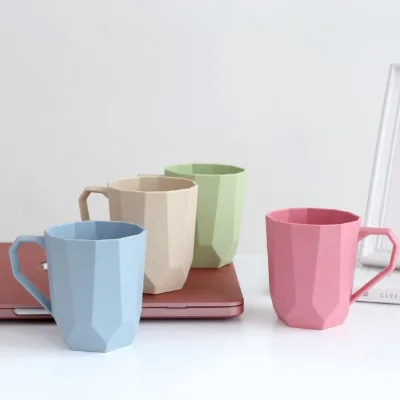
Cheap Promotion Euro Home Style Wheat Straw Fibre Plastic Cup Mug for Milk Water
$0.34 - $0.35
MOQ: 2000 sets
Jieyang Rongcheng Jiademei Hardware Products Factory
- Manufacturer, Trading Company
- Guangdong Province, China
- Lead time5 days
- Avg. response≤ 16h
Main productsStainless Steel Cup,Stainless Steel Cutlery,Stainless Steel Ice Cubes,Stainless Steel Straw,Yebra Mate Straw
Main marketsDomestic Market(42.10%), Western Europe(20.90%), Southeast Asia(19.70%), North America(13.30%), South America(1.70%), Eastern Europe(1.10%), Oceania(0.60%), Mid East(0.60%)
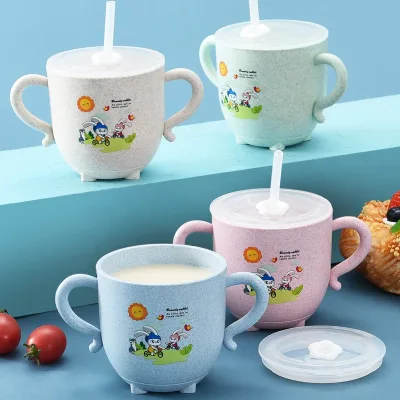
270ml Anti-flow Straw Sippy Cup Wheat Straw Cup with Handle Reusable Cups with Lids and Straws
$0.85 - $1.00
MOQ: 120 pieces
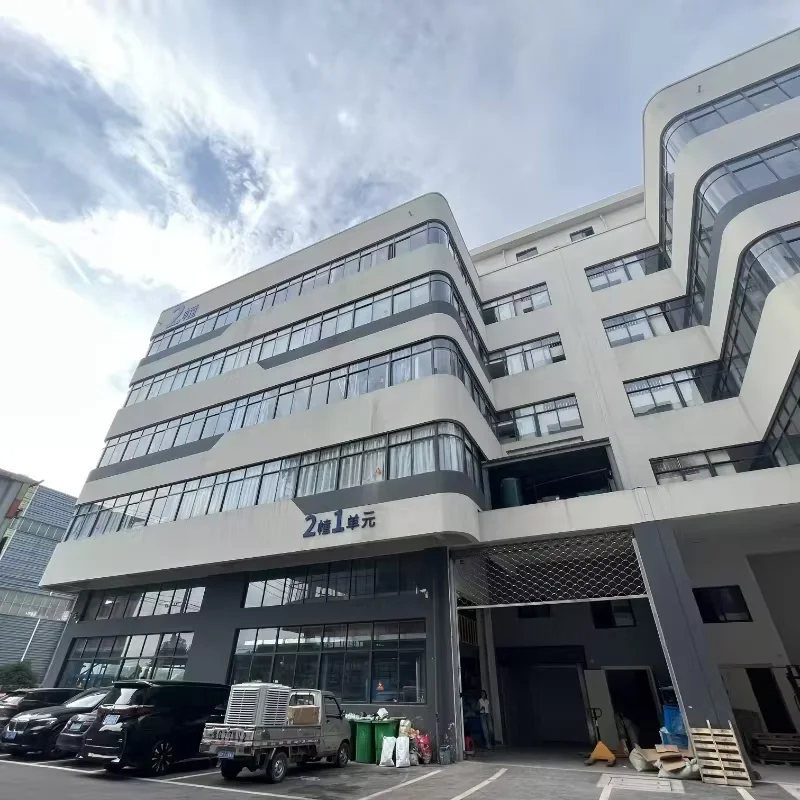
Wuyi Ronchine Industry and Trade Co., Ltd.
- Manufacturer, Trading Company
- Zhejiang, China
- Lead time28 days
- Avg. response≤ 13h
Main productsPlastic Bottle; Stainless Steel Bottle
Main marketsEastern Europe(100.00%), Central America(100.00%), Northern Europe(100.00%), Africa(100.00%), Western Europe(100.00%), North America(30.00%), South America(10.00%), Southeast Asia(10.00%), Southern Europe(10.00%), Domestic Market(10.00%), Oceania(10.00%), Mid East(10.00%), South Asia(5.00%), Eastern Asia(5.00%)
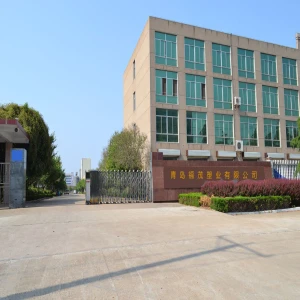
Qingdao Foremost Plastic Industry Co., Ltd.
- Manufacturer, Trading Company
- Shandong, China
- Lead time10 days
- Avg. response≤ 9h
Main productsDrinkware,Kitchenware,Home storage,Packaging printing,Customized Products
Main marketsDomestic Market(20.00%), North America(15.00%), Central America(10.00%), South America(5.00%), South Asia(5.00%), Southern Europe(5.00%), Northern Europe(5.00%), Eastern Europe(5.00%), Western Europe(5.00%), Eastern Asia(5.00%), Mid East(5.00%), Oceania(5.00%), Africa(5.00%), Southeast Asia(5.00%)
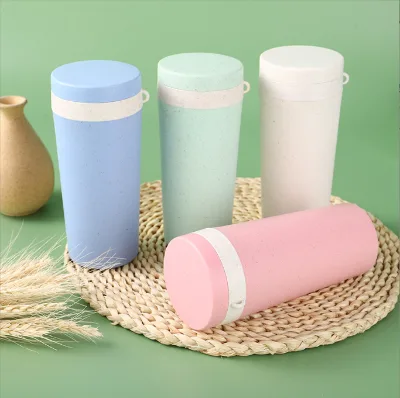
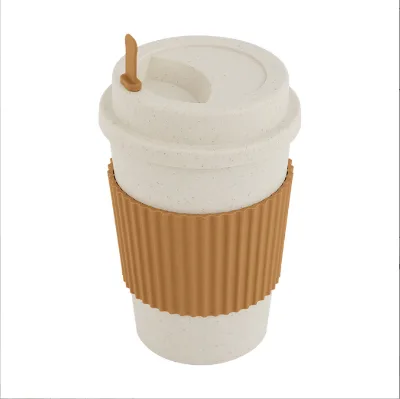
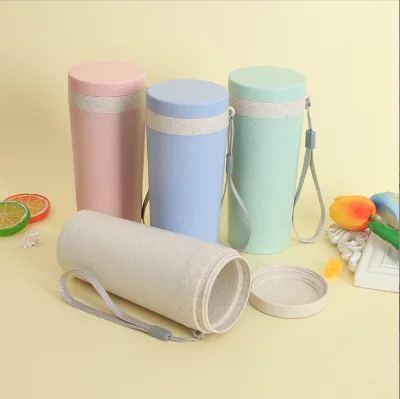
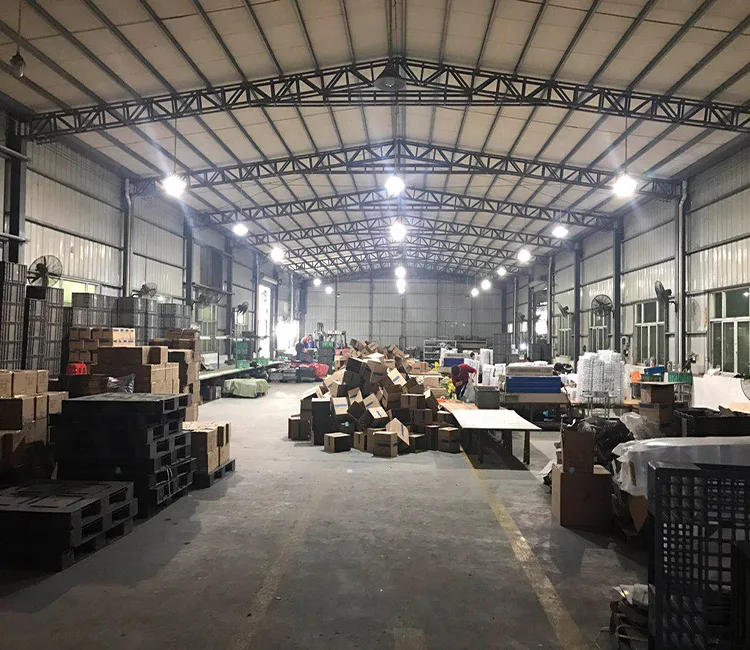
Hot Sells Customized Plastic Coffee Cup 450ml Plastic Cup Wheat Straw Cup
$0.63 - $0.68
MOQ: 100 pieces
Jieyang Yuefu Stainless Steel Products Factory
- Manufacturer, Trading Company
- Guangdong, China
- Lead time35 days
- Avg. response≤ 6h
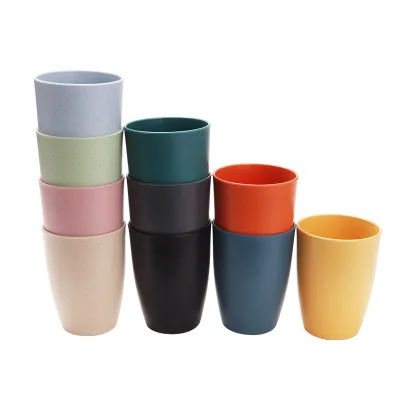
Main productsFlatware,Kitchenware,Drinking straws,Wheat straws composite tableware,Baby Tableware
Main marketsNorth America(43.00%), Domestic Market(40.00%), South America(6.00%), Eastern Asia(3.00%), Eastern Europe(2.00%), Northern Europe(2.00%), Western Europe(2.00%), Southern Europe(1.00%), South Asia(1.00%)
$0.4662 - $0.6311
MOQ: 100 pieces
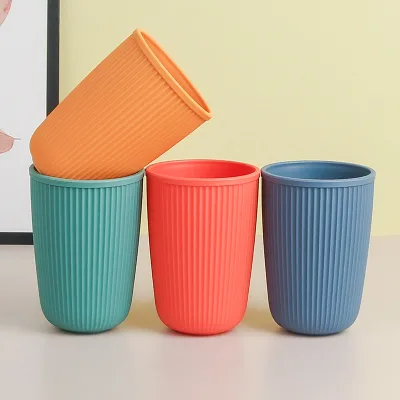
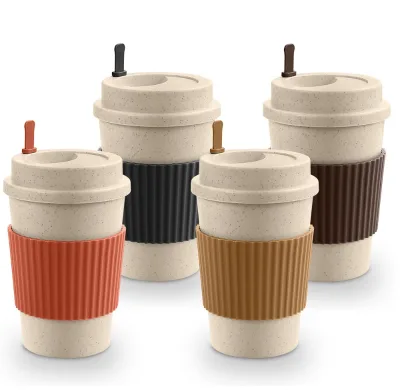
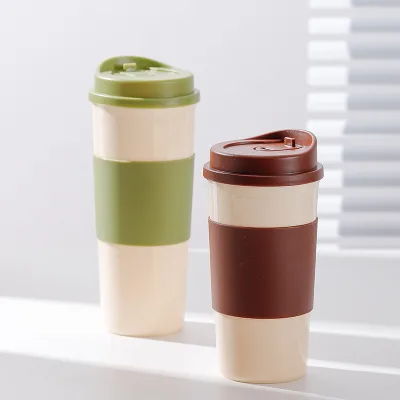
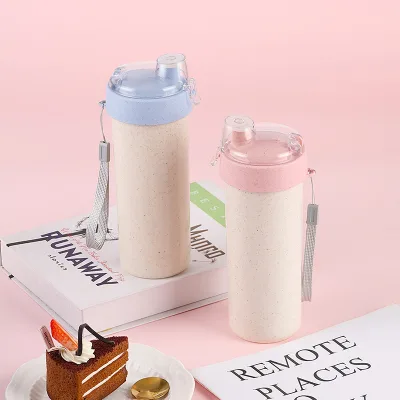
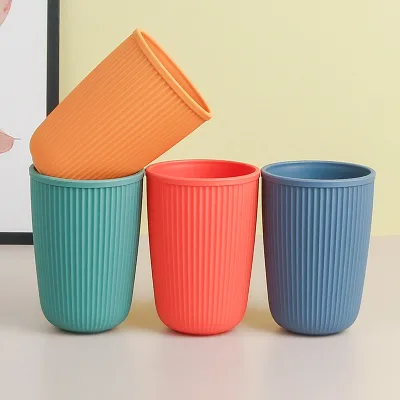
BPA Portable Plastic Coffee Cup Wheat Straw Sport Water Mug Milk Tea Cold Drink Travel Cup With Lid
$0.46 - $0.50
MOQ: 100 Minimum
Dongyang Huali E-Commerce Co., Ltd.
- Trading Company
- Zhejiang, China
- Lead time0 days
- Avg. response≤ 6h
Main productsbag,Luggage,Cases,Pet Supplies,School & Office Supplies
Main marketsNorth America(90.00%), Eastern Europe(10.00%)

Shanghai Jspeed Industry Co.Ltd
- Verified by TUVRHEINLAND
- Trading Company
- China Shanghai
- Lead time30 days
- Avg. response≤ 2h
Main productsWater Bottle, Stainless Steel Bottle, Vacuum Bottle, Thermal Mug, Vacuum Flask, Thermal Cup, Insulated Cup, Vacuum Cup
Main marketsSouth America

Anhui Taicheng Paper & Plastic Technology Co., Ltd.
- Verified by SGS
- Trading Company
- China Anhui
- Lead time30 days
- Avg. response≤ 6h
Main productsDisposable Paper Cups, Compostable Lids, Disposable Cutlery, Biodegradable Tableware, Disposable Food Box, Disposable Plate, Disposable Tableware, Kraft Paper Food Container, Sugarcane Tableware, Cornstarch Tableware
Main marketsSouth America,Africa,Southeast Asia/ Mideast,Europe,North America

Shanghai Touch Industrial Development Co., Ltd.
- Verified by TUVRHEINLAND
- Combined
- China Shanghai
- Lead time15 days
- Avg. response≤ 5h
Main productsInstant Hot Pack, Hot Cold Pack, Gel Eye Mask, Gel Ice Pack, Gel Bottle Cooler, Instant Ice Pack, Hand Warmer, Heat Pack, Cooling Scarf, Gel Beads
Main marketsSouth America,Others(foreignTradeCapacity.exportBusinessCapacityMarketOther),Southeast Asia/ Mideast,East Asia(Japan/ South Korea),Domestic,Europe,Australia,North America
- Verified by TüVRheinland
- Trading Company
- Lead time10 days
- Avg. response≤ 5h
Main productsWater Cup, Water Bottle
Main marketsWestern Europe(60%), North America(25%), Oceania(11%)

MSD (Tianjin) Glass Supply Co., Ltd.
- Verified by SGS
- Manufacturer
- China Tianjin
- Lead time30 days
- Avg. response≤ 1h
Main productsDaily-Use Glass, Laboratory Glassware, Pharmaceutical Glass Packaging, Food Glass Packaging, Cosmetic Glass Packaging
Main marketsSoutheast Asia/ Mideast,East Asia(Japan/ South Korea),North America

Shenzhen Kingline Technology Development Co., Ltd.
- Verified by BV
- Trading Company
- China Guangdong
- Lead time15 days
- Avg. response≤ 5h
Main productsShaker Bottle, Water Bottle, Sports Water Bottle, Pill Box, Stainless Steel Water Bottle, Vacuum Flask, Water Jug, Travel Water Bottle, Gym Water Bottle, Cycling Water Bottle
Main marketsSouth America,Southeast Asia/ Mideast,Europe,Australia,North America
Jieyang Rongcheng Jieshengda Stainless Steel Products Factory
- Manufacturer, Trading Company
- Guangdong, China
- Lead time0 days
- Avg. response≤ 7h
Main productsCutlery,Straws
Main marketsDomestic Market(50.00%), North America(25.00%), Western Europe(10.00%), Eastern Europe(5.00%), South Asia(1.00%), Eastern Asia(1.00%), South America(1.00%), Oceania(1.00%), Southern Europe(1.00%), Central America(1.00%), Northern Europe(1.00%), Africa(1.00%), Mid East(1.00%), Southeast Asia(1.00%)
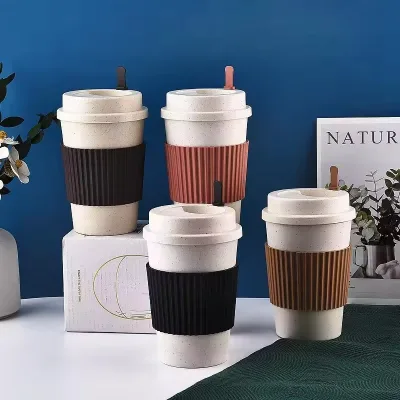
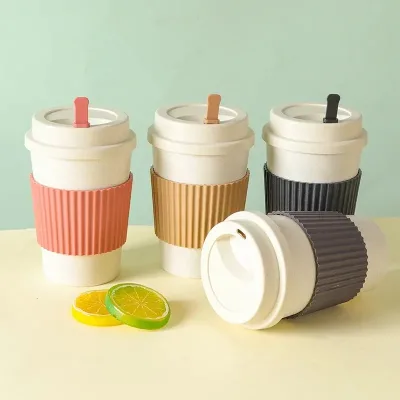
BPA Free Travel Drinking Cup With Leakproof Lids Coffee Cup 350ml Wheat Straw Coffee Mug
$0.802 - $0.9039
MOQ: 100 pieces
Ningbo Jumbo-Home Trading Co., Limited.
- Verified by Intertek
- Trading Company
- Lead time30 days
- Avg. response≤ 1h
Main productsStationary, Garden Product, Crafts, Educational Toys
Main marketsEastern Europe(65%), North America(15%), South America(10%)
Chaozhou Binsly Stainless Steel Manufactory (sole Proprietorship)
- Verified by SGS Group
- Manufacturer, Trading Company
- Lead time0 days
- Avg. response≤ 3h
Main productsStainless Steel Water Bottle, Silicone Water Bottle, Tritan Bottle, Plastic Water Bottle, Cups

- Verified by TUVRHEINLAND
- Trading Company
- China Jiangsu
- Lead time30 days
- Avg. response≤ 6h
Main productsSugarcane Bagasse Tableware, Cornstarch Tableware, Cpla Tableware, Wooden/Bamboo Cutlery, Paper Food Container, Kraft Paper Box, Plastic Dinnerware Sets, Plastic Plates/Bowls, Plastic Cutlery/Silverware, Plastic Cups/Tumblers
Main marketsSoutheast Asia/ Mideast
Hefei Ebcio Household Products Co., Ltd.
- Trading Company
- Anhui, China
- Lead time35 days
- Avg. response≤ 3h
Main productsbamboo fiber products,plastic products,silicone products,RPET products,stainless steel products
Main marketsNorth America(30.00%), South America(20.00%), Mid East(10.00%), Southeast Asia(10.00%), Eastern Europe(10.00%), Domestic Market(5.00%), Western Europe(5.00%), Eastern Asia(5.00%), Africa(5.00%)
- Verified by TüVRheinland
- Manufacturer, Trading Company
- Lead time25 days
- Avg. response≤ 3h
Main productsDrinkware, Ceramicware, Barware, Kitchenware, Glass Bottles
Main marketsNorth America(20%), South America(20%), Southeast Asia(20%)
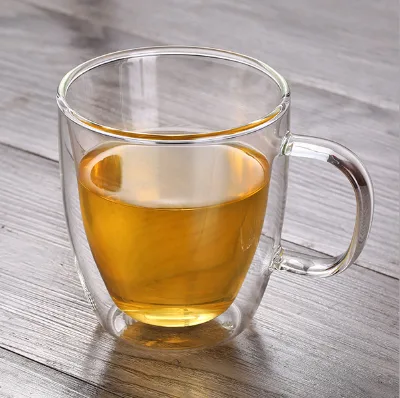
$1.73 - $2.48
MOQ: 1000 pieces
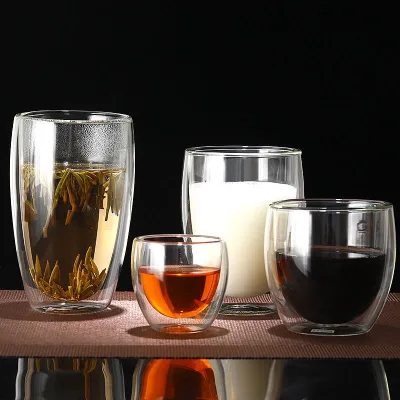

Shandong Taike Environmental Protection Technology Co., Ltd
- Verified by SGS
- Combined
- China Shandong
- Lead time15 days
- Avg. response≤ 22h
Main productsFood Containers, Toy
Main marketsDomestic

- Verified by SGS
- Combined
- China Hebei
- Lead time15 days
- Avg. response≤ 7h
Main productsPaper Cups Paper Bags, Aluminum Foil Containers
Main marketsDomestic

- Verified by SGS
- Trading Company
- China Anhui
- Lead time30 days
- Avg. response≤ 3h
Main productsPeper Cup, Plastic Cup, Paper Bowl, Biodegrable Cup, Straw, Paper Bag, Cup Carry Tray, Cup Sleeves
Main marketsSoutheast Asia/ Mideast,Europe,Australia,North America

Hubei Xinyujie Import and Export Trading Co., Ltd.
- Verified by SGS
- Combined
- China Hubei
- Lead time15 days
- Avg. response≤ 4h
Main productsSingle Wall Paper Cup, Double Wall Paper Cup, Embossed Wall Paper Cup, Ripple Wall Paper Cup, Soup Paper Cup, Ice Cream Paper Cup, Paper Bucket, Paper Bowl, PP / Pet / PLA Plastic Cup, Fruit Plastic Barrel
Main marketsDomestic

Zhejiang Daian Commodity Co., Ltd.
- Verified by TUVRHEINLAND
- Combined
- China Shanghai
- Lead time45 days
- Avg. response≤ 8h
Main productsTumbler, Water Bottle, Stainless Steel Water Bottle, Travel Mug, Coffee Mug, Stainless Steel Tumbler, Mug, Plastic Cup, Barware, Pet Bowl
Main marketsSouth America,East Asia(Japan/ South Korea),Australia,North America

Wholesale 16oz Reusable Straight Skinny Plastic Tumbler Cup with Lid Straw
$0.80 - $1.20
MOQ: 1000 pieces

Wholesale 16oz Reusable Straight Skinny Plastic Tumbler Cup with Lid Straw
$0.80 - $1.20
MOQ: 1000 pieces






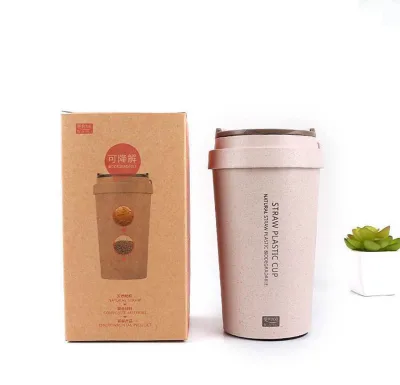


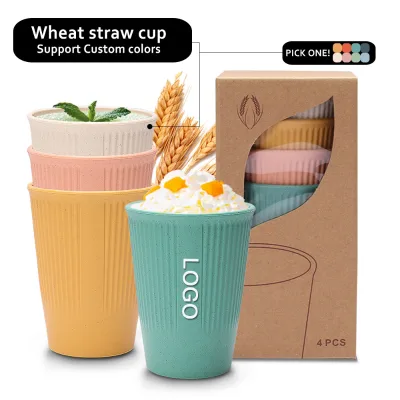
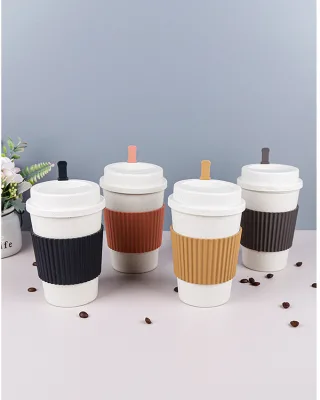


Comprehensive Sourcing Guide
Eco-Friendly Lfgb Wheat Straw Cups Supplier Concentration and Factory Types
The current supplier landscape for eco-friendly lfgb wheat straw cups reveals a distinct geographic concentration within China, specifically highlighting manufacturing hubs in Jiangsu, Zhejiang, and Anhui provinces. These regions serve as primary centers for producing drinkware accessories, including the specific wheat straw composite materials required for these products. Suppliers in Jiangsu often operate as both trading companies and manufacturers, offering a blend of direct factory capabilities and commercial trading services. This dual nature allows for flexibility in order sizes and customization options, catering to diverse buyer needs. The presence of verified entities such as those inspected by TÜV Rheinland in this region indicates a mature supply chain infrastructure capable of meeting international quality standards. Buyers should recognize that while the location is consistent, the operational model varies, with some entities focusing heavily on OEM production while others prioritize trading and logistics coordination.
In contrast, suppliers located in Zhejiang and Anhui present different structural profiles that influence sourcing strategies. Zhejiang-based suppliers are predominantly identified as trading companies, which may offer a broader range of promotional goods and plastic products beyond just drinkware. This specialization in promotional items suggests a strong capability in branding and logo application, which is critical for corporate gifting orders. Meanwhile, Anhui-based suppliers are categorized as combined entities, often possessing their own brands alongside OEM and ODM capacities. This structure implies a higher degree of in-house research and development, potentially offering more innovative designs or proprietary material blends. The diversity in company types across these regions means that buyers must carefully assess whether they require a direct manufacturer for cost efficiency or a trading company for product variety and service flexibility. Understanding these structural differences is essential for aligning supplier selection with specific business goals, whether they prioritize volume, customization, or speed to market.
How to Verify Eco-Friendly Lfgb Wheat Straw Cups Suppliers
Verification of suppliers for eco-friendly lfgb wheat straw cups requires a multi-layered approach that goes beyond basic company registration checks. Buyers should prioritize suppliers who hold recognized third-party certifications, as these provide objective evidence of manufacturing compliance and product safety. For instance, some suppliers in the current results display certifications such as QS, FDA, and LFGB, which are critical for food-contact materials. The presence of LFGB certification is particularly significant for this keyword, as it denotes strict German food safety standards that exceed many international requirements. Additionally, system certifications like ISO 9001, ISO 14001, and BSCI indicate robust management systems for quality control, environmental responsibility, and social compliance. Buyers must verify the validity of these certificates through the issuing bodies, ensuring they are current and applicable to the specific product lines being sourced. This step is crucial for mitigating legal and reputational risks associated with importing food-grade items into regulated markets.
Beyond certifications, the verification process should include assessing the supplier’s verification status and response capabilities. Suppliers verified by reputable agencies such as SGS or TÜV Rheinland offer an additional layer of trust, as these inspections involve physical audits of the factory premises and production processes. Buyers should also evaluate the supplier’s response time, which serves as an indicator of operational efficiency and communication reliability. A response time of under four hours, as seen in some Jiangsu and Anhui suppliers, suggests a responsive team capable of handling urgent inquiries and complex customization requests. Conversely, longer response times may indicate potential bottlenecks in communication or a less agile operation. It is also advisable to review the supplier’s main product list to ensure that wheat straw cups are a core competency rather than a peripheral offering. Suppliers specializing in drinkware or promotional gifts are likely to have more refined production lines and expertise in this specific niche, reducing the risk of quality inconsistencies.
What to Compare Across Eco-Friendly Lfgb Wheat Straw Cups Suppliers
When evaluating multiple suppliers, buyers must systematically compare key operational metrics to identify the most suitable partner for their specific requirements. Lead time is a critical factor, with current data showing variations such as 23 days for some manufacturers and 30 days for others. These differences can significantly impact inventory planning and time-to-market, especially for seasonal promotional campaigns. Buyers should also scrutinize the Minimum Order Quantity (MOQ) requirements, which range widely from 400 pieces to 5000 pieces depending on the supplier and product model. Lower MOQs, such as those offered by Jiangsu-based suppliers, are advantageous for testing new markets or fulfilling small-scale corporate orders, while higher MOQs may offer better unit economics for large-volume distributors. Additionally, the customization options available, including logo printing, color matching, and packaging design, should be compared to ensure alignment with brand guidelines. Some suppliers offer extensive customization with printed designs, while others may limit options to simple logo embossing.
Price and capacity are equally important dimensions for comparison, as they directly influence profitability and scalability. Unit prices for wheat straw cups vary based on material composition, capacity, and certification levels, with ranges observed from $0.30 to $1.50 per piece. Buyers should request detailed quotations that break down costs for tooling, mold fees, and shipping to avoid hidden expenses. Furthermore, the supplier’s R&D capacity, whether offering ODM, OEM, or own-brand solutions, should be assessed to determine their ability to innovate and adapt to changing market trends. Suppliers with strong ODM capabilities can provide unique design options that differentiate a brand in a crowded market. It is also essential to compare the packing specifications and standard dimensions, as these affect shipping volume and logistics costs. By creating a structured comparison matrix that includes lead time, MOQ, price, customization options, and R&D capacity, buyers can make data-driven decisions that balance cost, quality, and operational efficiency.
Common Eco-Friendly Lfgb Wheat Straw Cups Sourcing Risks
Sourcing eco-friendly lfgb wheat straw cups involves several inherent risks that buyers must proactively manage to ensure product integrity and supply chain stability. One significant risk is the variability in material quality, as wheat straw composites can differ in durability, color consistency, and food safety compliance. Without rigorous quality control measures, buyers may receive products that fail to meet specified standards, leading to customer dissatisfaction and potential regulatory issues. This risk is heightened when working with trading companies that may source from multiple factories, making it difficult to maintain consistent quality across batches. Buyers should insist on pre-shipment inspections and request samples that match the production batch to verify material properties. Additionally, the risk of non-compliance with food safety regulations is a major concern, particularly if suppliers lack valid LFGB or FDA certifications. Buyers must verify that all certifications are current and cover the specific product models being ordered, as generic certifications may not apply to all variations.
Another common risk is the potential for delays in production and shipping, which can disrupt business operations and damage customer relationships. Lead times can be affected by raw material shortages, production bottlenecks, or logistical challenges, particularly during peak seasons. Buyers should establish clear communication channels and request regular production updates to monitor progress and address issues promptly. Furthermore, the risk of intellectual property infringement is a concern when working with suppliers who offer extensive customization options. Buyers must ensure that their designs and branding are protected through proper legal agreements and that suppliers adhere to confidentiality clauses. It is also important to be aware of the risk of misleading marketing claims, as some suppliers may exaggerate the eco-friendly attributes of their products. Buyers should verify the actual composition of the wheat straw composite and request test reports to confirm biodegradability and safety claims. By identifying and mitigating these risks through due diligence and contractual safeguards, buyers can protect their interests and ensure a successful sourcing experience.
Eco-Friendly Lfgb Wheat Straw Cups Regional Sourcing and Logistics
The geographic distribution of suppliers in China, specifically in Jiangsu, Zhejiang, and Anhui provinces, offers distinct logistical advantages and challenges for international buyers. Jiangsu, located in the eastern coastal region, benefits from proximity to major ports like Shanghai and Ningbo, facilitating efficient export logistics. Suppliers in this region often have well-established relationships with freight forwarders, which can streamline the shipping process and reduce transit times. Zhejiang, also a coastal province, is another key hub for promotional goods and plastic products, offering similar logistical benefits with access to efficient port infrastructure. Buyers sourcing from these regions can expect relatively straightforward export procedures, although they must account for potential congestion during peak shipping seasons. Anhui, being an inland province, may present slightly longer transit times to coastal ports, but it offers competitive pricing and access to a different supply chain network. Understanding these regional differences allows buyers to optimize their logistics strategy based on cost, speed, and reliability requirements.
Logistics planning for eco-friendly lfgb wheat straw cups must also consider the physical characteristics of the products, such as weight and volume, which impact shipping costs. Current data indicates that packing specifications vary, with some products packed at 400 pieces per carton and others at 120 pieces per carton. These differences affect the number of containers required and the overall freight cost per unit. Buyers should work closely with their suppliers to optimize packing configurations and consolidate shipments where possible to achieve economies of scale. Additionally, the choice between sea freight and air freight will depend on the urgency of the order and the budget constraints. Sea freight is generally more cost-effective for large volumes, while air freight is suitable for urgent or smaller orders. Buyers should also consider the impact of customs regulations and import duties in their destination country, as these can affect the total landed cost. By carefully planning logistics and leveraging the strengths of different regional suppliers, buyers can ensure efficient and cost-effective delivery of their orders.
Eco-Friendly Lfgb Wheat Straw Cups Commercial Terms and Order Planning
Effective order planning for eco-friendly lfgb wheat straw cups requires a thorough understanding of commercial terms and payment structures to mitigate financial risks. Buyers should negotiate clear payment terms, such as a deposit followed by balance payment against the bill of lading, to ensure both parties are protected. It is also essential to clarify the Incoterms, such as FOB, CIF, or EXW, as these determine the responsibilities and costs associated with shipping and insurance. Suppliers may offer different pricing tiers based on order volume, so buyers should plan their orders to maximize cost efficiency while maintaining adequate inventory levels. Additionally, buyers should establish a clear timeline for order placement, production, and delivery to align with their sales cycles and marketing campaigns. This includes setting realistic expectations for lead times and allowing for buffer periods to handle potential delays. By developing a comprehensive order plan that accounts for commercial terms, logistics, and production schedules, buyers can ensure a smooth and predictable sourcing process.
Quality assurance and after-sales support are critical components of commercial terms that buyers must address to protect their investment. Buyers should specify detailed quality standards in the purchase agreement, including acceptable defect rates and procedures for handling non-conforming products. It is also advisable to include clauses for warranty coverage and return policies to address any issues that may arise after delivery. Suppliers with strong R&D capabilities may offer additional support in product development and customization, which can be valuable for long-term partnerships. Buyers should also consider the supplier’s responsiveness to inquiries and complaints, as this impacts the overall customer experience. By establishing clear commercial terms and fostering a collaborative relationship with suppliers, buyers can build a resilient supply chain that supports their business growth. Regular communication and performance reviews can help identify areas for improvement and strengthen the partnership over time, ensuring continued success in the competitive market for eco-friendly drinkware.
FAQs
What certifications do wheat straw cups have?
Suppliers offer cups with LFGB, QS, and FDA certifications. These marks confirm the materials meet specific food safety standards. Buyers should verify the exact certificate type for their target market to ensure full regulatory compliance and product safety.
What is the typical lead time for orders?
Manufacturers generally require 23 to 30 days to produce and ship orders. This timeframe allows for material preparation and quality control. Buyers should confirm the exact schedule with their chosen supplier to align with their inventory needs.
What are the minimum order quantities?
MOQs typically range from 400 to 5000 pieces depending on the product style. Simple designs may have lower thresholds, while complex customizations require higher volumes. Buyers should check specific product pages for the exact minimum quantity required.
Where are these suppliers located?
Suppliers are primarily located in China, specifically in Jiangsu, Zhejiang, and Anhui provinces. These regions are known for strong manufacturing capabilities in plastic and eco-friendly goods. Buyers can filter results by these locations to find nearby partners.
What is the price range for these cups?
Prices generally range from $0.30 to $1.50 per unit. The cost varies based on capacity, customization options, and certification requirements. Buyers should request detailed quotes to understand the final pricing for their specific order volume and specifications.
Can I customize the cups with my logo?
Yes, most suppliers offer customization services including logo printing. Options include printed designs, colored finishes, and custom packaging. Buyers should discuss their branding requirements with the supplier to ensure the final product meets their marketing goals.