Vacuum Insulated Sports Water Bottle with Lid Suppliers and Manufacturers
Compare 25 verified suppliers offering Vacuum Insulated Sports Water Bottle with Lid options from China. Review response times, lead times, certifications like ISO9001 and FDA, and pricing ranges before requesting quotes; review the available evidence before requesting comparable quotations from suitable candidates.
Updated
Suppliers List

Zhejiang Daian Commodity Co., Ltd.
- Verified by TUVRHEINLAND
- Combined
- China Shanghai
- Lead time45 days
- Avg. response≤ 8h
Main productsTumbler, Water Bottle, Stainless Steel Water Bottle, Travel Mug, Coffee Mug, Stainless Steel Tumbler, Mug, Plastic Cup, Barware, Pet Bowl
Main marketsSouth America,East Asia(Japan/ South Korea),Australia,North America


$2.15 - $3.40
MOQ: 300 pieces

32oz Leak Proof Vacuum Insulated Stainless Steel Sports Water Bottle with Straw Lid for Gym Travel
$5.00 - $5.20
MOQ: 1000 pieces

2oz Leak Proof Vacuum Insulated 18/8 Sports Water Bottle with Straw Lid for Gym Travel
$5.00 - $5.20
MOQ: 1000 pieces

Custom Logo Drink Sports Double Wall Stainless Steel Insulated Vacuum Water Bottle with Straw Lid
$2.89 - $3.16
MOQ: 1000 Pieces
Everich Commerce Group Limited
- Manufacturer, Trading Company
- Lead time旺季: "1 - 2":40,"3 - 1000":50,"1001 - 3000":60,"> 3000":"To be negotiated", 淡季: "1 - 2":40,"3 - 1000":50,"1001 - 3000":60,"> 3000":"To be negotiated"
- Avg. response≤ 4h
Main productsWater Bottle, Tumbler & Mug, Lunch Box & Food Storage, Cooler Box and Bag, Drinkware Accessories
- Trading Company
- Jiangsu Province, China
- Lead time0 days
- Avg. response≤ 8h
Main productswooden jigsaw puzzles,wooden balance board,wooden toys,wooden coatrack,wooden stools
Main marketsNorth America(30.00%), Western Europe(20.00%), South America(10.00%), Eastern Asia(10.00%), Northern Europe(10.00%), South Asia(5.00%), Southern Europe(5.00%), Mid East(5.00%), Central America(5.00%)
Hangzhou All Yeah Import And Export Co., Ltd
- Verified by Intertek
- Trading Company
- Lead time20 days
- Avg. response≤ 3h
Main productsWater Bottle, Shopping Bag, Cosmetic Bag, Stainless Steel Tumbler, Tote Bag
Main marketsNorth America(65%), Southeast Asia(15%), Eastern Europe(10%)
Everich Commerce Group Limited
- Manufacturer, Trading Company
- Lead time旺季: "1 - 10000":45,"> 10000":"To be negotiated", 淡季: "1 - 10000":45,"> 10000":"To be negotiated"
- Avg. response≤ 4h
Main productsWater Bottle, Tumbler & Mug, Lunch Box & Food Storage, Cooler, Milk Frother
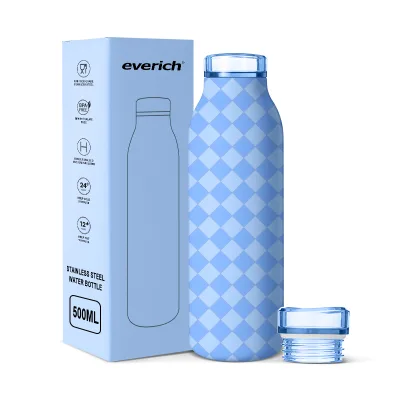
$3.00 - $3.55
MOQ: 1000 pieces
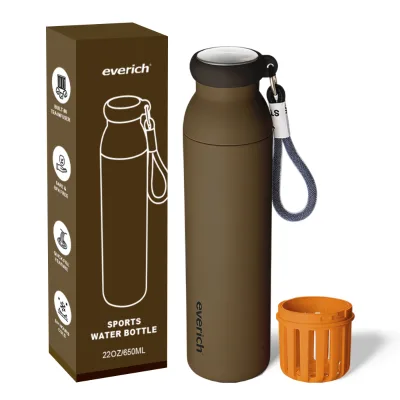
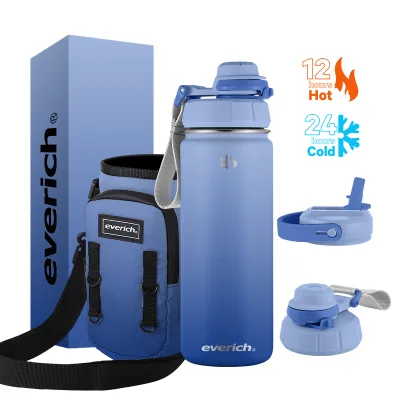
$3.00 - $3.85
MOQ: 1000 units
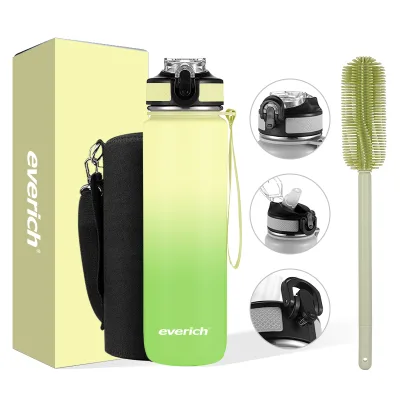
$3.0909 - $3.6576
MOQ: 1000 pieces
- Trading Company
- Zhejiang, China
- Lead time30 days
- Avg. response≤ 1h
Main productswater bottle,vacuum flask,tumbler,Dirt bike,E-scooter
Main marketsNorth America(60.00%), Mid East(10.00%), Africa(10.00%), Eastern Europe(10.00%), South America(10.00%)
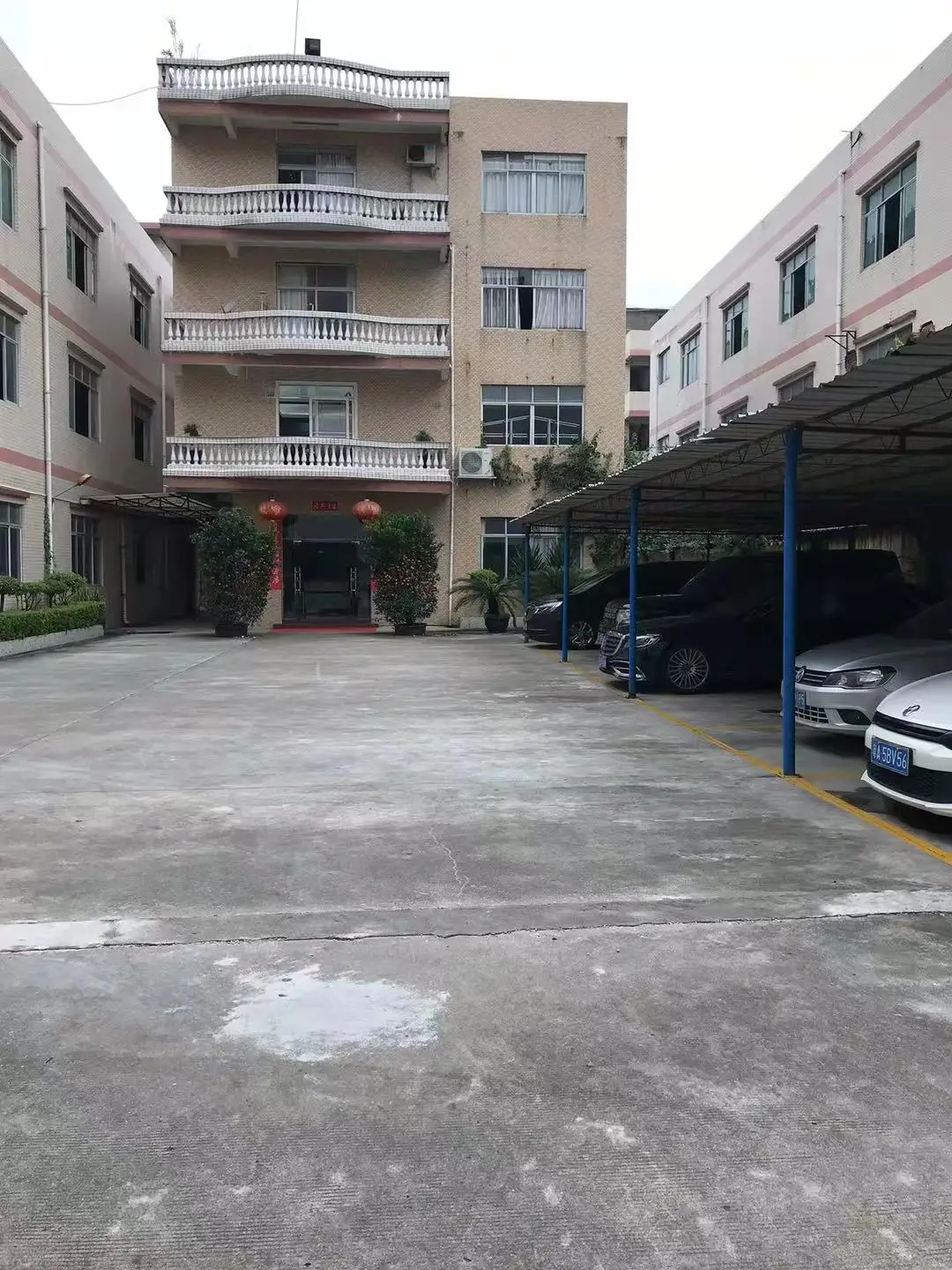
Guangzhou Anson Commercial Economic Developing Co., Ltd.
- Manufacturer, Buying Office, Agent
- Guangdong, China
- Lead time30 days
- Avg. response≤ 2h
Main productsbaseball cap,sport cap,trucker hat,dad hat,straw hat
Main marketsEastern Europe(27.00%), North America(20.00%), South America(20.00%), Northern Europe(10.00%), Western Europe(5.00%), Southern Europe(5.00%), Domestic Market(3.00%), Mid East(2.00%), Oceania(2.00%), Southeast Asia(2.00%), Central America(1.00%), South Asia(1.00%), Africa(1.00%), Eastern Asia(1.00%)

Suzhou Flagbank Display Co., Ltd.
- Combined
- China Jiangsu
- Lead time15 days
- Avg. response≤ 9h
Main productsBeach Flag, Flag & Banner, Tent, Tension Fabric Display, 3X5FT Flag, Promotion Counter, Snap Frame, Swooper Flag, Pop up Wall, Pop up Banner
Main marketsSouth America,Africa,Southeast Asia/ Mideast,Domestic,Europe,Australia,North America


Outdoor Sports Magnetic Water Bottle Vacuum Insulated Stainless Steel Water Bottle
$2.58 - $4.18
MOQ: 500 Pieces

Water Bottle Stainless Steel Reusable Vacuum Insulated Wide Mouth Sports Bottle
$2.15 - $3.79
MOQ: 300 Pieces
Yiwu Huanxing Import & Export Co., Ltd.
- Trading Company
- Zhejiang, China
- Lead time10 days
- Avg. response≤ 2h
Main productsPet Grooming & Bathing Tool,Pet Feeder & Bowl,Pet Collar & Leash,Pet Mat & Pad,Pet Training Product
Main marketsNorth America(30.00%), Northern Europe(20.00%), Western Europe(20.00%), Southern Europe(10.00%), Mid East(10.00%), Eastern Europe(10.00%)
Guangzhou Haha Housewares Manufacturing Co., Ltd.
- Trading Company
- Guangdong, China
- Lead time30 days
- Avg. response≤ 5h
Main productsTumbler,Water Bottle,Mug,Can Cooler
Main marketsNorth America(85.00%), Northern Europe(3.00%), South America(2.00%), South Asia(1.00%), Southern Europe(1.00%), Eastern Europe(1.00%), Central America(1.00%), Western Europe(1.00%), Eastern Asia(1.00%), Mid East(1.00%), Oceania(1.00%), Africa(1.00%), Southeast Asia(1.00%)

Zhejiang Yunuo Industrial Co., Ltd.
- Verified by SGS
- Combined
- China Zhejiang
- Lead time30 days
- Avg. response≤ 25h
Main productsInsulated Container, Tumbler, Hydration, Food Container, Air Pressure Pot, Kettle
Main marketsSoutheast Asia/ Mideast,East Asia(Japan/ South Korea),Europe,Australia,North America

Changsha Sunflower B&T Co., Ltd.
- Verified by TUVRHEINLAND
- Manufacturer/Factory
- China Hunan
- Lead time0 days
- Avg. response≤ 5h
Main productsWater Bottle, Sponge, Tumblers, Plastic Water Bottle, Stainless Steel Water Bottle, Mugs, Mat, Make up Sponge, Backpack, Drinlwares
Main marketsSouth America,Eastern Europe,Mid East,North America,Southeast Asia,Eastern Asia,Oceania,Western Europe,Africa

24oz Double Walled Vacuum Insulated Water Bottle with Silicone Sleeve for Sports
$4.59 - $4.99
MOQ: 100 Pieces

Outdoor Sports Magnetic Water Bottle Vacuum Insulated Stainless Steel Water Bottle
$2.93 - $3.39
MOQ: 100 Pieces

Stainless Steel Water Bottle with Straw Double Wall Insulated Water Bottle
$3.54 - $4.15
MOQ: 100 Pieces

Custom Sports Water Bottle Creative Vacuum Insulated Water Cups Milk Bottles
$2.79 - $3.19
MOQ: 100 Pieces
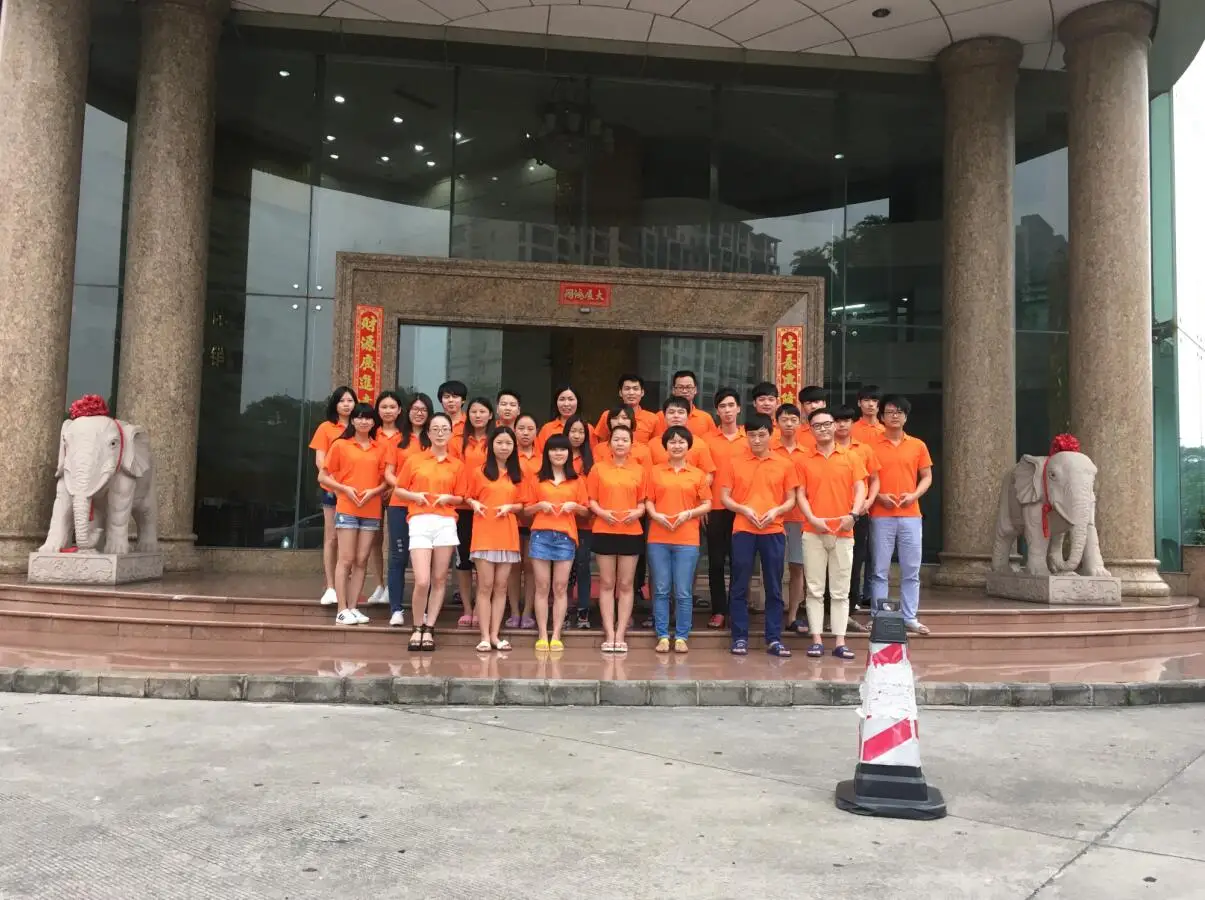
YIWU STAR PEAK COMMODITY CO.,LTD.
- Manufacturer, Trading Company
- Zhejiang, China
- Lead time20 days
- Avg. response≤ 7h
Main productsgift plastic spoon,gift tape measure keychains,gift water bottle,promotional gift,promotional gifts
Main marketsNorth America(18.00%), Eastern Europe(12.00%), Southern Europe(7.69%), Mid East(7.69%), Northern Europe(7.69%), Central America(7.69%), Western Europe(7.69%), South America(7.69%), Eastern Asia(5.00%), Oceania(5.00%), South Asia(5.00%), Southeast Asia(5.00%), Africa(3.86%)

Shanghai Touch Industrial Development Co., Ltd.
- Verified by TUVRHEINLAND
- Combined
- China Shanghai
- Lead time15 days
- Avg. response≤ 5h
Main productsInstant Hot Pack, Hot Cold Pack, Gel Eye Mask, Gel Ice Pack, Gel Bottle Cooler, Instant Ice Pack, Hand Warmer, Heat Pack, Cooling Scarf, Gel Beads
Main marketsSouth America,Others(foreignTradeCapacity.exportBusinessCapacityMarketOther),Southeast Asia/ Mideast,East Asia(Japan/ South Korea),Domestic,Europe,Australia,North America


Wide Open Stainless Steel Sports Water Bottle Double Insulated Water Bottles
$3.50 - $4.00
MOQ: 1000 Pieces


- Verified by TUVRHEINLAND
- Trading Company
- China Beijing
- Lead time30 days
- Avg. response≤ 11h
Main productsWater Bottle, Tumbler, Vacuum Flask, Lunch Box/Food Jar, Travel Mug, Water Jug/Pot, Stainless Steel Cup, Thermo
Main marketsEurope


Hot & Cold 12oz Sport Water Bottle Vacuum Insulated Stainless Steel Sport Water Bottle
$2.93 - $4.46
MOQ: 100 Pieces

Custom Logo Portable Thermo Insulated Stainless Steel Sports Water Bottle
$2.60 - $4.20
MOQ: 1000 Pieces
Atrih Ningbo Import & Export Co., Ltd.
- Verified by SGS Group
- Trading Company
- Lead time30 days
- Avg. response≤ 2h
Main productsGifts & Promotion, Home and Garden Products, Personal Care and Household Cleaning Products, Package Printing Products
Main marketsNorth America(40%), South America(30%), Eastern Europe(5%)

Yongkang Dream Metal Products Co., Ltd.
- Trading Company
- Zhejiang, China
- Lead time35 days
- Avg. response≤ 18h
Main productsVacuum flask,Stainless steel water bottle,Travel mug,Sport bottle,Stainless steel tumbler
Main marketsNorth America(35.00%), Domestic Market(20.00%), Southeast Asia(10.00%), Africa(10.00%), Northern Europe(5.00%), Eastern Europe(5.00%), Western Europe(5.00%), Mid East(5.00%), South America(5.00%)

- Verified by BV
- Manufacturer/Factory
- China Beijing
- Lead time23 days
- Avg. response≤ 20h
Main productsPromotion Gifts, Corporate Gift, Gift Bag, Luggage, Tumbler, Promotional Bags, Tote Bag, Travel Bag, Shopping Cart, Umbrella
Main marketsSouth America,Eastern Europe,Mid East,North America,Southeast Asia,Eastern Asia,Oceania,Western Europe,Africa

Double Wall Stainless Steel Vacuum Insulated Thermal Gym Sports Water Bottle
$1.90 - $2.15
MOQ: 1000 Pieces

Custom Logo 32oz Double Wall Stainless Steel Vacuum Insulated Sports Water Bottle
$1.90 - $2.15
MOQ: 1000 Pieces

Custom Logo New Design Stainless Steel Water Bottle Vacuum Insulated Sport Water Bottle
$2.90 - $3.20
MOQ: 5000 Pieces
Hangzhou Lionprint Houseware Co., Ltd.
- Verified by Intertek
- Trading Company
- Lead time15 days
- Avg. response≤ 5h
Main productsTumbler, Clothes, Holiday Gift, Kids Clothes&Toys
Main marketsNorth America(80%), Oceania(10%), Eastern Europe(10%)

Dongguan Oumeng Houseware Products Co., Ltd.
- Manufacturer/Factory
- China Guangdong
- Lead time23 days
- Avg. response≤ 2h
Main productsBento Lunch Box, Kids Tableware Set, Water Bottle, Lunch Bag, Storage Box, Malamin Product, Food Jar, Pick Spoon, Bento
Main marketsSouth America,Eastern Europe,Mid East,North America,Southeast Asia,Eastern Asia,Oceania,Western Europe,Africa
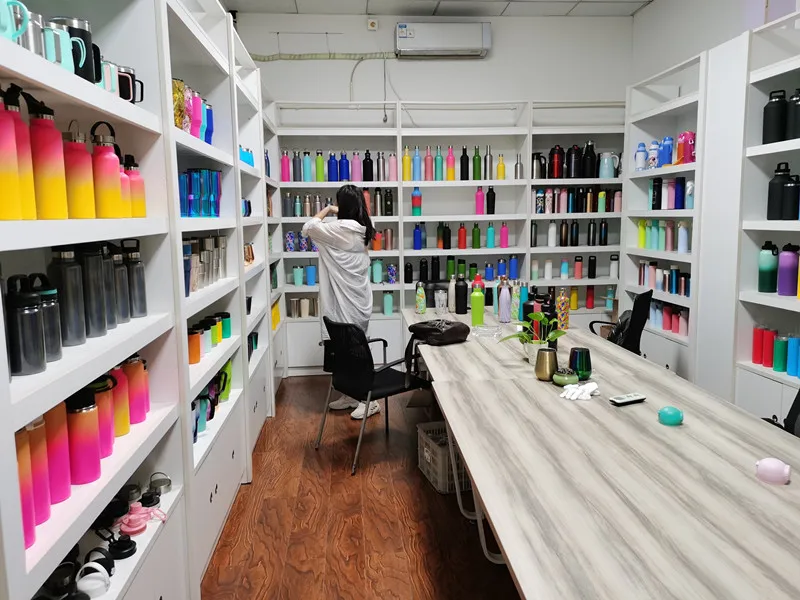
- Manufacturer, Trading Company, Distributor/Wholesaler
- Fujian, China
- Lead time30 days
- Avg. response≤ 2h
Main productscoffee product,coffee mug,coffee cup,coffee maker,nespresso
Main marketsEastern Europe(20.00%), Northern Europe(18.00%), Southern Europe(13.00%), Western Europe(12.00%), Mid East(11.00%), North America(10.00%), South America(5.00%), Africa(3.00%), Eastern Asia(2.00%), South Asia(2.00%), Domestic Market(1.00%), Central America(1.00%), Southeast Asia(1.00%), Oceania(1.00%)
Zibo Ciyu Light Industry Co., Ltd.
- Verified by TüVRheinland
- Trading Company
- Lead time20 days
- Avg. response≤ 4h
Main productsCeramic Plate, Mug, Glass Cup, Ceramic Dinnerware Set, Glass Jar
Main marketsNorth America(76%), Eastern Europe(5%), Oceania(3%)

Shenzhen Kingline Technology Development Co., Ltd.
- Verified by BV
- Trading Company
- China Guangdong
- Lead time15 days
- Avg. response≤ 5h
Main productsShaker Bottle, Water Bottle, Sports Water Bottle, Pill Box, Stainless Steel Water Bottle, Vacuum Flask, Water Jug, Travel Water Bottle, Gym Water Bottle, Cycling Water Bottle
Main marketsSouth America,Southeast Asia/ Mideast,Europe,Australia,North America
FAYREN INT'L GROUP (CHINA) CO., LIMITED
- Manufacturer, Trading Company
- Hong Kong S.A.R.
- Lead time30 days
- Avg. response≤ 3h
Main productsVacuum Flask,Water Bottle,Thermos Mug,Travel Mug,silicone bottle
Main marketsEastern Europe(27.00%), Southeast Asia(20.00%), North America(20.00%), South America(20.00%), Northern Europe(2.00%), Central America(2.00%), Western Europe(2.00%), Domestic Market(1.00%), South Asia(1.00%), Southern Europe(1.00%), Mid East(1.00%), Oceania(1.00%), Africa(1.00%), Eastern Asia(1.00%)

Yongkang Vision Industry & Trade Co., Ltd
- Verified by SGS
- Trading Company,Manufacturer/Factory
- China Zhejiang
- Lead time23 days
- Avg. response≤ 10h
Main productsStainless Steel Tumbler, Stainless Steel Water Bottle, Stainless Steel Mug, Stainless Steel Coffee Mug, Stainless Steel Can Cooler, Stainless Steel Water Flask, Stainless Steel Vacuum Water Bottle, Stainless Steel Tumbler with Handle, Stainless Steel Thermos, Double Wall Vacuum Stainless Steel Travel Mug
Main marketsSouth America,Eastern Europe,Mid East,North America,Southeast Asia,Eastern Asia,Oceania,Western Europe,Africa
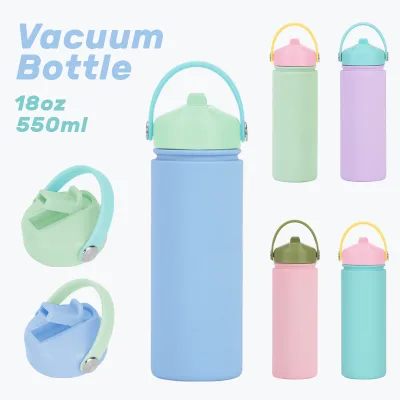
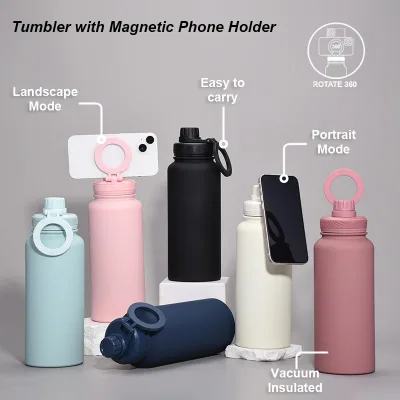
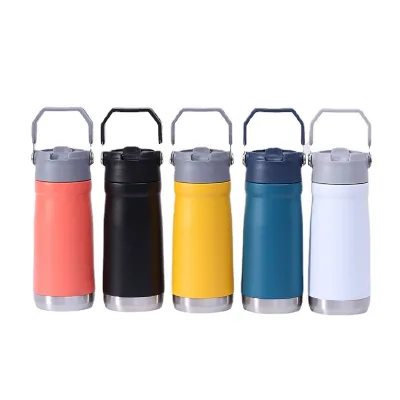
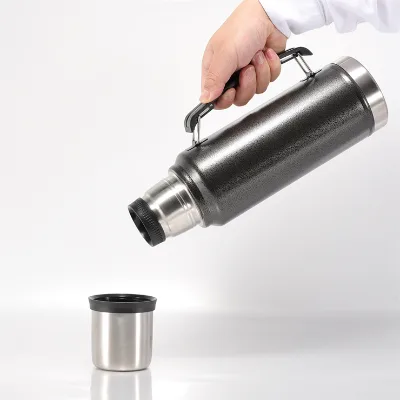
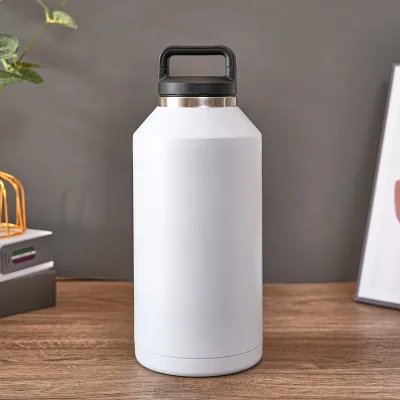


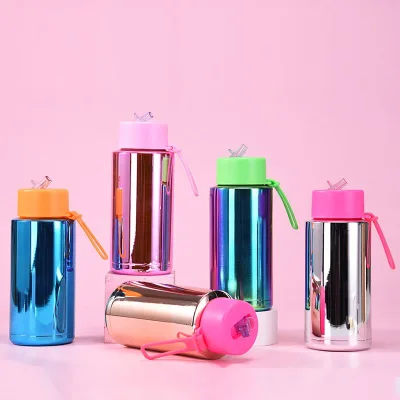
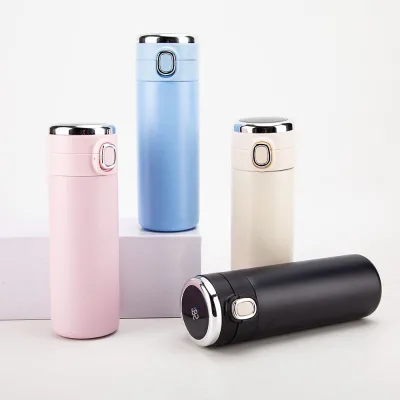
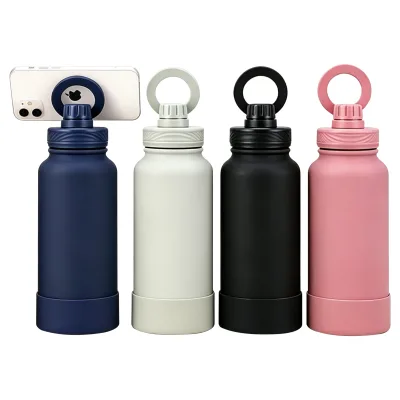






Comprehensive Sourcing Guide
Vacuum Insulated Sports Water Bottle with Lid Supplier Concentration and Factory Types
The current supplier landscape for vacuum insulated sports water bottles with lids reveals a distinct concentration of manufacturing and trading entities located in China, specifically within the Shanghai region. This geographic clustering suggests a mature industrial ecosystem where supply chain efficiencies are optimized for export-oriented production. Buyers evaluating these suppliers will find that the majority of results indicate a combined company type, meaning the entities listed often operate as both manufacturers and trading companies. This dual role can offer significant advantages, such as direct access to production lines for quality control while maintaining the flexibility of a trading arm for logistics and customer service. The presence of Shanghai-based suppliers indicates that buyers can expect a high density of experienced vendors who are accustomed to international trade regulations and shipping protocols. Understanding this concentration helps buyers narrow their search to regions with established infrastructure for stainless steel processing and vacuum sealing technologies. It also implies that communication barriers may be lower due to the prevalence of English-speaking sales teams in these major commercial hubs.
In addition to the Shanghai cluster, product origin data points to Zhejiang, China, as another key manufacturing base for these specific items. This regional distinction is crucial for buyers who need to verify the actual factory location versus the registered business address. The main products listed across these suppliers consistently include tumblers, water bottles, travel mugs, and related drinkware accessories, indicating a specialized focus rather than a generalist approach. This specialization often correlates with higher technical proficiency in areas like double-wall vacuum insulation and leak-proof lid mechanisms. The fact that suppliers list both manufacturer and trading company types suggests that buyers should inquire about the specific entity handling their order. Some suppliers may outsource certain components, such as the straw lids or anti-corrosion coatings, to specialized sub-suppliers within the same region. Recognizing this dynamic allows buyers to assess whether they are dealing with a primary factory or a middleman, which directly impacts pricing structures and lead time reliability. The concentration of these specific product types in these regions provides a reliable baseline for sourcing high-volume orders with consistent quality standards.
How to Verify Vacuum Insulated Sports Water Bottle with Lid Suppliers
Verification is a critical step when sourcing vacuum insulated sports water bottles with lids, as the market contains a mix of genuine factories and trading companies. Buyers should prioritize suppliers who display third-party verification badges, such as those from TÜV Rheinland, which indicate that an independent agency has audited the company’s business license and operational capabilities. This verification provides a layer of trust that goes beyond self-reported claims, ensuring that the supplier exists and operates within legal frameworks. Additionally, checking for system certifications like ISO9001:2015 and ISO14001:2015 is essential for assessing the supplier’s commitment to quality management and environmental standards. These certifications are not merely decorative; they reflect structured processes for production consistency and waste management, which are vital for large-scale manufacturing orders. Buyers should request copies of these certificates and verify their validity through the issuing bodies to avoid fraudulent documentation. The presence of these certifications often correlates with a supplier’s ability to handle complex orders and maintain consistent product quality over time.
Beyond certifications, buyers must verify product-specific compliance through detailed product attributes and factory audit reports. Many suppliers list certifications such as FDA, LFGB, CE/EU, and BSCI, which are critical for selling in regulated markets like the United States and Europe. Buyers should cross-reference these claims with the actual product specifications, such as material composition (e.g., 18/8 stainless steel) and insulation performance metrics. Factory audits, such as those conducted by BV, provide insights into the supplier’s production capacity, labor practices, and quality control procedures. It is important to note that some suppliers may list multiple certifications for different product lines, so buyers must ensure the specific model they are ordering meets the required standards. Response time is another key verification metric; suppliers with faster response times, such as those averaging under five hours, often indicate more responsive customer service teams. Buyers should test communication channels before placing large orders to gauge the supplier’s reliability and professionalism. This due diligence helps mitigate risks associated with non-compliant products or unresponsive vendors.
What to Compare Across Vacuum Insulated Sports Water Bottle with Lid Suppliers
When comparing suppliers, buyers should focus on key operational metrics such as lead times, minimum order quantities (MOQs), and response speeds to determine which vendor best fits their business model. Lead times for vacuum insulated sports water bottles with lids can vary significantly based on order volume and seasonality. For instance, some suppliers indicate lead times ranging from 40 to 60 days depending on the quantity, with larger orders potentially requiring negotiation. Buyers must account for these variations when planning their inventory, especially during peak seasons when production capacity may be constrained. MOQs are another critical factor, with some suppliers requiring as few as 300 units while others mandate 1000 or more. Lower MOQs are advantageous for startups or those testing new markets, while higher MOQs may offer better unit pricing for established brands. Comparing these thresholds helps buyers align their order sizes with their financial capabilities and storage constraints.
Price and product specifications are equally important comparison points. Unit prices for these bottles can range from approximately $2.15 to $5.20, depending on features such as insulation time, lid type, and customization options. Buyers should compare not just the base price but also the cost of customization, such as logo printing or color matching. Product attributes like thermal insulation performance (e.g., 12-24 hours) and material quality (e.g., stainless steel with or without anti-corrosion coating) directly impact the final price. Additionally, buyers should evaluate the supplier’s main product focus; those specializing in drinkware may offer better design options and technical support than generalist suppliers. Response time is also a comparative metric, with some suppliers responding within hours while others may take longer. Faster response times often indicate a more agile sales team capable of addressing urgent queries or changes. By systematically comparing these dimensions, buyers can identify suppliers that offer the best balance of cost, quality, and service reliability for their specific needs.
Common Vacuum Insulated Sports Water Bottle with Lid Sourcing Risks
One of the primary risks in sourcing vacuum insulated sports water bottles with lids is the discrepancy between claimed and actual product performance. Buyers may encounter suppliers who advertise superior insulation times or leak-proof features that do not hold up under real-world testing. This risk is exacerbated when suppliers lack transparent product specifications or fail to provide detailed test reports. For example, a supplier might claim a 24-hour insulation time, but without independent verification, this figure may be optimistic. Buyers should request sample units to conduct their own performance tests before committing to large orders. Another significant risk is the variability in material quality. While many suppliers list stainless steel as the primary material, the grade (e.g., 304 vs. 316) can vary, affecting durability and safety. Buyers must verify the specific steel grade and ensure it meets food-safe standards like FDA or LFGB. Failure to do so can result in products that rust or leach harmful substances, leading to customer complaints and potential legal issues.
Logistical and communication risks are also prevalent in this sourcing category. Suppliers located in different regions may have varying shipping capabilities, leading to delays or increased freight costs. Buyers should verify the supplier’s transportation options, such as air, sea, or courier services, and ensure they align with their delivery requirements. Additionally, language barriers and time zone differences can hinder effective communication, especially when resolving issues or making last-minute changes. Buyers should assess the supplier’s English proficiency and responsiveness during the initial inquiry phase. Another risk is the potential for intellectual property infringement if suppliers use unauthorized designs or logos. Buyers must ensure that their custom designs are protected and that the supplier agrees to confidentiality terms. Finally, financial risks associated with non-compliant products or delayed shipments can impact cash flow. Buyers should use secure payment methods and consider escrow services to protect their funds until the goods are received and verified. Mitigating these risks requires thorough due diligence and clear contractual agreements.
Vacuum Insulated Sports Water Bottle with Lid Regional Sourcing and Logistics
Sourcing vacuum insulated sports water bottles with lids from China, particularly from Shanghai and Zhejiang, offers logistical advantages due to the region’s advanced port infrastructure and manufacturing density. These locations are well-connected to major shipping routes, facilitating efficient export processes for both air and sea freight. Buyers should consider the proximity of the supplier to ports like Shanghai or Ningbo, as this can reduce inland transportation costs and lead times. The concentration of suppliers in these areas also means that buyers can potentially consolidate orders from multiple vendors, reducing overall shipping expenses. However, buyers must be aware of regional trade regulations and export restrictions that may affect shipping schedules. It is advisable to work with suppliers who have experience in international logistics and can handle customs documentation accurately. This expertise ensures that shipments clear customs smoothly, avoiding delays that could disrupt inventory planning.
Logistics planning should also account for the specific packaging requirements of vacuum insulated bottles, which are fragile and require careful handling to prevent damage during transit. Suppliers often use carton boxes or paper boxes for packing, with standard dimensions like 101026CM or 101017CM. Buyers should verify the packaging quality and ensure it meets the durability standards required for long-distance shipping. Additionally, buyers should consider the environmental impact of packaging materials, as many markets now prefer sustainable options. Some suppliers offer eco-friendly packaging, which can be a competitive advantage for buyers targeting environmentally conscious consumers. Buyers should also evaluate the supplier’s ability to handle different shipping methods, such as air freight for urgent orders or sea freight for cost-effective bulk shipments. Understanding these logistical nuances helps buyers optimize their supply chain and reduce overall costs. By leveraging the regional strengths of Chinese manufacturing hubs, buyers can achieve efficient and reliable delivery of their vacuum insulated sports water bottles with lids.
Vacuum Insulated Sports Water Bottle with Lid Commercial Terms and Order Planning
Commercial terms for vacuum insulated sports water bottles with lids often include flexible payment structures and clear delivery schedules that buyers must carefully negotiate. Suppliers may offer tiered pricing based on order volume, with lower unit costs for larger quantities. Buyers should request detailed quotations that break down costs for the product, customization, packaging, and shipping. It is crucial to clarify who bears the responsibility for import duties and taxes in the destination country. Incoterms such as FOB, CIF, or DDP should be explicitly stated in the contract to avoid misunderstandings. Additionally, buyers should negotiate payment terms that protect their interests, such as using a deposit followed by balance payment upon shipment or using escrow services for added security. Clear commercial terms help prevent disputes and ensure a smooth transaction process. Buyers should also consider the supplier’s return and refund policies in case of quality issues or damaged goods.
Order planning requires a strategic approach to align production schedules with market demand. Buyers should account for lead times, which can range from 40 to 60 days depending on the order size and seasonality. Planning ahead is essential to avoid stockouts during peak sales periods. Buyers should also consider the MOQ requirements when placing orders, as ordering too little may result in higher unit costs, while ordering too much can lead to excess inventory. It is advisable to start with a smaller trial order to assess product quality and supplier reliability before scaling up. Buyers should also plan for customization lead times, as logo printing and color matching may add extra days to the production schedule. Effective order planning involves close communication with the supplier to track production progress and address any potential delays. By integrating commercial terms and order planning into a cohesive strategy, buyers can optimize their sourcing process and maximize profitability. This proactive approach ensures
FAQs
What is the price range for vacuum insulated sports water bottles?
Prices typically range from $2.15 to $5.20 per unit depending on specifications. Costs vary based on capacity, material grade, and customization requirements. Buyers should expect minimum order quantities to influence final pricing tiers. Always request a detailed quote for your specific volume and design needs to secure accurate rates.
What certifications are available for these stainless steel bottles?
Products commonly hold FDA, LFGB, CE, EU, and ISO certifications. Some listings also mention BSCI factory audits and ISO9001:2015 system certifications. These ensure safety and quality standards for international markets. Verify specific certificates with suppliers to confirm compliance with your target region's regulatory requirements before placing orders.
What are the typical lead times for manufacturing orders?
Lead times generally range from 40 to 60 days based on order volume. Smaller orders may take around 40 days, while larger batches can require up to 60 days. Peak seasons might extend these timelines. Negotiate specific delivery schedules with suppliers to align with your inventory planning and market launch dates effectively.
What is the minimum order quantity for custom bottles?
Minimum order quantities typically start at 300 units for some models and 1000 units for others. These thresholds depend on the specific product design and customization level. Suppliers may offer flexible terms for standard items. Confirm the exact MOQ with your chosen supplier to ensure it aligns with your budget and storage capacity.
Where are these suppliers located and how fast do they respond?
Suppliers are primarily located in China, including Shanghai and Zhejiang regions. Response times vary, with some suppliers responding within 4 hours and others taking up to 7.46 hours. Fast communication is crucial for resolving design and logistics queries quickly. Check supplier profiles for current response metrics to ensure timely project management.
What insulation performance can be expected from these bottles?
Bottles typically offer thermal insulation lasting between 12 to 24 hours. Double-wall vacuum technology maintains temperature for both hot and cold beverages. This performance is suitable for outdoor activities, travel, and daily gym use. Verify specific insulation claims with suppliers to ensure the product meets your functional requirements for temperature retention.