Source Ceramic Coffee and Tea Cup with Handgrip for cafes, hotels, and restaurants
Explore 30 listings of Ceramic Coffee and Tea Cup with Handgrip suitable for daily use, promotions, and gifts. Buyers can compare features like high-temperature resistance, customization options, and eco-friendly materials from suppliers in Guangdong, China; compare the available evidence and request quotations based on your requirements.
Updated
Key considerations
Products List
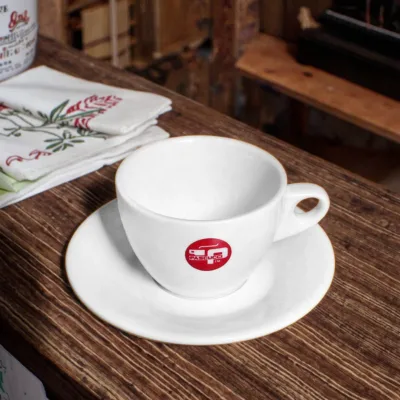
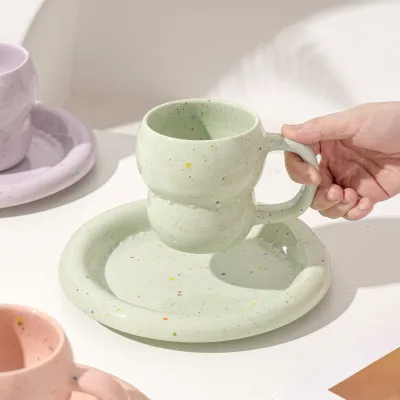


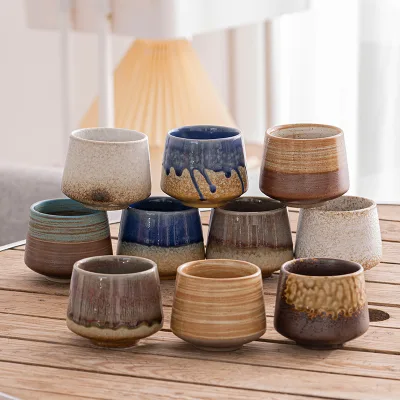
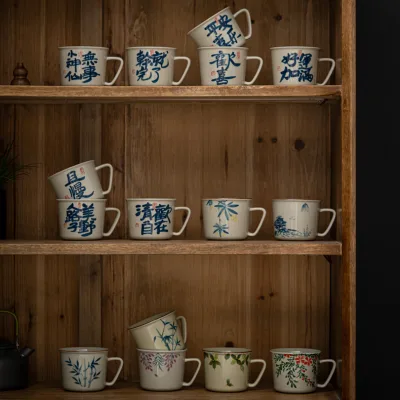
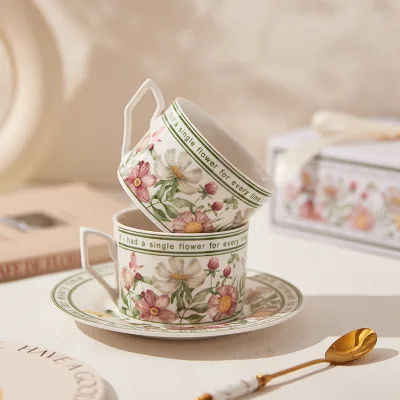
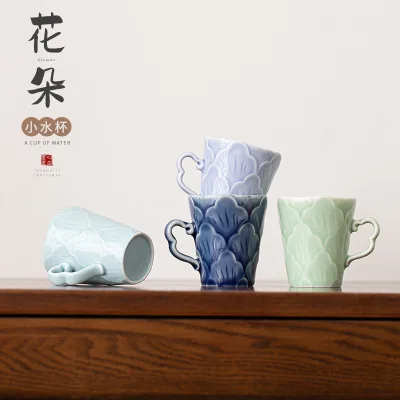
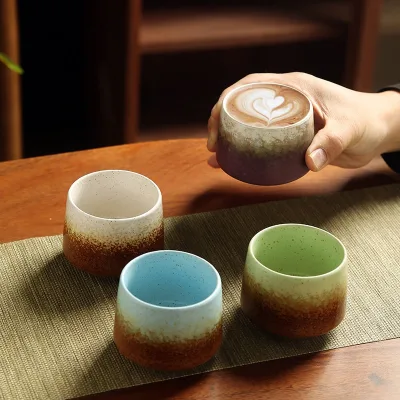
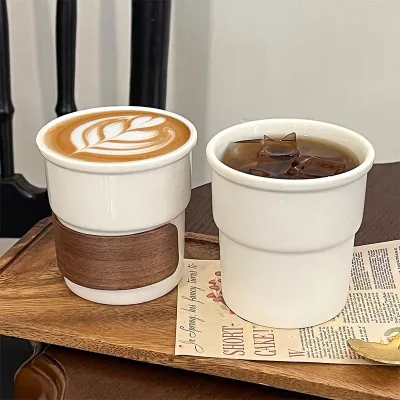




Comprehensive Sourcing Guide
Ceramic Coffee and Tea Cup with Handgrip Sourcing Guide
The global market for ceramic coffee and tea cups with handgrips is dominated by manufacturers in Guangdong, China, who specialize in traditional and creative styles for commercial buyers. These products are primarily designed for restaurants, hotels, cafes, and food and beverage manufacturers, serving as essential daily-use items for both promotion and gifting. The observed product range includes single-layer ceramic mugs with capacities ranging from 100ml to 320ml, catering to diverse serving needs from espresso to larger beverages.
Buyers must distinguish between standard single-item selling units and bulk customization options, as stock availability varies significantly across listings. While some suppliers offer immediate availability for standard white or multicolor designs, many operate on a made-to-order basis with no current stock. This distinction is critical for procurement planning, as it directly impacts lead times and the ability to fulfill urgent orders for specific events like weddings or corporate promotions without delay.
Product Scope and Observed Listing Signals
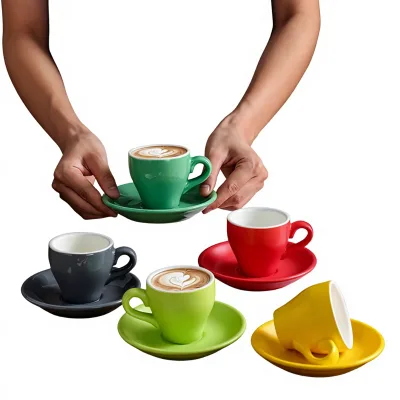
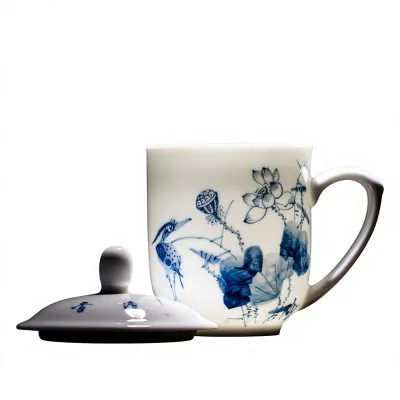
Product listings for these mugs frequently highlight specific attributes such as eco-friendly materials and high-temperature resistance, which are essential for commercial durability. The observed catalog includes variations in color, ranging from solid white and beige to vibrant pinks, purples, and greens, often featuring hand-painted or glazed techniques. These aesthetic choices allow buyers to align the product with their brand identity, whether they require a simple, functional design or a creative, custom-shaped mug for special occasions.
Commercial applications extend beyond basic beverage service to include health care settings and promotional campaigns where customized logos are acceptable. The listings indicate that customization is a primary driver for this category, with suppliers supporting custom colors, designs, and shapes to meet specific buyer requirements. However, buyers should verify that the "eco-friendly" claim aligns with their internal sustainability goals, as this attribute is listed as an observation rather than a universally certified standard for every unit.
Technical Specifications to Verify
When evaluating technical specifications, the structural integrity of the single-layer ceramic cup is paramount, particularly its ability to withstand high temperatures during daily use. Buyers should confirm the exact capacity, as observed listings vary between 12 oz, 16 oz, and 100-200ml volumes, ensuring the selected model matches the intended serving size for their specific venue. The presence of a handle is a standard feature, but the specific dimensions and ergonomic design should be verified to ensure comfort for frequent handling by staff and customers.
Material composition and finishing techniques also require close scrutiny, with glaze and hand-painted methods being the most common production techniques observed. The model number JL-CS0549 represents one specific configuration, but buyers must ensure that any alternative models meet the same functional standards for heat resistance and structural stability. Additionally, the standard export carton packing must be verified to guarantee that the fragile ceramic items arrive without damage, especially when shipping internationally from China.
Compliance and Safety Documentation
Compliance documentation for ceramic drinkware often includes CE certification, which is a high-confidence fact observed in the product properties for this category. Buyers should request proof of this certification to ensure the products meet European Union safety standards, particularly regarding the materials used in the glaze and the overall construction of the mug. While some background context mentions ASTM C738, this standard should not be assumed without explicit verification from the supplier, as it is not listed as a confirmed attribute for all observed listings.
Safety verification extends to the functional claims of the product, such as its ability to withstand high temperatures and its suitability for health care applications. Procurement teams must ensure that the ceramic material is non-toxic and safe for direct contact with hot beverages, as this is a critical requirement for restaurants and cafes. The absence of specific test results in the general listing data means that buyers must explicitly request material safety data sheets or third-party test reports before finalizing any large-scale order.
Cost Drivers and Commercial Terms
The cost of ceramic coffee and tea cups with handgrips is influenced by several factors, including the complexity of the customization, the chosen color palette, and the volume of the order. Observed price ranges in the market span from $0.25 to $8 per unit, reflecting the difference between standard, unbranded items and those with custom logos, unique shapes, or specialized hand-painted designs. Buyers should anticipate that higher customization levels, such as accepting custom designs or specific colors, will likely push the unit price toward the upper end of this observed range.
Minimum Order Quantities (MOQ) are another significant commercial term, with observed ranges varying from 1 to 1000 units depending on the supplier and the level of customization required. For buyers seeking small batches or samples, the sample lead time is typically 3-5 days, which allows for quick evaluation of product quality before committing to larger volumes. However, for bulk orders, the lack of stock for many customized items means that production lead times will be longer, requiring careful coordination with the supplier to meet delivery deadlines.
Supplier Qualification and Quality Control
Supplier qualification for ceramic mugs requires a thorough review of their production capabilities, specifically their ability to handle hand-painted and glazed techniques consistently. Since the products originate from Guangdong, China, buyers should verify the supplier's experience in exporting to their target market and their adherence to standard export carton packing protocols. The ability to accept customized logos and designs is a key differentiator, but it must be balanced against the supplier's track record for maintaining quality control during the customization process.
Quality control measures should focus on the structural integrity of the single-layer ceramic cups and the durability of the applied glaze or paint. Buyers must establish clear acceptance criteria for defects such as chips, cracks, or uneven coloring, which can occur during the hand-painting or firing processes. Given that the product is often used in high-traffic environments like cafes and restaurants, the supplier's ability to provide consistent quality across large batches is essential to prevent returns and maintain brand reputation.
Long-Term Procurement Checks
Long-term procurement success depends on establishing a reliable supply chain that can adapt to changing design trends and volume requirements. Buyers should regularly review the supplier's capacity to support custom colors and shapes, as market preferences for creative and simple styles may shift over time. Maintaining open communication regarding stock levels and production schedules is vital, as many suppliers operate with no current stock for customized items, requiring advance planning for future orders.
Sustainability and safety compliance should be re-evaluated periodically to ensure ongoing alignment with regulatory changes and buyer expectations. The eco-friendly attribute observed in the product listings should be verified annually to confirm that the materials and production processes remain compliant with evolving environmental standards. By maintaining a proactive approach to supplier qualification and quality control, buyers can ensure a steady supply of high-quality ceramic mugs that meet the demands of their commercial operations.
FAQs
What material and certification does the ceramic mug have?
The product is made of high-quality ceramic material and holds CE and EU certifications. This ensures the drinkware meets strict safety and quality standards for commercial use in restaurants, cafes, and hotels. The ceramic construction supports the traditional style while providing durability for daily use and promotional gifts.
Can I customize the logo and design on these mugs?
Yes, customized logos and designs are acceptable for these ceramic mugs. Buyers can request specific shapes, colors, and printed patterns to match their brand identity. This customization service supports various applications, including promotional items, wedding favors, and corporate gifts, ensuring a unique product for your specific business needs.
What is the capacity and volume range for these cups?
The ceramic mugs offer a volume range of 100-200ml and specific capacities of 12 oz or 16 oz. This versatile sizing suits both coffee and tea sets for various commercial environments. The single-layer structure ensures effective heat retention while maintaining a lightweight profile suitable for daily use in cafes and restaurants.
Are these ceramic cups suitable for high-temperature beverages?
Yes, these ceramic cups are designed to withstand high temperatures. The glaze technics and sturdy ceramic structure ensure safety when serving hot drinks. This feature makes them ideal for daily use in cafes and restaurants, providing reliable performance for customers enjoying hot coffee or tea without compromising the integrity of the cup.
What is the sample lead time for these ceramic mugs?
The sample lead time is typically 3-5 days. This quick turnaround allows buyers to review quality, customization options, and packaging before placing larger orders. The standard export carton packing ensures safe delivery of samples, facilitating efficient decision-making for commercial buyers in the food and beverage manufacturing sector.
Which commercial buyers typically use these ceramic coffee sets?
These ceramic coffee and tea sets are primarily used by restaurants, hotels, cafes, and food and beverage manufacturers. Their eco-friendly nature and traditional style appeal to businesses seeking sustainable yet classic drinkware solutions. The versatile usage extends to promotions, daily operations, and special events like weddings or birthdays.