Multi-Purpose Car Detailing Electric Screwdriver Suppliers and Manufacturers
Compare 16 verified suppliers offering multi-purpose car detailing electric screwdriver options with varying lead times, response speeds, and certifications. Review product specs like torque and battery type, then request quotes to finalize your sourcing decision; review the available evidence before requesting comparable quotations from suitable candidates.
Updated
Suppliers List

Nantong Gaide Machinery Co., Ltd.
- Verified by TUVRHEINLAND
- Trading Company
- China Jiangsu
- Lead time30 days
- Avg. response≤ 6h
Main productsLaser Level, Laser Distance Meter, Laser Level Meter, Laser Meter, Laser Distance, Laser Measure, Red Laser Level, Green Laser Level, Laser Level 3D
Main marketsAfrica,East Asia(Japan/ South Korea),Europe,North America

Nanjing Toutru Trading Co., Ltd.
- Trading Company,Manufacturer/Factory
- China Jiangsu
- Lead time45 days
- Avg. response≤ 18h
Main productsHand Tool
Main marketsSouth America,Eastern Europe,Western Europe,Africa

- Trading Company,Manufacturer/Factory
- China Guangdong
- Lead time15 days
- Avg. response≤ 25h
Main productsElectric Screwdriver Screw Bits, Spare Parts of Electric Tools, Hand Tools, ESD Products, Safety Gloves, Magnifier Lamp, Non-Dust Cloth, ESD Mat Sticky Mat, Soldering Station Soldering Tips, Table Mat Anti-Fatigue Mat
Main marketsSouth America,Eastern Europe,Mid East,North America,Southeast Asia,Eastern Asia,Oceania,Western Europe,Africa
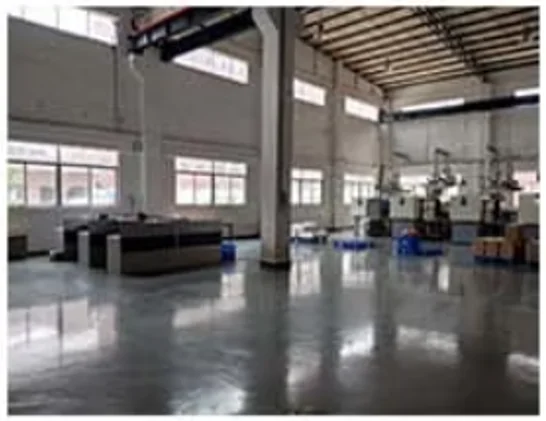
Helloworld (guangzhou) Import & Export Co., Ltd.
- Manufacturer, Trading Company
- Guangdong, China
- Lead time0 days
- Avg. response≤ 5h
Main productsSilicone Product,Plastic Product,Gel Products,House Products,Gift & Craft
Main marketsNorth America(36.00%), South America(35.00%), Eastern Europe(15.00%), Southeast Asia(9.00%), Domestic Market(1.00%), Western Europe(1.00%), Eastern Asia(1.00%), Mid East(1.00%), Africa(1.00%)
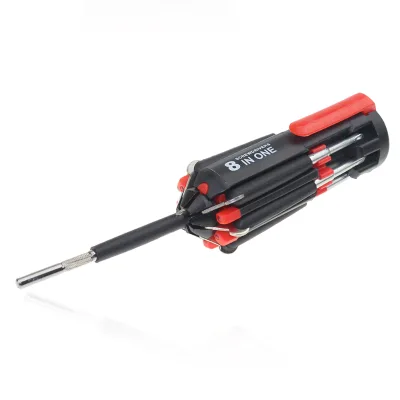
$0.4632 - $0.688
MOQ: 200 pieces
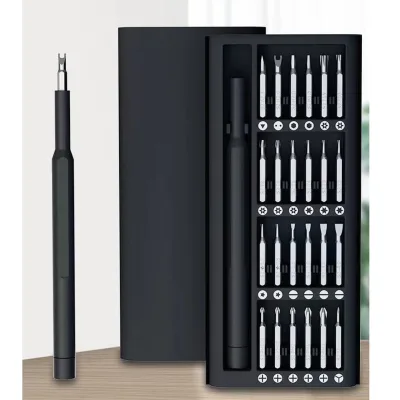
$0.8125 - $1.0478
MOQ: 200 pieces

Suzhou Buswille Intelligent Technology Co., Ltd.
- Verified by TUVRHEINLAND
- Combined
- China Shanghai
- Lead time15 days
- Avg. response≤ 1h
Main productsWelding Robot, Electric Screwdriver, Collaborative Robot Arm, Industrial Robot Arm, Industrial Camera
Main marketsDomestic

High Torque Brushless Electric Screwdriver with Cordless Convenience
$2590.00 - $3395.00
MOQ: 1 Pieces

$2590.00 - $3395.00
MOQ: 1 Pieces


Professional Precision Control Electric Screwdriver for Ultimate Efficiency
$2590.00 - $3395.00
MOQ: 1 Pieces

Foshan Lingaode Trading Company Limited
- Verified by SGS
- Trading Company
- China Guangdong
- Lead time15 days
- Avg. response≤ 4h
Main productsVoltage Tester Pen, Electrical Tool
Main marketsOthers(foreignTradeCapacity.exportBusinessCapacityMarketOther),Southeast Asia/ Mideast


$0.20 - $1.00
MOQ: 1 Pieces
Shenzhen Feng Chipsource Electronic Co., Ltd.
- Manufacturer, Trading Company, Distributor/Wholesaler
- Guangdong, China
- Lead time2 days
- Avg. response≤ 8h
Main productsIntegrated Circuit,Electronic Components,Development Board,Wifi module,Bluetooth module
Main marketsNorth America(20.00%), Northern Europe(16.00%), Southern Europe(10.00%), South America(10.00%), Western Europe(10.00%), Eastern Europe(10.00%), Domestic Market(3.00%), South Asia(3.00%), Oceania(3.00%), Africa(3.00%), Central America(3.00%), Southeast Asia(3.00%), Eastern Asia(3.00%), Mid East(3.00%)
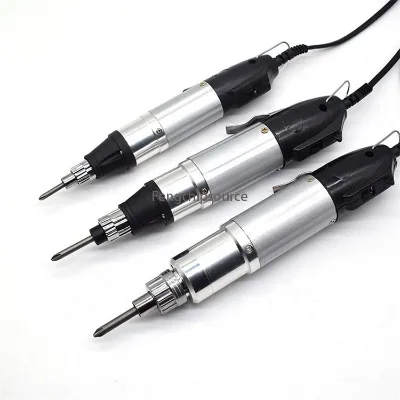
$2.50 - $4.50
MOQ: 10 Minimum
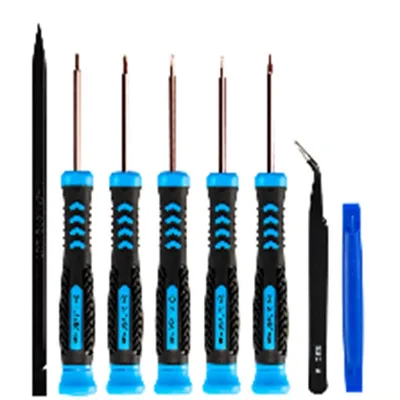
$1.0133 - $2.4823
MOQ: 10 Minimum
Hangzhou Juxincai Import And Export Co., Ltd.
- Trading Company
- Zhejiang, China
- Lead time15 days
- Avg. response≤ 2h
Main productsScrewdriver,Knife,wrench,Tape measure,hand tools
Main marketsNorth America(50.00%), Southeast Asia(20.00%), South Asia(10.00%), Central America(10.00%), Mid East(10.00%)
Hangzhou Danno Machinery Technology Co., Ltd.
- Verified by TüVRheinland
- Trading Company
- Lead time10 days
- Avg. response≤ 4h
Main productsPower Tools, Garden Tools, Tool Sets, Power Paint Sprayers, Power Wrenches
Main marketsNorth America(60%), South America(10%), Southeast Asia(10%)
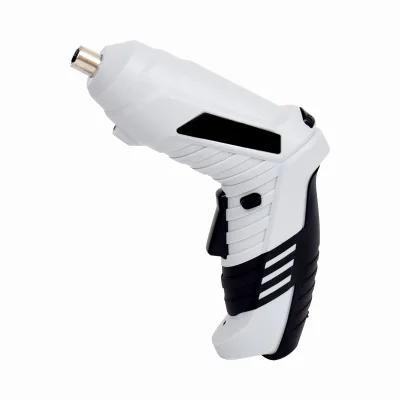
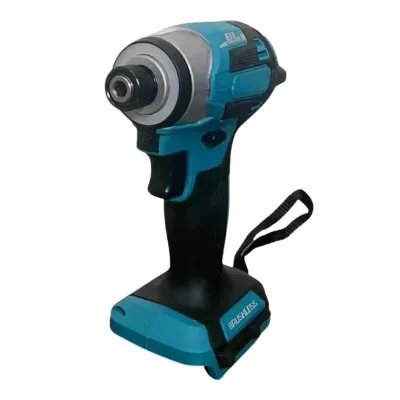
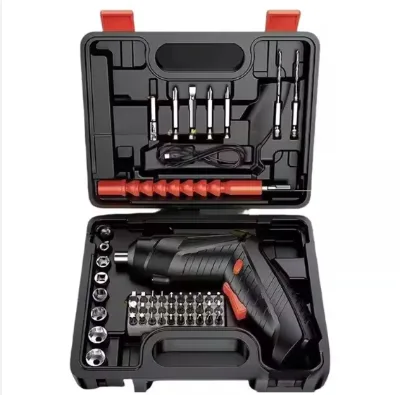
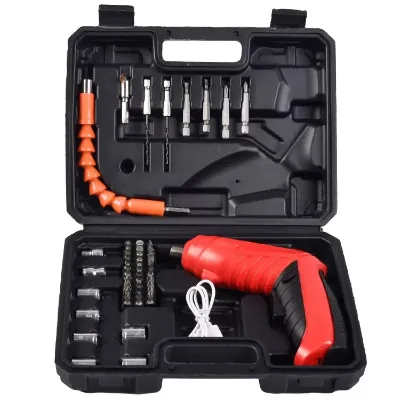
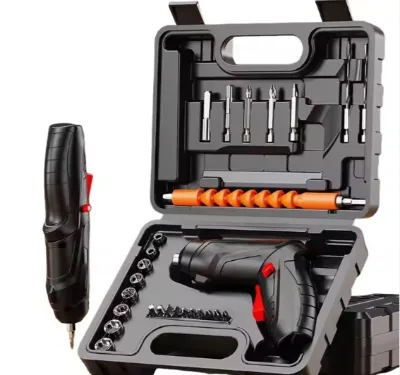
$3.043 - $4.1972
MOQ: 100 pieces
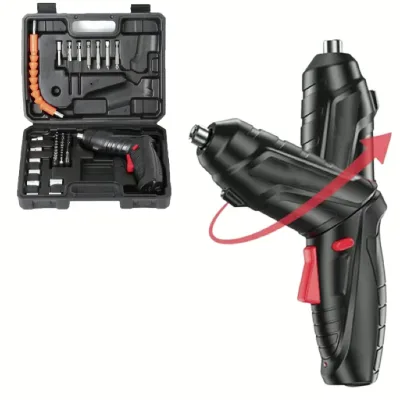
$4.1852 - $5.8581
MOQ: 200 pieces

Yongkang Baichun Industry and Trade Co., Ltd.
- Trading Company,Manufacturer/Factory
- China Zhejiang
- Lead time45 days
- Avg. response≤ 2h
Main productsPower Tools, Cordless Tools, Garden Tools, Rotary Hammer, Marble Cutter, Cutting Machines, Sports Equipment, Wood Working Manchine, Polishing Machine, Jig Saw
Main marketsSouth America,Eastern Europe,Mid East,North America,Southeast Asia,Eastern Asia,Western Europe,Africa

Qidong Junyang Electromechanical Technology Co., Ltd
- Verified by CTI
- Combined
- China Jiangsu
- Lead time23 days
- Avg. response≤ 4h
Main productsPower Tools, Laser Level, Garden Tools, Electric Tools, Hand Tools, Electric Wrench, Electric Saw, Electric Hammer, Electric Drill, Chainsaw
Main marketsDomestic
Jinan Hehong Electric Tools Co., Ltd.
- Trading Company
- Shandong, China
- Lead time10 days
- Avg. response≤ 8h
Main productsNail guns,Power tools,Hand tool boxes,Measuring tools,Insulation tools
Main marketsAfrica(30.00%), Mid East(20.00%), Eastern Asia(10.00%), Southeast Asia(8.00%), South Asia(5.00%), Northern Europe(5.00%), Eastern Europe(5.00%), Oceania(5.00%), Domestic Market(5.00%), North America(5.00%), South America(2.00%)
Huangshan Zhanfei International Trade Co., Ltd.
- Trading Company
- Anhui, China
- Lead time7 days
- Avg. response≤ 4h
Main productsSocket Wrench Set,Screwdriver Bits Set,Hex Key Wrench,Nail Fixer,Household Tool Set
Main marketsWestern Europe(15.00%), Mid East(15.00%), North America(15.00%), Eastern Europe(10.00%), South America(10.00%), Northern Europe(5.00%), Central America(5.00%), Africa(5.00%), Eastern Asia(5.00%), Southeast Asia(5.00%), Southern Europe(5.00%), South Asia(2.00%), Oceania(2.00%), Domestic Market(1.00%)

Shenzhen Alisi Electronic Technology Co., Ltd.
- Trading Company, Distributor/Wholesaler
- Guangdong, China
- Lead time3 days
- Avg. response≤ 2h
Main productselectron component,temperature controller,Auto parts,sensor,Wireless Controller
Main marketsSouth America(20.00%), Eastern Europe(20.00%), North America(15.00%), Western Europe(5.00%), Domestic Market(5.00%), South Asia(5.00%), Southern Europe(5.00%), Northern Europe(5.00%), Central America(5.00%), Eastern Asia(3.00%), Mid East(3.00%), Oceania(3.00%), Africa(3.00%), Southeast Asia(3.00%)
Shenzhen Jiulingsheng Technology Co., Ltd.
- Trading Company
- Guangdong, China
- Lead time0 days
- Avg. response≤ 5h
Main productsScrewdriver,Scraper,Suction Cup,Screwdriver Set,Tweezers
Main marketsSouth America(100.00%), Africa(100.00%), Domestic Market(50.00%), South Asia(20.00%), North America(10.00%), Mid East(4.00%), Southern Europe(2.00%), Eastern Europe(2.00%), Northern Europe(2.00%), Central America(2.00%), Western Europe(2.00%), Eastern Asia(2.00%), Oceania(2.00%), Southeast Asia(2.00%)
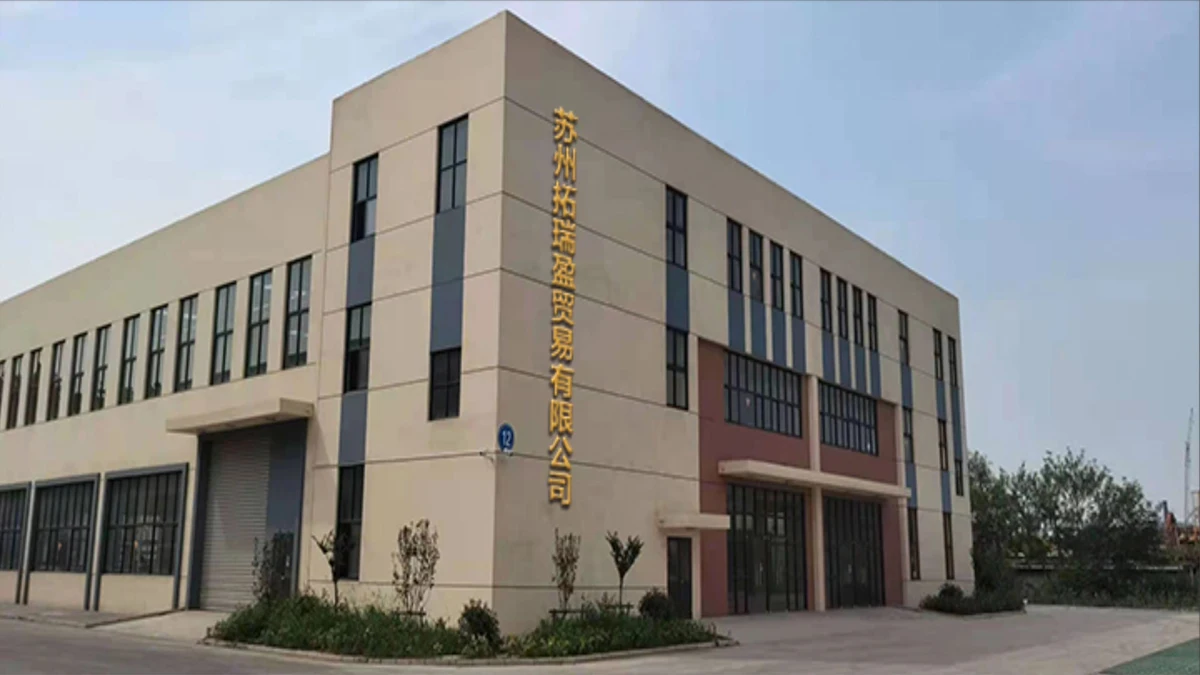
Suzhou Toryin Trading Co., Ltd.
- Trading Company
- Jiangsu, China
- Lead time30 days
- Avg. response≤ 4h
Main productsHand Tools,Car Tools,Outdoor Tools,Garden Tools,Kitchen Tools
Main marketsSouth America(21.00%), North America(18.00%), Western Europe(8.00%), Eastern Europe(8.00%), Southern Europe(7.00%), Domestic Market(7.00%), Central America(5.00%), Southeast Asia(5.00%), Northern Europe(5.00%), Africa(5.00%), South Asia(3.00%), Eastern Asia(3.00%), Mid East(3.00%), Oceania(2.00%)


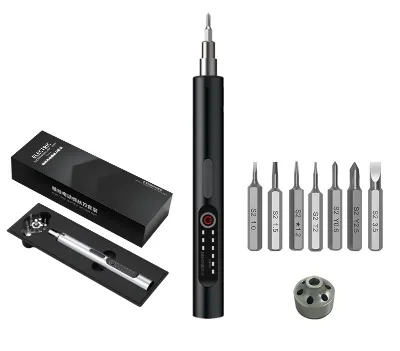
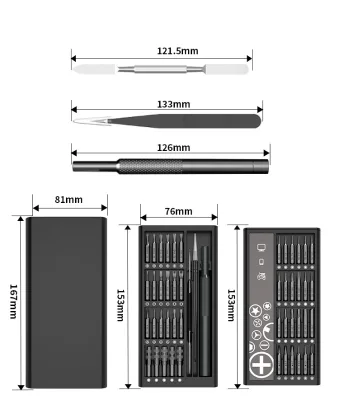
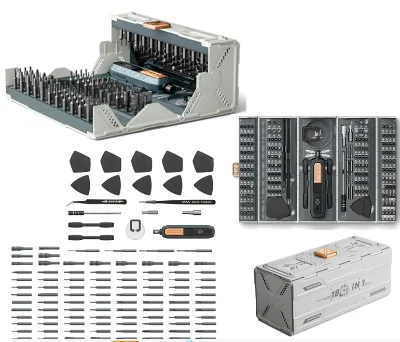


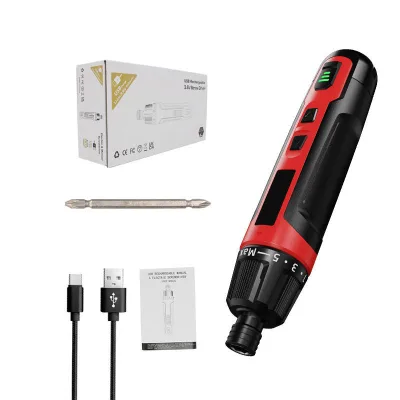
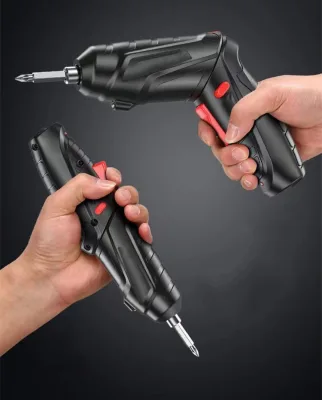
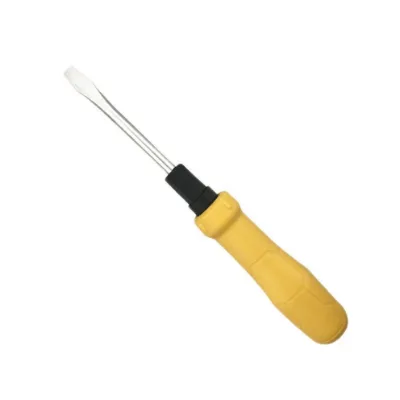
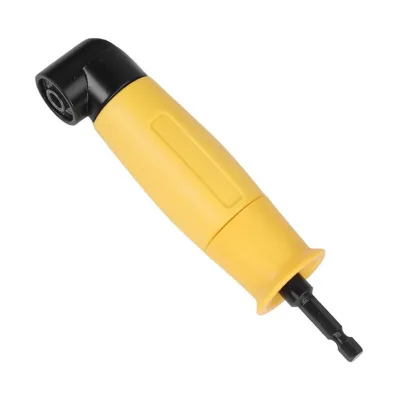
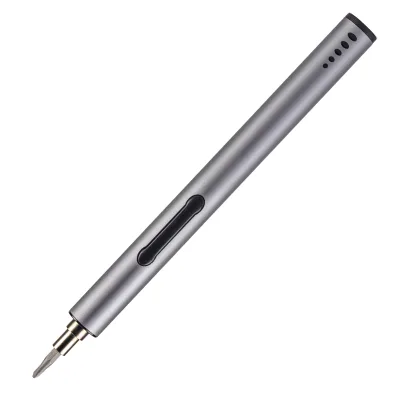
Comprehensive Sourcing Guide
Multi-Purpose Car Detailing Electric Screwdriver Supplier Concentration and Factory Types
The current supplier landscape for multi-purpose car detailing electric screwdrivers reveals a distinct geographic concentration in China, specifically within the Jiangsu and Guangdong provinces. These regions serve as primary hubs for the manufacturing and trading of precision power tools and hand tools. Suppliers located in Jiangsu often operate as trading companies, which may offer a broader range of general hardware items alongside specialized screwdrivers. In contrast, suppliers in Guangdong, particularly those in Shenzhen, frequently demonstrate capabilities in both manufacturing and trading, often focusing on electronic components and precision instruments. This regional split suggests that buyers can find diverse sourcing options depending on whether they prioritize general hardware distribution or specialized electronic tool manufacturing. The presence of both trading companies and manufacturers in these areas indicates a mature supply chain ecosystem. Buyers should note that while some suppliers list themselves as trading companies, they may have direct access to factory lines or own brands. Understanding this distinction is crucial for evaluating the depth of technical support and customization options available. The concentration in these specific provinces also implies established logistics networks and access to raw materials, which can influence production efficiency and cost structures.
Supplier types vary significantly across the available results, ranging from pure trading entities to integrated manufacturers with OEM and ODM capacities. Some suppliers explicitly state their ability to provide own brand services, suggesting they have the infrastructure for private labeling and custom design. Others focus on standard products with minimal customization, catering to buyers who need immediate stock or generic specifications. The verification status of these suppliers also varies, with some holding certifications from recognized bodies like TÜV Rheinland, which adds a layer of trust regarding their business legitimacy and operational standards. However, not all suppliers display such verification badges, requiring buyers to conduct additional due diligence. The main products listed by these suppliers often include a mix of laser levels, distance meters, and various screwdrivers, indicating that many companies are generalist hardware suppliers rather than niche specialists. This generalist approach can be advantageous for buyers seeking a single source for multiple tool categories but may limit the depth of expertise in any single product line. Buyers must carefully assess whether the supplier’s primary focus aligns with their specific needs for car detailing equipment.
How to Verify Multi-Purpose Car Detailing Electric Screwdriver Suppliers
Verifying the legitimacy and capability of suppliers requires a multi-step approach that goes beyond simple profile reviews. Buyers should prioritize suppliers who display third-party verification badges, such as those from TÜV Rheinland, as these indicate a higher level of scrutiny regarding business operations and product quality. However, verification badges alone are not sufficient; buyers must also examine the supplier’s response time and lead times to gauge operational efficiency. A supplier with a rapid response time, such as under six hours, often indicates a more agile and customer-focused organization. Conversely, longer response times may suggest a less dedicated support structure. It is also essential to check the supplier’s establishment year and company type to understand their market experience. Trading companies may offer flexibility, while manufacturers might provide better control over production quality and customization. Buyers should request detailed product specifications and ask for evidence of past performance, such as case studies or references from other clients in the automotive detailing sector.
Certifications and standards are another critical area for verification. Some suppliers list extensive certification portfolios, including ISO 9001, ISO 14001, and various safety standards like OHSAS 18001. These certifications demonstrate a commitment to quality management and environmental responsibility, which can be crucial for large-scale procurement. Buyers should verify the validity of these certifications by requesting copies of the certificates and checking their expiration dates. Additionally, product-specific certifications, such as CE and ROHS, are vital for ensuring compliance with international safety and environmental regulations. Buyers should also inquire about the supplier’s quality control processes, including incoming material inspections, in-process checks, and final product testing. Asking for sample units before placing a bulk order is a practical way to assess product quality and supplier reliability. Samples allow buyers to evaluate the screwdriver’s performance, build quality, and suitability for car detailing tasks. This hands-on verification step can prevent costly mistakes and ensure that the final products meet the buyer’s expectations.
What to Compare Across Multi-Purpose Car Detailing Electric Screwdriver Suppliers
When comparing suppliers, buyers should focus on key operational metrics such as lead times, minimum order quantities (MOQs), and response speeds. Lead times can vary significantly, with some suppliers offering as little as fifteen days while others require up to forty-five days. This difference can impact inventory management and order fulfillment speed, making it a critical factor for buyers with tight deadlines. MOQs also vary, ranging from small quantities of five units to larger batches of one thousand units. Buyers with smaller order volumes may need to seek suppliers with lower MOQs, even if it means paying a higher unit price. Response times are another important metric, with some suppliers responding within hours and others taking over twenty hours. A faster response time often correlates with better customer service and quicker resolution of issues. Buyers should also compare the main products offered by each supplier to ensure they align with their specific needs. Some suppliers may specialize in electric screwdrivers, while others offer a broader range of tools.
Price and customization options are additional factors that require careful comparison. Unit prices can range from a few dollars for basic models to over eighty dollars for high-precision electric screwdrivers. Buyers should consider the total cost of ownership, including shipping, tariffs, and potential rework costs, rather than just the unit price. Customization options, such as OEM and ODM services, can add value for buyers looking to brand their products or modify designs. Suppliers that offer these services often have higher MOQs and longer lead times, so buyers must balance customization needs with operational constraints. It is also important to compare the technical specifications of the screwdrivers, such as torque, battery life, and voltage. These specifications determine the suitability of the tool for specific car detailing tasks. Buyers should request detailed product datasheets and compare them side-by-side to identify the best fit for their requirements. Additionally, comparing warranty terms and after-sales support can help buyers assess the long-term reliability of the supplier.
Common Multi-Purpose Car Detailing Electric Screwdriver Sourcing Risks
One of the primary risks in sourcing multi-purpose car detailing electric screwdrivers is the potential mismatch between supplier claims and actual product quality. Suppliers may advertise high-performance features, such as high torque or long battery life, but the actual products may not meet these specifications. This risk is particularly prevalent when dealing with trading companies that may not have direct control over manufacturing processes. Buyers should mitigate this risk by requesting detailed technical documentation and independent test reports. Another significant risk is the variability in lead times, which can disrupt supply chains and delay product launches. Suppliers may quote short lead times initially but fail to meet them due to production bottlenecks or material shortages. Buyers should establish clear communication channels and regular updates to monitor production progress. Additionally, buyers should include penalty clauses in contracts for late deliveries to incentivize timely performance.
Customization risks are another concern, particularly when working with suppliers that offer OEM or ODM services. Miscommunication regarding design specifications can lead to products that do not meet the buyer’s requirements. Buyers should provide detailed design briefs and approve prototypes before mass production begins. Quality control risks are also prevalent, especially when sourcing from multiple suppliers. Inconsistent quality across batches can damage the buyer’s brand reputation. Buyers should implement strict quality control measures, including pre-shipment inspections and third-party testing. Intellectual property risks are another consideration, particularly when dealing with suppliers that may share designs with competitors. Buyers should sign non-disclosure agreements and clearly define ownership of custom designs. Finally, logistical risks, such as shipping delays or damage, can impact the final delivery. Buyers should choose reliable shipping partners and insure their shipments to protect against these risks.
Multi-Purpose Car Detailing Electric Screwdriver Regional Sourcing and Logistics
Sourcing from China, particularly from Jiangsu and Guangdong provinces, offers several logistical advantages due to the region’s well-developed infrastructure. Jiangsu is known for its strong manufacturing base and access to major ports, facilitating efficient export operations. Guangdong, especially Shenzhen, is a hub for electronics and precision instruments, offering specialized supply chains for electric tools. Buyers should consider the proximity of suppliers to major shipping ports to reduce inland transportation costs and lead times. Logistics providers in these regions are experienced in handling international shipments, ensuring that products are packed and shipped according to international standards. Buyers should also consider the impact of regional trade policies and tariffs on their total landed cost. Understanding these factors can help buyers optimize their sourcing strategy and reduce logistical expenses.
Shipping methods and transit times vary depending on the destination and the supplier’s location. Air freight is faster but more expensive, making it suitable for urgent orders or high-value items. Sea freight is more cost-effective for bulk orders but requires longer transit times. Buyers should work with their suppliers to determine the most efficient shipping method based on their specific needs. Packaging is another critical aspect of logistics, as it protects the products during transit. Suppliers should use durable packaging materials to prevent damage. Buyers should also consider the environmental impact of packaging and request eco-friendly options if possible. Customs clearance can be a bottleneck in the logistics process, so buyers should ensure that all necessary documentation is prepared in advance. Working with a freight forwarder who specializes in China exports can help streamline this process and reduce delays.
Multi-Purpose Car Detailing Electric Screwdriver Commercial Terms and Order Planning
Commercial terms such as payment methods and warranty policies are essential components of order planning. Buyers should negotiate favorable payment terms, such as partial upfront payments and balance upon shipment, to manage cash flow and risk. Escrow services can provide an additional layer of security by holding funds until the buyer confirms receipt and quality of the goods. Warranty policies vary among suppliers, with some offering one-year warranties and others providing longer coverage. Buyers should clearly understand the warranty terms, including what is covered and the process for claiming repairs or replacements. Order planning should also consider the supplier’s production capacity and lead times to ensure timely delivery. Buyers should place orders well in advance of their required delivery dates to account for any potential delays.
Inventory management is a critical aspect of order planning, particularly for buyers who need to maintain stock levels for their customers. Buyers should work with their suppliers to establish a reliable supply chain that can handle fluctuations in demand. Regular communication and forecasting can help suppliers plan production more effectively. Buyers should also consider the total cost of ownership, including shipping, tariffs, and potential rework costs, when evaluating supplier quotes. Negotiating volume discounts can reduce unit costs for larger orders. Buyers should also consider the supplier’s flexibility in handling rush orders or changes in specifications. A supplier that can accommodate these changes adds significant value to the buyer’s operations. Finally, buyers should maintain a diversified supplier base to mitigate risks associated with single-source dependency. This strategy ensures continuity of supply even if one supplier faces issues.
FAQs
What is the typical lead time for electric screwdrivers?
Manufacturers in China generally require 15 to 45 days for production and shipping. Specific timelines depend on order volume and customization needs. Some suppliers offer faster turnaround for standard items, while others may take longer for complex configurations or bulk orders.
What is the minimum order quantity for these tools?
Minimum order quantities vary significantly by supplier and product type. Some sellers accept orders as low as one piece for samples, while others require 1000 pieces for OEM production. Buyers should verify the specific MOQ requirements directly with the supplier before placing an order.
Are these screwdrivers suitable for professional automotive detailing?
Many listed products are designed for household and professional use, including precision tasks. Features like adjustable torque and specific bit types support detailed work. However, buyers should check the torque specifications and power source to ensure the tool meets the demands of automotive detailing applications.
What certifications do these electric screwdrivers have?
Suppliers often hold ISO 9001, CE, and ROHS certifications for their products. Some manufacturers also possess HACCP, BSCI, or OHSAS 18001 system certifications. Buyers should request valid certification documents to verify compliance with international safety and quality standards for their specific market requirements.
How quickly do suppliers typically respond to inquiries?
Response times vary, with some suppliers replying within a few hours and others taking up to 24 hours. Faster response rates often indicate higher availability and customer service efficiency. Buyers should prioritize suppliers with quick response times to ensure smooth communication during the sourcing process.
Can I customize the logo and packaging?
Many suppliers offer OEM and ODM services, allowing for customized logos and packaging. Customization is often available for bulk orders, with minimum quantities applying. Buyers should confirm customization options, costs, and lead times with the supplier to ensure the final product meets their branding requirements.