Multi-layer label vinyl stickers Suppliers and Manufacturers
Explore 20 verified suppliers offering multi-layer label vinyl stickers with customizable materials and features. Compare response times, lead times, certifications, and pricing to find the right factory for your needs. Request samples to verify quality before placing an order; review the available evidence before requesting comparable quotations from suitable candidates.
Updated
Suppliers List

Jiangsu Itech Packaging Printing Co., Ltd.
- Verified by BV
- Combined
- China Jiangsu
- Lead time15 days
- Avg. response≤ 5h
Main productsLabel, Adhesive Sticker, Adhesive Roll Label, Multi Layer Label, Adhesive Sheet Label, Reel Label, Printer Ribbon, Die Cut Sticker, Printer, Anti-Counterfeit Sticker
Main marketsAfrica,Southeast Asia/ Mideast

Shenzhen Huaxinmei Printing Co., Ltd.
- Verified by SGS
- Combined
- China Guangdong
- Lead time15 days
- Avg. response≤ 12h
Main productsCustom Labels Stickers, Labels Stickers, Custom Paper Boxes
Main marketsNorth America


Custom Label Printing Waterproof Vinyl Stickers Label Logo Stickers Adhesive PVC Label Sticker
$0.06 - $0.18
MOQ: 500 Pieces

Custom Logo Label Sticker Adhesive Waterproof Vinyl Paper Roll Packaging Labels Stickers
$0.06 - $0.18
MOQ: 1000 Pieces

Custom Printed Logo Labels Packaging Vinyl Waterproof Sticker Roll Label Stickers
$0.06 - $0.18
MOQ: 1000 Pieces

Custom Brand Printing Labels Logo Adhesive Packaging Roll Labels Stickers
$0.06 - $0.18
MOQ: 1000 Pieces

Guangzhou Cloud Packaging & Printing Co., Ltd.
- Verified by BV
- Trading Company,Manufacturer/Factory
- China Guangdong
- Lead time23 days
- Avg. response≤ 9h
Main productsPrinting Service, Printing OEM Service, Stick Paper Paper Bag, Printing, Book Printing, Packaging Printing, All Kind of Gift Package Printing, All Kind of Paper Bags Printing, Package Boxes Printing, Hardcover Boxes Printing
Main marketsSouth America,Eastern Europe,Mid East,North America,Southeast Asia,Eastern Asia,Oceania,Western Europe,Africa

Printed Stickers label Sticker Color Adhesive Tag Adhesive Vinyl Stickers
$0.03 - $0.09
MOQ: 200 Rolls


Sticker Label Printing Service Color Sticker Label Vinyl Waterproof Stickers
$0.011 - $0.061
MOQ: 200 Rolls

Supply Sticker Label Paper Tag Adhesive Roll Labels Stickers Vinyl Sticker
$0.01 - $0.08
MOQ: 200 Rolls

New Design Sticker Label Color Tag Adhesive Stickers Vinyl Stickers Supply
$0.01 - $0.08
MOQ: 200 Rolls
Shanghai Brightpac Printing Co., Ltd.
- Trading Company
- Lead time旺季: "1 - 10000":5,"10001 - 100000":7,"100001 - 1000000":10,"> 1000000":"To be negotiated", 淡季: "1 - 10000":5,"10001 - 100000":7,"100001 - 1000000":10,"> 1000000":"To be negotiated"
- Avg. response≤ 2h
Main productslabel,label sticker,paper box,paper box,sticker
Richer EcoPack (Xiamen) Co., Ltd.
- Trading Company
- Lead time旺季: "1 - 300000":31,"> 300000":"To be negotiated", 淡季: "1 - 300000":31,"> 300000":"To be negotiated"
- Avg. response≤ 4h
Main productsCorrugated Box, Food Container, Disposable Tableware

Guangzhou Hongtao Intelligent Technology Co., Ltd
- Manufacturer, Trading Company
- Guangdong Province, China
- Lead time7 days
- Avg. response≤ 2h
Main productsWine Label,Coated Paper Labels,BOPP,Synthetic Paper Materials
Main marketsCentral America(100.00%), Western Europe(100.00%), Eastern Asia(100.00%), South Asia(100.00%), Southern Europe(100.00%), Northern Europe(100.00%), Eastern Europe(100.00%), South America(100.00%), North America(100.00%), Domestic Market(60.00%), Mid East(10.00%), Oceania(10.00%), Africa(10.00%), Southeast Asia(10.00%)
Guangzhou Huaxin Printing Co., Ltd.
- Verified by Intertek
- Trading Company
- Lead time0 days
- Avg. response≤ 2h
Main productsPaper Box, Paper Bag, Hangtag, Picture Album, Label
Main marketsNorth America(50%), Oceania(24%), Western Europe(21%)

Lianyungang Zhehan Printing Co., Ltd.
- Verified by BV
- Combined
- China Jiangsu
- Lead time15 days
- Avg. response≤ 3h
Main productsPrinting, Sticker Label, Packaging Boxes, Poster Customization, Company Brochures, Foldouts, Single-Page Designs, Gift Box, Jewel Box, Label
Main marketsDomestic
Dongguan Caihe Printing Co., Ltd.
- Verified by TüVRheinland
- Manufacturer, Trading Company
- Lead time1 days
- Avg. response≤ 4h
Main productsPackaging Label, Instruction Manual
Main marketsNorth America(30%), Oceania(15%), Western Europe(15%)

Guangzhou Label Printing Co., Ltd.
- Combined
- China Guangdong
- Lead time23 days
- Avg. response≤ 19h
Main productsLabel, Sticker, Printing Labels, Self Adhesive Stickers, Single Label, Bottle Labels, Bar Code Label
Main marketsSouth America,Africa,Southeast Asia/ Mideast,Domestic
Baoding Hongtai Package Co., Ltd.
- Verified by TüVRheinland
- Manufacturer, Trading Company
- Lead time0 days
- Avg. response≤ 3h
Main productsPizza Box, Dessert Box, Paper Cup, Plastic Box, Paper Bowl
Main marketsNorth America(30%), Southeast Asia(20%), South America(5%)
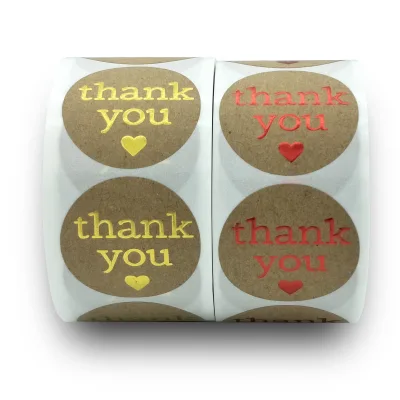
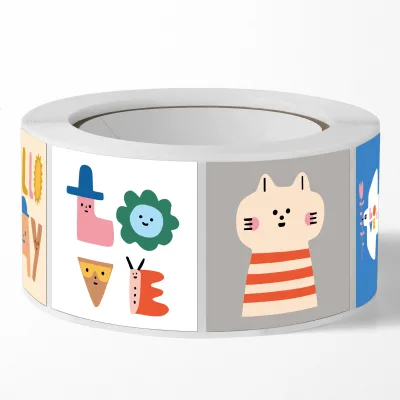
Custom Transparent Commercial Packaging Labels Personalized Logo Stickers
$0.0103 - $0.0205
MOQ: 500 pieces

Xiamen Fushunjie Industry and Trade Co., Ltd.
- Verified by SGS
- Trading Company
- China Fujian
- Lead time15 days
- Avg. response≤ 7h
Main productsPaper Card, Brochure, Drawing Coloring Book, Packaging Label, Paper Hang Tag, Paper Box, Carton Sticker, Paper Bag, Plastic Bag
Main marketsEurope,Australia,North America


Color Roll Stickers, Logo Hot Stamping PVC Stickers, Printed Coated Paper Labels
$0.25 - $0.62
MOQ: 10 PCS


Dongguan Wendao Import & Export Co., Ltd.
- Verified by CTI
- Trading Company
- China Guangdong
- Lead time15 days
- Avg. response≤ 5h
Main productsSticker
Main marketsSouth America,Africa,Southeast Asia/ Mideast,East Asia(Japan/ South Korea),Europe,Australia,North America
Shenzhen Lingyu Packaging And Printing Products Co., Ltd.
- Verified by TüVRheinland
- Trading Company
- Lead time7 days
- Avg. response≤ 3h
Main productsPaper Boxs, Paper Bags, Napkin, Plastic Bag, Express Bag
Main marketsNorth America(50%), Western Europe(20%), Oceania(10%)
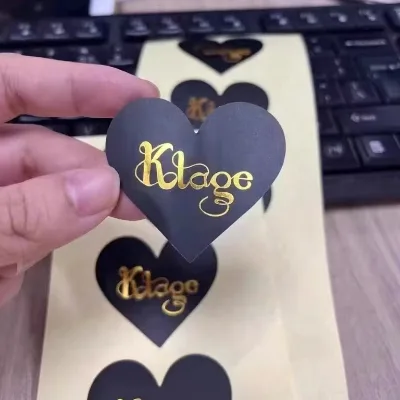
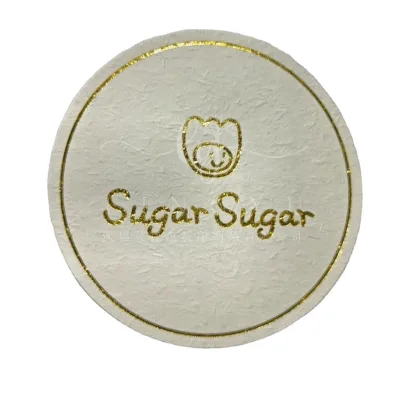
Custom Logo Die Cut Waterproof Self Adhesive Vinyl Stickers Gold Foil Sticker Labels
$0.02 - $0.04
MOQ: 100
Shenzhen Maituohong Packaging Co., Ltd.
- Verified by TüVRheinland
- Manufacturer, Trading Company
- Lead time15 days
- Avg. response≤ 3h
Main productsPaper Gift Box, Paper Bag, Magnetic Box, Mailer Box, Perfume Box
Main marketsDomestic Market(50%), North America(15%), Western Europe(10%)
Fujian Hongye Technology Co., Ltd.
- Verified by SGS Group
- Manufacturer, Trading Company
- Lead time10 days
- Avg. response≤ 1h
Main productsRoll Sticker, Label Sticker, Thermal Label, Packaging Label, Adhesive Label
Main marketsDomestic Market(90%), North America(5%), Western Europe(2%)

EVER GREATER IMP. & EXP. CO., LIMITED
- Verified by TUVRHEINLAND
- Trading Company
- China Zhejiang
- Lead time15 days
- Avg. response≤ 6h
Main productsDisposable Cup, Paper Cup, Pet Cup, PLA Cup, Sleeve, Coaster, Food Packag Box, Pizza Box, Cake Box, Paper Box
Main marketsSoutheast Asia/ Mideast,Europe,Australia,North America

High Quality Custom Self Adhesive Stickers Labels Custom Printing Food Labels Stickers
$0.02 - $0.05
MOQ: 1000 Pieces


Xiamen Yzm Commerce And Trade Co., Ltd.
- Verified by Intertek
- Manufacturer, Trading Company
- Lead time7 days
- Avg. response≤ 2h
Main productsPaper Bags, Paper Boxes, Envelope, Sticker, Paper Card
Main marketsNorth America(50%), South America(9%), Eastern Europe(9%)
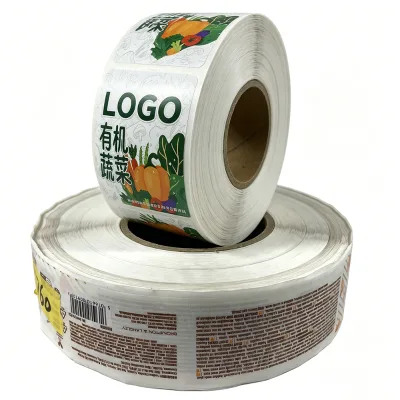
New HOT Custom Liquid Label Sticker Printing
$0.03 - $0.22
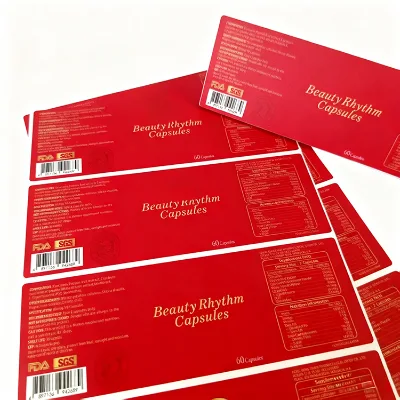
$0.0924 - $0.4017
MOQ: 200 pieces
Changzhou Wujin Luoyang Guangming Printing Co., Ltd.
- Verified by Intertek
- Manufacturer, Trading Company
- Lead time7 days
- Avg. response≤ 1h
Main productsTissue Paper, Paper Bag, Label
Main marketsNorth America(40%), Domestic Market(30%), Western Europe(5%)
Guangdong-Hong Kong Smart Printing (GZ) Co., Limited
- Manufacturer, Trading Company
- Guangdong, China
- Lead time15 days
- Avg. response≤ 7h
Main productsShrink Sleeve,Pressure Sensitive Sticker,Pouch Bags,In Mold Label,Thermal Paper
Main marketsEastern Europe(35.00%), North America(35.00%), Northern Europe(10.00%), Central America(10.00%), Oceania(10.00%)
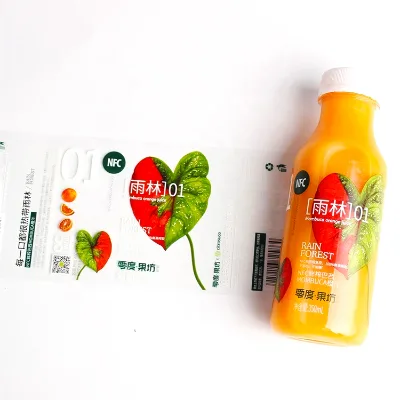
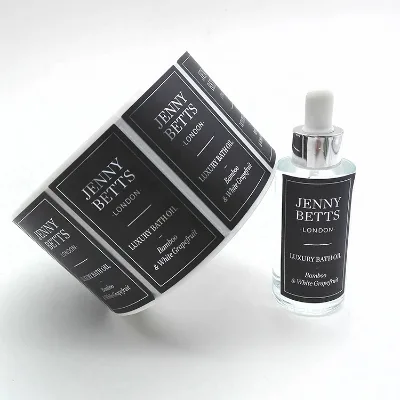
Hot Sale and High Quality Labels Sticker Paper Label Adhesive Sticker Paper Roll Printer Sticker
$0.0515 - $0.103
MOQ: 100 pieces



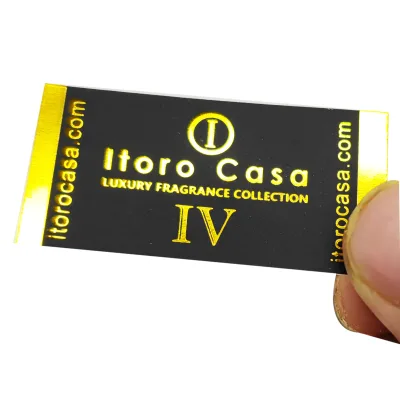
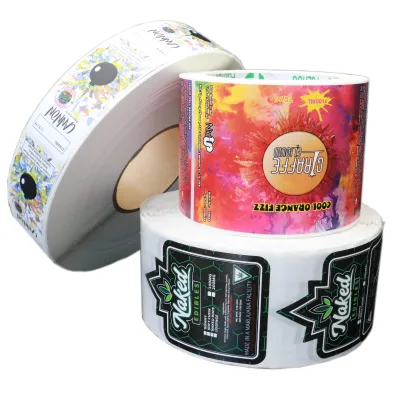




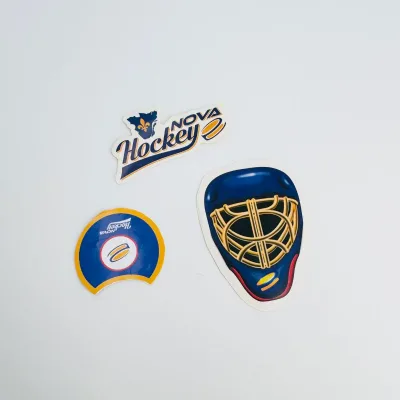
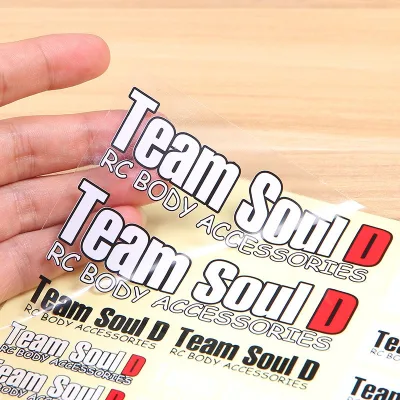
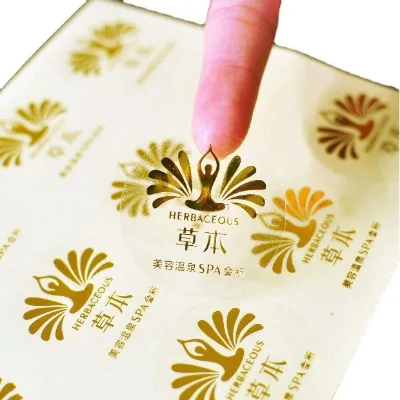
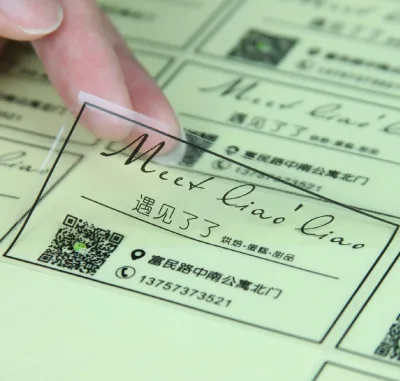
Comprehensive Sourcing Guide
Multi-Layer Label Vinyl Stickers Supplier Concentration and Factory Types
The current supplier landscape for multi-layer label vinyl stickers reveals a concentration of manufacturing capabilities within specific Chinese provinces, notably Jiangsu and Guangdong. These regions serve as primary hubs for producers offering a diverse array of label solutions, ranging from standard adhesive rolls to complex multi-layer structures. Suppliers in these areas often operate as combined entities, blending trading services with direct manufacturing capabilities. This hybrid model allows them to offer extensive customization options while maintaining control over production quality. The presence of verified entities in these locations suggests a mature industrial ecosystem where specialized machinery and skilled labor are readily available to meet the demands of global buyers seeking high-volume or custom-printed label solutions.
Factory types in this sector vary significantly, with many suppliers listing capabilities for both OEM and ODM services. This indicates that buyers can source either pre-designed standard products or fully customized solutions tailored to specific branding and functional requirements. The main products listed by these suppliers include adhesive stickers, multi-layer labels, and various printing services, suggesting a broad technical proficiency. Buyers should note that while some suppliers focus on specific materials like paper or PET, others offer vinyl-based options. Understanding the specific factory type is crucial, as it dictates the level of flexibility and the range of materials available for custom multi-layer vinyl sticker projects.
How to Verify Multi-Layer Label Vinyl Stickers Suppliers
Verification is a critical step in ensuring the reliability of suppliers offering multi-layer label vinyl stickers. Buyers should prioritize suppliers who hold recognized third-party verifications, such as BV or SGS, which provide an additional layer of trust regarding business legitimacy and operational standards. The presence of these verifications indicates that the supplier has undergone external audits, reducing the risk of engaging with fraudulent or non-compliant entities. Additionally, checking for system certifications like ISO9001 or SGS can further validate the supplier’s commitment to quality management systems. These certifications are particularly important for industries with strict regulatory requirements, such as food, pharmaceuticals, or cosmetics, where label integrity and material safety are paramount.
Beyond certifications, buyers should assess the supplier’s responsiveness and track record. Response times, such as those averaging around 4.64 hours or higher, can indicate the efficiency of the supplier’s customer service team. A quicker response often correlates with better communication throughout the order process, which is vital for resolving issues related to custom designs or production delays. Buyers should also examine the supplier’s main products to ensure they align with specific needs, such as waterproof or anti-counterfeit features. While some suppliers may list NIL for certain system certifications, the presence of product-specific certifications like ISO9001 can still serve as a reliable indicator of their operational maturity and adherence to international standards.
What to Compare Across Multi-Layer Label Vinyl Stickers Suppliers
When evaluating suppliers, buyers must compare key operational metrics such as lead times, minimum order quantities (MOQ), and pricing structures. Lead times can vary, with some suppliers offering delivery within 7 to 10 days, while others may have longer production cycles. Understanding these timelines is essential for inventory planning and meeting customer deadlines. MOQs also differ significantly, ranging from as low as 100 pieces to higher thresholds like 3000 or 5000 pieces. Buyers with smaller volume requirements should seek suppliers with lower MOQs, while those planning large-scale campaigns may benefit from suppliers offering economies of scale through higher volume discounts.
Pricing is another critical factor, with costs per unit varying based on material, complexity, and order volume. For instance, prices may range from $0.02 to $0.08 per piece, depending on the specific requirements of the multi-layer vinyl sticker. Buyers should also compare the customization options available, such as the ability to use specific artwork formats like AI, PDF, or CDR. Additionally, the type of adhesive and material, whether it be paper, PET, or vinyl, will impact the final cost. By comparing these variables across multiple suppliers, buyers can identify the best balance between cost, quality, and service level for their specific project needs.
Common Multi-Layer Label Vinyl Stickers Sourcing Risks
One of the primary risks in sourcing multi-layer label vinyl stickers is the potential for quality inconsistencies, particularly when dealing with custom designs. Variations in printing techniques, such as screen printing, offset printing, or digital printing, can lead to differences in color accuracy and durability. Buyers must ensure that the supplier uses appropriate materials, such as waterproof or heat-sensitive options, to meet the intended application’s requirements. Failure to specify these features clearly can result in labels that degrade quickly or fail to adhere properly, leading to product recalls or customer dissatisfaction. Additionally, the complexity of multi-layer structures increases the risk of delamination or misalignment during production.
Another significant risk is the reliability of supply chain logistics, especially when sourcing from international locations. Delays in production or shipping can disrupt inventory levels and impact downstream sales. Buyers should verify the supplier’s port of shipment, such as Shanghai or Ningbo, and understand the associated transit times. Furthermore, payment terms and trade agreements should be clearly defined to avoid disputes. Suppliers offering flexible payment options like T/T, Western Union, or PayPal may provide better financial security, but buyers must also be cautious of upfront payment risks. Establishing clear communication channels and setting realistic expectations can help mitigate these risks and ensure a smoother sourcing experience.
Multi-Layer Label Vinyl Stickers Regional Sourcing and Logistics
Sourcing multi-layer label vinyl stickers from China offers access to established manufacturing clusters in provinces like Jiangsu and Guangdong. These regions benefit from robust infrastructure and a concentration of specialized suppliers, which can lead to competitive pricing and faster production cycles. Buyers should consider the logistical advantages of these locations, including proximity to major ports like Shanghai and Ningbo, which facilitate efficient export operations. Understanding the regional strengths can help buyers select suppliers that align with their specific logistical needs, whether it be rapid turnaround times or cost-effective bulk shipping.
However, buyers must also account for the variability in supplier locations within these provinces. For example, some suppliers may be based in Wuxi, while others operate in different cities within Jiangsu or Guangdong. This geographic dispersion can impact lead times and shipping costs, particularly if the supplier’s facility is not located near the primary export port. Buyers should verify the exact origin of the products and factor this into their logistics planning. Additionally, considering the environmental and regulatory differences between regions can help buyers assess the sustainability and compliance aspects of their supply chain, ensuring that their sourcing practices align with broader corporate responsibility goals.
Multi-Layer Label Vinyl Stickers Commercial Terms and Order Planning
Commercial terms play a crucial role in the successful execution of multi-layer label vinyl sticker orders. Buyers should negotiate clear payment terms, such as T/T, PayPal, or Western Union, to ensure financial security and flexibility. It is also important to define the trade terms explicitly, whether they are negotiated on a case-by-case basis or follow standard Incoterms. Understanding these terms helps buyers manage cash flow and mitigate financial risks associated with international trade. Additionally, buyers should confirm the packaging standards, such as export cartons or specific roll configurations, to ensure that products arrive in optimal condition.
Order planning requires careful attention to detail, particularly regarding customization and artwork submission. Buyers must provide design files in accepted formats like AI, PDF, or CDR to avoid production delays. It is also essential to confirm the delivery time, which can range from 7 to 10 days depending on the order complexity and volume. Buyers should plan for potential variations in lead times and maintain open communication with suppliers to address any issues promptly. By establishing clear commercial terms and robust order planning processes, buyers can streamline their sourcing operations and ensure the timely delivery of high-quality multi-layer label vinyl stickers.
FAQs
What is the typical lead time for multi-layer label vinyl stickers?
The typical lead time for these stickers is 15 days based on current supplier data. Some suppliers offer faster delivery options with a 7-day turnaround for specific orders. Buyers should confirm exact timelines with the supplier before placing an order to ensure production schedules align with project needs.
What are the minimum order quantities for custom adhesive labels?
Minimum order quantities vary significantly among suppliers, ranging from 100 pieces to 5000 pieces. Some vendors accept small orders of 500 pieces, while others require bulk purchases of 3000 or more units. Buyers must check specific product listings to find options that match their volume requirements and budget constraints.
Which certifications do these label manufacturers hold?
Many manufacturers hold ISO9001 and SGS certifications for quality assurance. Some suppliers also display BV verification status to confirm their business credentials. Buyers should verify current certification documents directly with the supplier to ensure compliance with specific industry standards and safety regulations for their products.
What materials are used for multi-layer adhesive stickers?
Common materials include paper, PET, and vinyl for various applications. Some products feature polyester backing or glassine paper for specific adhesive needs. Buyers can request samples to test material durability, waterproof properties, and suitability for food, cosmetic, or industrial packaging applications before committing to large orders.
How fast do suppliers typically respond to inquiries?
Response times vary, with some suppliers replying within 4.64 hours and others taking up to 11 hours. Faster response times often indicate higher availability and readiness to handle urgent orders. Buyers should prioritize suppliers with shorter response times to ensure efficient communication throughout the sourcing and production process.
What printing techniques are available for custom labels?
Available printing techniques include screen printing, offset printing, flexographic printing, and digital printing. Some suppliers also offer letterpress printing for specific design requirements. Buyers should discuss their design complexity and color needs with the supplier to select the most suitable printing method for their custom label project.
Where are these label manufacturers located?
Manufacturers are primarily located in Jiangsu and Guangdong provinces in China. Specific production sites may be in cities like Wuxi or near ports like Shanghai and Ningbo for shipping convenience. Buyers should verify the exact factory location to assess logistics costs and potential lead times for international shipments.