Offset Printed Spiral Composition Notebook Suppliers and Manufacturers
Compare 23 verified suppliers offering offset printed spiral composition notebooks with varying lead times, prices, and certifications. Review response times and customization options to select a partner that meets your specific production needs; review the available evidence before requesting comparable quotations from suitable candidates.
Updated
Suppliers List

Shanghai Cheng Printing Company
- Combined
- China Shanghai
- Lead time15 days
- Avg. response≤ 2h
Main productsBook Printing, Board Book Printing, Hardcover Book Printing, Puzzle Box Printing, Softcover Book Printing, Catalogue Printing, Calendar Printing, Notebook Printing, Story Book Printing, Textbook Printing
Main marketsSouth America,Europe

Spiral Notebook Printing Spiral Notebook Personalised Journals Note Book
$0.50 - $2.50
MOQ: 500 Pieces

Yiwu Langyucai Stationery Co., Ltd.
- Verified by Intertek
- Manufacturer, Trading Company
- Lead time7 days
- Avg. response≤ 3h
Main productsNotebook, Sewn Notebook, Saddle Stitch Notebook, Spiral Notebook, Coloring&Copy Book
Main marketsNorth America(25%), Western Europe(25%), South America(10%)
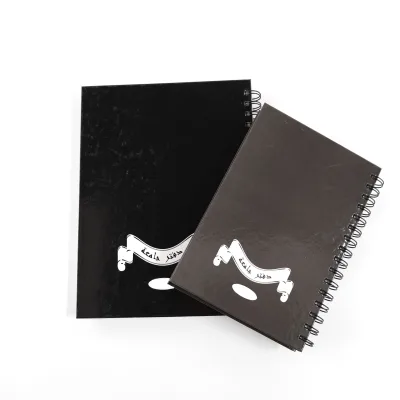
Custom Hard Cover Spiral Diary Notebook Journal Plain Paper Printing Offset Printing Book
$0.25 - $0.42
MOQ: 1000 pieces
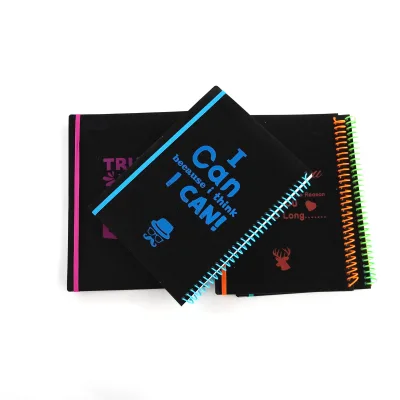
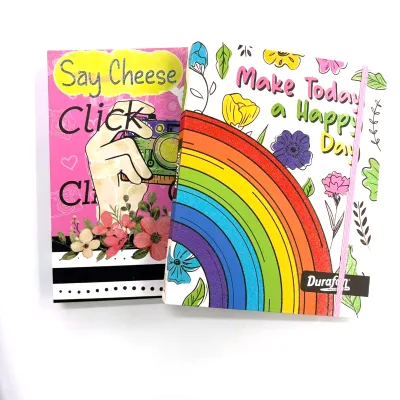
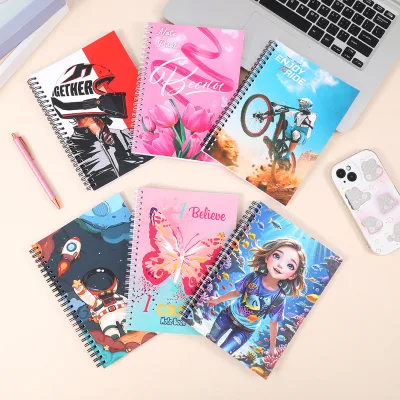
Diary Budget Blotter Note Book Journal Custom Coil Spiral Binding Notebooks With Logo for Students
$0.28 - $0.45
MOQ: 1000 pieces
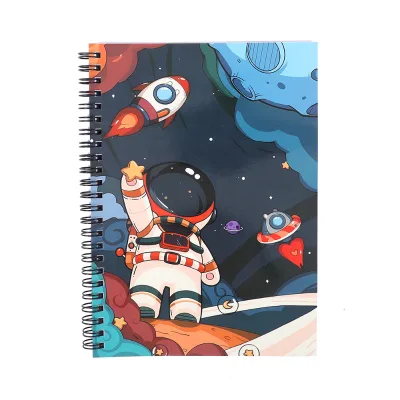


Hefei Colorfly Stationery Co., Ltd.
- Verified by SGS
- Combined
- China Anhui
- Lead time30 days
- Avg. response≤ 13h
Main productsExercise Book, Notebook, Spiral Notebook, Composition Book, Copy Book, Soft Cover Notebook, Stationery Set, Drawing Book, PP Exercise Book, Counter Book
Main marketsAfrica,Southeast Asia/ Mideast


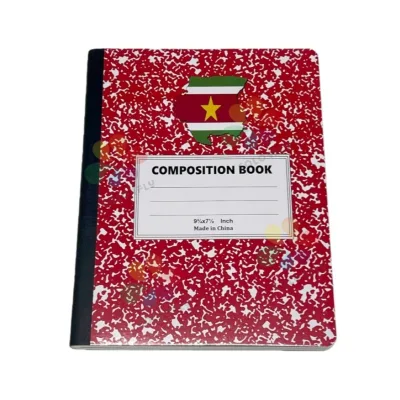
Paper Spiral Softcover Students Composition Book, Office Stationery Note Book
$0.03 - $0.35
MOQ: 10000 Pieces


- Verified by BV
- Manufacturer/Factory
- China Shandong
- Lead time0 days
- Avg. response≤ 15h
Main productsNotebook, Book Printing, Pacakging Boxes, Children Book, Diaries, Organizers, Calendars, Notepads, Note Book, Hardcover Book

Fujian Juhui Printing Co., Ltd.
- Verified by BV
- Combined
- China Fujian
- Lead time15 days
- Avg. response≤ 5h
Main productsBooks Printing, Notebooks / Journals / Planners / Diaries / Memo, Paper Packaging, Specialty & Premium Printing, Children's Books / Coloring Books, Food Packaging, Notebook & Stationery Printing, Card & Game Printing, Paper Bags, Posters / Business Cards / Postcards / Booklets
Main marketsSoutheast Asia/ Mideast,Europe,Australia,North America


Blank Spiral Notebook Planner Journals Sketch Book for School Stationery
$0.40 - $2.20
MOQ: 100 Pieces

Hardcover Customized Logo Notebook Promotion Multi Color Spiral Paper Notebook
$1.20 - $3.00
MOQ: 250 pieces


Shenzhen Flying Supply Chain Co., Ltd.
- Verified by SGS
- Trading Company
- China Guangdong
- Lead time15 days
- Avg. response≤ 6h
Main productsPacking Bag, Gift Bag, Folding Bag, Laptop Bag, Carton, Toy Puzzle, Stationery, Label, Hot Melt Paper, 3D Printing Consumables
Main marketsNorth America

Printing Books Note Book Paperback Journal Agenda Daily Planner Spiral Notebook A5 Notebooks
$0.6974 - $3.49
MOQ: 150 Pieces

Custom Practical Offset Printing Iron Ring Coil Spiral Printing Notebooks
$2.15 - $10.73
MOQ: 500 Pieces

Hardcover Spiral Notebook Printing Notebook Journal Custom Weekly Daily Planner Notebooks
$1.95 - $2.00
MOQ: 1 Pieces

Shenzhen Longyin Printing Packing Co., Ltd.
- Verified by SGS
- Trading Company
- China Guangdong
- Lead time15 days
- Avg. response≤ 4h
Main marketsSouth America,Africa,Southeast Asia/ Mideast,East Asia(Japan/ South Korea),Domestic,Europe,Australia,North America
HonorHope (Zhengzhou) Technology Industrial Co., Ltd.
- Manufacturer, Trading Company
- Henan, China
- Lead time15 days
- Avg. response≤ 14h
Main productsPaper Bag,Gift Box,Calendar,Nowoven bag,Notebook
Main marketsMid East(30.00%), North America(20.00%), Western Europe(15.00%), South America(10.00%), Eastern Europe(5.00%), Eastern Asia(5.00%), Southeast Asia(5.00%), Oceania(5.00%), Africa(5.00%)
Hefei Colorfly Stationery Co., Ltd.
- Verified by SGS Group
- Manufacturer, Trading Company
- Lead time30 days
- Avg. response≤ 6h
Main productsExercise Book, Notebook, PU leather Book
Main marketsAfrica(40%), Mid East(15%), Domestic Market(10%)

Wenzhou Yanhe Technology Co., Ltd.
- Verified by BV
- Combined
- China Zhejiang
- Lead time30 days
- Avg. response≤ 6h
Main productsNotebook
Main marketsSouth America,Africa,Southeast Asia/ Mideast,East Asia(Japan/ South Korea),Europe,Australia,North America


Customizable Journal Planner Notebooks Printed Spiral Notebook Agenda Diary Notebooks
$0.50 - $3.00
MOQ: 300 pieces

Hefei MaxArt Technology Co., Ltd.
- Manufacturer, Trading Company
- Anhui, China
- Lead time30 days
- Avg. response≤ 4h
Main productsExercise Book,Hardcover Notebook,Spiral Notebook
Main marketsAfrica(40.00%), Mid East(15.00%), Domestic Market(10.00%), Southeast Asia(5.00%), South America(5.00%), South Asia(5.00%), North America(5.00%)
Hefei Skyfly Enterprise Co., Ltd.
- Verified by Intertek
- Manufacturer, Trading Company
- Lead time30 days
- Avg. response≤ 2h
Main productsExercise Book, Notebook, PU Leather Book, Book Printing, Paper Bag Printing
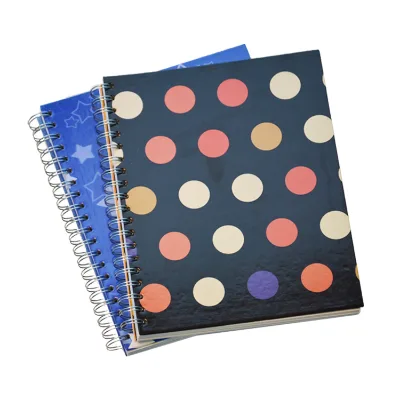
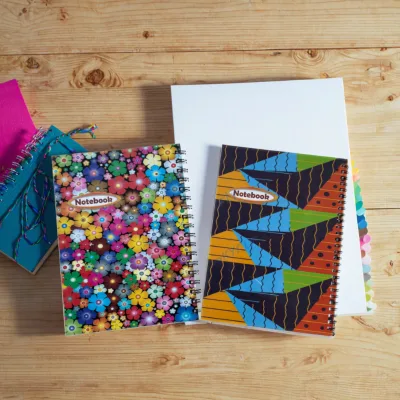
$0.1027 - $0.2054
MOQ: 50 Minimum
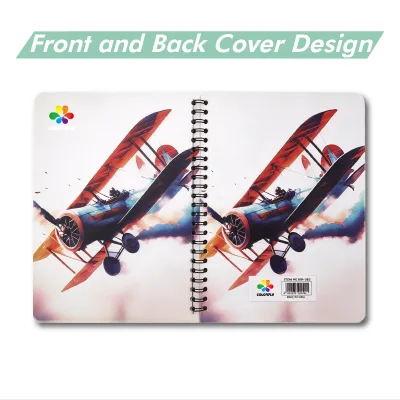
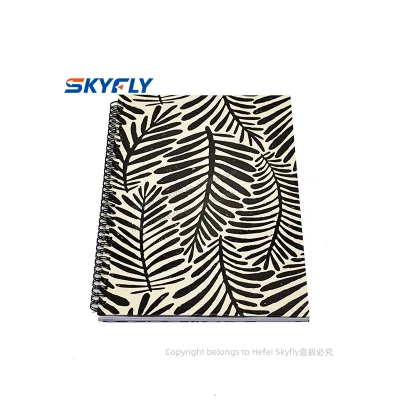
Standard Spiral Notebook Simple Plain Cover Coil Notebook for Student Daily Stationery
$0.55 - $0.66
MOQ: 20000
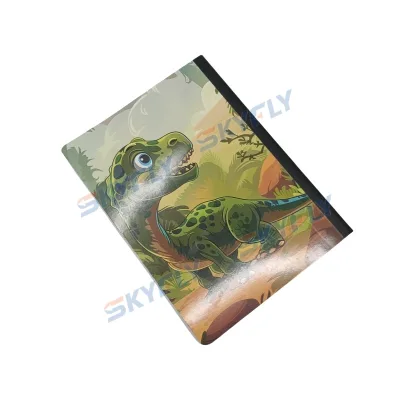
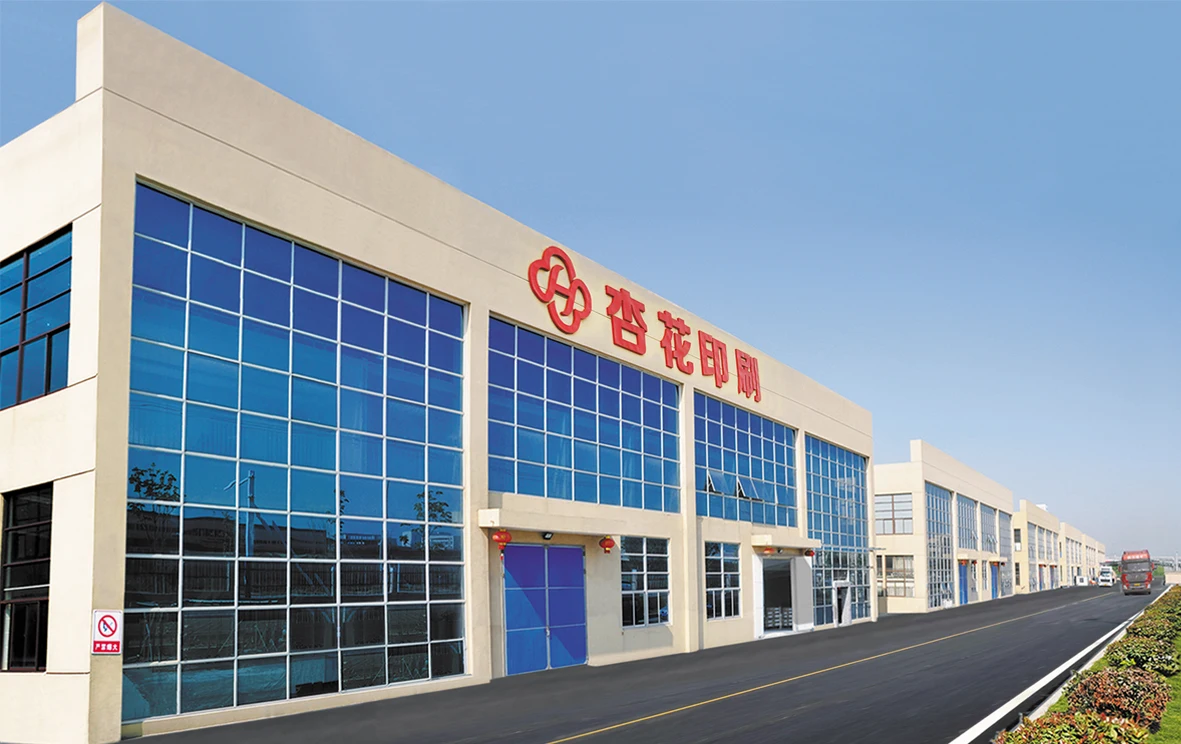
Hefei Xinghua Printing Co., Ltd.
- Manufacturer, Trading Company
- Anhui, China
- Lead time0 days
- Avg. response≤ 6h
Main productsBook Printing, Boutique Packaging Box
Main marketsNorth America(60.00%), Africa(40.00%)
Hebei Hongyun Tengda Printing Co., Ltd.
- Verified by Intertek
- Manufacturer, Trading Company
- Lead time20 days
- Avg. response≤ 1h
Main productsBooks, Package box
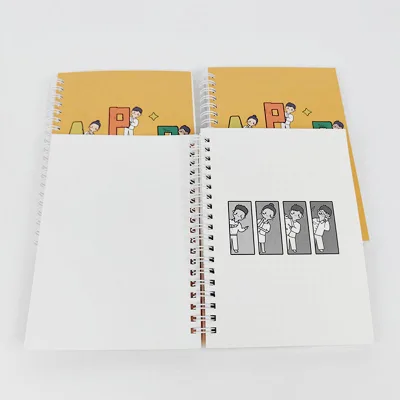
Wholesale Custom Printing Cute Pattern Cover Diary Journal Spiral Notebook
$0.4122 - $1.0193
MOQ: 100 pieces
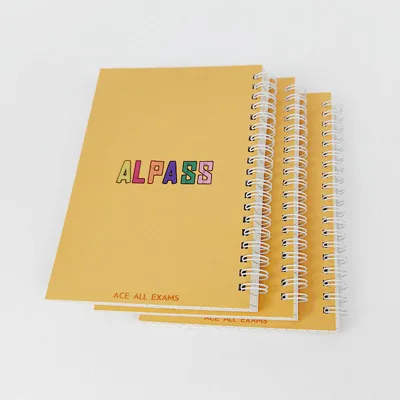
Hot Selling A4 Hardcover Blank Spiral Notebook Small White Spiral Notebook Custom
$0.40 - $1.50
MOQ: 10 pieces
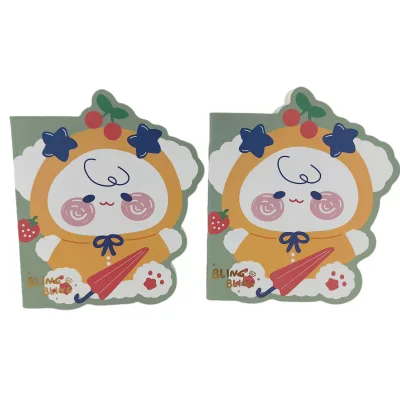
Guangzhou Bonroy Cultural Creativity Co., Ltd.
- Verified by SGS Group
- Trading Company
- Lead time8 days
- Avg. response≤ 3h
Main productsCard game, Paper box, Book printing, Notebook, Paper bag
Main marketsNorth America(41%), Oceania(25%), South America(10%)

GUANGZHOU TIMI PRINTING CO.,LIMITED
- Verified by SGS
- Manufacturer/Factory
- China Guangdong
- Lead time38 days
- Avg. response≤ 1h
Main productsBook Printing, Children Books, Planner and Notebook, Toys, Puzzles, Game Cards, Cloth Books, Magazine, Stationery, Hardcover and Softcover Book
Main marketsSouth America,Eastern Europe,Mid East,North America,Southeast Asia,Eastern Asia,Oceania,Western Europe,Africa


Creative Daily Planning Notebook with Spiral Binding for Artistic Expression
$0.50 - $2.50
MOQ: 500 piece


Vibrant Daily Planner Notebooks with Spiral Binding for Easy Organization
$0.50 - $2.50
MOQ: 500 piece

Daily Planner Notebook for Organized Scheduling, Planning, and Note-Taking
$0.50 - $2.50
MOQ: 500 piece


GUANGZHOU MIYI PRINTING CO., LTD
- Verified by BV
- Trading Company,Manufacturer/Factory
- China Guangdong
- Lead time0 days
- Avg. response≤ 8h
Main productsBook Printing, Custom Magazine, Catalog, Paper Bag, Paper Box, Packageing Box, Toy Box, Sticker, Label, School Supplies
Main marketsSouth America,Eastern Europe,Mid East,North America,Southeast Asia,Eastern Asia,Oceania,Western Europe,Africa

FUZHOU SHOO-IN IMP & EXP CO., LTD.
- Verified by SGS
- Trading Company
- China Fujian
- Lead time15 days
- Avg. response≤ 6h
Main productsSports Wear, Promotional Gift, Lanyards, Badges, Caps, Sports Training Products, Sports Balls, Tennis Accessories, Golf Accessories, Pet Products
Main marketsEast Asia(Japan/ South Korea),North America


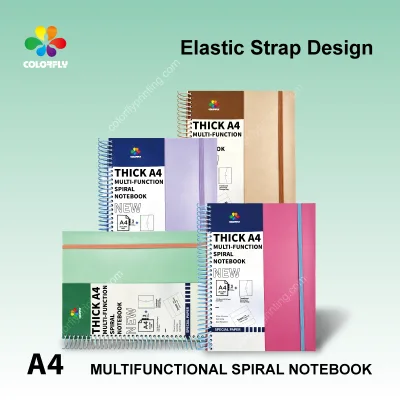
Notebook Custom Pages A5 Journal A4 Elastic Band Closure Spiral Notebook
$0.80 - $2.00
MOQ: 500 Pieces
Fuzhou Yintuan Printing Co., Ltd.
- Verified by TüVRheinland
- Manufacturer, Trading Company
- Lead time7 days
- Avg. response≤ 1h
Main productsBook Printing, Children Book, Coloring Book, Decor Book, Journal Notebook
Main marketsNorth America(45%), Southeast Asia(20%), Eastern Asia(15%)
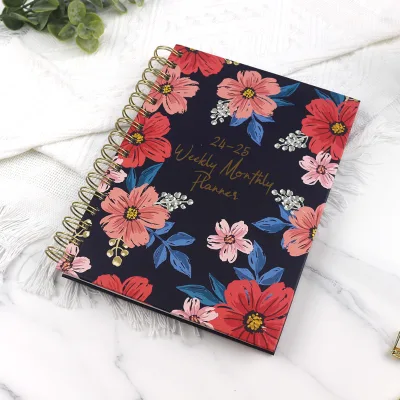
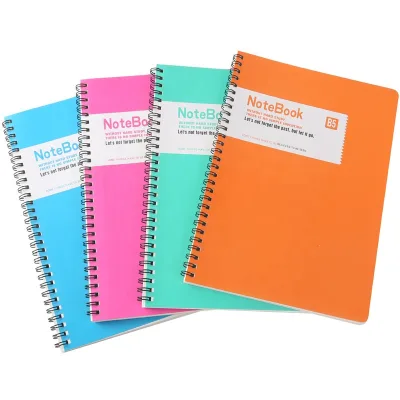
Customized School Supplies Spiral Notebooks Printing
$1.00 - $1.80
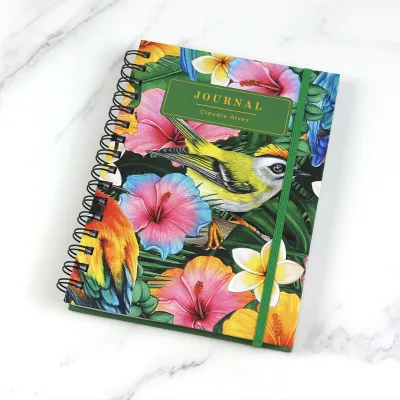
Hangzhou Keteng Trade Co., Ltd.
- Verified by SGS Group
- Trading Company
- Lead time12 days
- Avg. response≤ 2h
Main productsStationery, Paper Box, Paper Bags, Packaging Bags, Promotion Gifts
Main marketsNorth America(50%), Oceania(15%), Western Europe(15%)

Anhui Changxing Paper Printing Co., Ltd.
- Manufacturer, Trading Company
- Anhui, China
- Lead time1 days
- Avg. response≤ 7h
Main productsNotebook,Stationery,Printing goods,spiral notebook,hardcover notebook
Main marketsMid East(35.00%), Africa(30.00%), South America(10.00%), North America(10.00%), South Asia(5.00%), Central America(5.00%), Southeast Asia(5.00%)
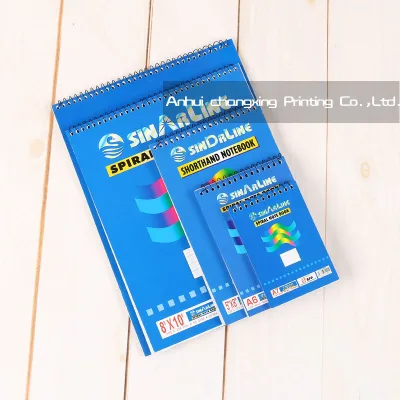
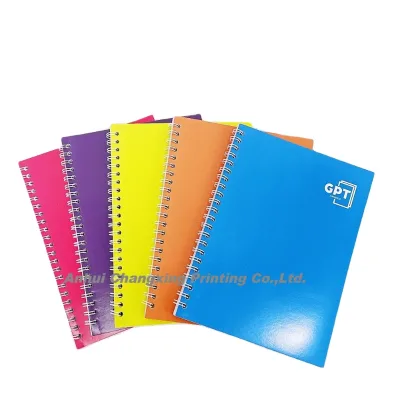
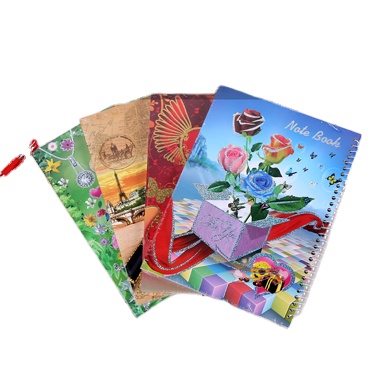
$0.05 - $0.30
MOQ: 50000 Minimum
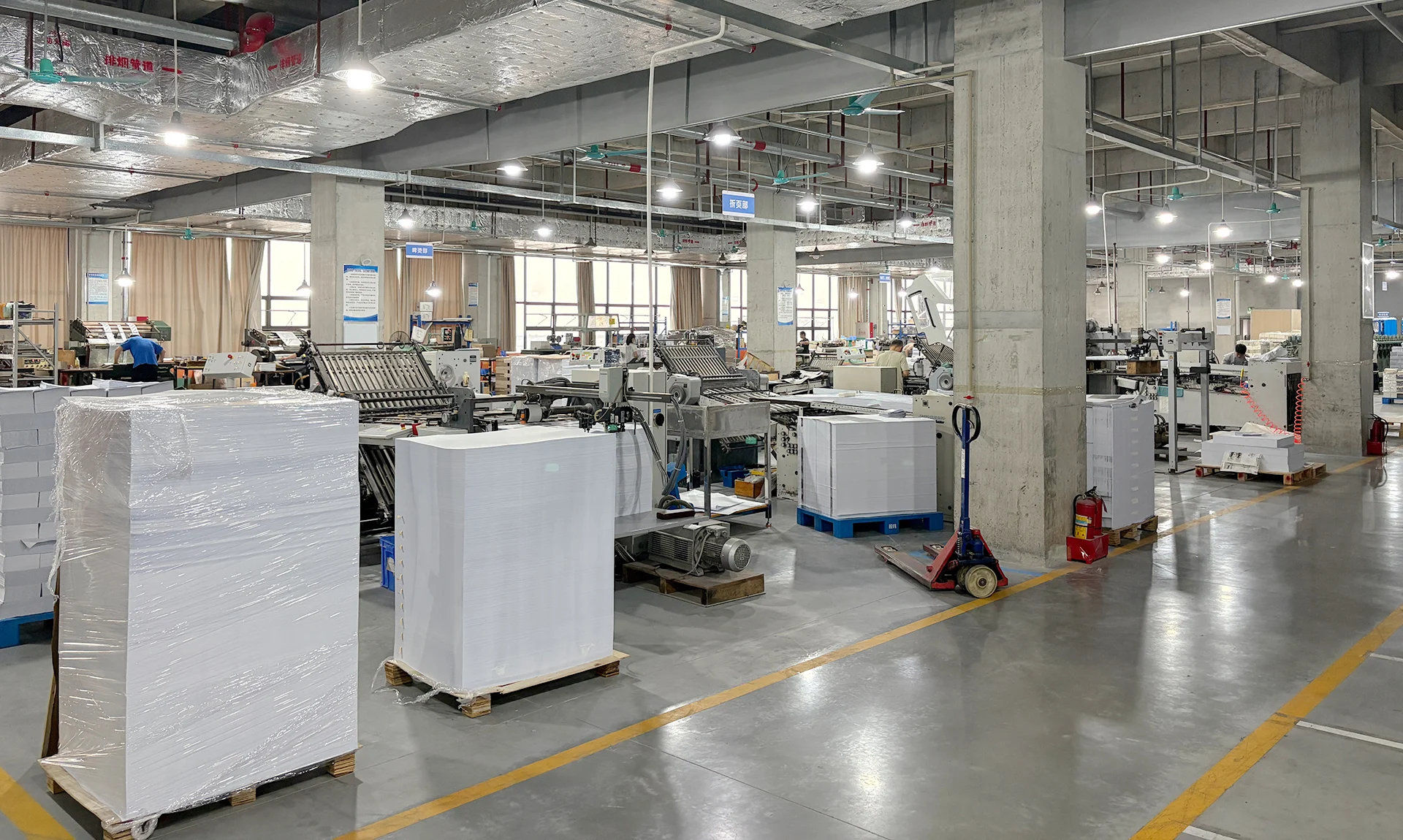
Dongguan Haicheng Paper Products Co., Ltd.
- Manufacturer, Trading Company
- Guangdong, China
- Lead time15 days
- Avg. response≤ 2h
Main productsHardcover Book,Sprayed Edge Book,Children Book,Paper Box,Notebook & Journal
Main marketsNorth America(35.00%), Western Europe(34.00%), Southern Europe(8.00%), Oceania(5.00%), Northern Europe(5.00%), Africa(3.00%), Mid East(3.00%), Eastern Europe(3.00%), Eastern Asia(1.00%), Domestic Market(1.00%), South America(1.00%), Southeast Asia(0.50%), South Asia(0.50%)

HonorHope (Zhengzhou) Technology Industrial Co., Ltd.
- Verified by CTI
- Manufacturer/Factory,Group Corporation
- China Henan
- Lead time0 days
- Avg. response≤ 14h
Main productsPacking Box and Bag, Gift and Craft Production, Office Supplier, Greeting Cards and Envelopes, Business Envelopes and Paper, Notebook and Pad, Hangtag and Label, Calenders, Printing Books and Catalogs, Custom Shopping Bag



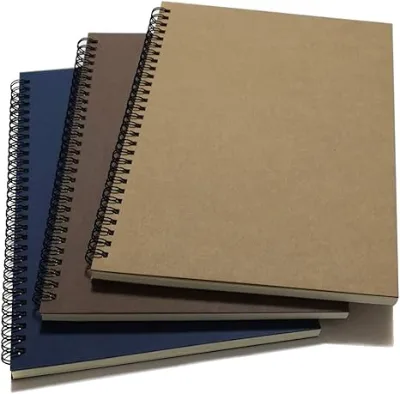
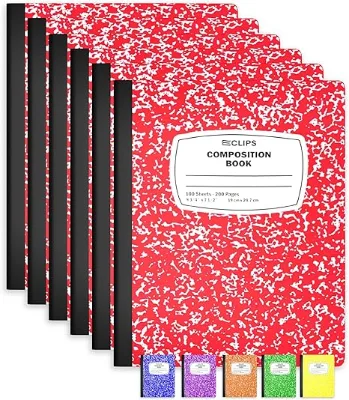





Comprehensive Sourcing Guide
Offset Printed Spiral Composition Notebook Supplier Concentration and Factory Types
The current supplier landscape for offset printed spiral composition notebooks reveals a distinct concentration of manufacturing and trading entities within specific industrial hubs in China. Evidence indicates that suppliers are primarily located in Shanghai and Anhui, suggesting these regions serve as key production clusters for this specific stationery category. Shanghai-based suppliers often operate as combined entities, offering both manufacturing capabilities and trading services, which can streamline the procurement process for international buyers seeking a single point of contact. These combined companies typically leverage their location to facilitate efficient logistics and export procedures, making them attractive options for buyers who prioritize supply chain simplicity. The presence of such suppliers in Shanghai highlights the region's established infrastructure for book printing and paper product manufacturing, providing buyers with access to a mature ecosystem of materials and specialized labor.
In contrast, suppliers originating from Anhui, China, appear to focus heavily on specialized notebook production, often emphasizing customization and specific binding techniques like spiral binding. These manufacturers frequently list main products that include various types of notebooks, such as spiral notebooks, composition books, and planners, indicating a strong specialization in this niche. The distinction between Shanghai-based combined companies and Anhui-based specialized manufacturers offers buyers a choice between broad service offerings and focused production expertise. When evaluating these factory types, it is crucial to understand that a "combined" company type may imply a trading company that sources from multiple factories, whereas a manufacturer type suggests direct control over the production line. This structural difference can impact communication efficiency, quality control consistency, and the ability to handle complex custom orders. Buyers should carefully review the company type to determine if they are dealing directly with the production facility or an intermediary, as this affects lead times and pricing structures significantly.
How to Verify Offset Printed Spiral Composition Notebook Suppliers
Verifying the credibility and operational capacity of suppliers requires a multi-layered approach that goes beyond basic profile reviews. One critical step is to check for third-party verification badges, such as Intertek verification, which provides an additional layer of trust regarding the supplier's business legitimacy and operational history. Buyers should prioritize suppliers who have undergone such rigorous third-party audits, as these verifications often include on-site inspections of manufacturing facilities and quality management systems. Additionally, examining the supplier's response time is a practical indicator of their operational efficiency and customer service commitment. A response time of approximately 1.24 hours suggests a highly responsive team, which is essential for resolving queries quickly and maintaining smooth communication throughout the sourcing process. Conversely, a response time of three hours, while still acceptable, may indicate a larger team with potentially longer internal approval chains.
Beyond response metrics, buyers must scrutinize the supplier's certification portfolio to ensure compliance with international safety and quality standards. For notebook products, certifications such as EN 71, Declaration of Conformity, and CE are particularly relevant, as they attest to the safety of materials used in the product, especially for items intended for school or office use. These certifications are not merely formalities but are critical for market access in regions with strict regulatory requirements. Buyers should request copies of these certificates and verify their validity with the issuing bodies. Furthermore, assessing the supplier's capacity for customization is vital, as many buyers require specific branding and design elements. Suppliers that explicitly state capabilities in ODM and OEM services, along with graphic processing and sample processing, are better equipped to handle bespoke orders. Buyers should also look for evidence of sample provision, as receiving a physical sample is the most effective way to verify print quality, binding durability, and material feel before committing to a large order.
What to Compare Across Offset Printed Spiral Composition Notebook Suppliers
When comparing suppliers, buyers should focus on key operational metrics such as lead time, minimum order quantity (MOQ), and pricing structures to determine the best fit for their business needs. Lead times can vary significantly, with some suppliers offering a production time of seven days, while others may require up to fifteen days. This difference is crucial for buyers with tight inventory schedules or seasonal demand peaks. A shorter lead time of seven days allows for faster replenishment and reduced inventory holding costs, whereas a fifteen-day lead time may require more advanced planning and larger safety stock. Similarly, MOQs are a critical factor, with some suppliers requiring a minimum of 500 units, while others may set the bar at 1000 units. Buyers with smaller budgets or those testing new markets may find the lower MOQ more accessible, while larger buyers might leverage higher volumes to negotiate better unit prices.
Pricing is another essential dimension for comparison, with unit costs ranging from as low as $0.20 to over $2.50 depending on specifications such as paper type, cover material, and binding complexity. For instance, basic spiral notebooks with woodfree paper and simple covers may fall into the lower price brackets, while high-quality hardcover journals with embossing and premium paper types command higher prices. Buyers should also compare the customization options available, such as the ability to provide custom logos, specific sizes like A5 or B5, and various cover materials including leather, PVC, or grey cardboard. Additionally, the availability of samples and the associated sample times, which can range from three to five working days, should be factored into the decision-making process. By systematically comparing these attributes, buyers can create a weighted scoring matrix to objectively evaluate suppliers based on their specific priorities, whether that be cost, speed, or quality.
Common Offset Printed Spiral Composition Notebook Sourcing Risks
One of the primary risks in sourcing offset printed spiral composition notebooks is the potential discrepancy between sample quality and mass production output. Even with rigorous verification processes, variations in paper weight, ink consistency, or binding strength can occur during large-scale manufacturing. Buyers must mitigate this risk by establishing clear quality standards and conducting pre-shipment inspections. It is advisable to request detailed product specifications, including paper type, binding method, and surface finish, and ensure these are explicitly stated in the purchase contract. For example, specifying "perfect binding" versus "spiral binding" or "art paper" versus "woodfree paper" can prevent misunderstandings that lead to subpar products. Additionally, buyers should be cautious of suppliers who do not provide clear information about their production processes or who are unwilling to share detailed product attributes.
Another significant risk is the reliability of delivery dates, which can be impacted by supply chain disruptions or production bottlenecks. While some suppliers advertise a lead time of seven days, external factors such as raw material shortages or labor issues can cause delays. Buyers should maintain open communication with their suppliers and request regular production updates to stay informed of any potential issues. Furthermore, the risk of intellectual property infringement is a concern when working with suppliers who offer extensive customization services. Buyers should ensure that their designs and logos are protected through appropriate legal agreements and that the supplier has a track record of respecting intellectual property rights. By proactively addressing these risks through clear contracts, regular communication, and quality control measures, buyers can minimize the likelihood of costly errors and ensure a smoother sourcing experience.
Offset Printed Spiral Composition Notebook Regional Sourcing and Logistics
Sourcing from specific regions in China, such as Shanghai and Anhui, offers distinct logistical advantages and challenges that buyers must consider. Shanghai, being a major port city, provides excellent access to international shipping routes, which can reduce transit times and simplify export documentation. Suppliers located in Shanghai often have established relationships with freight forwarders and logistics providers, enabling them to offer competitive shipping rates and efficient handling of export procedures. This logistical advantage can be particularly beneficial for buyers who prioritize speed and reliability in their supply chain. Additionally, the concentration of suppliers in Shanghai may facilitate easier site visits and face-to-face meetings, allowing buyers to build stronger relationships and gain deeper insights into the supplier's operations.
In contrast, suppliers in Anhui may offer cost advantages due to lower operational costs in the region, but buyers must account for potential additional logistics expenses associated with transporting goods to major ports. The distance from Anhui to coastal shipping hubs can increase transit times and shipping costs, which may offset some of the initial savings on product prices. Buyers should carefully calculate the total landed cost, including manufacturing, inland transportation, and ocean freight, to determine the true cost advantage of sourcing from Anhui. Furthermore, regional differences in labor availability and skill levels can impact production quality and consistency. Buyers should assess the supplier's ability to manage these logistical complexities and ensure that they have robust quality control measures in place to maintain product standards regardless of the production location.
Offset Printed Spiral Composition Notebook Commercial Terms and Order Planning
Effective order planning requires a thorough understanding of the commercial terms offered by suppliers, including payment terms, packaging requirements, and after-sales support. Many suppliers offer flexible payment options, such as partial upfront payments and balance upon shipment, which can help manage cash flow and reduce financial risk. Buyers should negotiate terms that align with their financial capabilities and risk tolerance, ensuring that they have adequate protection in case of non-delivery or quality issues. Additionally, understanding the supplier's packaging standards is crucial, as improper packaging can lead to product damage during transit. Suppliers that offer packaging according to demand or specific protective measures can help ensure that products arrive in pristine condition, reducing the risk of returns and customer dissatisfaction.
Beyond initial order terms, buyers should consider the long-term relationship with their supplier, including the potential for repeat orders and volume discounts. Suppliers that demonstrate a commitment to quality and customer service are more likely to offer favorable terms for subsequent orders, such as reduced lead times or lower prices. Buyers should also inquire about the supplier's policy on handling defects or discrepancies, including replacement or refund procedures. Establishing clear communication channels and building a collaborative relationship with the supplier can lead to better problem-solving and continuous improvement in the sourcing process. By carefully planning commercial terms and fostering a strong partnership, buyers can create a sustainable and efficient supply chain for their offset printed spiral composition notebooks.
FAQs
What is the typical lead time for spiral notebooks?
Lead times vary by supplier and order size. Some manufacturers offer a 7-day turnaround for standard orders, while others require up to 15 days. Customization requests or complex binding styles may extend the delivery window beyond these standard periods.
What are the minimum order quantities for these notebooks?
Minimum order quantities typically range from 500 to 1000 units depending on the specific product design. Some suppliers accept orders starting at 500 pieces for basic spiral notebooks, while others require a minimum of 1000 units for custom printed options.
Can suppliers provide samples before bulk production?
Yes, most suppliers provide samples to verify quality and design accuracy. Sample times generally take between 3 to 5 working days. Buyers should confirm sample availability and any associated costs before proceeding with a large bulk order for their specific needs.
What paper types are used for offset printed notebooks?
Common paper types include art paper, coated paper, and woodfree offset paper. These materials ensure high-quality print results for covers and inner pages. The specific paper choice depends on the desired finish, durability, and the intended use of the notebook.
Are custom logos and designs available for these notebooks?
Customization is widely available for logos, covers, and binding styles. Suppliers offer options for hard or soft covers with embossing or other surface finishes. Buyers can request specific sizes like A5 or B5 along with custom page counts to match their branding requirements.
What certifications do these notebook manufacturers hold?
Some manufacturers hold certifications such as EN 71, CE, and Declaration of Conformity. These standards ensure product safety and compliance for international markets. Buyers should verify specific certification documents with the supplier to ensure they meet local regulatory requirements for their target audience.
Where are the main manufacturing locations for these products?
Manufacturing facilities are primarily located in China, with hubs in Shanghai and Anhui. These regions offer established supply chains for offset printing and binding services. Buyers can expect products to originate from these specific locations when sourcing from verified suppliers in the region.