Waterproof PP Plastic Loose-leaf Notebook Suppliers and Manufacturers
Compare 31 verified suppliers offering waterproof pp plastic loose-leaf notebooks with varying lead times, response speeds, and certifications. Review product attributes like cover material and page count to select the right factory for your order; review the available evidence before requesting comparable quotations from suitable candidates.
Updated
Suppliers List

Dongguan Bright Sea Industrial Co., Ltd.
- Verified by TUVRHEINLAND
- Trading Company
- China Guangdong
- Lead time15 days
- Avg. response≤ 1h
Main productsPaper Gift Boxes, Wooden Picture Frames, Tin Storage Boxes, Plastic Bottles, Corrugated Cat Scratching Boards, Printing Envelopes, Cigar Storage Humidors, Acrylic Display Boxes, Jigsaw Puzzles, Insulated Bags and Cartons
Main marketsSouth America
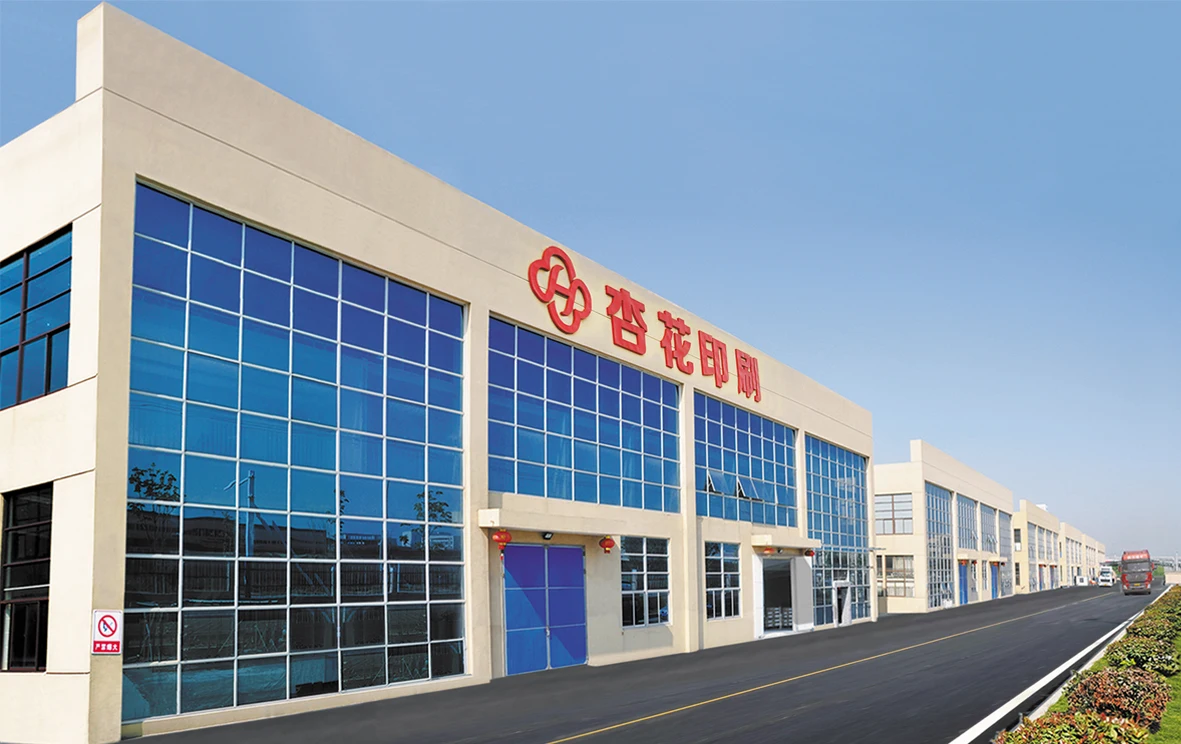
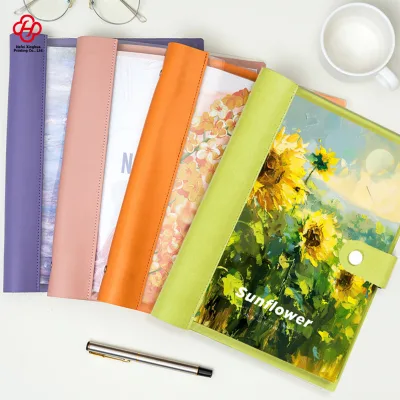
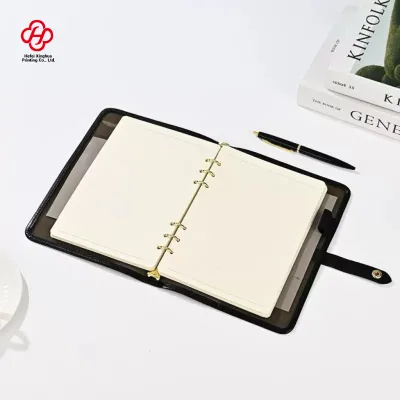
Hefei Xinghua Printing Co., Ltd.
- Manufacturer, Trading Company
- Anhui, China
- Lead time0 days
- Avg. response≤ 6h
Main productsBook Printing, Boutique Packaging Box
Main marketsNorth America(60.00%), Africa(40.00%)
Hefei Hongjun Information Technology Co., Ltd.
- Trading Company
- Anhui, China
- Lead time0 days
- Avg. response≤ 2h
Main productsOutdoor Table,Outdoor Chair,Park Chair,Shoe Changing Bench,Office Furniture
Main marketsCentral America(20.00%), Southeast Asia(20.00%), Eastern Europe(20.00%), South America(20.00%), North America(20.00%)
Zhejiang Shuyuan Stationery Co., Ltd.
- Verified by SGS Group
- Manufacturer, Trading Company
- Lead time25 days
- Avg. response≤ 2h
Main productsOffice Stationery, Notebook, File Folder, File Organizer, Ring Binders
Main marketsDomestic Market(70%), North America(10%), South America(10%)
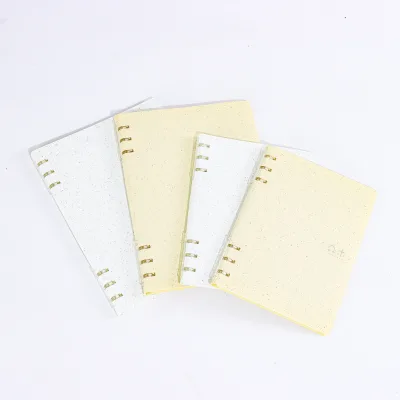
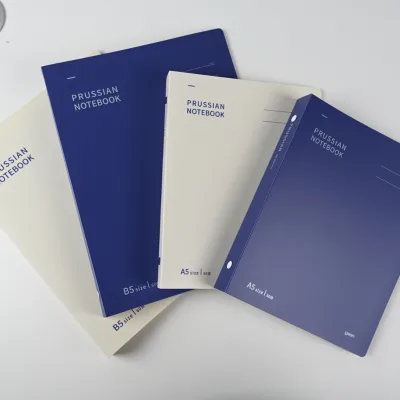
$1.0703 - $1.2247
MOQ: 3000 pieces
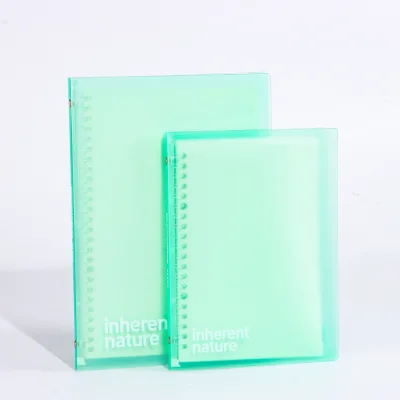
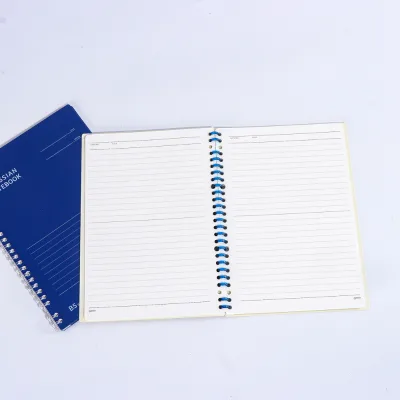
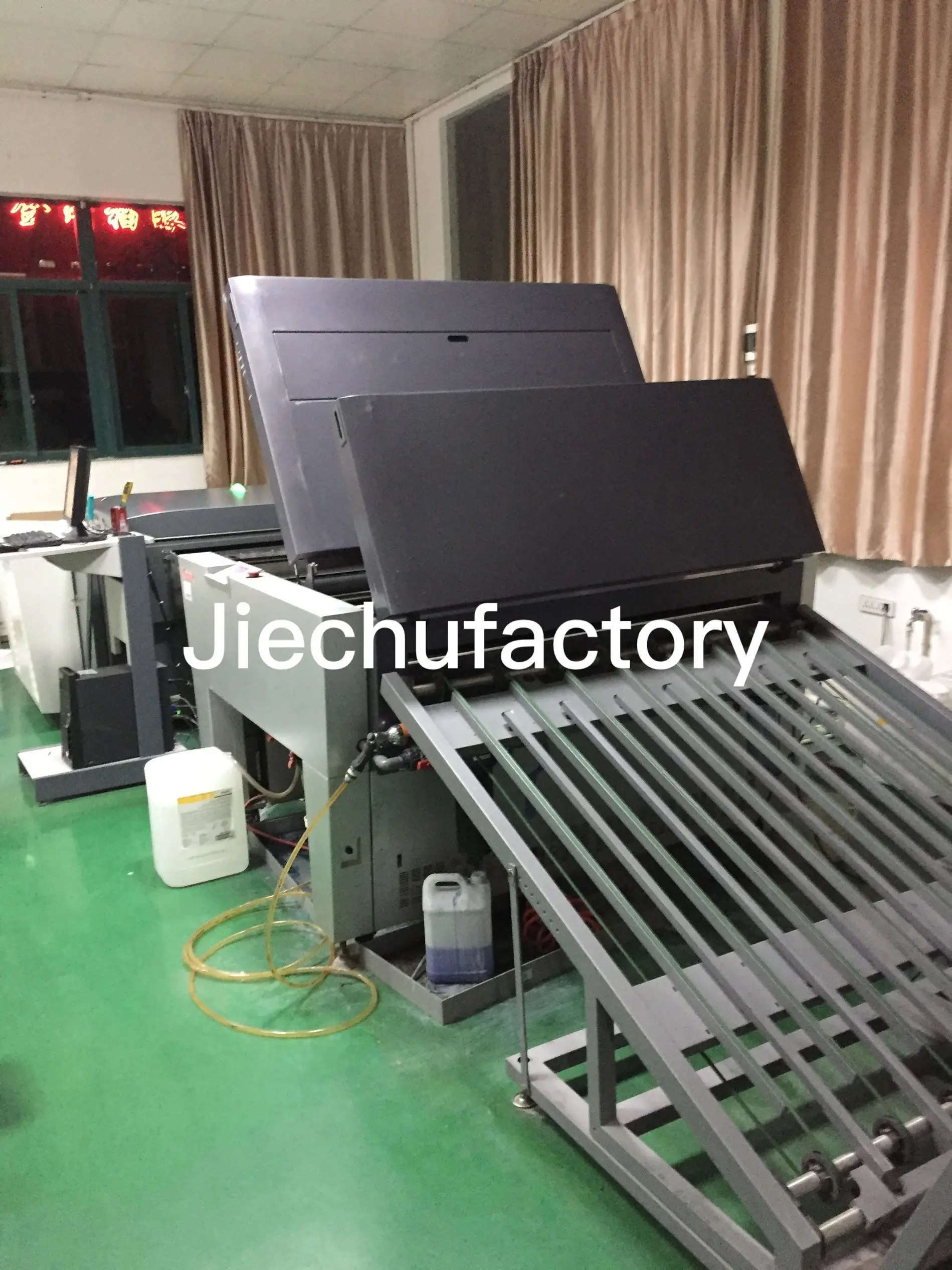
Wenzhou Jiechu Craft & Gift Co., Ltd.
- Manufacturer
- Zhejiang, China
- Lead time10 days
- Avg. response≤ 3h
Main productsnotebook Journal diary,greeting cards,calendar,wrapping paper,gift tag
Main marketsNorthern Europe(80.00%), North America(60.00%), South America(60.00%), Eastern Europe(50.00%), Mid East(50.00%), Oceania(50.00%), South Asia(50.00%), Southeast Asia(50.00%), Eastern Asia(40.00%), Southern Europe(30.00%), Western Europe(30.00%), Africa(30.00%), Central America(20.00%)

Ningbo Becol Stationery & Gifts Co., Ltd.
- Verified by BV
- Trading Company
- China Zhejiang
- Lead time23 days
- Avg. response≤ 8h
Main productsPromotion Pen, Ball Pen, Marker Pen, Highlighter, Gel Pen, Cutter Knife, File Folder, Stapler, Scissor, Stamp
Main marketsSouth America,Africa,Southeast Asia/ Mideast,East Asia(Japan/ South Korea),Europe,Australia,North America

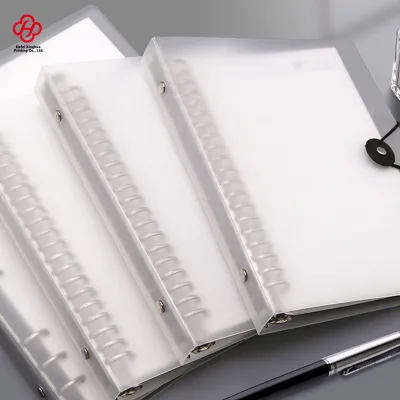
PP Frosted Cover School Stationery Journal Loose Leaf White Notebook for Student
$0.88 - $0.96
MOQ: 1000 Pieces

Promotional A5 Notepad Loose-Leaf Notebook with Custom Logo for Student
$3.16 - $3.36
MOQ: 1000 Pieces

Promotional Daily Loose-Leaf Notepad Softcover Notebook with Custom Logo for Advertising
$2.10 - $3.20
MOQ: 1000 Pieces

Promotional Detachable 10 Hole Loose-Leaf Transapatent A5/B5 Journal Notebook
$0.80 - $1.03
MOQ: 50 Pieces
Ningbo Enlegend Stationery Co., Ltd.
- Verified by SGS Group
- Manufacturer, Trading Company
- Lead time40 days
- Avg. response≤ 2h
Main productsHighlighters, Whiteboard Marker, Permanent Marker, Notebook, Ballpoint pen
Main marketsWestern Europe(50%), South America(30%), Mid East(20%)

Shenzhen Longyin Printing Packing Co., Ltd.
- Verified by SGS
- Trading Company
- China Guangdong
- Lead time15 days
- Avg. response≤ 4h
Main marketsSouth America,Africa,Southeast Asia/ Mideast,East Asia(Japan/ South Korea),Domestic,Europe,Australia,North America

Tianjin Caile Printing Co., Ltd
- Verified by TUVRHEINLAND
- Trading Company
- China Tianjin
- Lead time60 days
- Avg. response≤ 7h
Main productsPlanner, Journal, Notebook, Calendar, Box, Diary, PU Leather Binder, Pop up Book, First Aid Kit, Gift Set
Main marketsEurope,Australia,North America


Custom Embossed Logo Waterproof Office Black Leather Loose-Leaf PU Notebook
$1.99 - $3.99
MOQ: 100 Pieces


Discbound Notebook Cover Waterproof Replaceable Spiral Loose Leaf PP Material Stationery Essentials
$1.98 - $3.99
MOQ: 300 Pieces
Dongguan Liyang Technology Co., Ltd.
- Verified by TüVRheinland
- Trading Company
- Lead time5 days
- Avg. response≤ 2h
Main productsNotebook, Sticky Notes, Lamination Film, Washi Tape, Spring Coil
Main marketsNorth America(24%), Oceania(10%), Eastern Asia(10%)
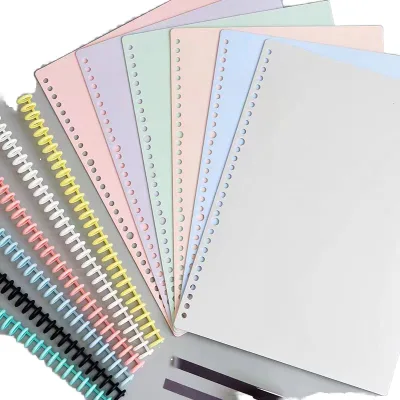
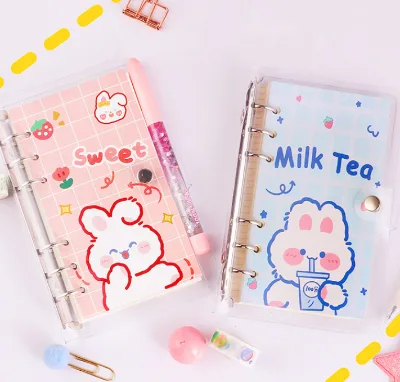
$0.9414 - $0.9818
MOQ: 50 pieces
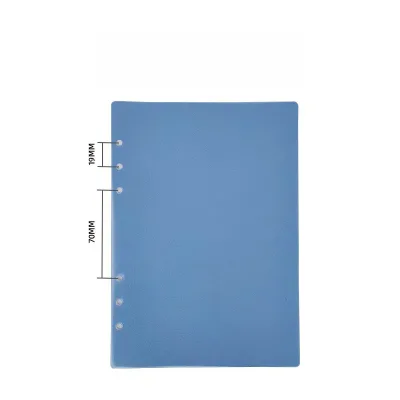
A5/A6/A7 Plastic Clip File Folder Notebook Loose Leaf Ring Binder Planner Transparent Notebook Cover
$0.30 - $0.50
MOQ: 100 pieces
Hefei Colorfly Stationery Co., Ltd.
- Verified by SGS Group
- Manufacturer, Trading Company
- Lead time30 days
- Avg. response≤ 6h
Main productsExercise Book, Notebook, PU leather Book
Main marketsAfrica(40%), Mid East(15%), Domestic Market(10%)

Ningbo Sentu Art&Craft Co., Ltd
- Verified by SGS
- Trading Company
- China Zhejiang
- Lead time60 days
- Avg. response≤ 3h
Main productsChildren Card Book, Puzzle, DIY Toy Set, Children Scratch Set, Children Water-Painting Book, Calendar, Note Books, Sticky Note
Main marketsSoutheast Asia/ Mideast,Europe

Yiwu Mizhen E-commerce Co., Ltd.
- Trading Company
- zhejiang, China
- Lead time0 days
- Avg. response≤ 2h
Main productsPen,Folder,Notebook,Pen case,Ruler
Main marketsNorth America(30.00%), Central America(10.00%), Mid East(10.00%), Northern Europe(10.00%), Eastern Europe(10.00%), South America(10.00%), South Asia(5.00%), Southern Europe(3.00%), Southeast Asia(3.00%), Eastern Asia(3.00%), Domestic Market(2.00%), Western Europe(2.00%), Oceania(1.00%), Africa(1.00%)

TAIZHOU RONGYI IMPORT AND EXPORT CO., LTD.
- Trading Company
- China Zhejiang
- Lead time15 days
- Avg. response≤ 2h
Main productsNotebook, Diary, Organiser, Certificate Folder, Journal, Greeting Card, Notepad, Sticky Notes
Main marketsSouth America,Southeast Asia/ Mideast,East Asia(Japan/ South Korea),Europe,North America

Business Planner with Card Slots Transparent PVC Phone Holder Loose Leaf Notebook
$2.50 - $2.80
MOQ: 300 Pieces

New Design Office Business PU Planner Spiral Loose Leaf Notebook with Pen Holder
$2.40 - $2.90
MOQ: 300 Pieces


Office Stationery Custom Design Fashion Journal with PVC Cover Loose Leaf Notebook
$1.72 - $1.90
MOQ: 300 Pieces

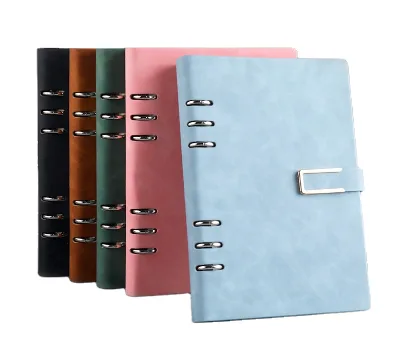
PU Leather Cover Custom 6 Ring Binder Zipper Loose Leaf Notebook with Pocket
$2.30 - $2.80
MOQ: 300 Pieces

8.5" Soft PU Leather Organizer Planner Custom Loose Leaf Notebook with Pen Holder
$2.45 - $2.90
MOQ: 300 Pieces
Wenzhou Myway Arts & Crafts Co., Ltd.
- Verified by TüVRheinland
- Manufacturer, Trading Company
- Lead time15 days
- Avg. response≤ 2h
Main productsNotebook, Stationery Set, Notepad, Card, Sticker
Main marketsNorth America(32%), Domestic Market(30%), South America(5%)

Beijing Weicai Printing Co., Ltd.
- Manufacturer/Factory
- China Beijing
- Lead time38 days
- Avg. response≤ 6h
Main productsNotebook, Charging Notebook, Planner, PU Leather Notebook, Customized Gift Box, Toy, Office Gift Set, Luggage, Bags
Main marketsSouth America,Eastern Europe,Mid East,North America,Southeast Asia,Eastern Asia,Oceania,Western Europe,Africa


Custom Loose Leaf Notebook with Replaceable Inserts, Business Style, Wholesale Available
$1.90 - $2.90
MOQ: 300 Pieces

$1.90 - $2.90
MOQ: 100 Pieces

Guangzhou Vitality Manufacturing&Export Co., Ltd
- Verified by CTI
- Trading Company
- China Guangdong
- Lead time15 days
- Avg. response≤ 4h
Main productsNotebook, Exercise Book, School Cloth, Textbook, School Bag, Pens, Stationery Set, Ruler Set, Calculator, Jigsaw Puzzle
Main marketsSouth America,Africa,Southeast Asia/ Mideast

PP Cover Waterproof Exercise Notebook for Outdoor Learning Activities
$0.103 - $0.198
MOQ: 50000 Pieces

Wholesale A5 B5 Silver Spiral Notebook Colorful PP Cover Moistureproof Waterproof Notebook
$0.389 - $0.519
MOQ: 2000 Pieces

Custom Logo Promotional Notepad Hardcover Softcover PP Cover Spiral Bound Notebook
$0.396 - $0.488
MOQ: 18600 Pieces

Durable Transparent Clear PP Cover Spiral Notebook with Band for Office and School Stationery
$0.369 - $0.539
MOQ: 2000 Pieces

Factory Price Note Book Promotion Gift Transparent Plastic Cover Diary Book Spiral Notebook
$0.449 - $0.579
MOQ: 1500 Pieces
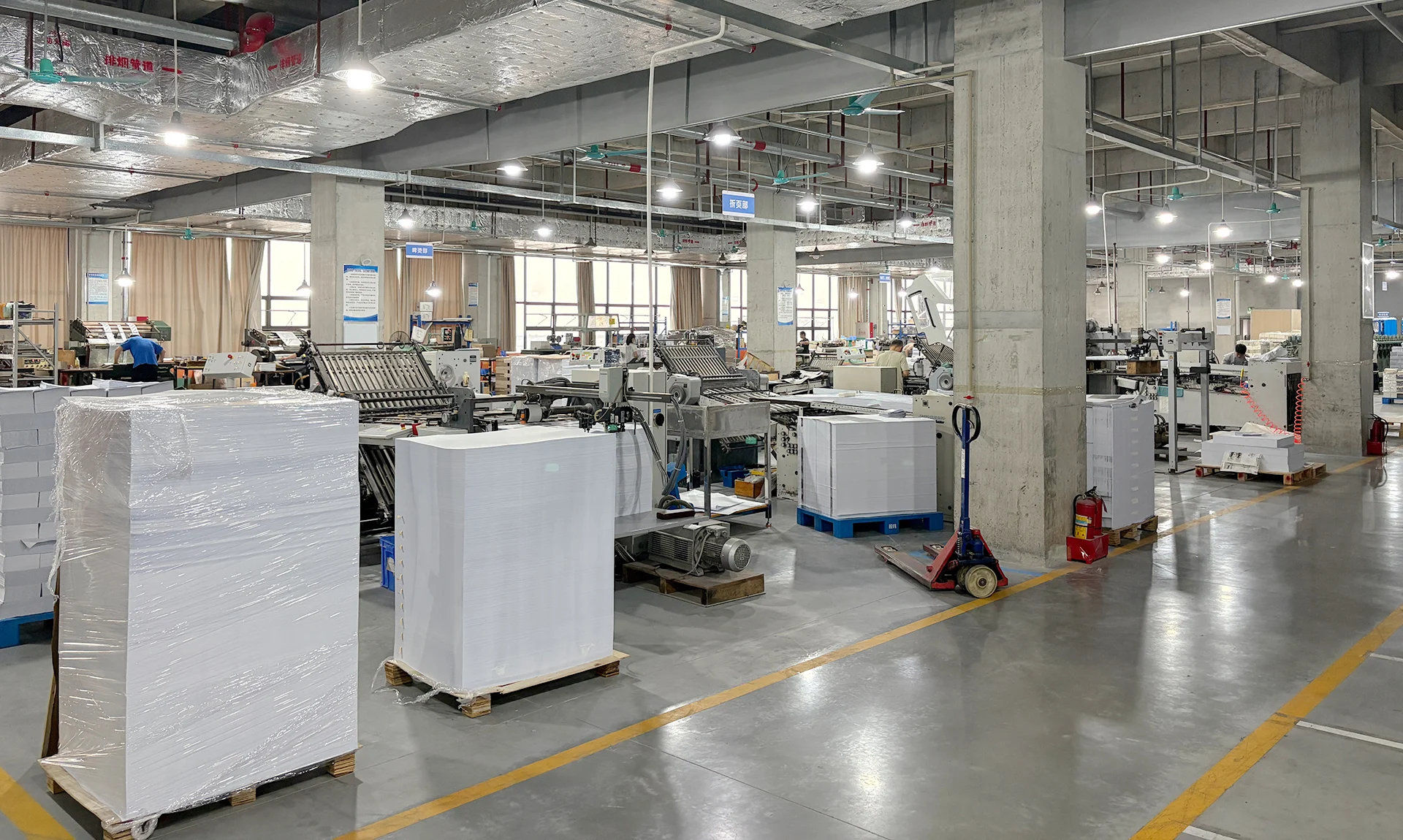
Dongguan Haicheng Paper Products Co., Ltd.
- Manufacturer, Trading Company
- Guangdong, China
- Lead time15 days
- Avg. response≤ 2h
Main productsHardcover Book,Sprayed Edge Book,Children Book,Paper Box,Notebook & Journal
Main marketsNorth America(35.00%), Western Europe(34.00%), Southern Europe(8.00%), Oceania(5.00%), Northern Europe(5.00%), Africa(3.00%), Mid East(3.00%), Eastern Europe(3.00%), Eastern Asia(1.00%), Domestic Market(1.00%), South America(1.00%), Southeast Asia(0.50%), South Asia(0.50%)

- Verified by TUVRHEINLAND
- Trading Company
- China Zhejiang
- Lead time15 days
- Avg. response≤ 15h
Main productsStationery Set, Calendar, Promotion Pen, Bottle, Car Products, Fidget Toy, DIY Toy, Education Toy, Art Set, Pencil Case
Main marketsSouth America,Europe,North America

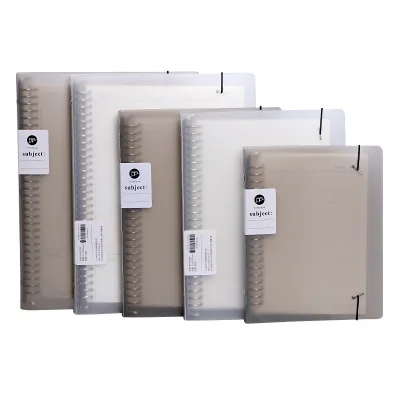
60 Pages Wholesale PP Cover Customizable Loose Leaf School Binder Notebook
$0.59 - $0.99
MOQ: 50 Pieces


Jinhua Glosense Household Products Co., Ltd.
- Trading Company
- Zhejiang, China
- Lead time15 days
- Avg. response≤ 1h
Main productsBudget Binder/Notebook/Binder Accessories,pen,notebook,PVC Envelopes,Tumbler and straws
Main marketsNorth America(50.00%), Northern Europe(10.00%), Eastern Asia(10.00%), South Asia(5.00%), Southern Europe(5.00%), Oceania(5.00%), Central America(5.00%), Southeast Asia(5.00%), Mid East(5.00%)
Zhejiang Jingu Packing&Printing Co., Ltd.
- Verified by Intertek
- Manufacturer, Trading Company
- Lead time35 days
- Avg. response≤ 3h
Main productsNotebook
Main marketsDomestic Market(20%), North America(15%), Eastern Europe(10%)

Ningbo Yinzhou Wenhui Paper Co., Ltd.
- Verified by TUVRHEINLAND
- Manufacturer/Factory
- China Zhejiang
- Lead time45 days
- Avg. response≤ 8h
Main productsStationery Gifts Promotional Homeware, Pen, Pet Products, Board Game, Paper Tube, Notebook, Wooden Toys, DIY Toy, Puzzle, Gift Bag
Main marketsSouth America,Eastern Europe,Mid East,North America,Southeast Asia,Eastern Asia,Oceania,Western Europe,Africa


$1.55 - $2.30
MOQ: 2000 Pieces
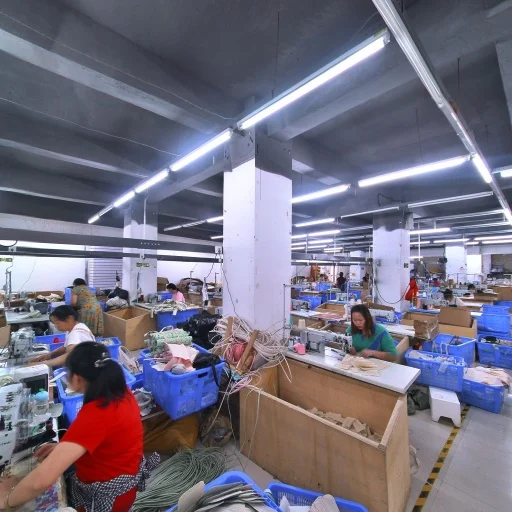
Guangzhou Daidong Future Stationery Products Co., Ltd.
- Manufacturer, Trading Company
- Guangdong, China
- Lead time0 days
- Avg. response≤ 1h
Main productsZipper Document Bag,Home Bookbags,Zipper Filling Products,Pencil Case,Briefcase
Main marketsDomestic Market(16.00%), Southeast Asia(12.00%), Central America(12.00%), North America(10.00%), Eastern Asia(8.00%), South America(8.00%), Southern Europe(5.00%), Oceania(5.00%), Northern Europe(5.00%), Western Europe(5.00%), Eastern Europe(5.00%), South Asia(5.00%), Africa(2.00%), Mid East(2.00%)
Wenzhou Guikang Stationery & Gifts Co., Ltd.
- Verified by Intertek
- Manufacturer, Trading Company
- Lead time20 days
- Avg. response≤ 4h
Main productsNotebook, Sketchbook, Childhood Education Books
Main marketsWestern Europe(30%), South Asia(30%), North America(15%)
Jiangyin Magate Technology Co., Ltd.
- Trading Company
- Jiangsu, China
- Lead time0 days
- Avg. response≤ 8h
Main productsPlastic Injection Mould Making Service,Custom Plastic Parts Manufacturer,OEM/ODM Plastic Products
Main marketsSouth America(30.00%), North America(30.00%), Northern Europe(10.00%), Southeast Asia(10.00%)

FUZHOU SHOO-IN IMP & EXP CO., LTD.
- Verified by SGS
- Trading Company
- China Fujian
- Lead time15 days
- Avg. response≤ 6h
Main productsSports Wear, Promotional Gift, Lanyards, Badges, Caps, Sports Training Products, Sports Balls, Tennis Accessories, Golf Accessories, Pet Products
Main marketsEast Asia(Japan/ South Korea),North America

Customizable A5 Diary Notebook with Loose-Leaf Pages for Professional Use
$0.88 - $1.64
MOQ: 500 Pieces


Jiang-house Co-operated Co., Limited
- Verified by BV
- Manufacturer/Factory
- China Guangdong
- Lead time23 days
- Avg. response≤ 10h
Main productsPersonal Planner, Journals, Agenda, Baby Book, File Folder, Ring Binder, Notebook, Wedding Book, Paper Box, Board Game
Main marketsEastern Europe,North America,Western Europe

Transparent PVC Cover Planner Loose Leaf Binder Diary with Elastic Band Notebook Organizer
$1.89 - $3.99
MOQ: 100 Pieces

Custom Business Leather Notebook A5 Loose-Leaf Notebook Customization Journal Printing with Logo
$0.99 - $1.99
MOQ: 500 Pieces

Plastic Cover PP/PVC Waterproof Cover Notebook Planner with Bookmark and Rules
$5.00 - $5.20
MOQ: 500 Pieces

School Notebook with Transparent Soft PVC Organizer Cover Promotional Planner
$1.89 - $3.99
MOQ: 100 Pieces

Custom Printed PVC Waterproof Cover Notebook Colorful Daily Paper Notebook for Office Supplies
$1.99 - $5.99
MOQ: 500 Pieces
Yiwu Langyucai Stationery Co., Ltd.
- Verified by Intertek
- Manufacturer, Trading Company
- Lead time7 days
- Avg. response≤ 3h
Main productsNotebook, Sewn Notebook, Saddle Stitch Notebook, Spiral Notebook, Coloring&Copy Book
Main marketsNorth America(25%), Western Europe(25%), South America(10%)
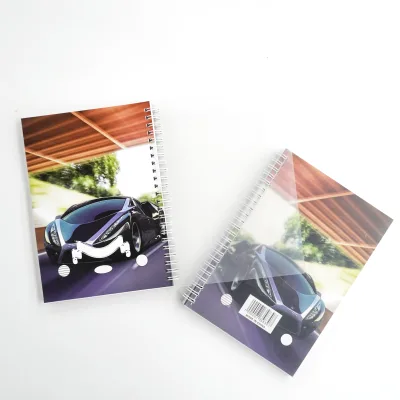
$0.2908 - $0.4767
MOQ: 1000 pieces
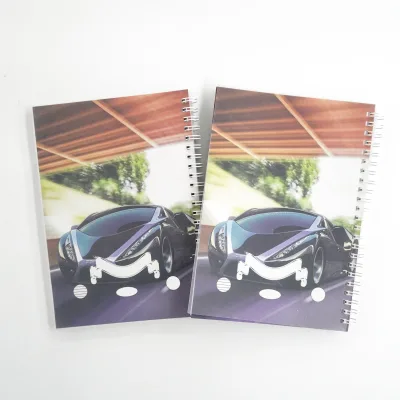
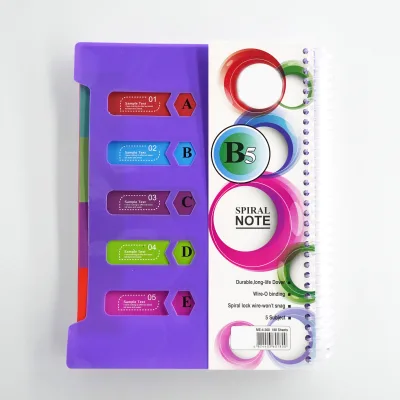
Personalized Notebook Single Coil Spiral Notebooks Daily and Weekly Planner Notebooks
$0.74 - $1.20
MOQ: 1000 pieces
Yiwu Yilan Stationery Co., Ltd.
- Verified by Intertek
- Trading Company
- Lead time15 days
- Avg. response≤ 2h
Main productsNotebook, Pen, Sticky Note, Gift Set, Cups
Main marketsNorth America(40%), Western Europe(30%), Domestic Market(10%)

Shenzhen Flying Supply Chain Co., Ltd.
- Verified by SGS
- Trading Company
- China Guangdong
- Lead time15 days
- Avg. response≤ 6h
Main productsPacking Bag, Gift Bag, Folding Bag, Laptop Bag, Carton, Toy Puzzle, Stationery, Label, Hot Melt Paper, 3D Printing Consumables
Main marketsNorth America

Cartoon Hardcover Cover Waterproof Reusable Writing Notebook with Plastic Coil Spiral Binding
$0.35 - $0.95
MOQ: 100 Pieces

Furry Notebook with The Ins Style, in Candy Colors, Featuring a Girlish Princess Hand Journal.
$0.80 - $2.30
MOQ: 100 Pieces
Wenzhou Base Camp Cultural Goods Co., Ltd.
- Manufacturer, Trading Company
- Zhejiang, China
- Lead time20 days
- Avg. response≤ 3h
Main productsNotebook,Yearly Calendar
Main marketsDomestic Market(100.00%), South Asia(100.00%), Southern Europe(100.00%), Northern Europe(100.00%), Central America(100.00%), Western Europe(100.00%), Eastern Asia(100.00%), Mid East(100.00%), Oceania(100.00%), Africa(100.00%), Southeast Asia(100.00%), Eastern Europe(100.00%), South America(100.00%), North America(100.00%)






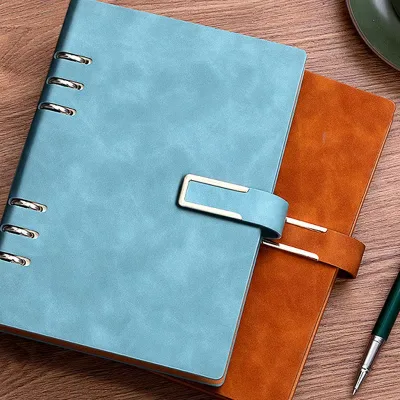
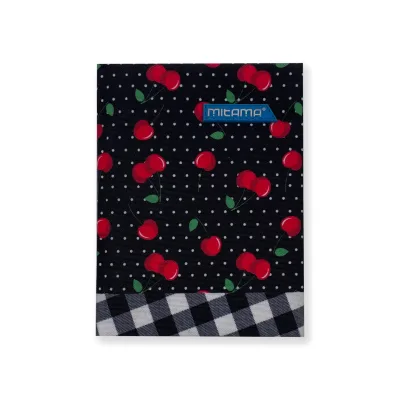
Comprehensive Sourcing Guide
Waterproof Pp Plastic Loose-Leaf Notebook Supplier Concentration and Factory Types
The sourcing landscape for waterproof PP plastic loose-leaf notebooks reveals a distinct concentration of manufacturing capabilities within specific Chinese industrial hubs. Current supplier data indicates that Guangdong and Anhui provinces serve as primary production centers for these specialized stationery items. Suppliers located in Guangdong often operate as trading companies, leveraging established logistics networks to export a diverse range of office supplies, including paper gift boxes and plastic bottles, alongside notebooks. This trading model allows for flexible sourcing but may introduce layers between the buyer and the actual production line. In contrast, suppliers in Anhui frequently present themselves as manufacturers or hybrid entities combining manufacturing and trading functions. These facilities often specialize in book printing and boutique packaging, suggesting a deeper integration of paper processing and binding technologies. The presence of both trading companies and direct manufacturers in these regions provides buyers with varied engagement models, from single-source convenience to direct factory negotiation. Understanding this geographic and structural distribution is crucial for aligning procurement strategies with operational needs, whether prioritizing speed and variety or cost efficiency and production control.
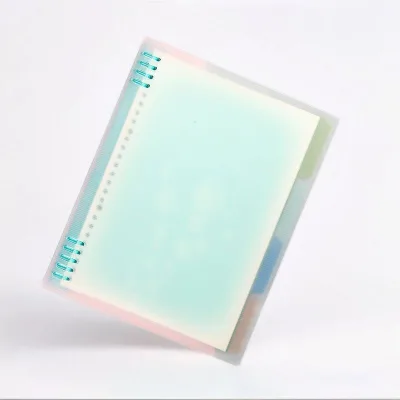
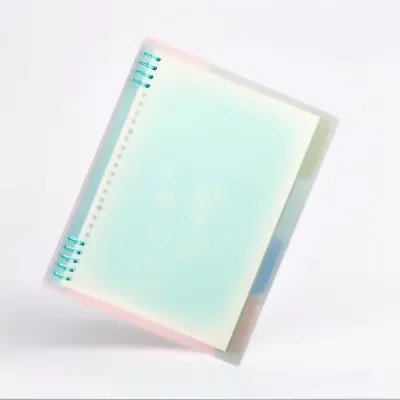
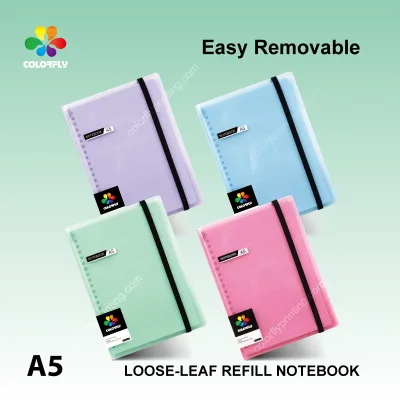
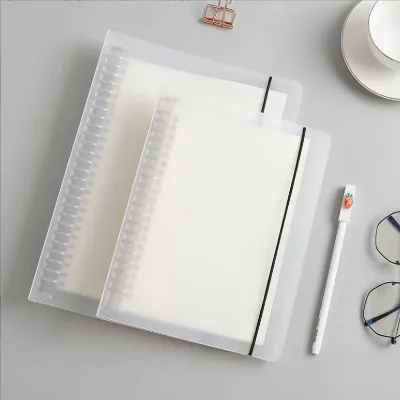
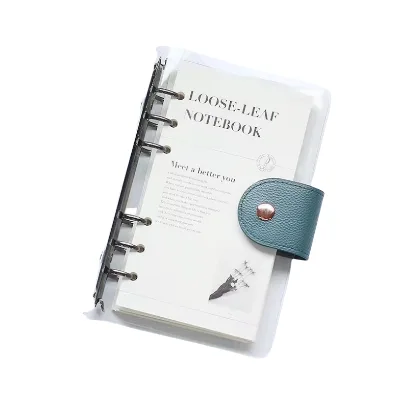
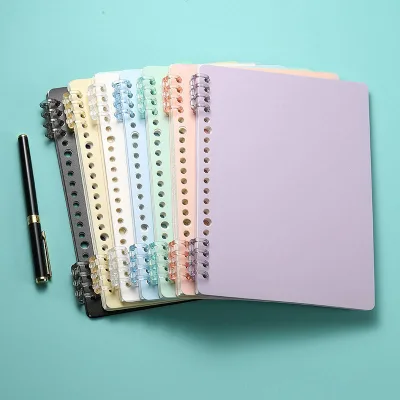
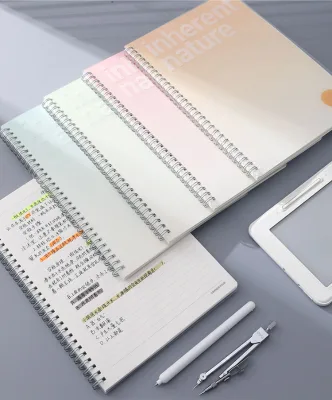
Factory types significantly influence the product offerings and customization capabilities available for waterproof PP notebooks. Manufacturers in Anhui, such as those producing A5 loose-leaf notebooks with PP matte shells, demonstrate the ability to handle specific material requirements like polypropylene covers combined with loose-leaf binding mechanisms. These facilities often produce items with detailed specifications, such as 60-sheet inner pages and various binding styles including loose-leaf books and spiral bindings. The distinction between a pure trading company and a manufacturer is critical when evaluating supply chain resilience. Trading companies may offer a broader catalog, including unrelated items like tin storage boxes or acrylic display cases, which can simplify vendor management but might dilute focus on core notebook quality. Conversely, manufacturers with dedicated production lines for notebooks, such as those using PP or PVC covers, may offer more consistent quality control and technical support for custom designs. Buyers must assess whether the supplier’s primary business model aligns with their volume requirements and customization expectations, as this determines the level of direct involvement in the production process and the potential for long-term partnership stability.
How to Verify Waterproof Pp Plastic Loose-Leaf Notebook Suppliers
Verifying the legitimacy and capability of suppliers requires a multi-layered approach that goes beyond basic profile reviews. One critical step is examining third-party verification badges, such as those from TÜV Rheinland, which indicate that a supplier has undergone specific audits for business legitimacy and operational standards. These verifications provide a baseline of trust, confirming that the entity exists and operates within legal frameworks. However, verification alone does not guarantee product quality or production capacity. Buyers should cross-reference the supplier’s claimed company type, whether trading or manufacturing, with their actual product portfolio. For instance, a supplier claiming to be a manufacturer should demonstrate a focused range of notebook products rather than a disparate mix of unrelated items like cigar humidors or cat scratching boards. This consistency suggests a dedicated production environment. Additionally, checking for industry certifications such as ISO 9001 or BV standards can provide further assurance of quality management systems. These certifications are often listed in product attributes or company profiles and serve as objective evidence of standardized production processes.
Beyond certifications, direct engagement and response metrics offer valuable insights into supplier reliability. The response time metric, which can vary significantly between suppliers, serves as an indicator of operational efficiency and customer service commitment. A supplier with a rapid response time, such as under one hour, is likely to have a dedicated sales team capable of addressing urgent inquiries and custom requests efficiently. This is particularly important for loose-leaf notebooks, which often require precise specifications for binding, cover material, and inner page layout. Buyers should also scrutinize the detailed product attributes provided, such as cover material composition (PP vs. PVC), binding type (loose-leaf vs. spiral), and inner page counts. Suppliers that provide granular details, such as specific model numbers or standardized packing units, demonstrate a higher level of professionalism and product knowledge. Furthermore, verifying the place of origin listed in product attributes against the supplier’s declared location ensures transparency. Any discrepancies between the claimed manufacturing location and the product origin should be investigated to avoid potential misrepresentation of the supply chain.
What to Compare Across Waterproof Pp Plastic Loose-Leaf Notebook Suppliers
When evaluating multiple suppliers for waterproof PP plastic loose-leaf notebooks, several key dimensions must be compared to determine the best fit for specific procurement needs. One primary factor is the minimum order quantity (MOQ), which varies widely across the market. Some suppliers may require MOQs as low as 500 pieces, making them suitable for smaller businesses or trial orders, while others may set thresholds at 1000 or 2000 pieces, catering to larger volume buyers. This variation directly impacts inventory management and cash flow, requiring buyers to align supplier MOQs with their sales forecasts and storage capabilities. Additionally, the price range for these notebooks can differ based on material quality, customization options, and order volume. For example, basic PP cover notebooks may have a lower price point compared to those with premium finishes or complex binding mechanisms. Buyers should request detailed quotations that break down costs by material, printing, and binding to understand the value proposition of each supplier. Comparing price per unit against the specified inner page count and cover durability will help in assessing cost-effectiveness.
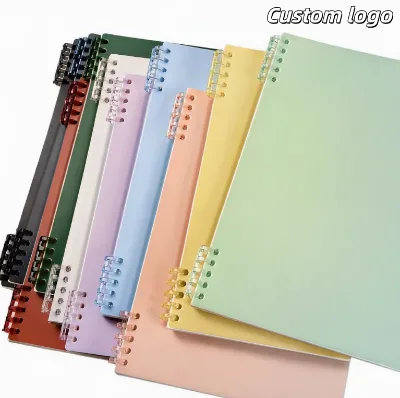
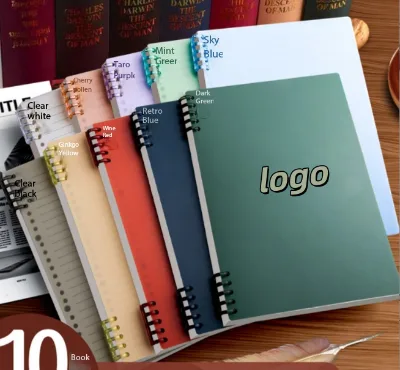
Another critical comparison point is the lead time and production capacity. Suppliers may advertise different lead times, ranging from immediate availability for standard items to longer periods for customized orders. Understanding these timelines is essential for planning inventory replenishment and meeting customer demand. Suppliers with shorter lead times, such as those offering 15-day production cycles, can provide greater flexibility for just-in-time inventory strategies. Conversely, suppliers with longer lead times may offer better pricing for bulk orders placed well in advance. The response time of the supplier also plays a role in the overall procurement experience, affecting how quickly issues can be resolved and orders can be expedited. Furthermore, comparing the main products offered by each supplier can reveal their core competencies. A supplier specializing in book printing and packaging may offer superior quality for notebooks compared to a general trading company with a broad but shallow product range. Buyers should also consider the customization options available, such as logo embossing, cover color variations, and inner page layouts, as these factors can significantly influence the final product’s market appeal and differentiation.
Common Waterproof Pp Plastic Loose-Leaf Notebook Sourcing Risks
Sourcing waterproof PP plastic loose-leaf notebooks involves several potential risks that buyers must proactively manage to ensure a smooth procurement process. One significant risk is the discrepancy between sample quality and mass production output. Suppliers may provide high-quality samples that do not reflect the consistency of bulk orders, particularly when dealing with complex features like loose-leaf binding mechanisms or specific PP material finishes. This risk is heightened when working with trading companies that may outsource production to third-party factories without adequate quality control oversight. To mitigate this, buyers should insist on pre-production samples and conduct rigorous quality checks before authorizing full production runs. Another risk is the misrepresentation of material specifications. While suppliers may claim the use of waterproof PP plastic, the actual material may be a lower-grade alternative or a different polymer altogether. This can affect the durability and water resistance of the notebooks, leading to customer dissatisfaction and returns. Buyers should request material certificates or conduct independent testing to verify the composition of the covers and inner pages.
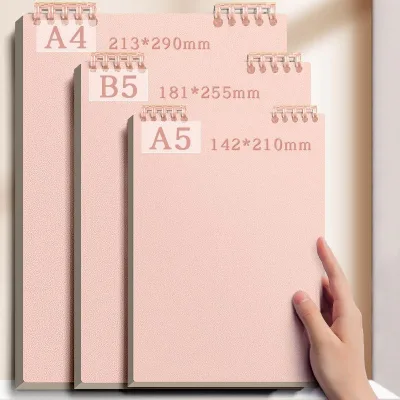
Communication and specification errors also pose substantial risks in the sourcing of customized notebooks. Loose-leaf notebooks require precise alignment of binding holes, cover dimensions, and inner page sizes. Any deviation in these specifications can render the product unusable. Buyers must provide detailed and unambiguous technical drawings or specifications to suppliers, ensuring that all parties have a clear understanding of the requirements. Miscommunication can lead to costly rework or rejected shipments. Additionally, there is a risk of supply chain disruptions due to raw material shortages or production delays. Suppliers may face challenges in sourcing specific PP resins or binding components, leading to extended lead times. Buyers should maintain open communication with suppliers regarding production status and have contingency plans in place, such as identifying alternative suppliers or adjusting inventory levels. Furthermore, intellectual property risks exist when custom designs are involved. Buyers should ensure that their designs are protected and that suppliers adhere to confidentiality agreements to prevent unauthorized replication or distribution of proprietary notebook designs.
Waterproof Pp Plastic Loose-Leaf Notebook Regional Sourcing and Logistics
The geographic location of suppliers significantly impacts logistics costs, lead times, and overall supply chain efficiency for waterproof PP plastic loose-leaf notebooks. Suppliers located in Guangdong province benefit from proximity to major international shipping ports, facilitating faster and more cost-effective export logistics. This region’s established infrastructure supports a wide range of trading companies and manufacturers, offering buyers access to diverse product options and competitive shipping rates. The concentration of suppliers in Guangdong also means that buyers can often consolidate orders from multiple vendors within the same region, reducing transportation costs and simplifying customs clearance processes. In contrast, suppliers in Anhui province, while also offering competitive manufacturing capabilities, may have different logistical advantages depending on their specific location within the province. Buyers sourcing from Anhui should consider the distance to major ports and the availability of reliable freight forwarders to ensure timely delivery. Understanding the regional logistics landscape allows buyers to make informed decisions about supplier selection based on their target markets and delivery requirements.
Logistics planning must also account for the packaging and handling requirements of loose-leaf notebooks. These products are often bulky due to their binding mechanisms and protective packaging, which can increase shipping volumes and costs. Buyers should work with suppliers to optimize packaging designs, such as using compact PP bags or cartons, to minimize volumetric weight and reduce freight expenses. Additionally, the choice of shipping method, whether by sea or air, will depend on the urgency of the order and the total volume. Sea freight is generally more cost-effective for large orders, while air freight may be necessary for urgent replenishments or smaller batches. Buyers should also consider the impact of regional trade policies and tariffs on their sourcing strategy. Suppliers in China may be subject to specific export regulations or trade agreements that affect pricing and documentation requirements. By understanding these regional and logistical factors, buyers can develop a robust sourcing strategy that balances cost, speed, and reliability, ensuring that their waterproof PP plastic loose-leaf notebooks reach the market efficiently and competitively.
Waterproof Pp Plastic Loose-Leaf Notebook Commercial Terms and Order Planning
Effective commercial terms and order planning are essential for managing the procurement of waterproof PP plastic loose-leaf notebooks successfully. Payment terms are a critical component of any supplier agreement, with options ranging from partial deposits to full payment upon shipment. Buyers should negotiate terms that align with their cash flow cycles and risk tolerance, such as using secure payment methods like escrow to protect their interests until the goods are received and verified. Understanding the supplier’s pricing structure is also vital, as costs can vary based on order volume, customization complexity, and material choices. Buyers should request detailed quotes that include all potential fees, such as mold charges for custom designs or shipping costs, to avoid unexpected expenses. Additionally, establishing clear delivery schedules and lead times helps in planning inventory levels and meeting customer demand. Suppliers may offer different lead times for standard versus customized products, so buyers should factor these into their production and sales forecasts.
Order planning should also consider the scalability of the supplier’s production capacity. Buyers need to ensure that the supplier can handle increases in order volume without compromising quality or delivery times. This is particularly important for businesses experiencing growth or seasonal spikes in demand. Establishing a long-term partnership with a reliable supplier can provide stability and better pricing terms over time. Buyers should also plan for quality assurance processes, including regular inspections and feedback loops, to maintain product standards. Clear communication regarding order specifications, delivery dates, and any changes in requirements is
FAQs
What is the price range for waterproof PP loose-leaf notebooks?
Prices for these notebooks typically range from $0.67 to $5.00 per unit depending on specifications. Some models with basic features start around $0.67, while premium options with custom designs or higher sheet counts can reach up to $5.00. Buyers should verify exact pricing based on order volume and customization requirements.
What is the minimum order quantity for these notebooks?
Minimum order quantities vary by supplier and product model. Some suppliers require a minimum of 500 units, while others set the threshold at 1000 or 2000 pieces. Buyers must check specific product listings to confirm the exact MOQ applicable to their desired notebook style and customization level.
Where are these notebooks manufactured?
These notebooks are primarily manufactured in China, with specific production hubs located in Guangdong and Anhui provinces. Suppliers in these regions offer various materials including PP, PVC, and cloth covers. Buyers can filter results by location to prioritize suppliers from these key manufacturing areas for logistics planning.
How long does production take for these notebooks?
Lead times generally range from 0 to 15 days depending on the supplier and order complexity. Some manufacturers offer rapid turnaround times, while others may require up to 15 days for production and packaging. Buyers should confirm specific lead times with suppliers before placing orders to ensure timely delivery.
Are these notebooks customizable for branding?
Yes, customization is available for many waterproof PP loose-leaf notebooks. Suppliers offer options for printed covers, embossed logos, and custom binding styles. Buyers can request tailored designs to match their brand identity, though availability and minimum order quantities for custom orders may vary by supplier.
What certifications do these notebook suppliers hold?
Some suppliers hold certifications such as ISO 9001 and BV verification. Others may be verified by TÜV Rheinland. Buyers should request specific certification documents from suppliers to ensure compliance with quality standards and regulatory requirements for their target markets.