Oil Resistant Modular Connector Suppliers and Manufacturers
Compare 27 verified suppliers offering oil resistant modular connectors with specifications like UL certification, 16A working current, and 500V voltage. Review lead times ranging from 0 to 30 days and MOQs starting at 2 pieces to source the right components for your electrical equipment needs.
Updated
Suppliers List

ZHEJIANG SMICO ELECTRIC POWER EQUIPMENT CO., LTD.
- Trading Company,Manufacturer/Factory
- China Zhejiang
- Lead time15 days
- Avg. response≤ 14h
Main productsInsulation Piercing Connector, Heavy Duty Connector, Change-Over Switch, Dead End Clamp, Fuse Switch Disconnector, Suspension Clamp, Anchor Clamp, Parallel Groove Clamp
Main marketsSouth America,Eastern Europe,Mid East,North America,Southeast Asia,Eastern Asia,Oceania,Western Europe,Africa

Modular Combination Connector Is Used for Heavy-Duty Connector of Battery Mechanical Equipment
$1.00 - $999.00
MOQ: 10 Pieces

Shenzhen CXS Electronic Co., Ltd
- Manufacturer, Trading Company, Distributor/Wholesaler
- Guangdong, China
- Lead time0 days
- Avg. response≤ 6h
Main productsIC,Capacitor,Resistor,module,LED
Main marketsSouth America(20.00%), North America(20.00%), Northern Europe(10.00%), Western Europe(10.00%), Mid East(10.00%), Southern Europe(10.00%), Southeast Asia(10.00%), Domestic Market(5.00%), Africa(5.00%)

Dongguan Xinlian Chuangfu New Energy Technology Co., Ltd.
- Verified by CTI
- Trading Company
- China Guangdong
- Lead time30 days
- Avg. response≤ 5h
Main productsTerminal Block, Connector, Screw/Nut, Hardware Products, Plastic Products, High Current Terminal Blocks, Ws DIN Rail Terminal Block, PCB Screw Terminal Block, Quick Wiring Terminal, Spring Type Terminal Block
Main marketsDomestic

Heavy Duty Pluggable Terminal Block Modular Power Connector for Electrical Control Cabinet
$1.30 - $1.50
MOQ: 100 Pieces


Shanghai Hengxintong Trading Co., Ltd.
- Verified by TUVRHEINLAND
- Trading Company
- China Shanghai
- Lead time15 days
- Avg. response≤ 1h
Main productsRF Connectors, Electrical Connec
Main marketsDomestic

Electrical Wire Connector and Terminal Connector with Exceptional Heat Resistance
$10.00 - $40.00
MOQ: 30 Pieces

Electrical Wire Connector and Terminal Connector with High Insulation Resistance
$10.00 - $40.00
MOQ: 30 Pieces

Heavy Duty Waterproof Circular Electrical Connector for Reliable Connections
$10.00 - $40.00
MOQ: 30 Pieces

Connector Terminal Connector Designed for Extreme Temperature Resistance
$10.00 - $40.00
MOQ: 30 Pieces

Durable Connector Terminal Connector with Exceptional Insulation Properties
$10.00 - $40.00
MOQ: 30 Pieces


Shenzhen Lidao E-Commerce Co., Ltd.
- Trading Company
- Guangdong, China
- Lead time25 days
- Avg. response≤ 2h
Main productsConnectors,sensors,relays,Conventer
Main marketsSouth Asia(50.00%), North America(30.00%), Africa(5.00%), Northern Europe(5.00%), Eastern Asia(5.00%), Mid East(5.00%)

Weihai Haoyu Metal Products Co., Ltd
- Verified by SGS
- Combined
- China Shandong
- Lead time30 days
- Avg. response≤ 3h
Main productsRepair Clamps, Coupling, Pipe Clamp, Pipe Repair Clamp, Compression Coupling, Leak Clamp, Stainless Repair Clamps, Stainless Coupling, Pipe Coupling, Stainless Pipe Clamp
Main marketsDomestic

Low-Pressure Static-Resistant Connector Low-Pressure Conductive Pipe Connector
$1.00 - $3.00
MOQ: 10 Pieces

Low-Pressure Static-Dissipative Pipe Connector Low-Pressure Static-Resistant Connector
$1.00 - $3.00
MOQ: 10 Pieces

Connector of Medium Size and Low Pressure Medium-Size Low-Pressure Connector
$1.00 - $3.00
MOQ: 10 Pieces


Ruian Ruihong Trading Co., Ltd.
- Verified by CTI
- Combined
- China Zhejiang
- Lead time30 days
- Avg. response≤ 6h
Main productsAuto Connector
Main marketsSouth America

Shenzhen HYOE Optical Communications Co., Ltd.
- Verified by SGS
- Combined
- China Guangdong
- Lead time15 days
- Avg. response≤ 5h
Main productsFiber Optic Cable, MPO, Fiber Optic Patch Cord, Fiber Optic Pigtail, FTTH, Connector, Armored Fiber Optic Cable, PLC Splitter, Fiber Optic Terminal Box, Adapter
Main marketsSouth America,Africa,Southeast Asia/ Mideast,East Asia(Japan/ South Korea),Europe
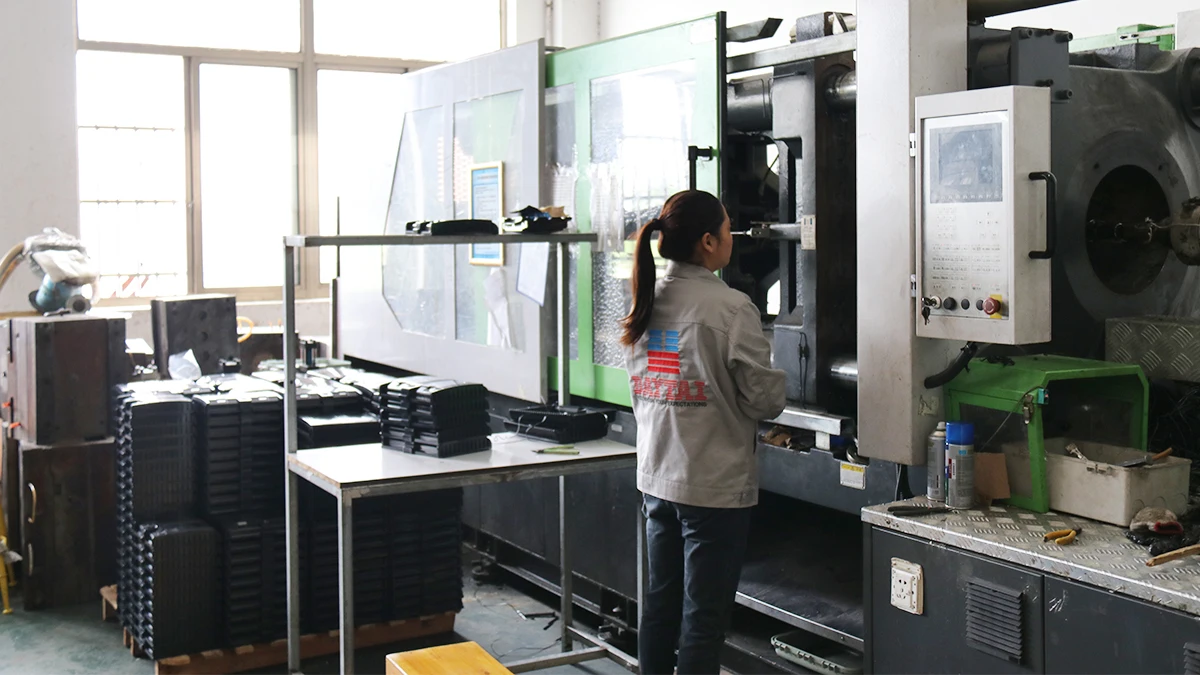
Hangzhou Daytai Network Technology Co., Ltd.
- Trading Company
- Zhejiang, China
- Lead time7 days
- Avg. response≤ 3h
Main productsFiber Optic Communication Equipments,CATV Equipments,Fiber Optic Cable,Fiber Optic Cable Line Fittings
Main marketsSoutheast Asia(10.00%), North America(5.00%), South America(5.00%), Western Europe(5.00%), Africa(5.00%), Eastern Europe(5.00%), Mid East(5.00%)
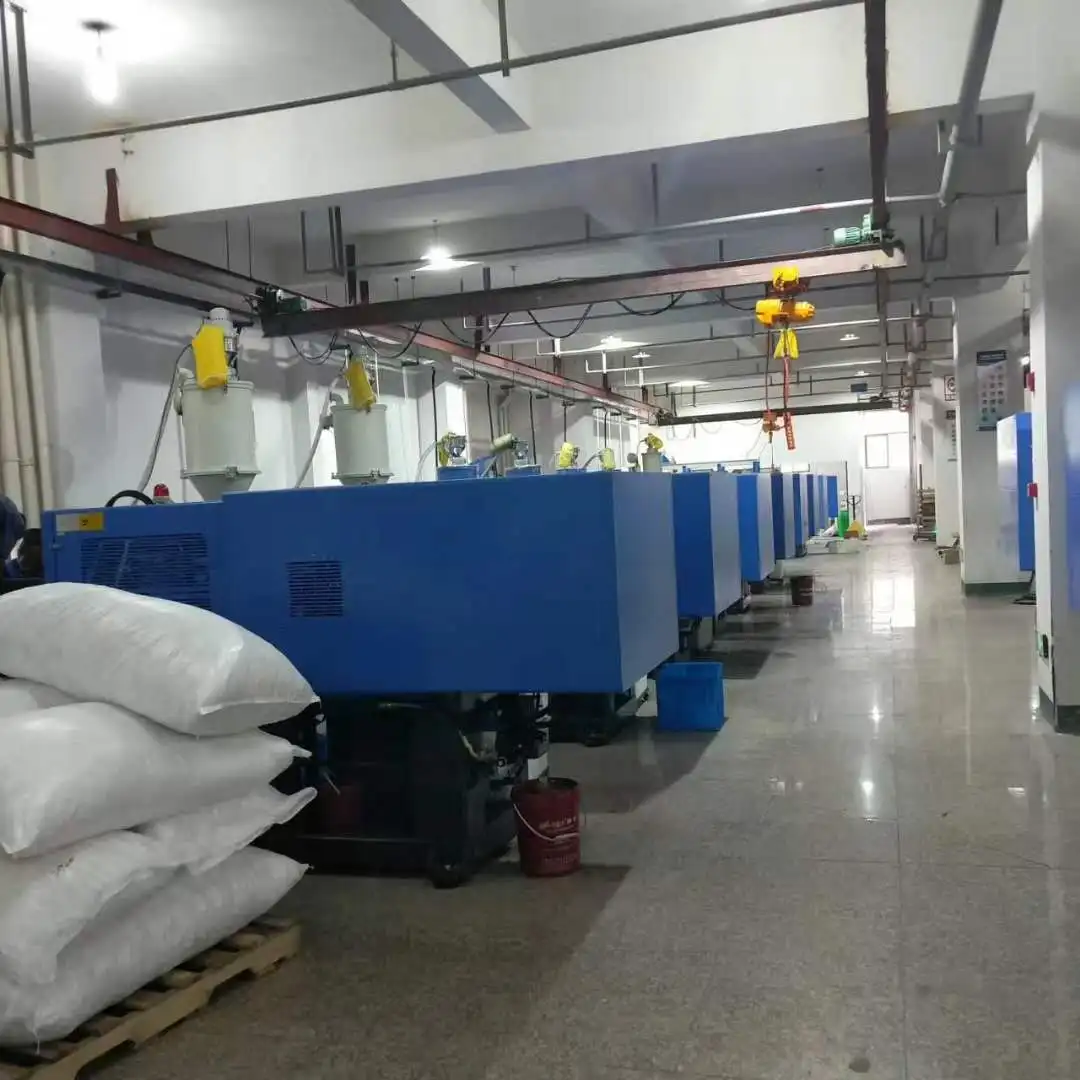
Zhejiang Yaonan Electric Co., Ltd.
- Trading Company
- Zhejiang, China
- Lead time15 days
- Avg. response≤ 5h
Main productsCable Ties,Cable Clips,Electrical Accessories,Wiring Accessories,Mechanical Parts
Main marketsDomestic Market(7.14%), South Asia(7.14%), Southern Europe(7.14%), Northern Europe(7.14%), Central America(7.14%), Western Europe(7.14%), Eastern Asia(7.14%), Mid East(7.14%), Oceania(7.14%), Africa(7.14%), Southeast Asia(7.14%), Eastern Europe(7.14%), South America(7.14%), North America(7.14%)

Shanghai Leipold Electric Co., Ltd.
- Verified by BV
- Trading Company,Manufacturer/Factory
- China Shanghai
- Lead time45 days
- Avg. response≤ 3h
Main productsAxial Fans, Fan Filters, Thermostat, Electric Heater, Control Transformers, Terminal Blocks, Cable Entry Plate, Cable Glands, Power Distribution Blocks, Busbar Terminal
Main marketsSouth America,Eastern Europe,North America,Southeast Asia,Eastern Asia,Oceania,Western Europe,Africa
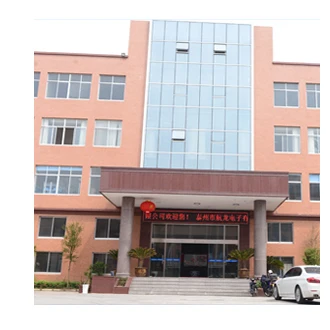
Taizhou Hanglong Electronic Co., Ltd.
- Manufacturer
- Jiangsu, China
- Lead time15 days
- Avg. response≤ 3h
Main productsmilitary connector,circular connector,cable connector,automotive connector,amphenol connector
Main marketsMid East(20.00%), South Asia(20.00%), Eastern Asia(10.00%), North America(10.00%), South America(5.00%), Eastern Europe(5.00%)
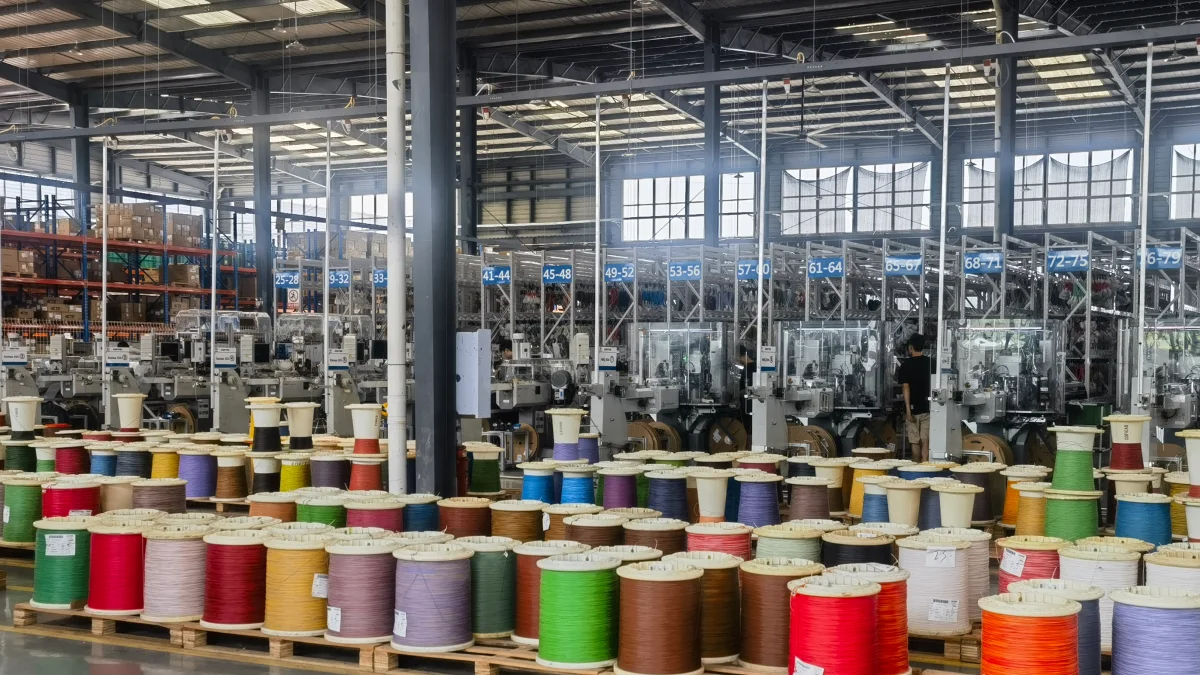
Zhengzhou Bey Electronic Technology Co., Ltd.
- Trading Company
- Henan, China
- Lead time3 days
- Avg. response≤ 4h
Main productsConnector,Termainal,Seal,Wire harness,other auto parts
Main marketsNorth America(20.00%), Northern Europe(16.00%), Eastern Europe(15.00%), Southern Europe(12.00%), Western Europe(9.00%), Central America(6.00%), Africa(5.00%), Southeast Asia(5.00%), South America(5.00%), Mid East(3.00%), Oceania(3.00%), South Asia(0.50%), Eastern Asia(0.50%)
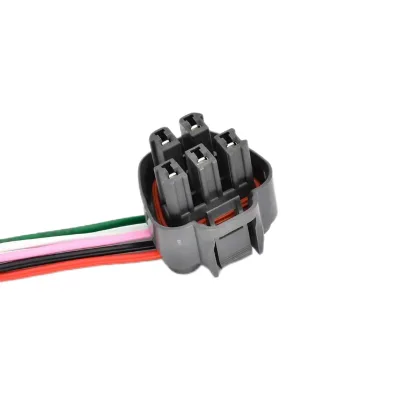
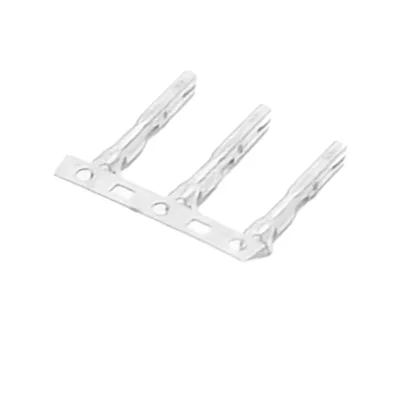
Wholesales male female Power terminal block connector insulated terminal connectors
$0.01 - $0.06
MOQ: 500 pieces
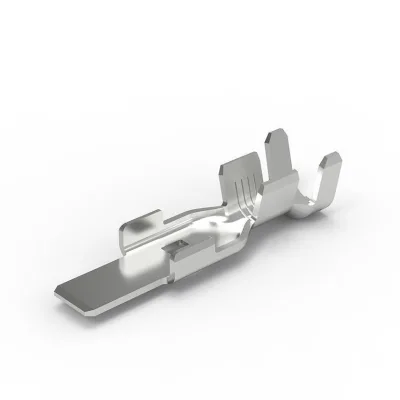
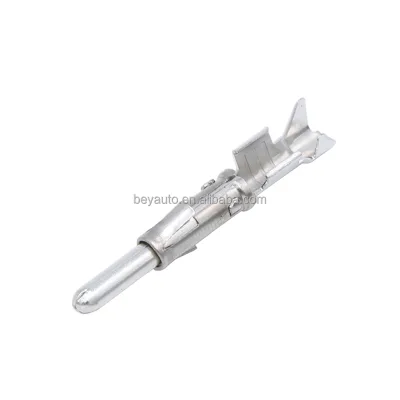
- Manufacturer, Trading Company
- Zhe Jiang, China
- Lead time10 days
- Avg. response≤ 1h
Main productsTerminal blocks,Connectors,Communication components,Cables,Electronic components
Main marketsDomestic Market(20.00%), Western Europe(15.00%), Southern Europe(15.00%), Northern Europe(13.00%), Eastern Europe(10.00%), North America(5.00%), South Asia(5.00%), Mid East(5.00%), Africa(3.00%), Eastern Asia(3.00%), Southeast Asia(2.00%), Central America(2.00%), South America(2.00%)
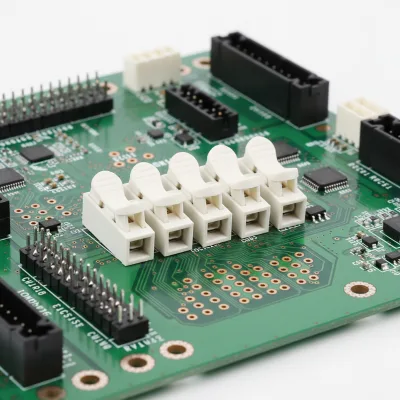
Quick Press Spring Wire Connector
$0.30 - $0.35
Shenzhen Dianxian Technology Co., Ltd.
- Verified by TüVRheinland
- Trading Company
- Lead time1 days
- Avg. response≤ 1h
Main productsIC, MCU, Capacitor, Diode, Optocoupler
Main marketsSouth America(15%), Eastern Europe(15%), Southeast Asia(15%)
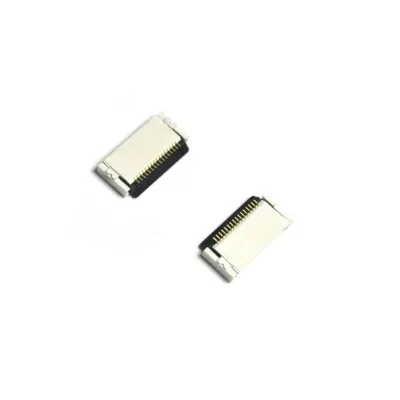
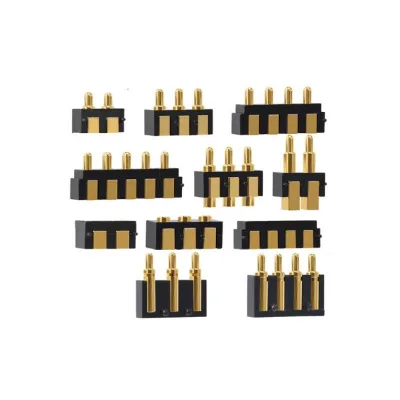
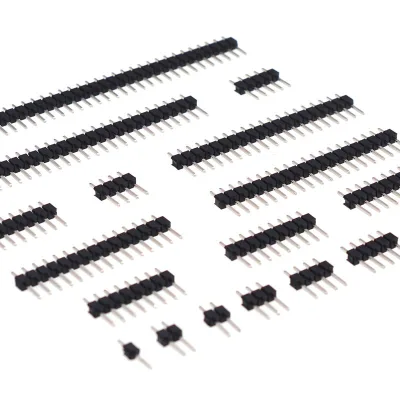
2.5 mm 1x4 Position 5.5mm Height Connector
$0.04 - $0.12

Jiangxi Weichi Machinery Technology Co., Ltd.
- Verified by TUVRHEINLAND
- Combined
- China Zhejiang
- Lead time23 days
- Avg. response≤ 3h
Main productsConnector Shell, Connector, Bathtub Faucet, Aluminum Shell, Beer Tap, Stainless Steel Faucet, Pet Bottle, Stainless Steel Beer Valve, PE Pipe, Plastic Bottle
Main marketsDomestic


Electrical Connector Wire Connectors Circular Connector Electric Connectors
$1.00 - $360.00
MOQ: 500 Pieces

Beijing Jingbei Components Co., Ltd
- Trading Company
- Beijing, China
- Lead time10 days
- Avg. response≤ 6h
Main productsConnector,Semiconductors,Sensors,Passive Components,Memory & Data Storage
Main marketsEastern Asia(50.00%), South Asia(10.00%), Northern Europe(10.00%), Western Europe(10.00%), North America(10.00%), South America(10.00%)
Guangzhou EBY Optoelectronic Technology Co., Ltd.
- Trading Company
- Guangdong, China
- Lead time10 days
- Avg. response≤ 11h
Main productsElectrical Wire,LED Connector,LED Connect Wire,LED Splitter Box,Power Supply
Main marketsWestern Europe(40.00%), North America(30.00%), Domestic Market(15.00%), Oceania(5.00%), Southeast Asia(5.00%), Mid East(5.00%)
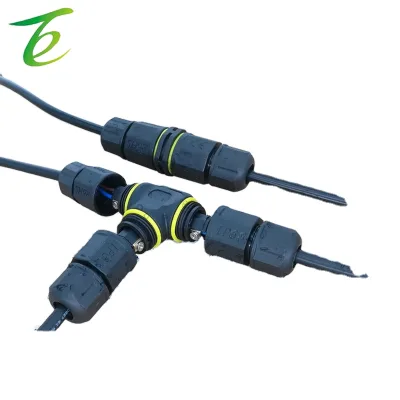
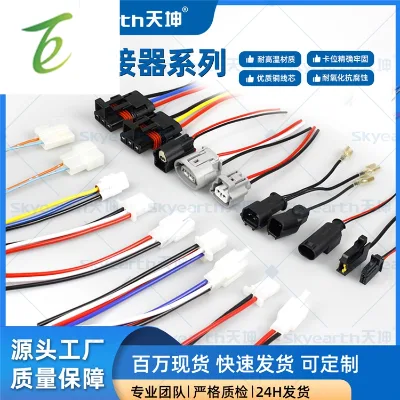
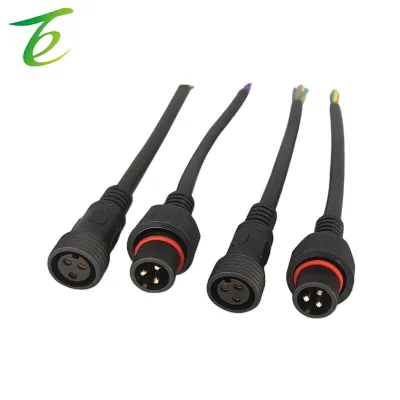
$0.50 - $5.00
MOQ: 500 Minimum
Guangzhou Echainer Electronics Co., Ltd.
- Manufacturer, Trading Company, Distributor/Wholesaler
- Guangdong, China
- Lead time5 days
- Avg. response≤ 2h
Main productslamp socket holders,Bulb converter,LED strip connector,Lamp holder,wire connector
Main marketsNorth America(40.00%), Western Europe(10.00%), Eastern Asia(10.00%), Southeast Asia(10.00%), Southern Europe(10.00%), South America(10.00%), Eastern Europe(5.00%), Northern Europe(5.00%)

Shandong Lekefu Transmission Equipment Co., Ltd.
- Verified by TUVRHEINLAND
- Combined
- China Shandong
- Lead time15 days
- Avg. response≤ 2h
Main marketsDomestic
Yuanchuang Shidai (Chengdu) Technology Co., Ltd.
- Verified by TüVRheinland
- Trading Company
- Sichuan, China
- Lead time15 days
- Avg. response≤ 2h
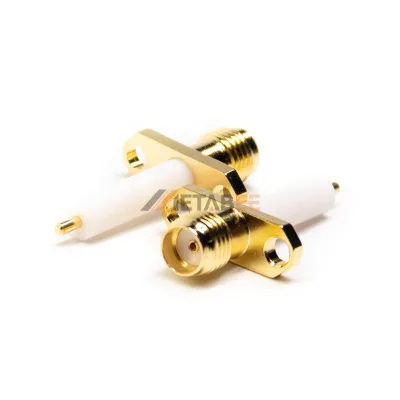
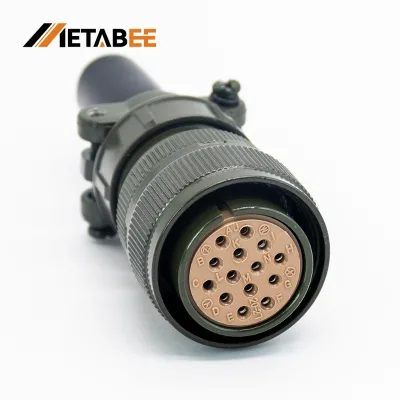
Main productsCoaxial Connectors (RF) SMA N-Type BNC TNC DIN Cable,3G 4G 5G WiFi GPS 315MHz 433MHz Communication Antennas,M5 M8 M12 NMEA 2000 M16 AISG M23 Circular Connector,26482 D38999 MIL-DTL-5015 Mil Connectors,Battery Storage Energy HIVL MSD EV Connector
Main marketsNorth America(33%), Western Europe(11%), Northern Europe(11%)
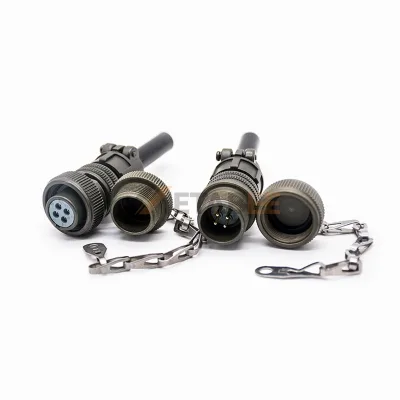
$6.9014 - $38.2665
MOQ: 50 Minimum

WENZHOU TAIHEC PLASTIC CO., LTD.
- Verified by CTI
- Combined
- China Zhejiang
- Lead time23 days
- Avg. response≤ 2h
Main productsCable Gland, Junction Box, Nail Clips, Brass Gland
Main marketsSouth America,Southeast Asia/ Mideast,Europe

Durable Waterproof Connector for Reliable High-Performance Solar Systems
$0.18 - $0.23
MOQ: 100 Pieces


Zhejiang Zhengguang Electronics Co., Ltd.
- Trading Company,Manufacturer/Factory
- China Zhejiang
- Lead time23 days
- Avg. response≤ 17h
Main productsMini DIN Connectors/S Terminal, Phone Jack, RCA Jack, XLR Connectors, F Connector, Power Jack, CS Type, Wp Push Terminal, Audio-Video Composite-Board, BNC Connector
Main marketsSouth America,Eastern Europe,Mid East,North America,Southeast Asia,Eastern Asia,Oceania,Western Europe,Africa

Shanghai Star Electronic Technology Co., Ltd.
- Verified by SGS
- Combined
- China Shanghai
- Lead time15 days
- Avg. response≤ 5h
Main productsWire Harness, Terminal Block, Connector, Auto Connector, Female Header, Male Header, ISO Harness, Car Connector, Automotive Connector, Cable Assembly
Main marketsSouth America,Southeast Asia/ Mideast,East Asia(Japan/ South Korea),Europe,North America

Shenzhen Chuangheying Electronic Technology Co., Ltd.
- Trading Company
- Guangdong, China
- Lead time0 days
- Avg. response≤ 7h
Main productsIntegrated Circuit; Discrete Semiconductor; Optoelectronic Components; Modules; Connectors
Main marketsSouth America(15.00%), Northern Europe(12.00%), Southeast Asia(10.00%), Eastern Asia(10.00%), Mid East(8.00%), North America(8.00%), Africa(8.00%), Domestic Market(6.00%), Southern Europe(6.00%), Eastern Europe(5.00%), Central America(5.00%), Western Europe(3.00%), Oceania(2.00%), South Asia(2.00%)

Rizhao Fenghua Scaffoldings Co., Ltd.
- Verified by BV
- Combined
- China Shandong
- Lead time45 days
- Avg. response≤ 15h
Main productsScaffolding, Scaffold, Forging, Formwork, Scaffold Couplers, Swivel Coupler, Frame System, Hand Tools, Scaffold Plank
Main marketsSouth America,East Asia(Japan/ South Korea),Europe,North America

Changzhou HITEK Electronics Co., Ltd.
- Combined
- China Jiangsu
- Lead time30 days
- Avg. response≤ 24h
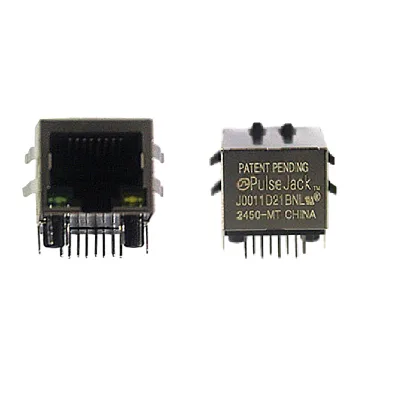
Main productsHDMI Cable, Connector, Antenna, RCA Cable, DVI Cable, AV Cable, Vedio Cable, Audio Cable, USB Cable, Network Cable
Main marketsDomestic


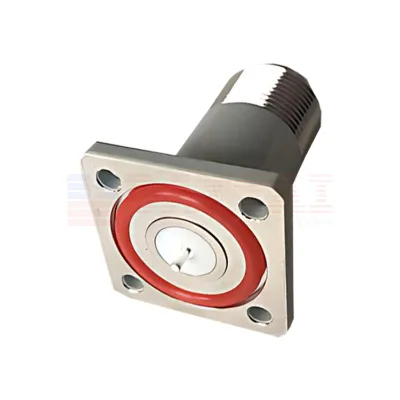
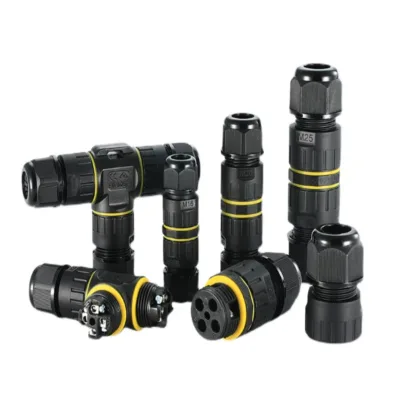
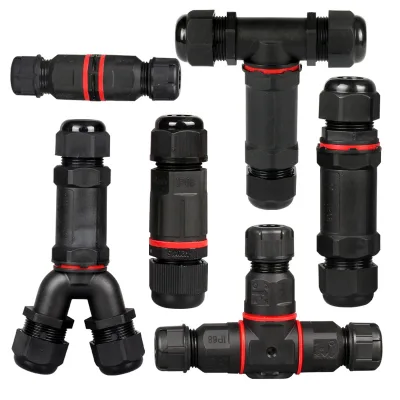
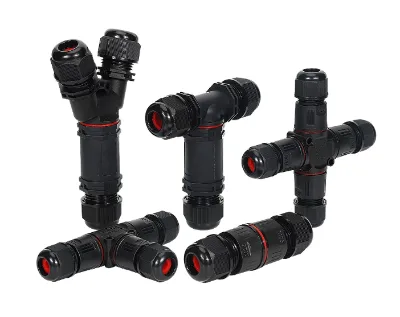


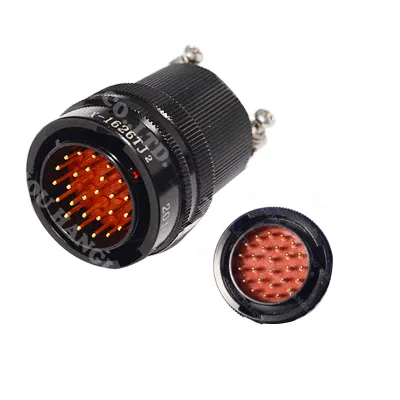
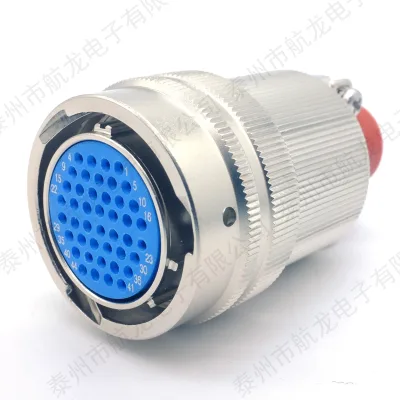
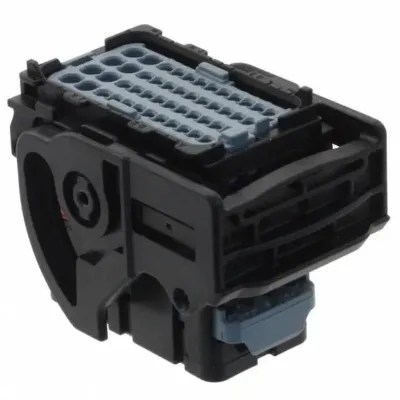
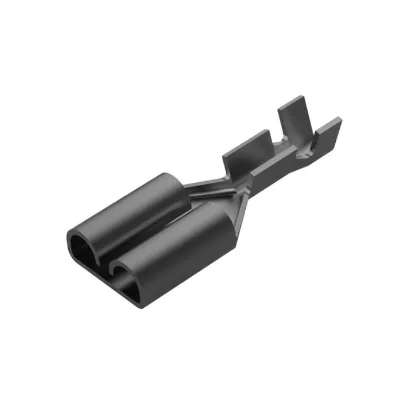




Comprehensive Sourcing Guide
Oil Resistant Modular Connector Supplier Concentration and Factory Types
The current supplier landscape for oil resistant modular connectors reveals a distinct geographic concentration within China, specifically highlighting manufacturing hubs in Zhejiang and Guangdong provinces. These regions serve as critical nodes for the production of electrical components, ranging from heavy-duty industrial connectors to precise electronic modules. Suppliers located in Zhejiang often operate as a hybrid of trading companies and manufacturing factories, indicating a robust local supply chain capable of supporting both OEM and ODM requirements. This dual capability allows buyers to access custom branding solutions alongside standard off-the-shelf products, ensuring flexibility in sourcing strategies. The presence of established factories in these areas suggests a mature ecosystem where raw material availability and specialized labor contribute to consistent production quality. Buyers evaluating these regions should recognize that the density of suppliers often correlates with competitive pricing and rapid prototyping capabilities, which are essential for projects requiring quick iterations.
In contrast, suppliers based in Guangdong frequently present as manufacturers, trading companies, or distributors, reflecting a diverse market structure that caters to various procurement needs. This region is particularly noted for its expertise in electronic components and terminal blocks, which often overlap with the specifications required for oil resistant modular connectors. The variety of company types in Guangdong implies that buyers may encounter different levels of vertical integration, from pure assembly operations to full-scale component manufacturing. Understanding this distinction is vital for assessing the reliability of supply chains and the potential for direct factory engagement. While trading companies offer convenience and consolidated logistics, manufacturers provide deeper insights into production processes and quality control measures. The geographic spread across these two major provinces ensures that buyers have access to a wide array of sourcing options, each with unique strengths in terms of product specialization and operational scale.
How to Verify Oil Resistant Modular Connector Suppliers
Verifying the legitimacy and capability of suppliers requires a meticulous examination of their certifications and system qualifications. Many manufacturers in this sector hold ISO 9001 certification, which serves as a baseline indicator of standardized quality management processes. However, for oil resistant modular connectors, product-specific certifications are equally critical. Buyers should look for evidence of RoHS, CE, and UL certifications on product listings, as these standards ensure compliance with international safety and environmental regulations. The presence of UL certification, in particular, is a strong signal of rigorous testing for electrical safety, which is paramount for connectors used in demanding industrial environments. Additionally, verifying that suppliers are verified by third-party inspection agencies, such as CTI, adds an extra layer of trust regarding their business operations and product authenticity. These verification steps help mitigate the risk of sourcing from entities that may lack the necessary technical expertise or regulatory compliance.
Beyond certifications, assessing the supplier’s response time and communication efficiency is a practical method for gauging their operational readiness. Suppliers with faster response times, often measured in hours, demonstrate a commitment to customer service and efficient order processing. This metric is particularly useful for identifying suppliers who are actively engaged and capable of handling urgent inquiries or custom requests. Buyers should also scrutinize the detailed product attributes provided, such as mounting types, interface specifications, and material compositions, to ensure alignment with their technical requirements. For instance, confirming that a connector supports AC/DC interfaces and has appropriate housing materials like metal or high-temperature resistant plastics is essential for oil resistant applications. By cross-referencing these technical details with the supplier’s stated capabilities, buyers can form a more accurate picture of their suitability for specific project needs, ensuring that the chosen partner can deliver products that meet stringent performance criteria.
What to Compare Across Oil Resistant Modular Connector Suppliers
When evaluating multiple suppliers, comparing key operational metrics such as lead times and minimum order quantities (MOQs) is essential for aligning procurement strategies with production schedules. Lead times can vary significantly, with some suppliers offering rapid turnaround times of just a few days, while others may require up to thirty days for production and delivery. This variance often reflects the complexity of the manufacturing process and the current inventory status of the supplier. Similarly, MOQs provide insight into the supplier’s flexibility and target market segment. Some suppliers may accept low MOQs of just two pieces, catering to prototyping or small-batch needs, while others might require higher volumes, such as ten pieces or more, to optimize production runs. Understanding these differences allows buyers to select suppliers that match their volume requirements and timeline constraints, avoiding unnecessary delays or excessive inventory costs.
In addition to logistical metrics, comparing the range of main products and customization options offered by each supplier is crucial for ensuring comprehensive sourcing capabilities. Suppliers that specialize in a broad array of connectors, including heavy-duty, terminal blocks, and modular combinations, may offer better synergy for buyers with diverse component needs. The availability of customization services, such as OEM and ODM options, is another significant differentiator, allowing buyers to tailor products to specific application requirements. Furthermore, examining the price ranges provided by suppliers can reveal market positioning and value propositions. Prices for modular connectors can span from low-cost electronic components to higher-priced industrial-grade units, reflecting differences in materials, certifications, and performance ratings. By systematically comparing these dimensions, buyers can identify suppliers that offer the best balance of cost, quality, and service, ensuring a strategic advantage in their sourcing efforts.
Common Oil Resistant Modular Connector Sourcing Risks
One of the primary risks in sourcing oil resistant modular connectors is the potential mismatch between product specifications and actual application requirements. Buyers must be vigilant in verifying technical attributes such as operating frequency, working voltage, and pollution degree, as these factors directly impact the connector’s performance in oil-rich environments. For example, assuming a connector is suitable for high-voltage applications without confirming its rated impulse voltage or flammability class can lead to equipment failure or safety hazards. Additionally, the material composition of the connector, including the housing and terminal body, must be resistant to oil degradation to ensure long-term reliability. Suppliers may list generic attributes without providing detailed material safety data sheets, leaving buyers to infer suitability. This lack of transparency can result in the procurement of components that fail prematurely under harsh conditions, leading to costly downtime and repairs.
Another significant risk involves the reliability of supply chains and the consistency of product quality across batches. Suppliers with longer lead times or those operating as trading companies without direct manufacturing control may face challenges in maintaining consistent quality standards. There is also the risk of receiving products that do not match the certified specifications, particularly if the supplier lacks robust quality assurance processes. Buyers should be cautious of suppliers who offer unusually low prices, as this may indicate the use of substandard materials or compromised manufacturing practices. Furthermore, the absence of clear payment terms or reliance on informal payment methods can expose buyers to financial risks. To mitigate these issues, buyers should prioritize suppliers with verified credentials, clear communication channels, and transparent operational practices, ensuring that the sourced components meet the necessary technical and safety standards for oil resistant applications.
Oil Resistant Modular Connector Regional Sourcing and Logistics
Sourcing oil resistant modular connectors from China involves navigating the logistical advantages and challenges associated with major manufacturing hubs like Zhejiang and Guangdong. These regions benefit from well-developed infrastructure and proximity to major ports, facilitating efficient export operations. Buyers should consider the impact of regional logistics on shipping times and costs, as suppliers in these areas often have established relationships with freight forwarders and shipping carriers. The availability of multiple shipping options, including DHL, UPS, FedEx, and EMS, allows buyers to choose services that best fit their urgency and budget constraints. Additionally, the concentration of suppliers in these regions can lead to economies of scale in packaging and consolidation, potentially reducing overall logistics costs for bulk orders. Understanding these logistical dynamics helps buyers plan their supply chain more effectively, ensuring timely delivery and minimizing transit-related risks.
However, buyers must also account for potential logistical disruptions, such as customs clearance delays or seasonal shipping congestion. Suppliers with experience in international trade are better equipped to handle documentation and compliance requirements, reducing the likelihood of shipment hold-ups. It is advisable to work with suppliers who offer comprehensive shipping support, including tracking and insurance options, to maintain visibility throughout the transit process. Furthermore, considering the environmental conditions during transport is crucial for preserving the integrity of sensitive electronic components. Proper packaging, such as carton or standard protective materials, helps safeguard connectors from moisture and physical damage. By selecting suppliers with proven logistical capabilities and clear shipping protocols, buyers can enhance the reliability of their supply chain, ensuring that oil resistant modular connectors arrive in optimal condition and ready for integration into their systems.
Oil Resistant Modular Connector Commercial Terms and Order Planning
Effective order planning for oil resistant modular connectors requires a thorough understanding of commercial terms, including payment methods and warranty policies. Suppliers often accept a variety of payment options, such as PayPal, TT, Western Union, and Trade Assurance, each offering different levels of security and convenience for buyers. Utilizing secure payment platforms like Trade Assurance can provide additional protection by ensuring that funds are released only upon satisfactory delivery of goods. Buyers should also clarify the lead times associated with different order sizes, as larger orders may require extended production periods. Establishing clear communication regarding delivery schedules and potential delays is essential for maintaining production continuity. Additionally, understanding the supplier’s return and refund policies can help mitigate risks associated with defective or non-conforming products, ensuring that buyers have recourse in case of issues.
Beyond immediate transactional terms, buyers should consider the long-term commercial relationship with their suppliers, including potential for volume discounts and ongoing support. Suppliers that offer BOM list services or custom branding options can add significant value by streamlining the procurement process and enhancing product differentiation. It is also important to verify the supplier’s ability to provide consistent supply over time, particularly for high-demand components. Buyers should assess the supplier’s capacity to handle fluctuations in order volume and their responsiveness to changing market conditions. By building a strategic partnership with reliable suppliers, buyers can secure favorable commercial terms, ensure product availability, and maintain a competitive edge in their respective markets. This approach fosters a stable supply chain, reducing the likelihood of disruptions and supporting sustained business growth.
FAQs
What certifications are available for heavy duty connectors?
Suppliers offer products with RoHS, ISO, CE, and UL certifications. These standards ensure compliance with international safety and environmental regulations. Buyers should verify specific certificates for their target markets to guarantee regulatory acceptance and product reliability in industrial applications.
What is the typical lead time for orders?
Lead times vary by supplier, ranging from immediate availability to 30 days. Some manufacturers list zero lead time for stock items, while others require up to 15 days for production. Buyers should confirm specific timelines with suppliers before placing bulk orders.
What is the minimum order quantity for connectors?
Minimum order quantities typically start at 2 pieces for sample testing or small batches. Some suppliers require a minimum of 10 units for standard orders. Buyers seeking larger volumes should negotiate directly with manufacturers to potentially lower per-unit costs and secure better terms.
How quickly do suppliers respond to inquiries?
Response times generally range from 4.59 to 13.15 hours. Faster responses indicate active sales teams ready to assist with technical specifications. Buyers should prioritize suppliers with quicker response rates to ensure efficient communication throughout the sourcing and procurement process.
Where are these connectors manufactured?
Manufacturing locations include Zhejiang and Guangdong provinces in China. These regions are known for robust electronics and electrical component supply chains. Buyers can verify specific factory locations to assess logistics costs and supply chain resilience for their specific import requirements.
What payment methods are accepted?
Common payment methods include Trade Assurance, T/T, PayPal, and Western Union. Trade Assurance provides buyer protection for secure transactions. Buyers should select payment options that align with their financial policies and risk management strategies for international trade transactions.