Organic Herbal Bath Bomb Suppliers and Manufacturers
Compare 28 verified suppliers offering Organic Herbal Bath Bomb products with customization, certifications like GMPC and FDA, and lead times ranging from 20 to 30 days. Review pricing, MOQs, and response times to select the right partner for your sourcing needs.
Updated
Suppliers List

Guangzhou Umicore Biotechnology Co., Ltd.
- Trading Company
- China Guangdong
- Lead time0 days
- Avg. response≤ 24h
Main productsSkin Care Products, Hair Care Products, Personal Care Products

Huizhou Yajiali Industrial Co., Ltd.
- Verified by SGS
- Combined
- China Guangdong
- Lead time30 days
- Avg. response≤ 6h
Main productsBath Bomb, Body Butter, Shower Steamers, Body Scrubs, Soap, Bath Salt, Bath Set
Main marketsEurope,North America

OEM Natural Organic Bath SPA Clean Bath Salts Colorful Fruit Pineapple Shape Bath Bomb
$0.92 - $0.98
MOQ: 500 pieces


Organic Bath Bomb Bubble Wand Handmade Bubble Sea Salt Shower Bath Bombs Kids Bath Bombs
$0.39 - $0.63
MOQ: 1000 pieces

Organic Bath Bombs with Rings Inside Wholesale OEM Handmade Vegan Organic Bath Bomb with Surprise
$0.29 - $0.59
MOQ: 1000 pieces

Bath Tub SPA Bubble Organic 12PC Bath Bombs Gift Bath Private Label Marvel Bath Bomb
$0.19 - $0.39
MOQ: 1000 Pieces
Chengdu Gaoli Meishi Electronic Commerce Co., Ltd.
- Trading Company
- Sichuan, China
- Lead time7 days
- Avg. response≤ 4h
Main productsBath salts,Candles and aromatherapy,Bath bombs,Soap,Body care
Main marketsEastern Europe(30.00%), North America(30.00%), Western Europe(10.00%), Africa(10.00%), Southeast Asia(10.00%), South America(10.00%)
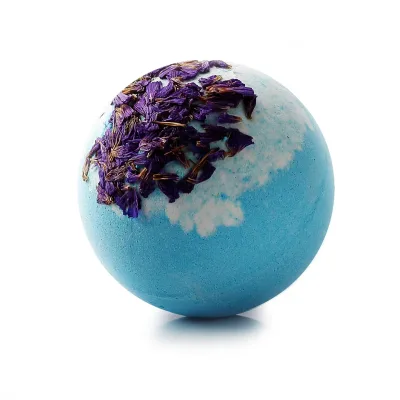
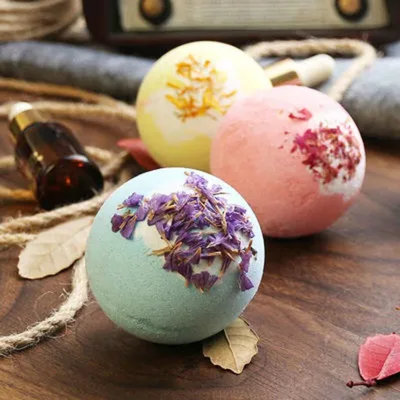
$0.802 - $0.9144
MOQ: 300 pieces
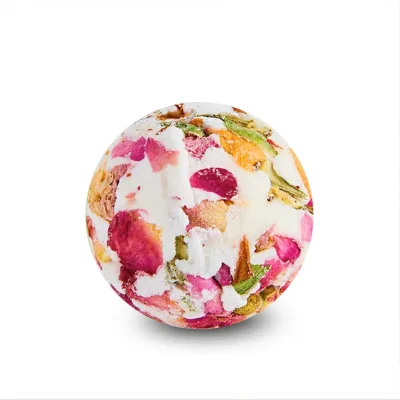
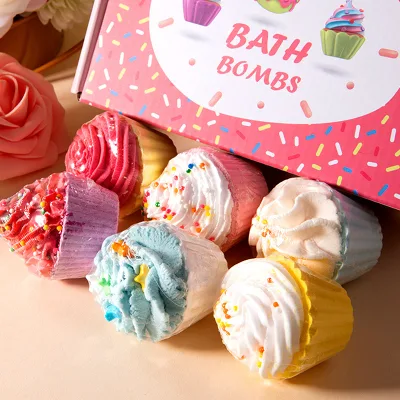
Guangzhou Tinsun Biotechnology Co., Ltd.
- Verified by SGS Group
- Manufacturer, Trading Company
- Lead time7 days
- Avg. response≤ 3h
Main productsSerum, Facial Mask, Hair Shampoo, Lotion & Cream, Toner
Main marketsNorth America(48%), Eastern Europe(16%), Southeast Asia(12%)
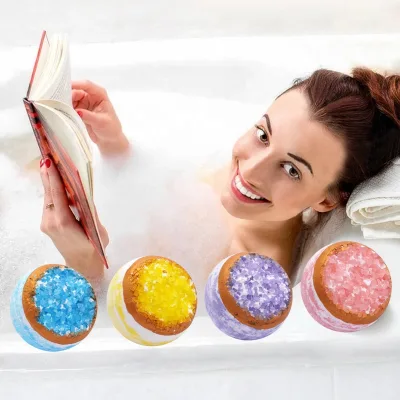
Private Label Bath Bomb With Crystal Packaging Bath Bomb Set Organic Sea Salt Bath Bomb
$9.50 - $11.50
MOQ: 100 sets
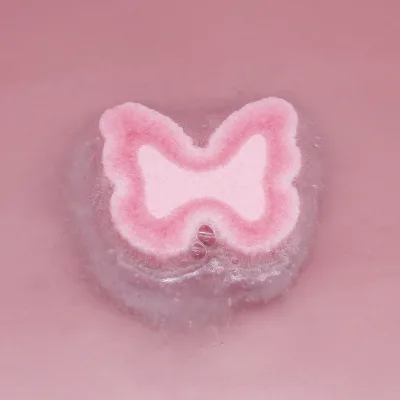
Hebei Enyu Imp. & Exp. Trade Company Limited
- Verified by SGS Group
- Trading Company
- Lead time15 days
- Avg. response≤ 4h
Main productsBath Bomb, Soap, Spa Foot Jelly, Shower Steamer, Shampoo Bar
Main marketsNorth America(40%), South America(16%), Eastern Europe(16%)
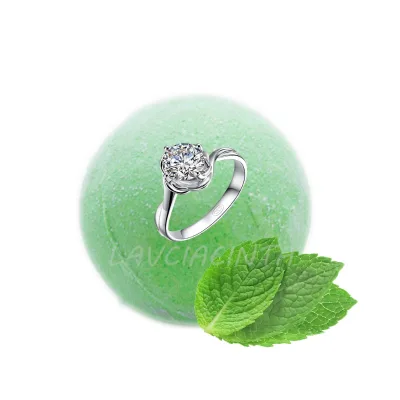
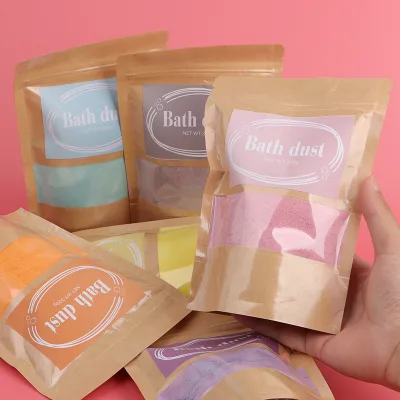
$1.2951 - $2.178
MOQ: 100 pieces
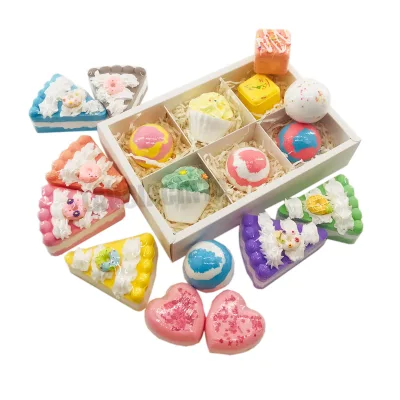
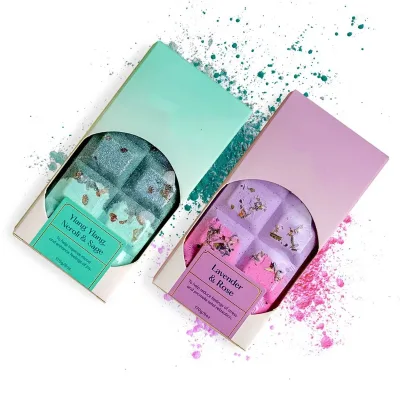
Heshan Bliss Naturals Bath & Beauty Co., Ltd.
- Verified by SGS Group
- Manufacturer, Trading Company
- Lead time35 days
- Avg. response≤ 3h
Main productsHand & Foot Care Product, Bath Salt, Bath Fizzer, Lotion
Main marketsNorth America(45%), Western Europe(20%), Mid East(10%)
Guangdong Yunte Biotechnology Co., Ltd.
- Manufacturer
- Guangdong, China
- Lead time30 days
- Avg. response≤ 2h
Main productsShampoo, Hair Mask
Main marketsDomestic Market(95.00%), Southeast Asia(5.00%)
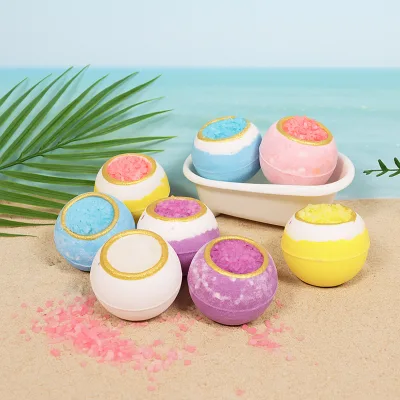
$0.4752 - $0.5786
MOQ: 100 pieces
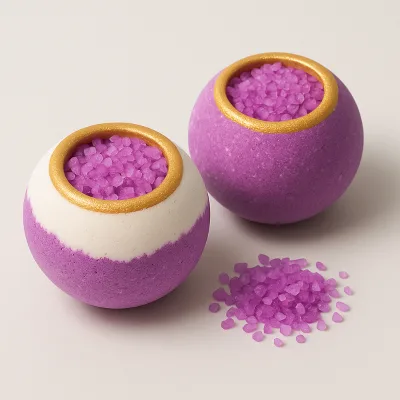
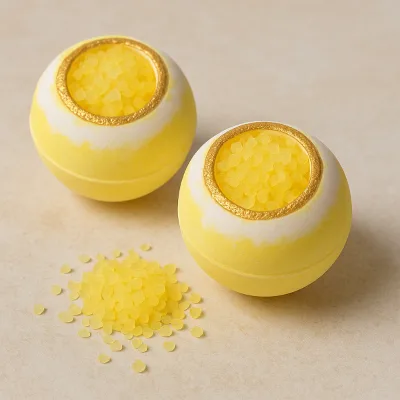
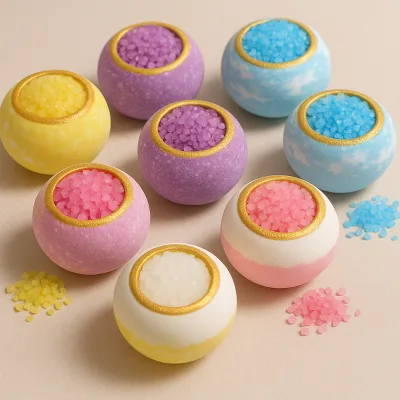
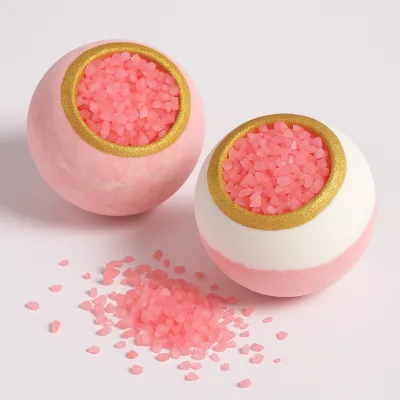
Relax Spa Handmade Private Label Bath Bombs Bath Ball Fizzy Spa Colorful Bubble Bath Boombs
$0.4752 - $0.5786
MOQ: 100 pieces

- Verified by SGS
- Trading Company
- China Zhejiang
- Lead time15 days
- Avg. response≤ 10h
Main productsFan, Heater Fan, Air Fryer, Toaster, Rice Cooker, Vacuum Cleaner, Coffee Machine, Hairdressing Appliance, Electric Toothbrush, Steam Iron
Main marketsEurope,Australia

Hot Organic Milk Rose Essential Oils Soda Skin Organic Cleaning Bath Bomb
$1.03 - $1.15
MOQ: 870 Pieces

Wholesale 100g Dried Flower Salt Essential Oil Body Cleansing Bubble Bath Bomb
$0.28 - $0.32
MOQ: 3160 Pieces

Best Seller Handmade Natural Essential Oil Cloud Rainbow Bath Gift Bath Bombs
$0.64 - $0.72
MOQ: 1390 Pieces

Trendy Handmade Natural Organic Soda Salt Skincare Kids Wholesale Silk Bath Bombs
$0.27 - $0.30
MOQ: 3310 Pieces
Guangzhou Ningzhi Biotechnology Co., Ltd.
- Manufacturer, Trading Company
- Guangdong, China
- Lead time30 days
- Avg. response≤ 2h
Main productsBath Supplies,Hair Care,Feminine Hygiene,Body Care,Skin Care
Main marketsNorth America(25.00%), Eastern Europe(10.00%), Southern Europe(10.00%), Central America(9.00%), Western Europe(8.00%), Northern Europe(7.00%), Eastern Asia(6.00%), Mid East(6.00%), Southeast Asia(5.00%), South Asia(5.00%), Domestic Market(4.00%), South America(3.00%), Oceania(1.00%), Africa(1.00%)
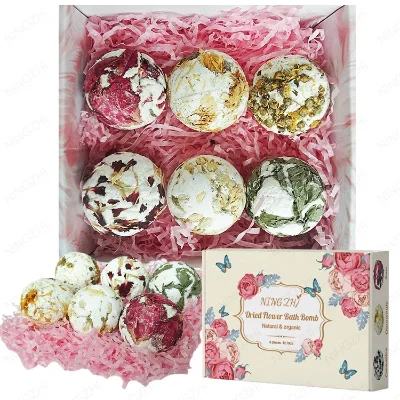
Natural Dried Floral Aroma Bath Salt Bath Bomb with Dried Flowers Bathroom Accessories
$0.74 - $0.88
MOQ: 1000
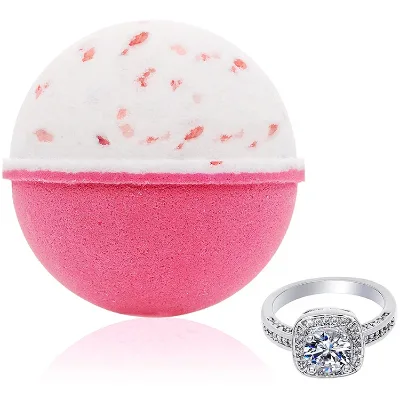
Hand Made Bath Bomb With Surprise Size Ring Inside Perfect for Spa Bubble Bath
$0.85 - $0.99
MOQ: 1000
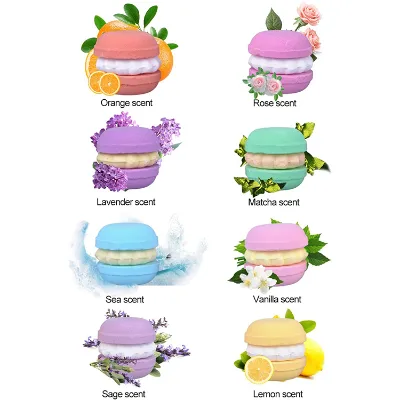
Custom Dessert Bubble Bomb Body Care Macaron Bath Bombs Elevates Bathing Ritual
$0.75 - $0.87
MOQ: 1000
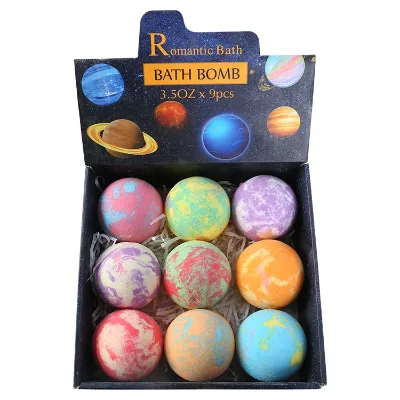
Non Staining Vegan Planet Themed Bath Bombs With Long Fizzing Time Relaxing Body
$0.7765 - $0.9234
MOQ: 1000 pieces
Enrich Enterprises (Xiamen) Limited
- Verified by Intertek
- Trading Company
- Lead time40 days
- Avg. response≤ 8h
Main productsBath Gift Set, Bath And Body Care Product, Home Fragrance Product, Bath Bomb, Bath Gift Packaging
Main marketsNorth America(75%), Oceania(18%), Eastern Europe(2%)
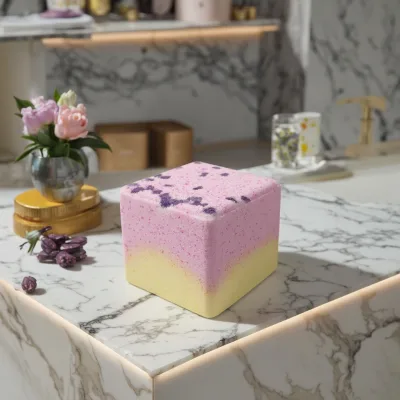
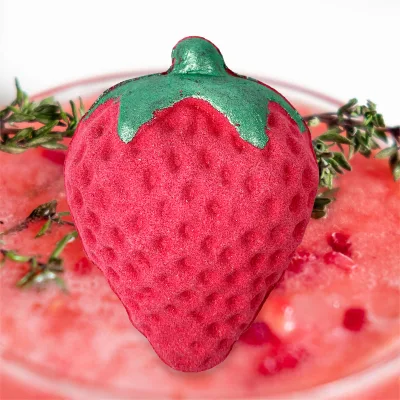
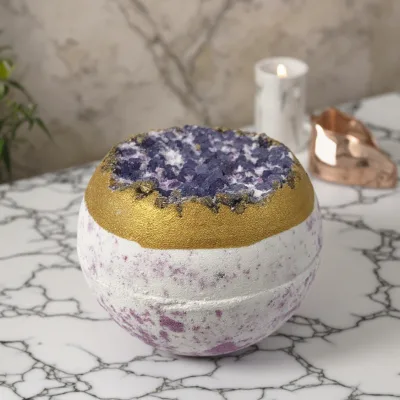
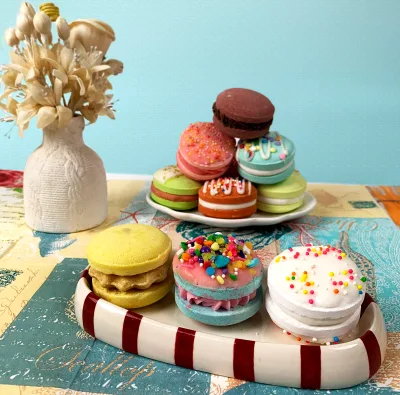
Best Selling Bath Bombs Factory Custom Long Lasting Scent Natural Ingredients Bath Bomb
$0.47 - $0.69
MOQ: 2000
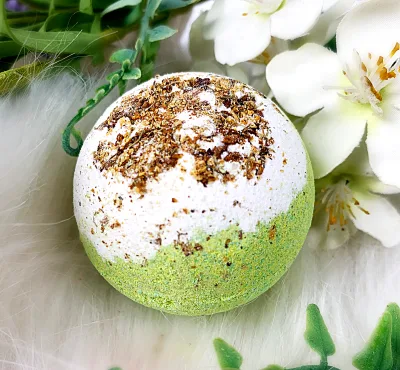
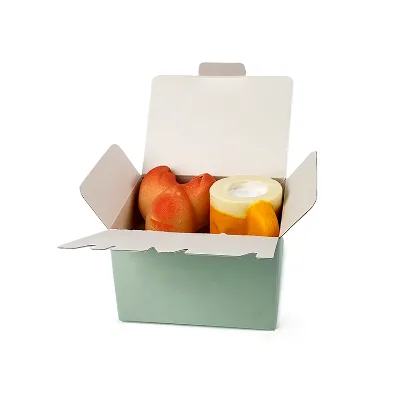
- Verified by SGS Group
- Trading Company
- Lead time15 days
- Avg. response≤ 4h
Main productsToothbrush, Toothpaste, Package Bottle, Teeth Whitening Product, Skin Care Product
Main marketsNorth America(30%), Southeast Asia(20%), Africa(15%)
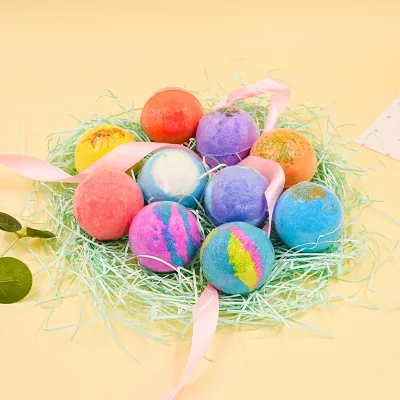
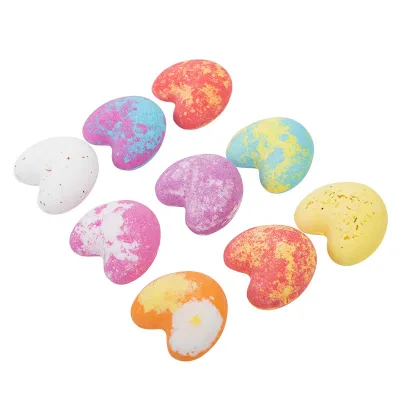
Best Large Natural Organic Bath Bombs Skin Private Label Natural Bath Bombs
$0.38 - $0.41
MOQ: 10 boxes
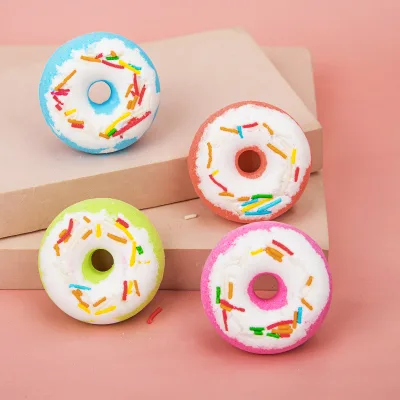
Taizhou Huangyan Honghan Industry And Trade Co., Ltd.
- Manufacturer
- Zhejiang, China
- Lead time30 days
- Avg. response≤ 4h
Main productsToilet Cleaner, Air Freshener, Bath Bombs
Main marketsNorthern Europe(30.00%), Domestic Market(28.00%), North America(20.00%), Eastern Asia(10.00%), Africa(7.00%), Mid East(3.00%), Southeast Asia(2.00%)
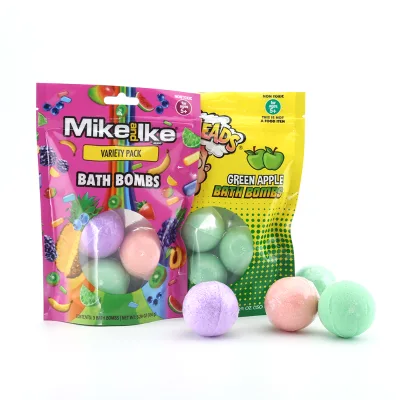
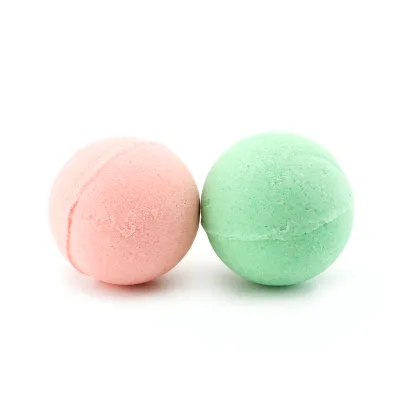
Bulk Sale Colorful Salts Ball SPA Handmade Natural Organic Fizzy Bath Bombs
$0.3897 - $0.5441
MOQ: 5000 pieces
Huizhou Bliss Commodity Co., Ltd.
- Verified by TüVRheinland
- Manufacturer, Trading Company
- Lead time30 days
- Avg. response≤ 3h
Main productsBath Bomb, Bath Soap, Bath Spa Gift Set, Lotion And Essential Oil, Hand Soap
Main marketsNorth America(47%), Western Europe(39%), Eastern Europe(5%)

Baoding Be-Ladies Home Products Co., Ltd.
- Verified by CTI
- Combined
- China Hebei
- Lead time30 days
- Avg. response≤ 4h
Main marketsEurope

Rainbow Shape Shower Bath Salt Bomb Used for Energizing Morning Routines
$0.60 - $0.70
MOQ: 100 Pieces


Star Shape Therapeutic Soothe-Inducing Shower Bath Salt Bomb for Tension Release
$0.60 - $0.70
MOQ: 100 Pieces

Manufacturer's Organic Natural Bath Fizzies Dried Flowers Bath Bombs for Children
$0.36 - $0.46
MOQ: 50 pieces

Natural Aromatic Shower Bath Salt Bomb Used for Invigorating Evening Relaxation
$0.60 - $0.70
MOQ: 100 Pieces

Premium Relaxation-Infused Shower Bath Salt Bomb for Deep Stress Relief Evenings
$0.60 - $0.70
MOQ: 100 Pieces
Shaanxi Imika Biotech Co., Ltd.
- Trading Company
- Shaanxi, China
- Lead time15 days
- Avg. response≤ 3h
Main productsBeauty equipment,Skin care products,Cosmetics,Oral care,Nail supplies
Main marketsWestern Europe(10.00%), Southern Europe(10.00%), Central America(10.00%), Oceania(10.00%), Northern Europe(10.00%), Southeast Asia(10.00%), Eastern Europe(10.00%), South America(10.00%), North America(10.00%), Mid East(5.00%), Africa(2.00%), Domestic Market(1.00%), South Asia(1.00%), Eastern Asia(1.00%)

Guangzhou Mebamy Cosmetics Co., Ltd.
- Verified by TUVRHEINLAND
- Manufacturer/Factory
- China Guangdong
- Lead time15 days
- Avg. response≤ 1h
Main productsFace Serum, Soap, Face Cream, Sunscreen, Eyelash Growth Serum, Teeth Whitening, Face Mask, Facial Cleanser, Essential Oil, Hair Care Series
Main marketsNorth America,Western Europe


Custom Gift Set Rich Relaxing Natural Organic Handmade Bubble Colorful Bath Bombs
$1.50 - $7.50
MOQ: 3000 Pieces


Hainan Fuwang Industrial Co., Ltd.
- Trading Company,Manufacturer/Factory
- China Hainan
- Lead time23 days
- Avg. response≤ 12h
Main productsInsulation Materials, Copper Clad Laminated Sheet, Fine Chemical, Fiberglass, Fr-4/G11/G11-H/Epgm203, Green Coffee Beans, Cosmetic, Whey Protein
Main marketsSouth America,Eastern Europe,Mid East,North America,Southeast Asia,Eastern Asia,Oceania,Western Europe,Africa
Huizhou Boymay Cosmetics Co., Ltd.
- Trading Company
- Lead time旺季: "1 - 500":18,"501 - 5000":25,"5001 - 50000":35,"> 50000":"To be negotiated", 淡季: "1 - 500":18,"501 - 5000":25,"5001 - 50000":35,"> 50000":"To be negotiated"
- Avg. response≤ 2h
Main productsBath Bomb, Shower Steamer, Soap, Hair Treatment, Body Care
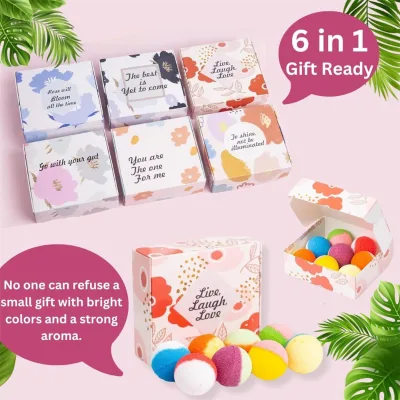
OEM Factory Relaxation and Stress Relief Natural & Organic Bath Bombs for Women and Kids
$0.9369 - $1.8738
MOQ: 500 pieces
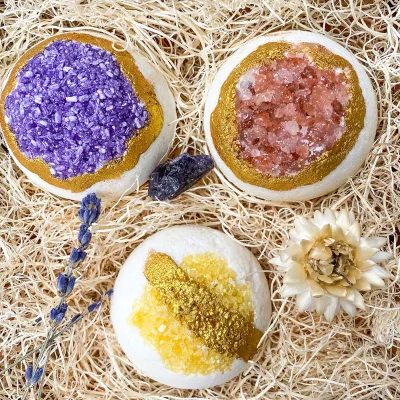
Custom 100% Natural Ingredients Bubble Naturals Crystal Bath Bombs with OEM Factory
$0.5771 - $0.787
MOQ: 1000 pieces
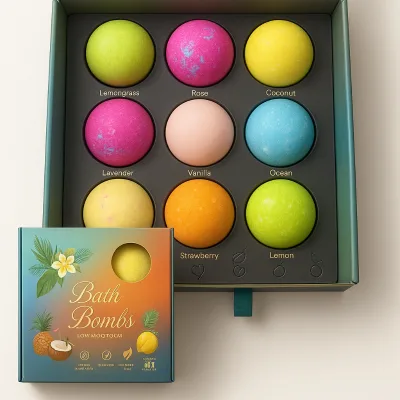
$0.1132 - $0.4122
MOQ: 1 pieces
Huizhou Bomei Cosmetic Co., Ltd.
- Verified by TüVRheinland
- Manufacturer, Trading Company
- Lead time50 days
- Avg. response≤ 2h
Main productsBath Supplies Cosmetic, Hair Care Cosmetics, Skin Care Cosmetic, Perfume Fragrance, Bath Fizzies
Main marketsDomestic Market(59%), Western Europe(13%), North America(11%)

NINGBO AOVEA IMPORT & EXPORT CO., LTD.
- Verified by TUVRHEINLAND
- Trading Company
- China Zhejiang
- Lead time30 days
- Avg. response≤ 6h
Main productsMakeup Brush, Cosmetic Brush, Make up Brush, Cosmetic Bag Case, Makeup Tools, Jade Roller and Gua Sha, Hair Brush, Body Brush, Hair Accessories, Makeup Sponge
Main marketsSouth America,Africa,Southeast Asia/ Mideast,Europe,Australia,North America

OEM Organic Mini Premium Luxury Bath Bombs Mini Bath Bomb with Packaging Box
$1.36 - $1.60
MOQ: 100 Pieces

Private Label Ball Set Cleansing Moisturizing 100% Natural Ingredients Vegan Bath Bombs Organic
$0.58 - $0.88
MOQ: 1000 Pieces

Essential Oil Moisturizing Skin Bath Bombs Natural Organic Fragrance Colorful Bubble Bath Fizzies
$4.78 - $5.18
MOQ: 100 Sets

Wholesale Private Label Organic Bath Bombs Rainbow Bathbombs Luxury 1 Pack Bath Bombs with Gift Box
$0.98 - $1.08
MOQ: 1000 Pieces
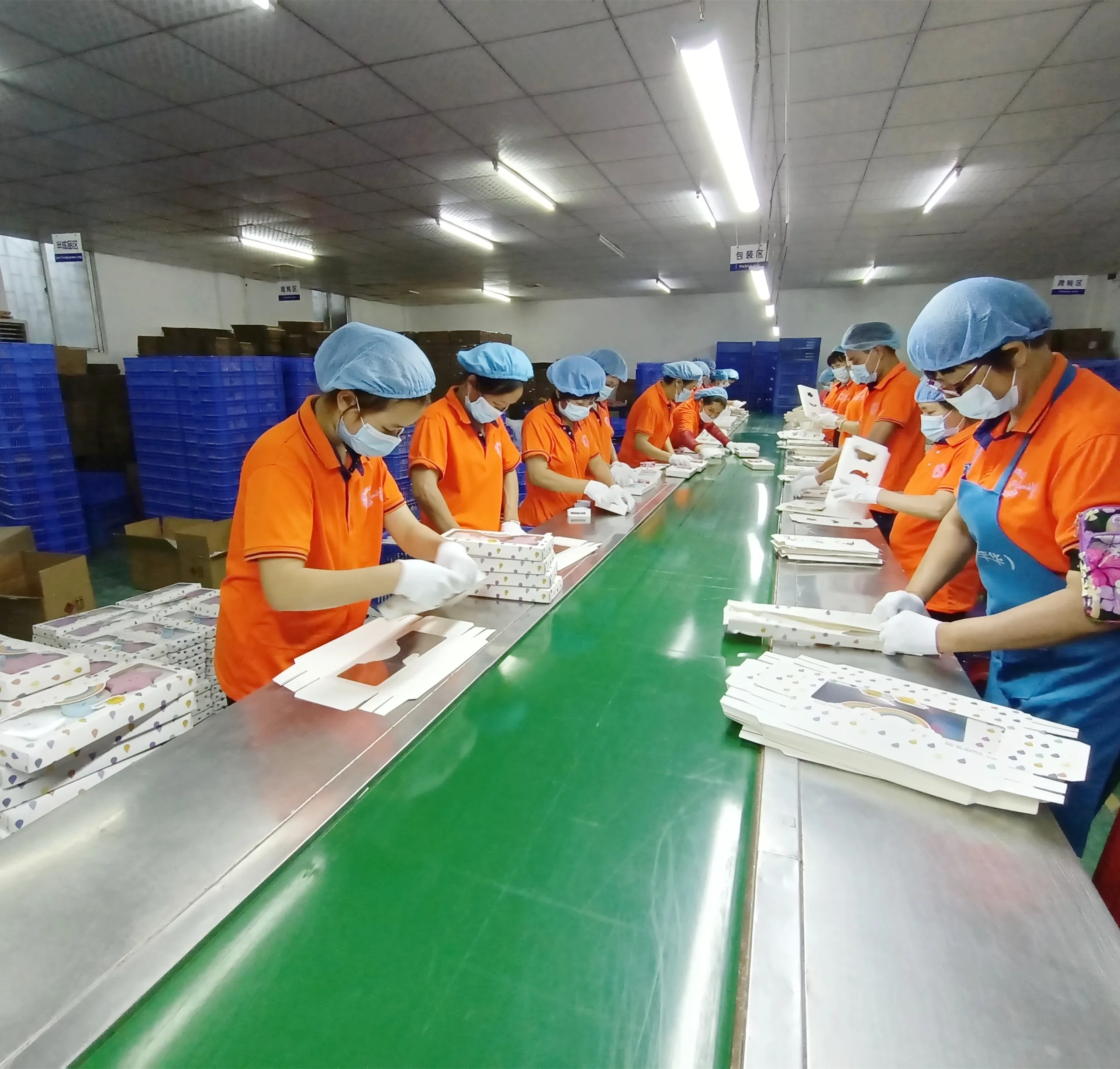
Huizhou Yajiali Industrial Co., Ltd.
- Manufacturer
- Guangdong, China
- Lead time0 days
- Avg. response≤ 5h
Main productsBath Bomb, Body Butter, Whipped Soap
Main marketsNorth America(70.00%), Western Europe(20.00%), Domestic Market(10.00%)
Bath Concept Cosmetics (dongguan) Co., Ltd.
- Verified by SGS Group
- Manufacturer, Trading Company
- Lead time25 days
- Avg. response≤ 3h
Main productsSunscreen, Sex Lubricants, Lip Balm, Hand Soap, Pet Supplies
Main marketsNorth America(45%), Domestic Market(15%), Eastern Asia(10%)
- Verified by Intertek
- Trading Company
- Lead time0 days
- Avg. response≤ 3h
Main productsLipstick, Lip Gloss, Mascara, Liquid Eyeliner, Cream Foundation
Main marketsMid East(47%), South America(17%), Domestic Market(15%)

Yixing Allwin Products Co., Ltd.
- Verified by CTI
- Trading Company,Manufacturer/Factory,Group Corporation
- China Jiangsu
- Lead time23 days
- Avg. response≤ 2h
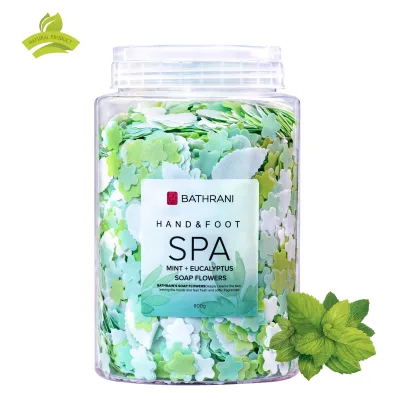
Main productsFace Cream, Lip Care, Bath Care, Perfume/ Body Mist, Personal Care, Luxury Cosmetic, Laundry Detergent, Soap Flowers, Package
Main marketsSouth America,Eastern Europe,Mid East,North America,Southeast Asia,Eastern Asia,Oceania,Western Europe,Africa

Shenzhen KidsMind Manufacturing Technology Co., Ltd.
- Verified by SGS
- Trading Company
- China Guangdong
- Lead time15 days
- Avg. response≤ 5h
Main productsGame Console, Electronic Drum, LCD Writing Tablet, Hair Clipper, Gaming Microphone
Main marketsOthers(foreignTradeCapacity.exportBusinessCapacityMarketOther)


$1.00 - $100.00
MOQ: 120 Pieces
Hangzhou Bingzhi Biotechnology Co., Ltd.
- Verified by Intertek
- Trading Company
- Lead time0 days
- Avg. response≤ 6h
Main productsLip Gloss, Eyeshadow, Face Sheet Mask, Shower Gel, Bath Bomb
Main marketsNorth America(30%), Western Europe(30%), Oceania(25%)

Fujian Haojin Toiletries Co., Ltd.
- Manufacturer, Trading Company
- Fujian, China
- Lead time0 days
- Avg. response≤ 8h
Main productsLip Balm, Gloss Lip, Body Mist, Showergel, Bath bomb
Main marketsNorth America(60.00%), Western Europe(30.00%), South America(9.00%), Eastern Europe(1.00%)
Guangzhou E-Mei Biotechnology Co., Ltd.
- Trading Company
- Guangdong, China
- Lead time10 days
- Avg. response≤ 2h
Main productsSkin Care Series/Whitening Skin Care Cream/Whitening Skin Soaps/Whitening Body Oil/Whitening Body Lotion,Food Supplement/Skin Whitening Gummy/Skin Whitening Capsules/Butt Enlargement Gummy/Butt Enlargement Capsules
Main marketsNorth America(50.00%), Western Europe(30.00%), Africa(15.00%), Southeast Asia(5.00%)


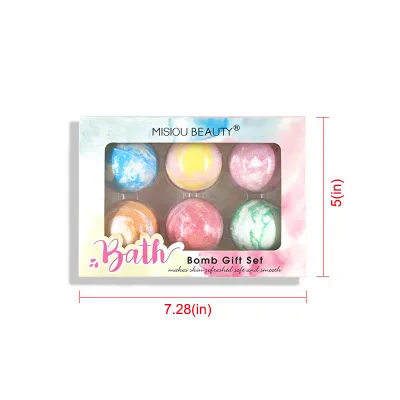


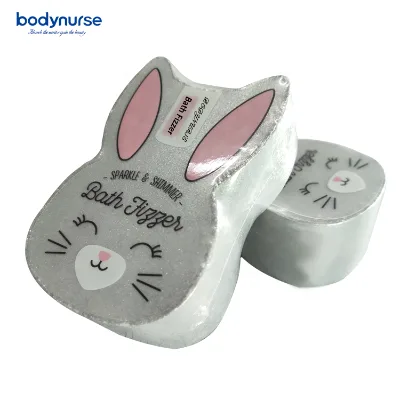
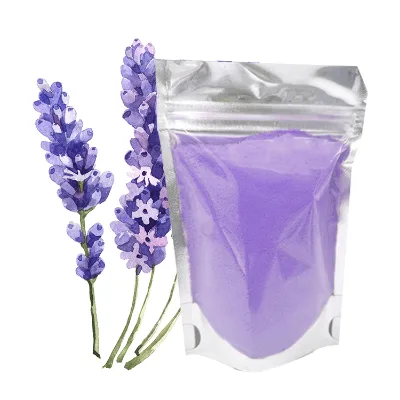
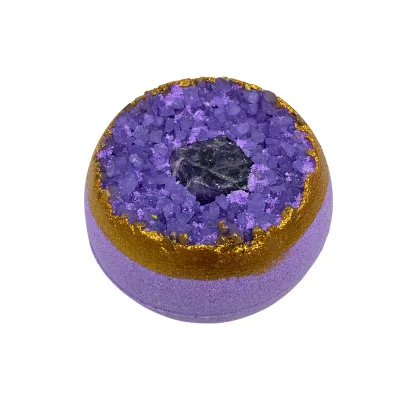


Comprehensive Sourcing Guide
Organic Herbal Bath Bomb Supplier Concentration and Factory Types
When evaluating the landscape for Organic Herbal Bath Bomb manufacturers, it is crucial to distinguish between different operational models to ensure alignment with your specific business needs. The current supplier base includes a mix of trading companies and combined entities, each offering distinct advantages in terms of product variety and direct manufacturing control. Trading companies often serve as intermediaries that aggregate products from multiple factories, providing buyers with a broader catalog of skin care, hair care, and personal care items under one roof. This model can simplify the sourcing process for buyers who require a diverse range of bath supplies, including bath fizzies and shower gel balls, without managing multiple vendor relationships. However, this convenience may come at the cost of reduced transparency regarding the actual production origin and quality control processes. In contrast, combined suppliers or direct manufacturers may offer more direct oversight of the production line, allowing for greater customization and potentially faster communication regarding technical specifications. Understanding these structural differences is the first step in identifying a partner that can reliably deliver organic herbal bath bombs that meet your brand’s standards for ingredient purity and formulation consistency.
The concentration of suppliers in specific regions also plays a significant role in the sourcing strategy, particularly when considering logistics and supply chain resilience. Many observed suppliers are located in Guangdong, China, a region known for its robust manufacturing infrastructure and expertise in personal care products. This geographic clustering can facilitate efficient logistics and potentially lower shipping costs due to the density of related industries and ports. However, buyers must verify the specific capabilities of each supplier within this region, as not all facilities may have the specialized equipment required for organic or herbal formulations. Some suppliers may focus on basic cleaning products with herbal fragrances, while others might offer more complex formulations involving sea salts, epsom salts, or essential oils. It is essential to assess whether the supplier’s main products align with your demand for organic herbal bath bombs, as some may primarily deal in synthetic alternatives or non-organic variants. By carefully analyzing the company type and product focus, buyers can better predict the supplier’s ability to handle the nuances of organic certification and herbal ingredient sourcing, ensuring that the final product meets the expected quality and safety standards.
How to Verify Organic Herbal Bath Bomb Suppliers
Verifying the credibility and compliance of Organic Herbal Bath Bomb suppliers requires a rigorous examination of their certifications and verification status. Buyers should prioritize suppliers who display recognized industry certifications such as GMPC, Sedex, BSCI, MSDS, FDA, and ISO22716, as these indicate adherence to good manufacturing practices and ethical labor standards. The presence of SGS verification is another strong indicator of a supplier’s commitment to quality and transparency, suggesting that their products and processes have been independently audited. However, buyers must not rely solely on the presence of these badges; they should request copies of the actual certificates and verify their validity through the issuing bodies. This step is particularly important for organic herbal bath bombs, where the integrity of the herbal ingredients and the absence of harmful chemicals are paramount. Suppliers who are transparent about their certification status and willing to provide documentation are more likely to be reliable partners who can support your brand’s claims of organic and natural composition.
In addition to certifications, buyers should assess the supplier’s response time and communication efficiency as indicators of their operational reliability. A quick response time, such as those observed in some suppliers, suggests a well-organized customer service team that can address inquiries and resolve issues promptly. This is crucial for maintaining smooth communication throughout the sourcing process, from initial product inquiries to post-order support. Buyers should also inquire about the supplier’s ability to provide samples, as this allows for direct evaluation of the product’s quality, scent, and dissolution properties. Some suppliers offer customized samples, which can be valuable for testing specific herbal formulations or packaging designs. Furthermore, buyers should verify the supplier’s production capabilities, including their ability to handle OEM and ODM requests, which indicates flexibility in meeting unique product requirements. By combining verification of certifications with an assessment of communication and sampling processes, buyers can build a comprehensive profile of each supplier’s reliability and suitability for their Organic Herbal Bath Bomb sourcing needs.
What to Compare Across Organic Herbal Bath Bomb Suppliers
When comparing suppliers, buyers should focus on key operational metrics such as lead time, minimum order quantity (MOQ), and pricing to determine the best fit for their business model. Lead times can vary significantly, with some suppliers offering production times of around 20-25 days, while others may have different schedules. Understanding these timelines is essential for inventory planning and ensuring timely delivery to customers. MOQs are another critical factor, ranging from small quantities suitable for testing or niche markets to larger volumes required for mass distribution. Suppliers with lower MOQs may be more accessible for startups or brands testing new product lines, while those with higher MOQs might offer better economies of scale for established businesses. Buyers should also compare pricing structures, noting that prices can fluctuate based on ingredient costs, customization options, and order volume. Some suppliers may offer competitive pricing for standard products, while others might charge premiums for organic or herbal formulations. By analyzing these metrics, buyers can identify suppliers that offer the best balance of cost, flexibility, and reliability for their specific sourcing requirements.
Beyond operational metrics, buyers should evaluate the range of products and customization options offered by each supplier to ensure alignment with their brand identity. Some suppliers specialize in a wide array of bath supplies, including bath bombs, body scrubs, and shower steamers, which can simplify the sourcing process for buyers seeking a comprehensive product line. Others may focus on specific product types, such as fruit-shaped bath bombs or crystal bath fizzies, offering unique designs and features. Customization options, including private labeling, custom packaging, and tailored fragrances, are also important considerations for brands looking to differentiate their products in the market. Buyers should inquire about the supplier’s ability to accommodate specific requests, such as using organic ingredients or creating herbal scents, and assess the associated costs and lead times. Additionally, buyers should consider the supplier’s main products and expertise, as those with a strong focus on organic and natural products may be better equipped to handle the nuances of herbal bath bomb production. By comparing these factors, buyers can select suppliers that not only meet their operational needs but also support their brand’s unique value proposition.
Common Organic Herbal Bath Bomb Sourcing Risks
One of the primary risks in sourcing organic herbal bath bombs is the potential discrepancy between claimed ingredients and actual product composition. Buyers must be vigilant about verifying the authenticity of organic and herbal claims, as some suppliers may use synthetic fragrances or non-organic ingredients while marketing their products as natural. This risk is heightened when dealing with suppliers who lack transparent certification processes or are unwilling to provide detailed ingredient lists. Buyers should request comprehensive product specifications and, if necessary, conduct independent laboratory testing to confirm the presence of herbal extracts and the absence of harmful chemicals. Additionally, buyers should be cautious of suppliers who offer unusually low prices, as this may indicate the use of inferior ingredients or compromised quality control measures. Ensuring the integrity of the organic and herbal claims is essential for maintaining brand reputation and complying with regulatory standards in target markets.
Another significant risk is the variability in product quality and consistency across production batches. Bath bombs are sensitive to environmental factors such as humidity and temperature, which can affect their stability and performance. Buyers should assess the supplier’s quality control processes and their ability to maintain consistent product quality over time. This includes evaluating their storage conditions, packaging methods, and testing protocols. Inconsistent product quality can lead to customer dissatisfaction, returns, and damage to brand reputation. Buyers should also consider the risk of supply chain disruptions, which can be exacerbated by geopolitical factors, natural disasters, or logistical challenges. Suppliers located in specific regions may be more susceptible to these disruptions, so buyers should diversify their supplier base and establish contingency plans. By proactively addressing these risks through thorough verification and risk management strategies, buyers can mitigate potential issues and ensure a reliable supply of high-quality organic herbal bath bombs.
Organic Herbal Bath Bomb Regional Sourcing and Logistics
Sourcing organic herbal bath bombs from specific regions, such as Guangdong, China, offers distinct logistical advantages and challenges that buyers must carefully consider. The concentration of suppliers in this region provides access to a well-developed manufacturing ecosystem, including specialized factories, packaging suppliers, and logistics providers. This infrastructure can facilitate efficient production and shipping, reducing lead times and costs. However, buyers must also navigate the complexities of international shipping, including customs regulations, import duties, and transportation risks. Understanding the specific logistics requirements for bath bombs, which may be sensitive to moisture and temperature, is crucial to ensure product integrity during transit. Buyers should work with suppliers who have experience in exporting and can provide reliable shipping solutions, such as air freight for urgent orders or sea freight for larger volumes. Additionally, buyers should consider the environmental impact of their sourcing decisions and explore options for sustainable packaging and transportation methods.
The regional sourcing strategy also involves assessing the supplier’s ability to handle international compliance and documentation. Buyers must ensure that their suppliers can provide the necessary documentation for customs clearance, including certificates of origin, product safety data sheets, and compliance certificates. This is particularly important for organic herbal bath bombs, which may be subject to specific regulatory requirements in different markets. Buyers should verify that their suppliers are familiar with the regulations of their target markets and can assist with the necessary paperwork. Furthermore, buyers should consider the potential for currency fluctuations and exchange rate risks when sourcing from international suppliers. Establishing clear payment terms and using secure payment methods can help mitigate these financial risks. By carefully planning the logistics and compliance aspects of regional sourcing, buyers can ensure a smooth and efficient supply chain for their Organic Herbal Bath Bomb products.
Organic Herbal Bath Bomb Commercial Terms and Order Planning
Effective order planning for organic herbal bath bombs requires a clear understanding of commercial terms, including payment methods, delivery schedules, and return policies. Buyers should negotiate favorable payment terms that align with their cash flow needs, such as partial payments upfront and the balance upon shipment or delivery. It is also important to establish clear delivery schedules and penalties for delays, ensuring that the supplier is accountable for meeting agreed-upon timelines. Buyers should also inquire about the supplier’s return and refund policies in case of product defects or quality issues. Having a clear understanding of these commercial terms can help mitigate financial risks and ensure a smooth transaction process. Additionally, buyers should consider the potential for volume discounts and long-term partnership benefits, which can provide cost savings and greater stability in the supply chain. By carefully negotiating and documenting these terms, buyers can protect their interests and build a strong foundation for a successful sourcing relationship.
In addition to commercial terms, buyers should plan for ongoing communication and relationship management with their suppliers. Regular communication helps to address any issues promptly, foster trust, and ensure that both parties are aligned on product specifications and delivery expectations. Buyers should establish a point of contact within the supplier organization and maintain a record of all communications and agreements. This can help to resolve disputes more effectively and ensure continuity in the event of staff changes. Furthermore, buyers should consider the potential for future product development and innovation, working with suppliers who are open to collaboration and continuous improvement. By investing in strong supplier relationships and effective order planning, buyers can secure a reliable supply of high-quality organic herbal bath bombs and support the long-term growth of their business. This proactive approach to commercial terms and relationship management is essential for navigating the complexities of the global sourcing landscape and achieving sustainable success.
FAQs
What is the price range for organic herbal bath bombs?
Prices for organic herbal bath bombs typically range from $0.19 to $0.98 per unit depending on customization and packaging. Basic crystal forms start at $0.19, while fruit-shaped or gift-set options cost between $0.29 and $0.98. Buyers should verify specific pricing based on order volume and material selection.
What certifications are available for these bath products?
Suppliers offer various certifications including GMPC, Sedex, BSCI, MSDS, FDA, and ISO22716. These credentials ensure compliance with international safety and quality standards for personal care items. Buyers should request specific certificate copies to verify that the manufacturer meets regulatory requirements for their target market before placing orders.
What is the minimum order quantity for customization?
Minimum order quantities vary by product type, ranging from 10 units for standard items to 500 or 1000 units for customized options. Custom fruit-shaped or gift-set bath bombs often require a minimum of 500 to 1000 pieces. Buyers should confirm the exact MOQ with the supplier based on their specific design needs.
How long does production take for custom orders?
Production time for custom bath bombs typically takes about 20 to 25 days after sample approval. Standard items may have shorter lead times, but customized packaging or unique shapes require additional processing time. Buyers should plan their inventory accordingly and confirm the exact timeline with the supplier before finalizing the order.
Can I get a sample before placing a bulk order?
Yes, suppliers generally accept customized sample requests for organic herbal bath bombs. Samples allow buyers to verify quality, scent, and packaging before committing to bulk production. Buyers should inquire about sample costs and shipping times, as these details can vary depending on the supplier's location and the complexity of the requested design.
Where are these bath bombs manufactured?
These products are primarily manufactured in Guangdong, China. The region is known for its strong supply chain in personal care and cosmetic manufacturing. Buyers should verify the specific factory location and conduct due diligence to ensure the supplier meets their quality and ethical sourcing standards before establishing a long-term partnership.