Organic Loose Keemun Black Tea Suppliers and Manufacturers
Compare 12 verified suppliers offering Organic Loose Keemun Black Tea with details on location, lead times, certifications, and pricing. Review product attributes like grade and processing methods to select the right partner for your needs; review the available evidence before requesting comparable quotations from suitable candidates.
Updated
Suppliers List

Changsha Nutrahealth Bio-Tech Co., Ltd.
- Combined
- China Hunan
- Lead time30 days
- Avg. response≤ 17h
Main productsTea, Slimming/Detox Tea, Organic Tea, Hot Selling Chinese Green Tea
Main marketsSouth America,Southeast Asia/ Mideast,East Asia(Japan/ South Korea),Australia,North America


Ecological Organic EU Standard Keemun Black Tea Honey Aroma Keemun Maofeng Black Tea
$134.70 - $150.34
MOQ: 2 kg

Traditional Charcoal-Roasted Keemun Black Tea Fragrant Keemun Congou Loose Tea
$134.70 - $150.34
MOQ: 2 kg

Jiuzhou Tea Industry (Guangzhou) Co., Ltd.
- Manufacturer, Trading Company, Buying Office, Agent, Distributor/Wholesaler, Association, Business Service (Transportation, finance, travel, Ads, etc)
- Guangdong, China
- Lead time7 days
- Avg. response≤ 7h
Main productsGreen Tea,Black Tea,White Tea,Puer Tea,Oolong Tea
Main marketsEastern Europe(30.00%), North America(30.00%), Western Europe(25.00%), Eastern Asia(5.00%), Mid East(2.00%), Southern Europe(2.00%), Southeast Asia(2.00%), Oceania(1.00%), Northern Europe(1.00%), South America(1.00%), Africa(1.00%)
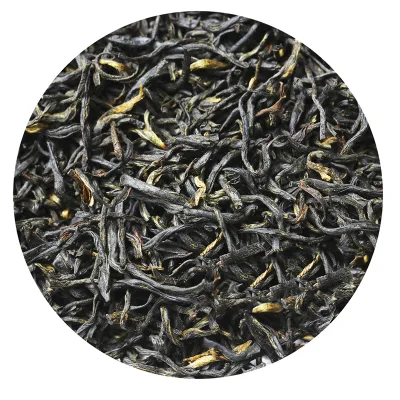
$10.00 - $25.00
Guangzhou Zengcheng District Menghuasi Tea Trade Co., Ltd.
- Verified by TüVRheinland
- Trading Company
- Lead time30 days
- Avg. response≤ 2h
Main productsHealth Tea, Flower Tea, Slimming Tea, Flavored Tea, Fruit Tea
Main marketsNorth America(20%), Western Europe(20%), Northern Europe(20%)
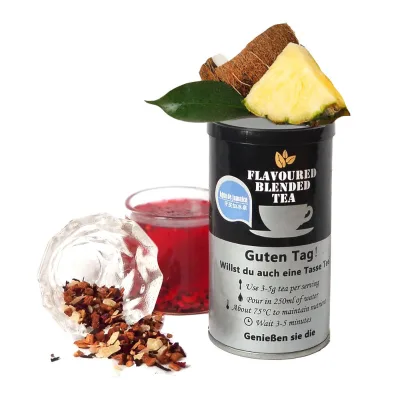
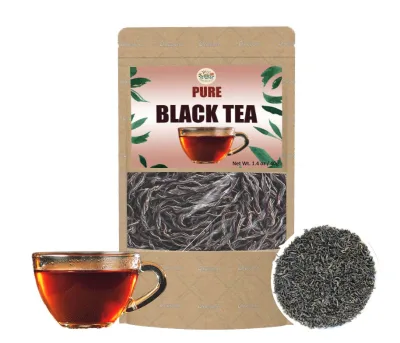
OEM Loose Cheap Bulk Red Dark Keemum Tea Premium Handmade Black Tea
$1.8483 - $2.5678
MOQ: 20 kilograms
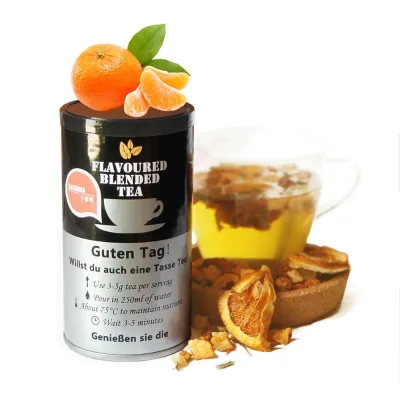
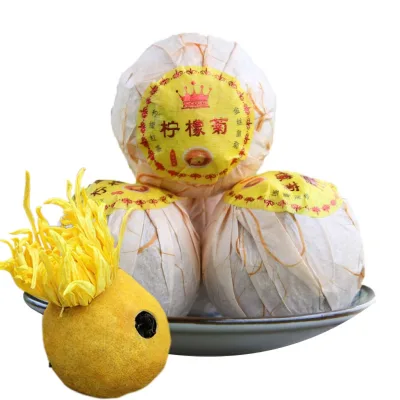
$12.99 - $17.99
MOQ: 50 grams
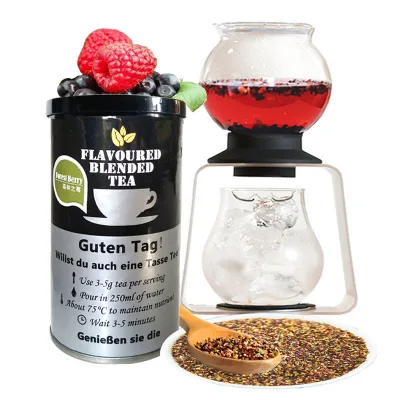

Hunan Shine Wing Tea Co., Ltd.
- Trading Company
- China Hunan
- Lead time23 days
- Avg. response≤ 7h
Main productsTea
Main marketsSoutheast Asia/ Mideast,Europe,North America


Wholesale Keemun Black Tea Chinese Hot Sale Loose Tea Slim Tea Good for Health
$10.00 - $20.00
MOQ: 100 kg

- Verified by SGS
- Trading Company
- China Zhejiang
- Lead time15 days
- Avg. response≤ 15h
Main productsGreen Tea, Chinese Green Tea, Chunmee Tea, Gunpowder Tea, Black Tea, Jasmine Tea, Ginger Tea
Main marketsAfrica,Europe

Bozhou Swanf Commercial And Trade Co., Ltd.
- Trading Company
- Anhui, China
- Lead time7 days
- Avg. response≤ 4h
Main productsherb medicine,flower tea,dried Mushrooms,chinese herbs,Green tea
Main marketsNorth America(24.00%), Western Europe(19.00%), Oceania(14.00%), Eastern Asia(13.00%), Northern Europe(9.00%), South Asia(9.00%), Southeast Asia(5.00%), Eastern Europe(2.00%), Africa(2.00%), Central America(1.00%), Mid East(1.00%), Southern Europe(1.00%)
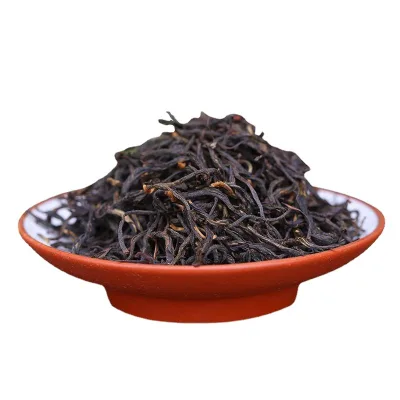
$21.00 - $27.00
MOQ: 1000 kilograms
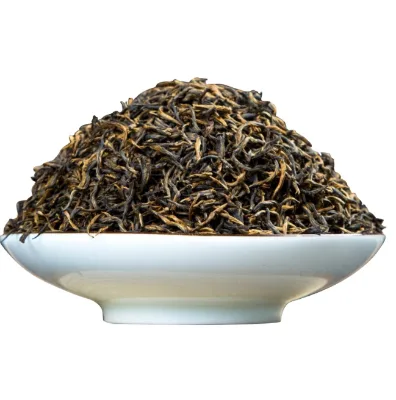
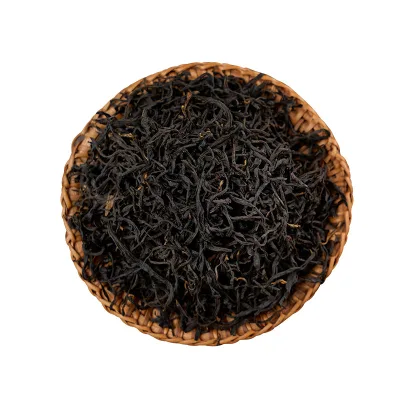
$34.1397 - $54.8289
MOQ: 1000 kilograms
Changsha Arborlife Technology Co., Ltd.
- Trading Company
- Hunan, China
- Lead time0 days
Main productstea,Food & Beverage,Health care,Personal-care & Household cleaning,Fashion & Beauty
Main marketsSoutheast Asia(20.00%), North America(20.00%), South Asia(10.00%), Central America(10.00%), Western Europe(10.00%), South America(10.00%), Africa(10.00%), Eastern Europe(10.00%)
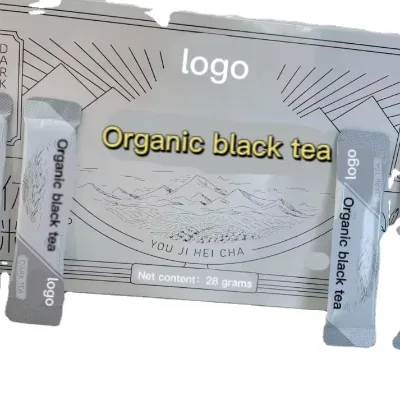
$70.2027 - $72.2668
MOQ: 1 kilograms
Merlin Bird Modern Agriculture Co., Ltd.
- Manufacturer, Trading Company
- Hubei, China
- Lead time25 days
- Avg. response≤ 9h
Main productsCup Tea, Pyramid Teabag, Loose Leaf Tea, Matcha, Blooming Tea
Main marketsDomestic Market(60.00%), Southeast Asia(12.00%), North America(9.00%), Africa(3.00%), Mid East(3.00%), Southern Europe(2.00%), Central America(2.00%), Northern Europe(2.00%), Eastern Europe(2.00%), South Asia(1.00%), Eastern Asia(1.00%), South America(1.00%), Oceania(1.00%), Western Europe(1.00%)
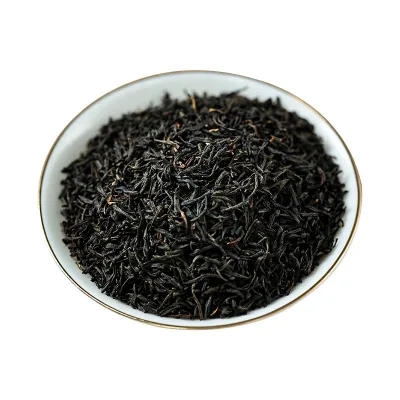
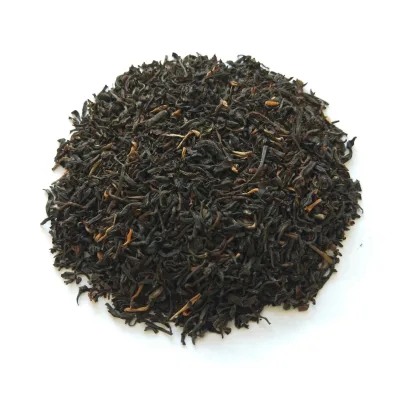
Premium Quality Traditional Chinese Famous Tea Keemun Black Tea English Breakfast Black Tea
$18.1049
MOQ: 50 Minimum
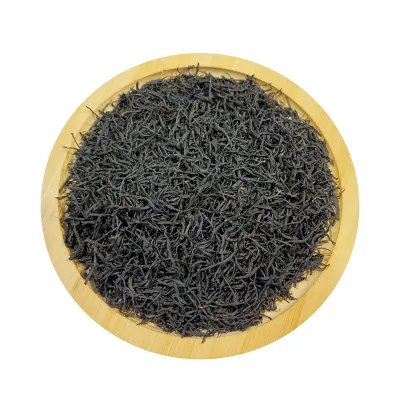
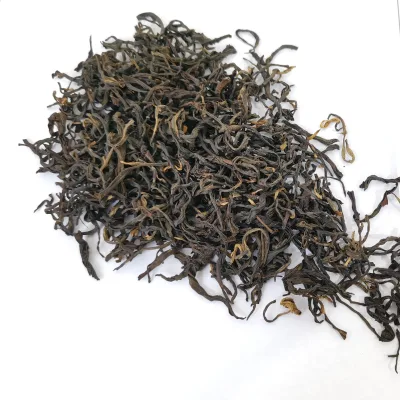
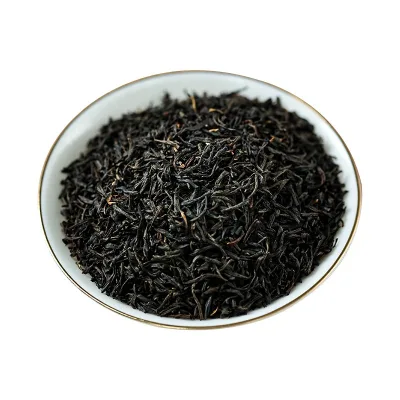
China Tea Hot Selling Organic Large Leaf Congou Black Tea
$16.70 - $18.70
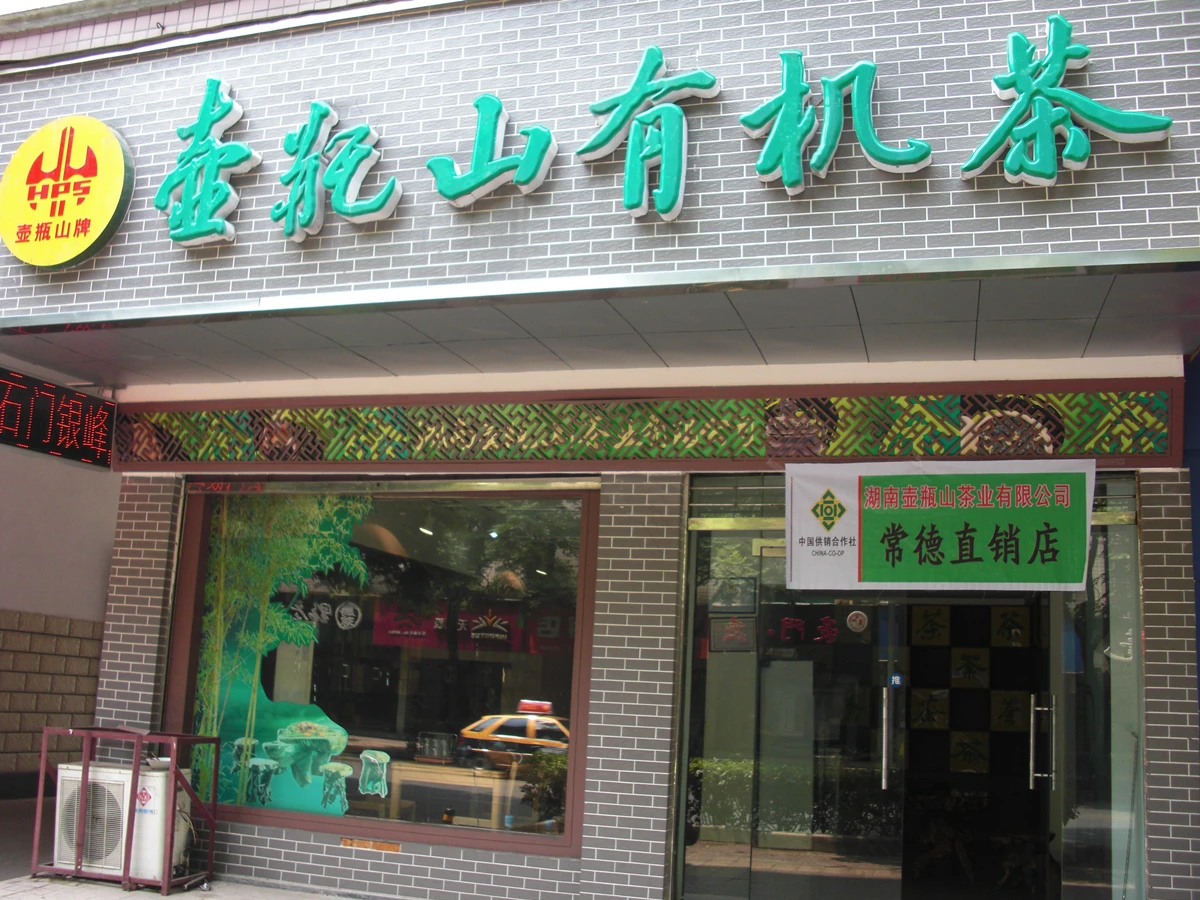
- Trading Company
- Hunan, China
- Lead time7 days
- Avg. response≤ 4h
Main productsGreen Tea & Matcha Green Tea,Black Tea & Puer Tea,Oolong Tea,Flower & Herb Tea,Teaware & Tea Accessories
Main marketsNorth America(16.00%), Oceania(15.00%), Southern Europe(9.50%), Eastern Asia(9.20%), Northern Europe(8.70%), Africa(8.00%), Eastern Europe(8.00%), Western Europe(7.60%), Mid East(7.00%), Southeast Asia(4.00%), Domestic Market(3.00%), South America(3.00%), South Asia(1.00%)
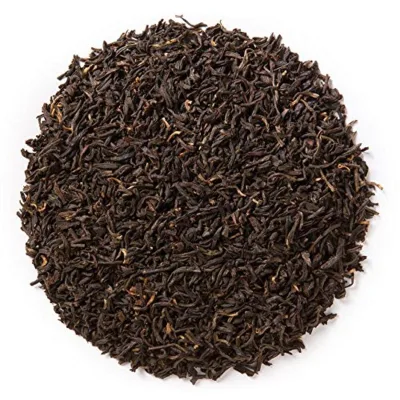
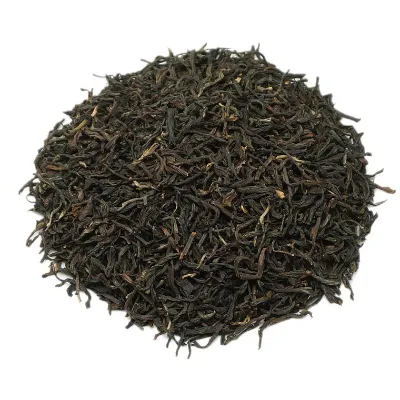
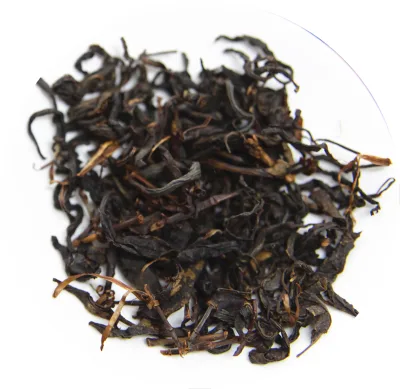
China High Quality Wholesale Organic Black Tea Price Loose Leaf Tea Black
$5.00 - $18.00
MOQ: 1 Minimum
Anhui Oneheall Technology Industry Co., LTD
- Manufacturer, Trading Company
- Anhui, China
- Lead time旺季: "1 - 1000":15,"> 1000":"To be negotiated", 淡季: "1 - 1000":15,"> 1000":"To be negotiated"
- Avg. response≤ 2h
Main productsGummy, Liquid, Powder
Main marketsNorth America(25.00%), Eastern Europe(20.00%), South America(12.00%), Southern Europe(10.00%), Northern Europe(10.00%), Western Europe(10.00%), Southeast Asia(5.00%), Eastern Asia(2.00%), South Asia(2.00%), Mid East(2.00%), Africa(2.00%)
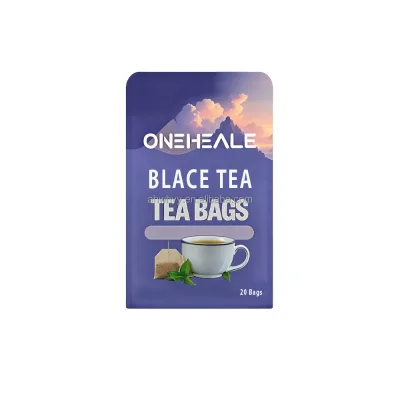
Organic Ceylon Black Tea Blended Health Tea in Bag Packaging Black Tea
$2.6367 - $4.2182
MOQ: 1000 units
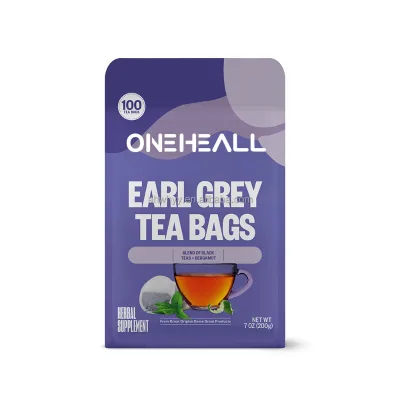
Organic Earl Grey Black Tea Bag 100% Certified Earl Grey Health Black Tea
$2.50 - $4.00
MOQ: 1000 boxes

Hunan Lvhang Tea Industry Co., Ltd.
- Verified by SGS
- Trading Company,Manufacturer/Factory
- China Hunan
- Lead time60 days
- Avg. response≤ 25h
Main productsGreen Tea, Black Tea, White Tea, Blooming Tea, Oolong Tea, Jasmine Tea, Tea Bags, Fruit Tea
Main marketsSouth America,Eastern Europe,North America,Southeast Asia,Oceania,Western Europe

Changchun Jinsheng Zhuoyu Trading Co., Ltd.
- Trading Company
- Jilin, China
- Lead time0 days
- Avg. response≤ 7h
Main productsTea,Ginseng,Herbs,Tea accessory,Gift
Main marketsWestern Europe(20.00%), North America(20.00%), Northern Europe(10.00%), Central America(10.00%), South America(10.00%), Southern Europe(5.00%), Mid East(5.00%), Eastern Europe(5.00%), Eastern Asia(4.00%), Southeast Asia(4.00%), Oceania(4.00%), Africa(2.00%), South Asia(1.00%)


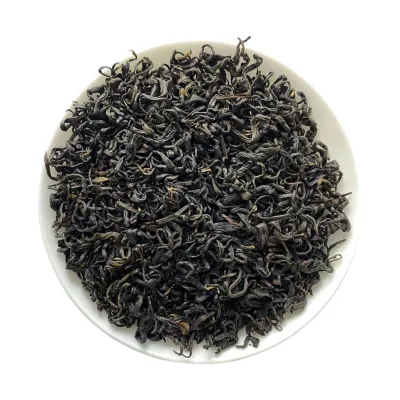
Comprehensive Sourcing Guide
Organic Loose Keemun Black Tea Supplier Concentration and Factory Types
The sourcing landscape for Organic Loose Keemun Black Tea reveals a diverse mix of supplier types, primarily concentrated in specific Chinese provinces. Current data indicates that suppliers are located in regions such as Hunan, Guangdong, and Fujian, with some products listing origins in Anhui. This geographic distribution is critical for buyers, as Keemun tea is traditionally associated with Anhui province, yet manufacturing and trading entities often operate from major logistics hubs like Guangdong or processing centers in Hunan and Fujian. Understanding this dispersion helps buyers identify whether they are dealing with direct producers or intermediaries. The supplier types observed include manufacturers, trading companies, buying offices, agents, distributors, wholesalers, and even associations or business service providers. This variety means that a single search result may present a factory with its own brand and OEM capabilities alongside a trading company that aggregates products from multiple sources. Buyers must distinguish between these entities to ensure they are getting accurate information about production capacity and quality control. Manufacturers typically offer more direct control over the fermentation and processing technology, which is essential for achieving the specific mellow and sweet flavor profile characteristic of high-grade Keemun black tea. Trading companies, on the other hand, may provide a broader range of packaging options and faster response times, leveraging their network to source specific grades or certifications. The presence of combined company types suggests that some entities function as both manufacturers and traders, offering flexibility in customization and order sizes. This hybrid model can be advantageous for buyers seeking both production reliability and supply chain agility. However, it also requires careful verification to ensure that the claimed manufacturing capabilities are genuine and not merely outsourced. The concentration of suppliers in these specific regions indicates established supply chains for tea processing, but buyers should verify the actual place of origin for each product lot to ensure authenticity and traceability.
How to Verify Organic Loose Keemun Black Tea Suppliers
Verification is the most critical step in ensuring the integrity of Organic Loose Keemun Black Tea purchases, particularly given the strict requirements of organic certification. Buyers should prioritize suppliers who display recognized third-party verifications and certifications. For instance, some suppliers in the current results are verified by TÜV Rheinland, a reputable international testing and certification body. This verification adds a layer of trust regarding the supplier’s business legitimacy and operational standards. Beyond general business verification, specific product certifications are paramount. The data shows that suppliers may hold certifications such as NOP (National Organic Program), BRC (British Retail Consortium), GMP (Good Manufacturing Practice), ISO 22000, HACCP, HALAL, EU Organic, and USDA Organic. Each of these certifications serves a different market requirement. For example, if you are targeting the European market, EU Organic certification is essential. For the United States, USDA Organic or NOP certification is required. BRC certification is often necessary for supplying major retailers in the UK and Europe. It is important to note that not all suppliers will have every certification, so buyers must match the supplier’s credentials to their target market’s regulatory requirements. Additionally, buyers should request copies of these certificates and verify their validity directly with the issuing bodies. Some products may also list specific standards like GAP (Good Agricultural Practices), which ensures that the tea leaves are grown without prohibited substances. The presence of these certifications on the product listing is a strong indicator, but direct confirmation is necessary. Furthermore, buyers should inquire about the supplier’s internal quality control processes. Do they conduct regular lab tests for pesticide residues and heavy metals? Are their facilities audited regularly? These questions help assess the supplier’s commitment to maintaining organic integrity throughout the supply chain. By focusing on verifiable credentials and third-party validations, buyers can mitigate the risk of receiving non-compliant or mislabeled products.
What to Compare Across Organic Loose Keemun Black Tea Suppliers
When evaluating multiple suppliers for Organic Loose Keemun Black Tea, buyers should compare key operational metrics to determine the best fit for their business needs. One of the most significant factors is the response time, which indicates how quickly a supplier communicates with potential buyers. In the current data, response times vary, with some suppliers responding within two hours, while others may take up to sixteen hours. A faster response time often correlates with better customer service and more efficient order processing. Another critical metric is the lead time, which is the duration from order placement to shipment. Current results show lead times ranging from seven days to thirty days. Shorter lead times are advantageous for buyers who need to restock quickly or respond to sudden market demand. However, shorter lead times may come at a higher cost or require maintaining higher inventory levels. Buyers should also compare the minimum order quantity (MOQ) requirements. Some suppliers have an MOQ as low as two units, which is ideal for small businesses or those testing the market. Others may have higher MOQs, which are suitable for large-scale distributors. The price range is another important comparison point. Prices for Organic Loose Keemun Black Tea can vary significantly, with some listings showing prices between ten and twenty-five dollars per unit, while others range from twenty-seven to thirty-three dollars, and even higher for premium grades. These price differences often reflect the quality of the tea, the level of certification, and the packaging options. Buyers should also look at the customization options available. Some suppliers offer OEM (Original Equipment Manufacturing) and ODM (Original Design Manufacturing) services, allowing for custom branding and packaging. This is crucial for buyers who want to establish their own brand identity. Additionally, the main products offered by each supplier can indicate their specialization. Some focus primarily on black tea, while others offer a wider range of teas, including green, white, and oolong. This breadth of product range may indicate a more versatile supplier capable of meeting diverse needs. By systematically comparing these factors, buyers can make informed decisions that align with their operational capabilities and market strategies.
Common Organic Loose Keemun Black Tea Sourcing Risks
Sourcing Organic Loose Keemun Black Tea involves several potential risks that buyers must actively manage to ensure product quality and supply chain reliability. One significant risk is the misrepresentation of the tea’s origin. While Keemun tea is traditionally from Anhui province, some suppliers may list products from other regions like Hunan or Fujian. This discrepancy can affect the flavor profile and authenticity of the tea. Buyers should verify the place of origin for each product and ensure it matches their expectations for genuine Keemun black tea. Another risk is the authenticity of organic certifications. While suppliers may display certifications like USDA Organic or EU Organic, there is a risk that these certifications may not be valid or may not cover the specific product batch. Buyers must verify these certifications directly with the issuing bodies and request detailed documentation. Additionally, there is a risk of quality inconsistency. Organic tea production is subject to natural variations in weather, soil, and harvesting conditions. These variations can lead to differences in taste, color, and aroma between batches. Buyers should request samples before placing large orders to assess the quality and consistency of the product. Furthermore, there is a risk related to packaging and storage. Tea is sensitive to moisture, light, and odors. If the supplier does not use appropriate packaging materials, such as sealed bags or tins, the tea may lose its freshness and flavor during transit. Buyers should inquire about the packaging methods and storage conditions used by the supplier. Another risk is the reliability of the supplier’s logistics. Delays in shipping can disrupt supply chains and lead to stockouts. Buyers should assess the supplier’s track record for on-time delivery and their ability to handle logistics challenges. Additionally, there is a risk of intellectual property infringement if buyers use custom branding. Buyers should ensure that their trademarks and designs are protected and that the supplier respects these rights. By identifying and mitigating these risks, buyers can protect their business interests and ensure the successful sourcing of high-quality Organic Loose Keemun Black Tea.
Organic Loose Keemun Black Tea Regional Sourcing and Logistics
The regional sourcing of Organic Loose Keemun Black Tea is influenced by the geographic distribution of suppliers and the logistics infrastructure in China. Current data indicates that suppliers are located in provinces such as Hunan, Guangdong, and Fujian, with some products originating from Anhui. This distribution affects the logistics and shipping costs for buyers. Guangdong, being a major port province, often offers more efficient shipping options and faster transit times to international destinations. Suppliers in this region may have better access to global logistics networks, reducing lead times and shipping costs. On the other hand, suppliers in Hunan and Fujian may have lower production costs due to proximity to tea-growing regions, but shipping times may be longer. Buyers should consider the trade-off between production cost and logistics efficiency when selecting a supplier. The choice of shipping method also plays a crucial role in the overall cost and speed of delivery. Air freight is faster but more expensive, making it suitable for high-value, small-volume orders. Sea freight is more cost-effective for large-volume shipments but takes longer. Buyers should evaluate their inventory needs and cash flow constraints to determine the most appropriate shipping method. Additionally, buyers should consider the impact of customs regulations and import duties in their target markets. Different countries have varying requirements for organic products, including documentation and labeling standards. Buyers must ensure that their suppliers can provide the necessary documentation to facilitate smooth customs clearance. This includes certificates of origin, organic certificates, and health certificates. Working with suppliers who have experience in exporting to the buyer’s target market can simplify this process. Furthermore, buyers should assess the supplier’s ability to handle complex logistics, such as multi-modal transportation and warehousing. Some suppliers may offer drop-shipping services or have partnerships with logistics providers to streamline the supply chain. By understanding the regional sourcing dynamics and logistics options, buyers can optimize their supply chain for cost, speed, and reliability.
Organic Loose Keemun Black Tea Commercial Terms and Order Planning
Effective order planning and understanding commercial terms are essential for successful sourcing of Organic Loose Keemun Black Tea. Buyers should start by clearly defining their order quantities and frequency. The minimum order quantity (MOQ) varies among suppliers, with some offering low MOQs of two units, which is ideal for testing the market or small-scale operations. Others may have higher MOQs, requiring larger initial investments. Buyers should align their order sizes with their sales forecasts and storage capacity to avoid excess inventory or stockouts. Payment terms are another critical aspect of commercial negotiations. Buyers should seek favorable payment terms, such as partial payments upfront and the balance upon shipment or delivery. Escrow services can provide an additional layer of security by holding funds until the buyer confirms receipt and quality of the goods. It is also important to clarify the Incoterms, which define the responsibilities of buyers and sellers for shipping and insurance. Common Incoterms include FOB (Free on Board), CIF (Cost, Insurance, and Freight), and DDP (Delivered Duty Paid). Each term has different implications for cost and risk. Buyers should choose the term that best suits their logistics capabilities and risk tolerance. Additionally, buyers should negotiate clear quality assurance clauses in the contract. These clauses should specify the acceptable range for quality parameters, such as moisture content, ash content, and flavor profile. They should also outline the procedures for handling non-conforming products, including returns, refunds, or replacements. Warranty periods and after-sales support should also be discussed. Some suppliers may offer guarantees on product freshness or shelf life, which is crucial for organic tea. Buyers should also consider the supplier’s capacity for customization. If you require specific packaging or branding, ensure that the supplier has the capability and willingness to accommodate these requests. Finally, buyers should establish a long-term relationship with their supplier to benefit from volume discounts and priority service. Regular communication and feedback can help improve the partnership and ensure continuous improvement in product quality and service. By carefully planning orders and negotiating favorable commercial terms, buyers can
FAQs
What is the price range for Organic Loose Keemun Black Tea?
Prices for Organic Loose Keemun Black Tea typically range from $8.00 to $150.34 per unit depending on the supplier and specific product grade. Lower-cost options are available from trading companies, while premium certified varieties from manufacturers may cost more. Buyers should verify the exact unit price and currency with the supplier before placing an order.
What certifications are available for organic Keemun black tea?
Suppliers offer various certifications including NOP, BRC, GMP, ISO22000, HACCP, HALAL, EU Organic, and USDA. Some products also carry GAP and EEC certifications. Buyers should request specific certificate copies to verify compliance with their target market regulations and ensure the organic status is authentic and up to date.
What is the typical lead time for Keemun black tea orders?
Lead times vary significantly, ranging from 7 days to 30 days depending on the supplier and order volume. Some manufacturers in Guangdong offer faster turnaround times, while others in Hunan may require longer preparation periods. Buyers should confirm the exact production schedule with the supplier to ensure timely delivery for their specific needs.
What is the minimum order quantity for organic Keemun tea?
The minimum order quantity can be as low as 2 units for some suppliers, allowing for small trial orders. However, other suppliers may have higher MOQs. Buyers should check the specific MOQ requirements for each product listing to determine if it aligns with their purchasing volume and budget constraints.
Where are organic Keemun black tea suppliers located?
Suppliers are primarily located in China, specifically in regions like Hunan, Guangdong, Fujian, and Anhui. These areas are known for tea production, with Keemun originating from Anhui. Buyers can filter suppliers by location to reduce shipping costs or ensure proximity to specific logistics hubs for efficient delivery.
Do suppliers offer OEM and ODM services for Keemun tea?
Yes, many suppliers offer both OEM and ODM services, allowing for custom branding and product development. Some suppliers also provide sample processing and graphic customization. Buyers interested in private labeling should discuss their specific requirements with the supplier to ensure they can meet their brand standards and packaging needs.