Outdoor Indoor Led Video Wall Suppliers and Manufacturers
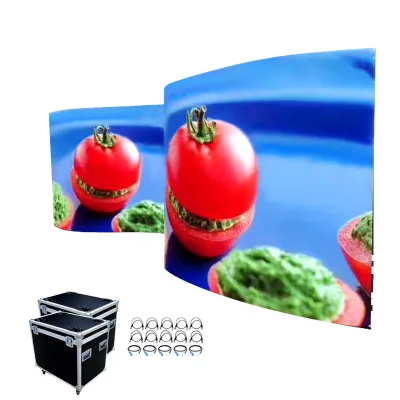
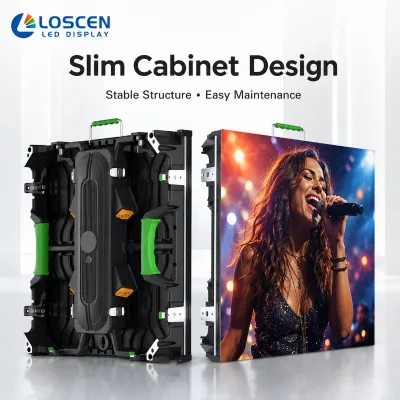
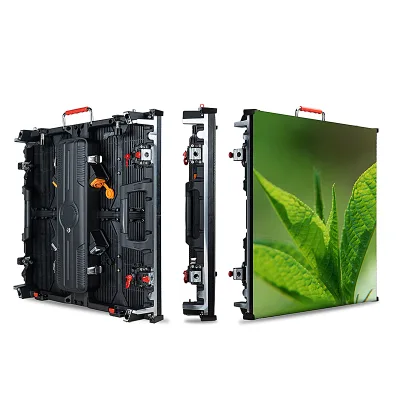
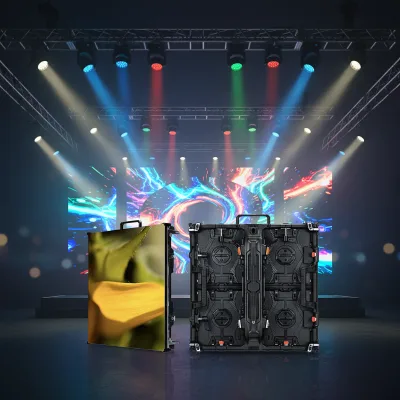
Compare 29 verified suppliers offering Outdoor Indoor Led Video Wall solutions with varying lead times, response speeds, and certifications. Review product specs like pixel pitch and IP ratings, then request quotes to confirm pricing and customization options; review the available evidence before requesting comparable quotations from suitable candidates.
Updated
Suppliers List

- Verified by TUVRHEINLAND
- Combined
- China Guangdong
- Lead time30 days
- Avg. response≤ 9h
Main productsOutdoor LED Display, Indoor LED Display, Outdoor Rental LED Display, Indoor Rental LED Display, Perimeter LED Display, Super HD LED Display, LED Modules, Curtain LED Display, Outdoor Front Access LED Display, Creative LED Display
Main marketsEurope


Factory Price Outdoor LED Advertising Video Display Screen Wall
$599.00 - $1999.00
MOQ: 1 Square Meters

Shenzhen Seny Technology Co., Ltd.
- Verified by TUVRHEINLAND
- Trading Company,Manufacturer/Factory
- China Guangdong
- Lead time23 days
- Avg. response≤ 1h
Main productsLED Screen Factory, LED Display Factory, LED Display Screen Factory, LED Video Wall Factory, LED Billboard Factory, LED Panel Factory, LED Display Board Factory, LED Sign Factory, Rental LED Display Factory, LED Grow Light Factory
Main marketsSouth America,Eastern Europe,Mid East,North America,Southeast Asia,Eastern Asia,Oceania,Western Europe,Africa

- Manufacturer/Factory
- China Guangdong
- Lead time23 days
- Avg. response≤ 7h
Main productsOutdoor LED Display, Indoor LED Display, Outdoor Rental LED Display, Indoor Rental LED Screen, Window LED Display, Store LED Screen, Perimeter LED Screen, Traffic LED Sign, Creative LED Display
Main marketsSouth America,Eastern Europe,Mid East,North America,Southeast Asia,Eastern Asia,Oceania,Western Europe,Africa

Guangzhou Bems Electronics Co., Ltd.
- Verified by SGS
- Combined
- China Guangdong
- Lead time15 days
- Avg. response≤ 5h
Main productsDigital Signage and Displays, Interactive Whiteboard, All in One Touch Screen, Outdoor Totem Kiosk, LCD Menu Board Screen
Main marketsSoutheast Asia/ Mideast,Europe
- Verified by TüVRheinland
- Manufacturer, Trading Company
- Lead time15 days
- Avg. response≤ 1h
Main productsLED Display, Rental LED Display, Outdoor LED Display, Indoor LED Display, LED Poster Display
Main marketsNorth America(20%), South America(10%), Central America(9%)

- Verified by TUVRHEINLAND
- Manufacturer/Factory
- China Guangdong
- Lead time23 days
- Avg. response≤ 3h
Main productsLCD Digital Signage, LED Digital Display, LED Screen Display, 3D LED Display, LED Rental Display, Lamp Pole LED Display, Shelf LED Display, LED Poster Display, LCD Poster Diusplay, Lamp Pole Banner Bracket
Main marketsSouth America,Eastern Europe,Mid East,Eastern Asia,Africa


Outdoor Advertising Wall-Mounted LED Screen Full Color Panel Digital Display Video Wall
$380.00
MOQ: 5 Square Meters

Shenzhen Zhongxian Beixin Technology Co., Ltd.
- Verified by BV
- Combined
- China Guangdong
- Lead time15 days
- Avg. response≤ 4h
Main productsDisplay Device, Electronic Products, Semiconductor Lighting Device, Electronic Measuring Instrument, LED Displays, Intelligent Control System Integration, Audio Equipment, Lighting Equipment, Digital Video Surveillance System, Stationery Equipment Rental
Main marketsEurope,North America

Outdoor Digital LED Advertising Electronic Billboard Display Video Wall
$1529.00 - $1655.00
MOQ: 1 Square Meters


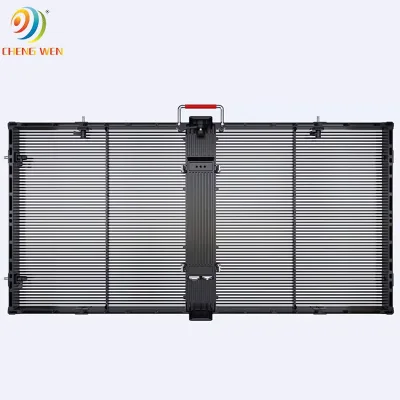
High Performance LED Video Wall Screen Indoor Outdoor Transparent LED Display
$386.00 - $486.00
MOQ: 1 Square Meters

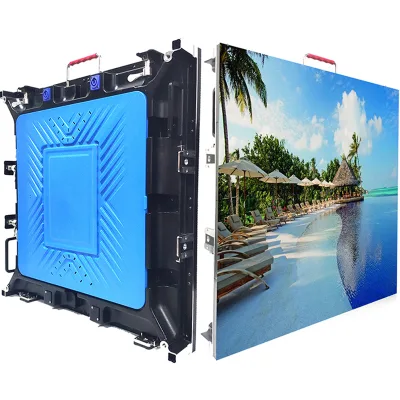
High Performance LED Video Wall Screen P3.91 P4.81 Indoor Outdoor Rental LED Display LED Video Wall
$489.00 - $689.00
MOQ: 1 Square Meters

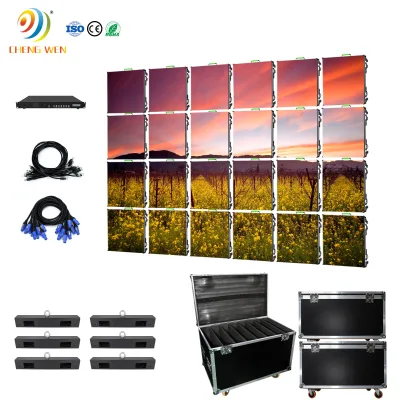
2024 Indoor Outdoor High Performance LED Video Wall LED Display Screen
$387.00 - $402.00
MOQ: 1 Square Meters
Shenzhen Abxing Industrial Co., Ltd.
- Verified by Intertek
- Trading Company
- Lead time25 days
- Avg. response≤ 2h
Main productsTransparent LED Display, Mesh LED Display, Fixed Installation LED Display, Rental LED Display, Grille LED Display
Main marketsNorth America(15%), South America(15%), Western Europe(13%)
Zhixian Lino (Shenzhen) Technology Co., Ltd
- Verified by Intertek
- Manufacturer, Trading Company
- Guangdong, China
- Lead time7 days
- Avg. response≤ 2h
Main productsLED Rental Screen , Outdoor LED Screen, Indoor LED Screen, Floor LED Screen, Transparent LED Screen
Shenzhen Longcheng Photoelectric Technology Co., Ltd.
- Manufacturer, Trading Company
- Guangdong, China
- Lead time10 days
- Avg. response≤ 2h
Main productsLED Display Screen,LED Outdoor Advertising Screen,LED Stage Rental Screen,LED Small Pixel Pitch Screen,LED Indoor Display Screen
Main marketsEastern Europe(15.00%), Western Europe(10.00%), Eastern Asia(10.00%), Southeast Asia(10.00%), North America(10.00%), South America(10.00%), Domestic Market(6.00%), Northern Europe(5.00%), Central America(5.00%), South Asia(5.00%), Southern Europe(5.00%), Mid East(3.00%), Oceania(3.00%), Africa(3.00%)
Taizhou Jingchuan Electronics Technology Co., Ltd.
- Verified by TüVRheinland
- Manufacturer, Trading Company
- Lead time35 days
- Avg. response≤ 2h
Main productsLED Truck, LED Trailer, Custom LED Vehicle, Portable LED Screen, LED Truck Body
Main marketsDomestic Market(30%), North America(20%), Oceania(20%)

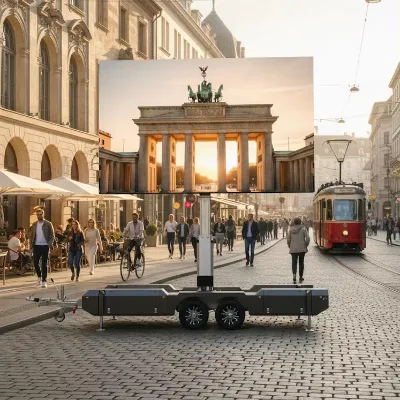
Folding Design Mobile LED Video Wall for Easy Transport and Rapid Deployment Trailer
$16244.2823
MOQ: 1 Minimum
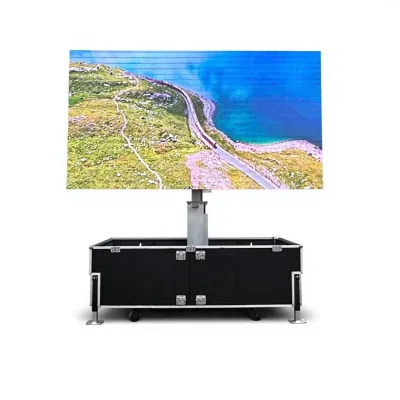
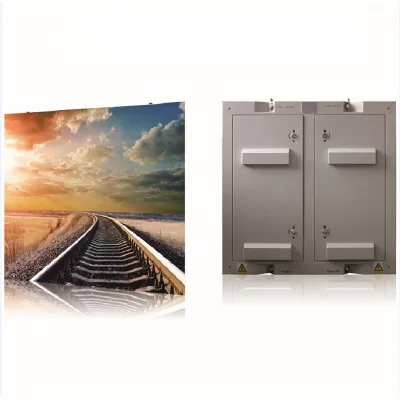
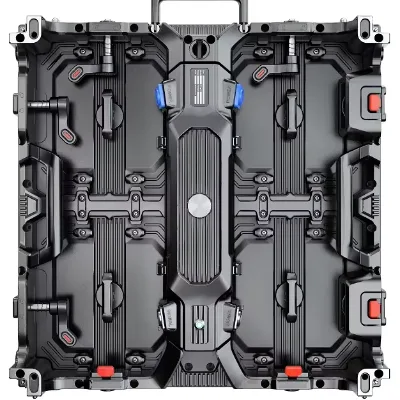
Guangzhou Cheng Wen Photoelectric Technology Co., Ltd.
- Manufacturer, Trading Company
- Lead time旺季: "1 - 200":40,"201 - 500":60,"> 500":"To be negotiated", 淡季: "1 - 200":40,"201 - 500":60,"> 500":"To be negotiated"
- Avg. response≤ 4h
Main productsLED Screen, Stage Lights
Shenzhen Topwill Technology Co., Ltd.
- Manufacturer, Trading Company
- Guangdong, China
- Lead time15 days
- Avg. response≤ 1h
Main productsIndoor LED Display,Outdoor LED Display,Rental LED Display,Fixed LED Display,LED Vido Wall
Main marketsNorth America(30.00%), South Asia(25.00%), Western Europe(10.00%), Eastern Asia(5.00%), South America(5.00%), Oceania(5.00%), Southern Europe(5.00%), Southeast Asia(5.00%), Mid East(2.00%), Africa(2.00%), Northern Europe(2.00%), Central America(2.00%), Eastern Europe(2.00%)
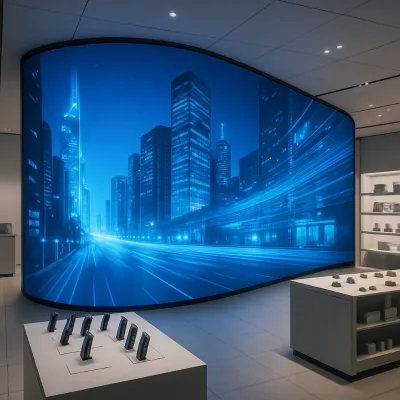
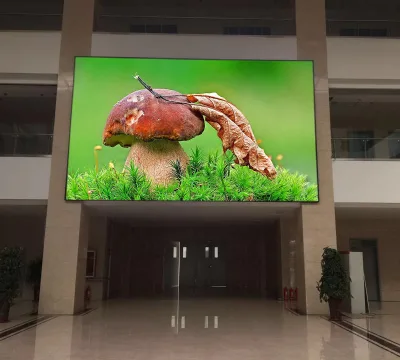
COB LED Screen P1.56 Indoor WIFI Control LED Display SMD P1.538 LED Video Board Media Wall
$760.00 - $790.00
MOQ: 1 square
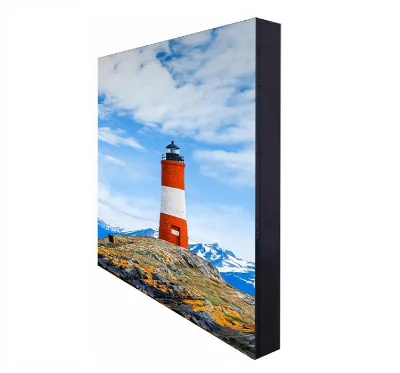
Shenzhen Apexls Optoelectronic Co., Ltd.
- Verified by SGS Group
- Manufacturer, Trading Company
- Lead time0 days
- Avg. response≤ 1h
Main productsLED Display
Main marketsDomestic Market(30%), North America(25%), Eastern Asia(15%)

Shenzhen D-King Photoelectric Technology Co., Ltd.
- Verified by BV
- Combined
- China Guangdong
- Lead time15 days
- Avg. response≤ 3h
Main productsLED Display, LED Screen, LED Video Wall, Rental LED Display, Fixed Installation LED Display, Interactive Floor LED Display, Poster LED Display, Transparent LED Display, Light Pole LED Display, Stadium LED Display
Main marketsSouth America,East Asia(Japan/ South Korea),Europe,North America


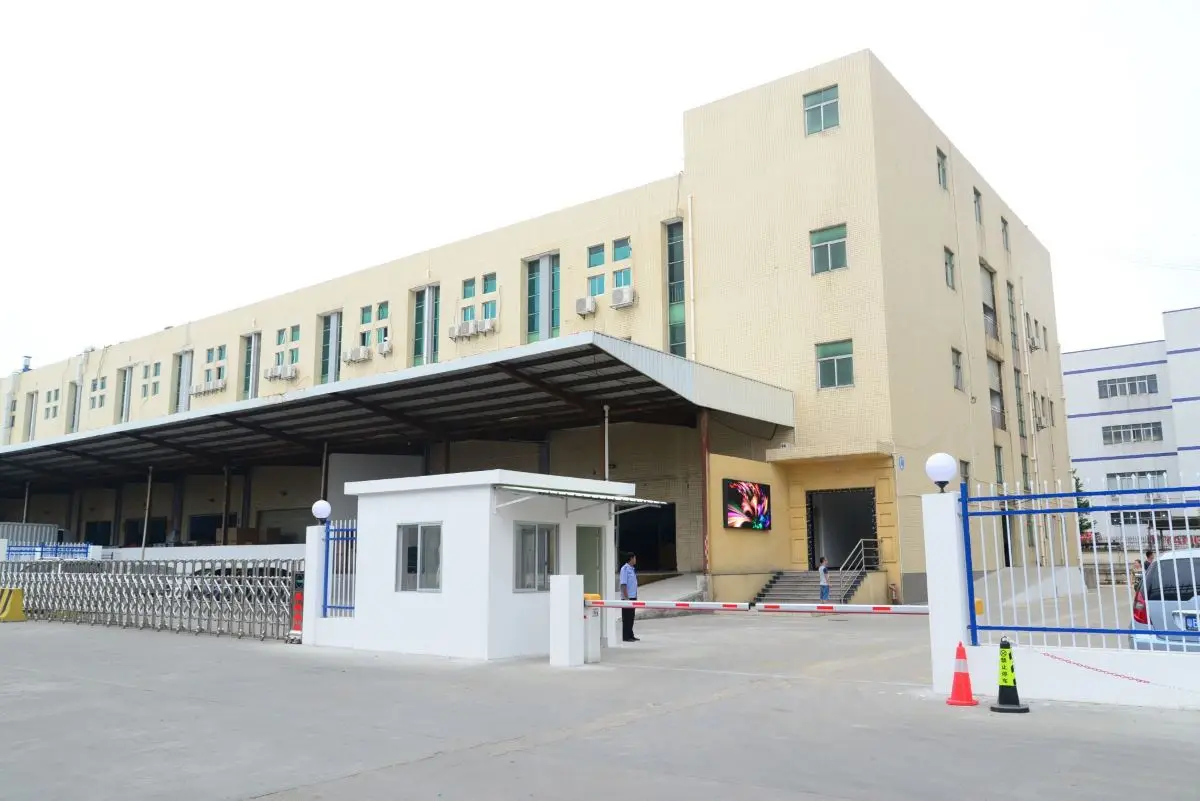
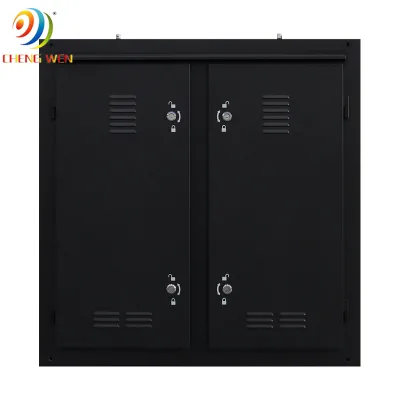
High Brightness Outdoor LED Display Video Wall with Front Maintenance Design
$678.00 - $698.00
MOQ: 1 Pieces


Shenzhen Eliteled Electronics Co., Ltd
- Manufacturer, Trading Company
- Guangdong, China
- Lead time15 days
- Avg. response≤ 2h
Main productsled display screen,flexible led screen,led advertising board,led poster,led video wall
Main marketsDomestic Market(54.12%), Mid East(16.05%), Southeast Asia(11.53%), South Asia(9.08%), North America(5.22%), Western Europe(4.00%)
Meto Laser Technology (henan) Co., Ltd.
- Verified by SGS Group
- Trading Company
- Lead time10 days
- Avg. response≤ 3h
Main productsLed Display Screen, LED Dance Floor, Mirror Photo Booth, Magazine Photo Booth Box, Overhead 360 Photo Booth
Main marketsNorth America(70%), Western Europe(10%), Eastern Europe(5%)
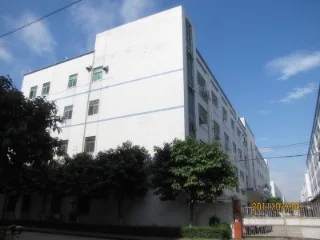
Shenzhen UAD Electromechanical Co., Ltd.
- Manufacturer, Trading Company
- Guangdong, China
- Lead time15 days
- Avg. response≤ 6h
Main productsLED Die Casting Cabinet; LED Iron Cabinet; LED Car Top Cabinet; LED Stadium Cabinet; Cabinet Flight Case
Main marketsDomestic Market(40.00%), South Asia(20.00%), North America(5.00%), Oceania(5.00%), Western Europe(5.00%), Southern Europe(5.00%), Eastern Asia(5.00%), Northern Europe(5.00%), Eastern Europe(5.00%), Mid East(5.00%)
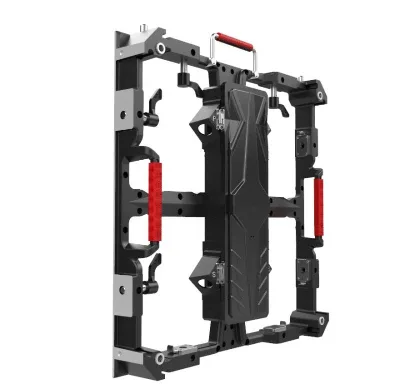
$48.00 - $60.00
MOQ: 100 Minimum
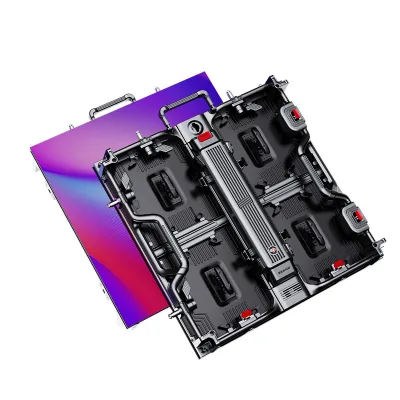
High Refresh Outdoor LED Rental Video Wall | Quick Setup for Touring & Sports Events
$50.00 - $60.00
MOQ: 2 pieces

Shenzhen Hopestar Sci-Tech Co., Ltd.
- Verified by SGS
- Manufacturer
- China Guangdong
- Lead time15 days
- Avg. response≤ 3h
Main productsLED Screen Factory, LED Display Factory, LED Display Screen Factory, LED Video Wall Factory, LED Screen Manufacturer, LED Display Manufacturer, Outdoor LED Screen, Indoor LED Display, Transparent LED Screen, Flexible LED Display
Main marketsEast Asia(Japan/ South Korea),Europe,North America

Outdoor Full Color Double High Resolution LED Display Screen Waterproof Video Wall
$430.00 - $620.00
MOQ: 1 Square Meters

Advertising LED Display Screen High Brightness Small Pitch LED Video Wall
$350.00 - $420.00
MOQ: 10 Square Meters
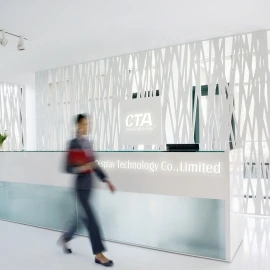
Shenzhen Cta Display Technology Co., Limited
- Manufacturer, Trading Company, Business Service (Transportation, finance, travel, Ads, etc)
- Guangdong, China
- Lead time0 days
- Avg. response≤ 4h
Main productsLCD video wall,Digital signage indoor,Digital signage outdoor,digital signage customized design,Interactive whiteboard
Main marketsWestern Europe(18.00%), Southern Europe(12.00%), Oceania(12.00%), Mid East(10.00%), North America(10.00%), Southeast Asia(9.00%), Eastern Europe(6.00%), Northern Europe(6.00%), Domestic Market(3.00%), Eastern Asia(3.00%), Africa(3.00%), South America(3.00%), Central America(3.00%), South Asia(2.00%)
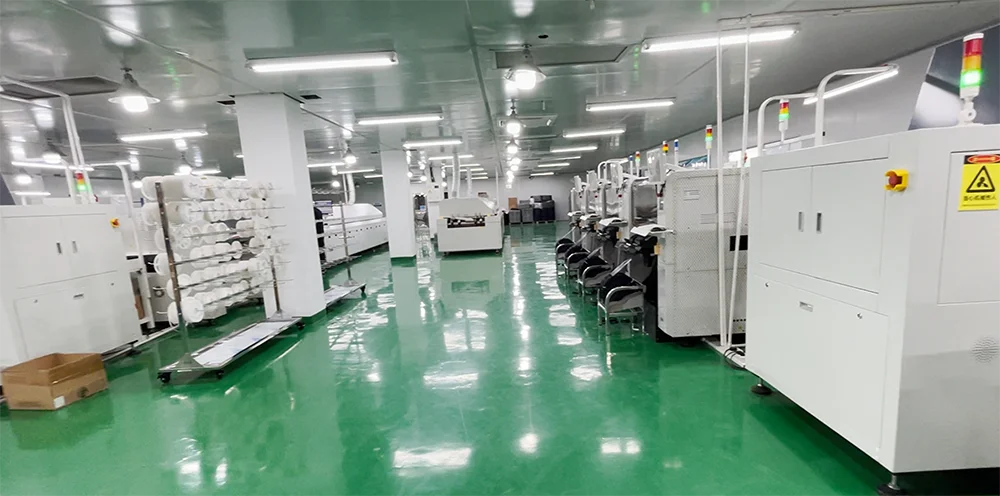
Shenzhen Hd Led Technology Co., Ltd.
- Manufacturer
- Guangdong, China
- Lead time3 days
- Avg. response≤ 3h
Main productsRental LED Display,led display,Fixed LED Display,flexible led module,stage led screen
Main marketsNorth America(50.00%), Eastern Asia(30.00%), Southeast Asia(10.00%)
Shenzhen Ledful Electronics Company Limited
- Manufacturer, Trading Company
- Lead time旺季: "1 - 200":7,"201 - 1000":30,"> 1000":"To be negotiated", 淡季: "1 - 200":7,"201 - 1000":30,"> 1000":"To be negotiated"
- Avg. response≤ 1h
Main productsLED Poster, Transparent LED, Flex LED, Outdoor LED Display, Rental LED Display
Shenzhen Maxcolor Visual Co., Ltd.
- Verified by TüVRheinland
- Trading Company
- Lead time15 days
- Avg. response≤ 2h
Main productsLED Display Screen, LED Display Module, Transparent LED Display, Stage Rental LED Display
Main marketsNorth America(15%), South America(15%), Eastern Europe(15%)
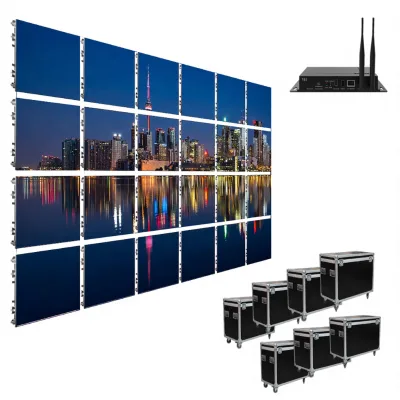
$576.1421 - $596.7189
MOQ: 5 pieces
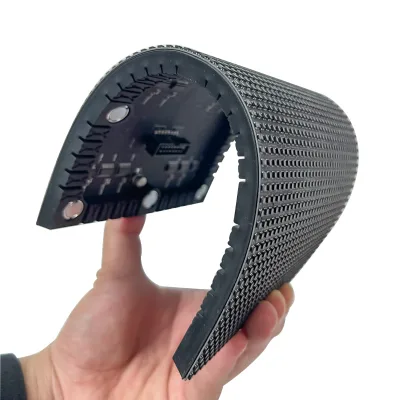
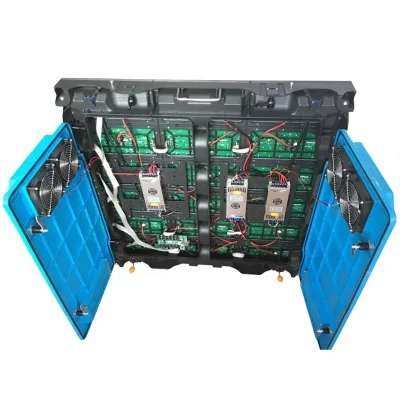
Shenzhen Ai Display Technology Co., Ltd.
- Verified by Intertek
- Trading Company
- Lead time10 days
- Avg. response≤ 1h
Main productsLED Indoor Display Screen, LED Outdoor Display Screen, Rental LED Screen, Irregular LED screen, LED Spherical Display Screen
Main marketsNorth America(40%), Eastern Europe(20%), Eastern Asia(20%)
Shenzhen Helitong Technology Co., Ltd.
- Verified by SGS Group
- Manufacturer, Trading Company
- Lead time20 days
- Avg. response≤ 1h
Main productsLED Display Screen
Main marketsMid East(35%), North America(15%), Western Europe(15%)
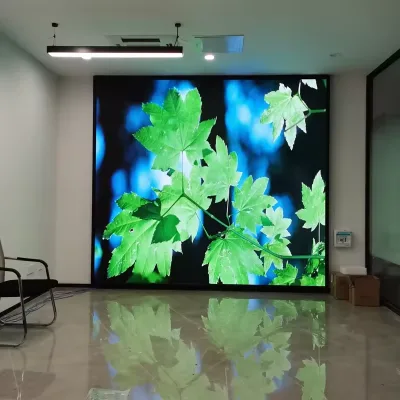
Indoor LED Video Wall P3.076 with 600cd Brightness and 2-Year Warranty for Concerts and Events
$354.3471 - $365.711
MOQ: 1 square
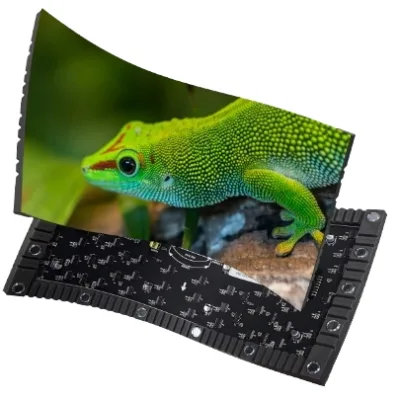
$520.00 - $540.00
MOQ: 1 square
- Verified by TüVRheinland
- Trading Company
- Lead time5 days
- Avg. response≤ 2h
Main productsLED Display Screen, LED Dance Floor, 360 Photo Booth, Inflatable Bounce House
Main marketsNorth America(60%), South America(6%), Eastern Europe(6%)
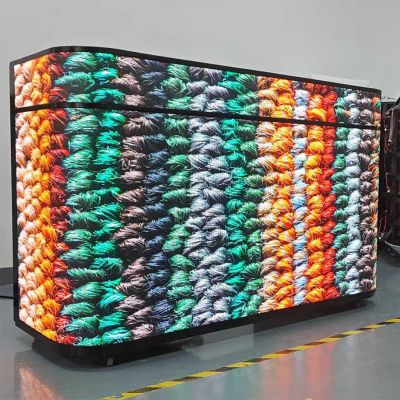
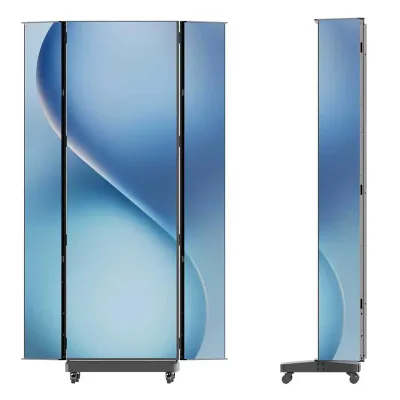
Professional Indoor Advertising LED Video Wall With Roll Up Screens For Cinema Matrix Paneles Poster
$113.1715 - $123.4591
MOQ: 1 pieces
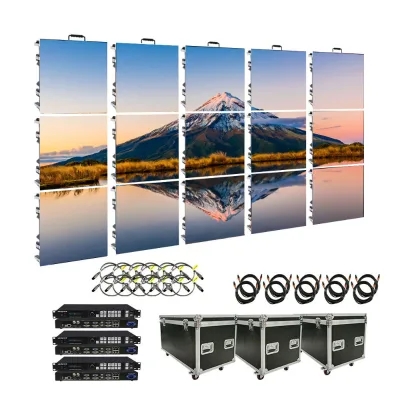
$113.2495 - $123.5446
MOQ: 1 pieces

Dongguan Asram Optoelectronic Co., Ltd.
- Manufacturer, Trading Company
- Guang Dong, China
- Lead time7 days
- Avg. response≤ 1h
Main productsled display,led screen,led sign,led display screen,led panel
Main marketsDomestic Market(7.14%), South Asia(7.14%), Southern Europe(7.14%), Northern Europe(7.14%), Central America(7.14%), Western Europe(7.14%), Eastern Asia(7.14%), Mid East(7.14%), Oceania(7.14%), Africa(7.14%), Southeast Asia(7.14%), Eastern Europe(7.14%), South America(7.14%), North America(7.14%)

Shenzhen FWS Technology Co., Ltd.
- Verified by TUVRHEINLAND
- Manufacturer/Factory
- China Guangdong
- Lead time15 days
- Avg. response≤ 3h
Main productsOutdoor LED Disipay, Indoor LED Display, High Definition Full Color LED Screen, LED Module, P2.5 Full Color LED Display Indoor, P8 Full Color LED Disipaly Outdoor, LED Video Billboard, LED Display Power Supply, LED Dipslay System, Die-Casting Cabinet
Main marketsSouth America,Eastern Europe,Mid East,North America,Southeast Asia,Eastern Asia,Oceania,Western Europe,Africa
Shenzhen Ledful Electronics Company Limited
- Verified by TüVRheinland
- Manufacturer, Trading Company
- Lead time15 days
- Avg. response≤ 1h
Main productsLED Poster, Transparent LED, Flex LED, Outdoor LED Display, Rental LED Display
Main marketsNorth America(16%), Oceania(15%), Eastern Asia(10%)


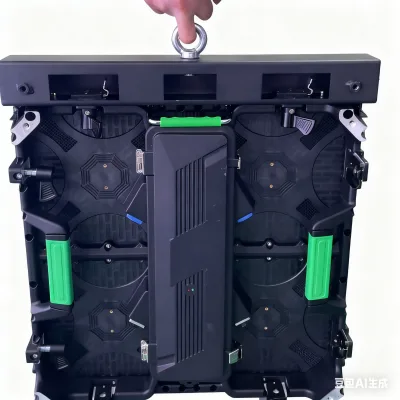
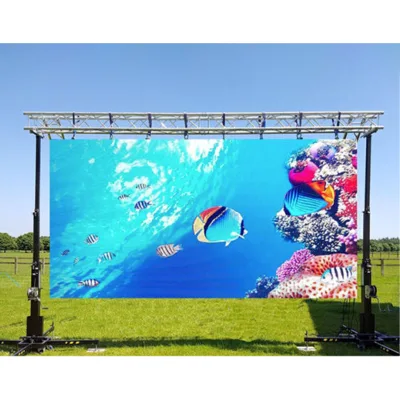
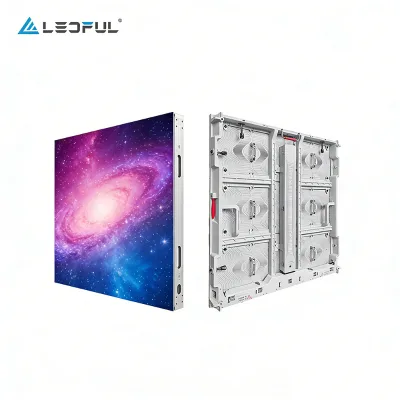
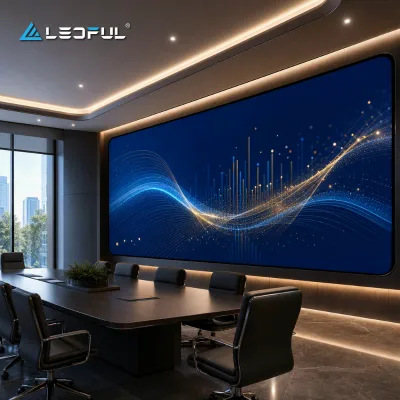


Comprehensive Sourcing Guide
Outdoor Indoor Led Video Wall Supplier Concentration and Factory Types
The current supplier landscape for outdoor and indoor LED video walls reveals a distinct concentration of manufacturing and trading entities within specific industrial regions. Data indicates that a significant portion of these suppliers are located in China, specifically within the Guangdong province, which serves as a major hub for electronics manufacturing. This geographic clustering is not accidental but reflects the established supply chain infrastructure for components such as LED lamps, driver ICs, and power supply units. Buyers evaluating potential partners should recognize that this concentration facilitates rapid prototyping and component sourcing, yet it also necessitates rigorous due diligence to distinguish between genuine manufacturers and trading companies that may add layers of cost without adding technical value. The presence of combined company types, including those identifying as both trading companies and manufacturers, suggests a complex market structure where direct factory access is not always guaranteed.
Understanding the specific factory type is crucial for aligning procurement strategies with business needs. Suppliers in this sector often operate with varying degrees of vertical integration, ranging from pure assembly operations to those with in-house R&D capabilities for ODM and OEM services. Some entities emphasize their capacity for own-brand development, indicating a maturity in product design and quality control processes. Others may focus primarily on trading, leveraging existing relationships with multiple factories to offer a broader catalog of products, such as outdoor rental displays, indoor fixed installations, and creative LED screens. Buyers must carefully assess whether a supplier’s stated company type aligns with their requirement for direct technical support, custom engineering, or simply volume procurement. The distinction between a trading company and a manufacturer can significantly impact communication efficiency, problem-solving speed, and the ability to implement custom specifications for pixel pitch, brightness, or cabinet materials.
How to Verify Outdoor Indoor Led Video Wall Suppliers
Verification of suppliers requires a multi-layered approach that goes beyond basic profile checks to ensure operational legitimacy and product quality. One critical step is examining third-party verification badges, such as those provided by TÜV Rheinland, which can indicate a level of scrutiny regarding business operations and product safety. However, verification badges alone are insufficient; buyers must cross-reference these with specific product certifications. For LED video walls, certifications like CCC, CE, ETL, and RoHS are essential indicators of compliance with regional safety and environmental standards. The presence of these certifications on product listings suggests that the supplier has undergone testing for electrical safety, electromagnetic compatibility, and hazardous substance restrictions. Buyers should request copies of these certificates and verify their validity with the issuing bodies, as the absence of such documentation can signal significant compliance risks, particularly for projects in regulated markets.
Beyond certifications, assessing the supplier’s response time and communication efficiency provides insight into their operational maturity. A rapid response time, such as under two hours, often correlates with a dedicated sales and technical support team that is well-organized and responsive to buyer inquiries. This metric is particularly important for complex projects like LED video walls, where technical questions regarding pixel pitch, refresh rates, and control systems are frequent. Buyers should also look for evidence of established business practices, such as clear warranty policies and after-sales service solutions. For instance, suppliers offering front and rear service options or specific warranty periods demonstrate a commitment to long-term customer support. Additionally, verifying the supplier’s capacity for customization, whether through OEM or ODM services, can help determine their ability to meet unique project requirements. Buyers should inquire about the supplier’s R&D capabilities and their experience in handling custom orders to ensure they can deliver tailored solutions rather than just standard off-the-shelf products.
What to Compare Across Outdoor Indoor Led Video Wall Suppliers
When evaluating multiple suppliers, buyers must compare key operational metrics to identify the most suitable partner for their specific needs. Lead time is a critical factor, as it directly impacts project timelines and installation schedules. Suppliers may offer varying lead times, ranging from standard production cycles to expedited options, depending on inventory levels and manufacturing capacity. Buyers should clarify whether the stated lead time includes material procurement, assembly, testing, and shipping preparation. Additionally, the Minimum Order Quantity (MOQ) is a significant consideration, especially for smaller projects or trial orders. Some suppliers may have low MOQs, allowing for flexibility, while others may require larger volumes to justify production runs. Understanding these constraints helps buyers align their procurement strategy with their budget and project scale, avoiding unnecessary inventory costs or production delays.
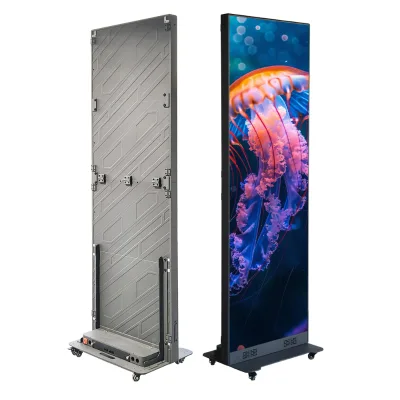
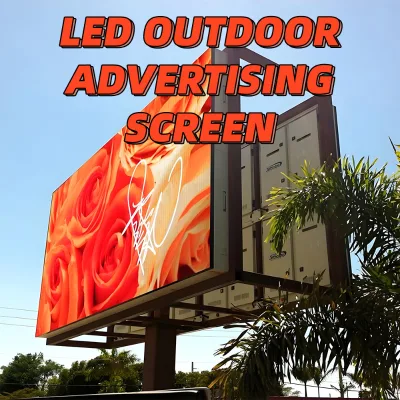
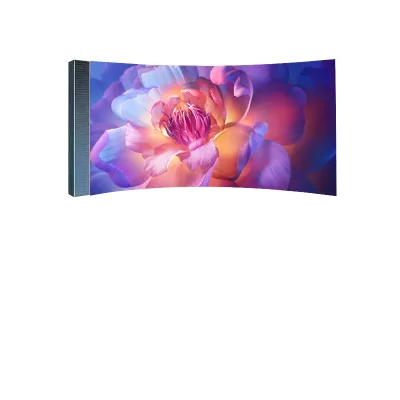
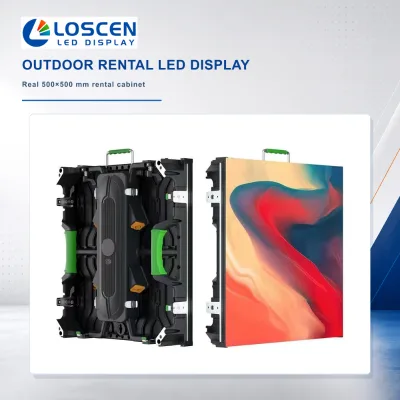
Product specifications and pricing structures also require careful comparison to ensure value and quality. Buyers should examine details such as pixel pitch, brightness levels, refresh rates, and IP ratings, as these attributes determine the suitability of the LED video wall for indoor or outdoor applications. For example, outdoor displays typically require higher brightness and IP65 ratings for weather resistance, while indoor displays may prioritize higher refresh rates for smooth video playback. Pricing should be analyzed in the context of these specifications, as lower prices may indicate compromises in component quality, such as the use of inferior LED lamps or driver ICs. Buyers should also compare the supplier’s main product offerings to ensure they specialize in LED displays rather than diversifying into unrelated categories. A focused product portfolio often indicates deeper expertise and better quality control. Additionally, comparing the supplier’s warranty terms and service solutions can provide insight into their confidence in product durability and their commitment to customer satisfaction.
Common Outdoor Indoor Led Video Wall Sourcing Risks
Sourcing LED video walls involves several inherent risks that buyers must proactively manage to ensure project success. One significant risk is the discrepancy between advertised specifications and actual product performance. Suppliers may list high brightness levels or advanced features, but the actual delivered product may fall short due to the use of lower-grade components or inadequate quality control processes. This risk is particularly prevalent in the LED display industry, where component quality can vary widely. Buyers should mitigate this risk by requesting detailed technical datasheets and, if possible, conducting pre-shipment inspections or third-party testing. Verifying the source of key components, such as LED lamps and control cards, can also help ensure that the product meets the stated specifications. Additionally, buyers should be cautious of suppliers who offer prices that seem too good to be true, as this may indicate cost-cutting measures that compromise quality.
Another common risk is the lack of clear after-sales support and warranty enforcement. LED video walls are complex electronic systems that may require technical support for installation, configuration, and maintenance. Suppliers who do not provide clear warranty terms or responsive technical support can leave buyers stranded with defective products or operational issues. Buyers should carefully review the supplier’s warranty policy, including the duration, coverage, and process for claiming repairs or replacements. It is also important to assess the supplier’s service solution, such as whether they offer front or rear service options, which can impact maintenance costs and ease of access. Furthermore, buyers should be aware of the risks associated with intellectual property and customization. If a supplier is handling custom designs, there is a risk of design leakage or unauthorized replication. Buyers should establish clear confidentiality agreements and intellectual property protections to safeguard their proprietary designs and specifications.
Outdoor Indoor Led Video Wall Regional Sourcing and Logistics
Regional sourcing decisions significantly impact logistics costs, lead times, and overall project feasibility. The concentration of LED display manufacturers in regions like Guangdong, China, offers advantages in terms of supply chain efficiency and component availability. However, buyers must also consider the logistical implications of sourcing from these regions, including shipping costs, customs duties, and transit times. For international buyers, understanding the Incoterms and shipping methods offered by suppliers is crucial for accurate cost estimation. Suppliers may offer various shipping options, such as sea freight, air freight, or express courier services, each with different cost and time implications. Buyers should evaluate these options based on their project timeline and budget constraints, balancing the need for speed with the desire to minimize costs. Additionally, buyers should be aware of the packaging requirements for LED video walls, which often involve wooden boxes or flight cases to protect the delicate components during transit.
Logistics planning also involves coordinating with local installers and managing the delivery of large or heavy components. LED video walls can be bulky and require careful handling to prevent damage. Buyers should ensure that their suppliers provide adequate packaging and handling instructions to minimize the risk of transit damage. Furthermore, buyers should consider the impact of regional trade policies and tariffs on their sourcing strategy. Changes in trade regulations can affect the cost of importing LED displays, so buyers should stay informed about any relevant policy updates. For buyers in regions with established local manufacturing capabilities, sourcing locally may reduce logistics costs and lead times, although it may come at a higher product cost. Buyers should weigh these factors carefully to determine the optimal sourcing strategy for their specific needs. Additionally, buyers should establish clear communication channels with their suppliers to track shipments and address any logistical issues that may arise during transit.
Outdoor Indoor Led Video Wall Commercial Terms and Order Planning
Effective order planning and clear commercial terms are essential for successful procurement of LED video walls. Buyers should establish a detailed purchase order that specifies all technical requirements, including pixel pitch, brightness, IP rating, and customization needs. This document serves as the legal basis for the transaction and helps prevent misunderstandings regarding product specifications. Buyers should also negotiate clear payment terms, such as deposits and balance payments upon shipment, to manage cash flow and mitigate financial risk. Additionally, buyers should clarify the supplier’s return and refund policies in case of product defects or non-conformance. Establishing these terms upfront helps protect the buyer’s interests and ensures a smooth transaction process. Furthermore, buyers should consider the total cost of ownership, including shipping, insurance, customs duties, and installation costs, to make informed procurement decisions.
Long-term relationship building with suppliers can also provide significant benefits, such as priority production, better pricing, and enhanced technical support. Buyers should invest time in building trust and rapport with their suppliers, demonstrating reliability and professionalism in their interactions. Regular communication and feedback can help strengthen the relationship and improve future collaborations. Buyers should also consider the supplier’s capacity for scaling production, as this may be relevant for large or recurring projects. Suppliers with robust manufacturing capabilities and flexible production lines can better accommodate changes in order volume or specifications. Additionally, buyers should stay informed about industry trends and technological advancements in LED display technology to make informed decisions about product selection and supplier evaluation. By maintaining a strategic approach to supplier management, buyers can optimize their procurement outcomes and achieve their project goals.
FAQs
What certifications do the LED video walls hold?
The products carry CCC, CE, ETL, and RoHS certifications. Some listings also show ISO 9000, ISO 9001, and ISO 14000 system certifications. Buyers should verify specific product certificates before ordering to ensure compliance with local safety standards.
How long does it take to manufacture and ship?
Lead times vary between 23 and 30 days depending on the specific model and customization needs. Suppliers in China Guangdong typically handle production within this window. Buyers should confirm exact delivery schedules with the vendor before finalizing payment terms.
What is the minimum order quantity for these displays?
The minimum order quantity is one unit for most LED video wall models listed. This allows buyers to test performance before placing larger orders. Bulk pricing may apply for quantities exceeding the initial single unit requirement.
What is the typical response time for supplier inquiries?
Response times range from 1.00 to 8.92 hours based on the specific supplier profile. Faster responses often indicate higher availability for immediate project support. Buyers should prioritize suppliers with shorter response times for urgent procurement needs.
Are customization options available for these LED screens?
Customization is available for most LED video wall products listed. Buyers can request specific pixel pitches, cabinet sizes, or display functions. The supplier supports both OEM and ODM services to meet unique project requirements.
What is the price range for indoor and outdoor models?
Prices range from 339 to 2999 per unit depending on pixel pitch and brightness. Indoor models like P2.5 start lower while high-brightness outdoor units cost more. Specific pricing depends on the selected configuration and order volume.
Where are these LED display manufacturers located?
All listed suppliers are located in China Guangdong. This region is a major hub for LED manufacturing and digital signage production. Buyers should consider shipping logistics and import regulations when sourcing from this specific location.