Source Plated Metal Shank Button for Jackets, Trousers, and Bags
Explore 30 listings for Plated Metal Shank Button options suitable for jackets, trousers, and bags. Compare specifications, customization features, and pricing details from verified suppliers to find the right fit for your garment needs; compare the available evidence and request quotations based on your requirements.
Updated
Key considerations
Products List


Custom Color Plated Silver Metal Bowknot Shank Button for Suit Coat Buttons
$0.02 - $0.16
MOQ: 1000 Pieces
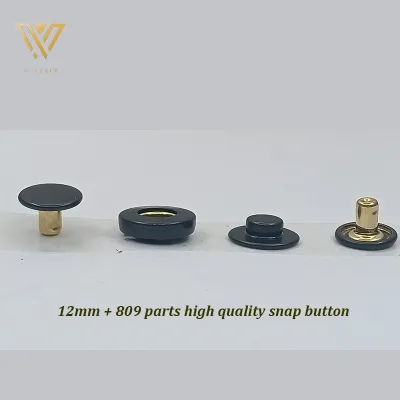
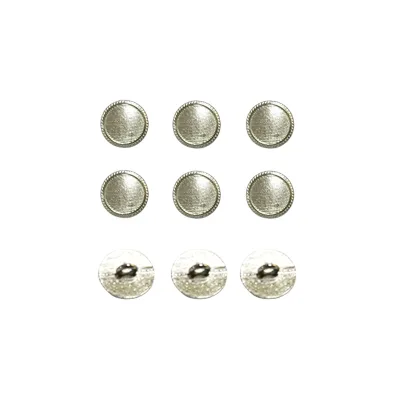
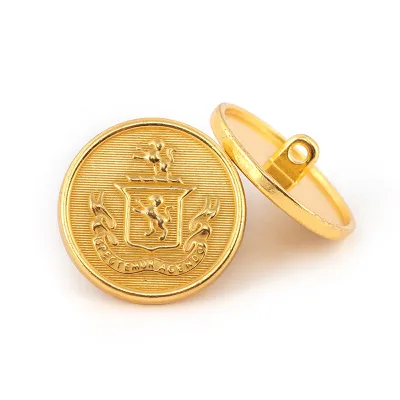
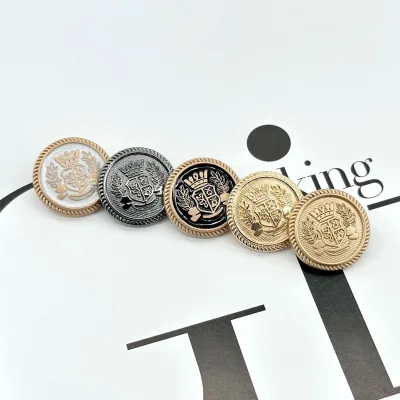
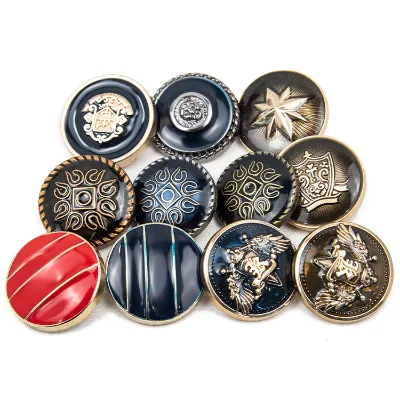

Fashionable Oval Shape Good Plated Metal Shank Sewing Button for Garments
$0.03 - $0.06
MOQ: 10000 Pieces


Metal Button Zinc Alloy Metal Foot Shank Button for Garment Accessories
$0.035 - $0.25
MOQ: 5000 Pieces


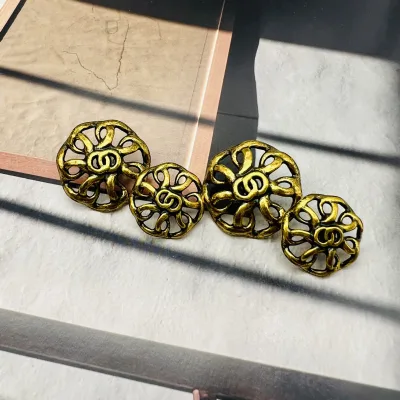
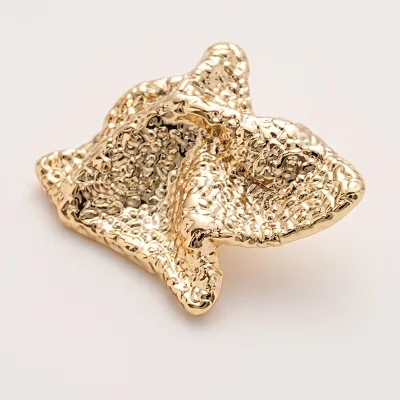

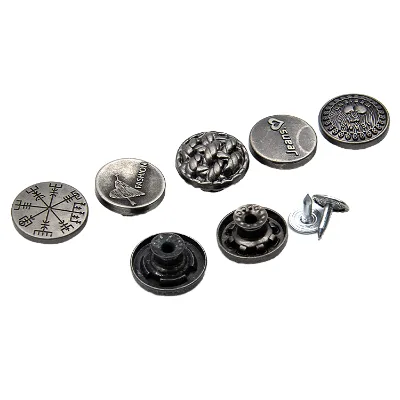
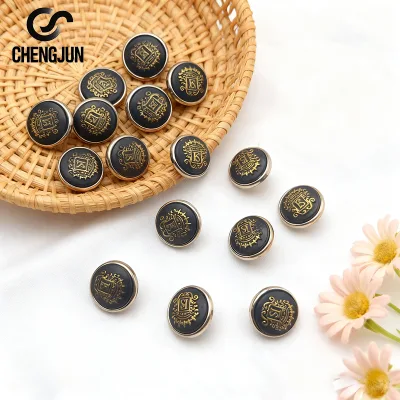
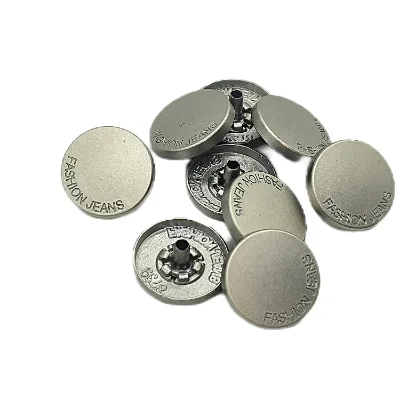
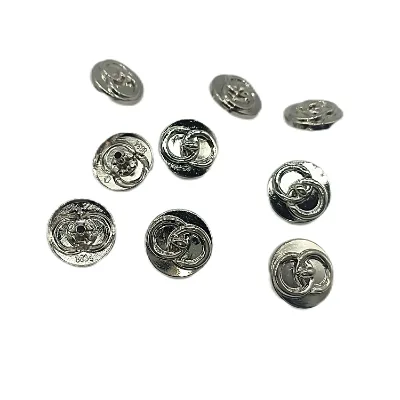
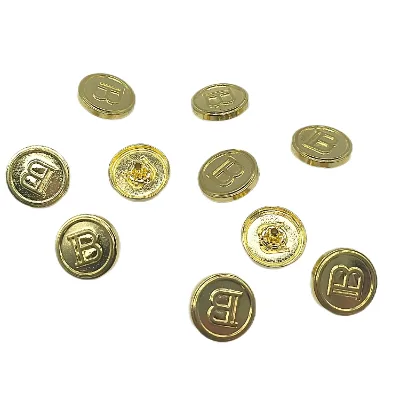

Metal Flat Button Round Shaped Sewing Button Metal Button Alloy Shank Button
$0.02 - $0.10
MOQ: 9999 Pieces
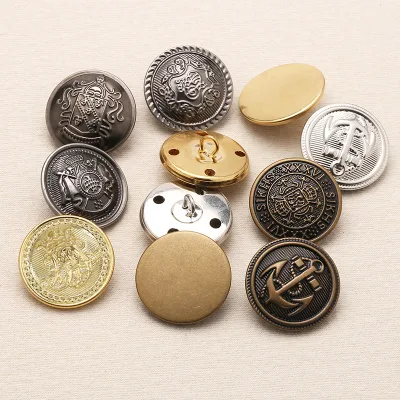
Comprehensive Sourcing Guide
Plated Metal Shank Button Sourcing Guide
Sourcing plated metal shank buttons requires a disciplined approach to balancing aesthetic appeal with functional durability. These components serve as critical fastening elements for high-end garments, where the shank design provides essential clearance for thick fabrics like wool coats or denim jackets. Buyers must prioritize suppliers who demonstrate consistent plating quality, as this finish directly impacts the perceived value of the final product. The visual appeal of monocolor or color-matching options must align with the brand’s seasonal palette, ensuring that the metallic sheen complements rather than clashes with the textile.
Procurement teams should also evaluate the structural integrity of the shank itself, which must withstand repeated stress without bending or breaking. The availability of customization options allows brands to embed unique logos or specific design elements, turning a standard component into a brand identifier. However, this customization introduces complexity in tooling and production timelines. Buyers need to assess whether the supplier can maintain tight tolerances during the engraving or embossing processes, ensuring that every button meets the exact dimensional requirements specified in the technical drawings.
Product Scope and Observed Listing Signals
The current market landscape for plated metal shank buttons reveals a diverse range of models, including identifiers such as NCHA121, NCH0208, and MSSB-001. These listings indicate a broad scope of availability, with products ranging from basic fashion elements to luxurious uniform shank buttons. The observed price points are generally low, suggesting that these items are commoditized yet highly competitive. Buyers should note that while prices are accessible, the quality variance can be significant, making it essential to request physical samples before committing to large orders. The presence of both stock and non-stock items offers flexibility for urgent replenishment or custom projects.
Listing signals also highlight specific material compositions, with zinc alloy, brass, and stainless steel being common choices. The technics employed, such as plating, engraving, and embossing, define the final aesthetic and functional properties. Some products are explicitly marketed with features like being lead-free, washable, and durable, which are crucial for compliance with international safety standards. The usage categories extend beyond jackets and trousers to include sweaters, bags, and even shoes, indicating the versatility of these components. Buyers must carefully match the button’s application to its specific material and finish to ensure longevity and performance in the end-use environment.
Technical Specifications to Verify
Verifying technical specifications is paramount to ensuring that the plated metal shank buttons meet the rigorous demands of garment construction. Key dimensions, such as the 252524 standard or customized sizes like 18-25mm, must be confirmed against the supplier’s actual capabilities. The shank height and button diameter are critical for accommodating different fabric thicknesses, particularly for outerwear and denim. Buyers should request detailed technical drawings that specify the exact measurements, including the shank length and the base diameter, to prevent fit issues during the sewing process. Any deviation from these specifications can lead to production delays or compromised garment quality.
The plating process itself requires close scrutiny, as it determines the button’s resistance to tarnishing and corrosion. Buyers should inquire about the thickness of the plating layer and the type of metal used, whether it is zinc alloy, brass, or stainless steel. The finish, whether it is a flat pearl, monocolor, or color-matched, must be consistent across the entire batch. Additionally, the customization options for logos and designs should be evaluated for precision and durability. Ensuring that the engraved or embossed details remain intact after washing and dry cleaning is essential for maintaining the brand’s reputation for quality and attention to detail.
Compliance and Safety Documentation
Compliance with international safety standards is non-negotiable when sourcing plated metal shank buttons for global markets. Certifications such as Oeko-Tex Standard 100 and BSCI are frequently cited, indicating that the products have undergone rigorous testing for harmful substances and ethical manufacturing practices. Buyers must verify the validity of these certifications by requesting current certificates from the supplier. The Oeko-Tex Standard 100, in particular, ensures that the buttons are free from harmful levels of chemicals, making them safe for direct skin contact. This is especially important for garments worn by children or individuals with sensitive skin.
Beyond chemical safety, buyers should also consider the environmental impact of the plating process. Sustainable practices, such as lead-free plating and eco-friendly packaging, are increasingly important to consumers and regulators alike. Suppliers who adhere to BSCI standards demonstrate a commitment to ethical labor practices, which can enhance the brand’s corporate social responsibility profile. Buyers should include specific compliance requirements in their purchase agreements, ensuring that the supplier is accountable for maintaining these standards throughout the production cycle. Regular audits and third-party testing can provide additional assurance that the products meet all regulatory requirements.
Cost Drivers and Commercial Terms
Understanding the cost drivers for plated metal shank buttons helps buyers negotiate better terms and manage their budgets effectively. The primary cost factors include the raw material prices for zinc alloy, brass, or stainless steel, as well as the complexity of the plating and customization processes. Custom designs, such as engraved logos or unique shapes, typically incur additional tooling and setup fees. Buyers should clarify whether these costs are one-time charges or recurring expenses, and how they impact the overall unit price. Volume discounts are often available, but the minimum order quantity (MOQ) can vary significantly, ranging from 1000 pieces to larger batches.
Commercial terms also play a crucial role in the total cost of ownership. Payment terms, shipping methods, and lead times can affect cash flow and inventory management. Suppliers may offer various packing options, such as OPP bag inner packing with outer export packing, to ensure safe transit. Buyers should negotiate clear delivery schedules and penalty clauses for delays, as late shipments can disrupt production lines. Additionally, understanding the sample order process and associated costs is essential for evaluating the supplier’s responsiveness and quality before committing to a full production run. Transparent pricing and flexible terms can foster a more collaborative and efficient sourcing relationship.
Supplier Qualification and Quality Control
Qualifying suppliers for plated metal shank buttons requires a thorough assessment of their manufacturing capabilities and quality control systems. Buyers should visit the supplier’s facility or request detailed videos of the production process to verify their equipment and expertise. The ability to handle custom designs and maintain consistent plating quality is a key indicator of a supplier’s technical proficiency. Suppliers located in regions like Guangdong, China, often have established supply chains and experienced workforces, but buyers must still conduct due diligence to ensure that quality standards are consistently met.
Quality control measures should be integrated into the procurement process from the outset. Buyers should define clear acceptance criteria for color, size, and finish, and implement a rigorous inspection protocol for incoming shipments. Random sampling and statistical process control can help identify defects early in the production cycle. Suppliers who provide high-quality samples and are willing to accommodate third-party inspections demonstrate a commitment to transparency and excellence. Establishing a strong relationship with a qualified supplier ensures a steady supply of reliable components, reducing the risk of production disruptions and enhancing the overall quality of the final garments.
Long-Term Procurement Checks
Long-term procurement success with plated metal shank buttons depends on continuous monitoring and relationship management. Buyers should regularly review supplier performance metrics, including on-time delivery rates, defect rates, and responsiveness to issues. Establishing a feedback loop with the supplier allows for continuous improvement and adaptation to changing market demands. Regular communication about upcoming trends and design changes can help suppliers prepare for future orders, ensuring that they remain aligned with the buyer’s strategic goals. This proactive approach fosters a partnership rather than a transactional relationship, leading to better service and innovation.
Additionally, buyers should stay informed about regulatory changes and industry standards that may impact the sourcing of metal components. Keeping abreast of new sustainability requirements or safety regulations ensures that the procurement strategy remains compliant and competitive. Diversifying the supplier base can mitigate risks associated with single-source dependencies, providing flexibility in case of supply chain disruptions. By maintaining a vigilant and adaptive procurement strategy, buyers can secure a reliable supply of high-quality plated metal shank buttons, supporting the long-term success of their brand and product lines.
FAQs
What customization options are available for plated metal shank buttons?
Customization is available for these buttons, allowing buyers to specify unique designs. Options include customized logos, engraved details, and specific sizes such as 17mm or 20mm. Manufacturers support various technics like plating, engraving, and embossing to meet distinct branding requirements for garments and accessories.
What certifications do these metal buttons hold?
These buttons hold Oeko-Tex Standard 100 and BSCI certifications. These credentials ensure the products meet strict safety and ethical standards. Buyers can rely on these certifications for compliance in international markets, ensuring the materials are safe for direct contact and the manufacturing process adheres to responsible labor practices.
What is the minimum order quantity for these buttons?
The minimum order quantity is typically 1000 pieces. This MOQ applies to standard orders for plated metal shank buttons. Buyers should note that this threshold ensures efficient production runs. Customized orders may also adhere to this baseline, so contacting the supplier directly is recommended for specific volume requirements.
Can I get a sample before placing a bulk order?
Samples are provided upon request, though specific lead times may vary. Buyers should contact the supplier directly to arrange sample acquisition. This allows verification of quality, plating finish, and shank style before committing to larger quantities. Sample availability supports informed decision-making for bulk procurement needs.
What materials are used to make these shank buttons?
These buttons are crafted from high-quality metals including zinc alloy, brass, and stainless steel. The plating process enhances durability and aesthetic appeal. These materials ensure the buttons are lead-free, washable, and suitable for various applications such as jackets, trousers, and bags, providing long-lasting performance.
How are these buttons packaged for international shipping?
Packaging includes OPP bag inner packing plus outer packing for standard export. This method protects the buttons during transit. Shipping options include international express, airfreight, and sea freight. The packaging ensures products arrive in good condition, maintaining the integrity of the plating and shank structure for global distribution.