POE Night Vision IP Camera Suppliers and Manufacturers
Compare 27 verified suppliers offering POE Night Vision IP Camera with specifications like H.265 compression, 5MP resolution, and 1-year warranty. Review response times, lead times, and certifications to select the right partner for your security needs; review the available evidence before requesting comparable quotations from suitable candidates.
Updated
Suppliers List

Shenzhen Besder Technology Co., Ltd.
- Manufacturer, Trading Company
- Guangdong, China
- Lead time5 days
- Avg. response≤ 16h
Main productsSecurity Cameras,Surveillance Recorder,Security & Protection Products
Main marketsWestern Europe(25.00%), Domestic Market(20.00%), North America(20.00%), Northern Europe(15.00%), Southeast Asia(10.00%), Eastern Europe(10.00%)

Shenzhen FSAN Intelligent Technology Co., Ltd.
- Combined
- China Guangdong
- Lead time15 days
- Avg. response≤ 13h
Main productsThermal Camera, Ipc Camera, CCTV Camera, NVR, DVR, PTZ, Facial Capture Recognition Camera, Door Bell Camera
Main marketsEast Asia(Japan/ South Korea),Europe,North America


Full Color Security IP Camera with Spotlight - Colorvu HD Night Vision IP Camera Warm Light Camera
$19.60 - $21.46
MOQ: 100 PCS


Shenzhen Huachuang Micro Vision Technology Co., Ltd
- Verified by SGS
- Combined
- China Guangdong
- Lead time15 days
- Avg. response≤ 5h
Main productsUSB Camera Module, USB Camera, Industrial Camera, Cvba Camera, Ahd Camera, Wfi Camera, CCTV Camera, IP Camera, Mini USB Camera
Main marketsDomestic,North America

2MP Infrared Night Vision Poe Camera Mini Bullet CCTV IP Security Camera
$45.09 - $49.99
MOQ: 1 Pieces


Shenzhen Wardmay Technology Co., Limited
- Verified by TUVRHEINLAND
- Manufacturer/Factory
- China Guangdong
- Lead time15 days
- Avg. response≤ 7h
Main productsIP Camera, CCTV Camera, Security Camera, Solar 4G Camera, WiFi Camera, Explosion Proof Camera, Hard Drive, Security System Kit, DVR/NVR, Rear View Camera
Main marketsSouth America,Eastern Europe,Mid East,North America,Southeast Asia,Eastern Asia,Oceania,Western Europe,Africa

Shandong Sheenrun Optics & Electronics Co., Ltd.
- Verified by BV
- Combined
- China Shandong
- Lead time23 days
- Avg. response≤ 6h
Main productsCCTV Camera, Long Range Camera, Laser Night Vision Camera, Thermal Imaging Camera, Thermal Camera, Laser Camera, Night Vision Camera, Long Range Thermal Camera, PTZ, IR Camera
Main marketsSouth America,Southeast Asia/ Mideast,Domestic,Europe,North America

Xuzhou Dragon Guard Industrial Co., Ltd.
- Verified by SGS
- Combined
- China Jiangsu
- Lead time15 days
- Avg. response≤ 7h
Main productssecurity products and solutions
Main marketsAfrica,Southeast Asia/ Mideast,Domestic,Europe,North America


4K8channel 8mpsecurity Camera System Outdoor Home Poe NVR Kit CCTV IP Cameras
$99.90 - $234.00
MOQ: 10 Pieces
Shenzhen Chinalu Electronics Co., Limited
- Manufacturer, Trading Company
- Gongdong, China
- Lead time15 days
- Avg. response≤ 3h
Main productsSolar battery Camera,Network camera,4G camera,NVR,CCTV camera
Main marketsMid East(18.00%), North America(13.00%), Africa(10.00%), Eastern Asia(10.00%), Western Europe(10.00%), Southeast Asia(9.00%), Eastern Europe(8.00%), South America(7.00%), South Asia(5.00%), Northern Europe(5.00%), Southern Europe(4.00%), Domestic Market(1.00%)
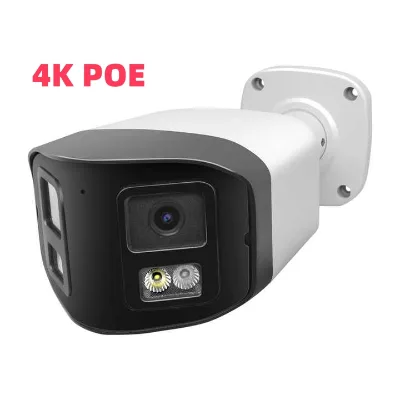
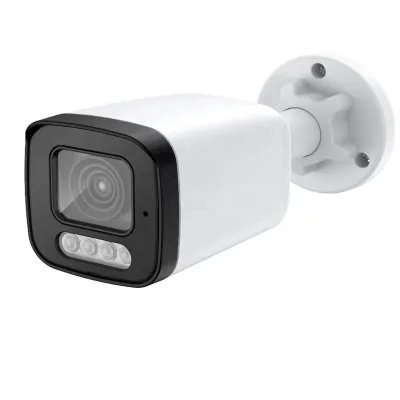
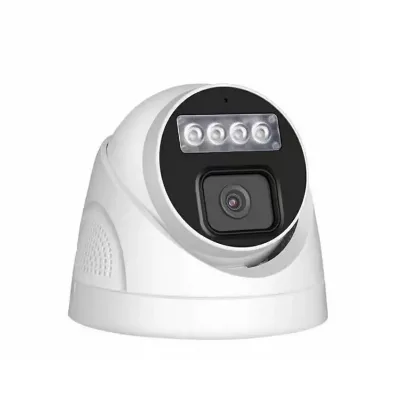
24 Hours Full Time Color Night Dome 4MP Network Small P2p Ip Motion Security Indoor Poe Ip Camera
$9.8284 - $15.001
MOQ: 20 pieces

Anhui Orange Smart Iot Co., Ltd.
- Verified by SGS
- Trading Company,Manufacturer/Factory
- China Anhui
- Lead time45 days
- Avg. response≤ 2h
Main productsSecurity Camera, IP Camera, CCTV Camera, CCTV, Camera, 4G Solar Camera, Mini CCTV Camera, Surveillance Camera, Solar Camera, Thermal Camera
Main marketsSouth America,Eastern Europe,Mid East,North America,Southeast Asia,Eastern Asia,Oceania,Western Europe,Africa


High-Definition Outdoor 2MP Poe CCTV Security Camera for IP Surveillance
$13.71 - $14.58
MOQ: 100 Pieces


Shenzhen Besview Security Limited
- Verified by Intertek
- Trading Company
- Lead time15 days
- Avg. response≤ 2h
Main productsNetwork Camera, Analog Camera, Network Video Recorder, Digital Video Recorder, Surveillance Systems
Main marketsNorth America(40%), Western Europe(20%), Eastern Asia(10%)
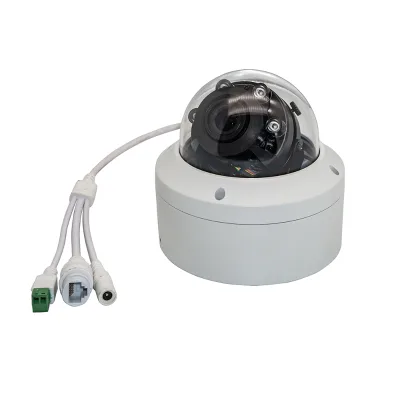
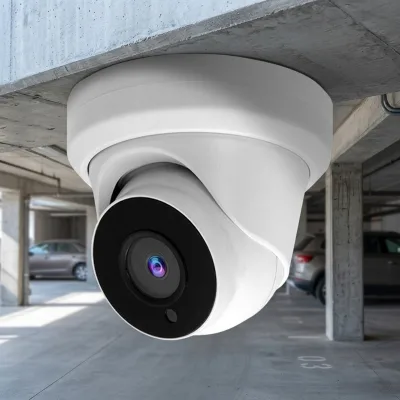
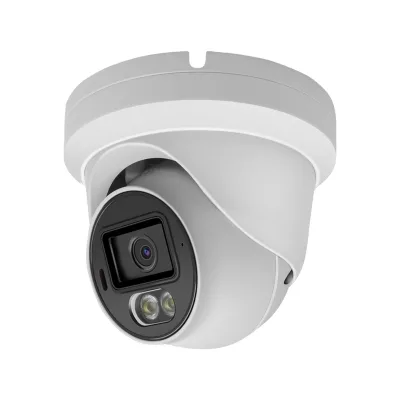
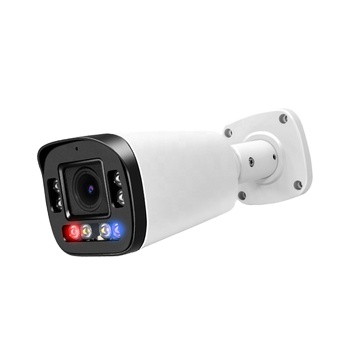
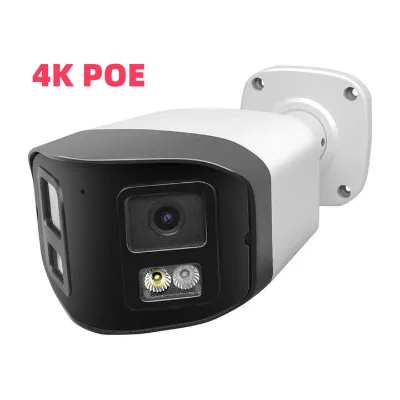
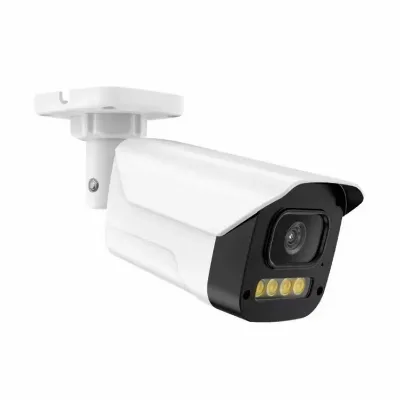
8mp OEM Fixed Lens/Motor Lens Red-Blue Alarm 4K Secueirty IP POE Bullet Camera
$38.0417 - $43.1828
MOQ: 2 sets
- Verified by SGS Group
- Manufacturer, Trading Company
- Lead time7 days
- Avg. response≤ 2h
Main productsCCTV Camera, NVR, DVR
Main marketsSoutheast Asia(25%), North America(15%), Eastern Europe(10%)
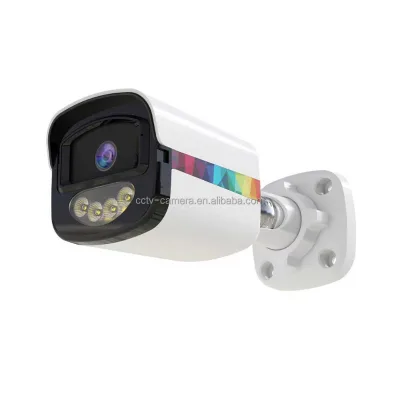
$14.1606 - $20.3159
MOQ: 2 pieces
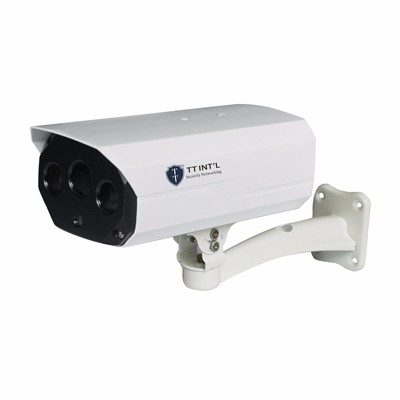
H.265 5 MP IP Camera 4K P2P Bullet Surveillance Camera
$17.2375 - $27.4988
Jinan Hikwifi Camera Technology Co., Ltd.
- Verified by TüVRheinland
- Manufacturer, Trading Company
- Lead time10 days
- Avg. response≤ 2h
Main productsExplosion-proof Camera, Solar Camera, PTZ Wifi Camera, IP Network Camera, AI Intelligent Monitoring System
Main marketsNorth America(25%), South America(25%), Eastern Europe(10%)
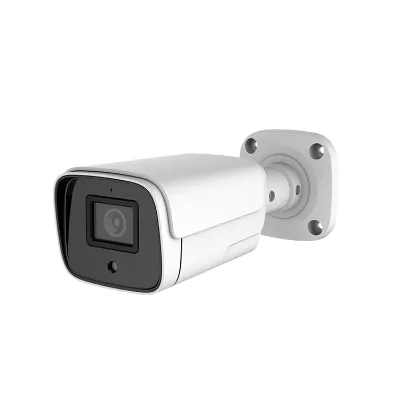
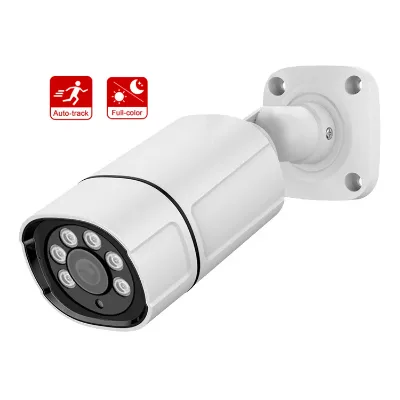
$24.6915 - $26.7588
MOQ: 2 Minimum
$1429.90 - $1649.90
MOQ: 100 boxes
Shenzhen Jiyuanke Electronics Co., Ltd.
- Manufacturer, Distributor/Wholesaler
- Guangdong, China
- Lead time15 days
- Avg. response≤ 12h
Main products4G and WiFi Camera,4G and WiFi Dual Lens PTZ,PT indoor Camera,Bullet IP Camera,AHD and IP Camera
Main marketsDomestic Market(44.00%), South Asia(21.00%), Southeast Asia(18.00%), Africa(15.00%), Eastern Asia(2.00%)
Shenzhen Huachuang Microvision Technology Co., Ltd.
- Verified by Intertek
- Manufacturer, Trading Company
- Lead time5 days
- Avg. response≤ 3h
Main productsCamera Module,USB Camera,Analog Camera,IP Camera,FPV camera
Main marketsEastern Europe(50%), North America(20%), Eastern Asia(10%)

SHENZHEN SECUMATE TECHNOLOGY CO., LIMITED
- Trading Company
- Hongkong_China Hongkong
- Lead time0 days
- Avg. response≤ 11h
Main productsNetwork Camera, Network PTZ Camera, Face Recognition Camera, WiFi Camera, Network Video Recorder, Access Control Terminal, Poe Switch
Shenzhen Enster Electronics Co., Ltd.
- Verified by SGS Group
- Manufacturer, Trading Company
- Lead time5 days
- Avg. response≤ 3h
Main productsSolar Camera, POE IP Camera, Wireless IP Camera, 4G IP Camera, Digital Video Recorder
Main marketsNorth America(15%), Eastern Europe(15%), Western Europe(15%)
Shenzhen Anxinshi Technology Co., Ltd.
- Verified by Intertek
- Manufacturer, Trading Company
- Lead time5 days
- Avg. response≤ 2h
Main productsAccess Control System, CCTV Camera System, PTZ Camera, Solar Camera System, DVR and CCTV Accessories
Main marketsNorth America(30%), Africa(30%), South America(20%)

Jinan Hope Wish Photoelectronic Technology Co., Ltd.
- Verified by BV
- Trading Company,Manufacturer/Factory
- China Shandong
- Lead time30 days
- Avg. response≤ 6h
Main productsThermal Camera, Long Range Night Vision Camera, Laser Camera, IR Camera, Handheld Thermal Camera, Surveillance Camera, Monocular Night Vision Camera, Binocular Night Vision Camera, Visible Light Camera
Main marketsSouth America,Eastern Europe,Mid East,North America,Southeast Asia,Eastern Asia,Oceania,Western Europe,Africa
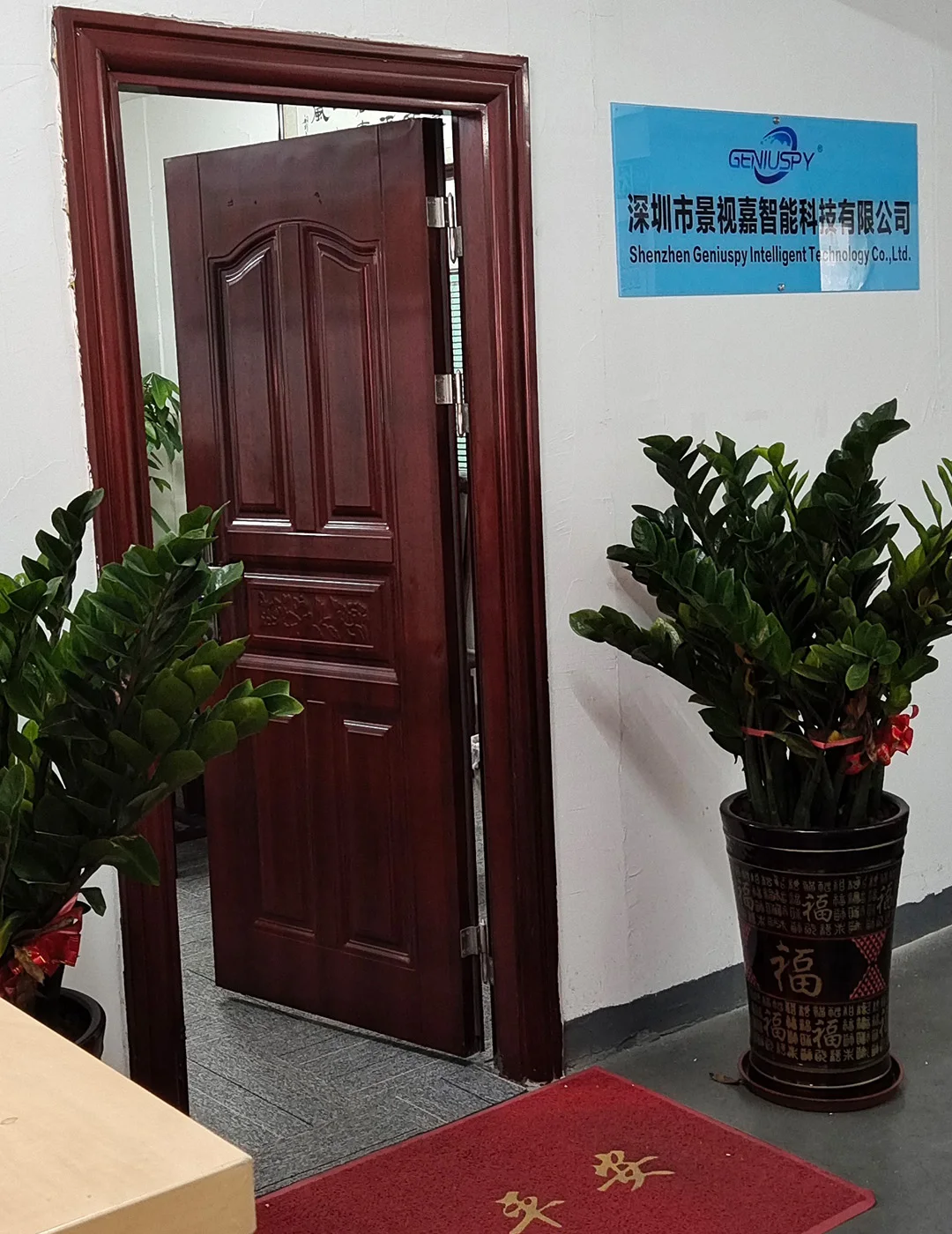
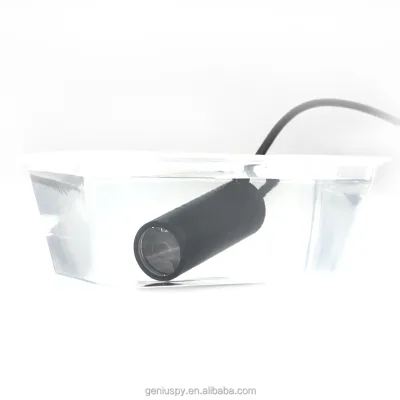
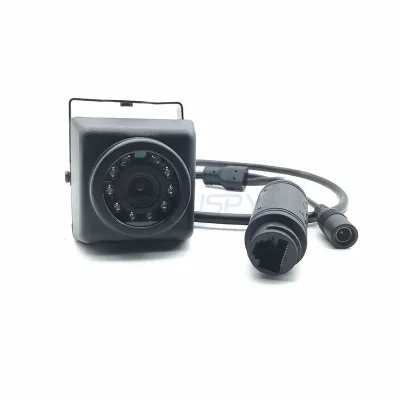
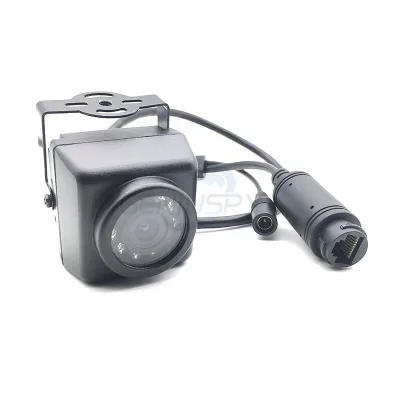
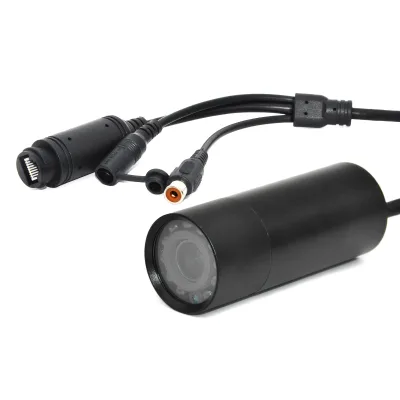
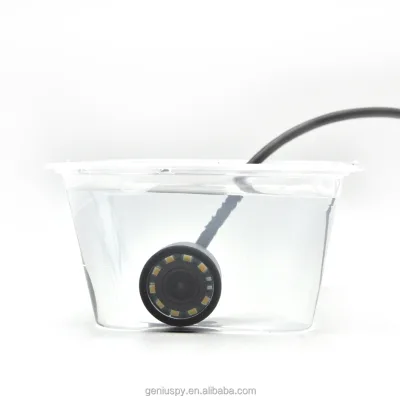
Shenzhen Geniuspy Intelligent Technology Co., Ltd.
- Manufacturer
- Guangdong, China
- Lead time3 days
- Avg. response≤ 5h
Main productsMini IP Camera,Mini Camera,USB Camera,Wifi Camera,Mini USB Camera
Main marketsEastern Europe(15.70%), North America(12.50%), Southern Europe(10.00%), Western Europe(10.00%), Northern Europe(10.00%), South America(7.50%), Central America(7.00%), South Asia(6.00%), Eastern Asia(6.00%), Southeast Asia(5.00%), Africa(3.00%), Oceania(3.00%), Domestic Market(2.30%), Mid East(2.00%)
$60.6615 - $70.9423
MOQ: 1 Minimum
$49.3516 - $55.5204
MOQ: 1 pieces
$40.0985 - $57.5771
MOQ: 1 Minimum
Shenzhen Mars Work Industrial Co., Ltd.
- Verified by TüVRheinland
- Trading Company
- Lead time15 days
- Avg. response≤ 3h
Main productsNetwork Camera, Analog Camera, Wifi Camera, 4G Camera, 4G Solar Camera
Main marketsNorth America(30%), Western Europe(15%), Eastern Europe(10%)

Mingshang Technology Co., Ltd.
- Manufacturer/Factory,Group Corporation
- China Guangdong
- Lead time23 days
- Avg. response≤ 5h
Main productsRear View Camera, Mobile DVR, Rear View System, Wireless Camera System, Vehicle Safety System, Ai Camera, 360 Camera System, Adas, DMS, Bsd
Main marketsEastern Europe,North America,Western Europe
Shenzhen Hiseeu Technolgy Co., Ltd.
- Trading Company
- Guangdong, China
- Lead time30 days
- Avg. response≤ 5h
Main productsCCTV Camera
Main marketsNorth America(70.00%), Eastern Europe(21.00%), Western Europe(3.00%), Eastern Asia(2.00%), Oceania(1.00%), Africa(1.00%), Mid East(1.00%), Southeast Asia(1.00%)
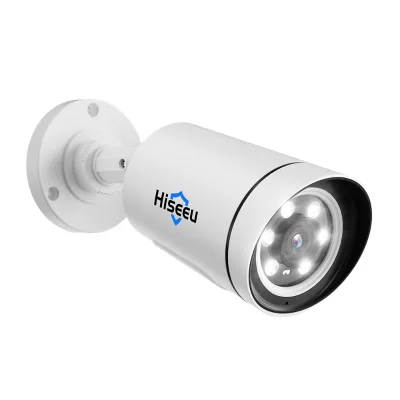
High Performance 5MP POE Camera with Full Color Night Vision Face Detection Motion Detection
$23.6324 - $25.6862
MOQ: 4 pieces
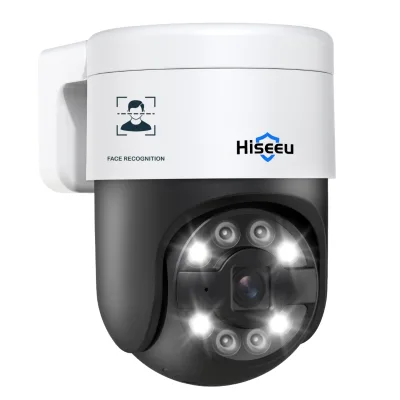
$20.4372 - $24.5253
MOQ: 2 pieces
Shenzhen Jiaxinjie Wisdom Iot Co., Ltd.
- Verified by TüVRheinland
- Manufacturer, Trading Company
- Lead time15 days
- Avg. response≤ 4h
Main productsHD IP Camera, Network Video Recorder, Low Power Camera, Network HD Camera, Analog HD Camera
Main marketsAfrica(25%), North America(20%), Southeast Asia(20%)
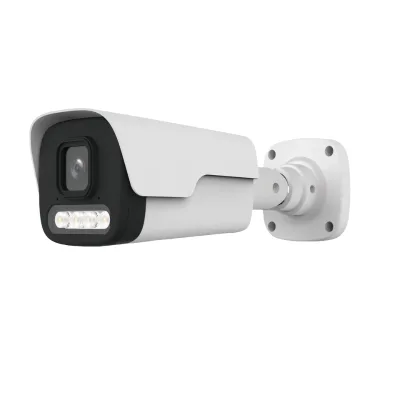
$62.3318 - $73.5728
MOQ: 2 pieces
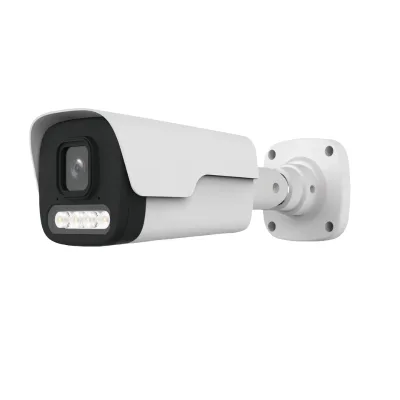
$120.553 - $132.0847
MOQ: 1 pieces
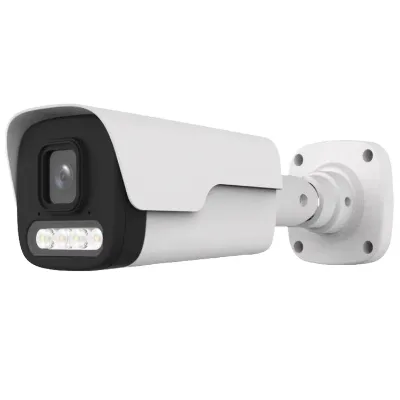
$120.553 - $134.1819
MOQ: 1 pieces

Shenzhen Leekgo Technology Co., Ltd.
- Manufacturer, Trading Company
- Guangdong, China
- Lead time5 days
- Avg. response≤ 2h
Main productsCustom CCTV WIFI IP camera module,AI camera module,Face Recognition AI Camera,USB Biometric Fingerprint Scanner Reader,Biometric Time Attendance and Access Control
Main marketsEastern Europe(20.00%), South America(15.00%), Central America(10.00%), Africa(10.00%), North America(10.00%), Mid East(10.00%), Southeast Asia(8.00%), Southern Europe(5.00%), Western Europe(5.00%), South Asia(3.00%), Oceania(2.00%), Domestic Market(2.00%)
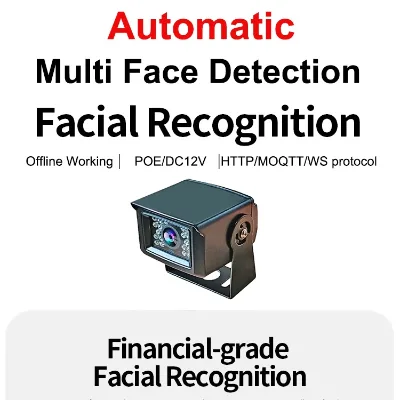
$97.0749 - $107.2928
MOQ: 2 pieces
$43.7476 - $46.2672
MOQ: 2 pieces
Chengdu Feeling Good International Trading Co,.Ltd
- Trading Company
- Sichuan, China
- Lead time20 days
- Avg. response≤ 2h
Main productsip camera,network video recorder,Thermal & Laser Cameras,HD Analog Cameras,5-in-1 XVRs
Main marketsNorth America(51.00%), Africa(18.00%), Western Europe(10.00%), Southeast Asia(9.00%), Eastern Europe(8.00%), Domestic Market(4.00%)
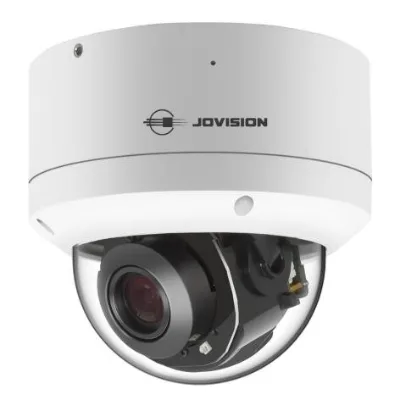
N433-Z5 4MP IP Camera with Day & Night Mode for Small Business Monitoring
$126.00 - $132.00
MOQ: 2 packs
N819-LPR 8MP 4K IP67 License Plate Recognition Camera 80m IR Night Vision H.265+ PoE
$210.4645 - $216.6557
MOQ: 2 packs
$129.9934 - $136.1832
MOQ: 2 packs
$129.9934 - $136.1832
MOQ: 2 packs

Shanghai Future Vision Technology Co., Ltd.
- Verified by SGS
- Trading Company
- China Shanghai
- Lead time15 days
- Avg. response≤ 2h
Main productsCCTV Camera
Main marketsSouth America,Africa,Europe

Shenzhen Bosesh Technology Co., Ltd.
- Manufacturer, Trading Company
- Guangdong, China
- Lead time5 days
- Avg. response≤ 3h
Main productsNetwork Camera,Security camera,IP camera,CCTV camera,tuya camera
Main marketsNorth America(32.00%), Western Europe(30.00%), Eastern Europe(18.00%), Oceania(9.00%), South Asia(4.00%), Africa(1.00%), Southern Europe(1.00%), Northern Europe(1.00%), South America(1.00%), Eastern Asia(1.00%), Mid East(1.00%), Southeast Asia(1.00%)

- Verified by BV
- Trading Company,Manufacturer/Factory
- China Guangdong
- Lead time23 days
- Avg. response≤ 4h
Main productsCCTV Camera, PTZ Camera, Network Video Recorder, Analog Camera, Poe Switch, WiFi Camera, Solar System for CCTV, Solar Camera, Smart Home Camera, Surveillance CCTV Camera
Main marketsSouth America,Eastern Europe,Mid East,North America,Southeast Asia,Eastern Asia,Oceania,Western Europe,Africa

Full Color Nightvision Camera and NVR Kits Waterproof 4MP Poe CCTV System Digital Camera
$155.00 - $177.00
MOQ: 1 Sets

4MP Waterproof Full Color Night Vision Camera and NVR Kits Poe CCTV Video Camera
$149.00 - $169.00
MOQ: 1 Sets





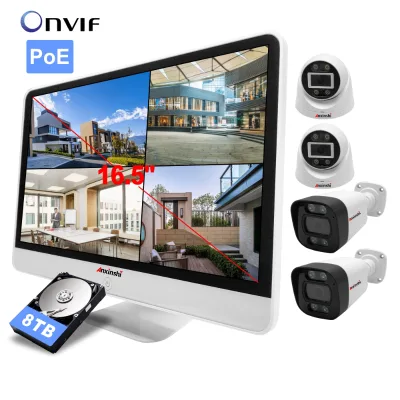
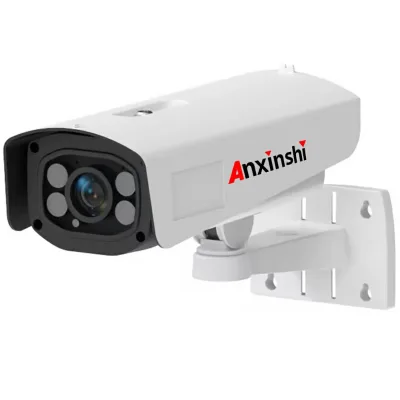


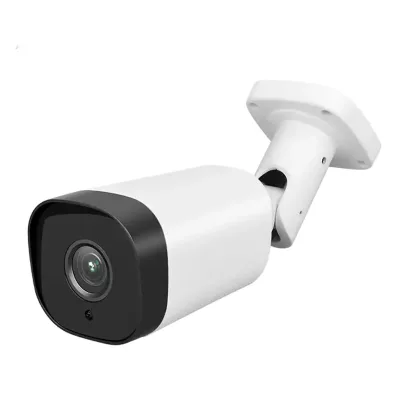
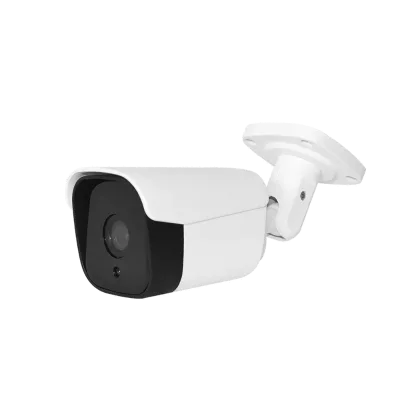


Comprehensive Sourcing Guide
POE Night Vision IP Camera Supplier Concentration and Factory Types
The current supplier landscape for PoE night vision IP cameras reveals a distinct geographic concentration in Guangdong, China, which serves as a primary manufacturing hub for these electronic security devices. This regional clustering is significant because it indicates a mature supply chain ecosystem where component sourcing, assembly, and logistics are highly optimized. Buyers evaluating suppliers should note that the majority of observed entities are located within this specific province, suggesting that proximity to electronic component markets and established export infrastructure is a key factor in supplier selection. When assessing potential partners, verifying the specific location within Guangdong can provide insights into the supplier’s logistical capabilities and their access to specialized labor pools. The concentration of manufacturers in this area often correlates with faster response times and more competitive pricing structures due to the density of related industries. However, buyers must remain cautious, as not all suppliers in this region may offer the same level of quality control or technological innovation. It is essential to cross-reference the stated location with other operational metrics to ensure that the supplier’s physical presence aligns with their claimed production capacity. The presence of both manufacturers and trading companies in this cluster offers buyers a range of options, from direct factory engagement to intermediary services that may simplify procurement processes. Understanding this geographic dynamic is crucial for developing a robust sourcing strategy that leverages regional advantages while mitigating potential logistical risks associated with international shipping and customs clearance.
Supplier types in this category vary significantly, ranging from pure manufacturers to trading companies and combined entities that offer both production and trading services. This diversity allows buyers to choose a partner model that best fits their operational needs, whether they prioritize direct factory pricing and customization control or prefer the flexibility and broader product catalogs offered by trading companies. Manufacturers typically provide deeper customization options, such as OEM and ODM services, which are critical for buyers seeking branded solutions or specific technical modifications. In contrast, trading companies may offer a wider variety of pre-existing products, including different styles like bullet, dome, and mini cameras, which can be advantageous for buyers looking to diversify their inventory quickly. The observed data indicates that many suppliers list themselves as manufacturers or trading companies, highlighting the blurred lines in some business models. Buyers should carefully review the company type to understand the true nature of the relationship and the potential for direct communication with production teams. Additionally, some suppliers may offer combined services, providing both manufacturing capabilities and trading support, which can streamline the sourcing process. It is important to verify the actual capabilities of the supplier, regardless of their stated type, by requesting evidence of production facilities or inventory management systems. This verification step ensures that the buyer’s expectations align with the supplier’s actual operational structure, reducing the risk of miscommunication or unmet requirements during the procurement process.
How to Verify POE Night Vision IP Camera Suppliers
Verifying the authenticity and reliability of POE Night Vision IP Camera suppliers requires a systematic approach that goes beyond surface-level claims. One critical step is to validate the supplier’s certifications and compliance standards, which serve as indicators of their adherence to international quality and safety regulations. The observed data shows that some suppliers hold certifications such as CE, FCC, RoHS, and ISO9001, which are essential for ensuring that the products meet specific regional market requirements. Buyers should request copies of these certificates and verify their validity through the issuing bodies to avoid fraudulent documentation. Additionally, checking for a Declaration of Conformity can provide further assurance that the products have undergone necessary testing procedures. It is also important to assess the supplier’s response time and lead time, as these metrics reflect their operational efficiency and customer service quality. A quick response time, such as the observed average of around twelve to sixteen hours, suggests that the supplier is attentive and capable of addressing buyer inquiries promptly. Similarly, a shorter lead time, typically ranging from five to fifteen days, indicates a streamlined production process that can meet tight delivery schedules. Buyers should compare these metrics across multiple suppliers to identify those that consistently demonstrate high performance. Furthermore, verifying the supplier’s establishment year and company history can provide insights into their stability and experience in the industry. Suppliers with a longer track record are often more reliable, as they have likely navigated various market challenges and built a reputation for quality.
Another vital aspect of verification is assessing the supplier’s customization capabilities and technical support offerings. The observed data indicates that many suppliers provide customized support options, including online technical support, customized logos, software reengineering, and OEM/ODM services. Buyers should evaluate the extent of these services to determine if they align with their specific needs, such as branding requirements or technical integrations. It is also important to verify the supplier’s ability to provide detailed product specifications, including sensor types, video compression formats, and resolution capabilities. For instance, confirming that a supplier offers CMOS sensors and H.265 video compression ensures that the products meet modern technical standards. Buyers should request sample products or detailed datasheets to verify these specifications before committing to large orders. Additionally, checking the supplier’s warranty policies and after-sales support is crucial, as it reflects their confidence in product quality and their commitment to customer satisfaction. A standard one-year warranty, as observed in some listings, is a common benchmark, but buyers should clarify the terms and conditions to ensure adequate protection. Furthermore, verifying the supplier’s data storage options, such as support for cloud, NVR, or micro SD cards, can help ensure compatibility with existing security infrastructure. By thoroughly verifying these aspects, buyers can mitigate risks and establish a solid foundation for a successful sourcing partnership. This due diligence process helps to filter out unreliable suppliers and identify those that offer genuine value and quality in the POE Night Vision IP Camera market.
What to Compare Across POE Night Vision IP Camera Suppliers
When comparing suppliers for PoE night vision IP cameras, buyers should focus on key operational metrics such as price ranges, minimum order quantities (MOQs), and lead times to ensure alignment with their budget and inventory requirements. The observed data reveals a wide variation in pricing, with some products ranging from approximately $1.85 to $2.30 for mini cameras, while others, such as PTZ cameras, range from $71.88 to $89.85. This disparity highlights the importance of defining specific product requirements before engaging with suppliers, as price is heavily influenced by features like resolution, sensor type, and additional functionalities. Buyers should also pay close attention to MOQs, which can range from as low as one unit for certain mini cameras to one hundred units for fixed bullet IP cameras. Understanding these MOQs is crucial for managing cash flow and inventory levels, especially for small businesses or those testing new markets. Lead times are another critical factor, with observed ranges from five to fifteen days, indicating differences in production capacity and supply chain efficiency. Buyers should compare these metrics across multiple suppliers to identify those that offer the best balance of cost, volume flexibility, and delivery speed. Additionally, comparing the main products offered by each supplier can help buyers assess their specialization and expertise. Some suppliers may focus on a narrow range of products, such as thermal cameras or facial recognition systems, while others offer a broader portfolio including CCTV, NVR, and DVR solutions. This specialization can impact the quality and innovation of the products offered, so buyers should align their selection with their specific technical needs.
Beyond operational metrics, buyers should also compare the technical specifications and customization options provided by different suppliers to ensure compatibility with their existing systems and branding goals. The observed data shows that many suppliers offer products with CMOS sensors, H.265 video compression, and various night vision capabilities, including infrared and full-color options. Buyers should verify these specifications to ensure they meet their performance requirements, such as resolution (e.g., 1080p, 5MP, or 4K) and viewing angles. Additionally, comparing the customization support offered, such as customized logos, software reengineering, and OEM/ODM services, can help buyers determine which suppliers can accommodate their branding and technical integration needs. It is also important to compare the warranty terms and after-sales support provided by each supplier, as these factors can significantly impact long-term operational costs and customer satisfaction. Some suppliers may offer a standard one-year warranty, while others may provide extended coverage or more comprehensive support services. Buyers should also consider the supplier’s response time, as a quicker response can facilitate faster issue resolution and smoother communication throughout the procurement process. Furthermore, comparing the certifications held by each supplier, such as CE, FCC, RoHS, and ISO9001, can help buyers ensure compliance with regional regulatory requirements. By systematically comparing these diverse factors, buyers can make informed decisions that optimize their sourcing strategy and minimize risks associated with supplier selection. This comprehensive comparison approach ensures that buyers select partners that offer the best overall value and alignment with their business objectives.
Common POE Night Vision IP Camera Sourcing Risks
One of the primary risks in sourcing PoE night vision IP cameras is the potential discrepancy between advertised specifications and actual product performance, which can lead to operational failures and customer dissatisfaction. Buyers must be vigilant in verifying technical claims, such as resolution, sensor type, and night vision range, as these attributes are critical for the effectiveness of security systems. The observed data indicates that some products claim high-definition features, but without independent testing or detailed verification, buyers cannot be certain of their true capabilities. This risk is exacerbated by the fact that some suppliers may not provide comprehensive datasheets or sample units for evaluation before large orders are placed. Additionally, the variability in lead times, ranging from five to fifteen days, can pose a risk if buyers have strict delivery deadlines. Delays in production or shipping can disrupt project timelines and result in additional costs, such as expedited shipping fees or penalties for late delivery. Buyers should establish clear communication channels with suppliers to monitor production progress and address any potential bottlenecks early in the process. Furthermore, the risk of receiving products that do not meet quality standards is heightened when sourcing from suppliers with limited or no certifications. While some suppliers hold certifications like CE, FCC, and RoHS, others may not, which can lead to compliance issues in certain markets. Buyers should prioritize suppliers with verified certifications to mitigate this risk and ensure that products meet international safety and performance standards.
Another significant risk is the potential for intellectual property infringement or unauthorized use of branding, particularly when engaging with suppliers that offer OEM and ODM services. Buyers must ensure that their brand assets, such as logos and proprietary software, are protected and used only as authorized. This risk is particularly relevant when working with trading companies or manufacturers that may have multiple clients and could inadvertently share sensitive information. Buyers should implement strict confidentiality agreements and monitor the production process to ensure that their intellectual property is safeguarded. Additionally, the risk of supply chain disruptions, such as component shortages or logistical delays, can impact the availability of PoE night vision IP cameras. Buyers should diversify their supplier base to reduce dependency on a single source and mitigate the impact of potential disruptions. It is also important to verify the supplier’s financial stability and operational history to ensure they can sustain long-term partnerships. Suppliers with a longer establishment year and a proven track record are generally more reliable, as they have likely navigated various market challenges and built a reputation for consistency. Buyers should also consider the risk of currency fluctuations and exchange rate variations, which can affect pricing and profitability. By proactively identifying and addressing these risks, buyers can develop a more resilient sourcing strategy that minimizes potential disruptions and ensures the successful procurement of high-quality PoE night vision IP cameras. This proactive approach helps to build trust and stability in supplier relationships, leading to better long-term outcomes.
POE Night Vision IP Camera Regional Sourcing and Logistics
Sourcing PoE night vision IP cameras from Guangdong, China, offers significant logistical advantages due to the region’s well-established infrastructure and proximity to major shipping ports. This geographic
FAQs
What is the price range for PoE night vision IP cameras?
Prices for PoE night vision IP cameras typically range from $1.85 to $89.85 per unit. The cost varies significantly based on resolution, features like PTZ or color night vision, and brand. Buyers can find budget-friendly mini cameras starting under $2, while advanced 4K models with two-way audio and motion tracking command higher prices.
What is the minimum order quantity for these cameras?
The minimum order quantity varies by supplier and product type. Some suppliers offer an MOQ of just one unit, allowing for easy sampling. Others require a minimum of 100 units for bulk orders. Buyers should check specific product listings to confirm the exact MOQ before placing an order to ensure it fits their procurement needs.
How long does it take to receive an order?
Lead times for PoE night vision IP cameras generally range from 5 to 15 days. Faster production times of around 5 days are available for certain models, while others may take up to 15 days. Buyers should confirm the specific lead time with the supplier during inquiry to plan their inventory and installation schedules effectively.
What certifications do these cameras typically have?
Common certifications for these cameras include CE, FCC, RoHS, and ISO9001. Some products also carry a Declaration of Conformity. These certifications ensure the devices meet international safety and quality standards. Buyers should verify the specific certification list for each product model to ensure compliance with local regulations and project requirements.
Where are these cameras manufactured?
Most PoE night vision IP cameras are manufactured in Guangdong, China. This region is a major hub for electronics and security equipment production. Buyers can expect products labeled as Made in China with origins in this province. Sourcing from this location often provides access to a wide variety of models and competitive pricing structures.
What key features do these cameras offer?
Key features include H.265 video compression, night vision, motion detection, and two-way audio. Many models support PoE for simplified installation and offer resolutions up to 4K. Additional features often include waterproof ratings, wide-angle lenses, and cloud or SD card storage options. Buyers should select models based on their specific surveillance requirements and environmental conditions.