PTZ Smart Camera Suppliers and Manufacturers in China
Compare 28 verified suppliers offering PTZ Smart Camera solutions with varying lead times, certifications, and response speeds. Review product specs like sensor size and resolution, then request quotes to confirm pricing and MOQ details; review the available evidence before requesting comparable quotations from suitable candidates.
Updated
Suppliers List

Anhui Orange Smart Iot Co., Ltd.
- Verified by SGS
- Trading Company,Manufacturer/Factory
- China Anhui
- Lead time45 days
- Avg. response≤ 2h
Main productsSecurity Camera, IP Camera, CCTV Camera, CCTV, Camera, 4G Solar Camera, Mini CCTV Camera, Surveillance Camera, Solar Camera, Thermal Camera
Main marketsSouth America,Eastern Europe,Mid East,North America,Southeast Asia,Eastern Asia,Oceania,Western Europe,Africa

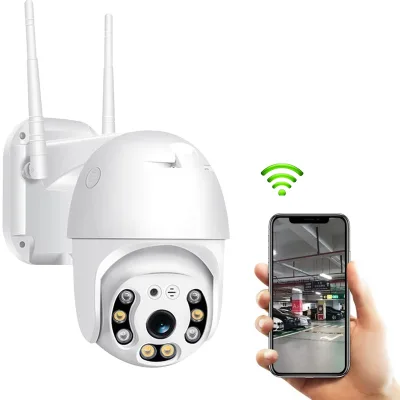
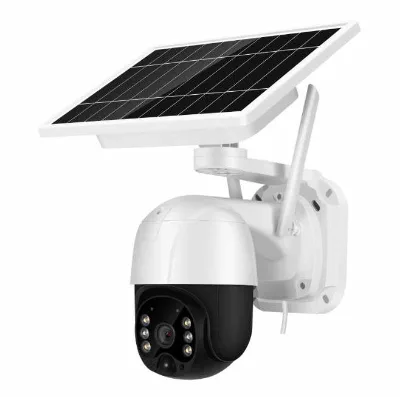
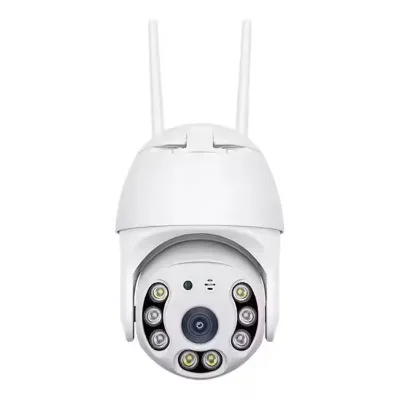
Advanced 3MP Wireless PTZ Outdoor Security Camera for Smart Surveillance
$16.45 - $17.85
MOQ: 100 Pieces


Smart WiFi PTZ Camera with Two-Way Audio and Night Vision Outdoor Security Camera
$20.50 - $21.90
MOQ: 10 Pieces


Shenzhen Baird Electronics Co., Ltd.
- Verified by Intertek
- Manufacturer, Trading Company
- Lead time10 days
- Avg. response≤ 4h
Main products4G Camera, WIFI IP Camera, Wireless Security Camera System, Low Power Battery Camera, Smart Home System
Main marketsNorth America(30%), Southeast Asia(15%), Mid East(8%)
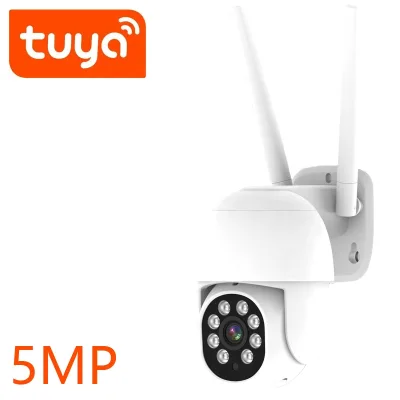
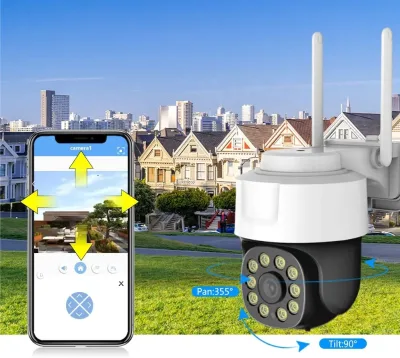
$57.2775 - $66.4977
MOQ: 30 pieces
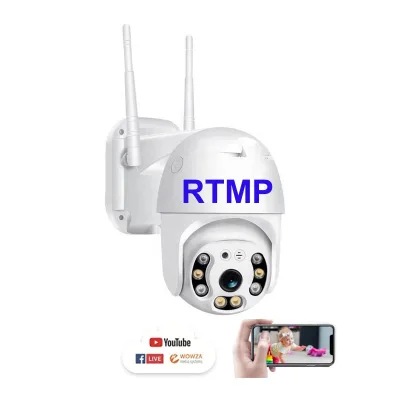
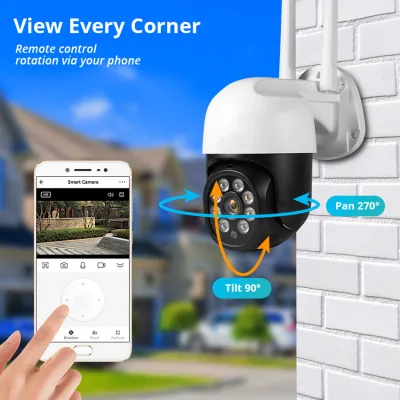

Shenzhen Lemik Technology Co., Ltd.
- Manufacturer, Agent, Distributor/Wholesaler
- Guangdong, China
- Lead time15 days
- Avg. response≤ 5h
Main productsAction sport camera recorder,Video camera,kids instant print camera,smart speakers,Karaoke microphones
Main marketsCentral America(19.00%), Eastern Europe(13.00%), North America(13.00%), Northern Europe(11.00%), South America(9.00%), Africa(7.00%), Domestic Market(6.00%), Southeast Asia(6.00%), Eastern Asia(4.00%), Mid East(3.00%), Oceania(3.00%), Western Europe(2.00%), South Asia(2.00%), Southern Europe(2.00%)

- Verified by BV
- Trading Company,Manufacturer/Factory
- China Guangdong
- Lead time23 days
- Avg. response≤ 4h
Main productsCCTV Camera, PTZ Camera, Network Video Recorder, Analog Camera, Poe Switch, WiFi Camera, Solar System for CCTV, Solar Camera, Smart Home Camera, Surveillance CCTV Camera
Main marketsSouth America,Eastern Europe,Mid East,North America,Southeast Asia,Eastern Asia,Oceania,Western Europe,Africa
Jinan Hikwifi Camera Technology Co., Ltd.
- Verified by TüVRheinland
- Manufacturer, Trading Company
- Lead time10 days
- Avg. response≤ 2h
Main productsExplosion-proof Camera, Solar Camera, PTZ Wifi Camera, IP Network Camera, AI Intelligent Monitoring System
Main marketsNorth America(25%), South America(25%), Eastern Europe(10%)
Shenzhen Leksell Security Technology Co., Ltd.
- Verified by TüVRheinland
- Manufacturer, Trading Company
- Lead time10 days
- Avg. response≤ 2h
Main productsIndoor Tracking Camera, PTZ Camera, Solar Outdoor Camera, Light Bulb LP Camera
Main marketsAfrica(61%), Domestic Market(10%), South America(8%)
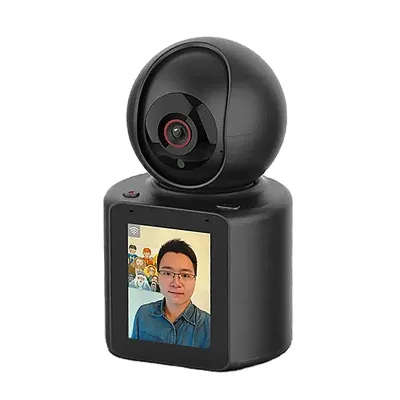
$32.9875 - $36.5377
MOQ: 10 pieces
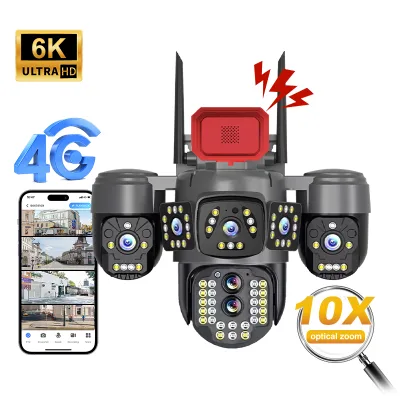
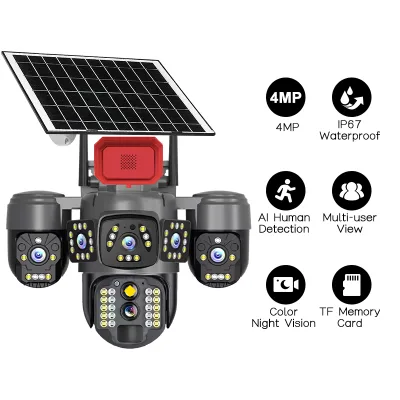
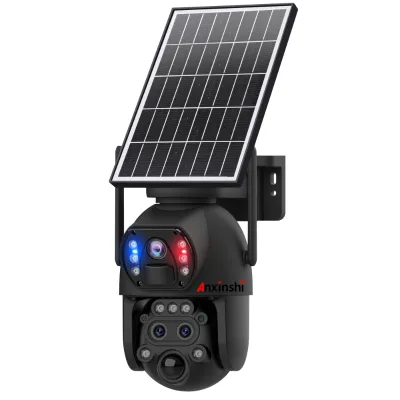
Shenzhen Anxinshi Technology Co., Ltd.
- Verified by Intertek
- Manufacturer, Trading Company
- Lead time5 days
- Avg. response≤ 2h
Main productsAccess Control System, CCTV Camera System, PTZ Camera, Solar Camera System, DVR and CCTV Accessories
Main marketsNorth America(30%), Africa(30%), South America(20%)
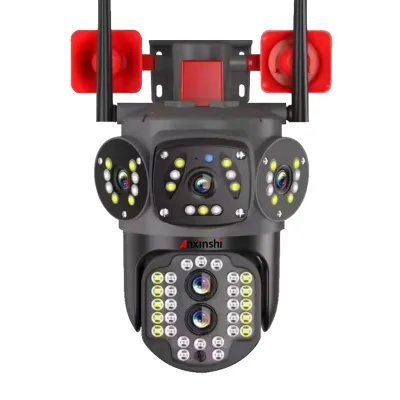
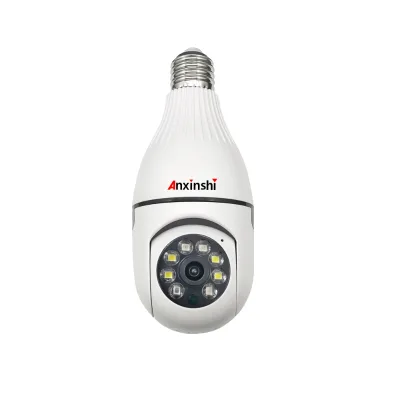
5MP E27 Bulb Tuya Smart Life Compatible Wireless Wifi Security PTZ Camera Tiktok Hot Selling
$5.1307 - $15.3905
MOQ: 1 pieces
Shenzhen Lefan Electronics Co., Ltd.
- Verified by SGS Group
- Manufacturer, Trading Company
- Lead time15 days
- Avg. response≤ 10h
Main productsNetwork Camera, Solid State Drives, Memory Card, RAMs
Main marketsNorth America(30%), Eastern Europe(30%), South America(15%)

Shanghai Future Vision Technology Co., Ltd.
- Verified by SGS
- Trading Company
- China Shanghai
- Lead time15 days
- Avg. response≤ 2h
Main productsCCTV Camera
Main marketsSouth America,Africa,Europe

HANGZHOU SOAR SECURITY TECHNOLOGY CO., LTD.
- Verified by BV
- Trading Company
- China Zhejiang
- Lead time45 days
- Avg. response≤ 4h
Main productsThermal Camera, Zoom Camera, Zoom Camera Module, Camera Block, Marine PTZ Camera, IR PTZ Camera, 4G PTZ Camera, Laser PTZ Camera, Vehicle Mounted PTZ, Face Recognition PTZ Camera
Main marketsSouth America,Eastern Europe,Mid East,North America,Southeast Asia,Eastern Asia,Oceania,Western Europe,Africa
Shenzhen Joney Security Technology Co., Ltd.
- Verified by Intertek
- Manufacturer, Trading Company
- Lead time7 days
- Avg. response≤ 3h
Main productsCCTV Camera, CCTV Lens, IP Camera, Hotel Door Lock, Fingerprint Door Lock
Main marketsDomestic Market(28%), North America(22%), South America(13%)

Jinan Hope Wish Photoelectronic Technology Co., Ltd.
- Verified by BV
- Trading Company,Manufacturer/Factory
- China Shandong
- Lead time30 days
- Avg. response≤ 6h
Main productsThermal Camera, Long Range Night Vision Camera, Laser Camera, IR Camera, Handheld Thermal Camera, Surveillance Camera, Monocular Night Vision Camera, Binocular Night Vision Camera, Visible Light Camera
Main marketsSouth America,Eastern Europe,Mid East,North America,Southeast Asia,Eastern Asia,Oceania,Western Europe,Africa

- Verified by TUVRHEINLAND
- Manufacturer/Factory
- China Shandong
- Lead time0 days
- Avg. response≤ 8h
Main productsHandheld Thermal Camera, Fixed Thermal Camera, Gas Detection Camera, Infrared Panoramic Camera, Thermal PTZ Camera, Thermal Fixed Camera, Thermal Speed Dome Camera, Thermal Explosion-Proof Camera, Uncooled Long-Wave Thermal Module, Cooled Thermal Module

Smart Fire Prevention PTZ Camera with 75mm Fixed-Focus, Surge Protection, and Real-Time Email Alerts
$10000.00 - $15000.00
MOQ: 1 Pieces

$9000.00 - $10000.00
MOQ: 1 Pieces

$10000.00 - $15000.00
MOQ: 1 Pieces


Shandong Sheenrun Optics & Electronics Co., Ltd.
- Verified by BV
- Combined
- China Shandong
- Lead time23 days
- Avg. response≤ 6h
Main productsCCTV Camera, Long Range Camera, Laser Night Vision Camera, Thermal Imaging Camera, Thermal Camera, Laser Camera, Night Vision Camera, Long Range Thermal Camera, PTZ, IR Camera
Main marketsSouth America,Southeast Asia/ Mideast,Domestic,Europe,North America

Shenzhen Besder Technology Co., Ltd.
- Manufacturer, Trading Company
- Guangdong, China
- Lead time5 days
- Avg. response≤ 16h
Main productsSecurity Cameras,Surveillance Recorder,Security & Protection Products
Main marketsWestern Europe(25.00%), Domestic Market(20.00%), North America(20.00%), Northern Europe(15.00%), Southeast Asia(10.00%), Eastern Europe(10.00%)
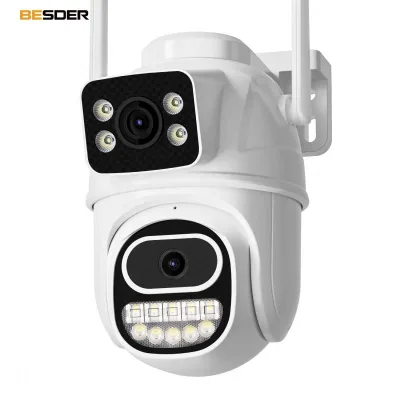
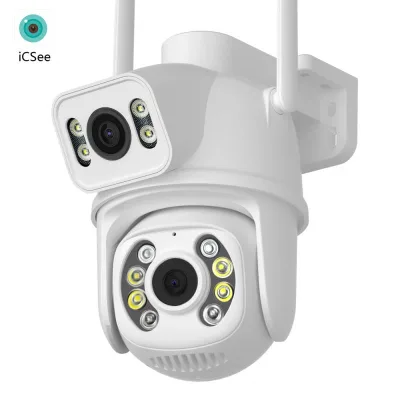
1080P Rtz Ip Camera Wi Fi Popular Waterproof Outdoor Technical Specification
$15.4728 - $18.9827
MOQ: 1 pieces
Dongguan Quanyun Electronic Technology Co., Ltd.
- Trading Company
- Guangdong, China
- Lead time0 days
- Avg. response≤ 4h
Main productsearphone,Bluetooth products,data cable,smart watch,Power bank
Main marketsSouth Asia(30.00%), Southeast Asia(20.00%), North America(20.00%), South America(20.00%), Mid East(15.00%), Southern Europe(10.00%), Eastern Europe(10.00%), Western Europe(10.00%), Africa(10.00%), Northern Europe(5.00%)
Shenzhen Huayan Vision Technology Co., Ltd.
- Manufacturer, Trading Company, Distributor/Wholesaler
- Guangdong, China
- Lead time0 days
- Avg. response≤ 19h
Main productswifi camera,solar camera,IP camera,Android projector,Video doorbell
Main marketsSoutheast Asia(40.00%), North America(30.00%), South America(10.00%), Eastern Europe(10.00%), Central America(5.00%), South Asia(3.00%), Africa(1.00%), Western Europe(1.00%)
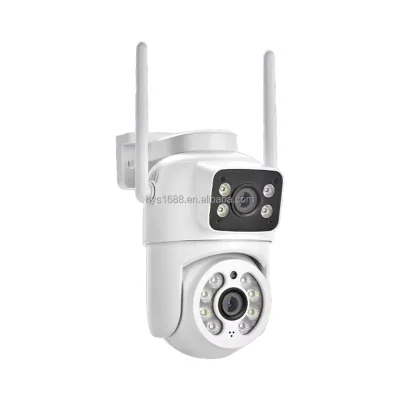
$11.2874 - $14.3658
MOQ: 30 pieces
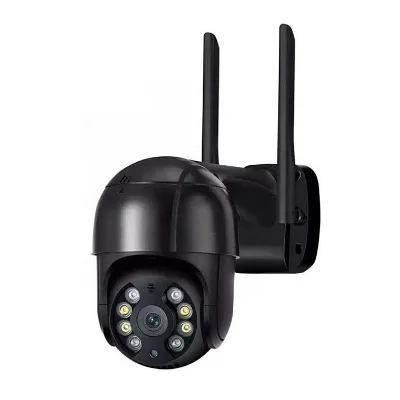
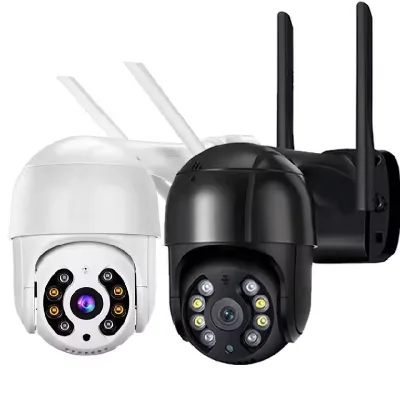

Shenzhen Anjia Information Technology Co., Ltd.
- Manufacturer, Trading Company
- Guangdong Province, China
- Lead time5 days
- Avg. response≤ 5h
Main productssurveillance camera,WIFI camera,Baby Monitor,CCTV camera,network camera
Main marketsNorth America(23.00%), South America(23.00%), Mid East(12.00%), Eastern Europe(10.00%), Southeast Asia(10.00%), Eastern Asia(4.00%), South Asia(3.00%), Africa(3.00%), Domestic Market(2.00%), Central America(2.00%), Southern Europe(2.00%), Western Europe(2.00%), Oceania(2.00%), Northern Europe(2.00%)

Shenzhen Chitongda Electronic Co., Ltd.
- Verified by BV
- Trading Company,Manufacturer/Factory
- China Guangdong
- Lead time23 days
- Avg. response≤ 14h
Main productsAlarm System, Burglar Alarm, Security System, GSM Alarm System, Wireless Home Security, Car GSM Alarm, Home / Commercial Alarm, CCTV System, Detector, Surveillance Equipment
Main marketsSouth America,Eastern Europe,Mid East,North America,Southeast Asia,Eastern Asia,Oceania,Western Europe,Africa

Zhangzhou Weiweite Trading Co., Ltd.
- Verified by SGS
- Trading Company
- China Fujian
- Lead time30 days
- Avg. response≤ 4h
Main productsCCTV Camera, Solar Camera, Camera Kit, Security Camera, Baby Camera, Outdoor Camera, Baby Monitor, Electric Camera, Camera, IP Camera
Main marketsDomestic
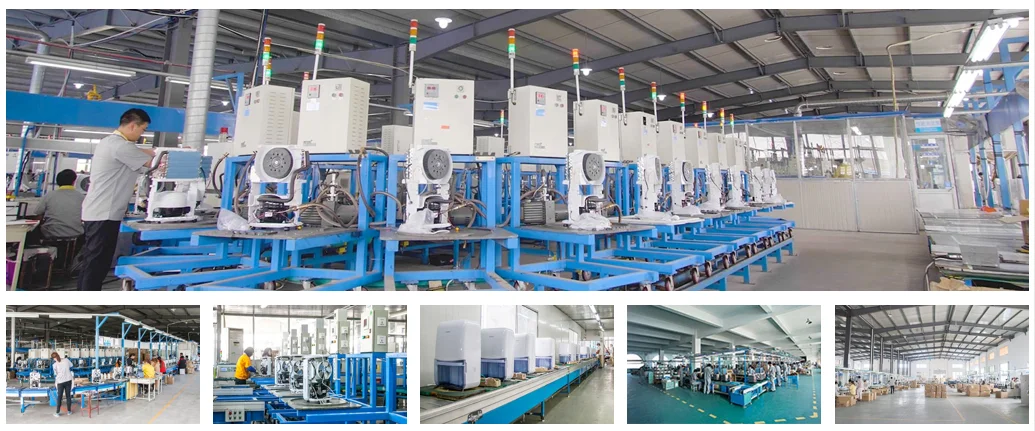
- Trading Company
- Beijing, China
- Lead time20 days
- Avg. response≤ 5h
Main productsHousehold Appliances
Main marketsNorth America(80.00%), Western Europe(5.00%), Southeast Asia(5.00%), Eastern Europe(5.00%), South America(5.00%)
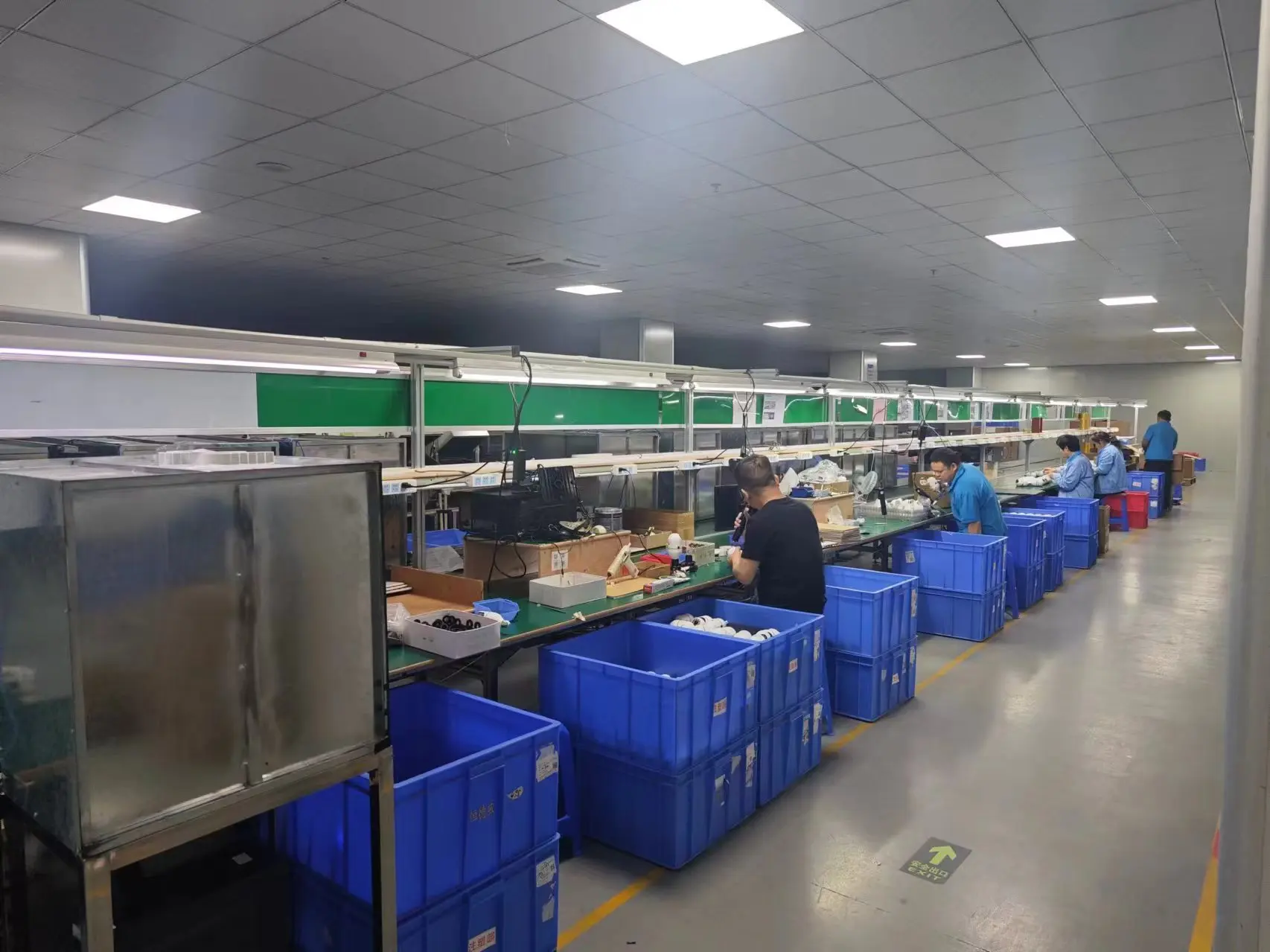
Jingtel (shenzhen) Technology Co., Ltd.
- Manufacturer
- Guangdong, China
- Lead time0 days
- Avg. response≤ 3h
Main productsSecurity camera,Camera detector,Mini sports camera,Anti-recording blocker,GPS locator
Main marketsSoutheast Asia(15.00%), Mid East(15.00%), North America(12.00%), Western Europe(8.00%), South America(8.00%), Northern Europe(5.00%), Central America(5.00%), Africa(5.00%), Eastern Europe(5.00%), Southern Europe(5.00%), Oceania(3.00%)

Zhangzhou Believe Trading Co., Ltd.
- Verified by SGS
- Trading Company
- China Fujian
- Lead time15 days
- Avg. response≤ 4h
Main productsSolar Camera, Solar Panel, Solar Fan, Solar Light, Fogging Machine, Tablet, Projector, Electronic Accessories, Smart Door Lock, Security & Protection
Main marketsSoutheast Asia/ Mideast

$28.00 - $36.00
MOQ: 100 Pieces

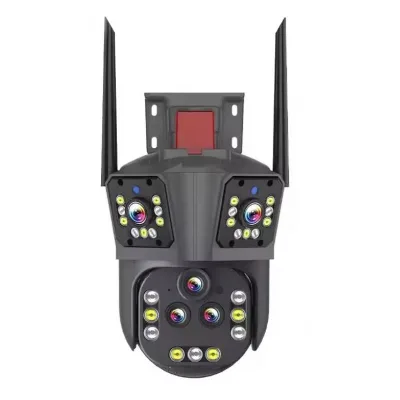
Three-Panel Security Camera Solar Camera CCTV Camera Solar WiFi Camera
$28.00 - $36.00
MOQ: 100 Pieces
Chengdu Feeling Good International Trading Co,.Ltd
- Trading Company
- Sichuan, China
- Lead time20 days
- Avg. response≤ 2h
Main productsip camera,network video recorder,Thermal & Laser Cameras,HD Analog Cameras,5-in-1 XVRs
Main marketsNorth America(51.00%), Africa(18.00%), Western Europe(10.00%), Southeast Asia(9.00%), Eastern Europe(8.00%), Domestic Market(4.00%)
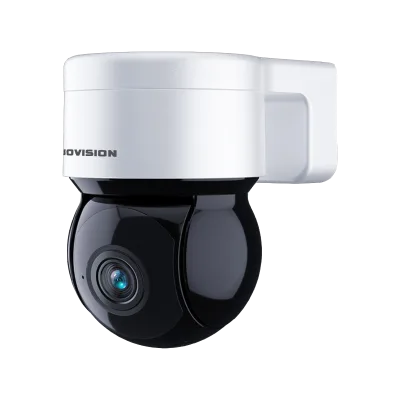
H320 Smart Outdoor Camera with Dual Stream and Cloud Storage Waterproof Network Camera
$38.6349 - $42.8248
MOQ: 2 packs
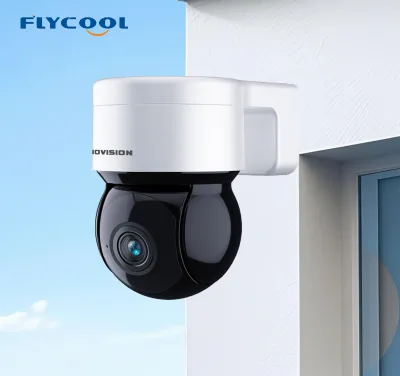
3MP Smart Defog Surveillance Camera -20°C~60°C CCTV Camera Wide Temperature Wall Pole Mount
$38.1541 - $42.293
MOQ: 2 packs

- Verified by SGS
- Manufacturer/Factory
- China Guangdong
- Lead time15 days
- Avg. response≤ 8h
Main productsSewer Camera, Drain Camera, Pipe Inspection Camera, 512Hz Sonde Transmitter, Self-Leveling Camera, Articulating Borescope, Cavity Wall Camera, Rigid Borescope Inspection Camera, Videoscope, Endoscopes
Main marketsSouth America,Eastern Europe,Mid East,North America,Southeast Asia,Eastern Asia,Oceania,Western Europe,Africa

720p HD Real-Time Inspection Camera For720p HD Real-Time Inspection Camera
$105.00 - $150.00
MOQ: 1 Pieces

Shenzhen Tris Vision Technology Co., Ltd.
- Verified by SGS Group
- Manufacturer, Trading Company
- Lead time15 days
- Avg. response≤ 4h
Main productsWiFi Cameras, NVR Kit, Security Camera, Baby Monitor, Smart Bird Feeder
Main marketsNorth America(50%), Domestic Market(12%), Southeast Asia(10%)
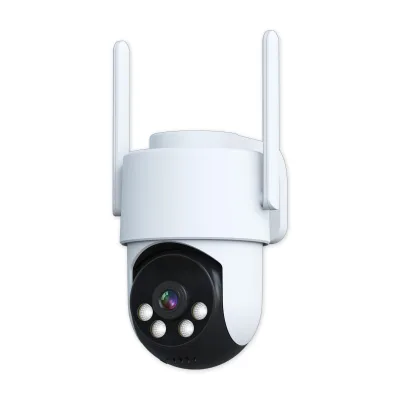
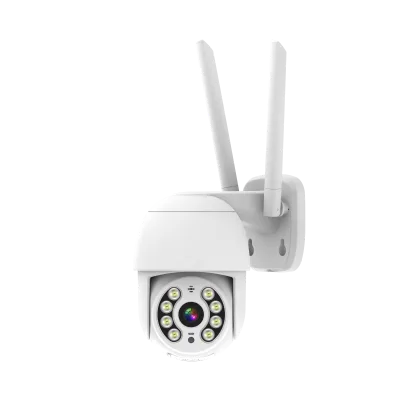
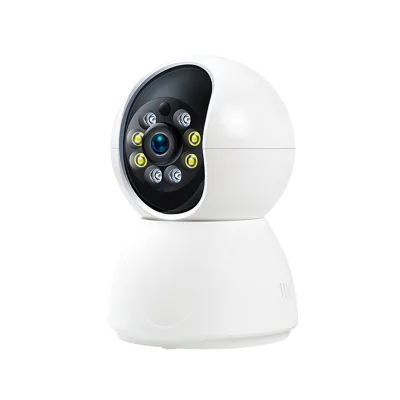
1080P Full HD 360° Wireless WiFi Camera with AI Motion Tracking Real-Time Video
$6.20 - $13.99
MOQ: 2 pieces
$22.5629 - $26.6674
MOQ: 80 pieces
Guangxi Black Fish Technology Co., Ltd.
- Trading Company
- Guangxi, China
- Lead time0 days
- Avg. response≤ 5h
Main productsSmart camera,Surveillance products,home camera,Office webcam
Main marketsWestern Europe(20.00%), Eastern Europe(20.00%), Southern Europe(20.00%), Northern Europe(20.00%), South America(10.00%), North America(10.00%)

Shenzhen FSAN Intelligent Technology Co., Ltd.
- Combined
- China Guangdong
- Lead time15 days
- Avg. response≤ 13h
Main productsThermal Camera, Ipc Camera, CCTV Camera, NVR, DVR, PTZ, Facial Capture Recognition Camera, Door Bell Camera
Main marketsEast Asia(Japan/ South Korea),Europe,North America











Comprehensive Sourcing Guide
PTZ Smart Camera Supplier Concentration and Factory Types
The current supplier landscape for PTZ smart cameras reveals a distinct concentration of manufacturing and trading entities within China, specifically in the Anhui region. This geographic clustering suggests a mature industrial ecosystem where supply chain efficiencies are optimized for electronics assembly and component sourcing. Buyers evaluating these suppliers will encounter a mix of company types, primarily categorized as Trading Companies and Manufacturer/Factory entities. This dual presence offers distinct advantages depending on the buyer’s specific operational needs, whether they prioritize direct factory engagement for cost control or the logistical flexibility provided by trading intermediaries. The presence of both types indicates a robust market structure where specialized roles allow for efficient scaling of production volumes.
Understanding the distinction between these company types is critical for strategic sourcing decisions. Manufacturer/Factory entities typically possess the infrastructure for Original Equipment Manufacturing (OEM) and Original Design Manufacturing (ODM), allowing for deep customization of hardware specifications and branding. These suppliers often highlight their own brand capabilities alongside white-label services, catering to buyers seeking unique product differentiation. Conversely, Trading Companies may offer a broader portfolio of existing stock and faster turnaround for standard models, leveraging their network to aggregate products from multiple factories. Buyers must assess whether their priority lies in bespoke development, which favors manufacturers, or in rapid deployment of proven designs, where trading companies may provide more agile support structures.
How to Verify PTZ Smart Camera Suppliers
Verification processes for PTZ Smart Camera suppliers rely heavily on third-party audit results and system certifications to establish credibility and operational compliance. Current data indicates that suppliers are verified by recognized inspection bodies such as SGS and Intertek, providing an external validation of their business legitimacy and production capabilities. These verification badges serve as a primary filter for buyers, signaling that the supplier has undergone rigorous scrutiny regarding their business operations and quality management systems. Buyers should prioritize suppliers displaying these verification marks, as they reduce the risk of engaging with fraudulent or non-compliant entities. The presence of SGS or Intertek verification is a strong indicator of a supplier’s commitment to transparency and adherence to international trade standards.
Beyond physical verification, system certifications provide insight into the supplier’s internal quality and environmental management practices. Suppliers in this category frequently hold certifications such as ISO 9001, ISO 14000, ISO 20000, BSCI, IFS, and GMP. These certifications demonstrate a structured approach to quality control, environmental responsibility, and social compliance, which are essential for maintaining consistent product quality and meeting regulatory requirements in various markets. Additionally, product-specific certifications like CE, FCC, CCC, RoHS, and EMI/EMC are crucial for ensuring that the PTZ cameras meet safety and electromagnetic compatibility standards in target regions. Buyers must cross-reference these certifications with their specific market entry requirements to ensure full compliance, as the absence of relevant product certifications can lead to customs delays or legal liabilities.
What to Compare Across PTZ Smart Camera Suppliers
When comparing suppliers, key performance indicators such as response time, lead time, and minimum order quantity (MOQ) provide a quantitative basis for evaluation. Current metrics show a response time of approximately 1.03 hours for some suppliers, indicating a high level of customer service responsiveness that is vital for resolving technical queries and negotiating terms efficiently. Lead times are reported at around 45 days, which buyers must factor into their inventory planning and market launch schedules. MOQs vary significantly, ranging from as low as 10 units for certain models to 100 units for others, allowing buyers to align order sizes with their initial market testing strategies or large-scale deployment needs. These metrics collectively influence the total cost of ownership and the agility of the supply chain.
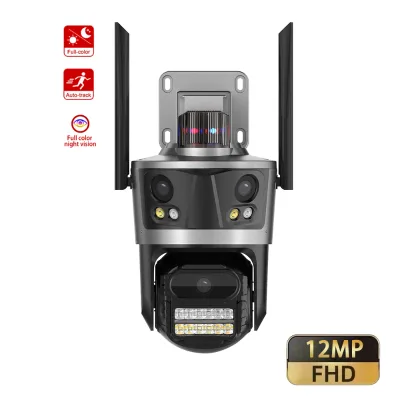
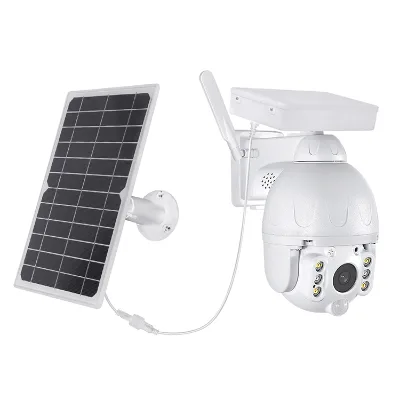
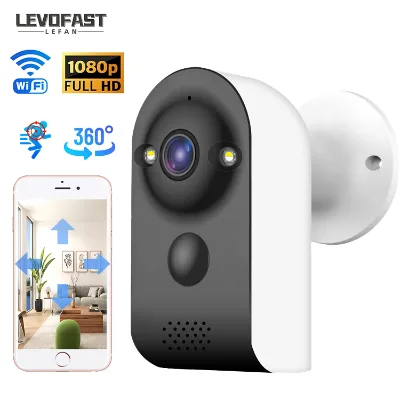
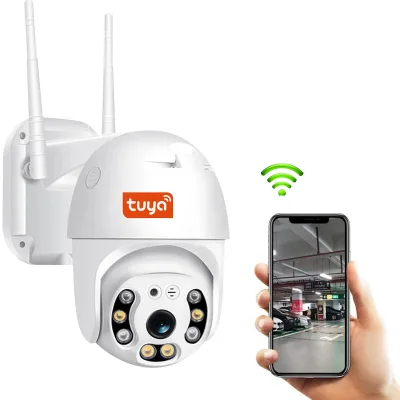
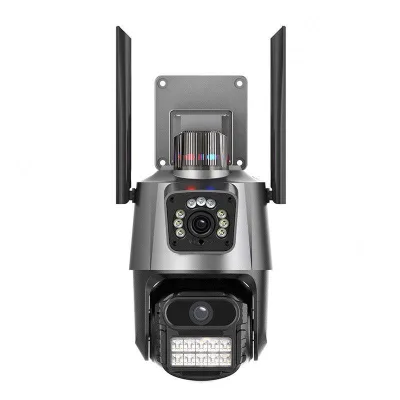
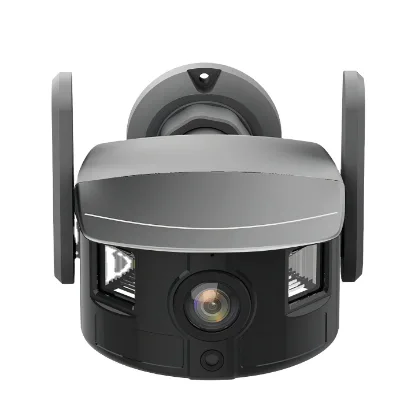
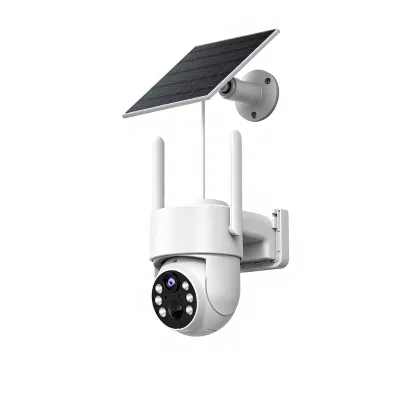
Product specifications and customization capabilities further differentiate suppliers in the PTZ Smart Camera market. Buyers should compare technical attributes such as sensor size, resolution, and connectivity options, which are detailed in product listings. For instance, some cameras feature 1/4 inch or 1/3 inch CMOS sensors with resolutions ranging from 2MP to 3MP, supporting various video formats and wireless standards. Customization options, including OEM/ODM acceptance and available features like waterproofing, night vision, and two-way audio, allow buyers to tailor products to specific use cases. Additionally, the availability of mobile applications for remote control and cloud storage integration is a critical differentiator. Buyers must evaluate these technical and functional aspects against their end-user requirements to ensure the selected supplier can deliver a product that meets performance expectations.
Common PTZ Smart Camera Sourcing Risks
One significant risk in sourcing PTZ smart cameras is the potential mismatch between advertised specifications and actual product performance, particularly regarding video quality and connectivity stability. Buyers must be cautious of discrepancies in horizontal resolution claims, such as 420tvl versus 520tvl, and effective night vision distances, which may vary in real-world conditions. The reliance on wireless technologies like Wi-Fi and 4G introduces vulnerabilities related to signal interference and range, which can impact the reliability of surveillance feeds. Additionally, the integration of cloud storage and mobile applications requires robust software support, and suppliers may not always provide long-term software updates or security patches, leaving devices vulnerable to cyber threats. Buyers should request detailed technical documentation and perform rigorous testing before committing to large orders.
Another risk involves the complexity of compliance and certification management across different international markets. While suppliers may list certifications like CE, FCC, and RoHS, buyers must verify that these certifications are valid and applicable to the specific models being purchased. The absence of region-specific certifications, such as CCC for China or specific FCC IDs for the US, can result in shipment seizures or market rejection. Furthermore, the variability in packaging standards and product dimensions, such as carton sizes and unit dimensions, can impact logistics costs and storage efficiency. Buyers should also be aware of the potential for supply chain disruptions due to the reliance on imported components, which can affect lead times and production consistency. Mitigating these risks requires thorough due diligence and clear contractual agreements regarding quality standards and compliance responsibilities.
PTZ Smart Camera Regional Sourcing and Logistics
Sourcing PTZ smart cameras from China, particularly from the Anhui region, offers logistical advantages due to the established infrastructure for electronics manufacturing and export. The concentration of suppliers in this area facilitates efficient procurement processes, as buyers can access a wide range of products and suppliers within a relatively small geographic radius. This clustering reduces the complexity of supplier management and allows for easier coordination of factory audits and sample evaluations. However, buyers must also consider the implications of shipping from this region, including transit times and customs procedures. The proximity to major ports and logistics hubs in China can streamline the export process, but buyers should plan for potential delays due to global shipping constraints or seasonal demand fluctuations.
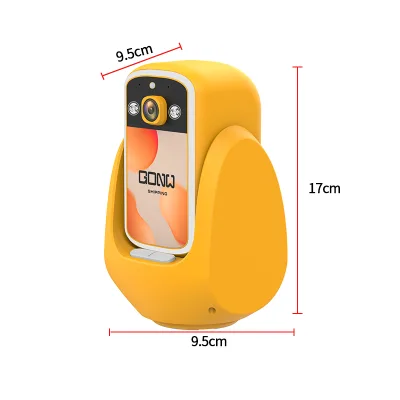
Logistics planning for PTZ smart cameras must account for the specific packaging and dimensional requirements of the products. Product listings indicate standard packaging in cartons with specific dimensions, such as 536085mm or 1159370mm, which directly impact container loading efficiency and freight costs. Buyers should calculate the volume and weight of their orders to optimize shipping methods, whether by sea, air, or express courier. Additionally, the nature of the products, which often include batteries or electronic components, may subject them to specific shipping regulations and safety requirements. Buyers must ensure that their logistics partners are experienced in handling electronics and can provide appropriate insurance and tracking services. Effective logistics management is essential to maintaining cost efficiency and ensuring timely delivery to end markets.
PTZ Smart Camera Commercial Terms and Order Planning
Commercial terms for PTZ smart cameras are influenced by factors such as price, MOQ, and payment conditions, which vary across suppliers. Current price ranges for these products span from approximately $12.45 to $21.90 per unit, depending on the model’s features and specifications. Buyers must analyze these prices in the context of the MOQ, which can range from 10 to 100 units, to determine the total investment required for initial orders. Lower MOQs may come with higher per-unit costs, while larger orders can leverage economies of scale to reduce prices. Buyers should negotiate terms that align with their cash flow constraints and inventory turnover rates, ensuring that the financial commitment is manageable and sustainable.
Order planning for PTZ smart cameras requires careful consideration of lead times and production capacity. With lead times reported at around 45 days, buyers must schedule their orders well in advance to avoid stockouts or missed market opportunities. The suppliers’ capacity for OEM and ODM services also impacts order planning, as custom designs may require additional time for prototyping and approval. Buyers should establish clear communication channels with suppliers to monitor production progress and address any issues promptly. Additionally, buyers should consider the scalability of the supplier’s operations to ensure they can meet increasing demand as the business grows. Effective order planning involves balancing cost, quality, and delivery speed to achieve optimal supply chain performance.
FAQs
What is the typical lead time for PTZ smart cameras?
The typical lead time for these orders is 45 days. This duration allows for production scheduling and quality checks. Buyers should confirm exact dates with suppliers before placing orders to ensure timely delivery for their specific project requirements.
What certifications do these security cameras hold?
Products commonly hold CE, FCC, CCC, RoHS, and ISO9001 certifications. Some models also include EMI/EMC compliance. These certifications ensure the devices meet international safety and electromagnetic compatibility standards for reliable operation in various global markets.
What is the minimum order quantity for these cameras?
Minimum order quantities vary by model, typically ranging from 10 to 100 units. Lower MOQs are available for specific mini cameras, while bulk orders may require higher volumes. Buyers should check the specific product page for exact MOQ details.
What is the price range for PTZ smart cameras?
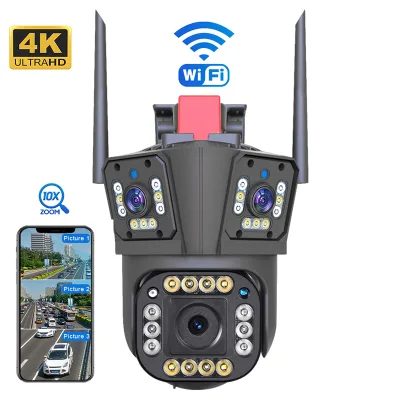
Prices generally range from $12.45 to $21.90 per unit. The cost depends on features like resolution, night vision, and wireless capabilities. Higher-end models with dual lenses or advanced PTZ functions command higher prices within this bracket.
What is the response time for supplier inquiries?
Supplier response times are approximately 1.03 to 4 hours. Fast responses indicate active customer support teams. Buyers can expect quick replies regarding product specifications, pricing, and shipping options during standard business hours for efficient communication.
Are OEM and ODM services available?
Yes, many suppliers offer both OEM and ODM services. This allows buyers to customize branding, packaging, and specific technical features. Manufacturers support private labeling to help businesses establish their unique identity in the security camera market.
What sensor types are used in these cameras?
Cameras typically use CMOS sensors with sizes like 1/3 inch or 1/4 inch. These sensors provide high-definition video quality suitable for surveillance. The choice of sensor affects image clarity, low-light performance, and overall camera effectiveness.