Poly Crystalline Solar Panel Suppliers and Manufacturers
Explore 28 verified sources for Poly Crystalline Solar Panel options from China. Compare locations, response times, certifications, and pricing to find suitable partners. Review product specifications and lead times before contacting suppliers directly; review the available evidence before requesting comparable quotations from suitable candidates.
Updated
Suppliers List

Dezhou Nayu Import and Export Trading Co., Ltd.
- Trading Company,Manufacturer/Factory
- China Shandong
- Lead time0 days
- Avg. response≤ 25h
Main productsSolar Panels, Solar System
Ningbo Honsun Electronic Technology Co., Ltd.
- Verified by SGS Group
- Manufacturer, Trading Company
- Lead time0 days
- Avg. response≤ 3h
Main productsMonocrystalline Solar Panel, Ultra Light weight Solar Panel, Flexible CIGS Solar Panel, Amorphous Solar Panel Kit, Semi-flexible Solar Panel
Main marketsNorth America(70%), Eastern Europe(10%), Oceania(10%)

Huaian yuanchan solar technology co., Ltd.
- Manufacturer, Trading Company
- Jiangsu, China
- Lead time10 days
- Avg. response≤ 7h
Main productsSolar Panel, Solar Energy System
Main marketsMid East(15.00%), Southeast Asia(15.00%), Domestic Market(10.00%), South America(9.00%), Western Europe(8.00%), Africa(8.00%), Eastern Europe(8.00%), Southern Europe(7.00%), Eastern Asia(5.00%), Central America(5.00%), Northern Europe(5.00%), Oceania(3.00%), South Asia(2.00%)
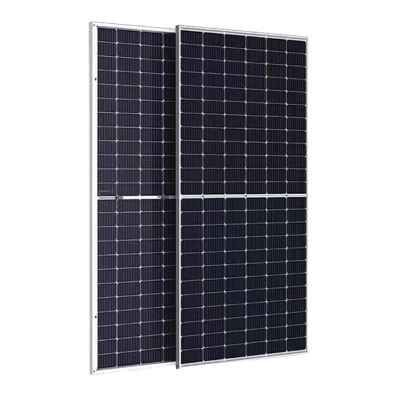
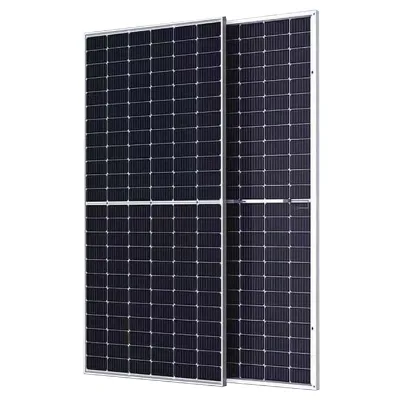
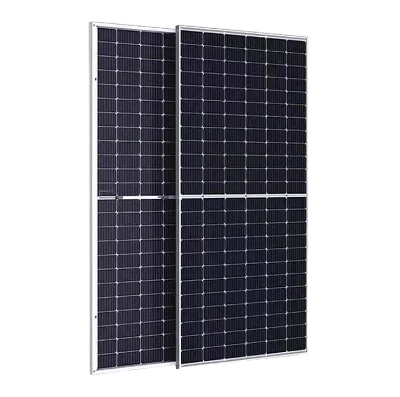
Polycrystalline Solar Panels Solar Companies in China DC Solar Heating Systems
$66.7838
MOQ: 36 Minimum
Shenzhen Topsky Energy Co., Ltd.
- Trading Company
- Lead time旺季: "1 - 100000":7,"> 100000":"To be negotiated", 淡季: "1 - 100000":7,"> 100000":"To be negotiated"
- Avg. response≤ 2h
Main productsSolar Panel,Solar System,Solar Inverter,Epoxy Resin / PET / Glass Mini Panel,Solar Storage Energy System

Shenzhen Juguangneng Science and Technology Co., Ltd.
- Verified by BV
- Combined
- China Guangdong
- Lead time23 days
- Avg. response≤ 3h
Main productsSolar Panel, Solar Module, Monocrystalline Solar Panel, Polycrystalline Solar Panel, Solar System, PV Solar Panel, PV Solar Module, PV Panel, Solar Street Light, Solar Charger
Main marketsAfrica,Southeast Asia/ Mideast,East Asia(Japan/ South Korea),Domestic,Europe,Australia,North America

- Verified by SGS
- Manufacturer/Factory
- China Beijing
- Lead time38 days
- Avg. response≤ 3h
Main productsSteel Products, Aluminum Products, Copper Products, Water Filter, Pepline Filter, Aluminum Coil, Steel Coil, Steel Bar
Main marketsSouth America,Eastern Europe,Mid East,North America,Southeast Asia,Eastern Asia,Oceania,Western Europe,Africa

Shenzhen ZLPOWER Electronics Co., Ltd.
- Verified by TUVRHEINLAND
- Combined
- China Guangdong
- Lead time15 days
- Avg. response≤ 13h
Main productsUPS, Inverter, Gel Battery, Solar Inverter, Online UPS, Inverter Charger, Pure Sine Wave Inverter, Solar Inverter Charger, Solar Controller, Sai
Main marketsEurope,North America
Beijing Cbyd New Energy Technology Co., Ltd.
- Trading Company
- Beijing, China
- Lead time10 days
- Avg. response≤ 3h
Main productsIntelligent robot,Smart Wearable,Smart Home,Fortinet,3D Printing Systems & Services
Main marketsAfrica(40.00%), Mid East(10.00%), Northern Europe(5.00%), Central America(5.00%), Western Europe(5.00%), Southern Europe(5.00%), South America(5.00%), Oceania(5.00%), North America(5.00%), Southeast Asia(5.00%), Eastern Europe(5.00%), South Asia(3.00%), Eastern Asia(2.00%)
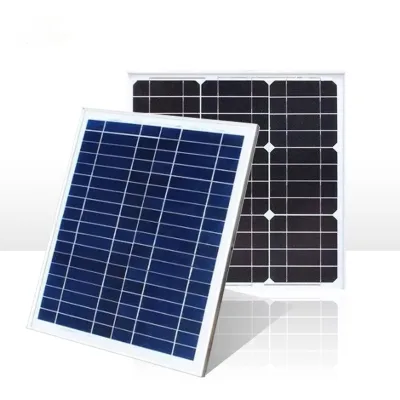
Poly Solar Panels 20w Small Photovoltaic Solar Panel 20w Foldable Solar Panel
$0.22 - $0.25
MOQ: 100 watts
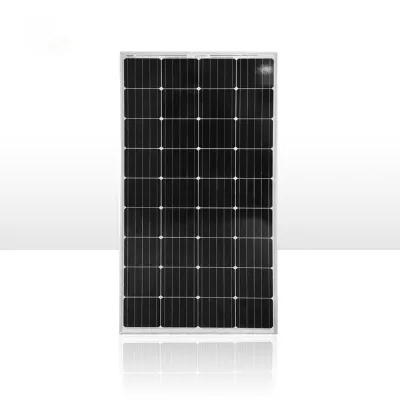
100w Solar Panel Solar Panel 36 60 Cell 12V 24V 100W 150W 160W 200W 270W 100W Solar Panel
$0.22 - $0.25
MOQ: 100 watts
Amso Solar Technology Co., Ltd.
- Verified by Intertek
- Manufacturer, Trading Company
- Lead time10 days
- Avg. response≤ 3h
Main productsSolar Panel, Solar Cell, Solar System
Main marketsMid East(17%), Northern Europe(16%), Southeast Asia(14%)
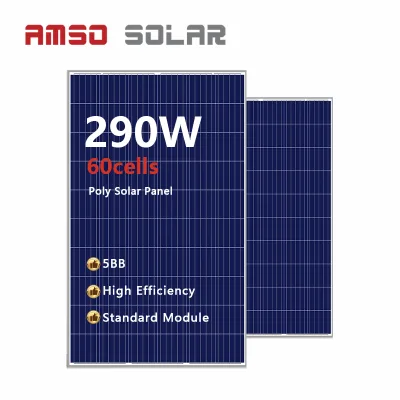
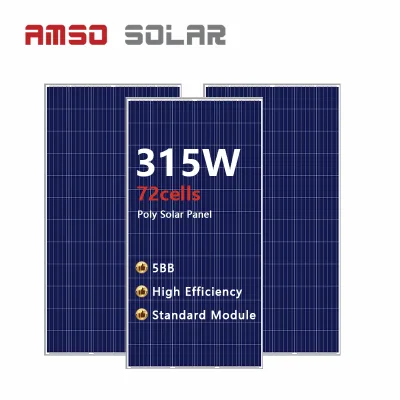
$0.18 - $0.21
MOQ: 310 watts
Goosun Energy Construction Group Co., Ltd.
- Verified by SGS Group
- Manufacturer, Trading Company
- Lead time30 days
- Avg. response≤ 4h
Main productsSolar Panel, Solar Inverter, Solar System
Main marketsDomestic Market(60%), Eastern Europe(5%), Mid East(5%)

Zhongyi Solar Technology Co., Ltd.
- Verified by BV
- Combined
- China Zhejiang
- Lead time30 days
- Avg. response≤ 3h
Main productsSolar Water Heater, Solar Water Pump, Solar Panel, PV Module, Solar Power System, Solar Generator, Solar Camping Light, Solar Lantern, Solar Vacuum Tube
Main marketsAfrica,Southeast Asia/ Mideast,Europe,North America


Monocrystalline and Polycrystalline PV Solar Power Energy Panel for Solar Generator
$46.38 - $48.38
MOQ: 6 Pieces

Jiangsu Gso New Energy Technology Co., Ltd.
- Verified by TüVRheinland
- Manufacturer, Trading Company
- Lead time15 days
- Avg. response≤ 1h
Main productsLithium Battery Pack, Energy Storage System, Solar Inverter, Solar System, Industrial & Commercial Energy Storage
Main marketsWestern Europe(33%), Southeast Asia(20%), Mid East(17%)
- Verified by TüVRheinland
- Trading Company
- Lead time30 days
- Avg. response≤ 8h
Main productsPortable Power Station, Home Energy Storage, Solar Panel, Jump Starter, Solar Generation
Main marketsEastern Europe(24%), Southeast Asia(20%), Africa(20%)

Hefei Pinergy Solar Technology Co., Ltd.
- Manufacturer/Factory
- China Anhui
- Lead time15 days
- Avg. response≤ 12h
Main productsSolar System, Solar Panel, Inverter, Battery, Solar Cell
Main marketsSouth America,Eastern Europe,Mid East,North America,Southeast Asia,Eastern Asia,Oceania,Western Europe,Africa
Jiangsu Suyan Lighting Technology Co., Ltd.
- Trading Company
- Jiangsu, China
- Lead time7 days
- Avg. response≤ 2h
Main productssolar panel,solar system,solar street light,solar insecticidal lamp,Battery
Main marketsDomestic Market(24.00%), North America(13.00%), South America(9.00%), Eastern Europe(8.00%), South Asia(7.00%), Southeast Asia(6.00%), Eastern Asia(6.00%), Western Europe(6.00%), Africa(5.00%), Mid East(4.00%), Oceania(4.00%), Northern Europe(3.00%), Central America(3.00%), Southern Europe(2.00%)
Wuxi Flyt New Energy Technology Co., Ltd.
- Verified by Intertek
- Manufacturer, Trading Company
- Lead time15 days
- Avg. response≤ 5h
Main productsWind Turbine, Wind Solar Hybrid System, Controller, Inverter, Wind Generator
Main marketsEastern Europe(15%), South Asia(15%), Mid East(15%)
- Trading Company
- Fujian, China
- Lead time7 days
- Avg. response≤ 8h
Main productsSolar Panel,Lithium Battery,Solar Inverter
Main marketsSouth America(30.00%), Mid East(30.00%), Western Europe(10.00%), North America(4.00%), Southern Europe(3.00%), Northern Europe(3.00%), Southeast Asia(3.00%), South Asia(3.00%), Eastern Europe(3.00%), Central America(3.00%), Eastern Asia(3.00%), Africa(3.00%), Oceania(2.00%)

Lebria(haining)new Energy Co., Ltd.
- Manufacturer, Trading Company
- Zhejiang, China
- Lead time15 days
- Avg. response≤ 4h
Main productssolar vacuum tube,solar water heater,high pressure vaccum tube,accessoires of solar water heater,aluminum fin
Main marketsNorth America(70.00%), South America(20.00%), Eastern Europe(10.00%)
Shenzhen Ahony Power Co., Ltd.
- Verified by SGS Group
- Manufacturer, Trading Company
- Lead time20 days
- Avg. response≤ 4h
Main productsSolar Panel, Flexible Solar Panel, Solar System, Foldable Solar Kit, Solar Module Raw Material and Components
Main marketsWestern Europe(35%), Domestic Market(16%), North America(15%)

Yangzhou Yihang Photoelectric Technology Co., Ltd.
- Verified by TUVRHEINLAND
- Trading Company
- China Jiangsu
- Lead time30 days
- Avg. response≤ 9h
Main productsLighting, Lamp, Germicidal Lamp, LED, LED Bulb, Commercial Light, Specialty Lighting, Solar Cell, Solar Panel, Solar Light
Main marketsSouth America,Africa,Others(foreignTradeCapacity.exportBusinessCapacityMarketOther),Southeast Asia/ Mideast,Domestic,Europe,Australia
Yangzhou Intelligence Solar Co., Ltd.
- Verified by SGS Group
- Manufacturer, Trading Company
- Lead time15 days
- Avg. response≤ 3h
Main productsEnergy Storage System, Solar Power System, Lithium Battery, Solar Panel, Gel Battery
Main marketsAfrica(36%), Southeast Asia(12%), South Asia(12%)
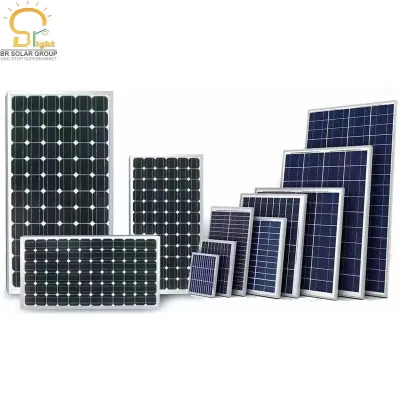
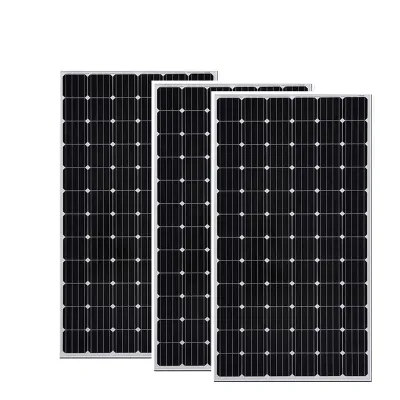
SOLAR Equipment Manufacturing Solar Panels 250w Solar Panel for HOME SYSTEM
$0.20 - $0.23
MOQ: 10000 watts
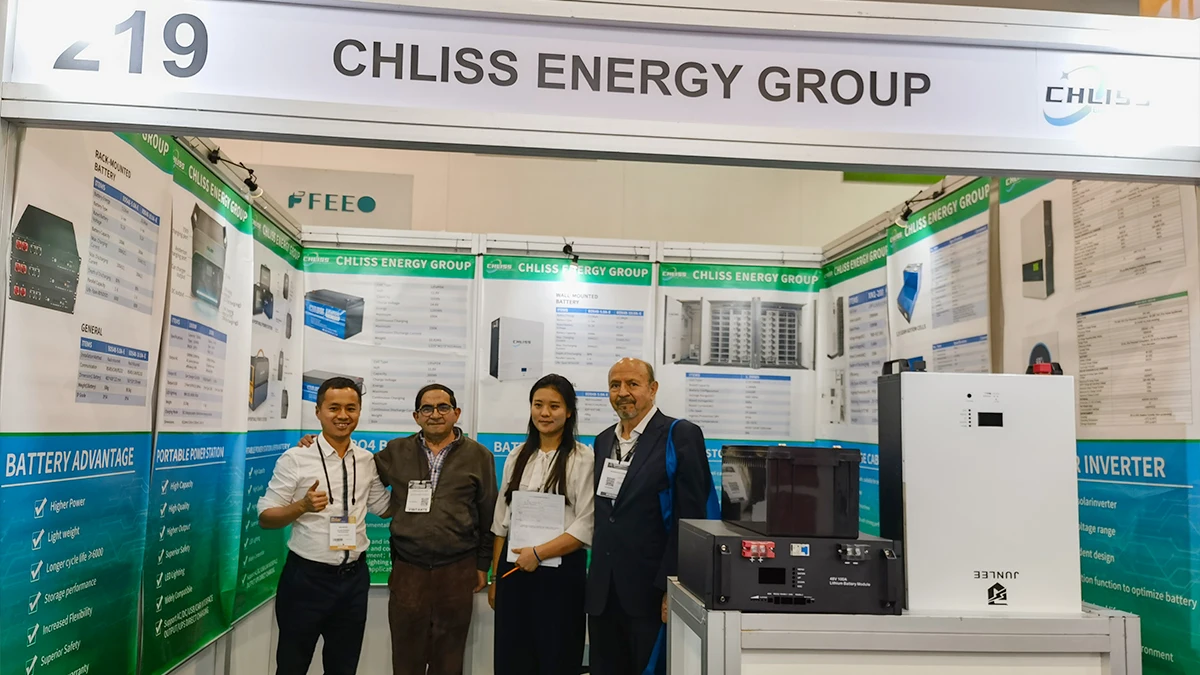
Guangzhou Chliss Energy Technology Co., Ltd.
- Manufacturer
- Guangdong, China
- Lead time30 days
- Avg. response≤ 1h
Main productsWall-Mounted Battery,Energy Storage Container,Solar Refrigerator,Solar Air Conditioner,Portable Air Conditioner
Main marketsAfrica(21.00%), Mid East(12.00%), North America(11.00%), Eastern Europe(11.00%), South America(8.00%), Southern Europe(7.00%), Western Europe(6.00%), Northern Europe(5.00%), Southeast Asia(5.00%), Eastern Asia(5.00%), Domestic Market(3.00%), South Asia(3.00%), Central America(2.00%), Oceania(1.00%)
- Verified by SGS Group
- Trading Company
- Lead time10 days
- Avg. response≤ 3h
Main productsSolar Panels, Solar System, Inverter, Battery, Solar Street Light
Main marketsWestern Europe(30%), North America(20%), Mid East(20%)
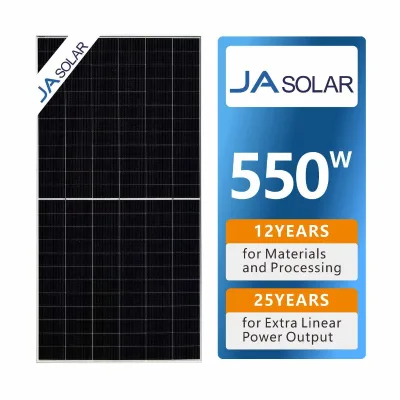
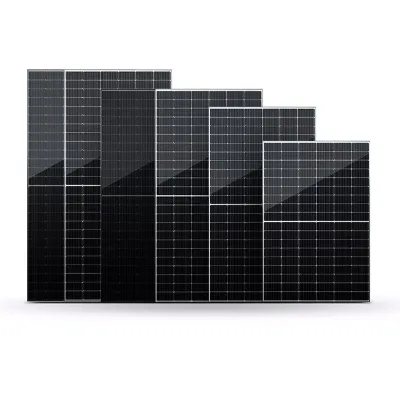
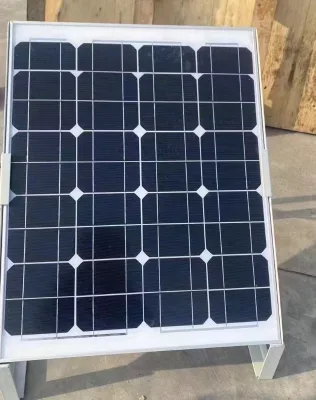
50W 18V Solar Panel,The Price Is Very Beautiful,and the Quality of the Board Is Also Very Good.
$9.80 - $11.00
MOQ: 31 pieces

Shenzhen Power-Solution Ind Co., Limited
- Combined
- China Guangdong
- Lead time23 days
- Avg. response≤ 17h
Main productsSolar Lantern with Mobile Charger, Solar Home Lighting System, Solar Table Reading Lamp, Solar Hanging Lamp, Solar LED Bulb, Solar Lantern with Radio, Solar Lantern with MP3 and Radio, Solar Lighting Kits, Solar System, Solar Camping Lantern
Main marketsSouth America,Africa,Southeast Asia/ Mideast,East Asia(Japan/ South Korea),Australia

Guangzhou MOORE Solar Energy Co., Ltd.
- Trading Company
- China Guangdong
- Lead time0 days
- Avg. response≤ 3h
Main productsPhotovoltaic Panel, Car Battery, Motor Battery, Solar Battery, Solar Fan, Solar Refrigerator, Solar Panel, Television
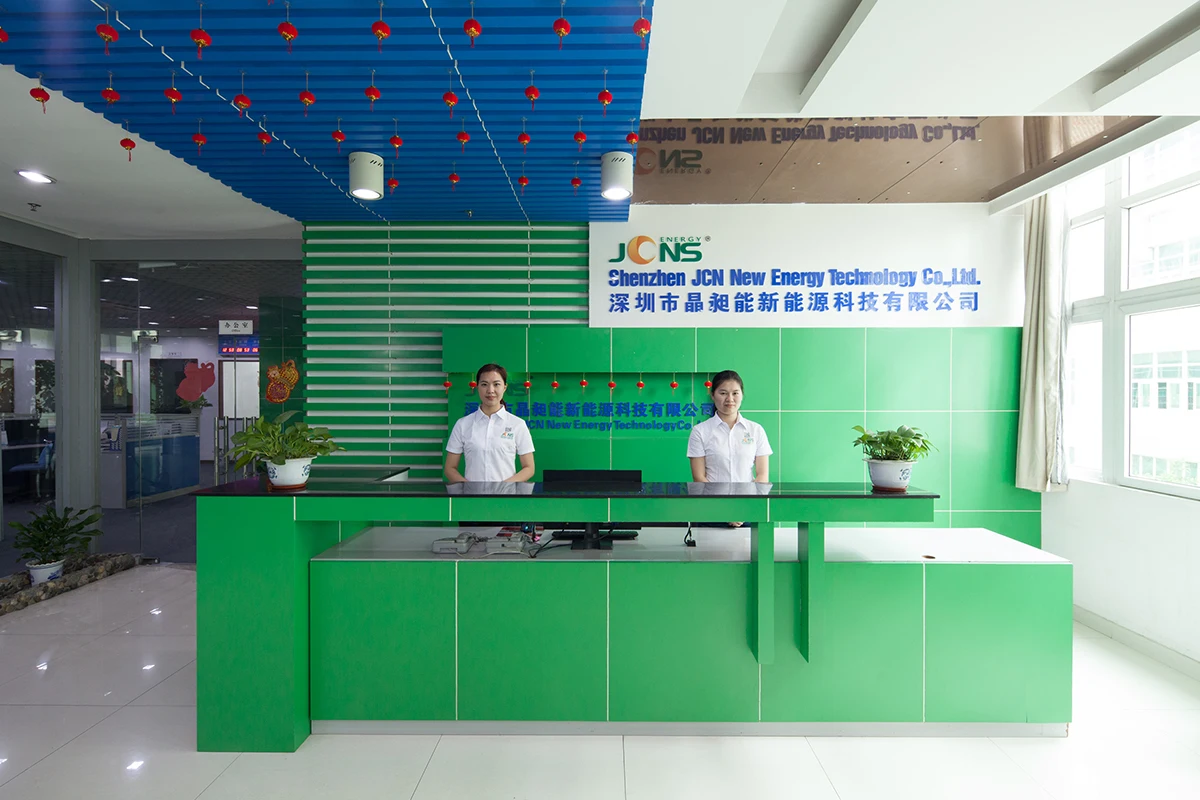
Shenzhen Jcn New Energy Technology Co., Ltd.
- Manufacturer, Trading Company
- Guangdong, China
- Lead time15 days
- Avg. response≤ 9h
Main productsSolar PV Module , Folding Solar Charger , Solar Energy Storage Lighting System , Distributed Power Plant , Solar Street Light
Main marketsDomestic Market(17.00%), Eastern Europe(9.00%), Northern Europe(8.00%), North America(7.00%), Western Europe(7.00%), South America(5.00%), Southeast Asia(5.00%), Mid East(4.00%)

Nanjing Conpo Power Tech. Co., Ltd.
- Verified by TUVRHEINLAND
- Trading Company
- China Jiangsu
- Lead time30 days
- Avg. response≤ 20h
Main productsVoltage Stabilizer/Voltage Regulator, UPS/Battery, Inverter, Solar Panel/Solar Controller, Solar Inverter/Solar Generator, Switching Power Supply, Frequency Inverter, Transformer
Main marketsSouth America

Zhejiang C&J Electrical Holding Co., Ltd.
- Verified by SGS
- Trading Company,Manufacturer/Factory
- China Zhejiang
- Lead time0 days
- Avg. response≤ 4h
Main productsCircuit Breaker, MCB, RCCB RCD, RCBO, MCCB, Solar Inverter, Pure Sine Wave Inverter, Portable Power Station












Comprehensive Sourcing Guide
Poly Crystalline Solar Panel Supplier Concentration and Factory Types
The landscape for sourcing poly crystalline solar panels features a mix of manufacturing factories and trading companies, primarily concentrated in specific industrial regions of China. Current data indicates that suppliers are located in provinces such as Shandong and Jiangsu, with additional manufacturing activity noted in Zhejiang. These geographic clusters are significant because they often correlate with established supply chains for raw materials like polycrystalline silicon and aluminum frames. Buyers should recognize that a supplier’s location can influence logistics costs and lead times, particularly when dealing with heavy, bulky items like solar panels. For instance, factories in Shandong may offer different logistical advantages compared to those in Jiangsu, depending on the buyer’s final destination port. Understanding these regional concentrations helps in narrowing down the search to suppliers who have the infrastructure to handle large-volume orders efficiently.
Company types vary significantly among these suppliers, ranging from pure manufacturers to trading companies that may also operate factory facilities. Many suppliers identify as both a Manufacturer/Factory and a Trading Company, which can offer flexibility in product customization and order volume. This dual nature allows some entities to provide OEM and ODM services, catering to buyers who need specific branding or technical modifications. The presence of OEM capabilities suggests that these suppliers have the production lines necessary to adapt standard poly crystalline panels to unique specifications. Buyers should verify whether a supplier’s primary revenue comes from manufacturing or trading, as this affects their control over quality assurance and production scheduling. A supplier that emphasizes its manufacturing capacity is likely to have more direct oversight over the production process, which can be crucial for maintaining consistent quality across large orders.
How to Verify Poly Crystalline Solar Panel Suppliers
Verification is a critical step in ensuring that the Poly Crystalline Solar Panel suppliers you engage with are legitimate and capable of delivering on their promises. One of the primary methods for verification is checking for third-party certifications and system certifications. For example, some suppliers hold ISO 9001 certification, which indicates a standardized quality management system, while others may have CE certification for their products. These certifications are not just badges; they represent adherence to specific international standards for quality and safety. Buyers should request copies of these certificates and verify their validity through the issuing bodies. Additionally, some suppliers may have undergone verification by groups like SGS, which provides an additional layer of trust regarding their business operations and product quality. This verification process helps mitigate the risk of dealing with fraudulent or substandard suppliers.
Beyond certifications, buyers should assess the supplier’s response time and communication efficiency. Data shows that response times can vary, with some suppliers responding within hours while others may take longer. A quick response time often indicates a well-organized sales team that is ready to address inquiries and provide necessary documentation promptly. Buyers should also look for evidence of the supplier’s product range and technical specifications. For instance, detailed product attributes such as cell size, efficiency ratings, and warranty periods provide insight into the supplier’s technical expertise. Suppliers that provide comprehensive product data, including junction box ratings and connector types, are likely more transparent and professional. By combining certification checks with an evaluation of communication and technical detail, buyers can build a more accurate picture of a supplier’s reliability and capability.
What to Compare Across Poly Crystalline Solar Panel Suppliers
When evaluating multiple suppliers for poly crystalline solar panels, it is essential to compare key operational metrics to determine the best fit for your project. One of the most critical factors is the minimum order quantity (MOQ). Some suppliers may require a high MOQ, such as 10,000 units, which can be a barrier for smaller buyers or those testing the market. In contrast, other suppliers might offer more flexible MOQs, allowing for smaller initial orders. Comparing MOQs helps buyers align their purchasing power with supplier requirements. Additionally, lead times are a crucial comparison point. While some suppliers may list a lead time of zero, indicating immediate availability, others might have a lead time of ten days or more. Understanding these lead times is vital for project planning, especially if the solar panels are needed for a specific installation deadline.
Price is another significant factor, but it should be analyzed in conjunction with other metrics. Price ranges for poly crystalline solar panels can vary widely, from as low as $0.07 per watt to higher prices for specialized or smaller units. However, a lower price does not always equate to better value, especially if it comes with higher MOQs or longer lead times. Buyers should also compare the warranty periods offered by different suppliers. Some suppliers provide a ten-year warranty, while others may offer only one year. A longer warranty can indicate higher confidence in product durability and quality. Furthermore, comparing the main products offered by each supplier can reveal their specialization. Some suppliers focus on high-efficiency panels, while others may offer a broader range including flexible or amorphous panels. By systematically comparing these attributes, buyers can make a more informed decision that balances cost, quality, and service.
Common Poly Crystalline Solar Panel Sourcing Risks
Sourcing poly crystalline solar panels from international suppliers involves several risks that buyers must actively manage to ensure a successful procurement process. One common risk is the discrepancy between advertised specifications and actual product quality. For example, a supplier might advertise panels with a certain efficiency rating or cell size, but the delivered goods may not meet these standards. This risk is heightened when dealing with suppliers who have vague product descriptions or lack detailed technical documentation. Buyers should mitigate this risk by requesting samples before placing large orders and conducting independent testing to verify performance metrics. Additionally, the risk of delayed shipments is significant, especially if the supplier has a long lead time or poor logistical coordination. Delays can disrupt project timelines and incur additional costs, so it is crucial to establish clear communication channels and regular updates with the supplier.
Another risk is the potential for hidden costs or unfavorable commercial terms. While the initial price per watt might seem competitive, additional costs such as shipping, insurance, and customs duties can significantly increase the total landed cost. Buyers should also be wary of suppliers who do not offer clear warranty terms or after-sales support. A supplier that offers a short warranty period or lacks a clear process for handling defects may not be reliable in the long term. Furthermore, the risk of intellectual property infringement exists, particularly if the supplier is producing panels with proprietary designs or technologies without proper authorization. Buyers should ensure that the supplier has the necessary rights to produce and sell the products they are offering. By identifying and addressing these risks early in the sourcing process, buyers can protect their interests and ensure a smoother procurement experience.
Poly Crystalline Solar Panel Regional Sourcing and Logistics
The regional location of Poly Crystalline Solar Panel suppliers plays a pivotal role in determining logistics costs and delivery efficiency. Suppliers located in provinces like Shandong and Jiangsu benefit from proximity to major ports and established industrial infrastructure, which can facilitate smoother export processes. For buyers, understanding the geographic distribution of suppliers helps in estimating shipping times and costs. For instance, sourcing from Shandong might offer different logistical advantages compared to sourcing from Zhejiang, depending on the buyer’s location and preferred shipping routes. Buyers should consider the supplier’s place of origin when calculating the total cost of ownership, as transportation costs can vary significantly based on distance and mode of transport. Additionally, regional suppliers may have better access to raw materials, which can contribute to more stable production schedules and consistent product quality.
Logistics planning should also account for the packaging and handling requirements of solar panels, which are fragile and bulky. Suppliers often use carton boxes with wooden pallets to ensure safe transportation, but buyers should verify that the packaging meets international shipping standards to prevent damage during transit. The weight and dimensions of the panels, such as a single gross weight of 30 kg for certain models, impact shipping costs and handling requirements. Buyers should work with suppliers to optimize packaging and loading to maximize container space and reduce freight costs. Furthermore, understanding the supplier’s export experience is crucial, as experienced suppliers are more likely to handle customs documentation and compliance issues efficiently. By carefully considering regional logistics and packaging, buyers can minimize risks and ensure that their poly crystalline solar panels arrive in good condition and on time.
Poly Crystalline Solar Panel Commercial Terms and Order Planning
Effective order planning for poly crystalline solar panels requires a thorough understanding of commercial terms and supplier capabilities. Buyers should start by clarifying the payment terms, such as whether the supplier requires a deposit or offers escrow services to protect the transaction. Escrow services can provide an additional layer of security, ensuring that funds are only released when the goods are received and verified. Additionally, buyers should negotiate clear terms regarding quality inspections and acceptance criteria. Some suppliers may offer pre-shipment inspections, which can help identify any defects before the goods leave the factory. Understanding these commercial terms helps buyers manage their cash flow and reduce financial risk. It is also important to discuss the warranty claim process, including how defects are handled and whether replacement parts or panels are provided.
Order planning should also consider the supplier’s production capacity and customization options. Suppliers that offer OEM and ODM services can tailor products to specific project requirements, but this may involve longer lead times or higher costs. Buyers should communicate their customization needs early in the process to ensure that the supplier can accommodate them. Furthermore, buyers should plan for potential fluctuations in demand by establishing a relationship with a supplier who has the capacity to scale production if needed. Regular communication and clear documentation of order specifications are essential to avoid misunderstandings and ensure that the delivered products meet the buyer’s expectations. By carefully planning commercial terms and order logistics, buyers can build a reliable supply chain for their Poly Crystalline Solar Panel needs.
FAQs
What is the price range for poly crystalline solar panels?
Prices for poly crystalline solar panels typically range from $0.07 to $0.12 per watt for bulk orders. Smaller units, such as 25W panels, may cost around $9.00 to $9.25. Pricing varies based on wattage, certification, and order volume, so buyers should request specific quotes for their required capacity.
What certifications are available for these solar panels?
Manufacturers commonly provide CE and ISO 9001 certifications for their poly crystalline solar panels. Some suppliers also hold SGS verification. These certifications ensure compliance with international quality and safety standards. Buyers should verify specific certificate validity with the supplier before placing large orders to ensure regulatory compliance.
What is the minimum order quantity for solar panels?
The minimum order quantity is often set at 10,000 units for standard poly crystalline panels. However, smaller quantities may be available for specific low-wattage models or sample processing. Buyers should confirm the exact MOQ with the supplier, as it depends on the panel type, customization needs, and current production capacity.
Where are these solar panels manufactured?
Poly crystalline solar panels are primarily manufactured in China, with key production hubs in Shandong and Zhejiang provinces. Some suppliers also operate in Jiangsu. These regions are known for their robust renewable energy supply chains. Buyers can filter suppliers by these specific locations to ensure proximity to manufacturing centers.
What is the typical response time for suppliers?
Supplier response times vary, with some responding within 3 hours and others taking up to 25 hours. Faster response times often indicate higher availability and dedicated sales teams. Buyers should prioritize suppliers with quicker response rates to ensure timely communication regarding quotes, samples, and order status updates.
What warranty periods are offered for solar panels?
Warranty periods for poly crystalline solar panels typically range from 1 year to 10 years. Higher-grade panels often come with longer warranties, reflecting better durability and performance guarantees. Buyers should carefully review the warranty terms, including coverage for power output degradation and material defects, before finalizing their purchase.
Can suppliers provide OEM or customization services?
Many manufacturers offer OEM and ODM services for poly crystalline solar panels. Customization options include specific wattage, dimensions, and branding. Suppliers in Shandong and Zhejiang often support customized orders. Buyers should discuss their specific requirements with the supplier to ensure the customization aligns with their project needs and budget.