Car Making Sewing Machine Suppliers and Manufacturers
Source 26 Car Making Sewing Machine suppliers from China. Compare specifications like sewing speed, voltage, and core components such as PLC or gear. Verify CE certification and response times to find the right partner; review the available evidence before requesting comparable quotations from suitable candidates.
Updated
Suppliers List
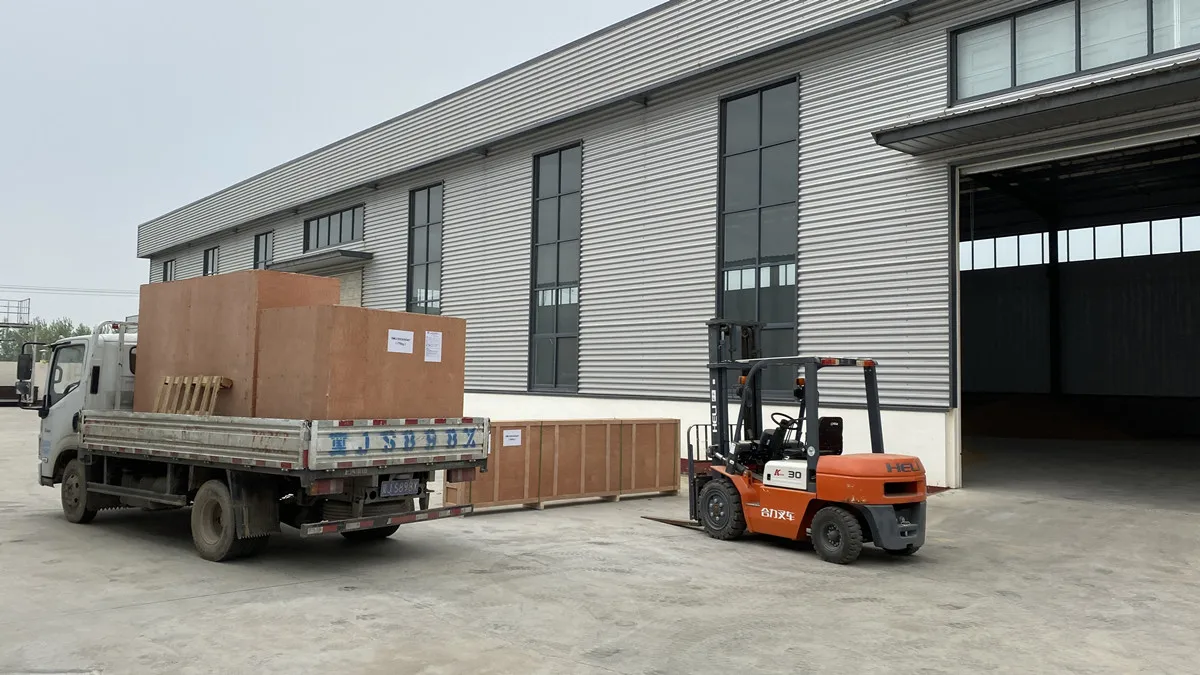
Cangzhou Pukka Machinery Co., Ltd.
- Trading Company
- Hebei, China
- Lead time7 days
- Avg. response≤ 4h
Main productsFood Machinery,Chocolate Machine,Testing Machine,Package Machine,Garlic Machine
Main marketsMid East(17.00%), North America(16.00%), Africa(13.00%), Domestic Market(10.00%), South Asia(8.00%), South America(8.00%), Southeast Asia(6.00%), Southern Europe(5.00%), Oceania(3.00%), Eastern Europe(3.00%), Northern Europe(3.00%), Central America(3.00%), Western Europe(3.00%), Eastern Asia(2.00%)
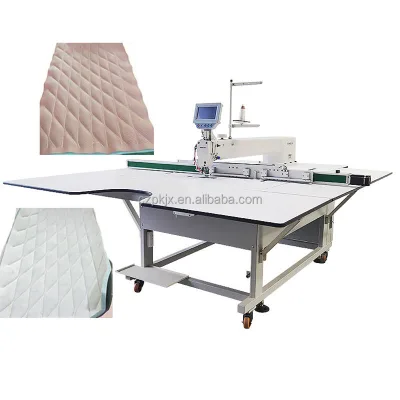
Industrial Sewing Machine for Car Seats Making Bags Making Furniture Sewing
$5880.00 - $7580.00
MOQ: 1 Minimum
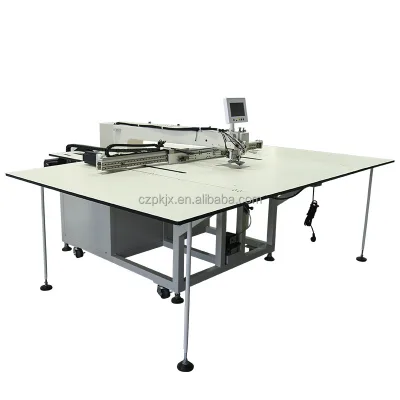
Automatic CNC Template Car Seats Pattern Sewing Machine for Leather
$5600.00 - $5980.00
MOQ: 1 Minimum
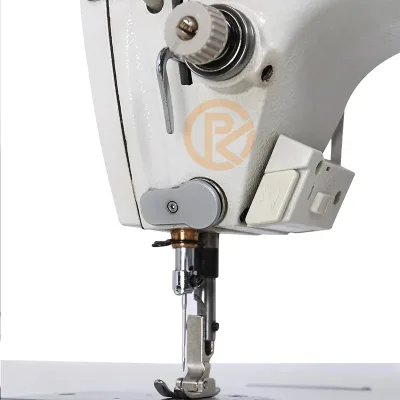
High Speed Flat Sewing Machine Common Flat Car Industrial Sewing Machine
$408.00 - $428.00
MOQ: 1 sets
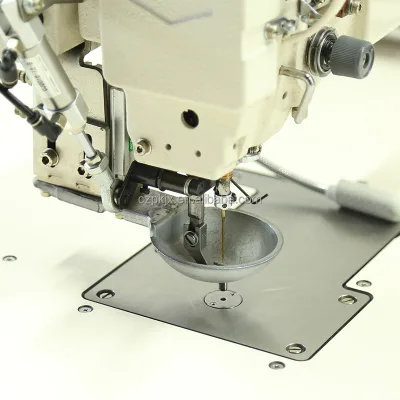
$5320.00 - $5660.00
MOQ: 1 sets
Henan Share M&E Equipment Co.,Ltd
- Verified by SGS Group
- Trading Company
- Lead time7 days
- Avg. response≤ 3h
Main productsTextile Machinery, Printing Machinery, Construction Machinery, Wood Machinery
Main marketsNorth America(20%), South America(20%), Eastern Europe(10%)

Changzhou Shuangchao Ultrasonic Technology Co., Ltd.
- Manufacturer
- Jiangsu, China
- Lead time3 days
- Avg. response≤ 6h
Main productsultrasonic quilting machine,fabric cutting machine,ultrasonic lace machine,ultrasonic embossing machine,non-woven bag making machine
Main marketsMid East(20.00%), Africa(19.00%), Domestic Market(10.00%), South Asia(10.00%), Southern Europe(10.00%), Northern Europe(10.00%), North America(10.00%), South America(10.00%)
Zhengzhou Share Machinery Co., Ltd.
- Trading Company
- Henan, China
- Lead time7 days
- Avg. response≤ 3h
Main productsConstruction Machinery/Industrial Machinery/Printing Machinery
Main marketsSouth America(20.00%), North America(20.00%), Africa(10.00%), Southeast Asia(10.00%), Eastern Europe(10.00%), Oceania(7.00%), South Asia(5.00%), Southern Europe(5.00%), Central America(5.00%), Western Europe(2.00%), Eastern Asia(2.00%), Northern Europe(2.00%), Mid East(2.00%)
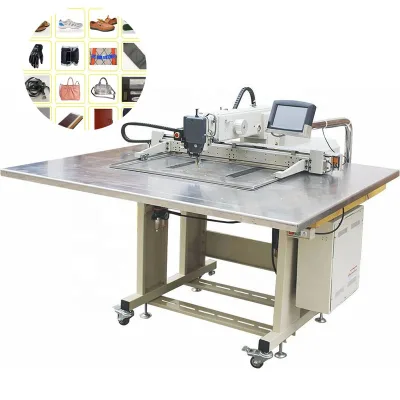
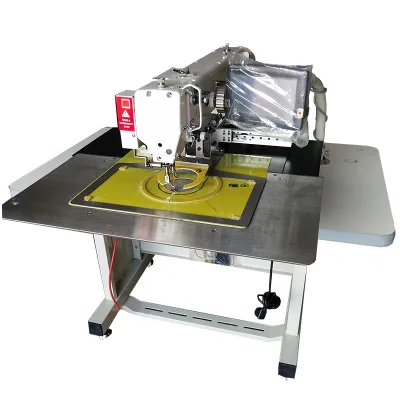
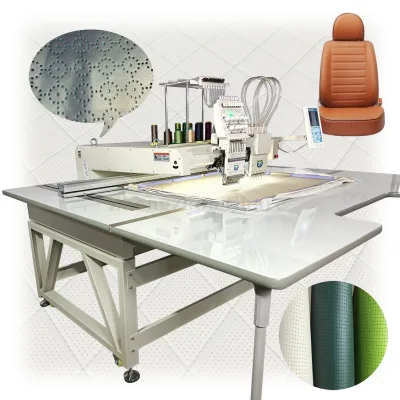
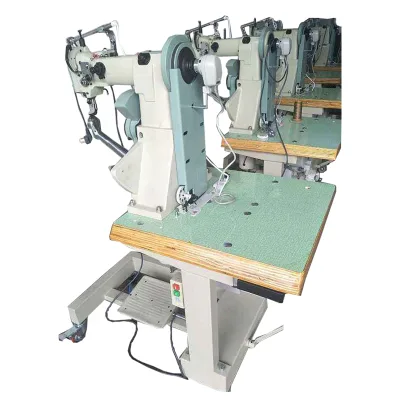
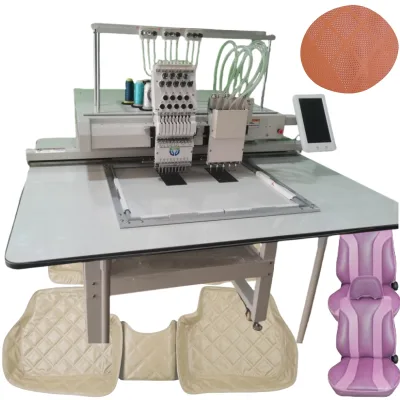
Automation Sewing Machine for Leather Car Seats Leather Pattern Sewing Machine for Shoes
$1325.5862 - $1528.6592
MOQ: 1 sets

Liaoning Rongjun Machinery Import and Export Co, . Ltd
- Trading Company
- China Liaoning
- Lead time0 days
- Avg. response≤ 11h
Main productsFurnace, Mechanical Production Line, General Contracting Project, Production Line, Induction Furnace, Continuous Casting and Rolling, Machinery

TAIZHOU FOXSEW SEWING MACHINE CO., LTD.
- Trading Company,Manufacturer/Factory
- China Zhejiang
- Lead time23 days
- Avg. response≤ 11h
Main productsSpecial Sewing Machine, Heavy Duty Sewing Machine, Programmable Pattern Sewing Machine, Mattress Sewing Machine, Shoes Sewing Machine, Zigzag Sewing Machine, Carpet Sewing Machine, Industrial Sewing Machine, Cutting Machine, Tape Cutting Machine
Main marketsSouth America,Eastern Europe,Mid East,North America,Southeast Asia,Eastern Asia,Oceania,Western Europe,Africa

Wenzhou Yilian Industrial Co., Ltd.
- Trading Company
- China Zhejiang
- Lead time30 days
- Avg. response≤ 9h
Main productsShoes Machine, PU Shoe Machine, PU Injection Molding Machine, Polyurethane Machine, PU Pouring, PU Pouring Machine, PU Injection Machine, Pcu Injection Machine, PU Foaming Machine, Moulds for Footwear
Main marketsSoutheast Asia/ Mideast,North America
Yancheng Gsb Industrial Co., Ltd.
- Manufacturer, Trading Company
- Jiangsu, China
- Lead time0 days
- Avg. response≤ 7h
Main productshydraulic cutting machine,shoe machinery,sewing machine,electronic machine
Main marketsSouth Asia(10.00%), Eastern Asia(10.00%), Mid East(10.00%), Africa(10.00%), Southeast Asia(10.00%), Northern Europe(10.00%), South America(10.00%), North America(10.00%), Western Europe(5.00%), Southern Europe(5.00%), Eastern Europe(5.00%), Central America(5.00%)

Rambo Sewing Equipment Manufacturing Co., Ltd
- Manufacturer/Factory
- China Jiangsu
- Lead time0 days
- Avg. response≤ 11h
Main productsIndustrial Sewing Machines, Polo Shirt Sewing Machines, T Shirt Sewing Machines, Jeans Sewing Machines, Automatic Sewing Machines
Main marketsSouth America,Eastern Europe,Mid East,North America,Southeast Asia,Eastern Asia,Oceania,Western Europe,Africa

Shanghai SHM International Trading Co., Ltd.
- Trading Company
- China Shanghai
- Lead time45 days
- Avg. response≤ 14h
Main productsTray Former, UV Coating Machine, Screen Printing Machine, Round Box Making Machine, Gluing Machine, Vanishing Machine, Roll to Roll Screen Printing Machine, Paper Bag Making Machine, Book Making Machine, Carton Erecting Machine
Main marketsSouth America,Africa,Southeast Asia/ Mideast,East Asia(Japan/ South Korea),Europe,Australia,North America

Tianjin Meifurui Technology Co., Ltd.
- Verified by TUVRHEINLAND
- Combined
- China Tianjin
- Lead time30 days
- Avg. response≤ 3h
Main productsPerforation Machine
Main marketsSoutheast Asia/ Mideast,Domestic,Europe,North America
Henan Gyang Machinery Co., Ltd.
- Trading Company
- Henan, China
- Lead time7 days
- Avg. response≤ 2h
Main productsCommercial Machinery,Food Machinery,Apparel Machinery,Environmental Protection Machinery,Industrial Machinery
Main marketsWestern Europe(20.00%), Central America(10.00%), North America(10.00%), Eastern Asia(10.00%), Northern Europe(10.00%), Africa(10.00%), Southeast Asia(10.00%), South America(10.00%), Oceania(5.00%), Domestic Market(3.00%), Southern Europe(2.00%)
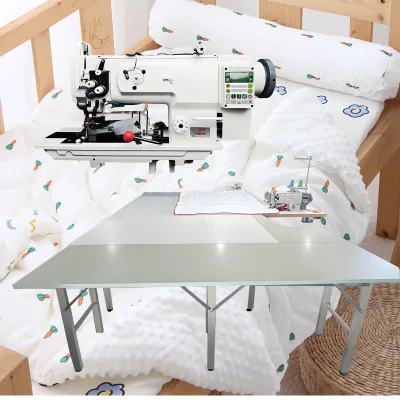
$1229.5863 - $1638.4252
MOQ: 1 sets
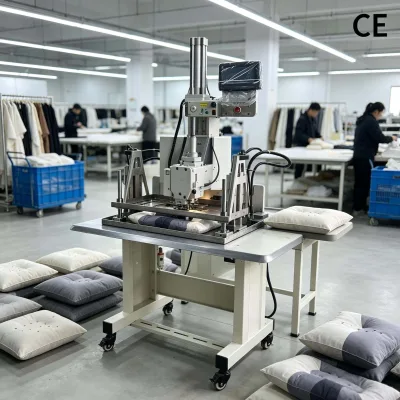
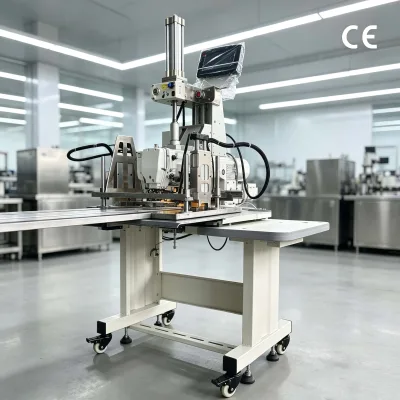
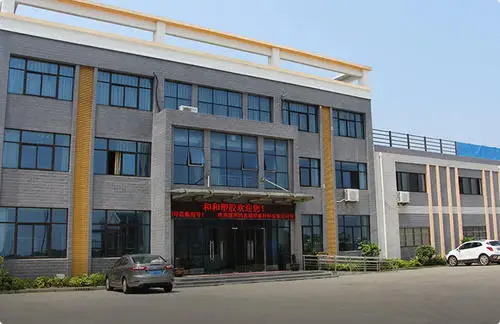
Dongguan Qianjin Industry And Trade Co., Ltd.
- Manufacturer, Trading Company
- Guangdong, China
- Lead time7 days
- Avg. response≤ 5h
Main productsleather machine,footwear machine,shoe making machine,leather belt making machine,car seat making machine
Main marketsDomestic Market(10.00%), Southern Europe(10.00%), Northern Europe(10.00%), Western Europe(10.00%), Eastern Europe(10.00%), South America(10.00%), North America(10.00%), Eastern Asia(5.00%), South Asia(5.00%), Mid East(5.00%), Africa(5.00%), Central America(5.00%), Southeast Asia(5.00%)

Zhejiang Deheng Machinery Co., Ltd.
- Trading Company,Manufacturer/Factory
- China Zhejiang
- Lead time23 days
- Avg. response≤ 2h
Main productsMask Making Machine /Production Line, Surgical Cap Making Machine, Shoe Cover Machine, Sleeve Cover Making Machine, Disposable Shorts Making Machine, Bed Sheet Making Machine, Glove Making Machine, Bouffant Cap Making Machine, SPA Liner Cover Making Machine, Surgical Gown Making Machine
Main marketsSouth America,Eastern Europe,Mid East,North America,Southeast Asia,Eastern Asia,Oceania,Western Europe,Africa

Wenzhou Zhuding Machine Co., Ltd.
- Verified by TUVRHEINLAND
- Combined
- China Zhejiang
- Lead time30 days
- Avg. response≤ 16h
Main productsMask Making Machine, Face Mask Making Machine, Face Mask Machine, Disposable Mask Making Machine, Disposable Face Mask Making Machine, Particulate Respirator Making Machine, Surgical Mask Making Machine, Dust Mask Making Machine, Non Woven Face Mask Machine, Blank Mask Making Machine
Main marketsSouth America,Domestic,North America
Henan Xingxiang Intelligence Technology Co., Ltd.
- Trading Company
- Henan, China
- Lead time7 days
- Avg. response≤ 2h
Main productsCar Floor Mats, Car Covers
Main marketsSoutheast Asia(16.00%), South Asia(10.00%), North America(10.00%), Southern Europe(10.00%), Eastern Asia(10.00%), Africa(10.00%), Mid East(10.00%), Northern Europe(8.00%), South America(5.00%), Western Europe(5.00%), Eastern Europe(4.00%), Oceania(2.00%)
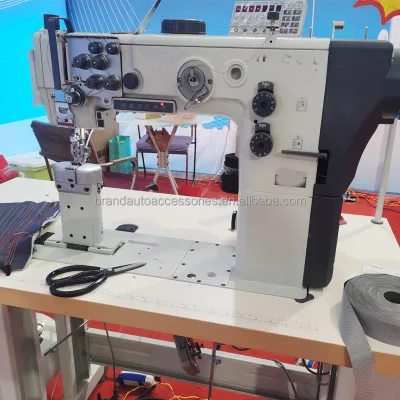
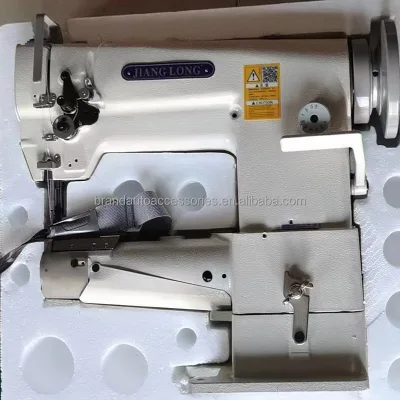
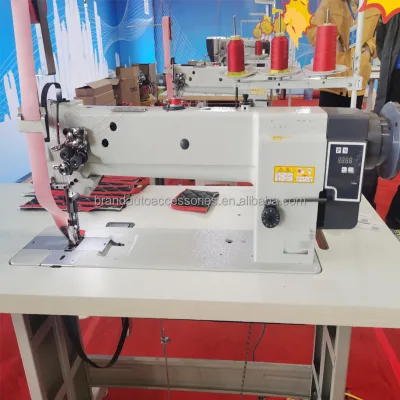
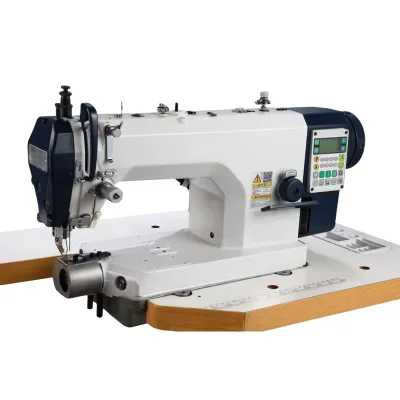
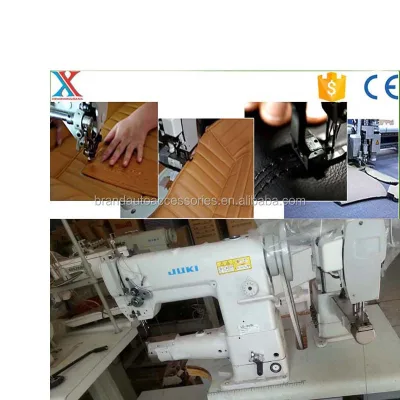
China Industrial Car Sewing CNC Machine for 5D Leather Mats
$900.00 - $990.00
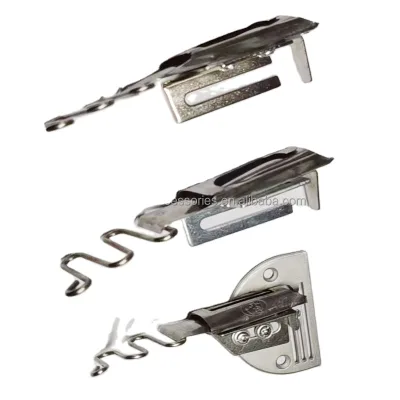

HEBEI BEIBU MACHINERY TECHNOLOGY CO., LTD.
- Verified by SGS
- Trading Company
- China Hebei
- Lead time15 days
- Avg. response≤ 4h
Main productsGrain Cleaning Machine, Agro Cleaning Machine, Sesame Cleaning Machine, Soybean Cleaning Machine, Oil Making Machine, Soybean Oil Machine, Sesame Oil Machine, Peanut Shelling Machine, Peanut Butter Making Machine, Sesame Peeling Machine
Main marketsSouth America,Africa,Southeast Asia/ Mideast,Europe,North America
Huaian Baibao International Trade Co., Ltd.
- Manufacturer, Trading Company
- Jiangsu, China
- Lead time5 days
- Avg. response≤ 5h
Main productssewing machine,industrial sewing machine,machine parts,machine tools,folders
Main marketsDomestic Market(30.00%), Northern Europe(20.00%), Eastern Asia(15.00%), Mid East(10.00%), Central America(10.00%), Western Europe(10.00%), Eastern Europe(5.00%)
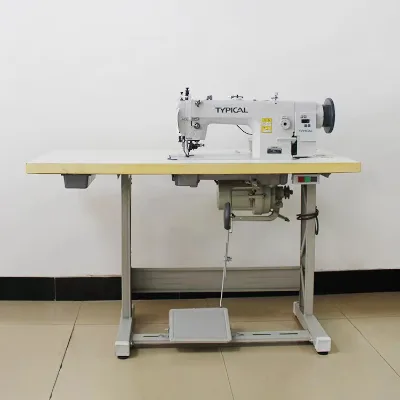
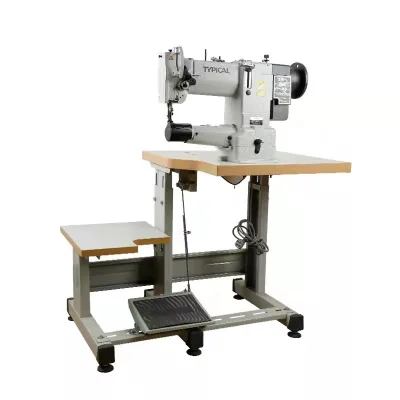
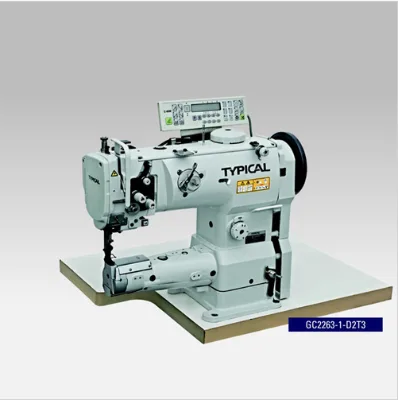
GC2263-D2T3 Computer Sewing Machine Automatic Car Mat Pattern Sewing Machine
$2150.00 - $2350.00
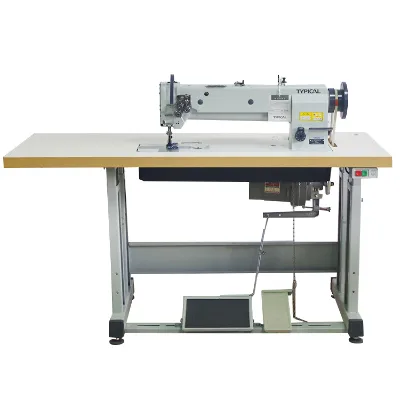
GC20608HL18 Sewing Machine 18" Long Arm Doubles Sewing Machine for Car Mat
$1280.00 - $1385.00
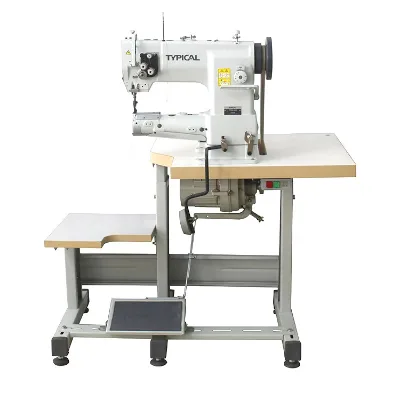
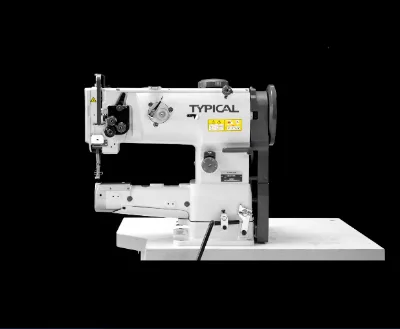
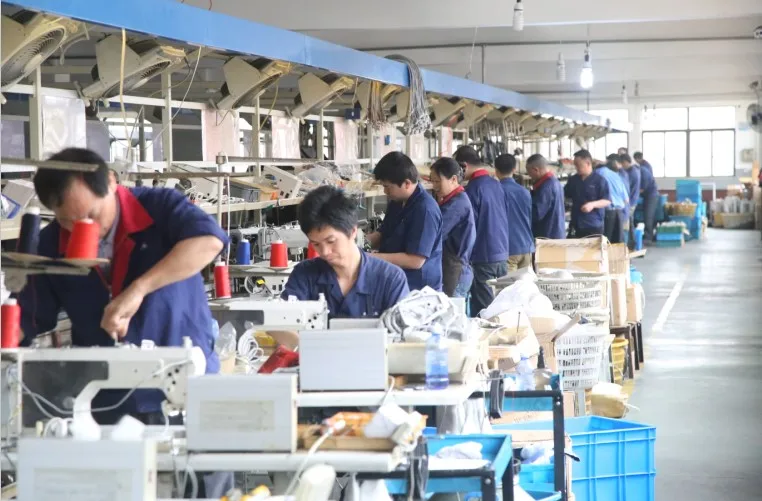
Zhejiang Lejiang Machine Co., Ltd.
- Manufacturer, Trading Company
- Zhejiang, China
- Lead time15 days
- Avg. response≤ 12h
Main productsIndustrial Sewing Machine,Cloth Cutting Machine,Special Sewing Machine,Spare Parts,AC Motor
Main marketsSouth Asia(12.00%), North America(11.00%), Mid East(11.00%), Western Europe(11.00%), South America(10.00%), Southeast Asia(8.00%), Eastern Europe(8.00%), Oceania(8.00%), Eastern Asia(5.00%), Central America(5.00%), Southern Europe(5.00%), Domestic Market(2.00%), Northern Europe(2.00%), Africa(2.00%)
Zhengzhou Kovi Machinery Co., Ltd.
- Verified by SGS Group
- Trading Company
- Lead time6 days
- Avg. response≤ 4h
Main productsFiber Opening Pillow Filling Machine, Quilting Machine, Fabric Rolling Machine, Paper Tube Cutting Machine, Fabric Pleating Machine
Main marketsNorth America(20%), South America(20%), Eastern Europe(15%)
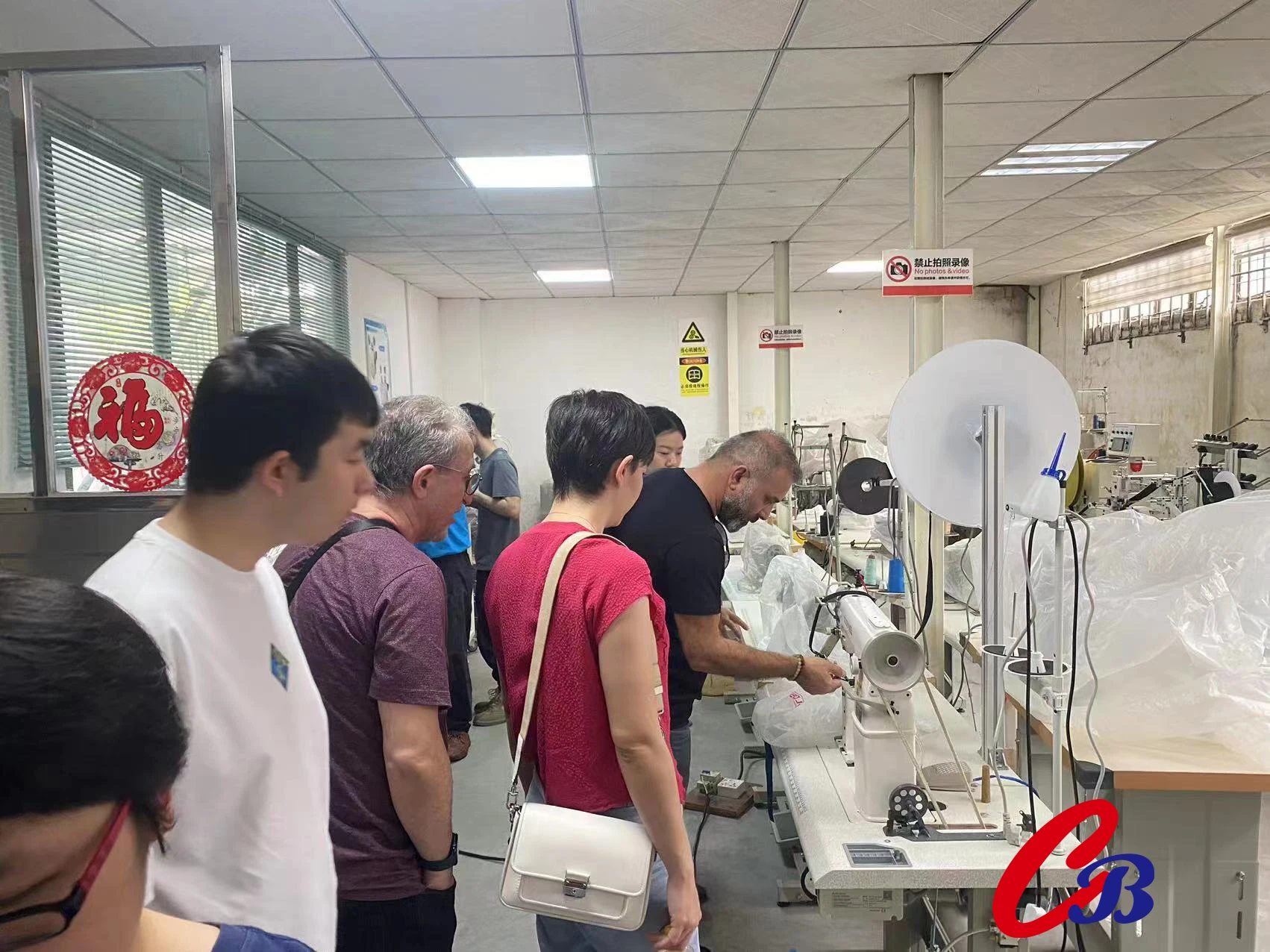
Guangzhou Capable Machinery Co., Ltd.
- Manufacturer
- Guangdong, China
- Lead time0 days
- Avg. response≤ 3h
Main productscap ironing machine,cap sewing machine,hat ironing machine,hat sewing machine,visor
Main marketsEastern Europe(15.00%), North America(10.00%), Central America(10.00%), South America(10.00%), Southeast Asia(8.00%), Southern Europe(8.00%), Northern Europe(8.00%), Domestic Market(8.00%), Eastern Asia(5.00%), Western Europe(5.00%), Mid East(4.00%), Oceania(4.00%), Africa(3.00%), South Asia(2.00%)
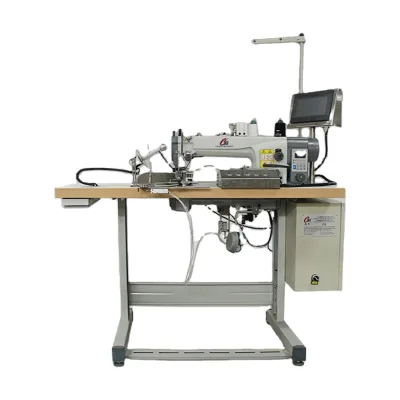
Automatic Sewing the Brim of Hat Sweat Belt Sewing Machine Making Hat Machinery
$2500.00 - $3200.00
MOQ: 1 sets

- Verified by TUVRHEINLAND
- Trading Company,Manufacturer/Factory
- China Zhejiang
- Lead time23 days
- Avg. response≤ 11h
Main productsSoft Cover Book Machines, Hard Cover Book Machines, Exercise Book Machines, Spiral Binding Book Machines, Postpress Machines, Color Boxes Making Machines, Rigid Box Making Machines, Paper Bag Machine Machines
Main marketsSouth America,Eastern Europe,Mid East,North America,Southeast Asia,Eastern Asia,Oceania,Western Europe,Africa

Dongguan Sunfull Numerical Control Technology Co., Ltd
- Verified by TUVRHEINLAND
- Manufacturer/Factory
- China Guangdong
- Lead time38 days
- Avg. response≤ 10h
Main productsCoat Hanger Machine, Hanger Clip Assembly Machine, Customized Machine, Clothes Hanger Machine, Hanger Making Machine
Main marketsSouth America,Eastern Europe,Mid East,North America,Southeast Asia,Eastern Asia,Oceania,Western Europe,Africa

Automatic Sewing Machine Pocket Sewing Machine Heavy Material Pocket Sewing Machine
$9800.00 - $18000.00
MOQ: 1 Pieces

Automatic Sewing Machine Pocket Sewing Machine Auto Industrial Sewing Machine
$9800.00 - $18000.00
MOQ: 1 Pieces

Sewing Machines Automaticbutton Making Machine Automatic Button Machine Button Attaching Machine
$2100.00 - $2800.00
MOQ: 1 Pieces

Automatic Sewing Machine Pocket Sewing Machine Industrial Sewing Machine
$9800.00 - $18000.00
MOQ: 1 Pieces

Industrial Sewing Machine Automatic Pocket Sewing Machine Heavy Material Pocket Sewing Machine
$9800.00 - $18000.00
MOQ: 1 Pieces

Automatic Pocket Sewing Machine Light Material Pocket Sewing Machine
$9800.00 - $18000.00
MOQ: 1 Pieces
Dongguan Houjie Bao Lin Machinery Factory
- Manufacturer, Trading Company
- Guangdong, China
- Lead time0 days
- Avg. response≤ 1h
Main productssewing machine,Spot welding machine,Hammer flattening machine,Single head roughing machine,Shoe mixing glue machine
Main marketsSouth America(20.00%), North America(10.00%), Eastern Europe(10.00%), Southeast Asia(10.00%), Mid East(10.00%), Central America(10.00%), South Asia(10.00%), Northern Europe(5.00%), Domestic Market(5.00%), Africa(2.00%), Oceania(2.00%), Eastern Asia(2.00%), Western Europe(2.00%), Southern Europe(2.00%)
Dongguan Kaidi Machinery Technology Co., Ltd.
- Manufacturer, Trading Company
- Guangdong, China
- Lead time3 days
- Avg. response≤ 1h
Main productsLeather belt machinery,Hot glue machine,Leather machinery,leather Skiving Machine,Sponge edge trimmer
Main marketsSoutheast Asia(50.00%), South Asia(20.00%), South America(10.00%), Mid East(10.00%), North America(10.00%)
Dongguan Haoxin Precision Machinery Co., Ltd.
- Verified by SGS Group
- Manufacturer, Trading Company
- Lead time30 days
- Avg. response≤ 4h
Main productsPost Press Equipment, Book Binding Machine, Hardcover Book Binding Machine, Paper Folding Machine, Book Sewing Machine
Main marketsDomestic Market(61%), Southeast Asia(13%), Eastern Asia(13%)
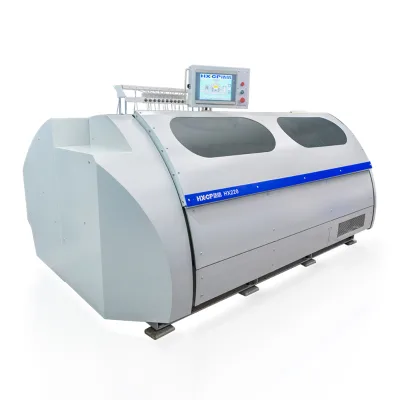
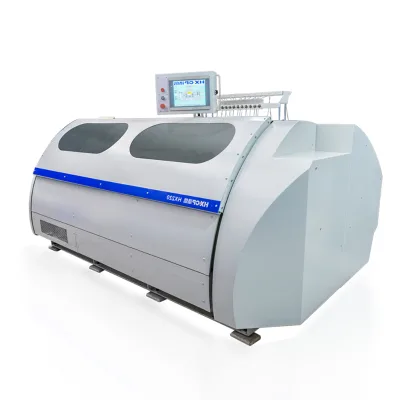
Post-Press Equipment High Reasonably Priced HX220 High Speed Automatic Sewing Machine
$179000.00 - $180000.00
$183790.8706 - $184817.6352
MOQ: 1 sets








Comprehensive Sourcing Guide
Car Making Sewing Machine Supplier Concentration and Factory Types
The current supplier landscape for car making sewing machines reveals a distinct concentration of manufacturing activity within Hebei, China, which serves as a primary hub for this specialized industrial equipment. This geographic clustering suggests a mature supply chain ecosystem where raw materials, component suppliers, and assembly facilities are closely integrated, potentially offering buyers logistical advantages and faster communication cycles. The presence of suppliers in this region indicates that local expertise in automotive upholstery and interior component manufacturing is well-established, providing a foundation for high-quality production standards. Buyers evaluating options should recognize that this concentration does not imply uniformity in quality or capability, but rather highlights a specific industrial zone where many vendors operate. Understanding this geographic focus helps in assessing the reliability of supply chains and the potential for site visits or local inspections.
In addition to the geographic concentration, the types of companies operating in this space vary significantly, with trading companies playing a substantial role alongside direct manufacturers. The data indicates that some suppliers are classified as trading companies, which may offer a broader range of products but could introduce additional layers in the supply chain. These entities often act as intermediaries, aggregating products from various factories to provide a one-stop solution for buyers seeking diverse machinery options. Conversely, direct manufacturers may offer more control over production processes and customization capabilities. It is crucial for buyers to distinguish between these entity types when evaluating potential partners, as the implications for pricing, communication, and after-sales support can differ markedly. The mix of trading companies and factories in the current results underscores the importance of due diligence in identifying the true source of the machinery.
How to Verify Car Making Sewing Machine Suppliers
Verifying the legitimacy and capability of Car Making Sewing Machine suppliers requires a multi-faceted approach that goes beyond simple online profiles. One critical step is to check for third-party verification badges, such as those provided by SGS Group, which can offer an additional layer of confidence in the supplier's operational integrity. These verifications often involve on-site audits and assessments of business licenses, manufacturing capabilities, and quality control systems. Buyers should prioritize suppliers who display such credentials, as they indicate a commitment to transparency and adherence to international business standards. However, verification badges should not be the sole criterion; they must be complemented by direct engagement and detailed questioning to ensure the supplier can meet specific project requirements.
Another essential aspect of verification is assessing the supplier's response time and communication efficiency, which are strong indicators of their operational readiness and customer service quality. The current data shows response times ranging from three to four days, which buyers should consider when planning their procurement timelines. A slower response time may indicate a high volume of inquiries or less dedicated customer support, potentially leading to delays in order processing or issue resolution. Buyers should also inquire about the supplier's ability to provide video outgoing inspections and machinery test reports, as these documents serve as tangible evidence of product quality and functionality before shipment. Requesting these materials allows buyers to verify the machine's condition and performance remotely, reducing the risk of receiving defective or non-compliant equipment.
What to Compare Across Car Making Sewing Machine Suppliers
When comparing suppliers, buyers should focus on key operational metrics such as lead time, minimum order quantity (MOQ), and pricing structures to determine the best fit for their needs. The available data indicates lead times of approximately seven days, which is a critical factor for buyers with tight production schedules. A shorter lead time can significantly enhance supply chain agility, allowing for quicker replenishment of inventory or faster response to market demands. Buyers should also pay attention to the MOQ, which in some cases is as low as one unit, offering flexibility for small-scale orders or trial purchases. This flexibility can be particularly valuable for buyers testing new suppliers or requiring specialized machinery for limited production runs. Comparing these metrics across multiple suppliers helps in identifying those that offer the best balance of speed, cost, and accessibility.
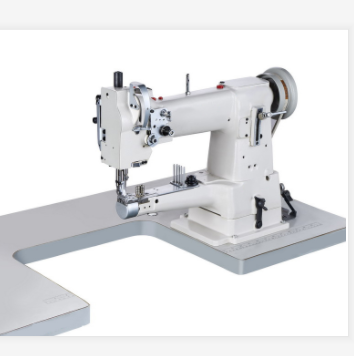
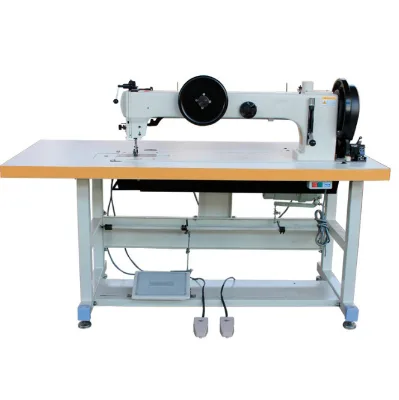
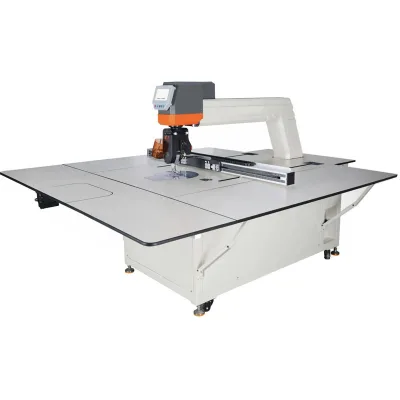
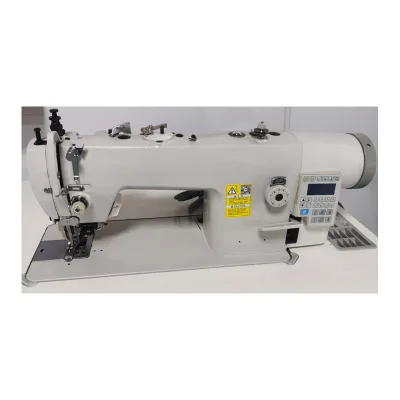
In addition to operational metrics, buyers should compare the technical specifications and features of the sewing machines offered by different suppliers. The current results highlight various models with distinct capabilities, such as automatic functions, specific sewing speeds, and core components like PLCs and gears. For instance, some machines offer sewing speeds up to 3000 stitches per minute, while others may have different stitch lengths or sewing areas. Buyers should align these technical specifications with their specific production requirements, such as the type of materials being sewn or the desired output volume. Comparing features like voltage, power consumption, and warranty terms also provides insight into the machine's efficiency and long-term reliability. By systematically evaluating these technical and operational attributes, buyers can make informed decisions that optimize their production processes and minimize operational risks.
Common Car Making Sewing Machine Sourcing Risks
One of the primary risks in sourcing car making sewing machines is the potential mismatch between advertised specifications and actual product performance. Buyers may encounter discrepancies in key selling points, such as automatic features or sewing speeds, which can impact production efficiency and quality. To mitigate this risk, it is essential to request detailed technical documentation and, if possible, conduct remote video inspections or arrange for third-party inspections before shipment. These steps allow buyers to verify that the machine meets the agreed-upon standards and functions as expected. Additionally, buyers should be cautious of suppliers who provide vague or incomplete product descriptions, as this may indicate a lack of transparency or expertise. Clear and detailed communication with the supplier is crucial to ensure that all specifications are understood and agreed upon.
Another significant risk is the variability in after-sales support and warranty coverage, which can affect the long-term usability of the machinery. The current data shows that many suppliers offer a one-year warranty, but the scope and terms of this warranty can vary. Buyers should carefully review the warranty conditions to understand what is covered, such as core components or general wear and tear, and what the process is for claiming repairs or replacements. Inadequate after-sales support can lead to prolonged downtime and increased maintenance costs, impacting overall productivity. Buyers should also consider the supplier's location and accessibility, as this can influence the ease of obtaining technical assistance or spare parts. Establishing a clear understanding of the support structure before finalizing a purchase is vital to ensuring a smooth and reliable operational experience.
Car Making Sewing Machine Regional Sourcing and Logistics
Sourcing car making sewing machines from Hebei, China, involves navigating specific logistical considerations that can impact delivery times and costs. The region's industrial infrastructure is well-developed, facilitating efficient transportation of heavy machinery to major ports in China. Buyers should work closely with their suppliers to determine the most cost-effective shipping methods, considering factors such as weight, dimensions, and urgency. The current data indicates that machines are packaged in wooden cases or cartons, which provides protection during transit but also affects the overall volume and shipping cost. Understanding the packaging details is crucial for planning logistics, as it influences the choice of freight forwarder and the type of container required. Buyers should also be aware of any export regulations or documentation requirements that may apply to machinery shipments from China.
In addition to shipping logistics, buyers should consider the implications of regional sourcing on lead times and inventory management. The concentration of suppliers in Hebei may offer advantages in terms of coordinated logistics and reduced transit times to ports, but it also requires careful planning to avoid bottlenecks. Buyers should establish clear communication channels with their suppliers to track production progress and shipping status, ensuring that any delays are identified and addressed promptly. Furthermore, buyers should evaluate the supplier's experience in handling international shipments, as this can impact the reliability of delivery and the condition of the machinery upon arrival. By proactively managing these logistical aspects, buyers can minimize disruptions and ensure a smooth transition from order placement to machine installation and operation.
Car Making Sewing Machine Commercial Terms and Order Planning
Effective order planning for car making sewing machines requires a thorough understanding of commercial terms, including pricing, payment methods, and delivery conditions. The current data shows price ranges that vary based on the machine's specifications and features, with some models priced between $408 and $7580. Buyers should request detailed quotations that break down costs, including any additional fees for shipping, insurance, or customs clearance. Understanding the total landed cost is essential for accurate budgeting and cost analysis. Additionally, buyers should negotiate favorable payment terms, such as partial payments or escrow services, to mitigate financial risks. Clear agreement on payment milestones and conditions helps in maintaining a healthy business relationship and ensures that both parties are protected throughout the transaction process.
Beyond pricing, buyers should also consider the supplier's supply ability and production capacity when planning orders. The data indicates that some suppliers have a supply ability of 20 to 50 sets per month, which is a critical factor for buyers with high-volume requirements. Buyers should assess whether the supplier's capacity aligns with their projected demand and plan orders accordingly to avoid delays or stockouts. It is also important to discuss customization options and lead times for non-standard orders, as these can impact production schedules. By aligning commercial terms with operational needs and maintaining open communication with suppliers, buyers can optimize their procurement strategy and ensure a reliable supply of car making sewing machines. This proactive approach helps in building a resilient supply chain that can adapt to changing market conditions and business requirements.
FAQs
What is the price range for car seat sewing machines?
Prices for industrial car seat sewing machines typically range from $408 to $7,580 per unit. The cost varies based on automation level, sewing area size, and core components like PLC or gear systems. Buyers should verify specific model pricing and minimum order quantities directly with suppliers to ensure accurate budgeting for their production needs.
Where are these sewing machines manufactured?
These industrial sewing machines are primarily manufactured in Hebei, China, with some units originating from Henan, China. Buyers should verify the specific place of origin for each model, as dimensions, voltage requirements, and shipping logistics may differ based on the manufacturing location and the supplier's dispatch port in China.
What is the typical lead time for delivery?
The typical lead time for these machines is approximately 7 days. However, supply ability varies, with some manufacturers offering 20 to 50 sets per month. Buyers should confirm exact delivery schedules and production capacity with the supplier, especially for bulk orders, to ensure timely arrival at their facility.
What is the minimum order quantity?
The minimum order quantity is generally 1 unit for most industrial car seat sewing machines. This allows buyers to test individual units before committing to larger volumes. Buyers should verify specific MOQ terms with the supplier, as some may offer different conditions for customized models or specific automated pattern sewing machines.
Are these machines certified for safety?
Many of these industrial sewing machines carry CE certification, indicating compliance with European safety standards. Additionally, suppliers often provide machinery test reports and video outgoing inspections. Buyers should request these documents to verify that the core components, such as PLCs and gears, meet their specific operational and safety requirements.
What is the response time for supplier inquiries?
Supplier response times are typically reported as 3 to 4 hours. This indicates a relatively quick turnaround for initial inquiries and quotations. Buyers should expect prompt communication when contacting suppliers for technical specifications, pricing details, or customization requests regarding car interior upholstery sewing machines.