Portable Beverage Glass Bottle Suppliers and Manufacturers
Compare 24 verified suppliers of Portable Beverage Glass Bottle based on location, lead time, and certifications. Review OEM capabilities and price ranges from 0.10 to 4.90 USD per unit. Contact suppliers directly to request samples and confirm MOQ requirements.
Updated
Suppliers List

Shanghai David International Trade Co., Ltd.
- Verified by TUVRHEINLAND
- Combined
- China Shanghai
- Lead time15 days
- Avg. response≤ 9h
Main productsPromotional Gifts, Gift Sets, Tshirts, Hats, Hot Packs, Hot Cold Packs, Ice Packs, Bags, Umbrellas, Water Bottles
Main marketsSouth America,Africa,Southeast Asia/ Mideast,East Asia(Japan/ South Korea),Domestic,Europe,Australia,North America

Ningbo Beixuan International Trading Co., Ltd.
- Verified by TUVRHEINLAND
- Manufacturer/Factory
- China Zhejiang
- Lead time15 days
- Avg. response≤ 10h
Main productsPlastic Bottle, Plastic Cup, Plastic Honey Jar, Plastic Food Container, Glass Juice/ Beverage Bottle, Glass Jar, Glass Wine Bottle, Glass Essential Oil Bottles, Cosmetic & Perfume Glass Bottles, Paper Cup
Main marketsSouth America,Eastern Europe,Mid East,North America,Southeast Asia,Eastern Asia,Oceania,Western Europe,Africa

Wenzhou Shifengxu Technology Co., Ltd.
- Verified by SGS
- Combined
- China Zhejiang
- Lead time15 days
- Avg. response≤ 5h
Main marketsDomestic


Portable Outdoor Travel Glass Drinking Bottle with Carry Lanyard Leakproof Lid
$2.60 - $3.00
MOQ: 1 Pieces

- Verified by SGS
- Trading Company
- China Fujian
- Lead time15 days
- Avg. response≤ 7h
Main productsReusable Mask
Main marketsAfrica,Southeast Asia/ Mideast,Europe,North America

Jiaxin Glass Imports And Exports (Guangzhou) Co., Ltd.
- Trading Company
- China Guangdong
- Lead time30 days
- Avg. response≤ 9h
Main productsBeverage Glass Bottle Food Packaging, Cosmetic Glass Bottle Food Jar Glassware, Pharmaceutical Packaging Medicine Bottle
Main marketsAfrica,Southeast Asia/ Mideast
- Verified by TüVRheinland
- Manufacturer, Trading Company
- Lead time25 days
- Avg. response≤ 3h
Main productsDrinkware, Ceramicware, Barware, Kitchenware, Glass Bottles
Main marketsNorth America(20%), South America(20%), Southeast Asia(20%)

Shanghai Touch Industrial Development Co., Ltd.
- Verified by TUVRHEINLAND
- Combined
- China Shanghai
- Lead time15 days
- Avg. response≤ 5h
Main productsInstant Hot Pack, Hot Cold Pack, Gel Eye Mask, Gel Ice Pack, Gel Bottle Cooler, Instant Ice Pack, Hand Warmer, Heat Pack, Cooling Scarf, Gel Beads
Main marketsSouth America,Others(foreignTradeCapacity.exportBusinessCapacityMarketOther),Southeast Asia/ Mideast,East Asia(Japan/ South Korea),Domestic,Europe,Australia,North America

Xuzhou Huajing Glass Products Co., Ltd.
- Verified by BV
- Combined
- China Jiangsu
- Lead time23 days
- Avg. response≤ 8h
Main productsGlass Bottle, Glass Jar, Water Bottle, Perfume Bottle, Mason Jars, Candle Jar, Plastic Bottles, Lids Bottle Caps Closures, Wine Bottle, Juice Bottle
Main marketsSouth America,Africa,Southeast Asia/ Mideast,East Asia(Japan/ South Korea),Domestic,Europe,Australia,North America


Glass Water Bottle Customized Printed Water Glass Bottle 100ml 300ml 420ml 500ml
$0.08 - $0.48
MOQ: 10000 Pieces

Xuzhou Longhua Glass Products Co., Ltd.
- Trading Company
- Jiangsu, China
- Lead time15 days
- Avg. response≤ 2h
Main productsglass bottle,Glass candle holder,Glass storage jar,Glass oil bottle,Cosmetic bottle
Main marketsDomestic Market(10.00%), Africa(10.00%), Southern Europe(10.00%), Eastern Europe(10.00%), South America(10.00%), Northern Europe(10.00%), Oceania(5.00%), South Asia(5.00%), Southeast Asia(5.00%), North America(5.00%), Central America(5.00%), Western Europe(5.00%), Eastern Asia(5.00%), Mid East(5.00%)

- Verified by CTI
- Trading Company
- China Shanghai
- Lead time23 days
- Avg. response≤ 8h
Main productsGlass Bottle, Bottle, Vodka Glass Bottle, Whisky Glass Bottle, Glass Beer Bottle, Glass Wine Bottle, Beer Bottle, Glass Decanter, Glass Jars, Glass
Main marketsSouth America,Africa,Europe,Australia,North America

Glass Bottles with Cork 100ml Wine Bottle Glass Bottle Beverage Cool Glass Bottles
$0.25 - $0.50
MOQ: 6000 Pieces


High Quality Colour Drink Bottle Glass Beer Bottles for Juice Milk Beverage
$0.25 - $0.50
MOQ: 6000 Pieces

Xuzhou Honghua Glass Technology Co., Ltd.
- Verified by CTI
- Combined
- China Jiangsu
- Lead time15 days
- Avg. response≤ 4h
Main productsGlass Bottle, Glass Jar, Candle Jar, Lunch Box, Glassware, Class Cup
Main marketsSouth America,Africa,Others(foreignTradeCapacity.exportBusinessCapacityMarketOther),Southeast Asia/ Mideast,East Asia(Japan/ South Korea),Domestic,Europe,Australia,North America

Wholesale Glass Bottle Cup 350ml Portable High Quality Bottles for Students Advertising Gift
$0.15 - $0.25
MOQ: 1000 Pieces

500ml Soft Drinks Glass Bottles Portable Water Bottle with String on The Lid and Case
$0.15 - $0.25
MOQ: 1000 Pieces

Factory-Price 400ml Sustainable Water Bottle Creative Glass Water Bottle
$0.15 - $0.25
MOQ: 1000 Pieces

Xuzhou Huanzhou Glass Technology Co., Ltd.
- Verified by SGS Group
- Manufacturer, Trading Company
- Lead time20 days
- Avg. response≤ 5h
Main productsPerfume Bottle, Water Cup, Aromatherapy Bottle, Lotion Bottle, Candle Holder
Main marketsNorth America(30%), Southeast Asia(20%), South America(10%)

Qingdao Crystal Glass Co., Ltd
- Verified by TUVRHEINLAND
- Combined
- China Shandong
- Lead time15 days
- Avg. response≤ 4h
Main productsWine Bottle, Glass Bottle, Liquor Glass Bottle, Vodka Glass Bottle, Whiskey Glass Bottle, Tequila Glass Bottle, Brandy Glass Bottle, Glass Container, Glass Jar, Perfume Bottle
Main marketsNorth America
Anhui Champion Technology Co., Ltd.
- Manufacturer
- Anhui, China
- Lead time0 days
- Avg. response≤ 15h
Main productskitchenware,drinkware,custom printing & packaging,sports goods,biodegradable tableware
Main marketsNorth America(30.00%), Mid East(20.00%), Western Europe(20.00%), Southeast Asia(10.00%), Northern Europe(10.00%), Africa(5.00%), South America(5.00%)
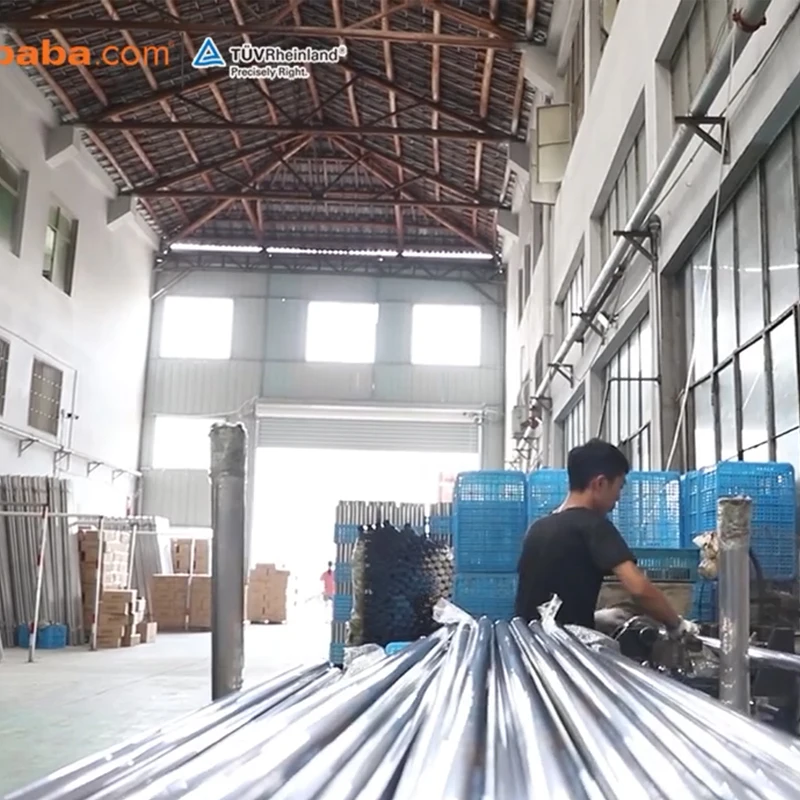
Yongkang Zhome Hardware Products Co., Ltd.
- Trading Company
- Zhejiang, China
- Lead time20 days
- Avg. response≤ 8h
Main productsStainless steel vacuum water bottle,Insulated tumblers,Coffee cups,Glass water bottle,Hip flask
Main marketsNorth America(80.00%), Western Europe(5.00%), Northern Europe(5.00%), South America(5.00%), Eastern Asia(3.00%), Oceania(2.00%)

Yantai Changyou Glass Co., Ltd.
- Verified by BV
- Manufacturer/Factory,Group Corporation
- China Shandong
- Lead time38 days
- Avg. response≤ 2h
Main productsSpirits Bottle, Wine Bottle, Cosmetic Bottle, Non-Alcoholic Beverages, Pharmaceutical Bottle, Glass Jar, Olive Oil Bottle, Aluminum Cap, Cork Stopper
Main marketsSouth America,Eastern Europe,North America,Southeast Asia,Eastern Asia,Western Europe,Africa

Jinjiang Jiaxing Import and Export Co., Ltd.
- Verified by CTI
- Manufacturer/Factory
- China Fujian
- Lead time120 days
- Avg. response≤ 2h
Main productsShoes, Slipper, Clothes, Promotion Gifts, Silicone Products, Outdoor Sports Products, Bags, Fashion Accessories, Consumer Electronics
Main marketsSouth America,Eastern Europe,Mid East,North America,Southeast Asia,Eastern Asia,Oceania,Western Europe,Africa
Xinxiang Hongqi District Huafeiwu Import And Export Trade Co., Ltd.
- Trading Company
- Henan, China
- Lead time0 days
- Avg. response≤ 4h
Main productsHome decor,Kitchenware,Garden Supplies
Main marketsSoutheast Asia(20.00%), Mid East(20.00%), South Asia(20.00%), Africa(10.00%), Eastern Asia(10.00%), Northern Europe(10.00%), Domestic Market(10.00%)
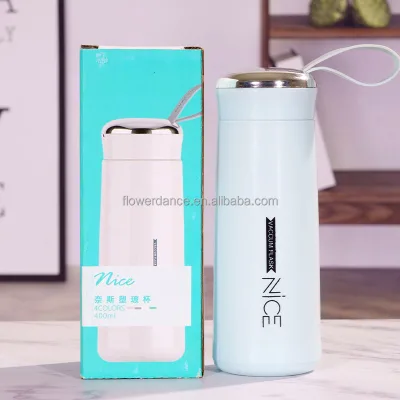
Custom Glass Water Bottle with Practical Handle Ideal Drinkware Accessory LB2716
$0.36 - $0.40
MOQ: 10 pieces
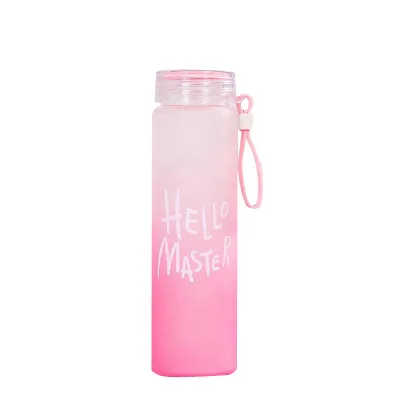
$0.29 - $0.31
MOQ: 5 pieces
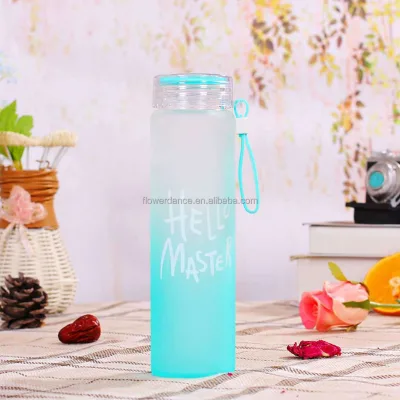
High Borosilicate Glass Water Bottle with Colorful Design Ideal Gift Option LB2732
$0.29 - $0.31
MOQ: 5 pieces

Shandong Pharmaceutical Glass Co., Ltd.
- Verified by TUVRHEINLAND
- Combined
- China Shandong
- Lead time15 days
- Avg. response≤ 16h
Main productsGlass Bottle, Rubber Stopper, Flip off Cap, Feeding Bottle, Glass Vial, Pharmaceutical Packaging, Medical Package, Medical Packaging, Baby Products, Prefilled Syringe
Main marketsSoutheast Asia/ Mideast

Xuzhou Crystal Glass Products Co., Ltd.
- Verified by SGS
- Trading Company
- China Jiangsu
- Lead time30 days
- Avg. response≤ 4h
Main productsGlass Bottle, Beverage Bottle, Wine Bottle, Mason Jar, Food Storage Jar, Spice Bottle, Spice Grinder, Table Glassware, Cosmetic Bottle, Cup
Main marketsOthers(foreignTradeCapacity.exportBusinessCapacityMarketOther),Europe
Taizhou Taikong Industrial Co., Ltd.
- Verified by TüVRheinland
- Manufacturer, Trading Company
- Lead time30 days
- Avg. response≤ 11h
Main productsPlastic Bottle
Main marketsNorth America(45%), Domestic Market(22%), Western Europe(12%)

Zibo Timestone International Co., Ltd.
- Manufacturer/Factory
- China Shandong
- Lead time45 days
- Avg. response≤ 11h
Main productsCeramic Dinnerware, Ceramic Mugs, Stainless Steel Bottles Mugs and Tumblers, Glass Bottles Mugs and Tumblers, Dinnerware, Tableware, Glassware, Kitchenware, Household Items, Ceramic Granding Balls and Filters
Main marketsSouth America,Eastern Europe,Mid East,North America,Southeast Asia,Eastern Asia,Oceania,Western Europe,Africa

- Verified by TUVRHEINLAND
- Trading Company,Manufacturer/Factory
- China Jiangsu
- Lead time23 days
- Avg. response≤ 4h
Main productsMedal, Coin, Lapel Pin, PVC Patch, Embroidery Patch, Keychain, Button Badge, Silicone Wristband, Lanyards, Gift
Main marketsSouth America,Eastern Europe,Mid East,North America,Oceania,Western Europe
Hefei Base Environment Protection Technology Co., Ltd.
- Manufacturer, Trading Company
- Anhui, China
- Lead time20 days
- Avg. response≤ 2h
Main productsVacuum Thermal Bottles,Protein Shaker Bottle,Plastic Bottles,Outdoor Tents,Camping Furniture
Main marketsSouth America(15.00%), North America(15.00%), Mid East(10.00%), Eastern Europe(10.00%), Domestic Market(5.00%), South Asia(5.00%), Southern Europe(5.00%), Northern Europe(5.00%), Central America(5.00%), Western Europe(5.00%), Eastern Asia(5.00%), Southeast Asia(5.00%), Oceania(5.00%), Africa(5.00%)










Comprehensive Sourcing Guide
Portable Beverage Glass Bottle Supplier Concentration and Factory Types
The current supplier landscape for portable beverage glass bottles reveals a distinct geographic concentration in China, with specific hubs identified in Shanghai and Zhejiang. Suppliers located in Shanghai often operate as combined entities, blending trading capabilities with manufacturing oversight, which can offer flexibility in product variety and customer service. These Shanghai-based sources frequently highlight main products that include promotional gifts, gift sets, and various drinkware accessories alongside their core glass bottle offerings. This combined company type suggests a supply chain structure that may prioritize customization and branding services, catering to buyers looking for promotional items or unique gift sets. The presence of Shanghai as a key location indicates that buyers should expect a mix of direct factory capabilities and trading company efficiencies, potentially affecting lead times and communication styles.
In contrast, suppliers based in Zhejiang are predominantly identified as manufacturers or factories, focusing heavily on production capacity and standardized output. These Zhejiang-based entities often list main products that include plastic bottles, glass juice and beverage bottles, and various glass jars, indicating a broader industrial scope beyond just portable water bottles. The manufacturer factory type in this region suggests a stronger emphasis on volume production, raw material sourcing, and consistent quality control processes. Buyers evaluating these suppliers should consider the implications of dealing directly with production facilities, which may offer more competitive pricing for large orders but potentially less flexibility for small, highly customized runs. The distinction between combined entities in Shanghai and pure manufacturers in Zhejiang provides buyers with clear options based on their specific volume and customization needs.
How to Verify Portable Beverage Glass Bottle Suppliers
Verification is a critical step when evaluating Portable Beverage Glass Bottle suppliers, as the market includes both verified and unverified entities. Buyers should prioritize suppliers who have undergone third-party verification processes, such as those certified by TÜV Rheinland, which provides an additional layer of trust regarding the supplier’s operational legitimacy and business practices. This verification status is a key indicator of reliability, suggesting that the supplier has met specific standards for business operations and product quality. When assessing potential partners, buyers should look for this verification badge as a primary filter, ensuring that the supplier has been scrutinized by an independent authority. This step helps mitigate the risk of engaging with fraudulent or non-compliant entities, providing a foundational level of security for the sourcing relationship.
Beyond verification badges, buyers must scrutinize the specific certifications and standards claimed by the supplier for their glass bottles. Some suppliers offer products with CE/EU certifications, while others may provide FDA compliance, particularly for high borosilicate glass bottles intended for beverage and water usage. These certifications are crucial for ensuring that the glass material is safe for food contact and meets international regulatory requirements. Buyers should request documentation for these certifications and verify their validity, as the absence of such credentials can lead to compliance issues in the buyer’s home market. Additionally, checking for system certifications like ISO 9001 or ISO 14001 can provide insight into the supplier’s overall quality management and environmental practices, further solidifying the supplier’s credibility and operational maturity.
What to Compare Across Portable Beverage Glass Bottle Suppliers
When comparing suppliers, buyers should focus on key operational metrics such as lead time, minimum order quantity (MOQ), and response time to ensure alignment with their supply chain requirements. Lead times can vary significantly, with some suppliers offering a standard 15-day turnaround, which is crucial for planning inventory and meeting market demand. Buyers should also pay close attention to MOQs, which can range from as low as 500 units for certain customized glass bottles to 5000 units for standard production runs. This variance allows buyers to select suppliers that match their order volume, whether they are testing the market with smaller batches or committing to large-scale distribution. Response time is another critical factor, with some suppliers demonstrating rapid communication capabilities, indicated by high response scores, which can facilitate smoother negotiations and quicker issue resolution.
Product specifications and customization options are equally important when comparing suppliers, as they directly impact the final product’s suitability for the buyer’s brand. Buyers should examine details such as material composition, with options ranging from standard glass to high borosilicate glass, and customization availability for logos and packaging. Some suppliers offer OEM and ODM capabilities, allowing for significant product differentiation, while others may focus on stock items with limited customization. Pricing is also a key differentiator, with costs varying based on material, customization, and order volume. For instance, prices can range from under $1.00 for basic plastic-capped glass bottles to over $4.00 for premium, customized options. Buyers should compare these factors holistically to identify the supplier that offers the best balance of cost, quality, and service for their specific needs.
Common Portable Beverage Glass Bottle Sourcing Risks
One of the primary risks in sourcing portable beverage glass bottles is the potential for product damage during transit, given the fragile nature of glass materials. Buyers must assess the supplier’s packaging standards, as inadequate protection can lead to high breakage rates and increased costs. Some suppliers use OPP bags and cartons, while others may employ more robust international standard cartons or palletized packaging. It is essential to verify that the packaging is designed to withstand shipping stresses, especially for international shipments. Additionally, buyers should consider the supplier’s experience in handling glass products, as expertise in this area can significantly reduce the risk of damage. Understanding the supplier’s packaging protocols and requesting samples to test durability can help mitigate this risk and ensure that products arrive in sellable condition.
Another significant risk is the inconsistency in product quality and compliance with stated certifications. Buyers may encounter discrepancies between the claimed certifications, such as FDA or CE/EU, and the actual product specifications. This risk is heightened when dealing with suppliers who offer a wide range of products, as quality control may vary across different item lines. Buyers should conduct thorough due diligence to verify that the specific glass bottles they order meet the required safety and quality standards. This includes checking for material consistency, such as ensuring that high borosilicate glass is used where claimed, and verifying that the sealing types, like screw caps, are secure and leak-proof. Engaging with suppliers who have transparent quality control processes and providing clear specifications can help minimize these risks and ensure product integrity.
Portable Beverage Glass Bottle Regional Sourcing and Logistics
Sourcing from China, particularly from hubs like Shanghai and Zhejiang, offers logistical advantages due to the region’s well-established export infrastructure and manufacturing clusters. Suppliers in these locations benefit from proximity to major ports and efficient logistics networks, which can facilitate faster shipping and lower freight costs. Buyers should consider the geographic location of the supplier when planning logistics, as suppliers in Zhejiang may have different shipping routes and transit times compared to those in Shanghai. Understanding these regional differences can help buyers optimize their supply chain and reduce lead times. Additionally, buyers should evaluate the supplier’s experience with international shipping, as familiarity with export procedures can streamline the logistics process and reduce the likelihood of delays or customs issues.
Logistics planning also involves considering the packaging and weight of the products, which can impact shipping costs and efficiency. Glass bottles are heavier and more fragile than plastic alternatives, requiring careful handling and robust packaging to prevent damage. Buyers should work with suppliers to determine the most cost-effective shipping methods, whether by sea or air, based on order volume and urgency. For large orders, sea freight may be more economical, while smaller, urgent orders might benefit from air freight. Buyers should also factor in the supplier’s packing standards, such as the use of cartons or pallets, when calculating shipping volumes and costs. By aligning logistics strategies with supplier capabilities and regional advantages, buyers can ensure efficient and cost-effective delivery of portable beverage glass bottles.
Portable Beverage Glass Bottle Commercial Terms and Order Planning
Commercial terms and order planning are essential for successful procurement of portable beverage glass bottles, requiring careful attention to pricing structures and payment terms. Buyers should negotiate clear pricing based on order volume, as costs can vary significantly between different MOQs and customization levels. Some suppliers offer tiered pricing, with lower unit costs for larger orders, which can be advantageous for buyers planning long-term supply agreements. Additionally, buyers should clarify any additional costs for customization, such as logo printing or special packaging, to avoid unexpected expenses. Understanding the full cost structure, including shipping and insurance, is crucial for accurate budgeting and ensuring that the final landed cost aligns with the buyer’s financial expectations.
Order planning should also consider the supplier’s production capacity and lead times to ensure timely delivery. Buyers should align their order schedules with the supplier’s production cycles, taking into account any potential delays due to customization or high demand. Establishing a clear communication channel with the supplier can help monitor production progress and address any issues promptly. Buyers should also plan for inventory management, considering the shelf life and storage requirements of glass bottles, although these are generally less critical than for perishable goods. By integrating commercial terms and order planning with supplier capabilities, buyers can create a robust sourcing strategy that minimizes risks and maximizes efficiency in the procurement of portable beverage glass bottles.
FAQs
What is the typical MOQ for portable beverage glass bottles?
Minimum order quantities vary widely by product style. Promotional and customized glass water bottles listed on this page range from 500 to 2,000 units per order, while simpler factory-run bottles can go as low as 5,000 pieces at very low unit prices. Confirm the MOQ for your chosen model, capacity, and logo customization before requesting a quotation.
How long does production usually take after an order is confirmed?
One verified supplier on this page lists a lead time of 15 days from order confirmation. Actual timelines depend on order size, decoration method, and whether components like silicone sleeves or caps are in stock. Always confirm the lead time in writing, including shipping arrangements, before placing a deposit or signing a purchase agreement.
Can these glass bottles be customized with my own logo?
Yes, customization is available on the listed portable glass water bottles, and suppliers support OEM models with customized logos. Some factories also offer label printing as an alternative to direct printing. Provide your artwork early and request a pre-production sample so you can check logo placement, color accuracy, and durability before mass production starts.
What price range should I expect for custom glass water bottles?
Listed prices range from roughly $0.10 to $4.90 per bottle depending on design, capacity, and order quantity. Basic factory-standard bottles sit at the low end, while promotional styles with silicone sleeves or crystal glass cost more. Unit prices typically drop as order quantities increase, so compare quotations at your actual target volume.
Do suppliers offer food-contact certifications for glass drinkware?
Some listed products carry CE/EU certification, and one high borosilicate bottle is listed with FDA certification. However, certifications apply to specific products, not all suppliers. Always request the relevant food-contact test reports and certificate copies for the exact bottle model you intend to buy before finalizing a contract or arranging payment.
Which supplier locations and supplier types are represented here?
The featured suppliers are located in Shanghai and Zhejiang, China. One operates as a combined trading and manufacturing company specializing in promotional gifts and drinkware, while the Zhejiang supplier is a manufacturer producing plastic and glass bottles and jars. Factory-direct sourcing can reduce cost, so clarify the supplier type when you request quotations.
How quickly do these suppliers respond to inquiries?
The listed suppliers show average response times of roughly 8.6 to 9 hours, so expect a reply within one business day in most cases. Response speed can vary during busy production seasons, and more complex inquiries asking for samples and customized pricing may take longer than simple catalog requests. Follow up if you receive no reply.
What packing and shipping methods are used for glass bottles?
Listed products are typically packed in OPP bags inside cartons, while some factories offer carton or pallet packing for larger orders. One supplier notes international standard cartons for export. Because glass is fragile, ask how bottles are separated and cushioned, and confirm whether shipping marks, drop tests, or reinforced packing are available for your destination.