Portable Insulated Food Container Suppliers and Manufacturers
Compare 23 verified suppliers offering portable insulated food containers with varying lead times, MOQs, and response speeds. Review product specs like volume and material before contacting factories in China Guangdong for quotes; review the available evidence before requesting comparable quotations from suitable candidates.
Updated
Suppliers List

Jiangmen Xinhaohui Kitchenware Manufacturing Co., Ltd
- Verified by BV
- Combined
- China Guangdong
- Lead time15 days
- Avg. response≤ 3h
Main productsPot
Main marketsSoutheast Asia/ Mideast,Europe


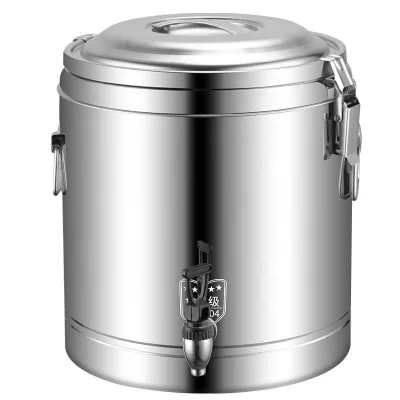
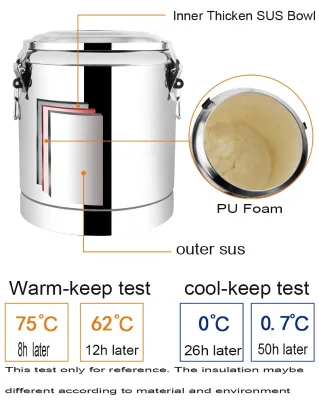
12L Party Food Warmer Transport Stainless Steel Insulated Food Container
$15.00 - $20.00
MOQ: 100 Pieces


Eagle Catering Equipment Co., Ltd.
- Manufacturer/Factory
- China Guangdong
- Lead time30 days
- Avg. response≤ 12h
Main productsTrolleys, Gastronorm Containers, Table, Shelves, Sink, Barrier Post, Cookware, Buffetware, Barware, Kitchen Utensils
Main marketsSouth America,Eastern Europe,Mid East,North America,Southeast Asia,Eastern Asia,Oceania,Western Europe,Africa

- Trading Company,Manufacturer/Factory
- China Guangdong
- Lead time45 days
- Avg. response≤ 7h
Main productsStainless Steel Trolley, Mobile Trolley, Flatform Trolley, Bakery Trolley, Trash Bag Holder, Insulated Container, Stock Pot, Worktable, Kitchen Sink, Buffet
Main marketsSouth America,Eastern Europe,Mid East,North America,Southeast Asia,Eastern Asia,Oceania,Western Europe,Africa


$45.10 - $50.00
MOQ: 400 Pieces

Stainless Steel Insulated Portable Food Container for Easy Trasport with Tap
$54.00 - $59.00
MOQ: 400 Pieces

Hot Sale Stainless Steel Economic Type Portable Insulation Foaming Food Container for Transport
$38.00 - $48.00
MOQ: 400 Pieces

Stainless Steel Keep Food Warm Water Insulated Food Container with Tap
$80.00 - $90.00
MOQ: 300 Pieces

Shanghai Jingyao Industrial Co., Ltd.
- Verified by BV
- Manufacturer/Factory
- China Shanghai
- Lead time15 days
- Avg. response≤ 5h
Main productsFood Truck/Cart/Car/Trailer/Van/Caravan/Trolley, Bakery Equipment, Bakery Oven Machine, Rotary Oven, Ice Flake Machine, Ice Cube Machine, Ice Block Machine, Ice Tube Machine, Ice Evaporator, Ice Machine
Main marketsSouth America,Eastern Europe,Mid East,North America,Southeast Asia,Eastern Asia,Oceania,Western Europe,Africa


Insulated Food Carrier Box Food Pan Carrier Food Warmer Containers for Sale
$89.00 - $102.00
MOQ: 1 Pieces
Everich Commerce Group Limited
- Manufacturer, Trading Company
- Lead time旺季: "1 - 2":15,"> 2":"To be negotiated", 淡季: "1 - 2":15,"> 2":"To be negotiated"
- Avg. response≤ 3h
Main productsWater Bottle, Tumblers, Mugs, Lunch Boxes, Cooler & Jugs

Globalink International Limited
- Verified by SGS
- Trading Company,Manufacturer/Factory,Other
- China Shandong
- Lead time45 days
- Avg. response≤ 13h
Main productsPlastic Packaging, Food Container, Fruit packaging, Paper Bags, Paper Packaging, Plastic Bags, Plastic Tape, Egg Tray, Aluminum Foil, Sushi Container
Main marketsSouth America,Eastern Europe,Mid East,North America,Southeast Asia,Eastern Asia,Oceania,Western Europe,Africa
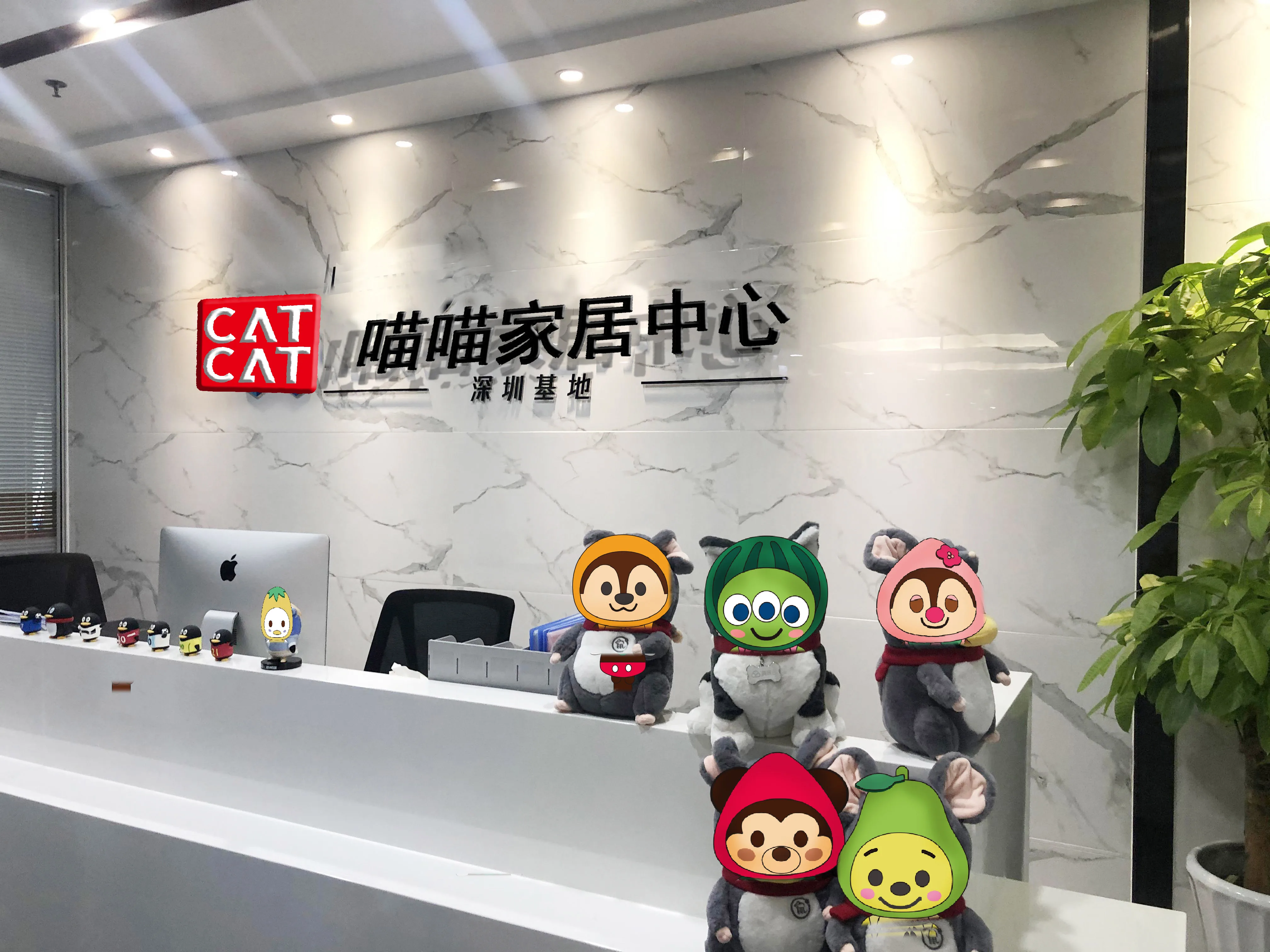
Shenzhen Miaomiao Household Products Co., Ltd.
- Manufacturer, Trading Company
- Guangdong, China
- Lead time15 days
- Avg. response≤ 3h
Main productsFood Spoon,Food Pick For Kids,Lunch Box,Food Picks,Water Bottles
Main marketsNorth America(20.00%), Eastern Europe(15.00%), South America(15.00%), South Asia(5.00%), Southern Europe(5.00%), Northern Europe(5.00%), Central America(5.00%), Western Europe(5.00%), Eastern Asia(5.00%), Mid East(5.00%), Oceania(5.00%), Africa(5.00%), Southeast Asia(5.00%)
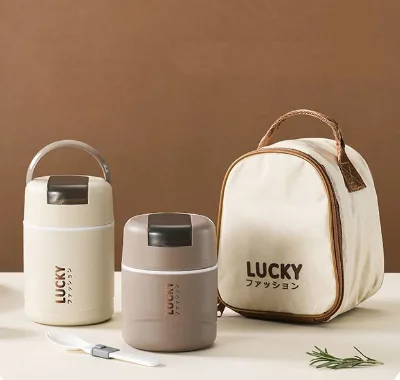
Wholesale Vacuum Insulated Lunch Box Set Heatable Soup Container Insulated Food Storage Solution
$2.1361 - $6.5506
MOQ: 5 Minimum

Xiamen Luckypack Paper Products Co., Limited
- Verified by TUVRHEINLAND
- Manufacturer/Factory
- China Fujian
- Lead time30 days
- Avg. response≤ 6h
Main productsPaper Cup, Biodegradable Tableware, Disposable Cup, Food Box
Main marketsEastern Europe,North America,Southeast Asia
Ningbo Aggpo Import And Export Co., Ltd.
- Verified by SGS Group
- Trading Company
- Lead time5 days
- Avg. response≤ 5h
Main productsHousehold daily goods, Consumer goods, Pet goods, Sports goods, Hardware goods
Main marketsNorth America(30%), South America(30%), Western Europe(25%)
Jiangmen Huazhimei Kitchenware Co., Ltd.
- Verified by Intertek
- Manufacturer, Trading Company
- Lead time30 days
- Avg. response≤ 3h
Main productsFood Storage Box, Insulated Food Carrier, Drink Dispensers, Cleaning Bucket, Serving Trolley
Main marketsNorth America(30%), Northern Europe(20%), South America(10%)

Ningbo General Union Co., Ltd.
- Verified by BV
- Trading Company
- China Zhejiang
- Lead time30 days
- Avg. response≤ 9h
Main productsCleaning Brush, Bottle, Kitchenware, Storage Box, Outdoor, Pet, Fitness Equipment, Digital Devices, Camping, Pet Bottle
Main marketsSouth America,Africa,Southeast Asia/ Mideast,East Asia(Japan/ South Korea),Europe,Australia,North America
Shenzhen Cootty Outdoor Products Co., Ltd.
- Manufacturer
- Guangdong, China
- Lead time30 days
- Avg. response≤ 2h
Main productsWater Bottle,Smart Bottle
Main marketsNorth America(45.00%), Eastern Europe(35.00%), South Asia(10.00%), Oceania(10.00%), South America(10.00%)
Chaozhou Chaoan Caitang Guangcheng Stainless Steel Product Factory
- Verified by SGS Group
- Manufacturer, Trading Company
- Lead time20 days
- Avg. response≤ 4h
Main productsSteam Pot, Storage Boxes & Bins; Food Container, Kettle, Soup Pot, Food Container
Main marketsEastern Asia(30%), Southeast Asia(15%), North America(10%)
Shantou Hongxing Commodity Co., Ltd.
- Verified by Intertek
- Manufacturer, Trading Company
- Lead time25 days
- Avg. response≤ 4h
Main productsPlastic Daily-Used Household Products
Main marketsSouth Asia(20%), South America(19%), Mid East(18%)
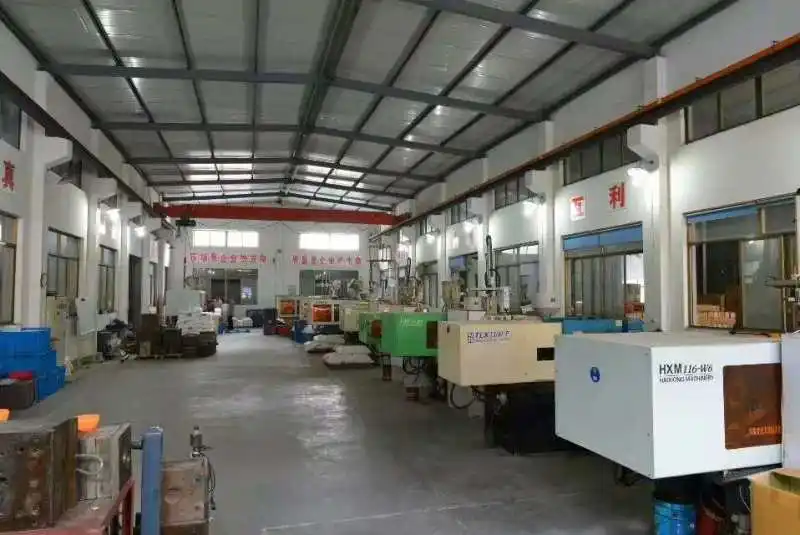
Guangzhou Kingpeak Household Product Co., Ltd.
- Manufacturer, Trading Company
- Guangdong, China
- Lead time25 days
- Avg. response≤ 3h
Main productsFood Container,tumbler,Vacuum Flasks & Thermoses,baby products,camping shovel
Main marketsNorth America(30.00%), Western Europe(27.00%), Oceania(10.00%), Central America(5.00%), South America(5.00%), Northern Europe(5.00%), Eastern Europe(5.00%), Southern Europe(5.00%), Southeast Asia(5.00%), Mid East(2.00%), Africa(1.00%)
Juneng (Shaoxing) Network Technology Co., Ltd.
- Trading Company
- Zhejiang, China
- Lead time0 days
- Avg. response≤ 4h
Main productscup,Table setting,Daily necessities,Toys
Main marketsNorth America(40.00%), Africa(20.00%), Eastern Europe(20.00%), South America(20.00%)
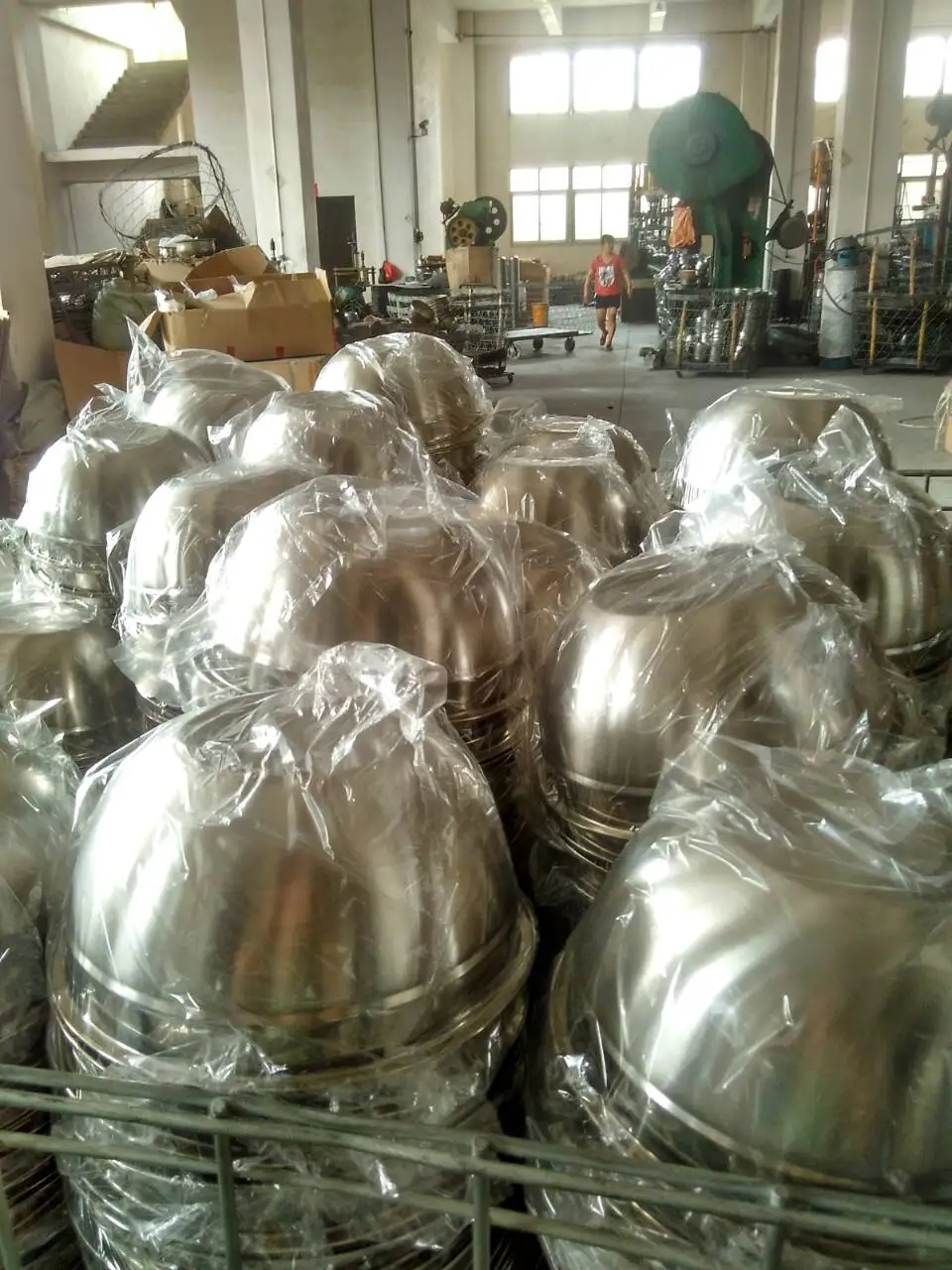
Chaozhou Chaoan Caitang Happy Cooking Hardware Factory
- Manufacturer, Trading Company
- Guangdong Province, China
- Lead time45 days
- Avg. response≤ 6h
Main productsCookware Set,Lunch Box,Kettle,Hotel Supplies,Bowl
Main marketsDomestic Market(100.00%), South Asia(100.00%), Eastern Europe(100.00%), Southern Europe(100.00%), Northern Europe(100.00%), Central America(100.00%), Eastern Asia(100.00%), Mid East(100.00%), Oceania(100.00%), Western Europe(30.00%), Southeast Asia(20.00%), North America(20.00%), South America(20.00%), Africa(10.00%)

Chaozhou Nicety Technology Co., Ltd
- Verified by CTI
- Trading Company
- China Guangdong
- Lead time30 days
- Avg. response≤ 7h
Main productsLunch Box, Stainless Steel Lunch Box, Pet Product, Pet Bowl, Car Accessory, Bathroom Fitting
Main marketsSouth America,Southeast Asia/ Mideast,East Asia(Japan/ South Korea),Domestic,Europe,Australia,North America

$3.30 - $3.56
MOQ: 26 Pieces

Reusable Food Container Sealed Leakproof with Plastic Outside Stainless Steel Lunch Box
$3.20 - $3.49
MOQ: 24 Pieces
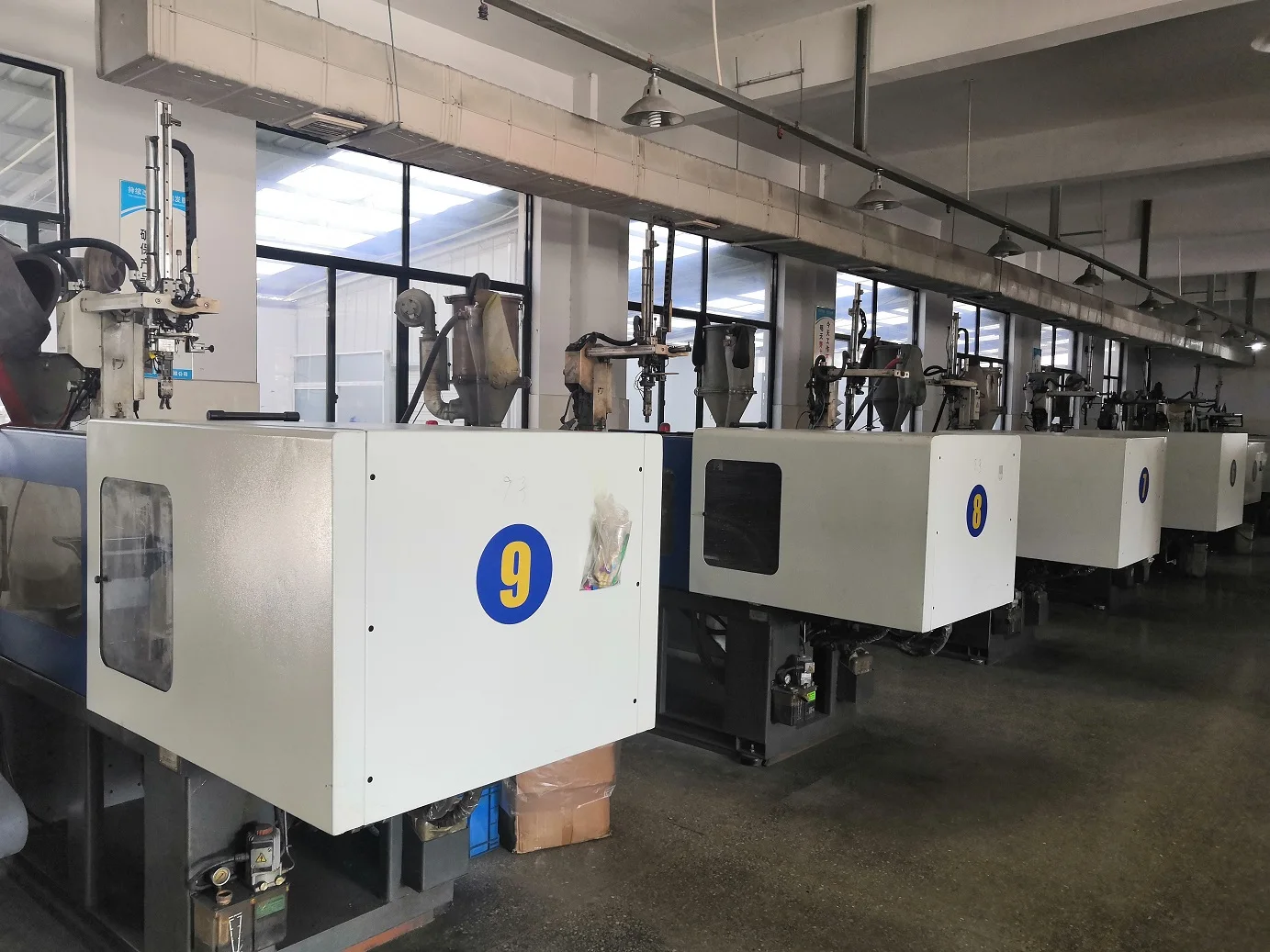
Jilin Lewei Homewares Manufacturer Co., Ltd.
- Trading Company
- Jilin, China
- Lead time15 days
- Avg. response≤ 2h
Main productswater bottle,ceramic product,flowerpot,candle warmer,coffee cups
Main marketsNorth America(40.00%), Oceania(10.00%), Southeast Asia(10.00%), Northern Europe(10.00%), Western Europe(10.00%), Southern Europe(5.00%), Eastern Europe(5.00%), South America(5.00%), Eastern Asia(5.00%)

Ningbo Hongwei Plastic Co., Ltd
- Verified by SGS
- Combined
- China Zhejiang
- Lead time23 days
- Avg. response≤ 1h
Main marketsDomestic


Durable Insulated Meal Container with Secure Lid for Hot and Cold Food
$0.06 - $0.08
MOQ: 20000 Pieces
Yiwu Ehelper Technology Co., Ltd.
- Verified by TüVRheinland
- Trading Company
- Lead time30 days
- Avg. response≤ 2h
Main productsPrecision Air Conditioner, Industrial Cooking Pot, Meat Grinder, Kitchen Equipment, Kitchenware
Main marketsNorth America(41%), Eastern Europe(30%), South America(10%)
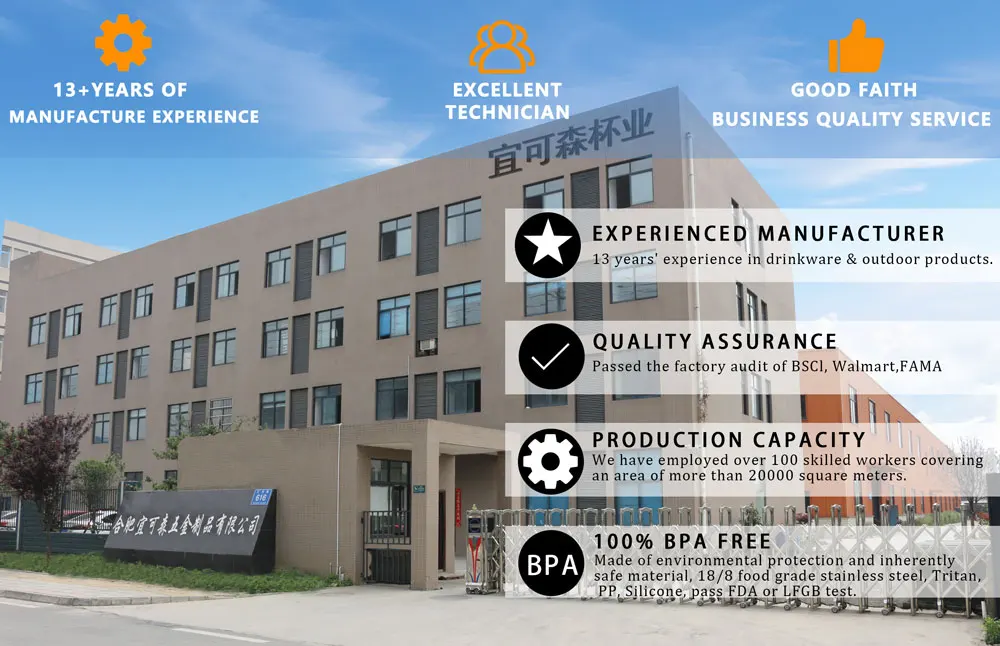
Hefei Ekocian Metal Products Co., Ltd.
- Trading Company
- Anhui, China
- Lead time25 days
- Avg. response≤ 4h
Main productsStainless Steel Insulated Thermos Bottle, Mugs, Water Bottles, Glass Water Bottle, Beer Mugs
Main marketsNorth America(45.00%), Eastern Europe(30.00%), South America(5.00%), Northern Europe(4.20%), Southeast Asia(4.00%), Western Europe(3.00%), Eastern Asia(2.00%), Central America(2.00%), Oceania(1.20%), South Asia(1.00%), Southern Europe(1.00%), Mid East(1.00%), Africa(0.60%)
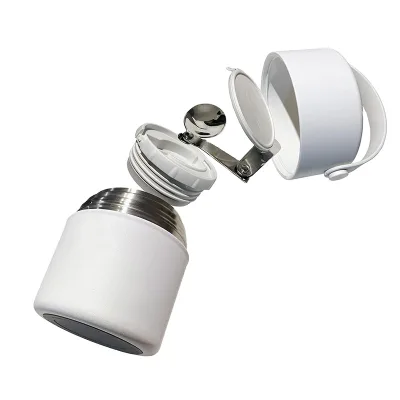
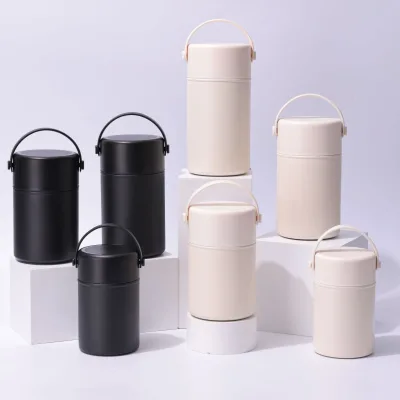
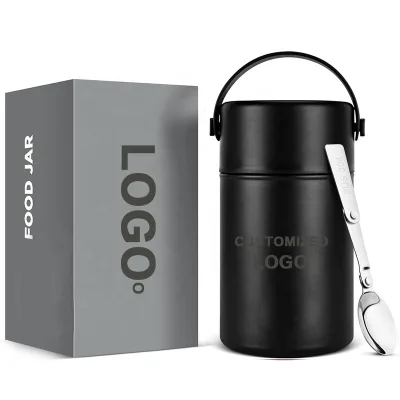
Custom Vacuum Insulated Thermos Food Container with Wide Mouth Screw On Lid and handle lid for lunch
$4.8463 - $6.0769
MOQ: 100 pieces
Chongqing Excellence Science and Technology Co., Ltd.
- Manufacturer, Trading Company
- Chognqing, China
- Lead time15 days
- Avg. response≤ 5h
Main productsstoves,kitchen equipment,Cast iron parts,commercial kitchen equipment,home cooktops
Main marketsSoutheast Asia(15.00%), Western Europe(15.00%), South America(12.00%), North America(12.00%), Mid East(8.00%), Domestic Market(5.00%), South Asia(5.00%), Eastern Europe(5.00%), Eastern Asia(5.00%), Africa(5.00%), Oceania(5.00%), Central America(4.00%), Northern Europe(2.00%), Southern Europe(2.00%)






Comprehensive Sourcing Guide
Portable Insulated Food Container Supplier Concentration and Factory Types
The current supplier landscape for portable insulated food containers reveals a distinct concentration of manufacturing activity within China, specifically in the Guangdong region. This geographic clustering is significant for buyers because it indicates a mature supply chain ecosystem where raw materials, component suppliers, and assembly facilities are in close proximity. When evaluating potential partners, it is crucial to distinguish between the different types of entities operating in this space. The data indicates the presence of both combined trading companies and direct manufacturers or factories. Combined entities often serve as intermediaries, offering a broader range of products but potentially adding layers to the communication and pricing structure. In contrast, manufacturer-factory types typically provide more direct control over production processes, quality assurance protocols, and customization capabilities. Understanding this distinction is the first step in aligning your sourcing strategy with your operational needs, whether you prioritize price flexibility through trading companies or production transparency through direct factories.
Identifying the correct factory type requires careful examination of the supplier’s declared capabilities and product portfolio. Suppliers listing main products such as trolleys, gastronorm containers, and kitchen utensils alongside insulated containers often suggest a broader manufacturing scope, which can be advantageous for consolidated sourcing. However, buyers must verify if these are core competencies or peripheral offerings. The presence of OEM and ODM capabilities is a strong indicator of manufacturing maturity, suggesting the facility has the engineering resources to adapt designs to specific buyer requirements. For those seeking standard, off-the-shelf items, combined suppliers may offer faster access to ready-to-ship inventory. Conversely, for specialized insulated containers requiring specific insulation times, materials, or custom branding, direct manufacturers are often better positioned to deliver consistent quality and meet complex technical specifications. Buyers should not assume that all suppliers in a cluster operate with the same level of production depth; due diligence is required to map the supplier’s actual capabilities against your specific product demands.
How to Verify Portable Insulated Food Container Suppliers
Verification is a critical phase in the sourcing process, ensuring that the supplier’s claims align with their actual operational reality. One key metric to examine is the verification status provided by third-party inspection bodies. In the current results, some suppliers display BV verification, which serves as a baseline indicator of legitimacy and operational compliance. However, verification status alone is not a guarantee of product quality or financial stability. Buyers should treat this as a starting point for deeper investigation rather than a final seal of approval. It is essential to cross-reference the supplier’s declared business type with their actual output. For instance, a supplier claiming to be a manufacturer should be able to provide evidence of production lines, factory audits, or detailed product specifications that reflect manufacturing precision. If a supplier’s profile is vague or lacks specific technical details, it may indicate a trading company, which requires a different verification approach focused on their supply chain relationships and inventory management.
Beyond basic verification, buyers should assess the supplier’s responsiveness and historical performance data. Response time is a tangible metric that reflects the supplier’s operational efficiency and customer service commitment. A response time of approximately 2.93 hours suggests a highly responsive team, which is valuable for resolving urgent queries or negotiating custom orders. In contrast, a response time of 11.28 hours may indicate a larger, more structured organization or potentially slower communication channels. Buyers should consider how this aligns with their own project timelines and communication preferences. Additionally, examining the product attributes closely can reveal the supplier’s attention to detail. For example, specific details like insulation time, material grade, and packing standards provide insight into the supplier’s technical expertise. If a supplier cannot provide clear, consistent data on these attributes, it may signal a lack of rigorous quality control processes. Buyers are advised to request detailed product datasheets and, if possible, conduct video factory tours to visually confirm production capabilities and quality assurance measures.
What to Compare Across Portable Insulated Food Container Suppliers
When evaluating multiple suppliers, it is essential to establish a structured comparison framework based on key operational and commercial metrics. Lead time is a primary differentiator, with some suppliers offering a 15-day turnaround while others require up to 30 days. This variance can significantly impact your inventory planning and ability to meet market demand. Suppliers with shorter lead times may be better suited for agile, just-in-time inventory models, whereas those with longer lead times might offer more stable production schedules or lower unit costs due to economies of scale. Alongside lead time, the Minimum Order Quantity (MOQ) is a critical factor. Some suppliers have an MOQ of just 6 units, which is ideal for testing new markets or small-scale pilots. Others may require an MOQ of 50 or 100 units, which is more suitable for established brands with consistent demand. Buyers must align their order volume with the supplier’s MOQ to avoid excessive inventory costs or missed production opportunities.
Price and customization options are also vital comparison points. The price range for these containers varies significantly, from as low as $10 to over $55 per unit, depending on the model, material, and volume. For example, a 12L party food warmer may be priced between $15 and $20, while a 15L stainless steel insulated container could range from $36 to $50. Buyers should not focus solely on the lowest price but rather on the value proposition, including material quality, insulation performance, and durability. Customization availability is another key differentiator. Some suppliers offer extensive customization options, including OEM branding and specific design modifications, while others may only provide non-customized, standard products. The ability to customize can be a significant competitive advantage, allowing buyers to differentiate their offerings in the market. Additionally, comparing the supplier’s main product focus can help identify specialists versus generalists. Suppliers specializing in kitchen storage and insulated containers may offer deeper expertise and better product support than those with a broad, unfocused catalog.
Common Portable Insulated Food Container Sourcing Risks
Sourcing portable insulated food containers involves several inherent risks that buyers must proactively manage to ensure a successful procurement process. One significant risk is the discrepancy between advertised product specifications and the actual delivered goods. For instance, while suppliers may claim an insulation time of 12 hours, the actual performance may vary based on ambient temperature, initial food temperature, and seal integrity. Buyers should request detailed technical specifications and, if possible, conduct independent testing to verify these claims. Another risk is the inconsistency in material quality. Stainless steel grades can vary, affecting durability, corrosion resistance, and food safety. Buyers must ensure that the supplier uses food-grade stainless steel and can provide relevant material certifications. Failure to verify material quality can lead to product failures, customer complaints, and potential health hazards, damaging the buyer’s brand reputation.
Communication and logistical risks are also prevalent in international sourcing. Misunderstandings regarding product dimensions, packing standards, and shipping requirements can lead to costly errors. For example, a product standard of 40 cm versus 35 cm can significantly impact packaging efficiency and shipping costs. Buyers must ensure that all technical details are clearly documented in the purchase order and confirmed by the supplier before production begins. Additionally, the risk of delayed shipments is a constant concern, especially when dealing with suppliers with longer lead times or those located in regions prone to logistical disruptions. Buyers should establish clear communication channels and request regular production updates to monitor progress. It is also advisable to include penalty clauses for late deliveries in the contract to mitigate financial losses. Finally, buyers should be cautious of suppliers who offer unusually low prices, as this may indicate compromised quality or hidden costs. A balanced approach that considers price, quality, and reliability is essential to mitigate these sourcing risks effectively.
Portable Insulated Food Container Regional Sourcing and Logistics
The geographic location of suppliers plays a crucial role in determining logistics costs, lead times, and overall supply chain efficiency. With a significant concentration of suppliers in China’s Guangdong region, buyers benefit from access to a well-developed manufacturing hub known for its efficiency and scale. This region’s infrastructure supports rapid production and export, making it a preferred destination for sourcing portable insulated food containers. However, buyers must also consider the logistical implications of sourcing from this region. Shipping costs can vary based on the volume and weight of the order, as well as the chosen shipping method. For smaller orders, air freight may be considered for speed, while larger orders are typically shipped via sea freight to optimize costs. Buyers should work with their suppliers to determine the most cost-effective shipping strategy based on their specific needs and delivery timelines.
In addition to shipping costs, buyers must account for import duties, taxes, and compliance requirements in their destination market. Different countries have varying regulations regarding food contact materials, which can impact the type of stainless steel and insulation materials used in the containers. Buyers should ensure that their suppliers are aware of these regulatory requirements and can provide necessary documentation, such as material safety data sheets and compliance certificates. Furthermore, the choice of packaging can influence logistics efficiency. Suppliers offering export carton packing or standardized dimensions can help maximize container space and reduce shipping costs. Buyers should collaborate with their suppliers to optimize packaging designs, ensuring that products are protected during transit while minimizing volumetric weight. By carefully managing regional sourcing and logistics, buyers can enhance their supply chain resilience and reduce overall procurement costs.
Portable Insulated Food Container Commercial Terms and Order Planning
Effective order planning and clear commercial terms are essential for a smooth sourcing experience. Buyers should begin by defining their order volume and frequency, which will influence negotiations on price, MOQ, and lead times. For buyers with consistent demand, establishing a long-term partnership with a supplier can lead to better pricing and priority production slots. It is advisable to request a detailed quotation that breaks down costs, including unit price, tooling fees (if applicable), and shipping costs. This transparency helps in accurate budgeting and cost analysis. Additionally, buyers should clarify the payment terms, such as deposit percentages and balance payment schedules, to manage cash flow effectively. Common terms may include a 30% deposit and 70% balance before shipment, but these can be negotiated based on the buyer’s relationship with the supplier and order size.
Quality assurance and after-sales support are also critical components of commercial terms. Buyers should specify the quality inspection process, including whether third-party inspections are required before shipment. Clear acceptance criteria for defects and return policies should be established to protect the buyer’s interests. Furthermore, buyers should discuss warranty terms and support for any potential product issues. Suppliers who offer robust after-sales support can help mitigate risks associated with product failures or customer complaints. By carefully planning orders and negotiating favorable commercial terms, buyers can build a reliable and efficient supply chain for portable insulated food containers. This proactive approach ensures that both parties have a clear understanding of expectations, leading to a more successful and sustainable business relationship.
FAQs
What is the price range for portable insulated food containers?
Prices typically range from $10 to $55 per unit depending on volume and material specifications. Stainless steel models with eco-friendly features are available at various price points. Buyers should verify exact costs based on order quantity and customization requirements before placing an order.
What is the minimum order quantity for these containers?
Minimum order quantities vary by supplier, with some requiring as few as 6 units while others demand 50 or 100 pieces. Most manufacturers accept small trial orders for stainless steel insulated containers. Buyers should confirm the specific MOQ with the supplier to ensure it fits their procurement needs.
How long does production take for these containers?
Lead times generally range from 15 to 30 days after order confirmation. Suppliers in China Guangdong offer varying production speeds based on order volume and customization. Buyers should request a confirmed schedule from the supplier to align with their delivery deadlines and inventory planning requirements.
Can I customize the design of the insulated containers?
Yes, many suppliers offer OEM and ODM customization services for stainless steel containers. Buyers can request specific volumes, materials, and branding options. Customization availability should be confirmed directly with the supplier to ensure the design meets your specific functional and aesthetic requirements for the final product.
What is the typical response time from suppliers?
Supplier response times vary, with some replying within 3 hours and others taking up to 11 hours. Faster response times often indicate higher engagement levels. Buyers should prioritize suppliers with quick reply rates to ensure efficient communication throughout the sourcing and negotiation process for their orders.
Are these containers suitable for restaurant and hotel use?
Yes, many models are explicitly designed for restaurant, hotel, kitchen, and home applications. They feature stainless steel construction and eco-friendly materials suitable for commercial food service. Buyers should verify the specific application details and capacity to ensure the container meets the operational needs of their establishment.