Portable Wire Straightener and Cutter with PLC Suppliers and Manufacturers
Find 29 verified suppliers offering Portable Wire Straightener and Cutter with PLC units from China. Compare response times, lead times, certifications, and prices to source reliable machinery for your production needs today; review the available evidence before requesting comparable quotations from suitable candidates.
Updated
Suppliers List

LANGFANG RUNSUN INTELLIGENT TECHNOLOGY CO., LTD.
- Verified by BV
- Trading Company
- China Hebei
- Lead time30 days
- Avg. response≤ 4h
Main productsRebar Cutter, Rebar Bender, Straightenner and Cutter, Stirrup Bender, Concrete Mixer, Concrete Pump, Concrete Pump Spare Parts, Rebar Threading Machine, Rebar Coupler, Electric Tools
Main marketsSouth America,Africa,Southeast Asia/ Mideast,Domestic,Europe,North America
Zhejiang Yizhou Machinery Technology Co., Ltd.
- Manufacturer, Trading Company
- Zhejiang, China
- Lead time0 days
- Avg. response≤ 1h
Main productsDetachable Truss Decking Plate Welding Line, 2D Girder Truss Panel Welding Line, Highway Bridge and Industrial Fencing Anti-crack Wire Mesh Welding Lines, Autoclaved Concrete Slab Wire Mesh Welding Lines, Polyurethane Sandwich Panel Production Line
Main marketsDomestic Market(60.00%), Southeast Asia(15.00%), Eastern Europe(7.00%), Africa(5.00%), South America(5.00%), North America(3.00%), Oceania(1.00%), South Asia(1.00%), Central America(1.00%), Western Europe(1.00%), Mid East(1.00%)
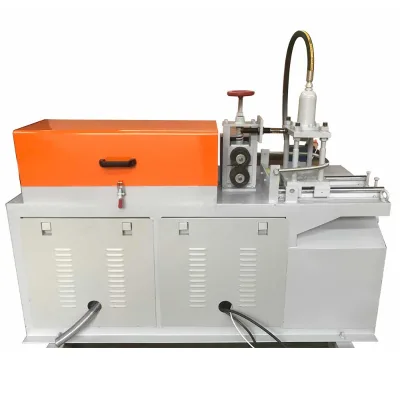
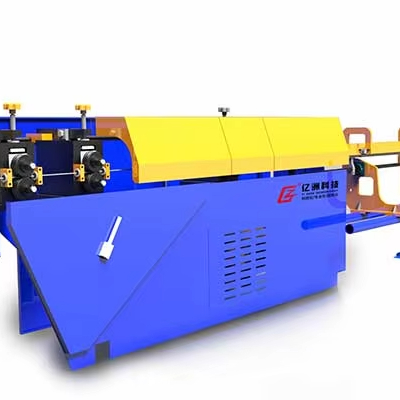
PLC Control Wire Straightening and Cutting Machine China Manufacturer
$27500.00 - $28000.00

Shanghai Qi Pang Industrial Co., Ltd.
- Verified by TUVRHEINLAND
- Combined
- China Jiangsu
- Lead time15 days
- Avg. response≤ 2h
Main productsCable Take up and Pay off Machine, Wire Straightening Machine, Laser Diameter Gauge Cable Industry Equipment, Straightening and Cutting Machine, Rolling Ring Drive Traverse Unit, Non-Contact Laser Scanning Diameter Measurement, Coiling Winding Machine, Packing Machine, Spark Machine, Cable Tester Machine
Main marketsSouth America,Southeast Asia/ Mideast,East Asia(Japan/ South Korea),Europe,Australia
HEBEI JIAXIN IMP & EXP TRADE CO., LTD.
- Trading Company
- Hebei, China
- Lead time15 days
- Avg. response≤ 1h
Main productscommon nails machine,SOD staple making machine,wire bending machine,hand pallet truck,pallet stacker
Main marketsAfrica(30.00%), South America(20.00%), North America(15.00%), Mid East(10.00%), Eastern Europe(10.00%), South Asia(3.00%), Western Europe(3.00%), Eastern Asia(3.00%), Domestic Market(2.00%), Central America(2.00%), Southern Europe(1.00%), Northern Europe(1.00%)
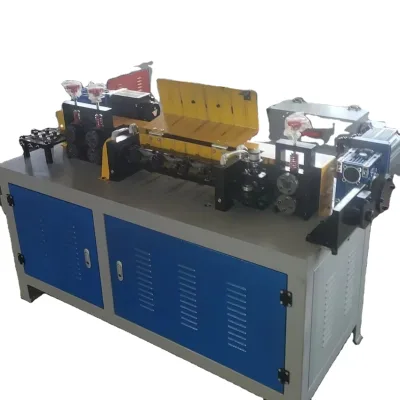
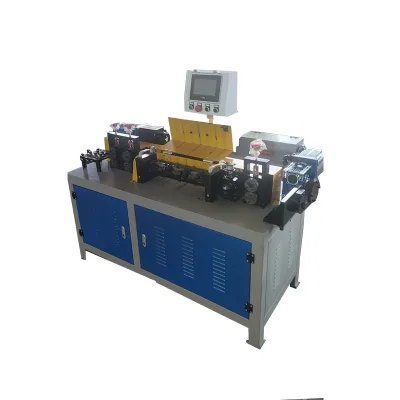
High Speed Automatic Steel Bar & Wire Straightener and Cutter with PLC Control 1.8-8.0mm Diameter
$3800.00 - $3900.00
MOQ: 1
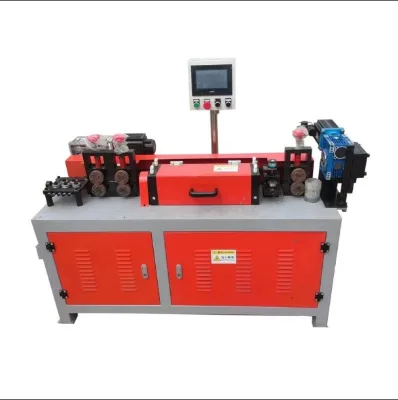
Zhengzhou Howann Machinery Co., Ltd.
- Verified by Intertek
- Manufacturer, Trading Company
- Lead time28 days
- Avg. response≤ 2h
Main productsCUVM Purline Making Machine, Light Steel Keel Roll Forming Machine, Roof Sheet Roll Forming Machine, Shutter Door Roll Forming Machine, Photovoltaic Support Anti-seismic Support Forming Machine
Main marketsNorth America(30%), Southeast Asia(25%), Eastern Asia(20%)
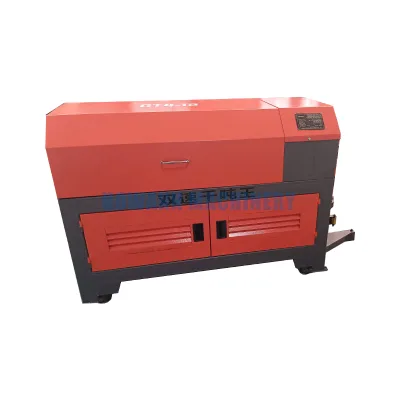
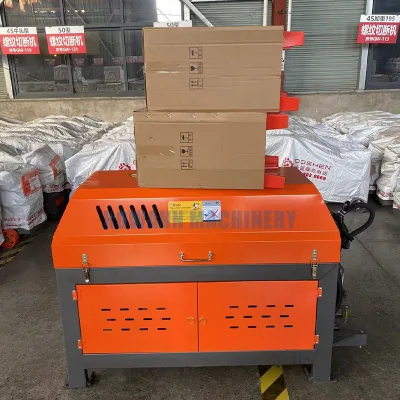
Multi-function Steel Bar Straightening Equipment Automatic Straightener and Cutter All-in-one
$650.00 - $850.00
MOQ: 1 sets
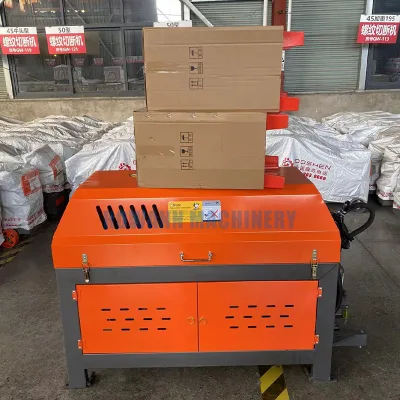
Factory Price Rebar Straightening Machine Affordable with Dust Removal Function
$650.00 - $850.00
MOQ: 1 sets

Changge Xulaide Construction Machinery Co., Ltd.
- Verified by SGS
- Combined
- China Henan
- Lead time15 days
- Avg. response≤ 2h
Main productsPower Trowel, Scarifier Machine, Asphalt Cutting Machine, Rebar Bending Machine Portable Rebar Bending Mac, Stirrup Rebar Bending Machine, Rebar Cutting Machine Portable Rebar Cutting Mac, Rebar Straightening and Cutting Machine, Scrap Bar Straightening Cutting Machine, Automatic Stirrup Rebar Bending Machine, Pipe / Tube Bending Machine
Main marketsSouth America

- Verified by BV
- Combined
- China Guangdong
- Lead time30 days
- Avg. response≤ 7h
Main productsInduction Heating Machine, Steel Wire Bending Machine, Resistance Welding Machine, Automatic Welding Machine, Tube Producing Machine, Automatic Straight Seam Welding Machine, Rolling Seam Welding Machine, Spot and Projection Welding Machine, Tube Butt Welding Machine, Butt Welding Machine
Main marketsSoutheast Asia/ Mideast,East Asia(Japan/ South Korea),Europe,North America
- Verified by SGS Group
- Trading Company
- Lead time60 days
- Avg. response≤ 6h
Main productsWire Drawing Machine, Hip Assistance Exoskeleton Robot, Eraser Making Machine, High Speed Nail Making Machine , Mesh Welding Machine
Main marketsSouth Asia(50%), North America(25%), South America(25%)
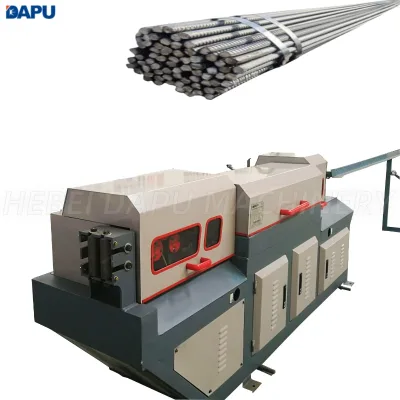
HEBEI DAPU MACHINERY CO., LTD.
- Verified by Intertek
- Manufacturer, Trading Company
- Lead time30 days
- Avg. response≤ 3h
Main productsWire Mesh Welding Machine, Wire Drawing Machine, Expanded Metal Mesh Machine, Gabion Machine, Chain Link Fence Machine
Main marketsSouth America(40%), Mid East(25%), Eastern Europe(20%)

Foshan Jinchun Industrial Automation Technology Co., Ltd.
- Verified by TUVRHEINLAND
- Combined
- China Guangdong
- Lead time30 days
- Avg. response≤ 3h
Main productsCNC Machine, CNC Wire Bending Machine, Welded Mesh Welding Machine, Ring Making Machine, Wire Straightening Machine, Automatic Welding Machine, Flash Butt Welding Machine, Spot Welding Machine, Cut to Length Machine, Wire Forming Machine
Main marketsDomestic


$7920.00 - $8340.00
MOQ: 1 Sets

Stainless Steel Straightening and Cutting Machine Wire Straightener Machinery Cutter Equipment
$6080.00 - $6370.00
MOQ: 1 Sets


Shijiazhuang Tianyue Honest Co., Ltd.
- Verified by SGS
- Trading Company
- China Hebei
- Lead time30 days
- Avg. response≤ 10h
Main productsGi Wire, Black Annealed Wire, Redrawn Wire, Welded Wire Mesh, Grassland Fence, Field Fence, Chainlink Fence, Hexagonal Wire Mesh, Stainless Steel Glove, Barbed Wire
Main marketsEurope,North America
Hebei Jiake Welding Equipment Co., Ltd.
- Manufacturer, Trading Company
- Hebei, China
- Lead time40 days
- Avg. response≤ 2h
Main productsMesh Welding Machine,Fence Machine,Wire Drawing Machine,Wire Straightening Cutting Machine,Ribbed Rebar Cold Rolling Machine
Main marketsSoutheast Asia(22.00%), North America(22.00%), Africa(17.00%), Mid East(15.00%), Eastern Europe(14.00%), Domestic Market(8.00%), South America(2.00%)
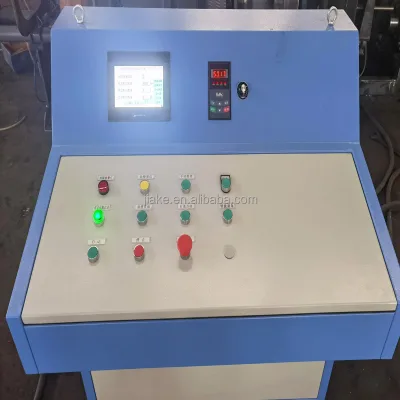
Steel Bar Straightener and Cutter for High-Quality and Long-Lasting Wire Solutions
$13200.00 - $14000.00
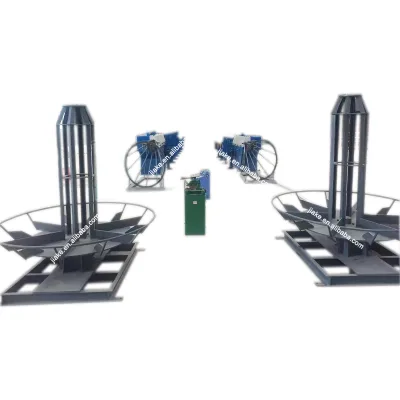
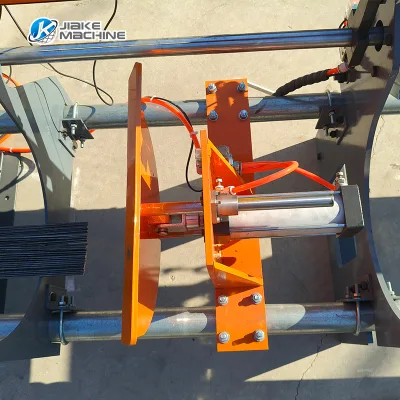
- Verified by SGS Group
- Manufacturer, Trading Company
- Shaanxi Province, China
- Lead time旺季: "1 - 1":35,"2 - 2":45,"3 - 10":60,"> 10":"To be negotiated", 淡季: "1 - 1":35,"2 - 2":45,"3 - 10":60,"> 10":"To be negotiated"
- Avg. response≤ 5h
Main productsHot Rolling Mill & Cold Rolling Mill, Electric Arc Furnace & Submerged Arc Furnance, Induction Furnace, Continuous Casting Machine( CCM), Steel Rolling Mill Line
Main marketsSoutheast Asia(40%), Mid East(25%), South Asia(25%)
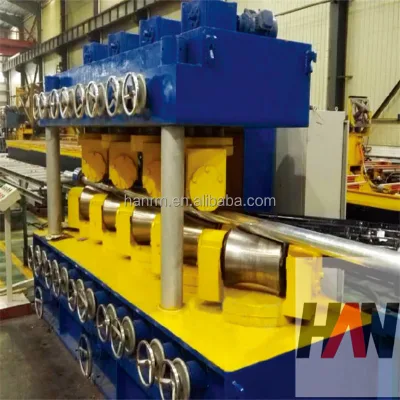
Bar and Wire Straightener Plate Straightening Machine Straightener Wire Machine
$73121.5198 - $83567.4512
MOQ: 1 sets
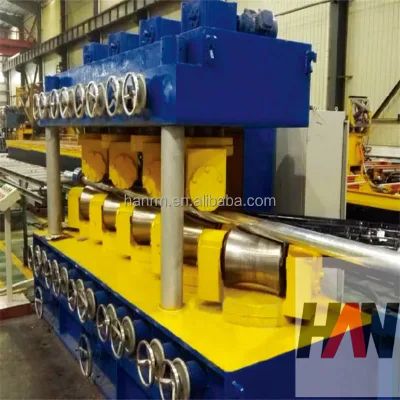
Low Price High Speed New Rebar Wire Straightening Fast Straightening Machine
$52229.657 - $83567.4512
MOQ: 1 sets
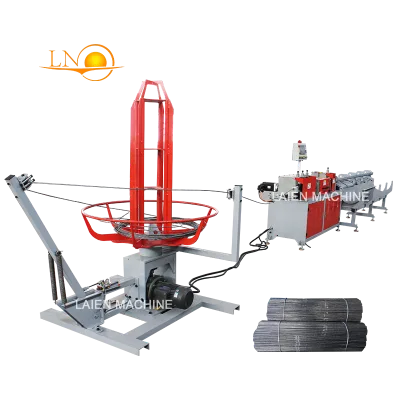
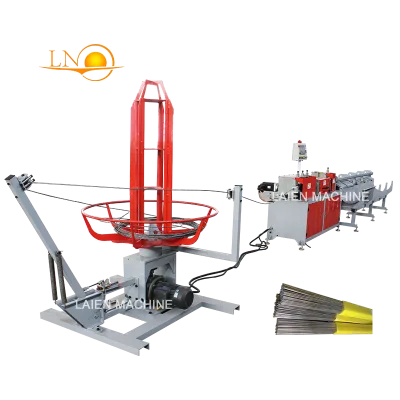
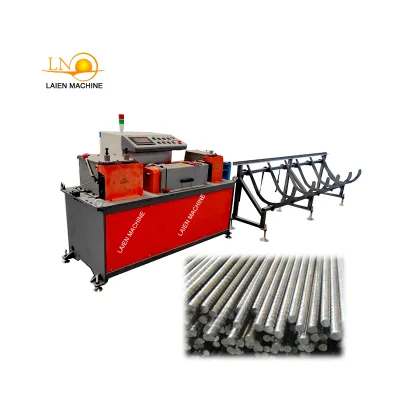
Anping County Laien Wire Mesh Machine Manufacturing Co., Ltd.
- Verified by TüVRheinland
- Manufacturer, Trading Company
- Lead time30 days
- Avg. response≤ 3h
Main productsExpanded Metal Mesh Machine, Wire Mesh Welding Machine, Hexagonal Wire Mesh Machine, Chain Link Fence Machine, Wire Drawing Machine
Main marketsDomestic Market(20%), North America(10%), South America(8%)
Hebei Kaiye Machinery Equipment Co., Ltd.
- Verified by TüVRheinland
- Trading Company
- Lead time30 days
- Avg. response≤ 1h
Main productsWire Mesh Welding Machine, Gabion Mesh Machine, Wire Mesh Machine, 3D Panel Welding Machine, Wire Drawing Machine
Main marketsDomestic Market(25%), Southeast Asia(12%), North America(10%)
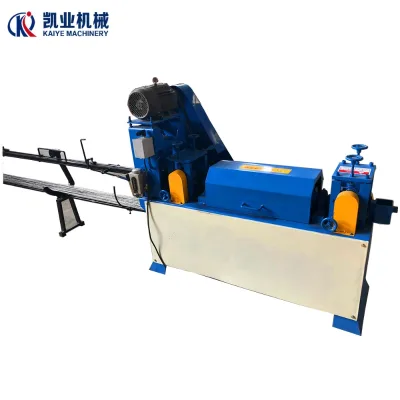
Steel Wire Straightening and Cutting Machine Manufacturer
$2280.00 - $2790.00
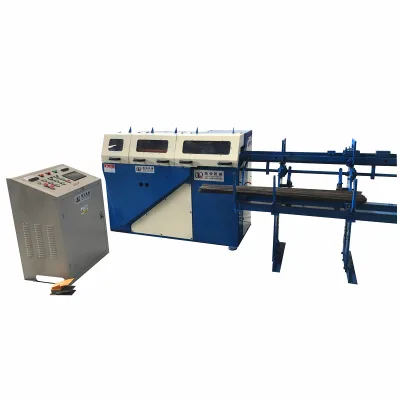
Factory Directly Sale High Speed Straighten and Cutting Machine Plc Control
$2130.00 - $2770.00
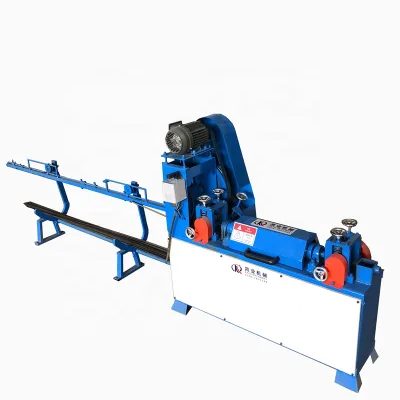
Guangdong Huolong Intelligent Equipment Co., Ltd.
- Manufacturer
- Guangdong, China
- Lead time0 days
- Avg. response≤ 1h
Main productsWire Bending Machine,Wire Straightening and Cutting Machine,Wire Welding Machine,Wire Forming Machine,Ring Making and Welding Machine
Main marketsDomestic Market(40.00%), Mid East(20.00%), North America(10.00%), Western Europe(10.00%), Central America(5.00%), Southeast Asia(5.00%), South Asia(5.00%), Eastern Europe(2.00%), Northern Europe(2.00%), Africa(1.00%)
Shijiazhuang Aisen Machinery Co., Ltd.
- Verified by TüVRheinland
- Trading Company
- Lead time20 days
- Avg. response≤ 2h
Main productsWire Drawing Machine, Wire Straightening And Cutting Machine, U Bolt Bending Machine, Bolt Forging Machine, Thread Rolling Machine
Main marketsNorth America(15%), South America(15%), Eastern Europe(10%)
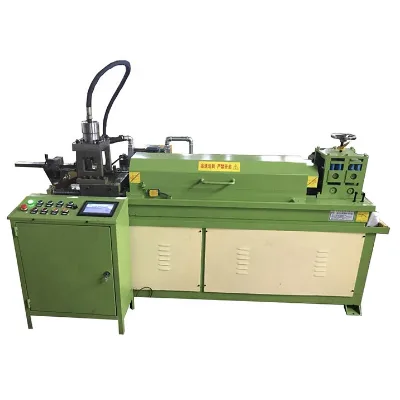
$24607.2242 - $25119.8747
MOQ: 1 sets
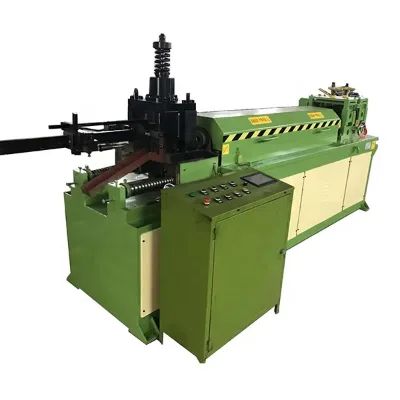
$8125.2605 - $8541.9406
MOQ: 1 sets
Henan Canary Machinery Equipment Co., Ltd.
- Verified by Intertek
- Trading Company
- Lead time0 days
- Avg. response≤ 2h
Main productsConcrete Machinery, Road Machinery, Rebar Machinery
Guangdong Hwashi Technology Inc.
- Manufacturer, Trading Company
- Lead time旺季: "1 - 1":30,"> 1":"To be negotiated", 淡季: "1 - 1":30,"> 1":"To be negotiated"
- Avg. response≤ 2h
Main productsResistance Spot Welding Machine, Seam Welding Machine, Butt Welding Machine, Automatic Welding Machine, Industrial Robot
Foshan Shunde Maoduoyu Trading Co., Ltd.
- Manufacturer, Trading Company, Distributor/Wholesaler
- Guangdong, China
- Lead time0 days
- Avg. response≤ 1h
Main productsIndustrial machinery,Commercial machinery,Packaging machinery,Filling machinery,Food machinery
Main marketsNorth America(50.00%), Southeast Asia(10.00%), Mid East(10.00%), Central America(10.00%), Domestic Market(5.00%), Western Europe(5.00%), Northern Europe(3.00%), South Asia(2.00%), Oceania(1.00%), Eastern Asia(1.00%), Eastern Europe(1.00%), South America(1.00%), Africa(1.00%)
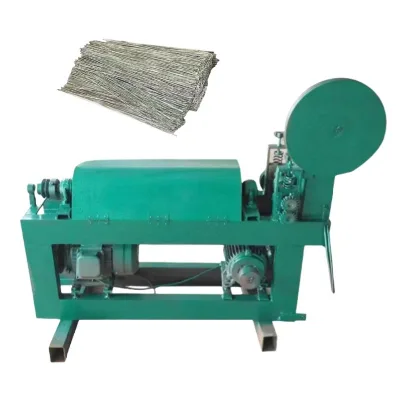
Compact Automatic Wire Straightening and Cutting Machine for SmallScale Industrial Use
$650.3711 - $781.4947
MOQ: 1 Minimum
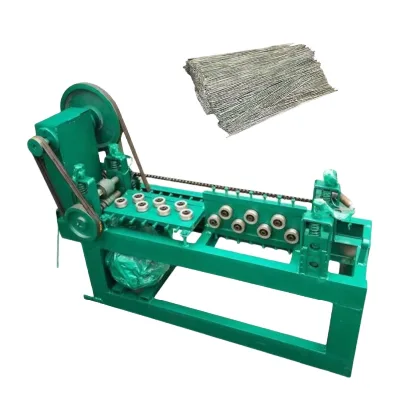
Best Selling High Speed Steel Wire Straightening and Cutting Machine with Motor and Gear
$651.4204 - $782.544
MOQ: 1 Minimum
Henan Jiashang Zhuoer Machinery Co., Ltd.
- Manufacturer, Trading Company
- Henan, China
- Lead time15 days
- Avg. response≤ 3h
Main productsPower Trowel, Road Roller, Plate Compactor, Rebar Machinery, Full-automatic Rebar Threading Polishing Line
Main marketsMid East(15.00%), Africa(15.00%), Southeast Asia(10.00%), South America(10.00%), Domestic Market(5.00%), South Asia(5.00%), Southern Europe(5.00%), Eastern Europe(5.00%), Northern Europe(5.00%), Central America(5.00%), Western Europe(5.00%), Eastern Asia(5.00%), Oceania(5.00%), North America(5.00%)
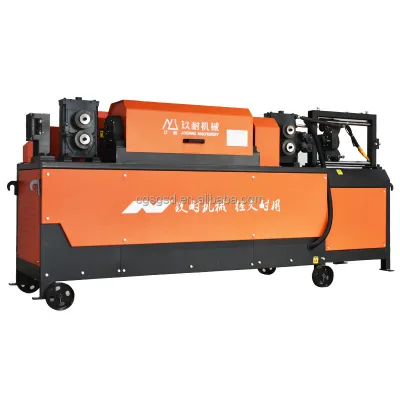
$2400.00 - $2500.00
MOQ: 1 sets
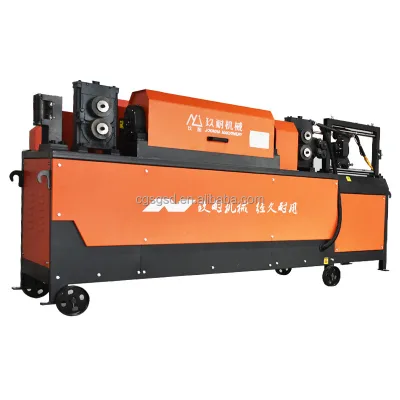
$2400.00 - $2500.00
MOQ: 1 sets
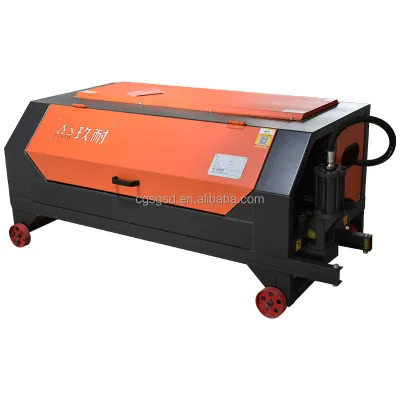
Easy to Operate Portable Steel Bar Straightening Machine Widely Used Rebar Straightener for Sale
$1445.00 - $1645.00
MOQ: 1

Hebei Songwei Intelligent Equipment Co., Ltd.
- Verified by CTI
- Combined
- China Hebei
- Lead time60 days
- Avg. response≤ 5h
Main productsStraight Line Wire Drawing Machine, Water Tank/Wet Wire Drawing Machine, Welding Mesh Machine, Annealing Furnace, Galvanizing Equipment, Nail Making Machine, Wire Pay-off Machine, Wire Take-up Machine
Main marketsDomestic


Factory Price Straightener & Cutter Best Price Wire Straightening and Cutting Machine
$9980.00 - $12380.00
MOQ: 1 Sets
Henan Share M&E Equipment Co.,Ltd
- Verified by SGS Group
- Trading Company
- Lead time7 days
- Avg. response≤ 3h
Main productsTextile Machinery, Printing Machinery, Construction Machinery, Wood Machinery
Main marketsNorth America(20%), South America(20%), Eastern Europe(10%)
Anping County Dechen Wire Mesh Machinery Co., Ltd.
- Manufacturer, Trading Company
- Hebei, China
- Lead time25 days
- Avg. response≤ 1h
Main productsReinforce Wire Mesh Welding Machine/Automatic Wire Mesh Welding Machine/3D Fence Mesh Welding Machine/Poultry Cage Welding Machine/Brick Force Wire Mesh Making Machine,wire mesh fence welding machine,auto wire mesh machine,steel grating welding machine,mesh panel welding machine
Main marketsDomestic Market(50.00%), Southeast Asia(20.00%), Africa(15.00%), North America(5.00%), South Asia(5.00%), Mid East(3.00%), Western Europe(2.00%)
Henan Baorun Machinery Co., Ltd.
- Verified by TüVRheinland
- Manufacturer, Trading Company
- Lead time15 days
- Avg. response≤ 2h
Main productsGrouting Pump, Shotcrete Machine, Bending Machine, CNC Robot, Profile Bending Machine
Main marketsDomestic Market(90%), Eastern Europe(3%), Africa(2%)

Anping Wanzhong Wire Mesh Products Co., Ltd.
- Verified by TUVRHEINLAND
- Combined
- China Hebei
- Lead time15 days
- Avg. response≤ 10h
Main productsWire Mesh Welding Machine, Welded Wire Mesh Machine, Fence Mesh Welding Machine, 3D Fence Mesh Welding Machine, 358 Fence Mesh Welding Machine, Rebar Mesh Welding Machine, Nail Making Machine, Chain Link Fence Machine, Chain Link Fence Making Machine, Wire Drawing Machine
Main marketsSouth America,Africa,Southeast Asia/ Mideast,Europe,North America


Straightener & Cutter Best Price Wire Straightening and Cutting Machine (factory! !)
$4800.00 - $24800.00
MOQ: 1 set
Suzhou Maiduobao Machinery Technology Co., Ltd.
- Verified by TüVRheinland
- Manufacturer, Trading Company
- Lead time15 days
- Avg. response≤ 4h
Main productsWinding Machine, Pay Off Machine, Wire Straightener, Meter Counter, Coiling Machine
Main marketsDomestic Market(30%), North America(15%), South America(15%)
Jining Qingke Machinery Co., Ltd.
- Manufacturer, Trading Company
- Lead time旺季: "1 - 1":10,"> 1":"To be negotiated", 淡季: "1 - 1":10,"> 1":"To be negotiated"
- Avg. response≤ 4h
Main productsExcavator, Forklift, Skid Steer Loader, Tricycle, Road Roller
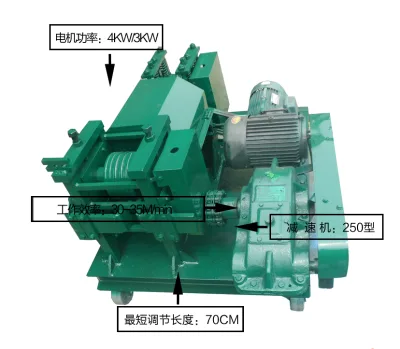
$1639.00 - $1659.00
MOQ: 1 sets
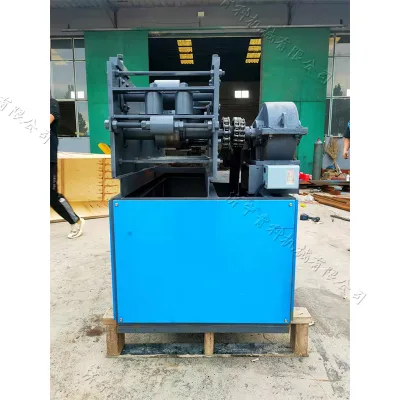
New Product 10-15m/min Angle Iron Pipe Straightening Machine Square Tube Straightening Machine
$1100.00 - $1140.00
MOQ: 1 sets
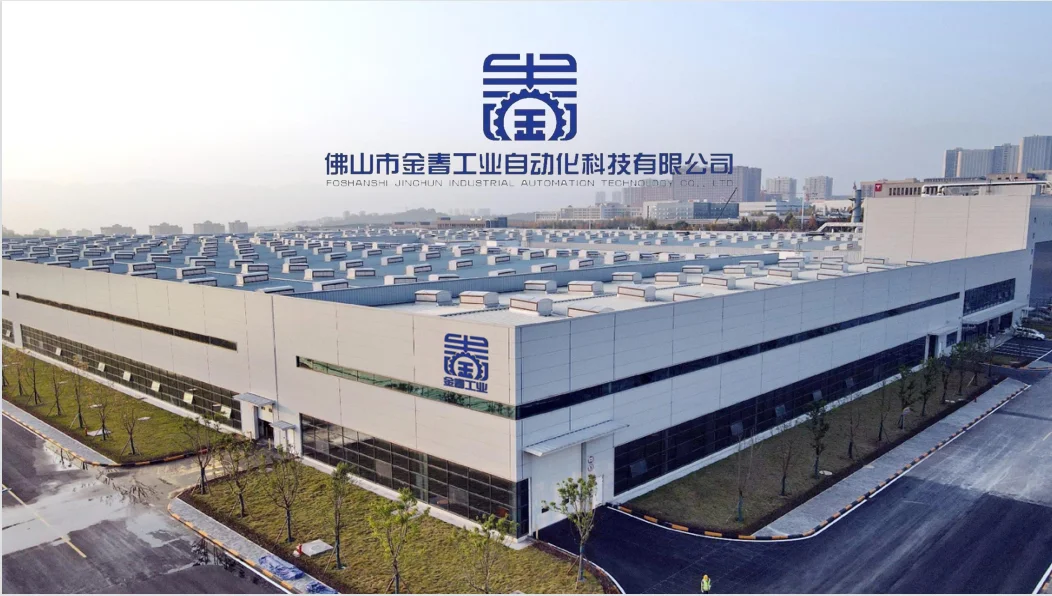
Foshan Jinchun Industrial Automation Technology Co., Ltd.
- Manufacturer, Trading Company
- Guangdong, China
- Lead time15 days
- Avg. response≤ 2h
Main products2D Wire Bending Machine/3D Wire Bending Machine/Wire Straightening Machine/Wire Ring Making Machine/Welding Machine
Main marketsDomestic Market(45.00%), Eastern Asia(10.00%), Southeast Asia(10.00%), South Asia(10.00%), Eastern Europe(10.00%), Mid East(5.00%), North America(5.00%)




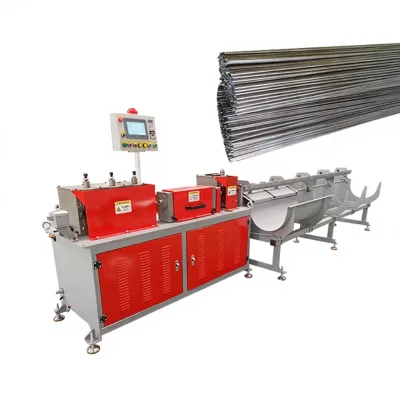
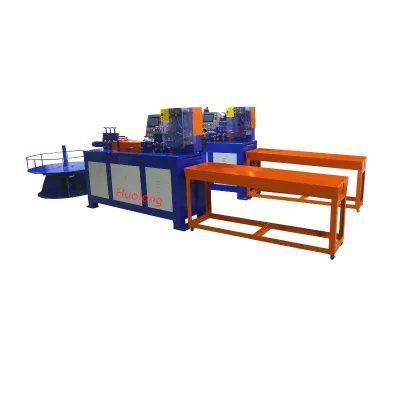
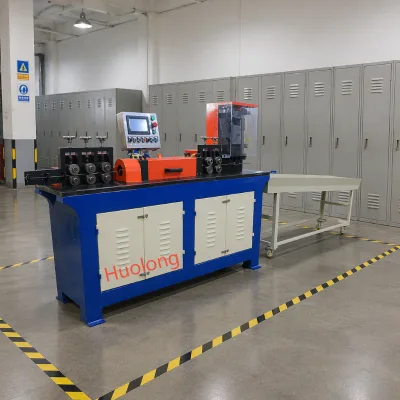
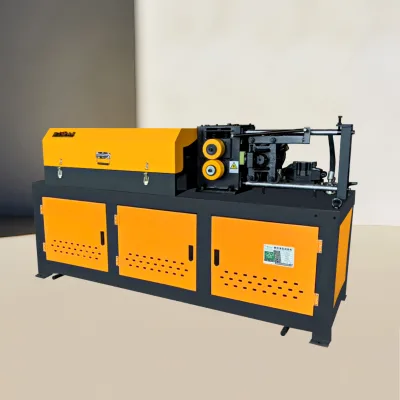
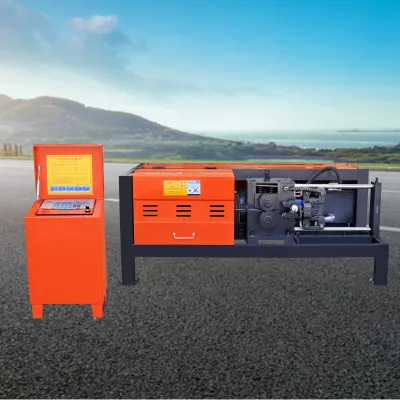
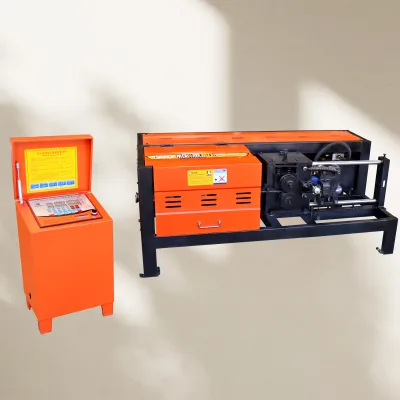
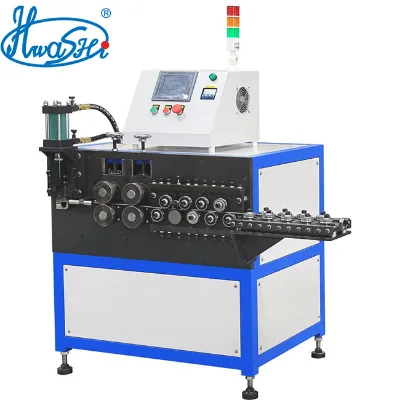
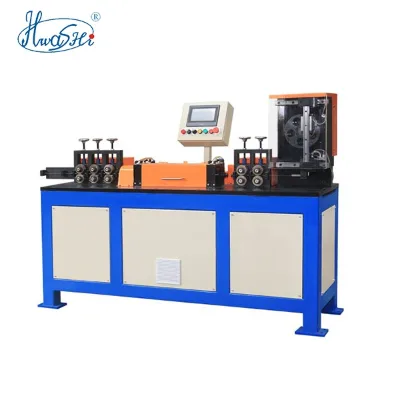
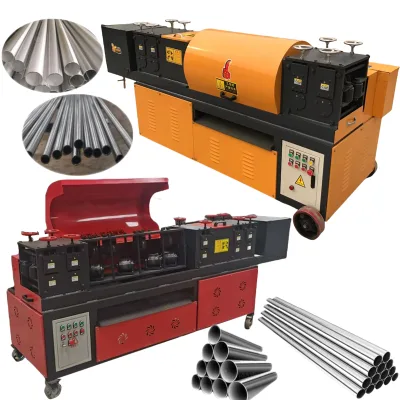
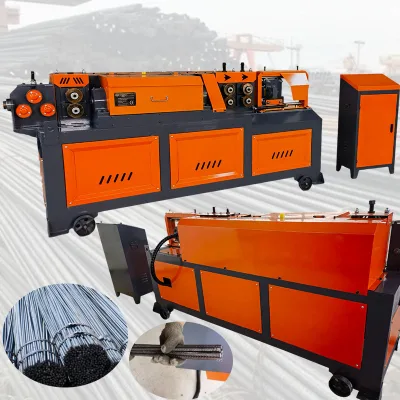
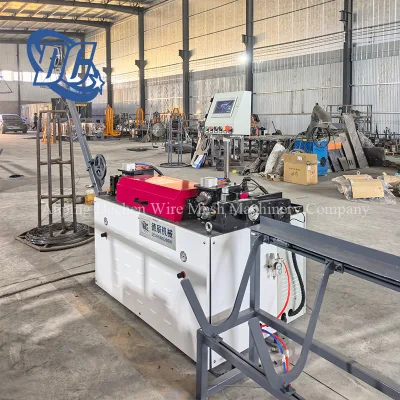
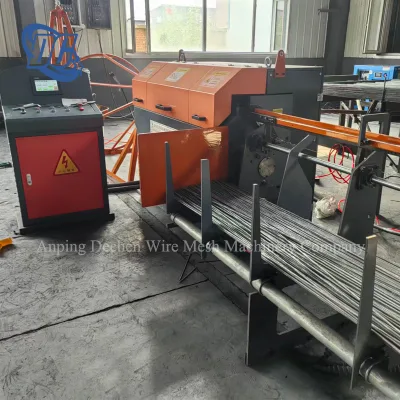
Comprehensive Sourcing Guide
Portable Wire Straightener and Cutter with PLC Supplier Concentration and Factory Types
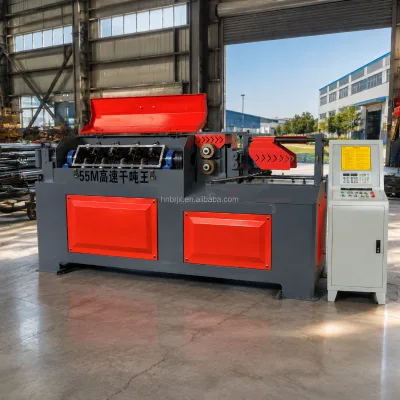
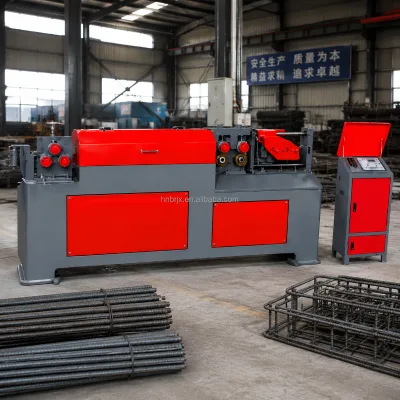
The current supplier landscape for portable wire straightening and cutting equipment reveals a distinct geographic and structural distribution that buyers must navigate carefully. Evidence indicates that manufacturing capabilities are concentrated in specific industrial provinces, with Hebei and Zhejiang emerging as primary hubs for this machinery. Suppliers located in Hebei often operate as trading companies, which may influence their inventory depth and direct factory access. In contrast, manufacturers in Zhejiang frequently offer a hybrid model, functioning as both producers and traders, which can streamline communication but requires verification of actual production capacity. This regional split suggests that buyers seeking direct factory engagement should prioritize suppliers explicitly identified as manufacturers in Zhejiang, while those open to trading arrangements might find competitive options in Hebei. Understanding this concentration helps in targeting the right pool of vendors for specific operational needs.
Company types vary significantly across these regions, impacting the nature of the engagement and the support structure available. Trading companies in Hebei may offer a broader range of related products, such as rebar cutters and concrete mixers, providing a one-stop solution for construction equipment needs. However, this breadth might come at the cost of specialized technical expertise for the wire straightener itself. Conversely, manufacturers in Zhejiang, such as those producing the YZ brand, often focus deeply on specific machinery lines like detachable truss decking or wire mesh welding lines, indicating a specialized engineering focus. This specialization can translate to better after-sales support and more accurate technical specifications. Buyers should assess whether they need a generalist trading partner or a specialist manufacturer, as this choice will dictate the level of technical support and customization available for their portable wire straightening projects.
How to Verify Portable Wire Straightener and Cutter with PLC Suppliers
Verification is a critical step in ensuring that the supplier you select is legitimate and capable of delivering high-quality machinery. One of the primary indicators of reliability is the presence of third-party verification badges, such as BV certification. Suppliers displaying such verification have undergone external audits, which can provide a baseline level of trust regarding their business operations and financial stability. However, verification alone is not sufficient; buyers must also scrutinize the specific product attributes listed. For instance, checking if the PLC control system is a key selling point or a core component can reveal the supplier's focus on automation and precision. Suppliers that highlight famous brand PLCs or provide detailed machinery test reports demonstrate a commitment to quality assurance and transparency, which are essential for long-term operational success.
Beyond verification badges, buyers should evaluate the supplier's response time and the depth of their technical documentation. A rapid response time, such as one day, indicates a responsive sales team that can address queries promptly, which is crucial for resolving technical issues or negotiating terms. Additionally, the availability of video outgoing-inspection and machinery test reports is a strong indicator of a supplier's confidence in their product. These resources allow buyers to visually verify the machine's condition and performance before shipment, reducing the risk of receiving defective equipment. Buyers should also check for detailed specifications, such as voltage requirements, motor power, and straightening speed, to ensure the machine meets their specific operational standards. By combining verification status with technical documentation and responsiveness, buyers can build a comprehensive profile of each supplier's reliability and capability.
What to Compare Across Portable Wire Straightener and Cutter with PLC Suppliers
When evaluating multiple suppliers, it is essential to compare key operational metrics such as lead time, minimum order quantity, and pricing. Lead times can vary significantly, with some suppliers offering a standard thirty-day turnaround, while others may have different production schedules. Understanding these timelines is crucial for project planning, especially if you have tight deadlines for construction or manufacturing projects. Minimum order quantities also play a role in cost efficiency; some suppliers may accept a single unit, making it easier to test the equipment, while others might require larger orders to achieve economies of scale. Comparing these factors helps buyers determine which supplier aligns best with their volume requirements and delivery expectations, ensuring that the procurement process is smooth and cost-effective.
Pricing and technical specifications are another critical area for comparison. Prices for portable wire straighteners can range from a few thousand dollars to over twenty thousand, depending on the complexity and automation level of the machine. Suppliers offering PLC-controlled models with higher feeding speeds and greater cutting length accuracy typically command higher prices. Buyers should compare the total motor power, voltage requirements, and straightening speed to ensure they are getting the best value for their investment. Additionally, comparing warranty terms and after-sales service provisions, such as video technical support or site support, can provide insight into the long-term cost of ownership. By meticulously comparing these attributes, buyers can make an informed decision that balances initial cost with long-term performance and support.
Common Portable Wire Straightener and Cutter with PLC Sourcing Risks
One of the primary risks in sourcing portable wire straighteners is the potential mismatch between advertised specifications and actual machine performance. Suppliers may list impressive feeding speeds or cutting accuracies, but without independent verification, these claims can be misleading. Buyers should be cautious of suppliers who do not provide machinery test reports or video outgoing-inspections, as these documents are crucial for validating performance claims. Additionally, the quality of the PLC system and other core components can vary significantly between suppliers. Inferior components may lead to frequent breakdowns and high maintenance costs, undermining the efficiency gains promised by the machine. Buyers must prioritize suppliers who provide detailed component lists and evidence of rigorous quality control processes to mitigate this risk.
Another significant risk is the variability in after-sales support and warranty enforcement. While many suppliers offer warranties, the actual support provided can differ greatly. Some suppliers may only offer video technical support, which can be insufficient for complex mechanical issues. Buyers should verify the availability of site support and the responsiveness of the technical team before making a purchase. Additionally, the risk of receiving machines that do not meet local voltage or safety standards is real, especially when sourcing from international suppliers. Buyers must ensure that the machine's voltage and certification requirements align with their local regulations to avoid costly modifications or legal issues. By proactively addressing these risks through thorough due diligence and clear contractual terms, buyers can protect their investment and ensure a smooth operational experience.
Portable Wire Straightener and Cutter with PLC Regional Sourcing and Logistics
Sourcing from different regions involves distinct logistical considerations that can impact the overall cost and delivery timeline. Suppliers in Hebei and Zhejiang offer different logistical advantages based on their proximity to major ports and industrial infrastructure. Buyers should consider the shipping costs and transit times associated with each region, as these factors can significantly affect the total landed cost of the equipment. Additionally, the packaging methods used by suppliers, such as plastic film and wooden boxes, can influence the safety of the machine during transit. Buyers should verify that the packaging is robust enough to protect the machine from damage during long-distance shipping, especially if the destination is far from the port of origin. Understanding these logistical nuances helps buyers plan their supply chain more effectively and avoid unexpected delays or damages.
Customs and import regulations also vary by region and can pose challenges for international buyers. Buyers must ensure that the supplier provides all necessary documentation, including commercial invoices, packing lists, and certificates of origin, to facilitate smooth customs clearance. Additionally, buyers should be aware of any specific import duties or taxes that may apply to machinery from China. Working with suppliers who have experience in international shipping can help navigate these complexities and ensure that the machine arrives at the destination without issues. Buyers should also consider the availability of local freight forwarders who can assist with customs clearance and final delivery. By planning for these logistical and regulatory aspects, buyers can streamline the import process and reduce the risk of delays or additional costs.
Portable Wire Straightener and Cutter with PLC Commercial Terms and Order Planning
Commercial terms and order planning are critical for ensuring a successful procurement process. Buyers should clearly define the payment terms, such as using escrow services to protect their funds until the machine is delivered and verified. Escrow provides a secure transaction method, reducing the risk of fraud and ensuring that the supplier fulfills their obligations. Additionally, buyers should negotiate clear delivery terms, including the Incoterms that define the responsibilities of each party during shipping. Understanding these terms helps avoid disputes over shipping costs and liability in case of damage or loss. Buyers should also plan for the installation and commissioning of the machine, ensuring that they have the necessary technical resources and training in place to operate the equipment efficiently from day one.
Order planning should also include a detailed assessment of the machine's compatibility with existing infrastructure. Buyers must verify that the machine's voltage, power requirements, and physical dimensions fit within their facility's constraints. Additionally, buyers should consider the spare parts availability and maintenance requirements to ensure long-term operational continuity. Establishing a clear communication channel with the supplier for ongoing support and troubleshooting is essential. Buyers should document all technical specifications and agreements in writing to avoid misunderstandings. By carefully planning the commercial terms and operational integration, buyers can maximize the value of their investment and ensure a seamless transition to using the new portable wire straightener and cutter.
FAQs
What is the price range for portable wire straighteners?
Portable wire straighteners and cutters typically range from $4,500 to $8,500 per unit. Prices vary based on automation levels and motor power. Higher-end PLC-controlled models with faster feeding speeds generally cost more than basic manual or semi-automatic versions.
What is the minimum order quantity for these machines?
The minimum order quantity is usually one unit. Suppliers often allow single-unit purchases for testing or small-scale operations. This low MOQ makes it easier for buyers to evaluate machine performance before committing to larger industrial orders.
How long does delivery take for these machines?
Standard lead times are approximately 30 days for manufacturing and shipping. Some suppliers may offer faster turnaround depending on stock availability. Buyers should confirm specific delivery schedules with the supplier to ensure alignment with project timelines.
What certifications do these machines typically have?
Many machines carry ISO and TUV certifications, ensuring compliance with international safety and quality standards. Buyers should verify specific certification documents provided by the supplier. These certifications indicate that the equipment meets rigorous manufacturing and operational requirements.
What warranty is provided for these machines?
Warranty periods typically range from one to twelve months. Coverage usually includes core components like motors and PLCs. Buyers should review the specific warranty terms offered by the supplier to understand what parts and services are included.
Where are these machines manufactured?
These machines are primarily manufactured in China, specifically in regions like Hebei and Zhejiang. These areas are known for industrial machinery production. Buyers can expect competitive pricing and a wide variety of models from suppliers in these locations.
What is the feeding speed of these machines?
Feeding speeds vary from 30 meters per minute for portable models to over 60 meters per minute for larger PLC-controlled units. Higher speeds are achieved with more powerful motors and advanced control systems. Buyers should select based on production volume needs.