PU Coated Embroidery Tulle Fabric Suppliers and Manufacturers
Explore 25 verified options for PU Coated Embroidery Tulle Fabric from China Fujian and Zhejiang. Compare response times, lead times, MOQs, and product specifications like width and material before contacting suppliers for samples; review the available evidence before requesting comparable quotations from suitable candidates.
Updated
Suppliers List

- Trading Company
- China Fujian
- Lead time15 days
- Avg. response≤ 10h
Main productsTulle Fabric, Mesh Fabric, Lace Fabric, Knitted Fabric, Recycle Fabric
Main marketsSouth America,Others(foreignTradeCapacity.exportBusinessCapacityMarketOther),Southeast Asia/ Mideast,Europe,Australia,North America


Manufacturer Sequin Embroidery Tulle Wedding Dress Cheap Polyester Clothing Material Fabric
$2.00 - $2.70
MOQ: 100 Meters


Newest Design Multiple Colors Tulle Mesh Embroidery Sequins Bridal Dress Making Lace Fabric for
$1.80 - $2.40
MOQ: 100 Meters

Yiwu Wetong Clothing Co., Ltd.
- Trading Company
- Zhejiang, China
- Lead time旺季: "1 - 99":15,"> 99":"To be negotiated", 淡季: "1 - 99":15,"> 99":"To be negotiated"
- Avg. response≤ 3h
Main productsWedding Dresses,Evening Dress,Wedding Accerssories,Lace Fabric,Sewing Accessories
Main marketsNorth America(30.00%), Oceania(10.00%), Southern Europe(10.00%), Northern Europe(10.00%), Eastern Europe(10.00%), Western Europe(10.00%), Africa(5.00%), Southeast Asia(5.00%), South America(5.00%), Mid East(5.00%)

Marigold Garment Accessories Co., Ltd.
- Trading Company
- China Guangdong
- Lead time15 days
- Avg. response≤ 11h
Main productsLace, Lace Trimming, Rhinestone Trimming, Embroidery, Patches, Elastic Trim, Brooches, Button, Rhinestone Patch, Lace Fabric
Main marketsSouth America,Africa,Southeast Asia/ Mideast,Europe,North America


High Quality Soft Floral Embroidery Tulle Lace Fabric for Bridal Wedding Dress Ladies Garment
$7.90 - $8.90
MOQ: 300 Yards

Soft Floral Embroidery Tulle Lace Fabric for Bridal Wedding Dress Ladies Garment
$7.90 - $8.70
MOQ: 100 Yards

NINGBO RIVIELLA TEXTILE INDUSTRIAL AND TRADING CO., LTD.
- Verified by BV
- Trading Company
- China Zhejiang
- Lead time30 days
- Avg. response≤ 22h
Main productsJacquard Woven Knitting Printing Yarn Dyed, Yarn Dyed Jacquard Fabric, Plain Spandexk/Stretch Fabric, Embroidery Lace Mesh/Tulle, Lame Foil Printed Knitting, Wool Fabric, Mesh Fabric, Jacquard Brocade Fabric, Furniture/Sofa/Curtain Fabric, Upholstery Home Textile Fabric
Main marketsSouth America,Europe,Australia,North America


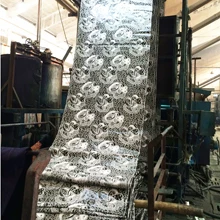
Reversible Sequin Embroidery Fabric for Dress/ Bridal/ Party Home Textiles with Mesh Tulle
$2.09 - $2.49
MOQ: 500 Meters
Guangzhou Grown Trading Co., Ltd.
- Trading Company
- Guangdong, China
- Lead time15 days
- Avg. response≤ 8h
Main productsAfrican Wax Fabric,Lace,Silk,Bag Shoes,Bazin
Main marketsAfrica(30.00%), North America(15.00%), Southern Europe(8.00%), Northern Europe(8.00%), Oceania(8.00%), Western Europe(8.00%), Eastern Europe(8.00%), Mid East(5.00%), Domestic Market(5.00%), Eastern Asia(3.00%), South America(2.00%)
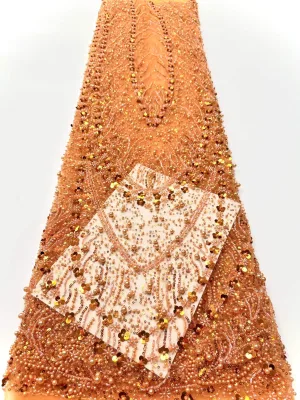
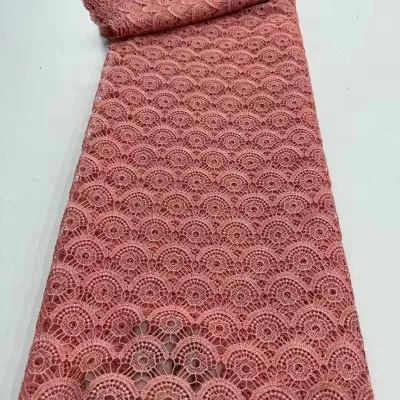
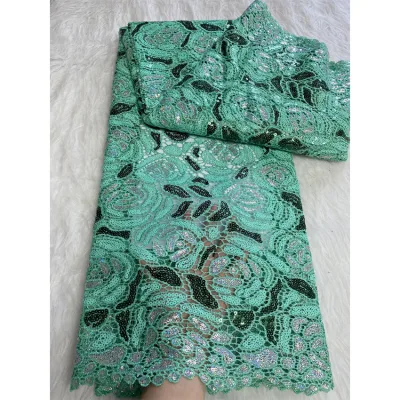
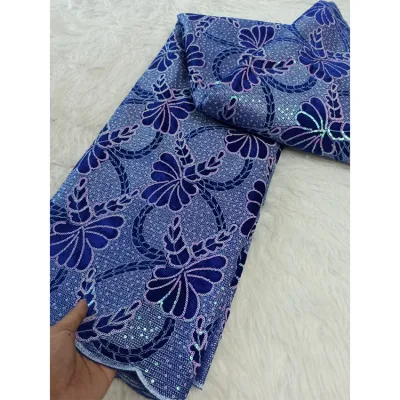
Tulle Lace Textiles Embroidery Mesh Fabric Embroidered Manufacturer Good Price Mesh Polyester
$4.108 - $4.5179
MOQ: 5 yards

Wuxi Glolinker Technology Co., Ltd.
- Verified by CTI
- Trading Company
- China Jiangsu
- Lead time15 days
- Avg. response≤ 16h
Main productsClothing Fabrics, Pillows, Blankets, Duvet Cover, Fabric, Bed Sheets, Satin Fabric, Pillowcase, Embroidery Fabric, Sequin Fabric
Main marketsDomestic


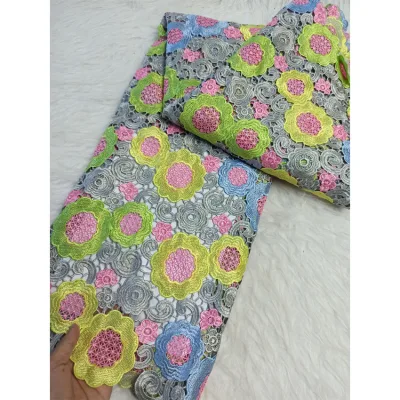
Hot Trend Multicolor Embroidered Tulle Fabric with Floral Patterns for Dresses
$4.00 - $9.00
MOQ: 300 Meters

Good Selling Beaded Floral Embroidered Tulle Mesh Fabric for Bridesmaid Gown
$4.00 - $9.00
MOQ: 300 Meters


New Arrival Elegant Embroidered Fabric with Lace and Sequins for Bridal Gown
$4.00 - $9.00
MOQ: 300 Meters

Shenzhen Zhenshangmei Garment Accessories Co., Ltd.
- Manufacturer, Trading Company
- Guangdong, China
- Lead time27 days
- Avg. response≤ 2h
Main productsGuipure lace,Lace products,Crochet lace,Bead,ribbon
Main marketsWestern Europe(30.00%), North America(25.00%), South Asia(15.00%), Eastern Europe(15.00%), Eastern Asia(15.00%)
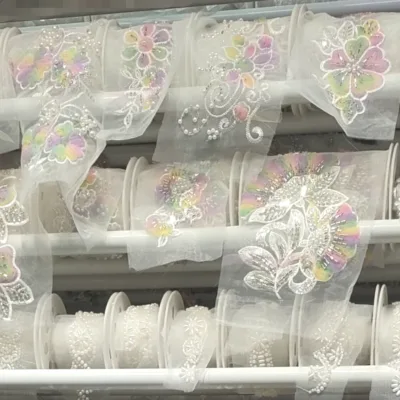
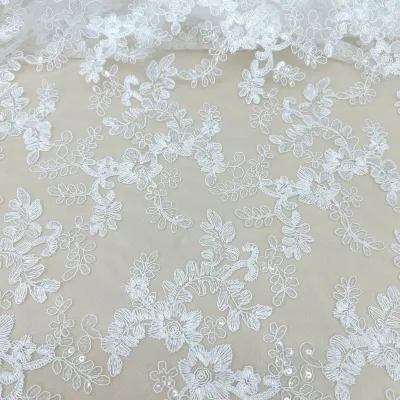
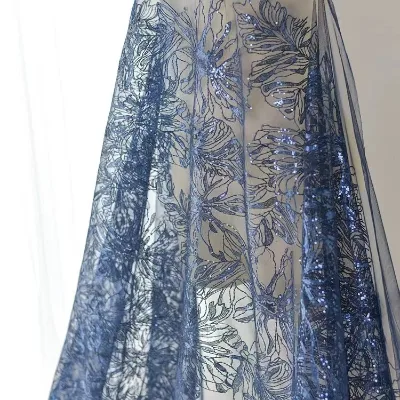
Factory Wholesale Custom Colored Embroidery Polyester Flowers Tulle Fabric Border Lace for Dress
$0.20 - $0.40
MOQ: 15 yards

Suzhou Gilka Trading Co., Ltd.
- Trading Company
- China Jiangsu
- Lead time23 days
- Avg. response≤ 3h
Main productsClothing and Apparel Wholesale, Wedding Dresses, Embroidery Lace Fabrics, Glliter Tulle Fabrics, Wedding Gowns, Party Dresses, Trimming Lace, Factory OEM Fabrics, Western Fabrics, Vestidos Fabrica
Main marketsSouth America,North America

Lllusionary Bead Sequin Embroidered Mesh Lace Tulle Fabric for Garment Dress
$3.87 - $5.73
MOQ: 5 Yards

Factory Custom Dresses Women Wedding Lace Bridal Fabric Embroidery Tulle Lace Fabrics
$8.00 - $12.00
MOQ: 50 Yards

White Mesh Sequin Embroidery Fabric Glitter Tulle Fabrics for Dresses and Hometextiles
$2.00 - $3.00
MOQ: 100 Yards

Hot Selling Beads Embroidery Lace Fabrics with Beads Tulle Mesh Cloth for Bridal Tulle
$8.00 - $12.00
MOQ: 50 Yards

Wholesale Price Hand Sewn Sequin Embroidery Mesh Tulle Fabric for Women Dress
$2.78 - $6.42
MOQ: 5 Yards

$8.00 - $12.00
MOQ: 50 Yards
Guangzhou Dobest Textile Co., Ltd.
- Manufacturer, Distributor/Wholesaler
- Guangdong, China
- Lead time7 days
- Avg. response≤ 7h
Main productsembroidery tulle fabric,SEQUINS FABRIC,SEQUINS LACE,LACE,BEADED LACE
Main marketsNorth America(25.00%), Western Europe(10.00%), Southern Europe(10.00%), Northern Europe(10.00%), Mid East(10.00%), Eastern Europe(10.00%), South America(10.00%), Southeast Asia(5.00%), Central America(5.00%), Eastern Asia(4.00%), South Asia(1.00%)
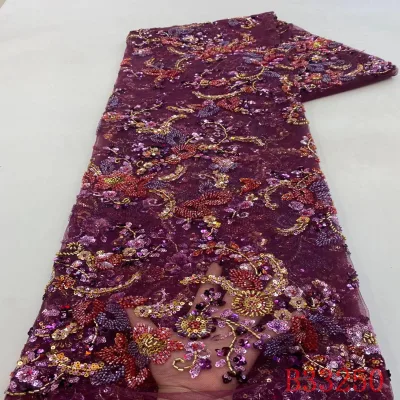
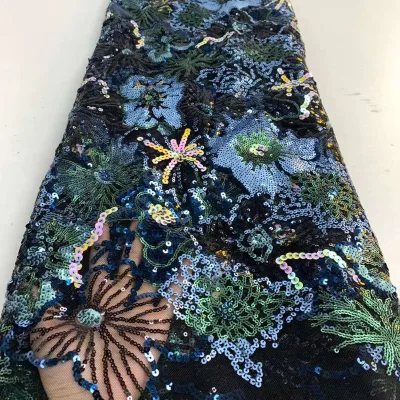
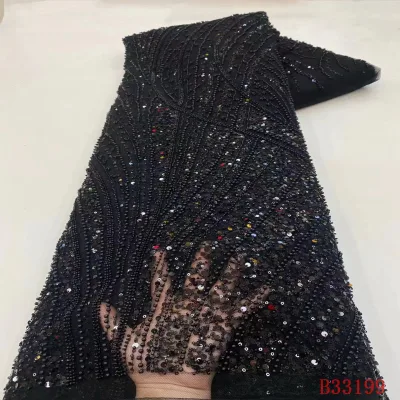
Wholesale Price and High Quality Sequin Lace Fabric Embroidery Black Material Tulle
$11.80 - $13.20
MOQ: 5
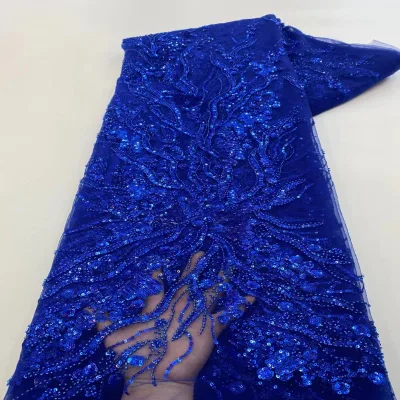
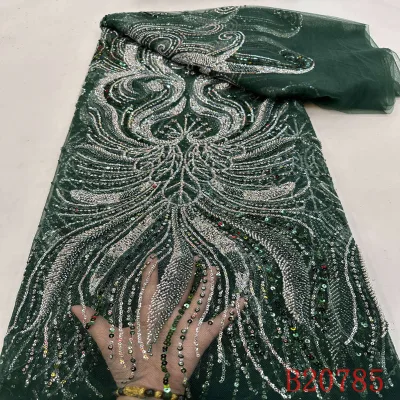
High Quality and Crystal Tulle Embroidery Lace With Velvet Sequins Lace Fabric Dress
$7.30 - $8.80
MOQ: 5 yards

Guangzhou Lantu Trading Co., Ltd.
- Trading Company
- Guangdong, China
- Lead time7 days
- Avg. response≤ 4h
Main productsLace,Rhinestone items,Wholesale,Retail,Fabric
Main marketsNorth America(50.00%), Western Europe(20.00%), Northern Europe(10.00%), Africa(10.00%), Southeast Asia(3.00%), Eastern Europe(3.00%), South Asia(2.00%), South America(2.00%)
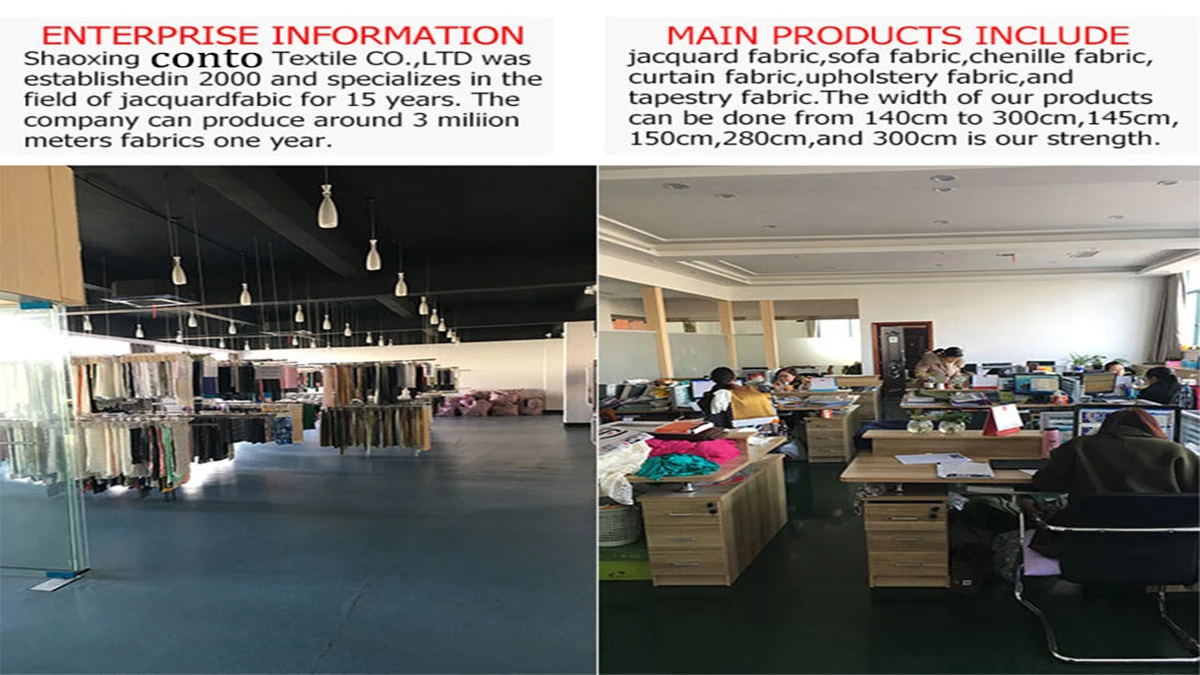
Shaoxing Keqiao Conto Textile Co., Ltd.
- Trading Company
- Zhejiang, China
- Lead time60 days
- Avg. response≤ 7h
Main productssofa fabric,garment fabric,flannel blanket,pu/pvc fabric,curtain
Main marketsSouth Asia(15.00%), Southern Europe(10.00%), North America(10.00%), Eastern Europe(10.00%), Northern Europe(10.00%), Domestic Market(5.00%), Africa(5.00%), Southeast Asia(5.00%), South America(5.00%), Central America(5.00%), Western Europe(5.00%), Eastern Asia(5.00%), Mid East(5.00%), Oceania(5.00%)
Guangzhou Yaxin Garment Accessories Co., Ltd.
- Manufacturer, Trading Company
- Guangdong, China
- Lead time10 days
- Avg. response≤ 1h
Main productsEmbroidery Fabric,guipure lace fabric,3d lace fabric,lace fabric for wedding,luxury lace fabric
Main marketsNorth America(20.00%), Africa(15.00%), Southeast Asia(15.00%), Eastern Europe(15.00%), Central America(15.00%), South America(10.00%), Western Europe(10.00%)

- Verified by TUVRHEINLAND
- Combined
- China Zhejiang
- Lead time30 days
- Avg. response≤ 8h
Main productsThread, Zipper, Lace, Button, Webbing & Tape, Ribbon, Interlining, Fabric, Tailoring Materials, Hook & Loop
Main marketsSouth America,Africa,Europe,Australia

Guangzhou ZSY Trading Co., Ltd.
- Manufacturer, Trading Company, Distributor/Wholesaler
- guangdong, China
- Lead time0 days
- Avg. response≤ 2h
Main productsLace Fabric,Lace Trimming,Fringe,Patch,Rhinestone Trimming
Main marketsNorth America(40.00%), Southern Europe(10.00%), Oceania(10.00%), Domestic Market(5.00%), South Asia(5.00%), Eastern Europe(5.00%), Northern Europe(5.00%), Western Europe(5.00%), Mid East(5.00%), South America(5.00%), Southeast Asia(5.00%)
Guangzhou Marigold Trading Co., Ltd.
- Verified by TüVRheinland
- Trading Company
- Lead time12 days
- Avg. response≤ 3h
Main productsEmbroidery Fabric, Trimmings, Patches, Buttons, Buckles
Main marketsNorth America(9%), Southeast Asia(9%), Western Europe(9%)
Oriental Dimension (Chengdu) Textile Co., Ltd.
- Trading Company
- Sichuan, China
- Lead time0 days
- Avg. response≤ 5h
Main productsEmbroidery Lace,French Lace,Fashion Dress Lace,Wedding Veil,Trimming And Motif
Main marketsDomestic Market(100.00%), South Asia(100.00%), Southern Europe(100.00%), Northern Europe(100.00%), Central America(100.00%), Western Europe(100.00%), Eastern Asia(100.00%), Mid East(100.00%), Oceania(100.00%), Africa(100.00%), Southeast Asia(100.00%), Eastern Europe(100.00%), South America(100.00%), North America(100.00%)

Shaoxing Yewang Textile Co., Ltd.
- Verified by SGS
- Trading Company
- China Zhejiang
- Lead time15 days
- Avg. response≤ 18h
Main productsRayon Print&Dye Fabric, Cotton Print&Dyed Fabric, Polyester Print and Dyed Fabric, Digital Printing Fabric, Nida Fabric and Abaya Fabric, Garment Fabric and Knitted Fabric, Linen Fabric and Hawaii Design Fabric, Velvet Fabric and Cey Fabric, Flano Fabric and Denim Fabric, Woven Fabric
Main marketsDomestic

French Lace Fabric Luxury Sequin Fabric Beaded Embroidery Lace Tulle Sequins Wedding Lace Fabric
$4.80 - $5.00
MOQ: 1000 Yards


Ningbo L&B Import & Export Co., Ltd.
- Verified by SGS Group
- Trading Company
- Lead time10 days
- Avg. response≤ 4h
Main productsButton, Lace, Blouse, Patch
Main marketsNorth America(30%), South America(30%), Eastern Europe(20%)
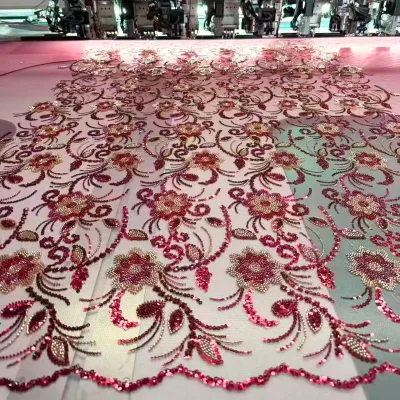
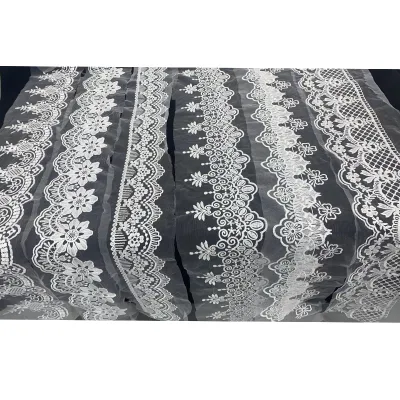
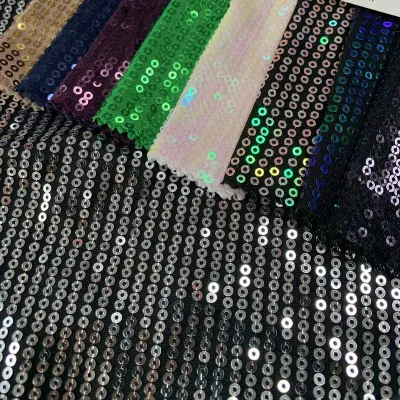
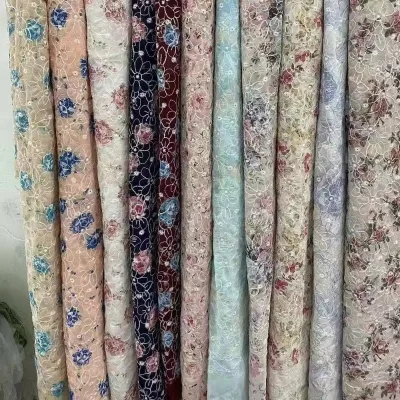
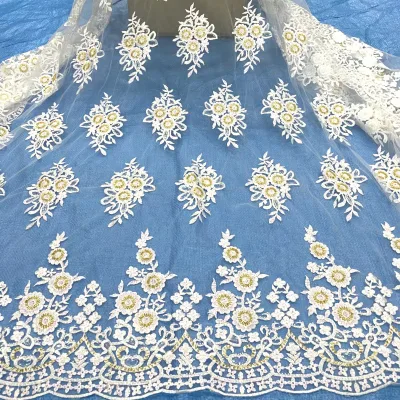
Sparkling Luxury Fashion Bridal Fabric Lace Embroidery Wedding Dress Fabric
$6.50 - $12.00
MOQ: 60 yards

Shaoxing Keqiao Sequeen Textile Co., Ltd.
- Trading Company
- Zhejiang, China
- Lead time15 days
- Avg. response≤ 4h
Main productsEmbroidery Fabric,Bead fabric,Sequin fabric,Rhinestone fabric,Lace fabric
Main marketsNorth America(30.00%), Northern Europe(20.00%), Western Europe(20.00%), Mid East(20.00%), South Asia(10.00%)
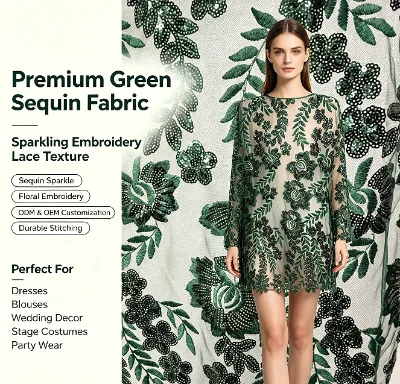
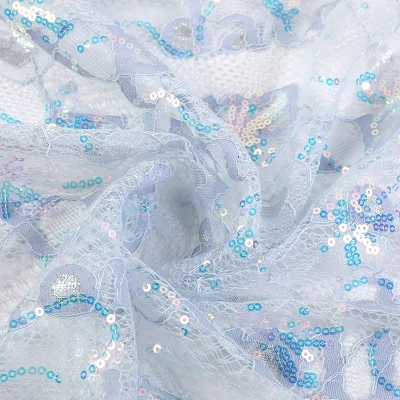
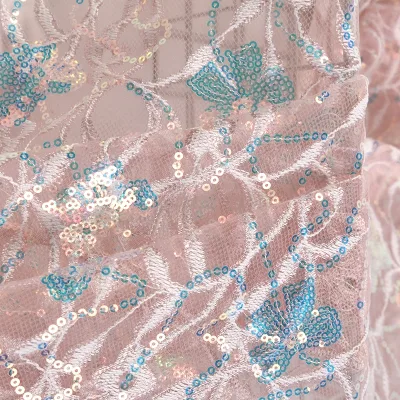
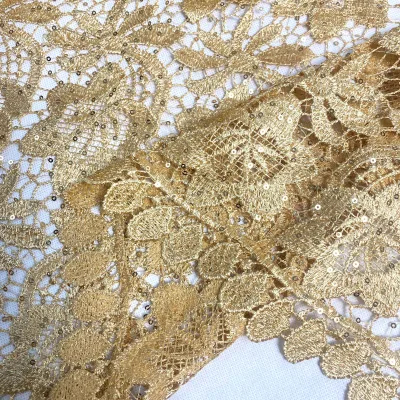
Best Selling 50/51 Mesh Floral Embroidery Lace Sequins Fabric for Fashion Accessories
$3.68 - $4.58
MOQ: 1000

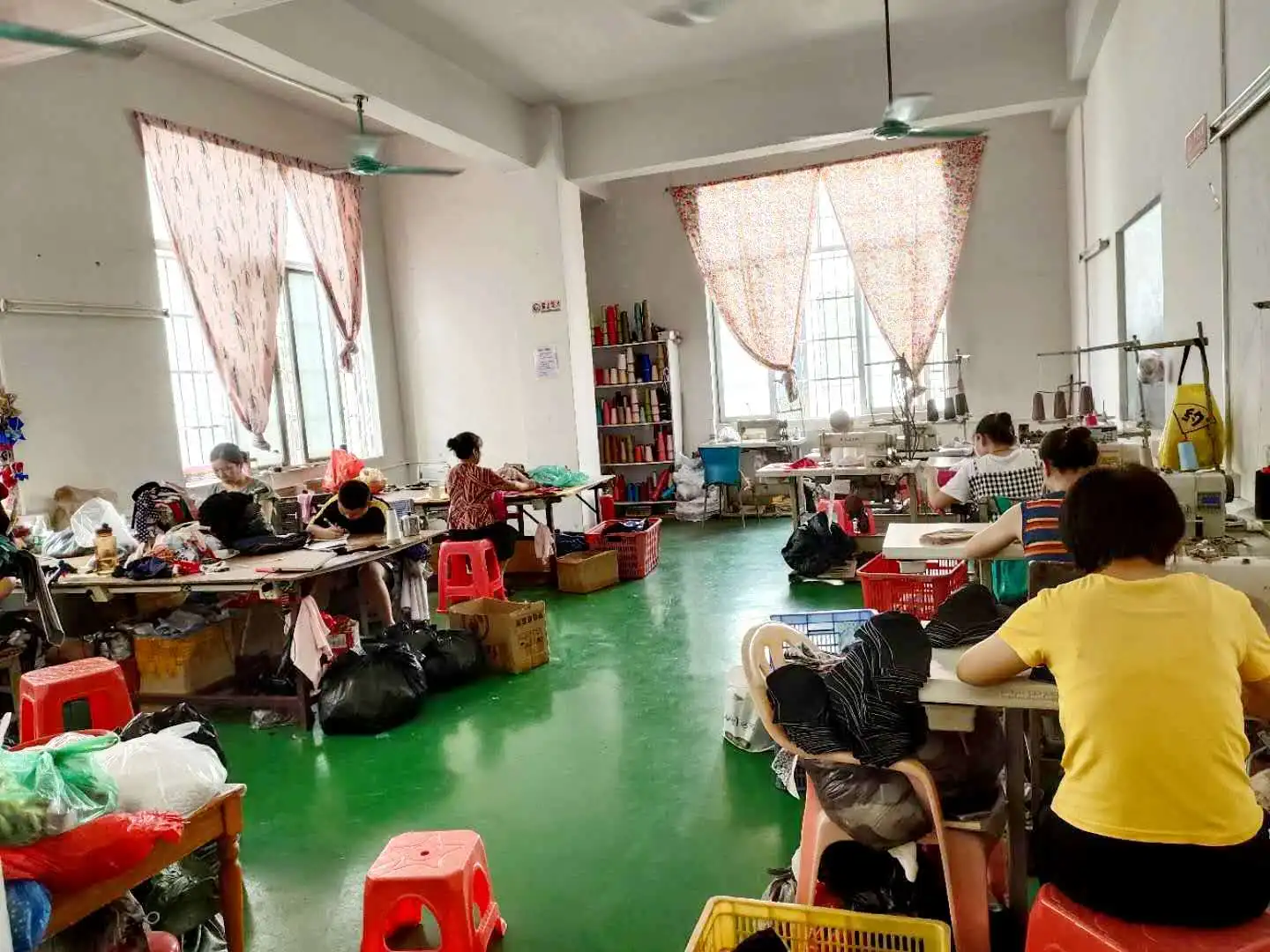
Guangzhou Haolilian Trading Co., Ltd.
- Trading Company, Distributor/Wholesaler
- Guangdong, China
- Lead time5 days
- Avg. response≤ 2h
Main productshair accessories,handmade flowers,clothing accessories,wedding accessories,rhinestone applique
Main marketsWestern Europe(30.00%), South America(30.00%), North America(30.00%), Mid East(3.00%), Eastern Europe(3.00%), Southeast Asia(3.00%), Africa(1.00%)
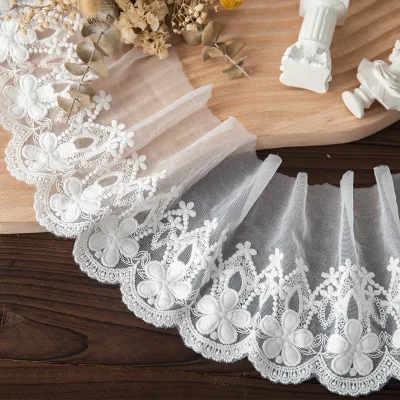
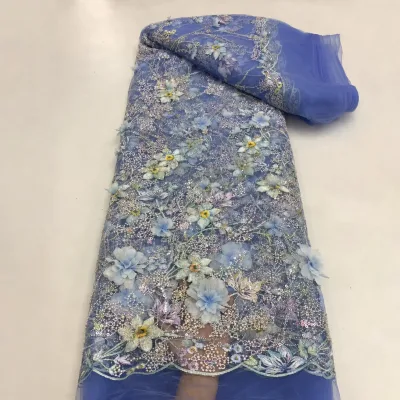
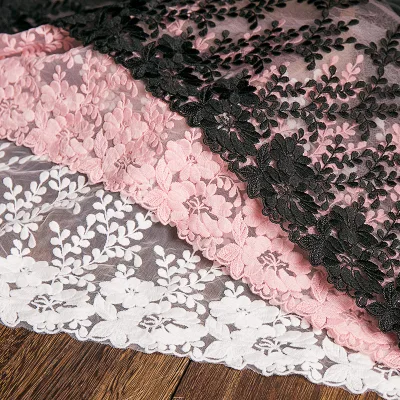
32 cm Width Embroidery Lace, White Lace Fabric with Flower Pattern, Dress Border Mesh Lace
$0.8677
MOQ: 150 Minimum

Shaoxing Shaoying Import and Export Co., Ltd.
- Verified by SGS
- Combined
- China Zhejiang
- Lead time30 days
- Avg. response≤ 10h
Main productsSequin Fabric, Embroidered Fabric, African-Style Fabrics, Fashionable Fabric, Beaded Fabric, Children's Clothing Fabric, Cotton Fabric with Embroidery, Fashion Trend, Heavy-Duty Fabric, Light and Breathable Arab-Style Fabric
Main marketsOthers(foreignTradeCapacity.exportBusinessCapacityMarketOther),Southeast Asia/ Mideast

Guangzhou Jiayuan Clothing Co., Ltd.
- Manufacturer, Trading Company, Distributor/Wholesaler
- Guangdong, China
- Lead time20 days
- Avg. response≤ 2h
Main productsrhinestones fabric,diamante fabric,embroidery lace,3D lace,lace trimming
Main marketsEastern Europe(20.00%), North America(15.00%), Western Europe(15.00%), Southern Europe(10.00%), South America(10.00%), Central America(6.00%), Oceania(5.00%), Domestic Market(5.00%), Eastern Asia(5.00%), Mid East(5.00%), Africa(3.00%), Southeast Asia(1.00%)
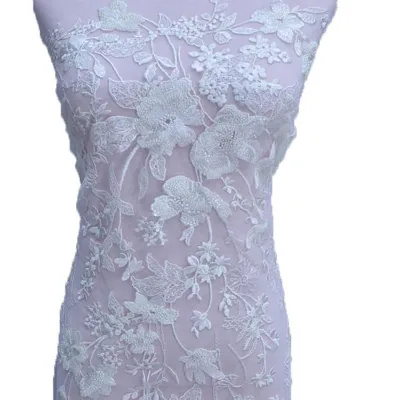
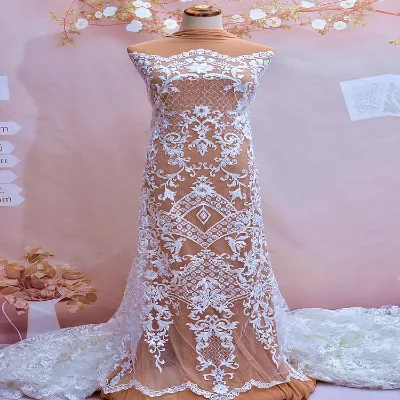

Heavy Embellished Pearls Beaded Fabric With Shiny Sequins Textile for Clothing Decoration
$15.34 - $18.4083
MOQ: 5 yards
Shantou Huayi Fang Embroidery Textile Co., Ltd.
- Verified by Intertek
- Manufacturer, Trading Company
- Lead time10 days
- Avg. response≤ 5h
Main productsLace Fabric, Handmade Beaded Lace, Embroidery Lace
Main marketsNorth America(25%), Africa(20%), Eastern Europe(15%)
Guangzhou Chowleedee Import And Export Co., Ltd.
- Trading Company
- Guangdong, China
- Lead time3 days
- Avg. response≤ 6h
Main productsEmbroidery fabric, Abaya muslim dress, Swiss embroidery voile , Lace fabric, Chiffon fabric
Main marketsWestern Europe(30.00%), Northern Europe(30.00%), Africa(20.00%), Domestic Market(10.00%), North America(5.00%), Oceania(5.00%)
Hangzhou Daya Textile Co., Ltd.
- Trading Company
- Zhejiang, China
- Lead time20 days
- Avg. response≤ 5h
Main productsZipper&slider,Tape&Webbing,Thread&yarn,Garment accessory,Tailoring Material
Main marketsSouth America(60.00%), Domestic Market(10.00%), South Asia(10.00%), Mid East(10.00%), North America(10.00%)
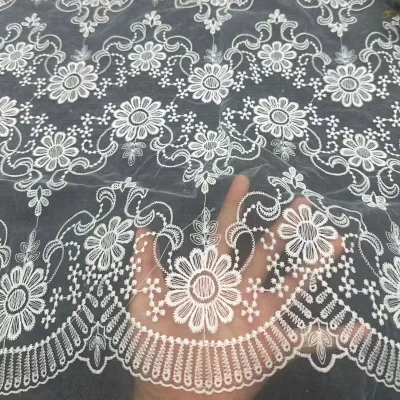


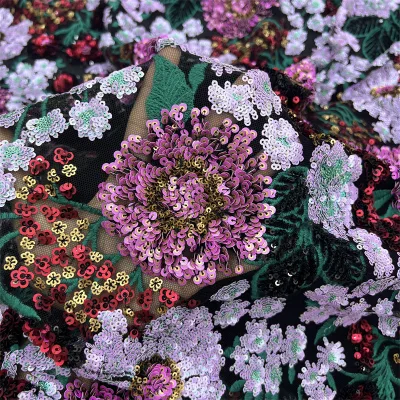
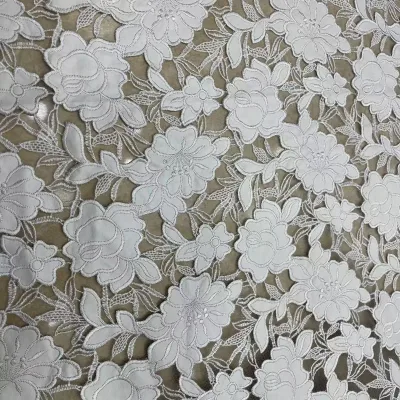
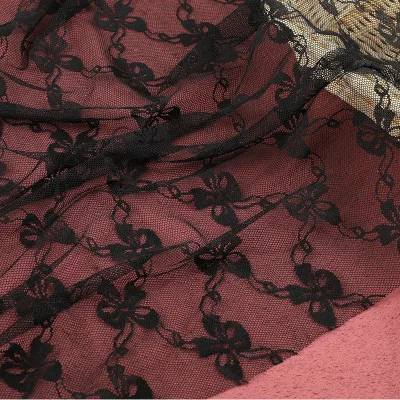



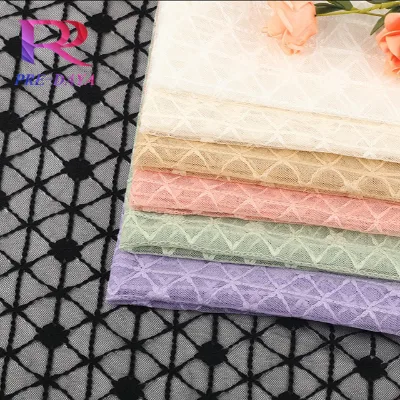
Comprehensive Sourcing Guide
PU Coated Embroidery Tulle Fabric Supplier Concentration and Factory Types
Current data indicates a concentration of suppliers in China, specifically within the Fujian and Zhejiang provinces. These regions host a mix of trading companies and manufacturers offering tulle, mesh, and lace fabrics. The observed supplier types are predominantly trading companies, which often aggregate products from various factories to offer a broader catalog including sequin tulle, embroidered lace, and knitted fabrics. Buyers should note that while some listings mention specific product models like FZ344 or FZ159, the underlying factory structure varies, with some entities acting as intermediaries rather than direct producers.
When evaluating the factory type, buyers must distinguish between trading companies and actual manufacturers based on the provided company type data. The available facts show that many suppliers are classified as trading companies, which can impact direct communication with production lines. In regions like Zhejiang, suppliers may focus on wedding dresses and accessories alongside fabric, suggesting a vertical integration that could benefit buyers seeking complete garment solutions. However, without explicit factory verification, buyers should assume a trading model unless specific manufacturing credentials are confirmed. This distinction is critical for understanding the supply chain depth and the potential for customization requests.
How to Verify PU Coated Embroidery Tulle Fabric Suppliers
Verification begins with scrutinizing the response time and lead time data provided in supplier profiles. Observed response times vary significantly, with some suppliers showing a response time of 3, while others report 9.45, indicating differences in operational efficiency and customer service capacity. Buyers should prioritize suppliers with faster response metrics to ensure timely communication regarding order status and technical queries. Additionally, lead times are listed as 15 days for standard orders, with specific notes for peak seasons where negotiation may be required for volumes exceeding 99 units. This variability necessitates a proactive approach to confirm current capacity before placing large orders.
Certification and standard verification are equally vital, as the current data shows system certifications listed as NIL for some suppliers. Buyers must explicitly request proof of quality standards, such as ISO or specific textile certifications, rather than relying on default profile data. The absence of listed certifications does not confirm a lack of quality but highlights a gap in digital transparency that requires direct inquiry. Furthermore, buyers should verify the origin of materials, as some products specify 100% Nylon or 100% Polyester, while others list Mesh or Silk Embroidery. Confirming these material compositions through sample requests and third-party testing ensures the fabric meets the specific durability and aesthetic requirements of the intended application.
What to Compare Across PU Coated Embroidery Tulle Fabric Suppliers
Comparing suppliers requires a detailed analysis of Minimum Order Quantities (MOQ) and pricing structures. The observed data reveals a wide range in MOQs, from 5 yards to 100 meters, depending on the specific product model and customization level. Pricing also fluctuates, with minimum prices ranging from 1.50 to 3.08 per unit and maximum prices reaching up to 3.59. Buyers must align their order volume with these MOQ constraints to avoid unnecessary costs or rejected orders. It is essential to compare the price per meter against the specific width and material composition, as a lower price for a narrower or thinner fabric may not offer the best value for a specific garment design.
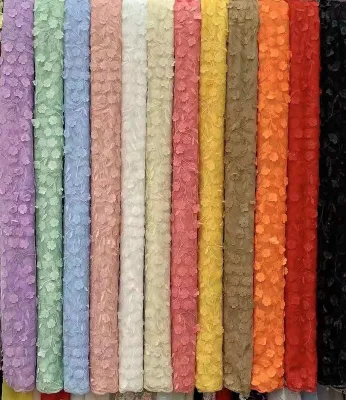
Beyond price and quantity, buyers should compare customization capabilities and stock availability. Some suppliers offer stock colors with immediate availability, while others require custom color options or specific embroidery patterns like floral flock prints. The ability to customize width, such as 58/60 inches or 125cm, is a key differentiator that affects fabric yield and waste. Additionally, the availability of sample orders, with some suppliers supporting 7-day sample lead times, allows for quality assessment before bulk commitment. Evaluating these factors helps buyers identify suppliers who can adapt to specific design needs while maintaining cost efficiency and delivery reliability.
Common PU Coated Embroidery Tulle Fabric Sourcing Risks
One significant risk involves the discrepancy between advertised product attributes and actual delivery. While product listings may specify attributes like "Silk Embroidery" or "Net Embroidery," the actual material composition might differ, such as being 100% Polyester or Nylon. Buyers face the risk of receiving fabric that does not match the visual or tactile expectations set by the product keywords and images. This mismatch can lead to production delays and increased costs if the fabric is unsuitable for the intended bridal or garment application. Rigorous sample testing is the primary defense against this risk, ensuring that the physical product matches the digital description.
Another risk is the variability in lead times during peak seasons. The data indicates that for orders exceeding 99 units, lead times may shift from a standard 15 days to a "To be negotiated" status during busy periods. This uncertainty can disrupt production schedules, particularly for time-sensitive projects like wedding dress collections. Buyers must account for potential delays by planning orders well in advance and maintaining open communication with suppliers regarding capacity. Additionally, the lack of standardized certifications across suppliers increases the risk of inconsistent quality control. Without verified standards, buyers may encounter defects in embroidery or fabric strength that are not apparent until the goods arrive.
PU Coated Embroidery Tulle Fabric Regional Sourcing and Logistics
Sourcing from China, specifically Fujian and Zhejiang, offers access to a dense network of textile suppliers but introduces specific logistical considerations. The concentration of suppliers in these provinces means that shipping routes are well-established, yet buyers must account for the distance and potential customs complexities. The origin data confirms that products are manufactured in China, which influences the shipping timeline and cost structure. Buyers should verify the specific port of loading and the Incoterms agreed upon to understand who bears the risk during transit. Understanding the regional logistics network helps in estimating the total landed cost and planning inventory levels accordingly.
Logistics planning must also consider the packaging standards provided by suppliers. Observations show that products are often packed in rolls, with specific quantities like 50 meters per roll or plastic and carton combinations. This packaging method affects how the fabric is handled during shipping and storage, potentially influencing the risk of damage or creasing. Buyers should confirm that the packaging is robust enough to protect delicate embroidered and sequined fabrics during long-haul transport. Furthermore, the regional concentration allows for potential consolidation of orders from multiple suppliers within the same province, reducing overall shipping costs and simplifying the import process.
PU Coated Embroidery Tulle Fabric Commercial Terms and Order Planning
Commercial terms regarding payment and delivery are critical for successful procurement. The data shows that delivery times can range from 5-7 days for specific stock items to 15 days for standard orders, with further negotiation required for large volumes. Buyers must clarify these timelines in the purchase agreement to ensure they align with their production schedule. Additionally, the availability of stock colors versus custom options impacts the speed of fulfillment. Understanding these terms helps buyers manage cash flow and production timelines effectively, preventing bottlenecks that could arise from unexpected delays or stock shortages.
Order planning should also account for the specific product attributes and customization requirements. Suppliers offer various options, including custom widths, colors, and embroidery styles, which may extend the lead time. Buyers need to balance the desire for customization with the need for speed, especially when working with tight deadlines. The presence of OEM and ODM services indicates that suppliers are willing to adapt to specific brand needs, but this requires clear communication of design specifications. By planning orders with these variables in mind, buyers can secure the necessary fabric quantities while maintaining flexibility for design changes and ensuring a smooth transition from sourcing to production.
FAQs
What is the typical lead time for tulle fabric orders?
The standard lead time is 15 days for most orders. For quantities exceeding 99 units, the delivery schedule becomes negotiable. Buyers should confirm specific timelines based on their order volume and current production capacity.
What are the minimum order quantities for tulle fabric?
Minimum order quantities vary by product, starting at 5 yards for some lace items. Other sequin tulle fabrics require a minimum of 100 meters. Buyers must check specific product pages to confirm the exact MOQ for their selected design.
Where are these tulle fabric suppliers located?
Suppliers are primarily located in Fujian and Zhejiang provinces in China. These regions specialize in textile manufacturing and offer a wide range of lace and mesh fabrics. Buyers can filter results by these specific locations to find nearby vendors.
What materials are used in the embroidery tulle fabrics?
Materials include 100% nylon, 100% polyester, and mesh blends. Some products feature silk embroidery or short fiber knitted types. The specific material composition depends on the product model and intended application such as bridal or garment use.
How fast do suppliers typically respond to inquiries?
Response times vary, with some suppliers replying within 3 hours. Others may take up to 9.45 hours to respond to initial messages. Buyers should expect different response speeds depending on the specific supplier and their current workload.
Are customization options available for tulle fabrics?
Yes, customization is available for many tulle fabric products. Buyers can request specific colors, patterns, or designs to match their needs. OEM and ODM services are welcomed by several suppliers for tailored fabric solutions.
What is the price range for sequin tulle fabric?
Prices range from 1.50 to 3.60 per unit depending on the design. Specific models like FZ344 start at 1.50 while others like F240377 reach 3.60. The final cost depends on the material, embroidery style, and order quantity selected.