Source Customized Color Crochet Lace Trim for Clothing, Hats, and Home Textiles
Find 30 options for Customized Color Crochet Lace Trim suitable for clothing, hats, and home textiles. Compare materials like cotton and polyester, check widths from 1.7cm to 9.5cm, and review certifications such as OEKO-TEX standard 100 for your sourcing needs.
Updated
Key considerations
Products List


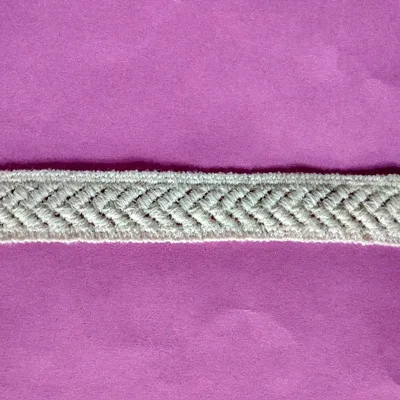
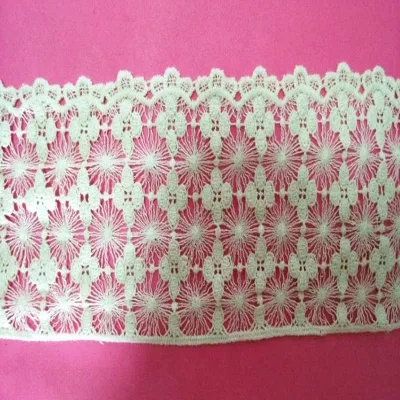

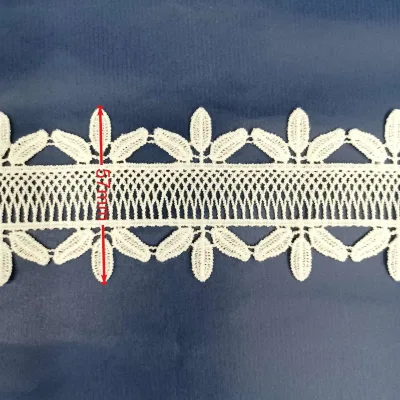
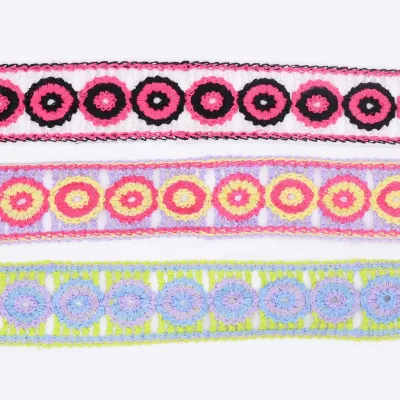


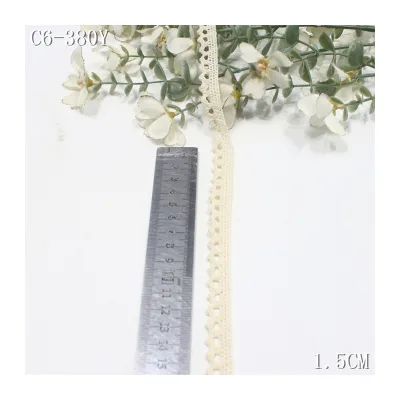
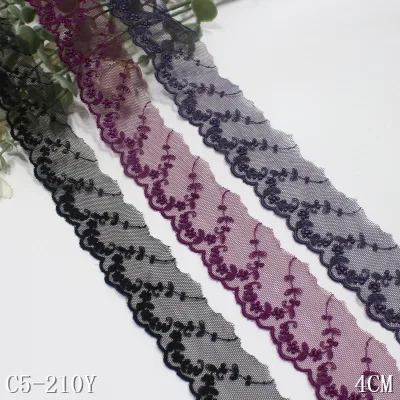
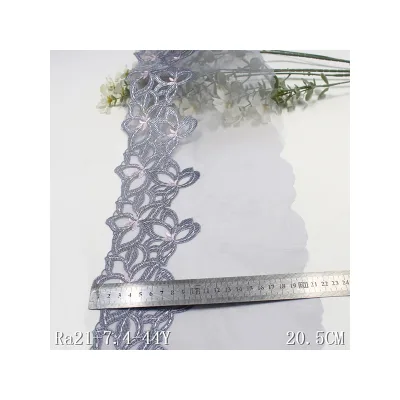
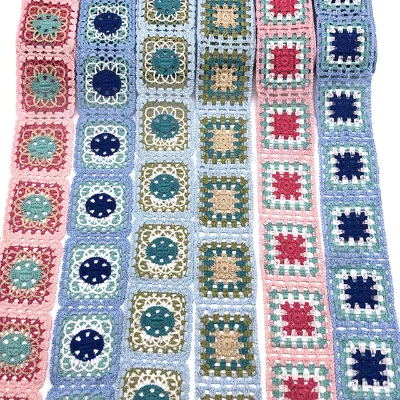
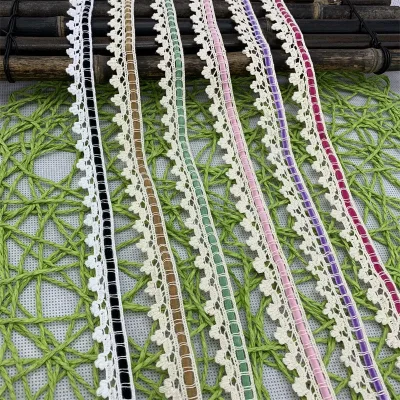
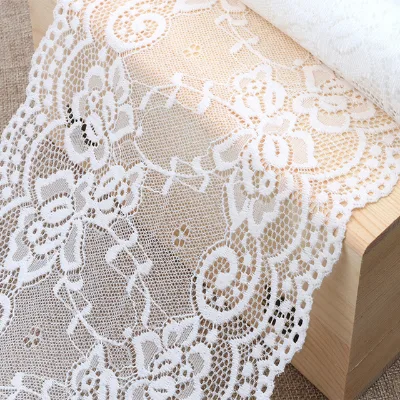
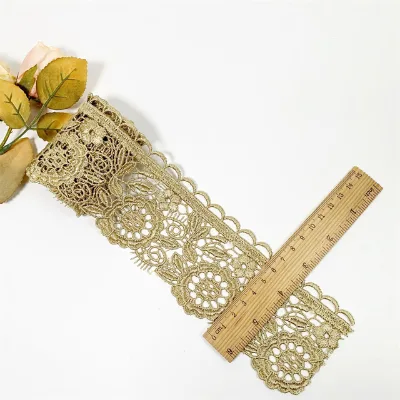
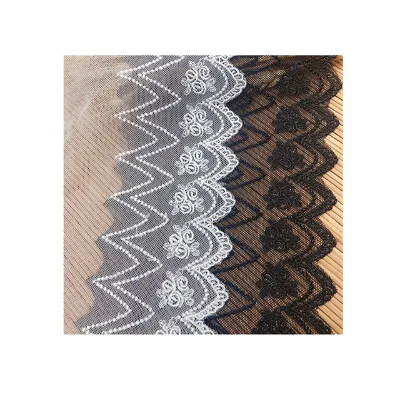
Comprehensive Sourcing Guide
Customized Color Crochet Lace Trim Sourcing Guide
Sourcing Customized Color Crochet Lace Trim requires a strategic approach that balances aesthetic precision with technical feasibility. Buyers must first define the exact shade requirements, as production often relies on dyeing processes to match specific brand palettes. The observed market indicates that customization is widely available, allowing for tailored solutions that align with unique design identities. This flexibility is crucial for brands seeking distinct visual differentiation in their final products.
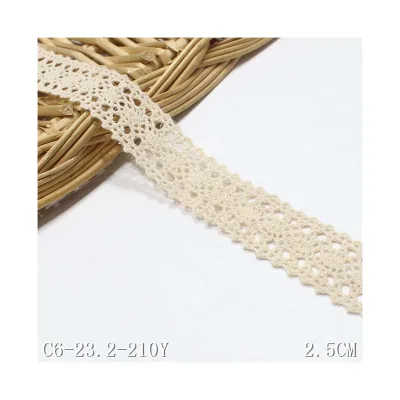
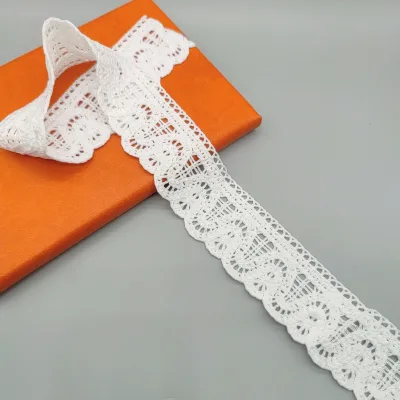
The manufacturing techniques for these trims vary, with crochet and embroidery being prominent methods observed in current listings. Understanding the distinction between these techniques is vital for quality assessment. Crochet lace offers a textured, three-dimensional appearance, while embroidery lace provides intricate, flat detailing. Buyers should evaluate which technique best suits the structural and aesthetic needs of their specific application, ensuring the chosen method delivers the desired durability and visual impact.
Product Scope and Observed Listing Signals
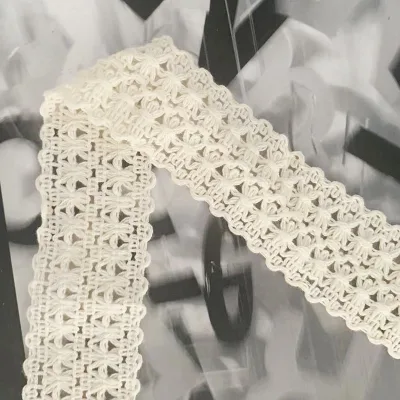
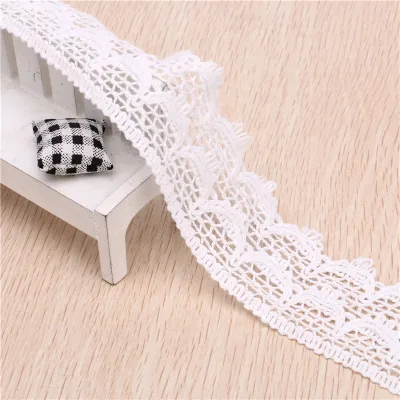
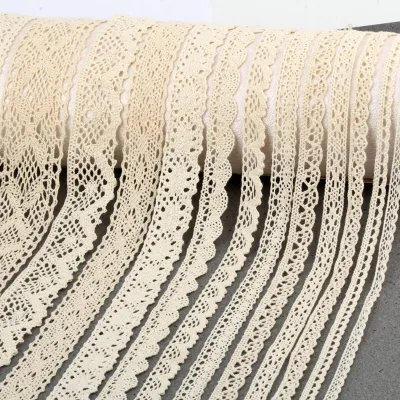
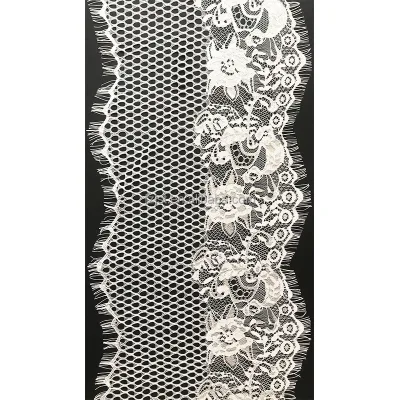
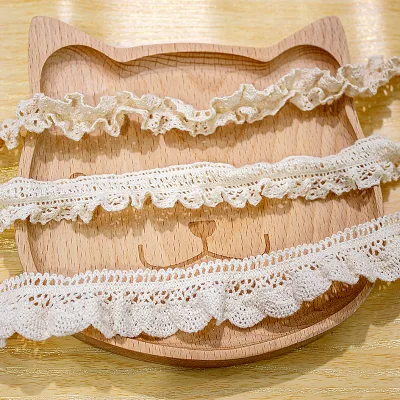
The current market landscape for crochet lace trim reveals a diverse range of materials and styles. Cotton and polyester are the primary fibers identified, with some blends combining both for enhanced performance. These materials support various applications, including clothing, home textiles, and accessories like hats. The observed listings highlight styles ranging from elegant and vintage to luxury designs, indicating a broad spectrum of aesthetic options available to procurement teams.
Pattern diversity is another key signal, with geometric, striped, and floral motifs being commonly listed. These patterns cater to different design trends and consumer preferences. Additionally, the presence of water-soluble embroidery crochet suggests advanced manufacturing capabilities that allow for complex designs. Buyers should note that while these features are observed, they are not universal across all suppliers, necessitating careful verification of specific product attributes before placing orders.
Technical Specifications to Verify
Width and repeat length are critical technical parameters that influence both the visual appeal and the cost of the lace trim. Observed specifications include widths such as 1.7cm and 9.5cm, catering to different design scales. The repeat length, noted as 3cm in some listings, affects the continuity of the pattern. Buyers must verify these dimensions to ensure they align with their design templates and production machinery capabilities, preventing fit issues during assembly.
Material composition and yarn size also require strict verification. Specifications like 70D, 140D, and 280D yarn sizes indicate varying thicknesses and textures. The choice between 100% cotton, polyester, or blends impacts the feel, durability, and care requirements of the final product. Procurement teams should request detailed material breakdowns and yarn specifications to ensure the selected trim meets the functional and tactile expectations of the end-user.
Compliance and Safety Documentation
Safety and environmental compliance are increasingly important in textile procurement. The OEKO-TEX Standard 100 certification is a notable standard observed in the market, indicating that the product has been tested for harmful substances. Buyers should prioritize suppliers who can provide this certification, as it assures the safety of the lace trim for direct skin contact, which is relevant for clothing and underwear applications.
While REACH compliance is mentioned in background contexts, its specific status for individual products should be verified directly with suppliers. Buyers must ensure that all chemical treatments, such as dyeing processes, adhere to relevant regional regulations. Requesting comprehensive compliance documentation, including test reports and material safety data sheets, is essential to mitigate risks associated with regulatory non-compliance and to maintain brand integrity in global markets.
Cost Drivers and Commercial Terms
Pricing for Customized Color Crochet Lace Trim is influenced by material costs, production complexity, and order volume. Observed price ranges vary significantly, reflecting differences in quality, design intricacy, and supplier location. Buyers should anticipate that customized colors and specific patterns may incur additional costs due to setup and dyeing requirements. Understanding these cost drivers helps in budgeting and negotiating favorable terms with suppliers.
Minimum order quantities (MOQs) and lead times are key commercial terms to consider. MOQs can range from small batches to large volumes, impacting inventory management and cash flow. Lead times for samples and bulk production also vary, with some suppliers offering rapid sample turnaround. Buyers should clarify these terms early in the sourcing process to align with their production schedules and avoid delays in product launches.
Supplier Qualification and Quality Control
Evaluating supplier capabilities is crucial for ensuring consistent quality in customized lace trim procurement. Buyers should assess the supplier’s manufacturing processes, including their ability to handle crochet and embroidery techniques. Verification of their quality control systems, such as inspection protocols for color consistency and pattern alignment, is essential. Suppliers with robust QC processes are more likely to deliver products that meet strict brand standards.
Communication and customization support are also important factors in supplier selection. Suppliers that offer flexible customization options and responsive customer service can better accommodate specific buyer requirements. Buyers should engage with potential suppliers to discuss their customization capabilities, including color matching and pattern adjustments. Establishing a clear communication channel ensures that any issues or changes can be addressed promptly throughout the production process.
Long-Term Procurement Checks
Building a sustainable supply chain for crochet lace trim involves regular performance reviews and relationship management. Buyers should monitor supplier performance over time, tracking metrics such as on-time delivery, quality consistency, and responsiveness to issues. Regular audits and feedback sessions can help identify areas for improvement and strengthen the partnership. This proactive approach ensures that the supply chain remains resilient and adaptable to changing market conditions.
Continuous innovation and trend monitoring are also vital for long-term success. Buyers should stay informed about emerging design trends and technological advancements in lace manufacturing. Engaging with suppliers who invest in R&D can provide access to new materials and techniques that enhance product value. By fostering a collaborative relationship with suppliers, buyers can co-create innovative solutions that meet evolving consumer demands and maintain competitive advantage in the market.
FAQs
Can I customize the color of crochet lace trim?
Yes, color customization is available for crochet lace trim products. Buyers can request specific colors as required, allowing for tailored aesthetic matches. This service supports diverse design needs for clothing and home textiles, ensuring the final product aligns precisely with brand identity and visual requirements.
What materials are used for crochet lace trims?
Crochet lace trims are commonly made from cotton, polyester, or a polyester-cotton blend. These materials offer durability and flexibility for various applications. Cotton provides a natural feel, while polyester ensures strength. Blends balance both properties, making them suitable for clothing, dresses, hats, and home textile decorations.
What is the minimum order quantity for lace trims?
Minimum order quantities vary by supplier and product type. Some suppliers require 3,000 yards per color, while others accept orders as low as 13 units. Buyers should check specific product listings for exact MOQs. Flexible options exist for wholesale purchases, accommodating both large-scale production and smaller sample needs.
Are there certifications for eco-friendly lace trims?
Yes, some crochet lace trims carry OEKO-TEX Standard 100 certification, ensuring safety and environmental compliance. These products are often labeled as eco-friendly. Buyers seeking sustainable sourcing can identify certified suppliers through product specifications. This certification verifies that the materials meet strict human-ecological standards for harmful substance limits.
How long does sample production take?
Sample order lead time is typically supported within 7 days. Suppliers offer quick turnaround for custom color and specification requests. This rapid service allows buyers to evaluate quality and design before committing to bulk orders. Efficient sampling ensures timely project progression for clothing and home textile manufacturing needs.
What styles are available for crochet lace trims?
Available styles include geometry, striped, floral, and elegant vintage designs. Trims feature techniques like crocheting, embroidery, and water-soluble embroidery. Applications range from clothing and dresses to hats and home textiles. Buyers can select from various widths and patterns to match specific garment or interior design requirements effectively.