Source eco-friendly quick-dry nylon mesh fabric for Swimwear, Sportswear, and Shoes
Find 30 listings for eco-friendly quick-dry nylon mesh fabric suitable for swimwear, sportswear, and shoes. Compare specifications like width, mesh count, and material origin from suppliers in China. Review options for customization and bulk ordering; compare the available evidence and request quotations based on your requirements.
Updated
Key considerations
Products List


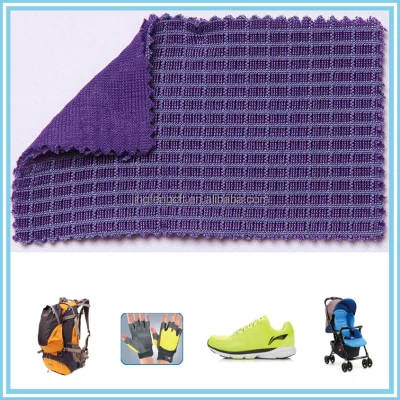
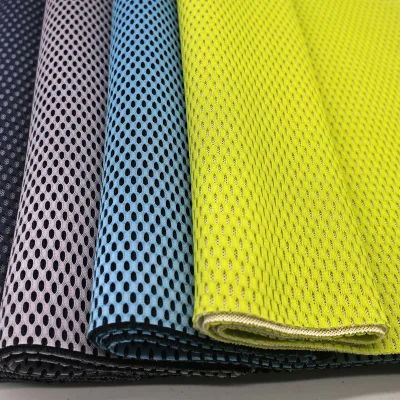
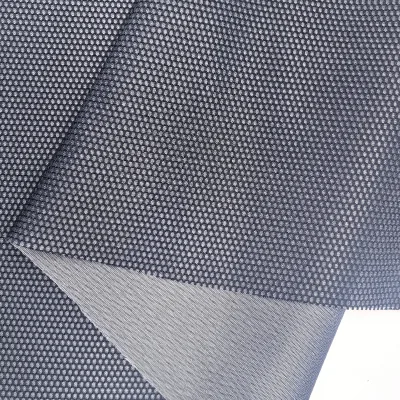
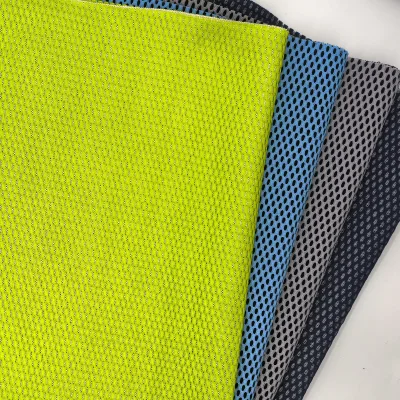
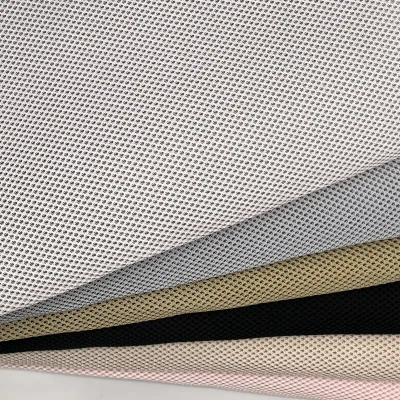


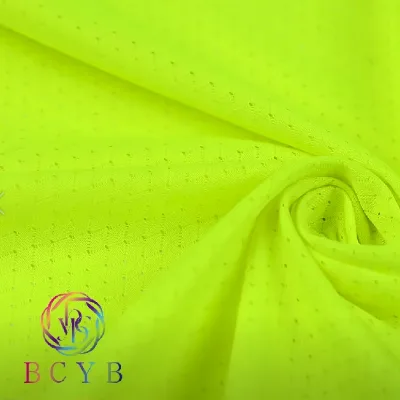
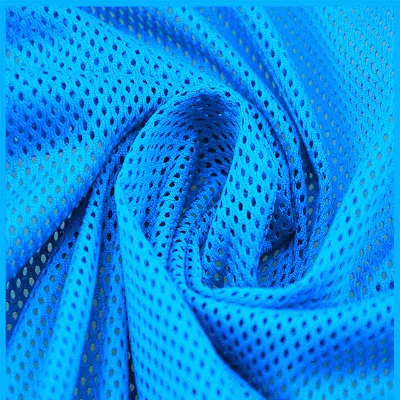
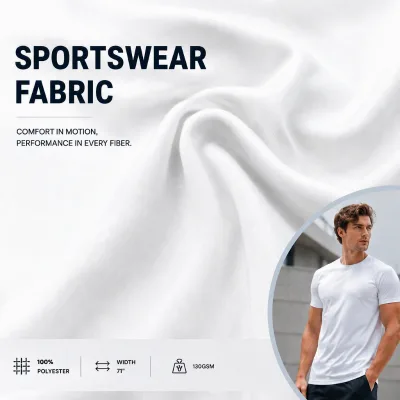
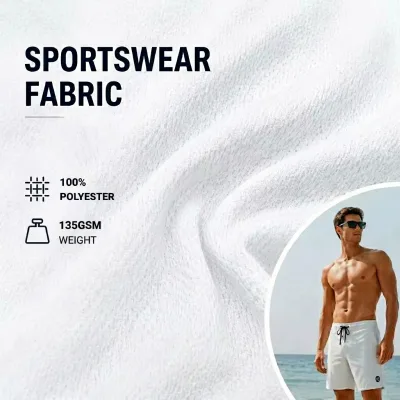
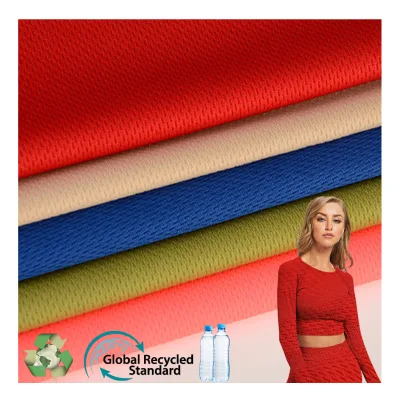


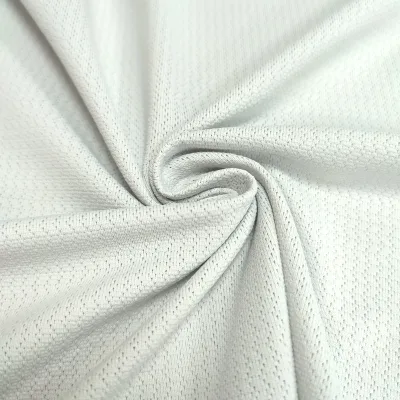
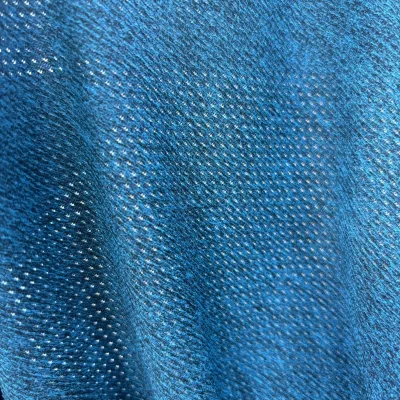
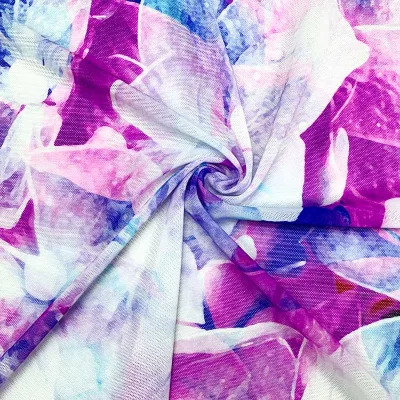
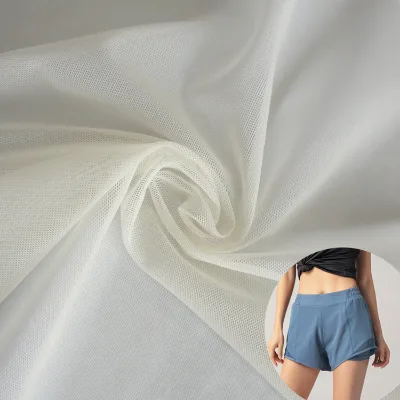
Wholesale Cheap 75 Nylon 25 Spandex Stretch Mesh Net Soft Tulle Fabric
$1.5379 - $1.9478
MOQ: 2000 Minimum
Comprehensive Sourcing Guide
Eco-Friendly Quick-Dry Nylon Mesh Fabric Sourcing Guide
Buyers evaluating eco-friendly quick-dry nylon mesh fabric must first distinguish between general industrial filtration meshes and performance textiles designed for apparel. The available data indicates a product range that includes single-network structures with square or hexagonal hole shapes, suitable for applications ranging from air and liquid filtration to swimwear and sportswear. This duality requires careful specification to ensure the selected mesh meets the specific breathability and shrink-resistance needs of the intended end-use, whether it is a chemical filter or an activewear garment.
Procurement teams should verify that the "eco-friendly" designation aligns with the actual raw material sourcing and manufacturing processes observed in the market. While some listings cite raw materials from China, Japan, and Switzerland, the specific environmental certifications or recycled content percentages are not universally defined in the provided facts. Buyers must therefore request explicit documentation regarding the sustainability of the nylon yarns and the dyeing techniques used, ensuring that the quick-dry properties do not come at the expense of unverified environmental claims or non-compliant chemical treatments.
Product Scope and Observed Listing Signals
The observed product scope reveals a wide variance in mesh counts, ranging from 10 to 330 mesh per inch, with opening sizes spanning from 30 to 2000 microns. This broad spectrum supports diverse applications, including food-grade filtration, medical filters, and industrial paint filters, alongside textile uses like luggage and outdoor gear. Buyers must carefully map their required micron rating to the specific mesh count to avoid purchasing a fabric that is either too coarse for fine filtration or too dense for the necessary airflow in athletic apparel.
Listing signals also highlight significant variability in physical dimensions and structural configurations, with widths available from 0.6 meters up to 3.68 meters and roll lengths customizable to 30 or 50 meters. The material composition is frequently listed as either pure Nylon or a Polyester/Nylon blend, which directly impacts the fabric's weight, density, and quick-dry performance. Sourcing strategies should prioritize suppliers who can clearly define the yarn count, such as the observed 75D specification, to ensure the final product possesses the correct tensile strength and flexibility for the specific project requirements.
Technical Specifications to Verify
Technical verification must begin with the confirmation of the mesh structure, specifically whether the fabric utilizes a single network or a more complex knitted arrangement. The data indicates that some products are plain dyed or yarn dyed with a plain pattern, while others feature hexagonal or square hole shapes. Buyers should demand detailed technical sheets that confirm the exact knitting technique and density, as these factors dictate the fabric's ability to maintain shape and resist shrinking during the washing cycles typical of sportswear and activewear applications.
Further scrutiny is required regarding the physical weight and dimensional stability of the mesh, as observed listings mention weights like 600G/Y and widths up to 54 inches. Since density is often listed as negotiable, procurement teams must establish a precise weight tolerance before ordering to ensure consistency across production batches. Additionally, the verification of the "quick-dry" claim should be supported by test data on moisture wicking and evaporation rates, ensuring the fabric performs reliably in high-humidity environments or during intense physical activity.
Compliance and Safety Documentation
Compliance verification is critical when sourcing materials for food, medical, or chemical applications, where safety data is non-negotiable. The available context lists standards such as CE, ROHS, and ISO9001, alongside material safety data tests, which serve as baseline indicators of regulatory adherence. Buyers must insist on seeing the actual test reports for these specific standards rather than relying on general claims, ensuring that the nylon mesh does not contain prohibited substances that could contaminate food products or harm medical patients.
For textile applications involving direct skin contact, such as swimwear and sportswear, documentation regarding dye safety and chemical residues is equally essential. While some listings mention "Food Grade" capabilities, this does not automatically extend to all textile uses without specific certification. Procurement teams should require a comprehensive compliance dossier that addresses the specific regulations of the destination market, verifying that the yarns and dyes used meet local safety requirements for human contact and environmental discharge.
Cost Drivers and Commercial Terms
Cost drivers for this category of fabric are heavily influenced by the raw material origin and the complexity of the customization requested. The data notes that raw materials may be sourced from China, Japan, or Switzerland, which creates a significant price variance based on the quality and origin of the yarn. Buyers should anticipate higher costs for premium yarns and specific colorations, such as the observed white or yarn-dyed options, and factor these material differences into their total landed cost calculations before negotiating unit prices.
Commercial terms regarding minimum order quantities (MOQ) and lead times vary widely, with observed MOQs ranging from 1 to 10,000 units and delivery times as short as 1-2 days for inventory items. However, for custom specifications or make-to-order production, lead times will extend significantly, requiring careful supply chain planning. Buyers must clarify whether the quoted price includes packaging details like paper tubes or plastic bags, as these logistical elements can impact the final cost and the efficiency of downstream manufacturing processes.
Supplier Qualification and Quality Control
Supplier qualification should focus on their ability to maintain consistent quality across repeat orders, as the data indicates a 98% repeat order rate for some providers. This high retention suggests a baseline of reliability, but buyers must still implement their own quality control protocols to verify that the "single network" structure and mesh count remain consistent from batch to batch. Establishing a clear acceptance criteria for visual defects, hole uniformity, and dimensional accuracy is essential to prevent production delays caused by substandard fabric rolls.
Quality control processes must also address the variability in supply types, distinguishing between standard stock items and custom make-to-order requests. Suppliers offering a guarantee of replacement and return for defective goods provide a safety net, but this should be complemented by pre-shipment inspections. Buyers should verify the supplier's capacity to handle large volumes, such as the observed supply ability of 1,000,000 yards per month, ensuring they can meet urgent demand spikes without compromising the technical integrity of the quick-dry nylon mesh.
Long-Term Procurement Checks
Long-term procurement strategies should prioritize suppliers who demonstrate flexibility in customization and a robust track record of order repetition. The availability of customization options allows buyers to adapt the mesh fabric to evolving product designs, but this requires a partnership where the supplier can reliably execute changes in width, mesh count, or pattern without disrupting the supply chain. Establishing a long-term relationship with a supplier who understands the specific technical nuances of nylon and polyester blends will reduce the risk of specification errors over time.
Continuous monitoring of market trends and material availability is necessary to ensure the continued viability of the eco-friendly quick-dry nylon mesh supply. Buyers should regularly review the supplier's adherence to evolving environmental standards and verify that their raw material sources remain stable and compliant. By maintaining open communication channels and conducting periodic audits of the supplier's production capabilities, procurement teams can safeguard their supply chain against disruptions and ensure a steady flow of high-quality mesh fabric for their diverse applications.
FAQs
What is the opening size range for this nylon mesh?
The opening size ranges from 30 to 2000 Micron. This wide range allows for versatile filtration applications in air, liquid, and solid filtering. Buyers can select specific micron ratings based on their precise industrial requirements, ensuring optimal performance for food, water, or chemical processing needs.
Can I customize the width and roll length?
Customization is available for both width and roll length. Standard widths include 1m, 1.27m, 1.5m, and 2m, with options extending up to 3.68m. Roll lengths are typically 30m or 50m, but manufacturers can produce custom lengths upon request to fit specific machinery or usage patterns.
What certifications does this filter mesh hold?
The product holds CE, ROHS, and ISO9001 certifications. It also passes material safety data tests, ensuring compliance with international standards. These credentials verify the quality and safety of the nylon mesh, making it suitable for sensitive applications in medical, food, and chemical industries where regulatory compliance is critical.
How fast is the delivery time for orders?
Delivery time is 1-2 days for inventory items. For standard specifications, 5000m2 is kept in stock to ensure rapid fulfillment. This quick turnaround supports urgent procurement needs, allowing buyers to receive their nylon mesh fabric swiftly without waiting for lengthy production cycles or complex logistics arrangements.
What is the minimum order quantity for this mesh?
The minimum order quantity ranges from 1 to 10000 units. This flexible MOQ accommodates both small trial orders and large-scale industrial purchases. Buyers can start with minimal quantities to test quality before committing to larger volumes, leveraging the high repeat order rate of 98% for reliable supply.
Is the mesh suitable for food grade applications?
Yes, the product is explicitly named Food Grade Micron Nylon Filter Mesh. It is designed for use in food, water, and medical filtration. The material safety data tests and relevant certifications ensure it meets hygiene standards, making it a safe and reliable choice for processing edible products and potable water.