Source 4 Way Stretch Underwear Fabric for Sportswear, Lingerie, Activewear
Find 30 listings of 4 Way Stretch Underwear Fabric suitable for sportswear, lingerie, and activewear. Compare specifications like weight, composition, and elasticity from suppliers in China to find the right material for your needs; compare the available evidence and request quotations based on your requirements.
Updated
Key considerations
Products List
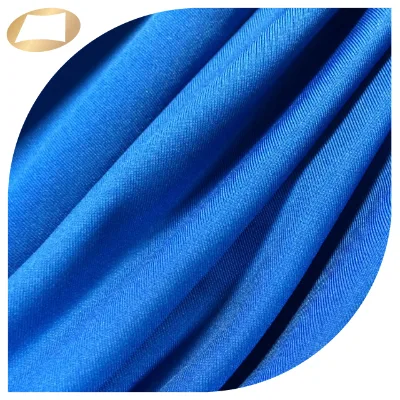
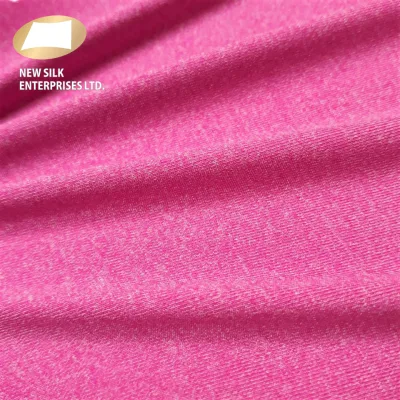
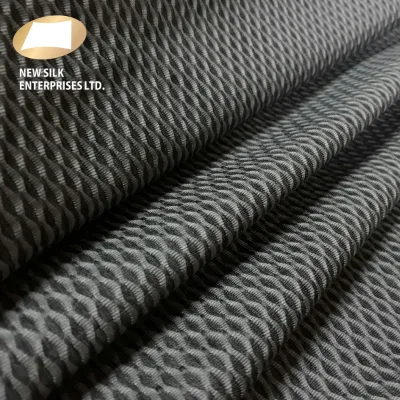
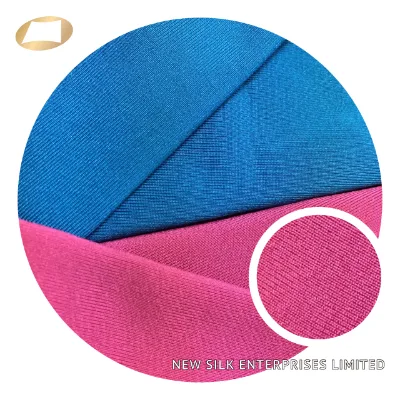
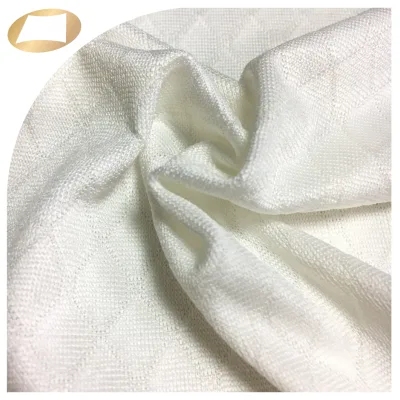
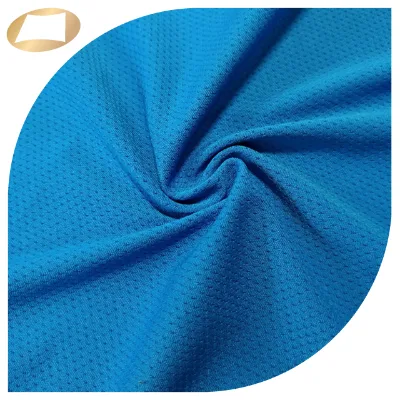
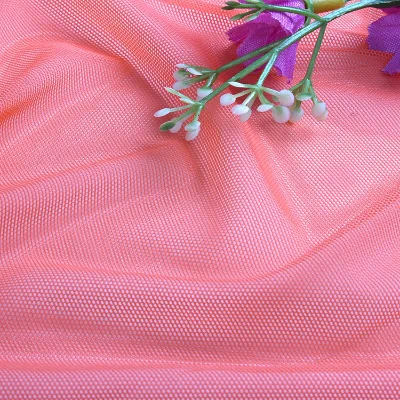


Nylon Spandex Elastane 4 Way Stretch Fabric for Shapewear Underwear Leggings
$1.20 - $2.56
MOQ: 1000 Meters

4-Way Stretch Skin-Friendly Lingerie Underwear Nylon Spandex Ribbed Fabric
$0.98 - $1.66
MOQ: 1000 Meters


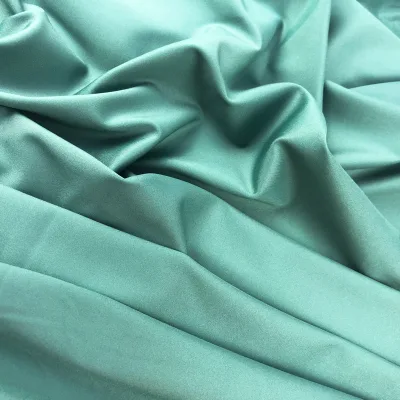

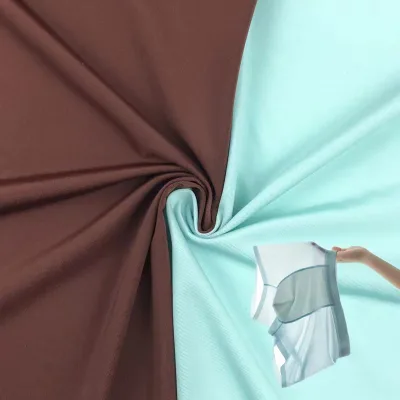
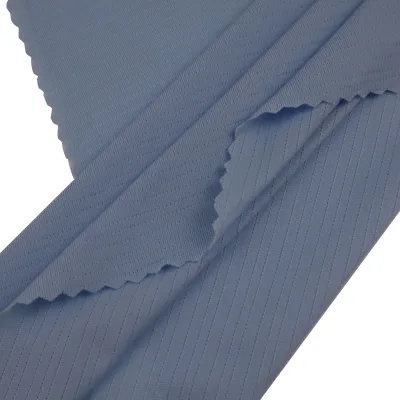
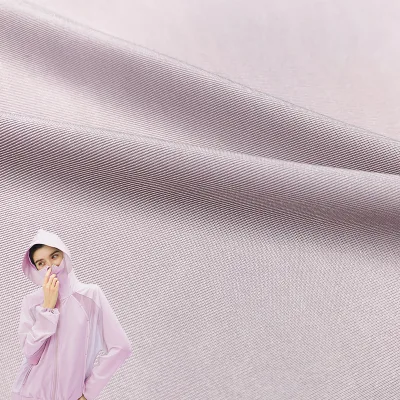
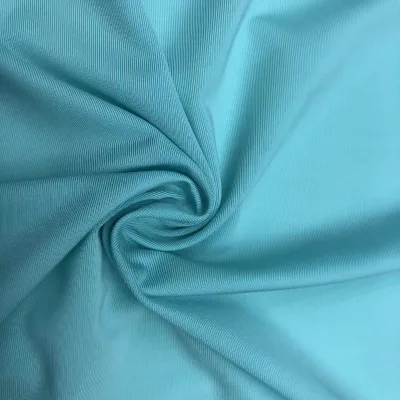
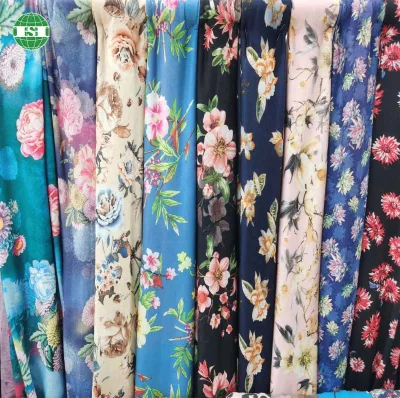


4 Way Stretch Lining Underwear Silky Tulle Nylon Spandex Light Mesh Fabric
$1.97 - $2.10
MOQ: 1000 Yards

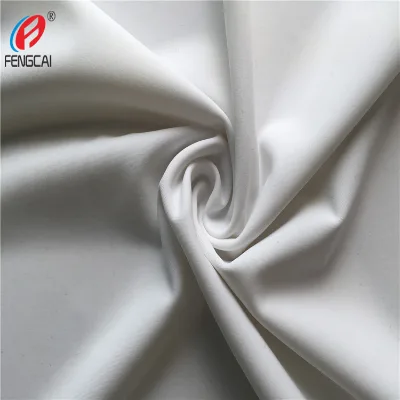
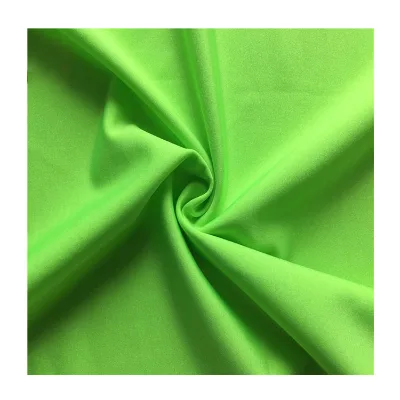
China Manufacturer 80% Nylon 20% Spandex Elastic Underwear Fabric for Dress
$1.98 - $2.21
MOQ: 200 meters
Comprehensive Sourcing Guide
4 Way Stretch Underwear Fabric Sourcing Guide
Sourcing 4-way stretch underwear fabric requires a nuanced understanding of material composition, elasticity mechanics, and supply chain logistics. Buyers must distinguish between standard knit structures and specialized high-performance blends that offer both horizontal and vertical stretch recovery. The market offers diverse options ranging from lightweight jersey to heavyweight technical knits, each serving distinct functional needs in intimate apparel and activewear. Understanding these variations is critical for selecting the right material that balances comfort, durability, and aesthetic appeal for end-users.
Procurement decisions should be guided by observed listing signals and technical specifications rather than generic marketing claims. Current market data indicates a wide range of product types, including spandex blends and polyester-based stretch fabrics, with varying weights from ultra-light 65gsm to heavy 210gsm options. Buyers should verify specific attributes such as yarn count, width, and origin to ensure alignment with their manufacturing capabilities. This guide provides a structured approach to evaluating suppliers and products based on verified data points and industry best practices.
Product Scope and Observed Listing Signals
The observed product landscape includes a variety of stretch fabrics designed for underwear, lingerie, sportswear, and activewear applications. Listings show products with compositions such as 80% Nylon and 20% Spandex, or blends involving Polyester and Spandex, highlighting the diversity in material selection. Colors range from standard options like Black, White, and Red to custom shades, allowing for brand-specific customization. The presence of features like "No Deformation" and "High Elasticity" suggests a focus on performance and longevity, which are key selling points for underwear manufacturers seeking reliable supply chains.
Weight and thickness vary significantly across listings, with some products specified at 65±5gsm for lightweight applications and others at 210gsm for heavier, more supportive garments. Widths are typically standardized around 56 inches or 175±5cm, which impacts cutting efficiency and waste reduction. Some products are explicitly labeled as "4 Way Stretch Fabric," indicating superior elasticity in multiple directions, while others emphasize features like water, oil, and blood resistance. These signals help buyers narrow down options based on specific functional requirements, such as moisture management or structural integrity in high-stress areas.
Technical Specifications to Verify
Buyers must verify critical technical specifications to ensure the fabric meets their design and production needs. Key attributes include yarn count, such as 80D or 30D+40D, which influence the fabric's texture, drape, and strength. The production method, whether wet spinning or other techniques, affects the final quality and consistency of the yarn. Additionally, the form of the material, such as bare yarn or finished fabric, determines the next steps in the manufacturing process. Verifying these details helps prevent mismatches between supplier capabilities and buyer expectations, reducing the risk of production delays or quality issues.
Width and weight are also crucial specifications that impact cutting patterns and material usage. Standard widths like 56 inches or 175±5cm should be confirmed to ensure compatibility with existing machinery. Weight variations, from lightweight 65gsm to heavyweight 210gsm, affect the garment's feel and performance. Buyers should also check for specific product models, such as NS007 or TS087, which may have unique characteristics or certifications. Ensuring these technical details are accurately documented in purchase orders is essential for maintaining consistency across production runs and meeting quality standards.
Compliance and Safety Documentation
Compliance and safety are paramount in the underwear fabric industry, given the direct contact with sensitive skin areas. Buyers should request documentation verifying that the fabric meets relevant safety standards, such as OEKO-TEX, which ensures the absence of harmful substances. Although specific certification status may not be explicitly listed in all product descriptions, it is a critical factor for many markets, particularly in Europe and North America. Verifying compliance with local regulations regarding chemical usage and textile safety helps mitigate legal risks and protects brand reputation.
In addition to chemical safety, buyers should inquire about testing procedures for durability, colorfastness, and elasticity retention. These tests ensure that the fabric maintains its properties after multiple washes and wears, which is essential for customer satisfaction. Suppliers should provide test reports or certificates from recognized laboratories to validate their claims. Understanding the specific standards applicable to the target market is crucial, as requirements can vary significantly between regions. Proactively addressing compliance issues during the sourcing phase helps streamline the approval process and reduces the likelihood of product recalls or rejections.
Cost Drivers and Commercial Terms
Cost drivers for 4-way stretch underwear fabric include material composition, weight, and customization requirements. Blends with higher percentages of Spandex or specialized fibers like Nylon tend to be more expensive due to their superior elasticity and performance characteristics. Custom colors and specific weights, such as 210gsm, may also incur additional costs due to the complexity of production and material sourcing. Buyers should consider these factors when budgeting for their projects, as they directly impact the final price per unit.
Commercial terms, including payment methods, lead times, and delivery conditions, also influence the overall cost. Common payment terms involve a deposit followed by balance against bills of lading, such as T/T 30% Deposit 70% Against Bl. Lead times can vary, with some suppliers offering production within 30 days, while others may require longer periods for custom orders. Delivery terms like FOB Ningbo affect logistics costs and risk allocation. Understanding these commercial aspects helps buyers negotiate favorable terms and manage cash flow effectively, ensuring a smooth procurement process.
Supplier Qualification and Quality Control
Supplier qualification is a critical step in ensuring the reliability and consistency of 4-way stretch underwear fabric supplies. Buyers should assess suppliers based on their production capabilities, quality control processes, and track record in the industry. Factories with advanced knitting technologies and strict quality assurance protocols are more likely to deliver high-quality products that meet specified standards. Verifying the supplier's location, such as Fujian, Zhejiang, or Taiwan, can also provide insights into their expertise and access to raw materials.
Quality control measures should be clearly defined and agreed upon before production begins. This includes setting acceptable tolerances for weight, width, and color consistency. Buyers may request pre-production samples or conduct third-party inspections to verify quality before bulk production. Establishing clear communication channels and regular updates helps monitor progress and address any issues promptly. By prioritizing supplier qualification and robust quality control, buyers can minimize risks and ensure that the final product meets their expectations and customer demands.
Long-Term Procurement Checks
Long-term procurement success depends on continuous monitoring and evaluation of supplier performance and market trends. Buyers should regularly review supplier metrics, such as on-time delivery rates, defect rates, and responsiveness to issues. Establishing key performance indicators (KPIs) helps track these metrics and identify areas for improvement. Regular audits and feedback sessions with suppliers foster a collaborative relationship and drive continuous improvement in product quality and service levels.
Staying informed about market trends and technological advancements in fabric production is also essential for maintaining a competitive edge. New materials and techniques may offer improved performance or cost efficiencies, providing opportunities for innovation and differentiation. Buyers should engage with suppliers to explore these possibilities and adapt their sourcing strategies accordingly. By maintaining a proactive approach to long-term procurement checks, buyers can build resilient supply chains that support their business growth and meet evolving customer needs.
FAQs
What materials compose 4 Way Stretch Underwear Fabric?
This fabric typically blends Spandex, Polyester, and Nylon to achieve superior elasticity. Common compositions include 80% Nylon with 20% Spandex or 88% Polyester with 12% Spandex. These synthetic blends ensure the material remains durable while providing the necessary four-way stretch required for comfortable and form-fitting underwear garments.
How heavy is the heavyweight 4 way stretch fabric?
The heavyweight variant of this fabric has a weight specification of 210gsm. This substantial density provides excellent coverage and support, making it ideal for structured underwear and activewear. In contrast, lighter options may weigh around 65gsm, offering a softer feel suitable for lingerie or summer wear applications.
Can I customize the color of this stretch fabric?
Yes, customization is available for this fabric. Buyers can select from standard colors like Black, Blue, Pink, Red, White, Gray, or Green. Alternatively, you can send specific color shades to the supplier for custom dyeing. This flexibility allows brands to match their unique design requirements and seasonal collections effectively.
What is the typical width of this spandex fabric?
The fabric width varies by specific product model. One common specification lists a width of 56 inches, while another variant measures 175±5 cm. These dimensions accommodate different cutting layouts for underwear and sportswear. Buyers should verify the exact width for their chosen model to optimize material usage and reduce waste.
Which features make this fabric suitable for underwear?
Key features include high elasticity, stretch recovery, and no deformation. The fabric offers good support and maintains its shape after repeated wear and washing. Additionally, some variants provide water, oil, and blood proof properties. These functional attributes ensure comfort, durability, and hygiene for intimate apparel and active wear applications.
What is the production lead time for this fabric?
The standard production lead time is approximately 30 days. This timeline allows for proper manufacturing and quality control of the knitted spandex material. Buyers should plan their inventory accordingly, as lead times may vary based on order volume and customization requirements. Early communication with suppliers ensures timely delivery for your production schedule.
How is the fabric packed for shipping?
The fabric is typically packed in rolls wrapped in plastic bags. Each roll usually weighs around 25kg, facilitating easy handling and storage. This roll packing method protects the material from moisture and damage during transit. Buyers should confirm packaging details with suppliers to ensure the fabric arrives in optimal condition for cutting and sewing.