Source Short Pile Flocking Fabric for Shoes, Bags, and Home Textile
Find 30 Short Pile Flocking Fabric options from Zhejiang, China. Compare specifications including 100% polyester and blended materials, weights from 120-130g/m2, and features like tear resistance for footwear, bags, and upholstery applications; compare the available evidence and request quotations based on your requirements.
Updated
Key considerations
Products List
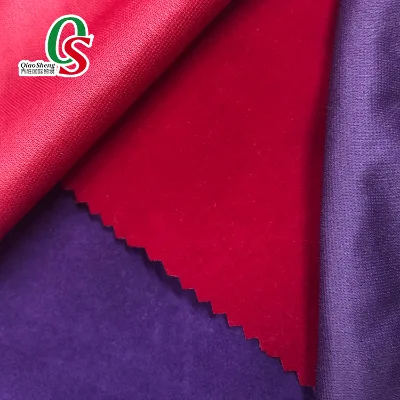
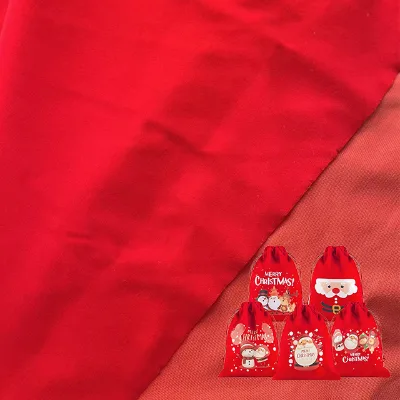
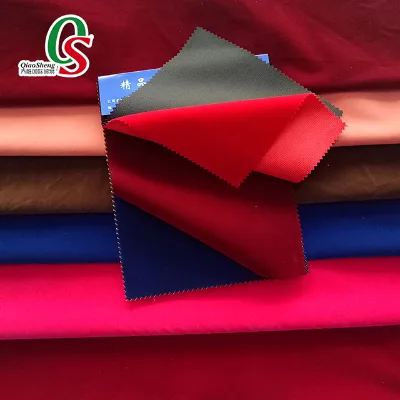
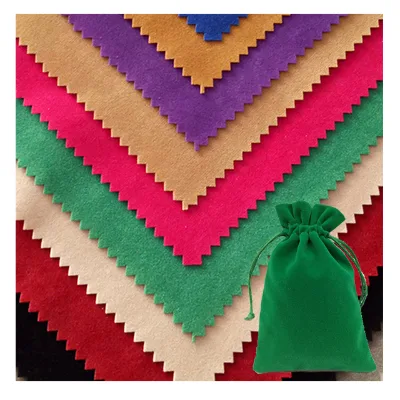
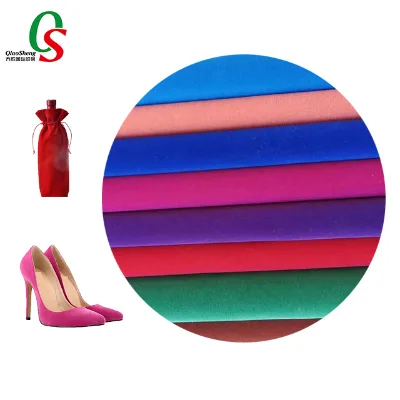
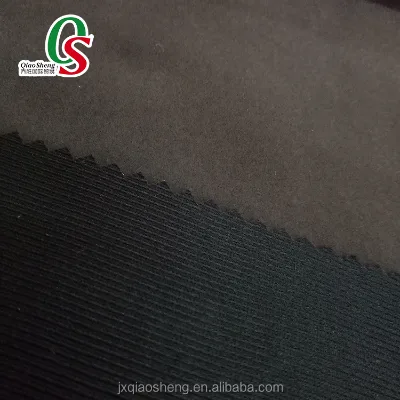
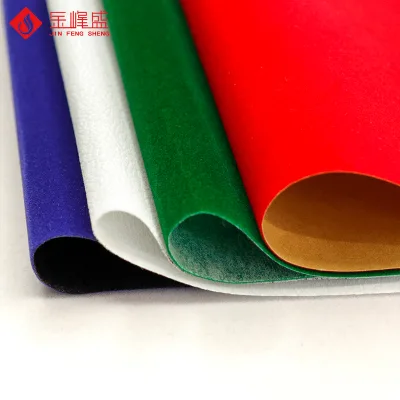
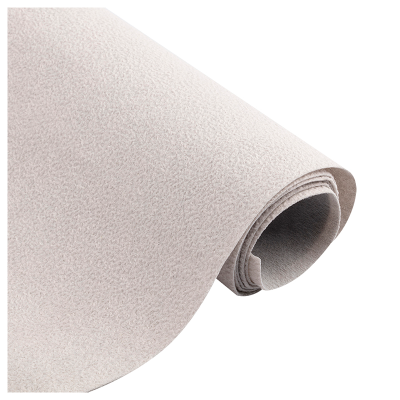
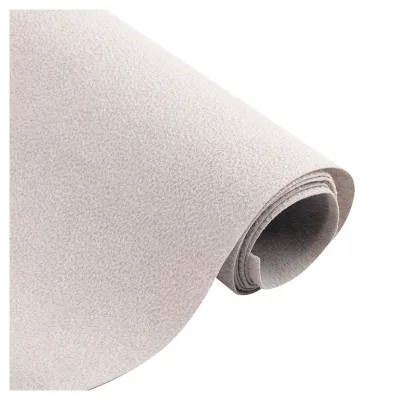
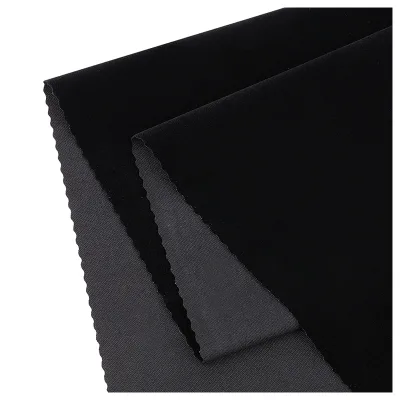
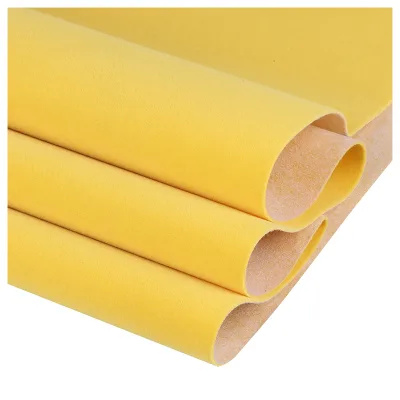
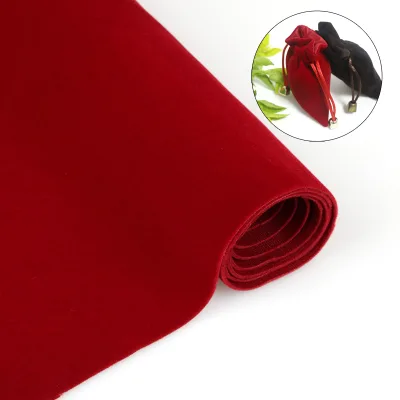


C1-C6 Home Textile Flock Upholstery Fabric Flock Linen Fabric Flocking Fabric
$1.13 - $1.33
MOQ: 1000 Meters


Customized Flocking Stretch Linen Sofa Fabric Flocked Linen Fabric Flock Fabric
$0.97 - $1.00
MOQ: 1000 Meters


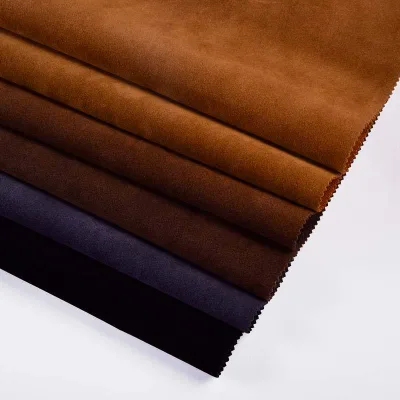
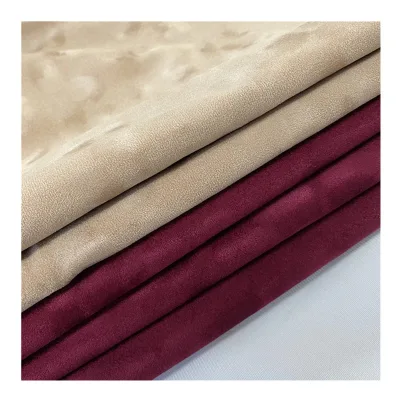
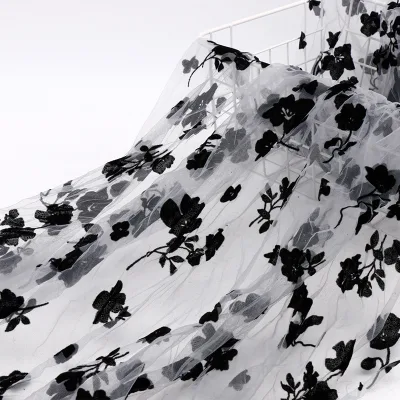
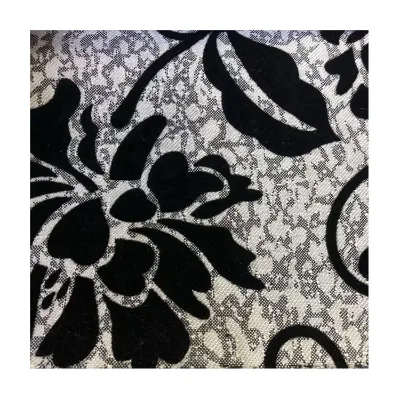


Comprehensive Sourcing Guide
Short Pile Flocking Fabric Sourcing Guide
Procuring Short Pile Flocking Fabric requires a disciplined approach to material verification and supplier alignment, particularly when sourcing from major manufacturing hubs like Zhejiang, China. Buyers must distinguish between various flocking techniques, such as knitted versus woven bases, as these structural differences significantly impact the final drape, durability, and aesthetic finish of the textile. The observed market data indicates a diverse range of product types, including velvet, velour, and suede variants, each serving distinct end-use applications ranging from footwear and automotive interiors to home upholstery and garment construction.
Successful sourcing begins with defining precise technical requirements before engaging with suppliers. The available inventory shows variations in yarn count, density, and weight, which directly influence the fabric’s performance characteristics. For instance, some listings specify a weight of 120-130g/m2 with a medium weight classification, while others offer lightweight options with customized density settings. Understanding these nuances allows procurement teams to filter suppliers effectively, ensuring that the selected fabric meets the functional demands of the final product, whether it requires tear resistance, shrink resistance, or specific aesthetic qualities like plain dyed or flocked patterns.
Product Scope and Observed Listing Signals
The current market landscape for Short Pile Flocking Fabric reveals a wide spectrum of material compositions and structural attributes. Suppliers offer options ranging from 100% polyester to blended fabrics incorporating 100% viscose, catering to different cost and performance needs. Observed listings highlight specific model numbers such as QSF2 and QS1701, which correspond to distinct product profiles. These models vary in their technical specifications, including yarn counts that can be customized or fixed at values like 150D*150D or 75D, and widths standardized at 58/60 inches. Buyers should carefully review these identifiers to ensure compatibility with their manufacturing processes and design requirements.
Application versatility is a key driver in the current supply chain, with fabrics designated for use in shoes, bags, curtains, sofas, and automotive interiors. The observed product attributes indicate features such as blackout capabilities, anti-static properties, and water resistance, which are critical for specific end-use scenarios. For example, fabrics intended for footwear may prioritize durability and aesthetic appeal, while those for home textiles might emphasize softness and colorfastness. The presence of both in-stock items and make-to-order supply types suggests that buyers can choose between immediate availability and customized production runs, depending on their inventory strategies and project timelines.
Technical Specifications to Verify
Verifying technical specifications is paramount to avoiding production delays and quality issues. Buyers must confirm the fabric’s weight, thickness, and density, as these factors influence the material’s hand feel and structural integrity. Observed data points to weights ranging from 120-130gsm, with thickness classifications varying from lightweight to medium weight. Additionally, density specifications, such as 70*70 or customized options, play a crucial role in determining the fabric’s opacity and durability. It is essential to request detailed specification sheets from suppliers to validate these parameters against your internal quality standards, ensuring that the fabric performs as expected in final assembly.
Yarn count and construction type are other critical technical aspects that require rigorous verification. The market offers fabrics with yarn counts like 100D or 150D, constructed using either knitted or woven techniques. The knitted type may be further specified as weft knitted, affecting the fabric’s stretch and recovery properties. Buyers should also pay attention to the single package dimensions and gross weight, which impact logistics and handling costs. For instance, package sizes observed range from 150X15X15 cm to 150X35X150 cm, with gross weights varying from 28.0 kg to 40.0 kg. Accurate data on these logistical metrics is essential for calculating landed costs and planning warehouse storage efficiently.
Compliance and Safety Documentation
Compliance with international safety and environmental standards is non-negotiable for global textile procurement. Buyers must ensure that suppliers provide relevant documentation, such as test reports for flammability, chemical content, and physical durability. While specific certification statuses are not explicitly detailed in the observed listings, it is imperative to request evidence of compliance with standards like REACH, CPSIA, or OEKO-TEX, depending on the target market. These certifications verify that the fabric is free from harmful substances and meets safety requirements for consumer products, particularly those intended for children or sensitive applications like footwear and home textiles.
Furthermore, buyers should verify the fabric’s performance against specific functional claims, such as shrink resistance, tear resistance, and waterproofing. The observed product attributes mention features like anti-static, downproof, and wind-proof capabilities, which require validation through independent testing. Requesting third-party test results ensures that these claims are substantiated and not merely marketing assertions. Additionally, understanding the supply type, whether in-stock or make-to-order, can impact the availability of compliance documentation, as custom orders may require additional time for testing and certification. Proactive verification of these documents mitigates legal risks and enhances brand reputation.
Cost Drivers and Commercial Terms
Understanding the cost drivers associated with Short Pile Flocking Fabric is essential for effective budget management. Key factors influencing price include material composition, yarn count, and the complexity of the flocking process. Observed price ranges in the market vary, reflecting differences in quality and specifications. Buyers should also consider the minimum order quantity (MOQ), which typically ranges from 200 to 1000 units, impacting the overall cost per unit due to economies of scale. Negotiating favorable terms based on volume commitments can lead to significant cost savings, especially for large-scale production runs.
Commercial terms such as payment methods, lead times, and shipping conditions also play a crucial role in the total cost of ownership. Suppliers may offer different supply types, including in-stock items and make-to-order options, each with distinct lead time implications. In-stock items may offer faster delivery but limited customization, while make-to-order options provide flexibility but require longer production times. Buyers should clarify these terms upfront to avoid unexpected delays or costs. Additionally, understanding the single package size and gross weight is vital for calculating freight costs, as larger packages may incur higher shipping fees.
Supplier Qualification and Quality Control
Supplier qualification is a critical step in ensuring the reliability and consistency of Short Pile Flocking Fabric supplies. Buyers should conduct thorough due diligence on potential suppliers, verifying their manufacturing capabilities, quality control processes, and track record. Observing the diversity of product attributes, such as various model numbers and material compositions, indicates that suppliers may have specialized production lines for different fabric types. It is advisable to request samples for evaluation, assessing factors like color consistency, pile height, and overall finish. This hands-on verification helps identify suppliers who can meet your specific quality standards.
Implementing a robust quality control plan is equally important to maintain product integrity throughout the supply chain. Buyers should establish clear acceptance criteria for incoming materials, including checks for defects, dimensional accuracy, and performance characteristics. Regular audits of supplier facilities can provide insights into their production processes and quality management systems. Additionally, fostering open communication with suppliers regarding any quality issues ensures timely resolution and continuous improvement. By prioritizing supplier qualification and rigorous quality control, buyers can minimize risks and ensure a steady supply of high-quality Short Pile Flocking Fabric.
Long-Term Procurement Checks
Long-term procurement success depends on continuous monitoring and adaptation to market dynamics. Buyers should regularly review supplier performance metrics, including on-time delivery rates, quality consistency, and responsiveness to issues. Establishing key performance indicators (KPIs) helps track these metrics objectively and identify areas for improvement. Additionally, staying informed about industry trends, such as new material innovations or regulatory changes, allows buyers to proactively adjust their sourcing strategies. This proactive approach ensures that the supply chain remains resilient and competitive in the face of evolving market conditions.
Building strong relationships with suppliers is also crucial for long-term procurement stability. Collaborative partnerships can lead to better pricing, priority access to new products, and improved problem-solving capabilities. Buyers should engage in regular communication with suppliers, sharing feedback and discussing future needs. This collaborative approach fosters trust and mutual benefit, creating a more reliable and efficient supply chain. By focusing on long-term relationship building and continuous improvement, buyers can secure a sustainable supply of Short Pile Flocking Fabric that supports their business goals and customer expectations.
FAQs
What materials are used for Short Pile Flocking Fabric?
The fabric is primarily made from 100% polyester or a blend of 100% polyester and 100% viscose. These materials ensure durability and a soft texture suitable for various applications like footwear, bags, and home textiles. The specific composition may vary based on the model number and customization requirements.
Which features does this flocking fabric offer?
Key features include being blackout, shrink-resistant, tear-resistant, and anti-static. Some variants also offer waterproof and fusible properties. These characteristics make the fabric ideal for garments, upholstery, and automotive applications where longevity and specific performance traits are required.
How is the fabric supplied to buyers?
Supply types include both Make-To-Order and In-Stock Items depending on the specific product listing. Buyers can choose from available stock or request custom production. This flexibility allows for immediate procurement or tailored manufacturing based on specific design and quantity needs.
What is the weight range of the fabric?
The fabric weight typically ranges from 120 to 130 grams per square meter. This medium weight classification provides a balance between durability and drape. It is suitable for applications requiring substantial fabric structure without being overly heavy for general use cases.
Can the yarn count be customized?
Yes, the yarn count is customizable to meet specific project requirements. Standard options include 150D*150D or 75D, but buyers can request other specifications. This customization ensures the fabric meets precise technical standards for different textile applications.
Where is the fabric manufactured?
The place of origin is Zhejiang, China. This region is known for its textile manufacturing capabilities. Buyers sourcing from this location can expect access to established supply chains and production facilities specializing in synthetic fabrics.
What are the available width specifications?
The standard width is available in 58 or 60 inches. This width is suitable for most garment and upholstery cutting processes. Buyers should verify specific width requirements against their production patterns to ensure optimal material usage.